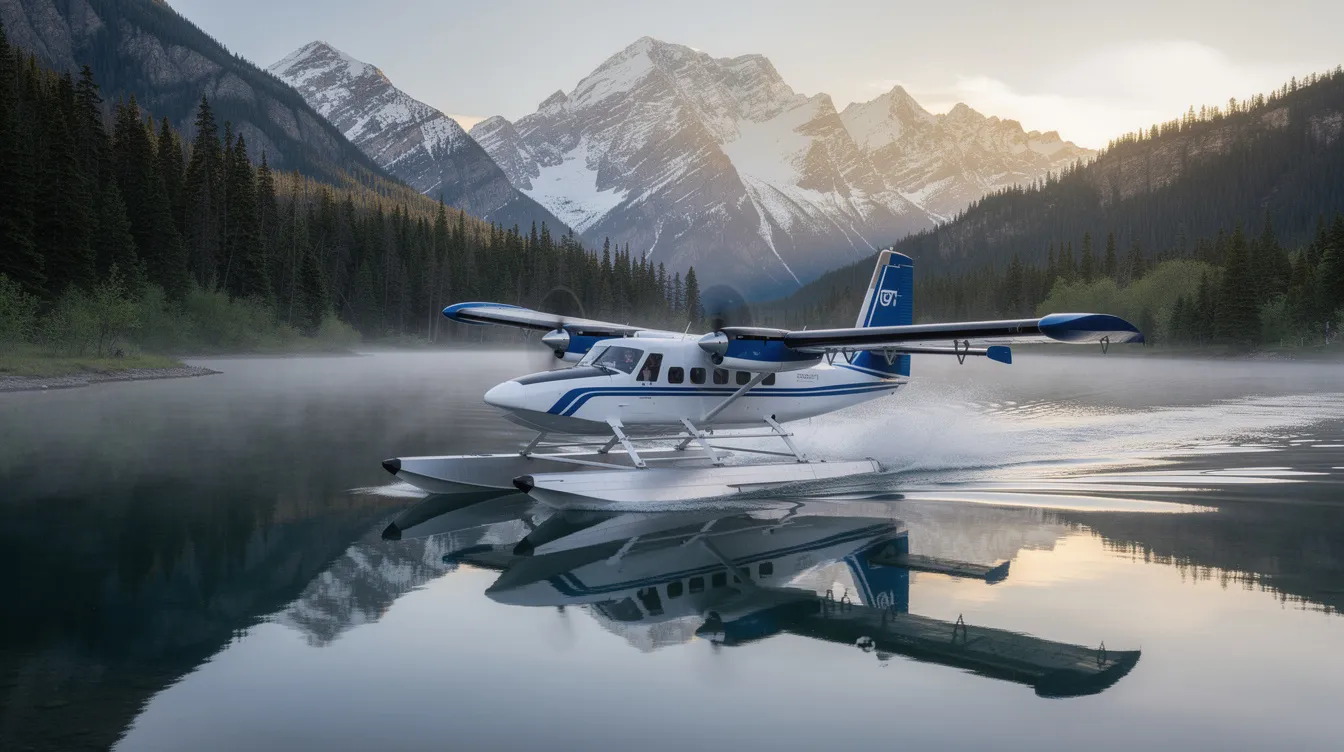
Private aviation is a strategic advantage, not merely a luxury. But even the most capable business jet reaches its limit at the runway's edge. Amphibious aircraft extend that reach to lakes, rivers, island docks, and coastal inlets where no tarmac exists, unlocking destinations that redefine what "direct access" means for discerning travelers.
Amphibious Aircraft at a Glance: Why They Matter for High-End Travelers
Most private jets and commercial airlines are bound to certified runways and fixed-base operators. Amphibious planes fly past those constraints entirely. An amphibious plane is an aircraft engineered for seamless amphibious flying, with the ability to take off and land on both prepared runways and water surfaces using a watertight hull or amphibious floats paired with retractable wheels. That dual capability gives travelers direct access to remote lakes, islands, coastal resorts, and other waterfront destinations without local airport infrastructure.
For BlackJet clients, the implications are immediate. Frequent business travelers, Jet Card members, and high-net-worth leisure flyers using premium private jet cards and membership programs can use amphibious aircraft to reach places conventional private aviation cannot serve efficiently—think resort access in the Maldives, wilderness lodges in Alaska reachable only by lake, yacht-to-shore shuttles in the Mediterranean, or last-mile connections beyond standard FBO networks. Amphibious airplanes bring both adventure and strategic utility to itineraries that demand privacy, flexibility, and direct routing.
These aircraft do not replace midsize or long-range jets. They complement them. A Jet Card user might fly a business jet to a regional hub, then board an amphibious plane for the final water-access leg, saving hours of overland transfer while arriving in a way that is as memorable as the destination itself. From there, the key questions are practical: the types of amphibious airplanes available, how their design affects performance and safety, what pilot skill and operating limits matter, where they are used for leisure and professional missions, what they cost, how they fit into BlackJet travel planning, and how sustainability factors into the decision.
What Makes an Airplane Amphibious?
The core engineering concept is straightforward: combine a watertight hull or amphibious floats with retractable wheels for land operations. Pilots of amphibious planes must manage complex gear configurations, selecting the correct setup for land or water landings before every approach.
Two primary configurations exist. Flying boat designs use a boat-shaped fuselage as the hull, with special landing gear that retracts for water operations. The ICON A5 is a modern example, with its carbon-fiber hull and retractable tricycle gear. The second type involves adding amphibious floats built onto existing airframes, such as the Cessna 206 fitted with Wipline 3450 amphibious floats, which turns a classic land-based aircraft into a versatile amphibian.
Key design features include spray rails that deflect water from propellers, high-mounted wings for clearance, corrosion-resistant materials, and a reinforced structure for repeated water impacts. Some amphibious light sport aircraft feature folding wings for easier docking and marina storage, a practical detail that matters for waterfront operations.
Regulatory categories shape what gets built. The light sport aircraft category imposes limits on the aircraft's max gross weight (roughly 1,320 lb for land LSAs) and low stall speed requirements, while Normal Category (Part 23) certification applies to larger amphibious airplanes with IFR flight capability and more passengers. Integrated flight deck systems, de-icing equipment, and weather radar vary considerably. A recognized light sport aircraft may carry basic VFR avionics, while a utility amphibian used for commercial charter features a full integrated flight deck with modern avionics upgrades and smart flight aids, giving pilots helpful data in demanding conditions.
It is important to clarify a common confusion: floatplane aircraft can only land on water. Only amphibious aircraft, with their special landing gear and retractable wheels, let pilots land on both water and conventional runways.
Types of Amphibious Aircraft: From Light Sport to Workhorse Seaplanes
The term "amphibious aircraft" covers a broad family. The history of these flying wonders stretches back over a century. Wilhelm Kress built the first seaplane around 1900, and Henri Fabre made the first successful seaplane flight in 1910. The Grumman Duck was an early successful amphibious biplane that proved amphibious design viable for military rescue missions.
Piston utility and bush plane types remain the backbone of remote-access flying. The de Havilland DHC-2 Beaver seats six to seven passengers, cruises at roughly 130 mph, and has earned its status as a legendary amphibian few planes can rival for sheer versatility. The Cessna 206 on amphibious floats is a four-to-five-seat workhorse popular with backcountry pilots and lodge operators. The Cessna 172 Amphib can take off and land on both water and land, offering a lighter option for everyday pilots.
Smaller light sport models target recreational aviation enthusiasts and fun flying. The ICON A5 is a two-seat modern light sport amphibian with approximately 427 nm range and a cruise near 95 knots. The Seamax M-22 features an integrated flight deck with synthetic vision. The Progressive Aerodyne Searey rounds out the category as an affordable entry for many private pilots and new aircraft owners exploring amphibious flying.
Larger utility and regional amphibians serve different aviation missions. The de Havilland Canada DHC-6 Twin Otter on amphibious floats seats up to 19 and handles island-hopping and special-mission transport with modern avionics upgrades. The Grumman Mallard, introduced in 1946 for commercial use, can carry up to 10 passengers and remains a collector's icon. Howard Hughes' H-4 Hercules flew in 1947 as a flying boat, a massive experimental aircraft that captured the world's imagination even if it only flew once. The Grumman Widgeon has a range of about 800 miles, making it notable among historic amphibians.
Each type differs in cabin comfort, luggage capacity, speed, and mission profile, which is why matching the right aircraft to the right itinerary matters, just as it does when comparing the top 10 private jets in the world for long-range business or leisure missions.
How Amphibious Planes Fly: Performance, Limits, and Pilot Skill
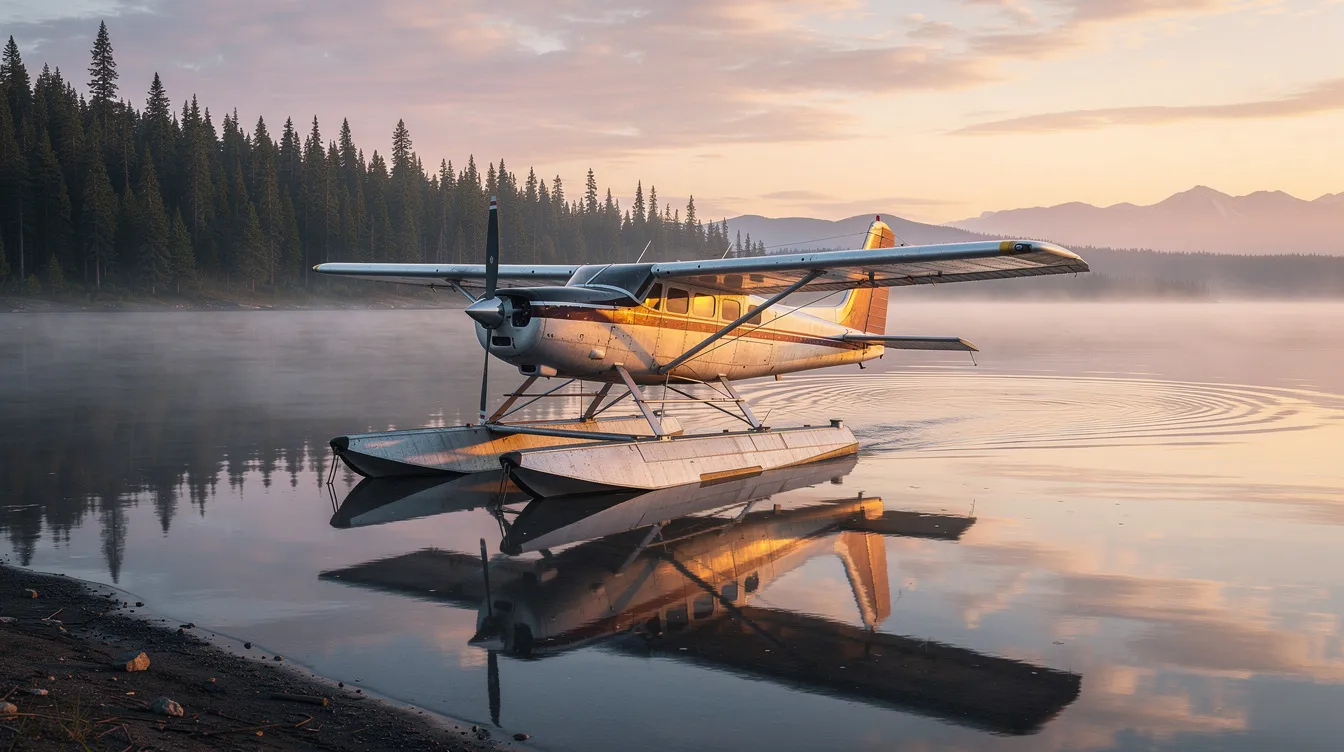
The physics of flight remain identical in the air, but flying amphibious aircraft adds water-handling demands that change everything about takeoff and approach. Hydrodynamic drag and wind conditions affect amphibious flight during takeoff, requiring longer water runs compared to hard-surface departures. The added weight of amphibious systems reduces performance compared to land-only aircraft, a trade-off every operator accepts for the flexibility gained.
Typical cruise speeds for light amphibious planes range from 90 to 130 knots, a fraction of the 400-plus knots a midsize private jet delivers, and far slower than the largest private jets built for intercontinental range and capacity. This makes amphibious segments best suited for short final legs rather than cross-country travel. Water conditions can severely limit operations of amphibious aircraft: rough chop stresses hulls and floats, while glassy water creates deceptive depth perception that demands precise technique to keep a plane steady on approach. Creative pilots and new seaplane pilots alike learn to read the water's surface before committing to land.
Pilot skill is the single most important variable. Amphibious planes require specialized training due to their operational complexity. In the U.S., pilots fly amphibious aircraft only after earning a Sea rating (ASES). Training covers step taxiing, docking, mooring, reading currents, crosswind handling on short lakes, and emergency egress. Seaplane pilots who served in professionally operated fleets typically hold high total flight hours and undergo recurrent training that inspires pilots to stay steady under pressure. For premium travel, operators with strict safety protocols and experienced crews are non-negotiable.
Why People Use Amphibious Aircraft: Use Cases from Adventure to Executive Access
The core appeal is reach. Amphibious aircraft offer the distinct ability to operate from both conventional runways and water surfaces, bypassing congested airports and long ground transfers to place travelers directly at waterfront destinations, especially when paired with on-demand private jet charter for the longer legs.
Amphibious aircraft are often used for adventure and rescue missions alike, reinforcing their role as one of the most versatile tools in modern aviation.
Best Amphibious Aircraft in Today's Market
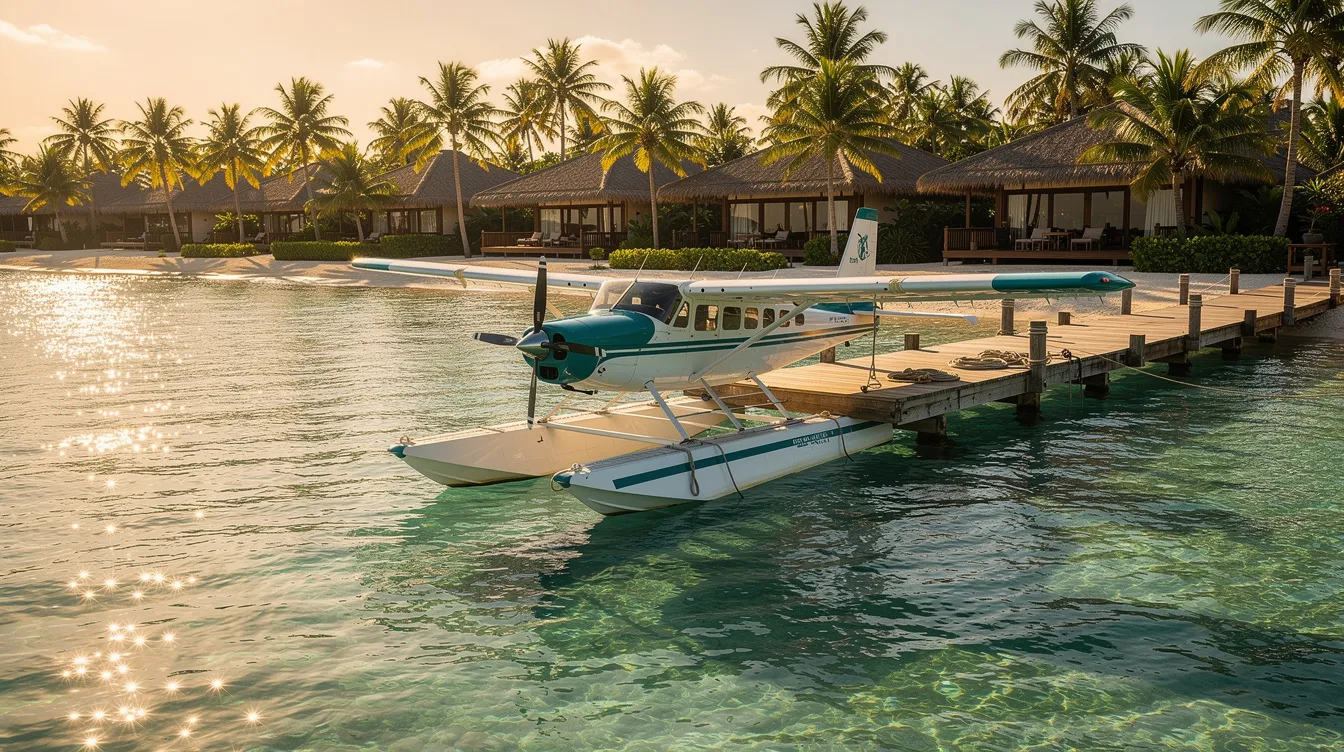
Determining the best amphibious aircraft depends entirely on the mission, just as choosing among 10-million-dollar private jet options depends on whether you prioritize speed, cabin size, or intercontinental range. Some exciting planes excel at sport flying, others at family trips, and others at heavy-duty utility work. Here are representative models worth knowing.
The ICON A5 uses a Rotax 912 engine, cruises near 95 knots, and seats two. The ICON aircraft team built it as a modern light sport amphibian with an aircraft's lightweight build and spin-resistant airframe. The ICON aircraft line remains the most visible name in recreational amphibious flying, with roughly 15.1% of the global amphibious aircraft market share in 2024.
The Seamax M-22 is another light sport aircraft with two seats and modest range, appealing to dedicated aircraft owners who value synthetic vision avionics. The Progressive Aerodyne Searey and Super Petrel XP round out the light sport category as affordable, strong yet light airplanes for fun flying near water, similar in spirit to some of the cheapest private aircraft options that make ownership more accessible. These experimental amphibious aircraft provide an entry point for aircraft owners wanting one aircraft purchase that handles both water and land.
The Cessna 206 Amphibian, with the addition of amphibious floats,ls turns it into a capable bush plane that seats four to five and handles water takeoffs of approximately 1,770 feet. The Cessna Caravan Amphibian offers even more capacity for commercial lodge operations. The de Havilland DHC-2 Beaver remains a legendary amphibian that few planes can equal for STOL performance and rugged reliability. The Viking Twin Otter on amphibious floats seats up to 19 and is typically operated by commercial or lodge-based operators rather than individual owners.
For individual ownership, light sport and mid-range piston amphibians are the most realistic. Larger turboprops are better suited to charter operators or resort fleets where utilization justifies the cost.
How Much Do Amphibious Planes Cost?
Amphibious planes cost far more than their land-only counterparts, and the range is wide. A new amphibious light sport aircraft like the ICON A5 starts around $189,000 base and can reach $400,000 or more with options. Refurbished piston amphibians such as older Lake or Cessna float conversions typically fall in the $200,000–$700,000 range. New utility amphibious airplanes like the Twin Otter on amphibious floats list above $7 million, fitting into the broader private jet price landscape that spans from entry-level turboprops to widebody business jets.
Key cost drivers include corrosion-proofing, complex retractable gear maintenance, hull or float refurbishment (often $8,000–$12,000 every few years), and insurance premiums that reflect water-operation risk. Operating costs for a Beaver-class amphibian can run $40,000–$90,000 annually before crew expenses.
For most high-net-worth travelers, the math favors chartering or integrating amphibious segments into a curated itinerary through a membership model. The cost of an amphibious plane depends on how often you fly from water. Unless utilization is high, jet card and charter access deliver better value without capital exposure, pilot hiring, or the maintenance burden of marine aviation, and understanding jet card membership pricing helps travelers benchmark these options against outright ownership.
Amphibious Aircraft, Private Jets, and Jet Cards: How BlackJet Fits In
BlackJet specializes in Jet Card programs and private jet charter access, alongside curated options for unlimited private jet flight memberships for high-frequency travelers. Amphibious aircraft are not part of every core fleet, but they can be integrated as complementary segments in multi-leg premium journeys coordinated through BlackJet's platform.
Consider a sample door-to-dock itinerary: a member departs New York in a super midsize jet using a 25-hour Jet Card, lands at Miami Opa-Locka, then boards a chartered amphibious aircraft for the short hop directly to a Bahamian island resort dock. BlackJet's real-time flight support and digital booking tools coordinate timing between jet arrivals and amphibious connections, minimizing idle time.
The contrast with ownership is sharp. No need to maintain your own amphibious aircraft, hire seaplane-rated pilots, or manage saltwater corrosion schedules. BlackJet ensures that any partner operator meets stringent safety and certification standards, with crews who hold recurrent amphibious training and a complex pilot's license, and its standards compare favorably with those of the top private jet companies for luxury travel. Every jet leg is carbon neutral at no additional cost, and the company can calculate offset contributions for amphibious segments as part of an end-to-end trip through its sustainability initiatives.
Safety, Pilot Skill, and Certification in Amphibious Operations
Amphibious flying is exhilarating, but safety and pilot skill are non-negotiable. A quantitative study of U.S. seaplane accidents from 1982 to 2021 found that while fatal accident rates have declined over the recent decade, takeoff and landing phases remain the most hazardous, with decision-making errors as a leading causal factor. Pilots stay steady under pressure only through rigorous preparation.
Training for amphibious operations covers water handling, currents, tide awareness, docking and mooring techniques, glassy water landings, and emergency egress. These requirements go well beyond traditional flying or standard land-only light sport categories, giving flying tips that matter in real-world conditions.
Professionally operated amphibious aircraft carry life vests for all passengers, rafts on longer overwater legs, and satellite communications. Some modern LSAs include airframe parachute systems. Maintenance demands are higher than for land aircraft: corrosion control, regular hull and float inspections, and gear-system checks are essential for safe operations. Amphibious aircraft continue to serve travelers safely when operators invest in these programs. BlackJet works only with operators whose safety standards match its own, ensuring that any amphibious segment in a curated Caribbean itinerary or wilderness trip meets the same certification philosophy applied to its jet partners.
Sustainability and Technology: The Future of Amphibious Aircraft
Amphibious aircraft can support sustainable travel on short coastal or island routes that might otherwise require lengthy surface transfers, though their fuel consumption per passenger-mile is higher than that of efficient turbofan jets. The trade-off is access, not efficiency.
Emerging technologies are shifting that equation. Hybrid-electric seaplane prototypes are being tested for short-range routes in Scandinavia and Canada. Lightweight composite hulls reduce weight and improve corrosion resistance. Advanced avionics, synthetic vision, and better weather tools make amphibious operations more predictable, helping planes prove their value in remote environments.
BlackJet's carbon-neutral positioning extends to partner-operated segments. Even when conventional piston or turboprop amphibious airplanes handle a leg, emissions can be calculated and offset as part of the broader journey. Looking ahead, electric amphibious shuttles for last-mile hops from regional airports to waterfront hotels could complement longer-range business jets, giving travelers a cleaner path to plane lift off the water.
Frequently Asked Questions About Amphibious Aircraft
What is an amphibious plane?
An amphibious plane is an aircraft designed to take off and land on both conventional runways and water surfaces. It features either a watertight hull or amphibious floats combined with retractable wheels for land operations.
How do amphibious aircraft differ from floatplanes?
Floatplanes can only land on water using floats, while amphibious aircraft have retractable wheels allowing them to land on both water and land, providing greater operational flexibility.
What types of missions are amphibious aircraft used for?
They are used for adventure travel, such as fishing and diving trips, eco-tours, search and rescue operations, emergency medical transport, cargo delivery to remote locations, and island-hopping for business or leisure.
Are amphibious planes safe to fly?
Yes, but they require specialized pilot training due to the complexity of operating on both land and water. Safety protocols include training for water handling, docking, crosswinds, and emergency procedures. Professional operators maintain strict safety and maintenance standards.
How does flying an amphibious plane differ from flying a regular land plane?
Pilots must manage different landing gear configurations, navigate hydrodynamic drag during water takeoffs, and read water conditions such as wave height and wind direction. Water landings require longer takeoff runs and precise control to maintain stability.
What are some popular amphibious aircraft models?
Popular models include the ICON A5, Seamax M-22, Progressive Aerodyne Searey, Cessna 172 Amphib, de Havilland DHC-2 Beaver, Grumman Mallard, and the Viking Twin Otter.
How much do amphibious planes cost?
Prices range widely: light sport amphibious aircraft start around $189,000, refurbished piston amphibians fall between $200,000 and $700,000, and larger utility amphibians like the Twin Otter can exceed $7 million.
Can amphibious aircraft be integrated with private jet travel?
Yes, they complement private jets by providing last-leg access to water destinations. BlackJet integrates amphibious segments into curated itineraries alongside private jet charter and Jet Card programs for seamless, exclusive travel experiences.
What maintenance challenges do amphibious planes face?
They require more maintenance than land-only aircraft due to exposure to water, especially saltwater, which can cause corrosion. Regular hull and float inspections, corrosion-proofing, and gear maintenance are essential.
Are amphibious aircraft good for beginner pilots?
Many light sport amphibious aircraft like the ICON A5 or Searey are designed for ease of handling and are suitable for new seaplane pilots, but all amphibious flying requires specialized training and certification.
How to Decide if Amphibious Aircraft Belong in Your Travel Plan
This section is for readers who already use or are considering private aviation through jet cards or on-demand charter. The question is whether amphibious segments add meaningful value to your specific travel patterns.
Ask yourself: How often do you visit waterfront or remote destinations? Are these trips seasonal? Is your primary need speed (favoring jets) or direct access to lakes and islands (favoring an amphibious plane for the last leg)? For most travelers, the answer is to keep core travel on business jets via programs like BlackJet's Jet Cards and selectively add amphibious segments where they deliver clear time savings or experiential value.
Combining the speed and comfort of private jets with the reach of amphibious aircraft creates a level of access and freedom no commercial schedule can match. To explore how an amphibious leg might enhance your next waterfront itinerary, speak with a BlackJet advisor about designing a journey that moves seamlessly from runway to water and back.


 Sign up with google
 Sign up with Apple