For pilots and travelers seeking the best sport aircraft for 2026, the modern light sport aircraft represents one of aviation's most compelling propositions. The LSA market is defined by advanced avionics and high-performance cruising, yet these machines remain remarkably accessible—requiring less training, lower operating budgets, and simpler maintenance than their larger general-aviation counterparts.
This guide covers the best sport aircraft available in 2026, including top picks for training, touring, seaplane operations, and entry-level ownership. It is designed for discerning pilots, high-end travelers, and aviation enthusiasts who want to make informed decisions about their next aircraft. Whether you are a weekend aviator, a sport pilot building hours, or a jet card member looking for a recreational complement to your business travel, this article will help you choose the right aircraft for your mission and lifestyle by exploring the leading models, their features, and what sets them apart in today's dynamic aviation landscape.
Whether you're a weekend aviator, a sport pilot building hours, or a jet card member looking for a recreational complement to your business travel, this guide profiles the best sport aircraft available in 2026 across every major use case.
Why "Best Sport Aircraft" Matters for High-End Travelers
Sport aircraft sit in a unique position in the aviation firmament. They deliver cruise speed in the 90–140 knot range with stall speeds low enough for short grass strips, lakeside water runways, and secondary airports that larger aircraft simply cannot reach. For high-net-worth travelers, that translates to direct, unhurried access to resort destinations, coastal retreats, and backcountry lodges-without a TSA line or a connecting flight.
At BlackJet, we specialize in jet cards, premium private jet cards, membership programs, and private jet access. But many of our members are passionate aviators who own aircraft in the light sport category or rent them for recreation. A personal LSA and a jet card are not competitors-they're complements. The LSA handles the Saturday morning hop to a lakeside brunch; the jet handles Monday's multi-city business itinerary.
Consider the math on a 300 nautical mile trip. An LSA cruising at 115 knots covers that distance in roughly 2.6 hours of flight time, plus 30–45 minutes of pre- and post-flight. Door to door: about 3.5 hours. Driving the same 345 statute miles takes 6–7 hours with stops. A regional commercial flight, once you factor in security, connections, and ground transfers, often runs 4–5 hours. The LSA saves 2–3 hours while putting you literally flying the route you choose.
The factors that define the "best" picks below include performance (cruise speed, range), safety and certification status, operating costs, cockpit comfort and avionics, and how seamlessly the aircraft integrates with flight training or owner flying.
What Is a Sport Aircraft? (Definitions, Categories, and Regulations)
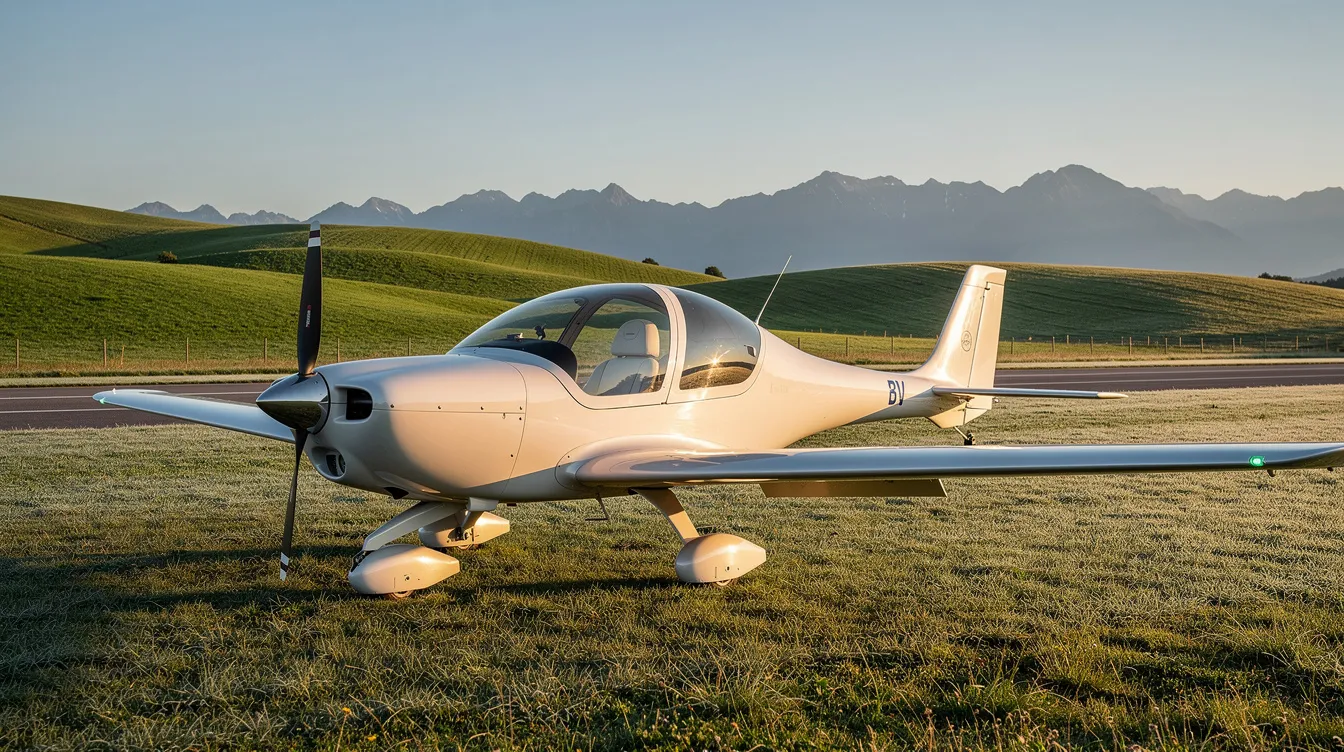
A sport aircraft, in practical terms, is a lightweight, limited-performance airplane designed for personal recreation and training. In the United States, the FAA recognized a formal light sport aircraft definition in 2004 under 14 CFR §1.1.
Key regulatory boundaries for LSAs in the US as of 2026:
Maximum gross weight: LSAs in the US must weigh under 1,320 lbs (600 kg) for landplanes; seaplanes are permitted up to 1,430 lbs.
Stall speed: no more than 45 knots CAS in landing configuration.
Maximum level-flight speed: the FAA defines LSAs as aircraft with a maximum speed of 120 knots CAS.
Seats: two maximum.
Landing gear: fixed landing gear required (with exceptions for seaplanes and gliders).
Engine: single, non-turbine, unpressurized cabin.
Light Sport Aircraft are known for their ease of handling and accessibility for pilots. A sport pilot certificate in the US requires fewer logged flight hours than a private pilot license. LSA aircraft can be flown with a Sport Pilot License, requiring fewer logged flight hours, and pilots use a valid driver's license in place of an FAA medical certificate. Restrictions apply to night flying, certain airspace, and altitude.
The distinction between s lsa (Special LSA, factory-built and fully conforming) and E-LSA (Experimental LSA, kit-built or owner-altered) matters for maintenance authority and commercial use. An S-LSA can be used by a flight school for instruction; an E-LSA generally cannot. Once a design is especially accepted, it carries a more standardized maintenance and inspection pathway. A higher certificated pilot exercising private pilot privileges can also fly LSAs, of course.
Other countries maintain similar but not identical frameworks. In Australia, for instance, LSAs must have a maximum stall speed of 45 knots as well. EASA nations use a "recreational aircraft" classification with slightly different weight and speed thresholds, reflecting how the light sport category adapts to regional regulatory cultures.
At BlackJet, our safety-centric approach to vetting jet operators mirrors how serious sport pilots should evaluate any LSA-prioritizing certification, track record, and transparent maintenance histories.
How We Evaluated the Best Sport Aircraft in 2026
This list focuses on widely available factory-built LSAs and popular kits flyable by sport pilots across North America and Europe. Modern LSAs typically include advanced electronic flight instrument systems as standard, and many LSAs are equipped with modern digital screens and autopilot functionalities, so avionics quality has become table stakes rather than a differentiator.
Our evaluation criteria:
Cruise speed and real-world range (using manufacturer data and pilot reports, 2024–2026)
Stall speed and low-speed handling quality
Fuel capacity and typical fuel burn
Safety record and certification status
Cockpit comfort, avionics, and build quality
Support network (parts, dealers, flight schools)
Typical operating costs
The lsa range of use cases covered here includes training, touring, seaplane operations, high-performance cruising, and budget-friendly entry options. This is not purely a "fastest" or "cheapest" ranking. BlackJet's experience managing a diverse private jet fleet-and our emphasis on matching the right aircraft to the right mission, as outlined in our guide to the best small private aircraft for different travel needs- directly informs how we approach evaluating smaller sport aircraft.
Summary Table of Top Sport Aircraft in 2026
Aircraft Model | Cruise Speed (KTAS) | Max Gross Weight (lbs) | Seats | Range (nm) | Notable Features | Category |
|---|
Van's RV-12iS | 117 | 1,320 | 2 | 470–630 | Rotax 912 iS engine, Garmin G3X/Dynon | All-Rounder |
Evektor Harmony | ~115 | 1,320 | 2 | ~400 | Forgiving flight characteristics | All-Rounder |
Flight Design CTLS 2020 SE | ~115 | 1,323 | 2 | 550 | Carbon-fiber cabin, parachute system | All-Rounder |
Texas Aircraft Colt | ~110 | 1,320 | 2 | ~400 | Conventional yoke, metal construction | All-Rounder |
Sling 2 | ~96 | 1,320 | 2 | ~400 | Budget-friendly, kit or factory-built | All-Rounder |
Jabiru J-230D | ~120+ (top speed) | 1,320 | 2 | ~400 | High speed, own engine manufacturer | All-Rounder |
ICON A5 | 84 | 1,430 | 2 | 427 | Amphibious, angle-of-attack indicator | Seaplane/Amphib. |
Super Petrel XP | ~90 | 1,430 | 2 | ~400 | Extended airframe, biplane design | Seaplane/Amphib. |
Vickers Wave | TBD (testing) | TBD | 2 | TBD | New amphibious design, composite | Seaplane/Amphib. |
Airplane Factory Sling HW | ~120+ | >1,320 (MOSAIC) | 4 | ~600 | MOSAIC-ready, four seats, kit/factory | High-Performance |
Bristell RG | 155+ | >1,320 (MOSAIC) | 2 | 600+ | Retractable gear, composite, fast cruise | High-Performance |
Shark Aero 600 | 150+ | ~714 (empty) | 2 | ~500 | High-speed, ballistic parachute | High-Performance |
Aerotrek A240 | ~90 | 1,320 | 2 | ~350 | Affordable, Rotax 912 | Entry-Level |
Orlican M-8 Eagle | ~110 | 1,320 | 2 | ~350 | Low cost, simple design | Entry-Level |
Merlin Lite | ~60 | <254 (Ultralight) | 1 | ~100 | Part 103 ultralight, very affordable | Entry-Level |
Aeropro EuroFOX | ~90 | 1,320 | 2 | ~350 | Durable, kit/factory options | Entry-Level |
Top All-Rounder Sport Aircraft for 2026
Versatile, land-based LSAs that balance performance, comfort, and cost represent the heart of the category. These are the models that work equally well for flight training, weekend touring, and as step-up aircraft for newer sport pilots. Top contenders in the LSA market often feature refined handling that inspires pilot confidence from the first hour.
Van's RV-12iS - Arguably the benchmark. Powered by the Rotax 912 iS fuel-injected engine, the RV-12iS delivers approximately 117 KTAS cruise speed at 7,500 feet, with a fuel capacity of 20 US gallons, yielding 470–630 nm of real-world range depending on power setting. Takeoff roll is around 700 feet; the 43-inch cabin width accommodates two adults comfortably. Glass panel options include Garmin G3X or Dynon SkyView. This is a solid aircraft for schools and owners alike, with a large interior complete with 75 lbs of baggage capacity and characteristics that mirror what many pilots seek when choosing the best personal plane for mixed training and travel missions. Its reliability and parts network have made it such a hit across North American flight schools.
Evektor Harmony - A refined aircraft with European roots, the Evektor Harmony was first accepted as an LSA in April 2005. The Evektor Harmony was accepted by the FAA in April 2005, making it one of the models established earliest in the US sport aircraft landscape. Its forgiving flight characteristics and FAA acceptance have kept it popular for training and personal use.
Flight Design CTLS 2020 SE - Flight Design's CT series has long been a benchmark for comfort-oriented touring. The CTLS 2020 SE features a rigid carbon-fiber cabin, airframe emergency parachute system, and 34 US gallons of fuel for extended legs. With an empty weight of just 719 lbs and an MTOW of 1,323 lbs, it offers a generous useful load for two adults and bags.
Texas Aircraft Colt - For pilots who prefer a legacy ga airplane look and feel, the Texas Aircraft Colt features conventional yoke control rather than a side stick, paired with classic metal construction. It appeals to pilots transitioning from older Cessna or Piper models who want familiarity in a modern LSA platform.
Sling 2 - A budget-friendly all-metal touring LSA with composite accents, available as factory-built or kit. Rotax 912 variants deliver modest cruise speeds around 96 knots with lighter loads, and strong community support makes parts and guidance readily accessible. Few aircraft in this price bracket offer comparable models of build quality and owner flexibility.
The Jabiru J-230D can reach top speeds among LSAs, making it worth mentioning for pilots who prioritize raw speed in the all-rounder segment. It outperforms comparable models on straight-line velocity.
Best Seaplane & Amphibious LSAs
Few aircraft offer the experiential luxury of landing directly on water at a lakeside retreat-no runway required. For BlackJet-level travelers, lsa seaplanes unlock destinations that simply don't exist on aviation charts: private docks, remote lodges, island coves.
Under FAA rules, seaplanes can have 110 pounds more gross weight than standard LSAs. The FAA allows 110 lbs more for seaplane LSAs, pushing the ceiling to 1,430 lbs. That extra margin improves fuel capacity, payload, and overall mission flexibility.
ICON A5 - The definitive seaplane entry point for sport pilots. The ICON A5 cruises at approximately 84 KTAS in economy configuration with a range of about 427 nautical miles on 20 US gallons. Water takeoff requires roughly 840 feet; runway takeoff just 640 feet. Standard safety features include an angle-of-attack indicator, BRS parachute, and Garmin G3X display. The sliding doors and high-wing canopy provide excellent visibility, while amphibious gear affords seamless transitions between paved runways and waterways. Permitted amphibious gear means a single trip can include both. Picture this: depart a regional airport, fly 45 minutes, and water-land at your lakefront property's dock-all before lunch.
Super Petrel XP - Designed by an experienced Brazilian aircraft designer, this biplane-style amphibious aircraft from a South American nation has a passionate following. The Super Petrel XP has a 10-inch extended airframe for more luggage space compared to earlier variants, giving it the easiest luggage area loading in its class and an aft interior bigger than most amphibious competitors. Its aft interior is practical for weekend bags, and the more advanced compound wing design contributes to stable water handling.
Vickers Wave - Vickers Aircraft is developing this ground-up new design amphibious. The Vickers Wave is a new amphibious LSA currently in testing, designed for amphibious operations with modern composite materials and higher target cruise speeds than the ICON A5. If it achieves its performance targets, it could reshape the amphibious LSA segment and join the broader wave of best-in-class aircraft emerging across aviation in 2026.
High-Performance & MOSAIC-Ready Light Sport Aircraft
The FAA's coming MOSAIC regulation represents the most significant reform to special airworthiness certification since the LSA rules debuted in 2004. MOSAIC's final rule is effective October 22, 2025, with aircraft certification provisions rolling out by mid-2026.
What MOSAIC changes:
MOSAIC will eliminate current maximum weight limitations, replacing fixed numbers with performance-based criteria.
MOSAIC allows aircraft with up to four seats (MOSAIC will allow LSAs to have up to four seats), though sport pilots remain limited to one passenger.
MOSAIC introduces a stall speed limit of 61 knots in clean configuration.
Retractable gear, constant-speed propellers, and multi-engine layouts become permissible.
MOSAIC aims to incorporate emerging technologies in aviation, including electric propulsion.
The FAA's rule hit the industry like a catalyst. It stimulated surprisingly fast progress among manufacturers who had been designing within artificially tight constraints for two decades.
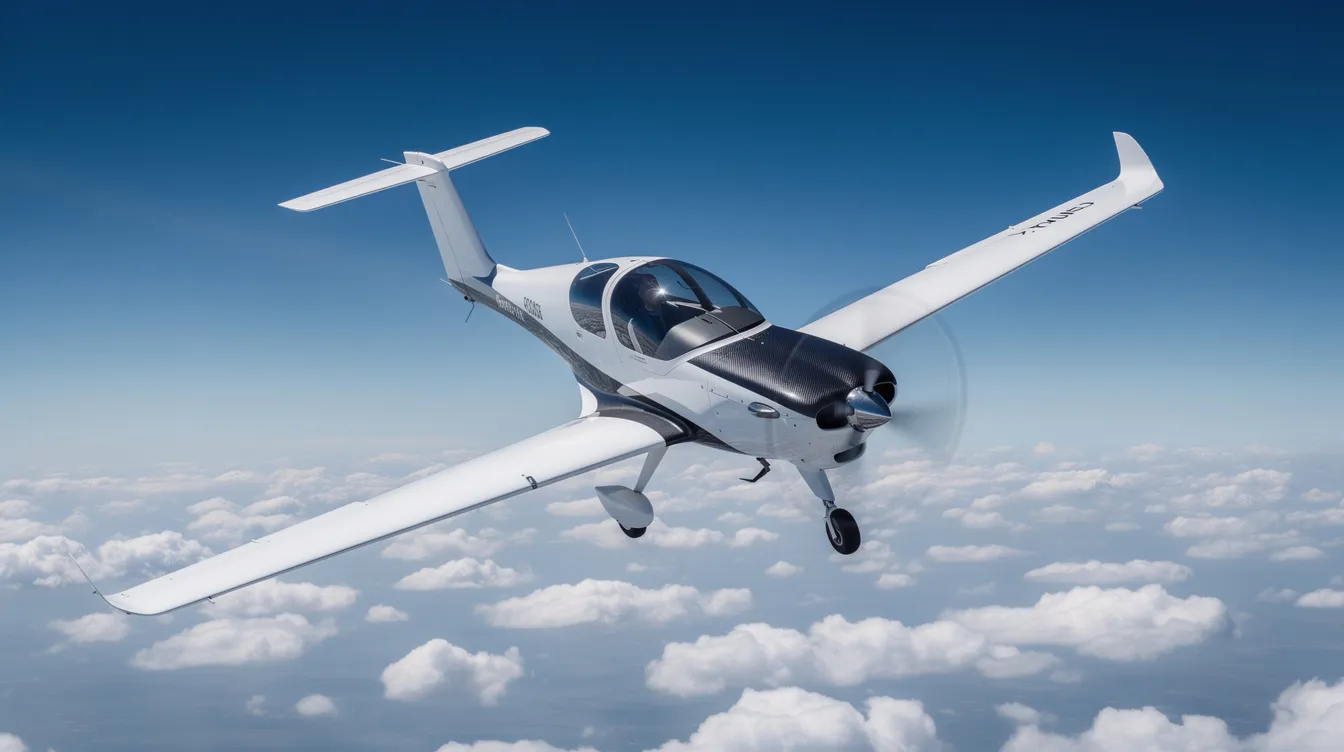
Airplane Factory's Sling HW - The Sling HW is designed for the upcoming MOSAIC regulations, targeting heavier useful loads and four-seat capability while maintaining manageable stall behavior. For pilots who seek extra capability beyond traditional two-seat LSAs, it represents a compelling bridge between the LSA category and full GA.
Bristell RG - A sleek composite exterior helps this retractable-gear design achieve cruise speeds near 155 KTAS, fast enough to outperform comparable legacy ga aircraft four-seaters. Built using modern CAD methods, its sleek composite exterior and aerodynamic refinement push boundaries. Range exceeds 600 nm; useful load approaches 470 lbs. MOSAIC LSA is often priced in the $200,000s, less than legacy GA equivalents of similar performance.
Shark Aero 600 - With cruise speeds above 150 knots, retractable gear, and an empty weight of just 714 lbs, the Shark 600 is a high-performance aircraft that lives at the edge of what the light sport framework permits. Ballistic parachute and advanced avionics come standard.
These designs appeal to experienced pilots who want near-turboprop dispatch speed on regional legs while remaining within a recreational aircraft regulatory framework, sitting just below the realm of small private jets optimized for luxury regional travel. They are not substitutes for a private jet on multi-city itineraries, but for sub-800 nm trips in good weather, they are remarkably compelling as a legacy ga airplane alternative.
Affordable & Entry-Level Sport Aircraft
For aspiring sport pilots and cost-conscious owners, the entry tier delivers the fundamentals-low stall speed, forgiving handling, and the freedom to own aircraft without committing to the cost structure of larger GA planes. LSAs have lower operational costs compared to legacy general aviation aircraft, and Light Sport Aircraft often feature low operating costs and fuel efficiency that make personal aviation surprisingly attainable.
Aerotrek A240 - Aerotrek's A240 has a modest price tag for its performance, pairing a Rotax 912 with solid short-field capability. It's a practical first aircraft for weekend recreation and local sightseeing.
Orlican M-8 Eagle - The Orlican M-8 Eagle is one-third the price of a new Cessna 182, offering a straightforward path into ownership for pilots on a tighter budget. No frills, but dependable and well-supported.
Merlin Lite - Falling under Part 103 ultralight aircraft rules, the Merlin Lite costs less than a new car in 2023, making it one of the most accessible ways to get airborne. It trades range and speed for simplicity and near-zero regulatory burden.
Aeropro EuroFOX - Aeropro has produced over 650 aircraft since 1990, building a reputation for durable, affordable LSAs and kits that thrive in diverse operating environments.
These aircraft trade raw cruise speed and cross-country range for simplicity and forgiving handling traits perfectly suited to newer pilots and weekend recreation. An entry-level LSA can serve as a stepping stone: first as a trainer at a local flight school, then as a personal aircraft, and eventually as a complement to professional travel via services like BlackJet for longer or business-critical trips, especially when you understand the landscape of more affordable private jet options and entry-level aircraft.
Resale value varies, but models with strong owner communities and active online forums tend to hold value better. Think long-term ownership experience, not just sticker price.
Kit-Built vs Factory-Built Sport Aircraft
Some pilots prefer a ready-to-fly S-LSA; others are drawn to kit-built aircraft for cost savings, customization, and the satisfaction of building. The choice involves more than preference-it affects certification, insurance, and operational flexibility.
S-LSA aircraft are factory-built to consensus standards, maintained by authorized mechanics, and eligible for flight school use. E-LSA and experimental amateur-built (E-AB) aircraft offer more freedom but come with restrictions: limited commercial use, different inspection authority, and sometimes narrower insurance options. The overall LSA fleet includes both, and understanding which category your aircraft falls into is essential before purchase.
Van's RV-12iS Kit - One of the most popular kit projects in sport aviation, with structured build documentation and builder-assist programs. Ideal for touring and training once complete.
Lockwood Aircraft's AirCam - A twin-engine, half-open cockpit design optimized for photo missions and low-and-slow sightseeing. Each engine bay houses its own engine, and the open cockpit delivers an unmatched sensory flying experience. It occupies a niche few pilots explore, but many find irresistible.
From BlackJet's safety-driven perspective, builders and buyers should prioritize proven designs with strong safety records and robust support networks, just as high-net-worth buyers do when evaluating premium private jets for sale as long-term assets. Some flight schools operate S-LSAs specifically to avoid the variability inherent in homebuilt aircraft-an important consideration for students planning to rent before buying.
Safety, Technology, and Sustainability in Modern Sport Aircraft
BlackJet's philosophy-whether applied to a Gulfstream G650 or a Cessna Citation or to any of the major types of private jets across the size spectrum-starts with safety. The same principle applies to sports aircraft. In the modern world, newer aircraft come equipped with safety systems that were once reserved for far larger, more expensive machines.
Key safety features now common or emerging in LSAs:
Whole-aircraft parachute systems (BRS) that can save lives in loss-of-control events
Angle-of-attack indicators to prevent stall/spin accidents
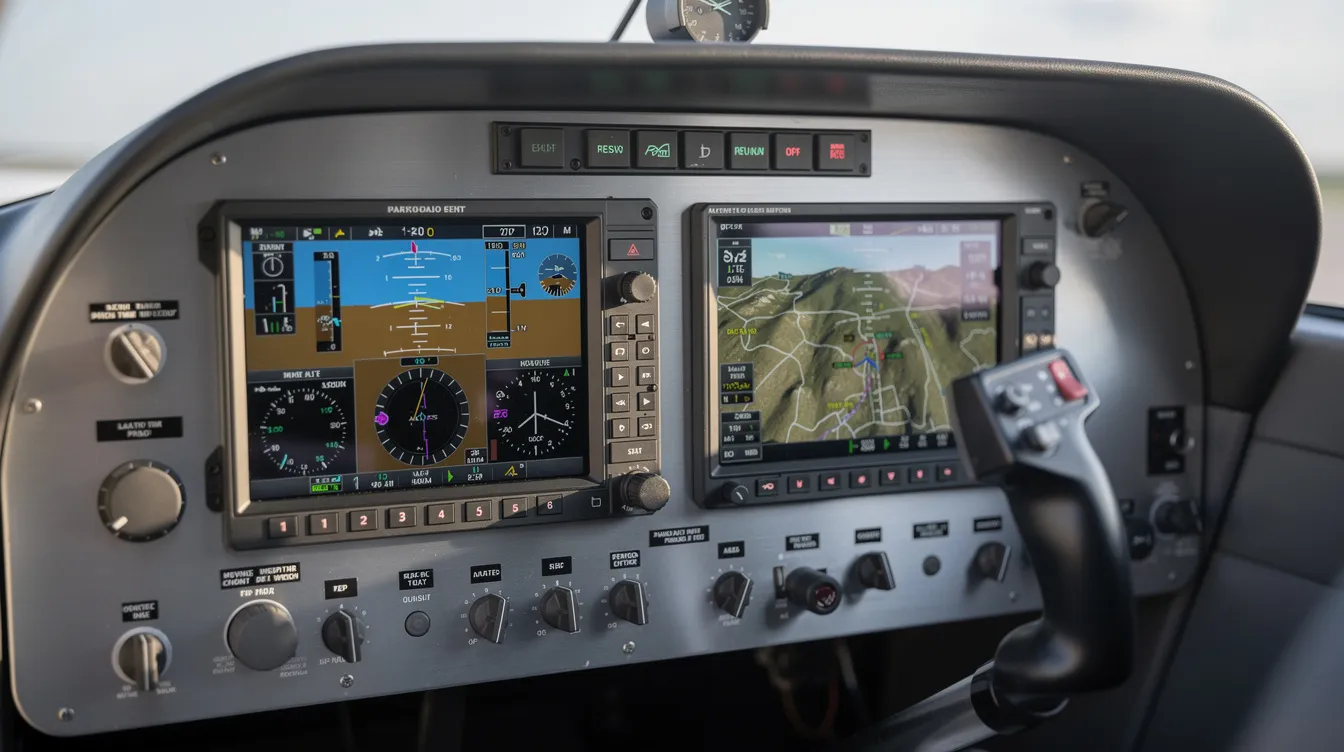
Glass cockpits with synthetic vision and terrain awareness
Two-axis autopilots that reduce workload on longer legs
Low stall speed and predictable handling remain the foundational safety characteristics of any good LSA. LSAs typically burn significantly less fuel per hour compared to older four-seaters, making them a highly efficient aircraft category both economically and environmentally.
Sustainability trends in sport aviation mirror what BlackJet pursues with carbon-neutral private jet flights and careful matching of private jet sizes to each journey: increasingly efficient Rotax engines compatible with unleaded fuels, cleaner composite manufacturing, and emerging electric sport aircraft prototypes. The rapid improvement in battery technology, while still limiting range, is attracting pilots seeking greener options. Pilots committed to lower emissions can align their sport flying with sustainability goals, minimizing unnecessary fuel burn, maintaining proper rigging, and supporting cleaner-fuel initiatives.
Choosing the Right Sport Aircraft for Your Mission
Before fixating on any single model, define your primary mission. For a few pilots does one aircraft perfectly serves every need, and that's fine. Sport flying is simply an absorbing hobby for many, a practical transport tool for others, and often both.
Key decision factors:
Typical leg length and desired cruise speed - Are you flying 50 nm for breakfast, or 500 nm for a weekend getaway?
Runway or water access - Paved, grass, lakes, or backcountry strips?
Climate and weather tolerance - VFR-only, or do you need night and marginal-weather capability?
Budget - Acquisition cost, yearly fixed costs (hangar, insurance, annual inspection), and hourly operating costs.
Usage model - Solely owner-flown, shared, or leased back to a flight school?
Quick decision guide:
If your priority is seaplane weekends at a lakeside home, consider an ICON A5 or Super Petrel XP.
If you want a glass-cockpit trainer that transitions easily to GA, look at the RV-12iS or CTLS 2020 SE.
If you live in an aviation-rich area and want speed, the Bristell RG or Shark 600 delivers.
Demo flights, instructor checkouts, and conversations with current owners are invaluable. The "best sport aircraft" is the one that matches the pilot's skills, risk tolerance, and lifestyle, not the one with the highest cruise speed or the lowest sticker price. Being literally flying matters more than spec sheets.
BlackJet Perspective: When to Fly a Sport Aircraft vs a Private Jet
Many BlackJet clients use both: a certificated aircraft in the light sport segment for personal recreation and local hops, and BlackJet jet card access for business, family, and long-distance travel, including region-specific solutions such as private jet charters in key markets like Karachi. The two serve fundamentally different missions, much like how different jet card programs for frequent flyers balance cost, flexibility, and access.
An LSA cruising at 100–120 knots with a 400–600 nm range is ideal for day trips and regional leisure. A light or midsize jet cruising at 400–450 knots with 1,500–3,000 nm range handles multi-state business itineraries, international routes, and time-critical schedules. The sport aircraft cockpit is intimate and tailored to flying enjoyment; the private jet cabin is designed for productivity, comfort, and rest, particularly when flying on small private aircraft selected to match mission profile and cabin needs.
Scenario: A member flies an LSA on Saturday morning for a 150 nm coastal hop and seafood lunch, with a total cost under $200 in fuel. On Monday, that same member boards a midsize jet through BlackJet for a three-city business circuit covering 2,400 nm. Different tools, same discerning traveler.
If you already fly recreationally or are considering owning a sport aircraft, explore how BlackJet's 25+ hour jet card programs can elevate the rest of your travel portfolio.
Frequently Asked Questions About Light Sport Aircraft
What are the basic requirements to become a sport pilot in the US?
You must be at least 17 years old, hold a valid US driver's license (instead of an FAA medical), pass a knowledge test, and complete a minimum of 20 hours of flight training, including solo and cross-country time.
Can a sport pilot fly at night or in controlled airspace?
Under current rules, sport pilots cannot fly at night. MOSAIC introduces endorsement pathways for night flight. Controlled airspace (Class B, C, D) requires appropriate communication and ATC authorization, which sport pilots can obtain with training.
What is the difference between LSA and ultralight rules?
An ultralight aircraft (Part 103) is single-seat, under 254 lbs empty, and requires no pilot certificate. An LSA carries two seats, requires a sport pilot certificate, and must meet ASTM consensus standards. They are distinct categories.
How much does it cost to operate a light sport aircraft per hour?
Typical all-in hourly costs-fuel, maintenance, insurance, hangar-run $80–$150 for a well-utilized LSA, depending on region and aircraft type. Fuel burn alone is often 4–6 gallons per hour.
Are LSAs as safe as traditional GA aircraft?
When properly maintained and flown within their design envelope, LSAs have safety profiles comparable to certified GA aircraft. Features like BRS parachutes and AoA indicators further improve outcomes.
Are there electric light sport aircraft available today?
Several prototypes and early-production electric trainers exist. Range remains limited by battery density, but MOSAIC's framework is designed to accommodate electric and hybrid powertrains as the technology matures.
If I already use a private jet card, is a sport aircraft still worth considering?
Absolutely. An LSA handles recreational, short-range missions at a fraction of jet operating costs, while your jet card(understanding overall jet card cost and value drivers) covers business and long-haul travel. The two are natural complements.
For broader private guidance, fleetce-fleet options, safety standards, and jet card programs, including a detailed breakdown of jet card pricing structures and typical fees, contact BlackJet directly.
Next Steps: From Sport Pilot Dreams to Seamless Private Travel
Modern sport aircraft deliver serious performance, genuine safety, and deep personal satisfaction. The best model for you depends on your mission, your budget, and the kind of flying that brings you joy.
Take concrete next steps: book an introductory flight at a reputable flight school operating LSAs, schedule demo flights in your shortlisted aircraft, and talk to owners and instructors about real-world operating experience. For travel needs that extend beyond what a two-seat sport aircraft can cover-multi-city business itineraries, international routes, or family trips-BlackJet's jet card programs, including flexible 25-hour jet card options for occasional travelers, provide predictable, premium access to a full spectrum of private jets.
Every BlackJet flight reflects unwavering safety standards, carefully curated operators, carbon-neutral operations as standard, and a technology-led booking experience that mirrors the efficiency sport pilots appreciate in their own cockpits, whether you opt for a 100-hour jet card structure tailored to frequent flyers or a smaller commitment.
Conclusion: Elevate Your Aviation Experience with the Best Sport Aircraft in 2026
Choosing the best sport aircraft in 2026 means embracing a blend of performance, safety, and personal fulfillment that few other aviation categories offer. Whether you prioritize the versatility of a proven all-rounder like the Van's RV-12iS, the unique freedom of amphibious seaplanes like the ICON A5, or the cutting-edge capabilities of MOSAIC-ready high-performance LSAs, the options today cater to every discerning pilot’s mission and style.
For high-net-worth individuals and frequent travelers, sport aircraft complement private jet access by enabling spontaneous, local, and recreational flying with lower operating costs and direct access to remote destinations. BlackJet’s commitment to safety, sustainability, and seamless travel solutions means you can confidently integrate sport flying into your broader travel portfolio.
As the LSA category evolves with MOSAIC and emerging technologies, now is the perfect time to explore the possibilities. Take the next step by experiencing demo flights, consulting with experts, and considering how a sport aircraft can elevate your aviation lifestyle—whether as a passionate hobby or a practical complement to your private jet travel.
Discover how BlackJet can help you navigate the future of private aviation, combining the best of sport aircraft and premium jet card access to unlock unparalleled freedom in the skies.


 Sign up with google
 Sign up with Apple