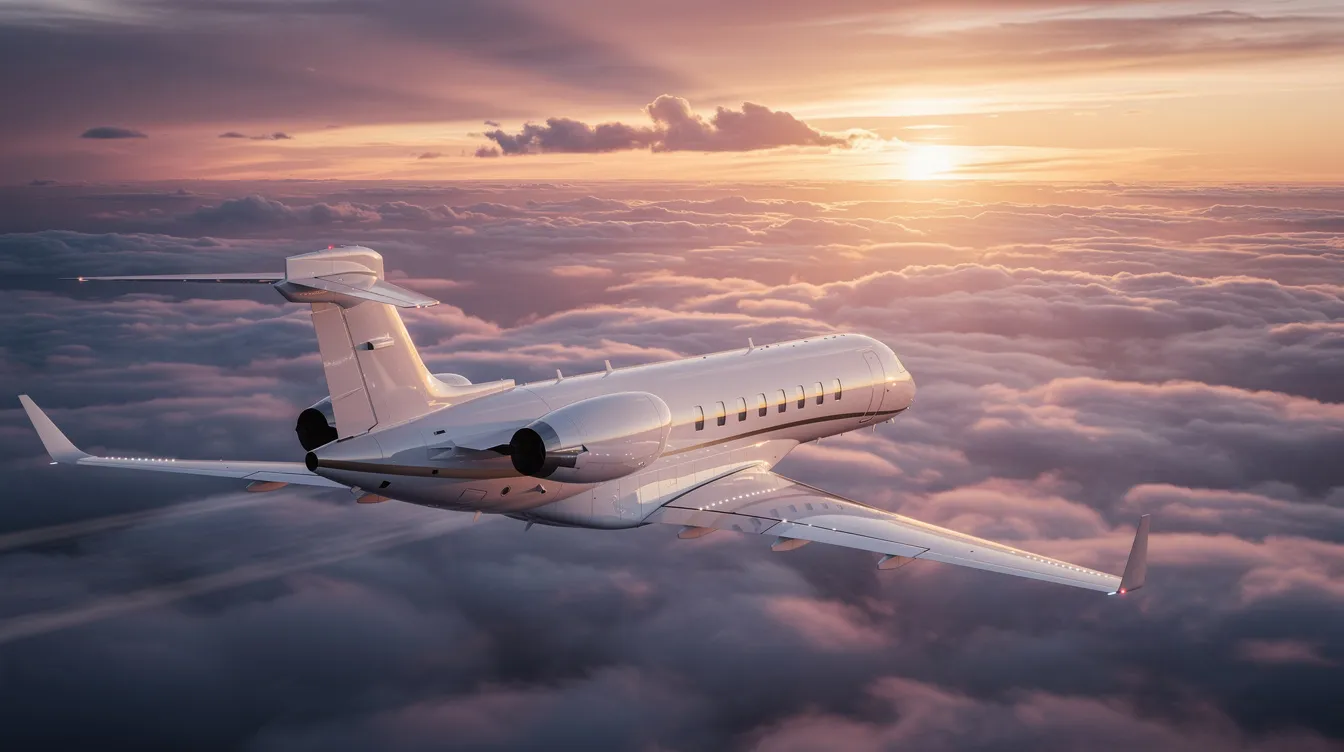
Private jet travelers often face a difficult question: how do you reconcile the time and privacy advantages of private aviation with growing environmental concerns? The answer lies not in waiting for perfect technology, but in making smarter choices today.
This guide is for private jet travelers and eco-conscious flyers seeking to minimize their environmental impact while enjoying the benefits of private aviation. It covers current technologies, aircraft options, and booking strategies for greener private jet travel.
Immediate Answer: Can a Private Jet Really Be “Green” Today?
Fully zero-emission private jets are not commercially viable in 2026. Battery energy density remains roughly 50 times less efficient than jet fuel, and certified electric aircraft cannot yet match the range, speed, and payload requirements of business aviation. However, the concept of a green private jet centers on aggressively reducing and offsetting emissions through available technology. Green private jets are more environmentally friendly due to their reduced fuel consumption and lower emissions, which helps decrease the carbon footprint compared to traditional jets.
Modern green jets use advanced technologies to reduce fuel consumption by up to 20% compared to older models. This includes the use of lightweight composite materials like carbon fiber, which reduce aircraft weight and directly contribute to fuel savings. Additionally, optimized routing powered by AI and real-time weather data significantly cuts fuel burn by selecting the most efficient flight paths. Hybrid-electric systems that combine electric motors with traditional engines optimize efficiency during high-burn phases such as takeoff and landing, further lowering emissions. Innovative aircraft designs also focus on reducing noise pollution, benefiting both passengers and communities near airports.
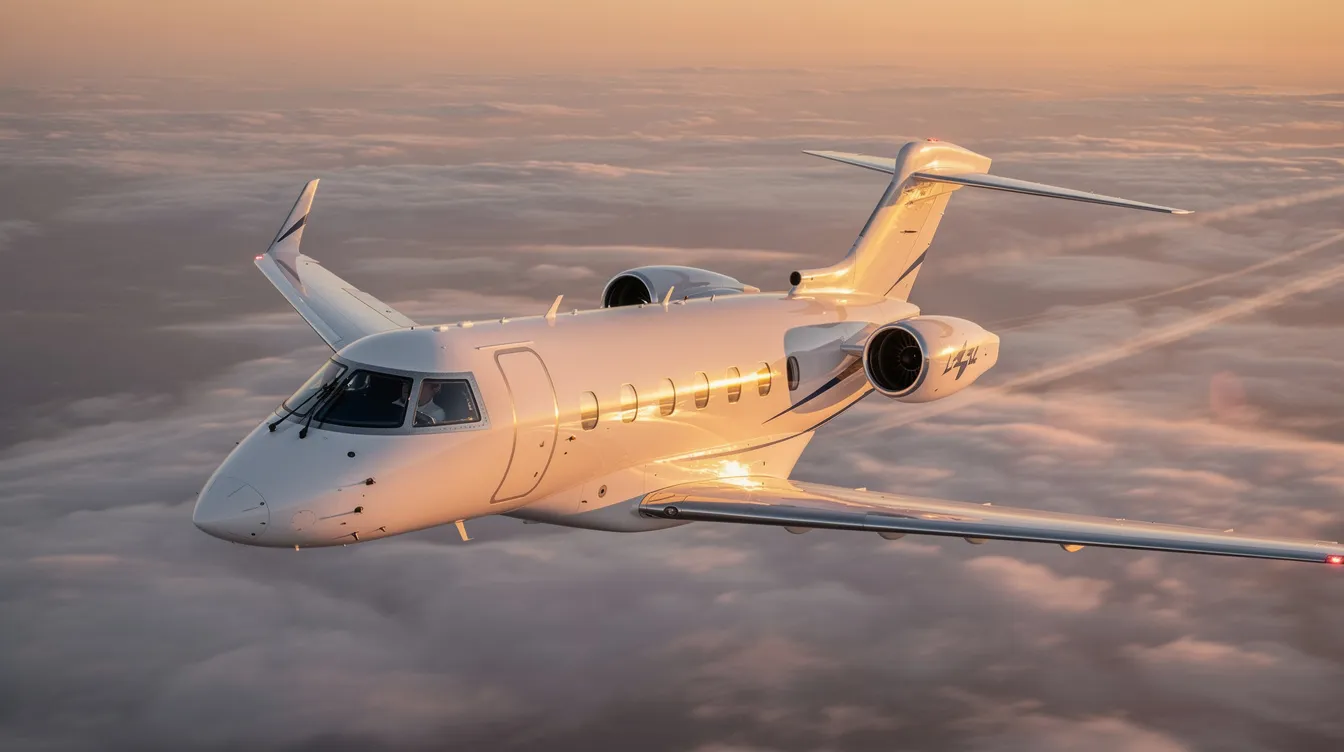
BlackJet delivers carbon-neutral flights on every Jet Card hour by default—at no extra cost to members. This is achieved through verified third-party offset projects (VCS and Gold Standard certified), combined with strict aircraft efficiency standards and optimized flight operations. BlackJet’s ability to offset environmental impact is realized by purchasing carbon credits and supporting sustainability initiatives, ensuring private jet travel is as environmentally responsible as possible.
The emissions gap between private and commercial travel is real but manageable. A typical New York to London flight on a large-cabin aircraft like a Gulfstream G650 emits roughly 20-30 tons of CO2 for 4-8 passengers. Commercial first class on the same route produces about 1-2 tons per passenger. The difference narrows significantly through right-sizing aircraft to mission needs, flying modern fleets, using sustainable aviation fuel (SAF), and offsetting the remainder.
Sustainable Aviation Fuel (SAF), a bio-based alternative derived from renewable resources such as used cooking oil, algae, and agricultural waste, can lower lifecycle carbon emissions by up to 80%. BlackJet works with operators offering SAF at key hubs, allowing members to request SAF uplift where available to further reduce their carbon footprint.
In this guide, you will learn specific aircraft types, technologies, and booking strategies that make your next private flight meaningfully more sustainable.
What Makes a “Green Private Jet” in 2026?
Beyond marketing language, an eco-friendly private jet in 2026 involves measurable operational strategies across five pillars:
Pillar | Description |
|---|
Fuel-efficient modern aircraft design | Modern engines like Pratt & Whitney PW800 series with 15-20% better fuel consumption; aerodynamic winglets reduce drag by 4-6%. |
Sustainable aviation fuel integration | SAF blends up to 50% available at hubs; lifecycle CO2 reductions of 30-70% depending on feedstock. |
Optimized routing and load factors | Continuous descent arrivals save 10-20% fuel; maintaining >70% load factors lowers per-passenger emissions. |
Verified carbon offset programs | VCS and Gold Standard certified projects ensure permanence and additionality via reforestation, methane capture, etc. |
Responsible operators with modern fleets | Fleet age under 10 years, strict maintenance, and documented fuel efficiency metrics are prioritized. |
Practical example: On a 2-hour Los Angeles to San Francisco hop (400 NM), aircraft choice creates substantial differences:
Light jet (Embraer Phenom 300E): ~450 gallons total
Midsize jet (Citation Latitude): ~650 gallons total
Large cabin jet (Gulfstream G550): ~1,000+ gallons total
Choosing right reduces fuel burn by 40-60%.
Green Private Jets in Practice: Aircraft & Technologies
The industry has produced several aircraft models that represent the current state of green aviation efficiency within their respective classes, with manufacturers actively developing and producing eco-friendly private jets and advancing green aviation technologies.
Aircraft Category | Model | Range (NM) | Fuel Burn (GPH) | Efficiency Features |
|---|
Light jets | Embraer Phenom 300E | 2,010 | 70-85 | PW535E1 engines, composite construction, reducing 1,131 lbs |
Super-light jets | Pilatus PC-24 | <800 | ~70 | Turboprop efficiency with jet performance |
Midsize & super-midsize | Praetor 500/600 | 3,340/4,018 | Improved 15% SFC | Upgraded engines, aerodynamic winglets |
Long-range | Gulfstream G500 | 5,200 | 18% fuel savings | Advanced engines, aerodynamic improvements |
Long-range | Dassault Falcon 8X | - | 20% better fuel economy | PW307D engines, supercritical wing design |
The Vision Jet is recognized as the world's first personal jet, designed for individual use and offering a unique flying experience.
Electric, Hybrid & Future Green Private Jets
As of 2026, no fully electric private jet can match the range, speed, and payload of a typical light or midsize business jet. Aerospace manufacturers are actively developing electric-powered and biofuel-powered jets, which are expected to significantly impact the future of green private aviation, although widespread adoption is still years away. Here’s where development stands:
Model | Type | Passenger Capacity | Range (NM) | Status |
|---|
Pipistrel Alpha Electro | Electric trainer | 2 | 100 | Pilot training, limited range |
Eviation Alice | All-electric commuter | 9 | 440 | First flight 2022, service 2027-28 expected |
Airbus ZEROe | Hydrogen-electric | - | - | Concept, target 2035 |
Rolls-Royce Spirit | Hybrid parallel | - | - | Ground demo, 30% fuel reduction promised |
ZeroAvia | Hydrogen fuel cell retrofit | - | 300-500 | Testing on light aircraft |
BlackJet continuously monitors these developments. When certifiable electric or hybrid-powered aircraft become commercially viable for charter, members will be among the first to access them on select regional routes.
How BlackJet Delivers Greener Private Jet Access Today
BlackJet’s approach to sustainability goes beyond aspirational statements into concrete operational practices:
Practice | Description |
|---|
Carbon neutrality by default | All Jet Card programs include carbon-neutral flying via third-party verified offsets at no extra cost. |
Intelligent aircraft selection | Recommends the smallest suitable cabin class to avoid 40% fuel burn penalty from half-empty larger jets. |
Optimized operations | 24/7 booking and flight support optimize routing, airport choice, and departure times to save fuel. |
SAF access at key hubs | Partners with operators offering sustainable aviation fuel at hubs like Teterboro and Farnborough. |
Specific trip example: A Jet Card member flying Teterboro (TEB) to Opa Locka (OPF) round-trip (~2,100 NM) on a Praetor 600 burns ~2,400 gallons total, producing about 1.95 tons CO2 per passenger for 6 occupants. Efficient routing and direct climbs reduce this by 10-15%. Verified offsets neutralize the remainder—compared to a large G650’s 3,500+ gallons and 2.8 tons per passenger for the same mission.
Choosing a Green Private Jet Charter Provider
Not all private aviation providers approach sustainability equally. Here’s what to evaluate:
Criterion | What to Look For |
|---|
Transparent carbon accounting | Estimated CO2 per flight, clear distinction between operational reductions and offsets, certified projects (VCS, Gold Standard). |
Integrated sustainability programs | Carbon neutrality is included in Jet Card offers, not optional add-ons. |
Right-sizing and fleet access | Shared fleet models reduce empty leg flights; global operator networks reduce deadhead positioning by 20-30%. |
Safety culture alignment | Third-party audits (ARG/US Platinum, Wyvern Wingman, IS-BAO Stage 3), modern fleets, and clean aircraft surfaces. |
BlackJet positions itself as a strategic choice for frequent travelers who want private aviation’s time and privacy advantages while aligning with rigorous sustainability and safety standards. Those flying multiple times per year can compare the best jet cards for frequent flyers to determine whether a structured program aligns with their usage and sustainability goals. For personalized assistance or to initiate bookings related to eco-friendly charter services, contact BlackJet’s team today.
Safety, Technology & Well-being on Modern Green Jets
Advanced technology reduces pilot workload while simultaneously improving efficiency and passenger comfort:
Feature | Benefit |
|---|
Modern flight decks | Systems like Gulfstream Symmetry, Dassault EASy, and Garmin G5000 enable precise, fuel-efficient approaches. |
Enhanced vision systems | Predictive landing, combined vision systems increase airport access, reduce diversions, and fuel burn. |
Cabin health features | Lower cabin altitude, HEPA filtration (99.99% particle removal), and quieter interiors improve well-being. |
BlackJet prioritizes operators with modern avionics suites and cabin systems, delivering not just greener flights but safer and more comfortable journeys for discerning passengers who fly frequently.
Empty Legs, Shared Capacity & Smarter Utilization
Empty legs—repositioning flights with no paying passengers—can account for 20-40% of private jet movements if not managed intelligently.
BlackJet’s real-time support and broader network reduce empty repositioning by matching Jet Card and on-demand travelers with existing aircraft flows. Empty leg flights can often be matched to a passenger’s desired destination, saving costs and reducing environmental impact. When you fly, your jet is more likely to arrive from a paying mission rather than a deadhead positioning flight.
Flexible travelers can request opportunities to use repositioning flights or adjusted departure times to align with aircraft already in the area. This lowers effective emissions per passenger and often reduces total trip cost.
Smarter utilization across a shared fleet is inherently more sustainable than whole ownership, where a single aircraft serves one owner and flies many hours empty. For cost-conscious travelers, understanding the cheapest private aircraft and budget-friendly options helps weigh ownership trade-offs against shared access models. BlackJet’s model achieves 300-500 annual hours per aircraft versus 200 hours for typical owned jets.
Green Private Jet FAQs
Can I offset my carbon emissions when flying with BlackJet?
All Jet Card flights are carbon-neutral via verified offsets automatically. Members can optionally contribute to additional targeted projects for specific missions.
Are there fully green (zero-emission) private jets available now?
Fully electric long-range jets remain in development. Greener flying today means efficient aircraft combined with SAF and verified offsets.
What is the most eco-friendly way to fly private with BlackJet?
Choose the smallest suitable cabin class, group trips when possible, request SAF where available, and leverage BlackJet’s optimized routing. Combined, these strategies can reduce emissions by 40-70%.
How do BlackJet’s green flights compare with commercial business class?
Private aviation emissions remain higher per passenger, but BlackJet narrows the gap significantly through efficiency measures while preserving 4-6 hours of time savings and complete privacy on transatlantic routes. Travelers evaluating greener options can also look at the cheapest private jet and other affordable aircraft to balance cost, efficiency, and access model.
Does flying private green cost more?
SAF carries a 2-4x premium where available, but efficient aircraft selection and fewer stops often offset costs. BlackJet includes base-level carbon neutrality at no extra charge on all Jet Card hours.
How to Start Flying Green with BlackJet
Explore BlackJet’s 25+ Hour Jet Card 25-hour and 50-hour Jet Card programs as a way to secure predictable, carbon-neutral private jet access across multiple cabin classes.
Schedule a consultation with a BlackJet advisor to review your travel patterns and design a greener private travel plan tailored to your most-flown city pairs and passenger counts
Access BlackJet’s digital booking platform to view aircraft options, estimated emissions, and available SAF details for sample routes
Discover how Jet Card membership preserves your time, privacy, and performance while making every mile flown as responsible as today’s technology allows
The future of green private aviation is developing rapidly. Until fully sustainable alternatives arrive, BlackJet ensures you fly with peace of mind—knowing your journey creates the smallest footprint current innovation permits.
Conclusion: Elevate Your Travel with BlackJet’s Green Private Jet Solutions
Choosing BlackJet means embracing a new standard of luxury private jets where convenience, safety, and sustainability converge seamlessly. By integrating cutting-edge technology, verified carbon offsets, and access to sustainable aviation fuel, BlackJet transforms private aviation into a responsible and refined experience. Whether traveling for business or leisure, BlackJet’s commitment to environmental stewardship and premier service ensures you arrive refreshed, on time, and with a clear conscience.
Discover how BlackJet can reshape your travel at www.blackjet.com, and take the first step toward effortless, eco-conscious private jet access tailored to your lifestyle and location. Elevate your journeys with BlackJet—where every flight is a statement of prestige and responsibility.


 Sign up with google
 Sign up with Apple