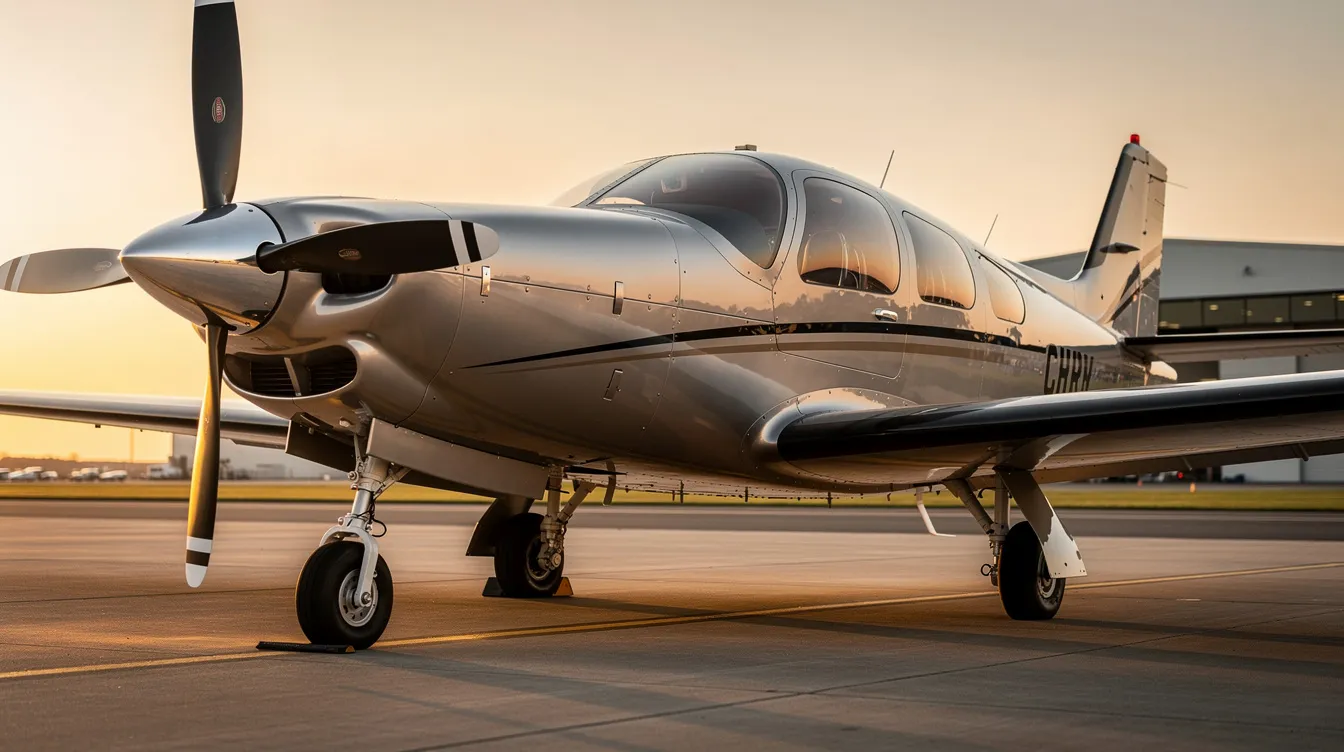
For executives and discerning travelers, the single prop plane occupies a strategic sweet spot in private aviation. It delivers access to shorter runways, faster door-to-door times on regional routes, and operating economics that often outperform both commercial first class and light jets.
Here's everything you need to know about these aircraft—and why you probably don't need to own one.
Why Single-Prop Planes Matter for Luxury and Business Travel
On trips under roughly 1,000 nautical miles, a single prop plane can shave hours off your total journey compared to commercial airlines.
Consider the math: a 500 nm business hop on a commercial carrier typically involves driving to a major hub, clearing security, connecting through a second airport, and enduring ground transport on the far end. Total elapsed time can easily exceed five or six hours.
A single-engine turboprop completing the same mission cruises at around 300 knots, lands at a regional airstrip minutes from your destination, and puts you door-to-door in under three hours.
Runway Versatility and Accessibility
Single-engine propeller planes are commonly used for flight training and short-range regional commuting, but they're also a serious tool for personal travel. These planes offer excellent runway versatility compared to larger aircraft, capable of utilizing smaller, local general aviation runways that jets simply cannot reach.
What Defines a Single-Prop Plane?
In practical terms, a single prop plane is any aircraft driven by one propeller, powered either by a piston engine or a turboprop. Piston singles like the Cessna 172 or Cirrus SR22 cruise between 110 and 220 knots.
Together with single-engine turboprops such as the Daher TBM 960 or Pilatus PC-12, they offer a unique combination of accessibility, efficiency, and capability. The turboprops push 260 to 330 knots and feature pressurized cabins and comfort approaching light jet territory.
Typical Missions for Single-Prop Planes
Typical 2025–2026 missions that favor these aircraft include:
NYC to Nantucket (~300 nm) - ideal for a piston single or turboprop
Dallas to Santa Fe (~500 nm) - a turboprop saves two to three hours over commercial options
London to Courchevel (~450 nm) - short, rugged airstrips demand turboprop capability
From BlackJet's perspective, most clients don't need to own a single prop plane to capture these advantages. A jet card or on-demand charter delivers better economics and flexibility for travelers flying fewer than 100 to 150 hours per year. BlackJet's premium private jet card programs are structured specifically around this use case.
Key performance metrics to watch include cruise speed, fuel capacity, and how they translate into real-world trip times—topics we'll unpack below.
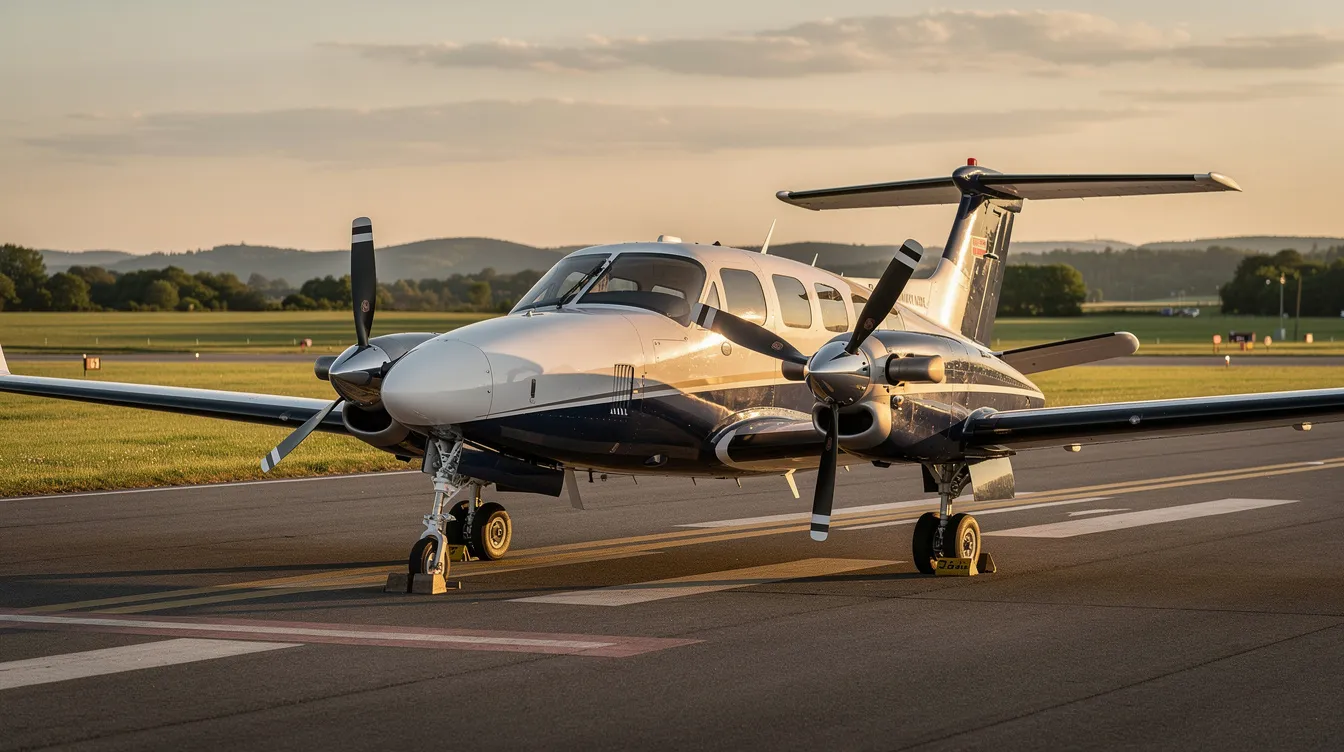
What Is a Single-Prop Plane? Definitions and Core Aircraft Types
Understanding the category starts with two distinct subcategories.
Single-engine piston aircraft are powered by reciprocating engines, much like a car. Examples include the Cessna 172, Piper PA-28 Archer, and Cirrus SR20/SR22. Seating typically ranges from two to six passengers, with cruise speeds between 110 and 180 knots.
Cessna 172 is the most popular single-engine aircraft in the world, and it remains the backbone of flight training fleets globally. Single-engine planes have a simpler cockpit with fewer components, making them the standard starting point for pilot training.
Single-engine turboprops run on turbine engines driving a propeller. The Pilatus PC-12 NG, Daher TBM 960, and Piper M600 SLS sit at the top of this class. They deliver higher cruise speeds (260–330 knots), pressurized cabins, and cabin experiences closer to a light jet, making them genuine business tools.
The key distinction between single-engine and multi-engine planes comes down to redundancy versus complexity. Multi-engine aircraft offer a second powerplant as a safety margin, but they carry higher ownership costs, insurance premiums, and additional training requirements.
Single-engine planes have fewer systems to manage compared to multi-engine aircraft, and single-engine aircraft generally require simpler training—a reality that matters whether you fly yourself or evaluate charter operators.
Modern single-engine planes are equipped with advanced avionics suites, and single-engine planes are excellent for personal travel and flight training alike. Many private owners begin with a piston single and graduate to turboprops or jets over time. BlackJet clients skip that ownership ladder entirely, accessing the right aircraft type for each mission through a single membership.
Popular Single Prop Models in 2025–2026
Staple Piston Singles
Certain models dominate training fleets, private owners' hangars, and charter inventories. Here's what's flying in 2025–2026.
Cessna 172S Skyhawk - the most popular training aircraft, cruising at 120–130 knots. Used examples range from $50,000 to $120,000. Its legendary durability and operational simplicity make it the default first flight platform for new pilots.
Piper PA-28 Archer/Warrior - Piper PA-28 variants offer stable slow-flight characteristics, making them a flight training staple with slightly more payload flexibility.
Diamond DA40 NG - a composite-airframe single that emphasizes impressive fuel efficiency with a diesel engine, appealing to cost-conscious aircraft owners. The Diamond DA50 RG entered the U.S. market in 2024 with FAA certification, expanding Diamond's high-performance lineup.
Beechcraft Bonanza G36 - retractable gear, cruise speeds approaching 200 knots, and a loyal following among experienced pilots. Higher variable costs reflect its performance tier.
Cessna T206 Turbo Stationair HD - known as the "SUV of the skies," it offers significant payload capacity and rugged utility for backcountry or cargo-heavy missions.
Piper M350 is the only pressurized aircraft among single-engine piston airplanes in this class, bridging the gap between high-performance pistons and entry turboprops.
Flight schools use single-engine planes to teach the fundamentals of flying, and these single-engine planes can be an accessible entry point into private aviation for those who eventually seek more capable platforms.
Key Turboprop Examples
Key turboprop examples for executives and families include:
Pilatus PC-12 NG (large cabin, short-field prowess, ~1,500 nm range)
TBM 960 (up to 330 knots, 1,730 nm IFR range)
Piper M600 SLS
Epic E1000 GX with its premium interior finishing
Among these aircraft types, turboprops like the PC-12 and TBM 960 are commonly available via charter and turboprop charter programs, while piston singles are more typically held by private owners.
Cirrus Aircraft and the Tech-Forward Piston Single
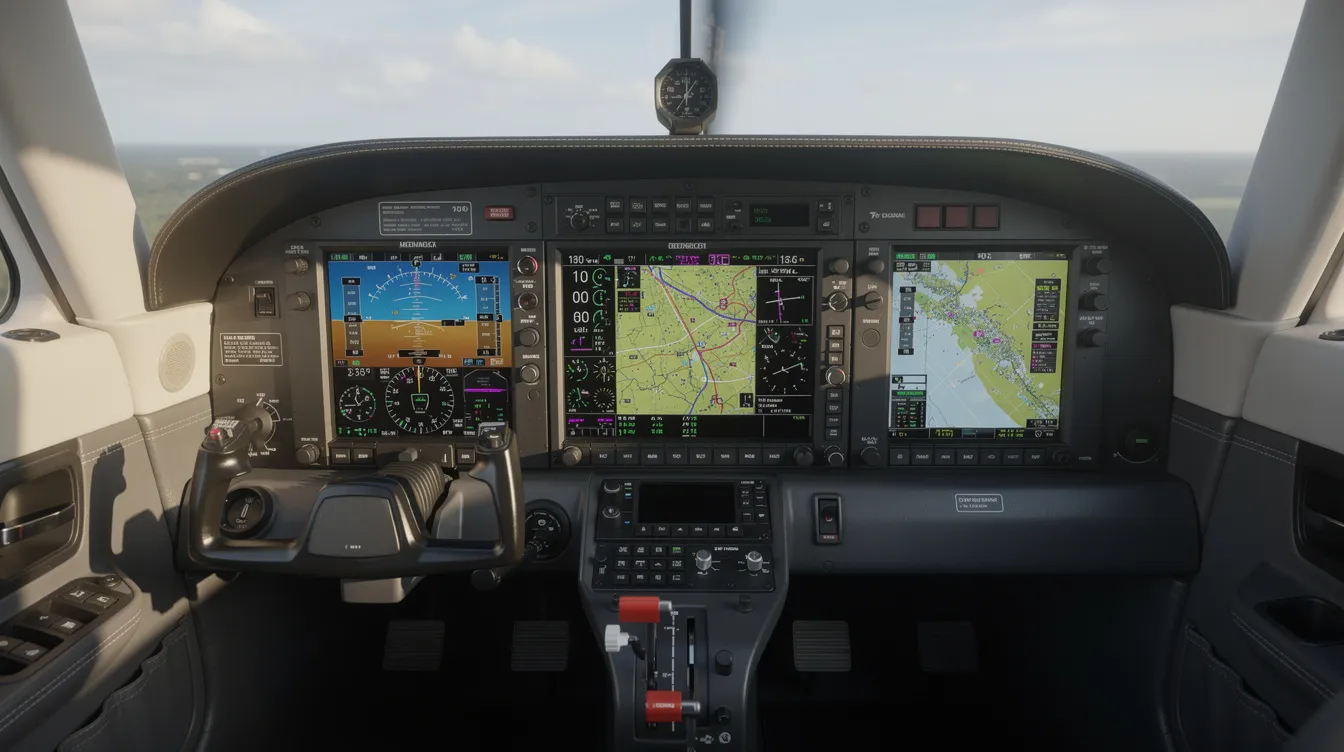
Cirrus aircraft have redefined expectations for the piston single category. The SR22T represents the premium end of what a single-engine piston can deliver.
Performance: The Cirrus SR22T can achieve cruise speeds up to 213 knots, with a service ceiling around 25,000 feet. With long-range tanks, range stretches toward 1,000–1,100 nm—enough for most North American regional routes without a fuel stop.
Safety stack: The Cirrus airframe parachute system (CAPS) remains the aircraft's signature feature, with Cirrus aircraft's CAPS parachute systems boasting over 90% success rates in real-world deployments. The caps parachute adds an extra layer of protection unique among piston singles. Beyond CAPS, the platform includes synthetic vision, envelope-protected autopilot systems, ads b In/Out, and the Garmin Perspective+ suite with touchscreen controllers and cutting-edge features that reduce pilot workload.
Ownership realities: Used 2018–2022 SR22 G6 models command strong resale values. Annual ownership costs for an actively flown SR22T can reach $45,000–$65,000 when accounting for hangar, insurance, annual inspections, engine reserves, and fuel burn. For someone flying 50–80 hours per year, booking a comparable aircraft or light jet through BlackJet often delivers better cost effectiveness without the fixed-cost burden.
Performance Basics: Range, Cruise Speed, and Fuel Capacity
Performance metrics dictate which trips a single prop plane can handle with efficient performance. Here are the cruise speed bands that matter:
Aircraft Category | Cruise Speed | Typical Range (w/ reserves) | Example Models |
|---|
Entry piston singles | 110–140 knots | 400–600 nm | Cessna 172, Piper Archer |
High-performance piston singles | 150–213 knots | 500–1,100 nm | Cirrus SR22T, Bonanza G36 |
Single-engine turboprops | 260–330 knots | 1,200–1,730 nm | TBM 960, PC-12, Cessna Caravan |
Fuel capacity tradeoffs shape real-world range. Standard tanks on many piston singles limit missions to 500–700 nm, while long-range configurations can push beyond 1,000 nm at reduced power settings. Turboprops like the TBM 960 carry roughly 292 US gallons of usable fuel, enabling 1,730 nm IFR range with four passengers.
Example: a 500 nm business hop
Piston single (~170 KTAS): ~3.2 hours flight time, 4–5 hours total with ground logistics
Single-engine turboprop (~300 KTAS): ~1.8 hours flight, under 3 hours total
Light jet (~420 KTAS): ~1.2 hours flight, but higher operating costs and potentially fewer airport options
BlackJet advisors help members match aircraft type to mission profile, ensuring they're not overpaying for a jet when a premium turboprop would suffice—or stuck in a piston single when the mission demands more speed.
Pilot Training: From First Lesson to Private Pilot License in a Single Prop
Nearly all pilot training begins in single-engine piston aircraft. Whether in a Cessna 172 or Piper Archer, the piston single provides the foundation for every flying experience that follows.
Private Pilot License Requirements (U.S., 2025–2026)
Minimum 40 flight hours under FAA Part 61 (35 under Part 141)
Solo flight, cross-country flying, and night flying components
Ground school and written examination
Practical checkride with an FAA examiner
Realistic costs for a private pilot license range from $10,000 to $20,000+, depending on location, aircraft hourly rates, and hours needed beyond the minimum. Additional training for an instrument rating, multi-engine add-on, or transition into a Cirrus Vision or turboprop platform adds further investment for those who ultimately want to buy a seat on a private jet rather than fly themselves.
Modern avionics—glass cockpits, ads b traffic and weather displays, autopilot systems—shape today's flight training environment and reduce workload once proficiency is achieved. These planes require less advanced piloting skills to manage engine failures compared to multi-engine planes, which is one reason single-engine aircraft remain the universal training platform.
While BlackJet serves many licensed pilots, most members use professional crews and treat each aircraft offer as a productivity or lifestyle tool rather than a personal training platform.
Safety, Avionics, and ADS-B in Modern Single Props
Safety is a primary concern for high-net-worth travelers and family trips. The good news: modern single props are safer than ever.
Standard or common avionics in 2025–2026 include WAAS-enabled GPS, glass cockpits like the Garmin G1000/G3000 or Cirrus Perspective+, integrated autopilot systems, and ADS-B In/Out. ADS-B Out compliance became mandatory in the U.S. in 2020, and virtually all actively operated single props now meet this standard.
The data is instructive: roughly 70% of general aviation accidents stem from pilot-induced factors rather than mechanical failure. Engine failures occur roughly once per 10,000 flight hours. This underscores the value of recurrent pilot training, professional crews, and disciplined decision-making over hardware alone.
Reputable charter operators and jet card providers—including BlackJet's partners—must comply with FAA Part 135 regulations and increasingly rigorous safety management systems. By May 2027, all Part 135 operators must implement formal SMS programs, raising the safety baseline across single prop and jet operations alike.
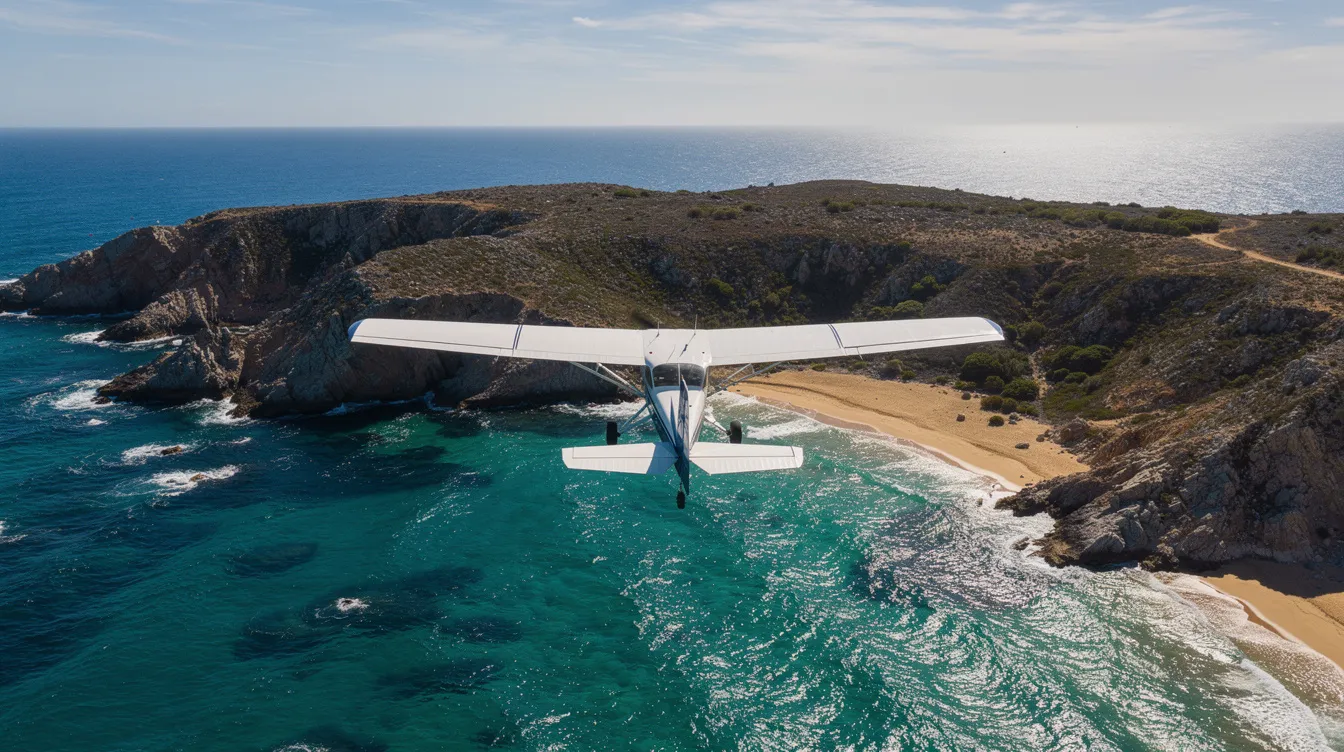
Ownership Costs of a Single-Prop Plane vs BlackJet Access
This section is a financial reality check. Owning a single prop plane involves more than the initial purchase price.
Major Cost Components for a Piston Single
Purchase price or financing/depreciation
Hangar storage: $300 to $600 per month
Insurance: varies by pilot experience, hull value, and use
Fuel: often 70% of operational costs; fuel costs may account for 70% of operational expenses
Annual inspections: $750 to $2,000
Engine overhaul reserves
Maintenance costs can range from 10% to 45% of yearly expenses, covering routine service and unexpected repairs.
Avionics upgrades, taxes, and registration
Annual ownership costs range from $20,000 to $40,000+ for an actively used high-performance piston single, while the cheapest single-engine plane options still require ongoing investment. For single-engine turboprops like the TBM 960 or PC-12, annual expenses often exceed $100,000.
Ownership vs. BlackJet Access
Ownership offers convenience and flexibility for spontaneous trips, and owning a single-engine plane allows flying on your own schedule—giving private owners full control over aircraft usage.
In contrast, BlackJet's jet card model shifts all fixed costs to the traveler. Members pay only for flight hours, with maintenance, crew, storage, and depreciation handled by professional operators.
For clients flying 20–80 hours annually, jet cards or on-demand charter typically beat full ownership on a total-cost-of-use basis; understanding jet card cost and pricing structures makes these comparisons clearer. There are no hidden issues around maintenance history, damage history, or overall utilization to manage personally.
When Private Ownership Makes Sense—and When It Doesn't
Ownership is rational when:
You're an avid hobbyist or pilot flying 150+ hours per year
You enjoy the hands-on aspects: maintenance oversight, hangar community, and the satisfaction of a fully equipped personal aircraft.
Your missions are repetitive—same routes, same airports, predictable schedule.
Single-engine planes have lower maintenance costs than multi-engine models, and single-engine aircraft generally involve lower initial investments compared to multi-engine planes, so owning a piston single or exploring the cheapest private aircraft options is the most economical path into aircraft ownership.
Single-engine planes are significantly cheaper to fuel and maintain than twin-engine alternatives. Maintenance is generally less complex and cheaper for single-engine planes, and operational costs are significantly lower for single-engine aircraft than for multi-engine aircraft. Single-engine planes offer lower routine maintenance requirements than twin-engine planes—advantages that compound for high-utilization owners.
BlackJet access is smarter when:
You fly irregular patterns across varying distances
You balance multiple residences and need different aircraft types through the years, single-engine, multi-engine, and midsize jets.
You want to save money on fixed costs and reduce costs associated with low-utilization ownership.
You value scheduling support, 24/7 operations teams, and zero responsibility for pilots, hangars, or maintenance vendors.
The break-even typically falls around 100–150 annual hours for piston singles and 200+ hours for turboprops. Below those thresholds, a jet card delivers the best value if you understand jet card pricing, costs, and benefits.
Single Prop vs Multi-Engine and Jets: Mission Matching for BlackJet Members
Different aircraft types exist for different missions and risk tolerances. BlackJet helps members navigate this efficiently through expert mission matching.
Dimension | Piston Single | Single-Engine Turboprop | Light/Midsize Jet |
|---|
Cruise speed | 110–213 knots | 260–330 knots | 400–500+ knots |
Cabin size | Compact, 2–4 pax | Moderate, 4–9 pax | Spacious, 6–12 pax |
Operating altitude | 8,000–18,000 ft | FL250–310 | FL350–450 |
Runway needs | Short, unimproved OK | Short to moderate | Longer runways required |
Operating costs | Lowest | Moderate | Highest |
Single props are ideal for many sub-500 nm trips into shorter regional airports, while multi-engine and jet aircraft take over for longer, higher, or more weather-demanding missions. A pressurized aircraft like a turboprop or jet handles high-altitude cross-country flying and icing conditions that would ground an unpressurized piston single, and resources comparing the best small private aircraft for every need can help frame those choices.
Example Itineraries
300 nm in a Cirrus SR22 – efficient, low-cost, ideal for 1–2 passengers
900 nm in a Pilatus PC-12 – the piston single's range limit; a turboprop handles this with fuel reserves and comfort for long-distance travel
Transcontinental or transatlantic – only a light or midsize jet will suffice
BlackJet's value lies in providing on-demand access to the right aircraft type every trip, without locking you into one engine, one airplane, or one set of limitations—a flexibility that depends on clearly understanding private jet sizes and categories.
Sustainability and Technology: A Modern Look at Single-Prop Operations
Sustainability and technology are now core concerns for sophisticated travelers and corporate flight departments.
On sub-1,000 nm sectors, a single-engine turboprop can produce significantly lower emissions per passenger than a light jet, thanks to lower fuel burn—often 60–80 gallons per hour versus 250–400 for jets. A piston single burns even less total fuel, though avgas carries its own environmental considerations. The unique blend of efficient performance and lower fuel consumption makes single props the greener choice for shorter missions.
Advanced avionics contribute to this efficiency. Real-time weather tools, ads b traffic awareness, and optimized routing help pilots minimize detours and fuel waste. Digital engine controls on platforms like the TBM 960 optimize power settings automatically.
BlackJet ensures every journey is carbon neutral—at no extra cost to members. For a 400 nm business hop, emissions are calculated based on aircraft type, fuel burn, and route, then offset through verified carbon programs. This approach lets members fly with environmental responsibility built into every trip, while still taking advantage of the cheapest private jet and turboprop options, without sourcing sustainable aviation fuel or managing offset programs independently.
How BlackJet Members Use Single-Prop and Turboprop Aircraft in Practice
Here's how real missions come together through BlackJet's platform.
Scenario 1: The Regional Entrepreneur.
A tech founder commutes between Austin and Houston (~150 nm) twice weekly. For solo trips, a high-performance piston single keeps costs minimal. When bringing partners or investors, a light jet accommodates the group and the schedule pressure. Same jet card, different aircraft, seamless booking.
Scenario 2: The Multi-Home Family.
A family splits time between Connecticut and a mountain home in Vermont (~200 nm). A single-engine turboprop like the PC-12 handles short-field performance at smaller airports, carries ski gear with significant payload capacity, and gets the family door-to-door in under two hours. For longer trips to the Caribbean, they tap into BlackJet's jet inventory.
Scenario 3: The Corporate Roadshow.
A CFO's team needs 300 nm hops between regional cities for investor meetings, then a 1,500+ nm leg to the West Coast. BlackJet coordinates turboprops for the short legs and a midsize jet for the long haul—all within one membership framework, with 24/7 digital booking, real-time support, and vetted operators holding strong safety records.
In each case, the member gains access to other aircraft without the friction of ownership, ultralight aircraft limitations, or being locked into a single platform, drawing from the full spectrum of types of private jets for every traveler.
FAQs About Single-Prop Planes and BlackJet Access
Are single-prop planes safe for night and over-water flights?
Modern single-engine planes equipped with IFR-capable avionics, autopilot, and proper pilot training can operate safely at night and over water within regulatory limits. However, many operators and insurance policies impose restrictions. BlackJet partner operators follow FAA Part 135 standards, which include enhanced requirements for night and IFR operations—paralleling the safeguards applied in programs such as Flexjet jet card offerings.
Can I log time toward my private pilot license in aircraft I book through BlackJet?
BlackJet's service is designed for passengers using professional crews, not for logging flight hours. For flight training, dedicated flight schools using single-engine planes remain the standard path. BlackJet members who hold pilot certificates may discuss specific arrangements, but the platform prioritizes passenger safety and comfort, similar to how established providers like NetJets structure their jet card programs.
How do single-engine ownership costs compare to using a jet card?
Annual ownership costs range from $20,000 to $40,000 for a piston single, not including the initial purchase price. For a late-model turboprop, costs exceed $100,000 annually. A jet card shifts these expenses to a per-hour model with no fixed overhead—ideal for travelers flying fewer than 100–150 hours yearly. Guides to the best jet cards for frequent flyers and details on how jet cards work can help quantify that trade.
What avionics and safety standards do modern single props meet?
Current single props feature WAAS GPS, glass cockpits, ads b Out (mandatory since 2020), synthetic vision, and integrated autopilot systems. Charter operators must also maintain aircraft to Part 135 standards, including regular maintenance history documentation and safety management system compliance—considerations that also matter when planning jet card tax deductions tied to business travel.
How does a single prop charter compare to commercial first class for regional trips?
On a 300–500 nm regional trip, a single prop or turboprop charter typically saves two to four hours in total travel time. You bypass TSA, avoid connections, depart on your schedule, and land closer to your destination. Privacy, productivity, and schedule control are incomparable. For cost comparisons, the low operating costs of turboprops make them surprisingly competitive against two or three first-class tickets when factoring in time value, especially when evaluated against 100-hour jet card cost structures for frequent flyers.
Conclusion: When a Single-Prop Plane Is the Right Tool—and Why You Don't Need to Own One
A single prop plane excels on short to mid-range routes, into smaller airfields, with lean passenger loads—missions where jets are overkill and commercial aviation wastes hours. When distances stretch beyond 1,000 nm, weather demands pressurization, or passenger counts rise, multi-engine aircraft and jets become the appropriate tools.
While private owners value the hobby, the hands-on flying experience, and full control that come with aircraft ownership, most BlackJet clients prioritize time, privacy, and flexibility over aircraft possession. BlackJet serves as a strategic partner: expert mission matching across aircraft types, rigorous safety and certification standards, technology-enabled booking, and carbon-neutral flights on every leg.
Explore how a BlackJet Jet Card can give you effortless access to single prop, turboprop, and jet aircraft—without the weight of ownership.


 Sign up with google
 Sign up with Apple