Earning your wings is one of aviation’s most rewarding milestones—but understanding the true private pilot license price before you begin training is essential to avoiding budget surprises and stalled progress. This guide breaks down every cost component, including all the costs involved, such as instruction, aircraft rental, and additional expenses, reveals why published minimums rarely reflect reality, and helps you decide how personal flying fits alongside options like private jet access.
Quick Answer: Typical Private Pilot License Price in 2026
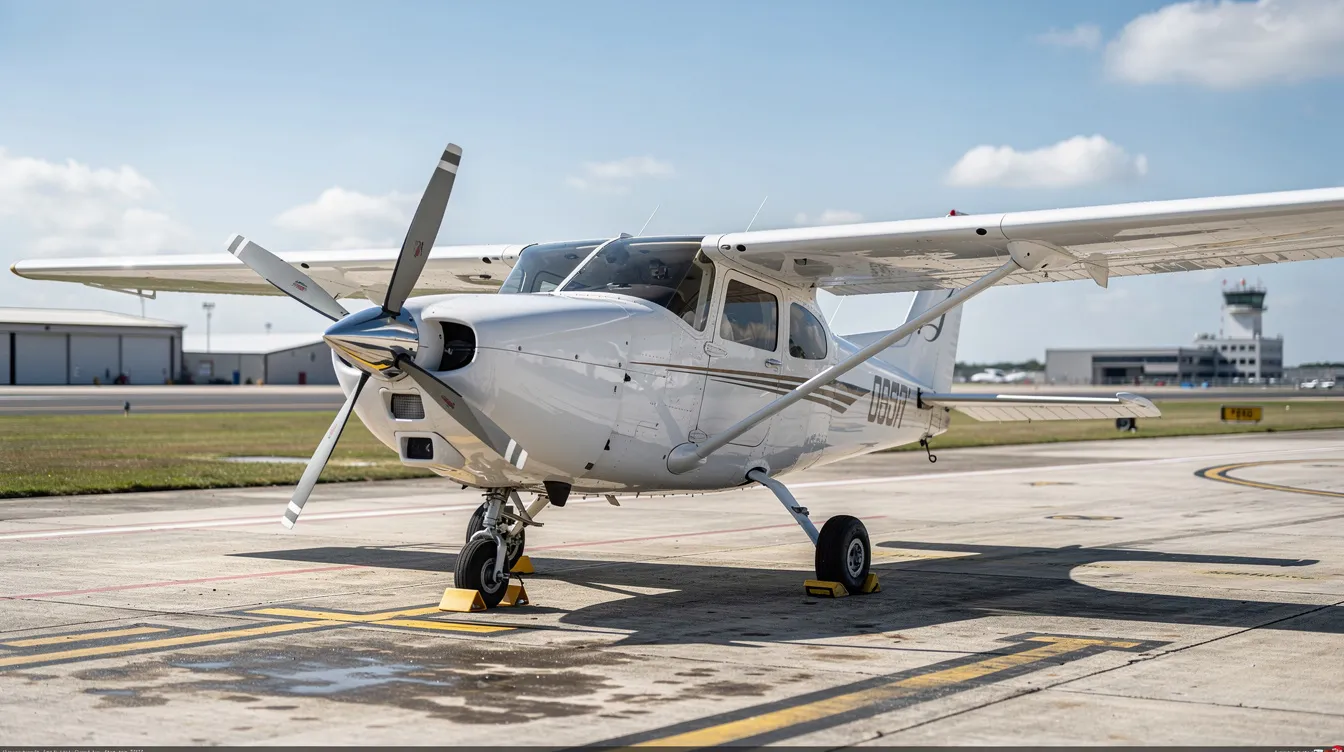
Most U.S. students should budget between $14,000 and $22,000 in 2026 for a private pilot license in a single-engine aircraft—not the optimistic $8,000–$10,000 figures often quoted in marketing materials. Costs for obtaining a Private Pilot License (PPL) vary based on training pace, aircraft type, and location. This realistic range assumes 60–70 flight hours (the national average for part-time students), modern training aircraft like the Cessna 172 or Piper Archer, and current fuel prices hovering around $6.50–$7.50 per gallon for 100LL Avgas.
The FAA requires a minimum of 40 hours for Part 61 schools and 35 hours for Part 141 schools, but fewer than 20% of students finish at minimums. Most students log closer to 60–70 hours to be fully prepared for their checkride. Weather cancellations, inconsistent scheduling, and proficiency plateaus on maneuvers like stalls or steep turns add hours for nearly everyone.
Flying 2–3 times per week helps maintain muscle memory, reducing the need for re-learning maneuvers, whereas infrequent training increases total hours required. Students who train full-time, flying multiple times per week, can complete their Private Pilot License in as little as 2–4 months, while part-time students may take 4–6 months or longer, depending on their training frequency. Training duration varies significantly based on how often a student is able to fly; those who fly consistently may finish closer to the minimum hours, while those with gaps in training may take 6 months to a year or more.
Quick Cost Snapshot (Mid-Range Example)
Component | Typical 2026 Cost |
|---|
Flight time (65 hrs @ $170/hr) | $11,050 |
Instructor time (dual + ground) | $3,500 |
Ground school | $350 |
Medical exam | $150 |
Books/materials | $250 |
Gear (headset, supplies) | $500 |
Written exam + checkride | $975 |
Sample Total | ~$16,775 |
Students should also budget for living expenses such as housing and food during training, especially if relocating or training full-time.
For many BlackJet members, pursuing a PPL represents a passion for personal flying on weekends and short regional hops, while relying on Jet Cards for business travel and longer-range missions. Understanding the full private pilot license price helps you decide whether to invest in ownership, rental, or explore the broader private jet price landscape for premium private jet access.
What Is a Private Pilot License (PPL) – And Why Its Price Matters
A private pilot license—formally called a private pilot certificate by the FAA—authorizes you to act as pilot in command of single-engine aircraft for non-commercial purposes, carry family and friends, and fly cross-country under visual flight rules (VFR).
For many BlackJet clients, the PPL represents a lifestyle and status milestone: weekend flying, short regional adventures, and the pure satisfaction of controlling an airplane. Meanwhile, BlackJet’s premium private jet and Jet Card programs provide efficient access for longer missions, destinations with poor airline connectivity, or tight business schedules where time matters most.
The PPL also serves as the foundation for advanced pilot training, including an instrument rating or commercial pilot certificate. Understanding the base price now is critical if you may pursue an aviation career or professional path later.
This article focuses on U.S. FAA Part 61/141 fixed-wing flight training costs in 2026. Prices and structures differ in Europe and other regions.
Core Cost Components of a Private Pilot License
Total PPL price is the sum of several predictable components plus a few variables. Flight school cost can vary significantly depending on the training structure, certification type, and location. Under-budgeting in any single area often leads to stalled training or unexpected financial pressure mid-program.
Major Cost Buckets
Medical exam
Ground school
Books and study materials
Equipment (headset, supplies, apps)
Aircraft rental
Instructor time (dual instruction + ground)
Written exam
Checkride (practical test)
Some flight schools bundle these into “all-in” packages, while others bill everything separately by the hour. Always ask what is and isn’t included before committing, just as you would when comparing affordable private aircraft options and access models.
The biggest drivers of total cost are aircraft rental rate and total hours flown—both heavily influenced by your training schedule and local weather patterns, similar to how the cheapest private aircraft and access strategies depend on utilization and mission profile.
Part 61 flight schools offer flexible, self-paced training that is often cheaper but takes longer than Part 141 schools, which follow a structured FAA-approved syllabus with lower minimum hour requirements. Students training under Part 141 can save $2,000–$4,000 if they commit to intensive, full-time training, but aspiring owners also need to understand the full cost of employing a private jet pilot and operating an aircraft before moving beyond simple rentals.
Medical, Ground School, and Study Materials
Before you ever touch the controls, you’ll pay several one-time fees for eligibility and theory training. These typically total $400–$1,200, depending on your choices.
Medical Exam Costs
The FAA requires a third-class aviation medical certificate before you can fly solo. In 2026, most Aviation Medical Examiners (AMEs) charge $80–$225, with a national average around $150. Search the FAA’s MedXPress AME directory and call two or three local examiners to compare prices.
Schedule your medical exam before or very early in flight training. Failing to secure it can waste thousands in training costs if a disqualifying condition surfaces later.
Ground School Options
Option | Typical 2026 Price |
|---|
Online ground school (Sporty’s, King Schools) | $250–$400 |
In-person classroom course | $600–$1,200 |
Self-study (FAA PDFs + endorsement) | Near-free |
Busy professionals who value schedule flexibility—like many BlackJet travelers—often choose structured online ground school combined with self-study. It’s cost-effective and works around demanding calendars, much like chartering a small private plane can offer tailored, on-demand solutions for specific business or leisure trips.
Books and Study Materials
The FAA offers free digital versions of the Airplane Flying Handbook and Pilot’s Handbook of Aeronautical Knowledge. Commercial texts from Jeppesen or Gleim run $40–$80 each. A bundled PPL kit in 2026 typically costs $250–$500.
Budget approximately $200–$400 for books and printed materials if not included in ground school. Digital-first students can reduce this significantly.
Equipment Needed for Private Pilot Training
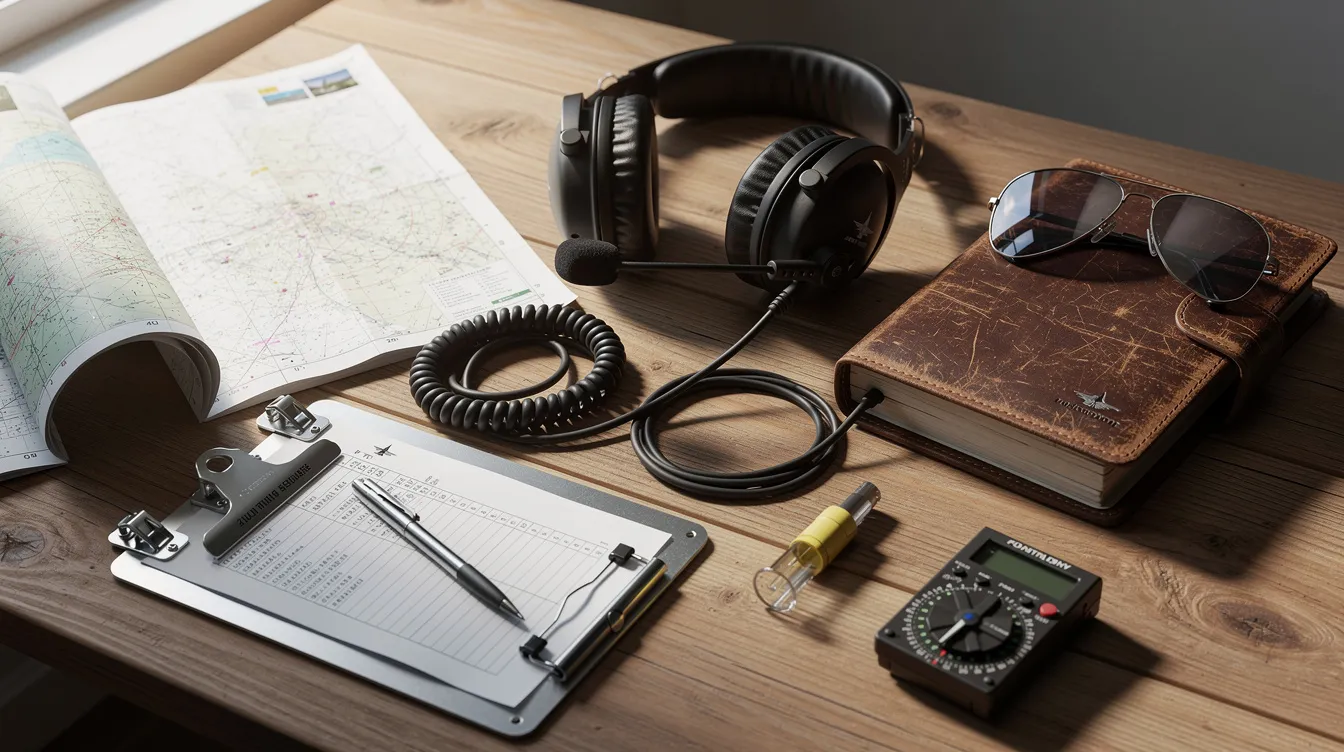
Gear costs are highly variable. A minimalist setup can stay under $300, while a tech-heavy cockpit with a new ANR headset and iPad can exceed $1,500.
Essential Equipment
Essential items and 2026 price ranges
Headset choices
Passive headset (David Clark style): $200–$350
Active noise reduction (Bose A30, Lightspeed Zulu): $850–$1,200
Optional tech
Sample Gear Budgets
Setup | Total Cost |
|---|
Starter kit (basic headset, analog tools) | $250–$500 |
Premium kit (ANR headset, iPad, apps) | $1,200–$1,800 |
Many schools rent headsets initially so you can test fit before investing in your own flight bag essentials, just as some travelers compare the best small private aircraft for their mission or sample the most affordable private jet options before committing to ownership or long-term programs.
Aircraft Rental and Instructor Time: The Biggest Piece of the Price
Aircraft rental and instructor time typically represent 70–80% of the total PPL price. Actual flown hours—not FAA minimum hours—determine your real bill.
Aircraft Rental Rates
Realistic ranges for wet rental (fuel included):
Aircraft | Typical Rate | Metro Premium |
|---|
Cessna 152 | $125–$160/hr | N/A |
Cessna 172 | $180–$220/hr | $200–$220/hr |
Piper Archer | $160–$200/hr | $200–$220/hr |
Training in older, well-maintained aircraft like the Cessna 150/152 or steam-gauge planes is cheaper than using modern glass-cockpit aircraft, offering a cost-effective option without compromising training quality.
Training in high-cost metropolitan areas can be 20–40% more expensive due to higher fuel costs and instructor rates. Schools in major metro areas generally have higher hourly rates than rural schools, paralleling how private jet charter pricing rises in busy hubs with strong demand and how choosing among different private jet sizes for each route can affect overall trip economics.
Worked example: 65 hours in a Cessna 172 at $170/hour = $11,050 for aircraft rental alone. This represents a typical mid-range scenario for most students.
Instructor Fees
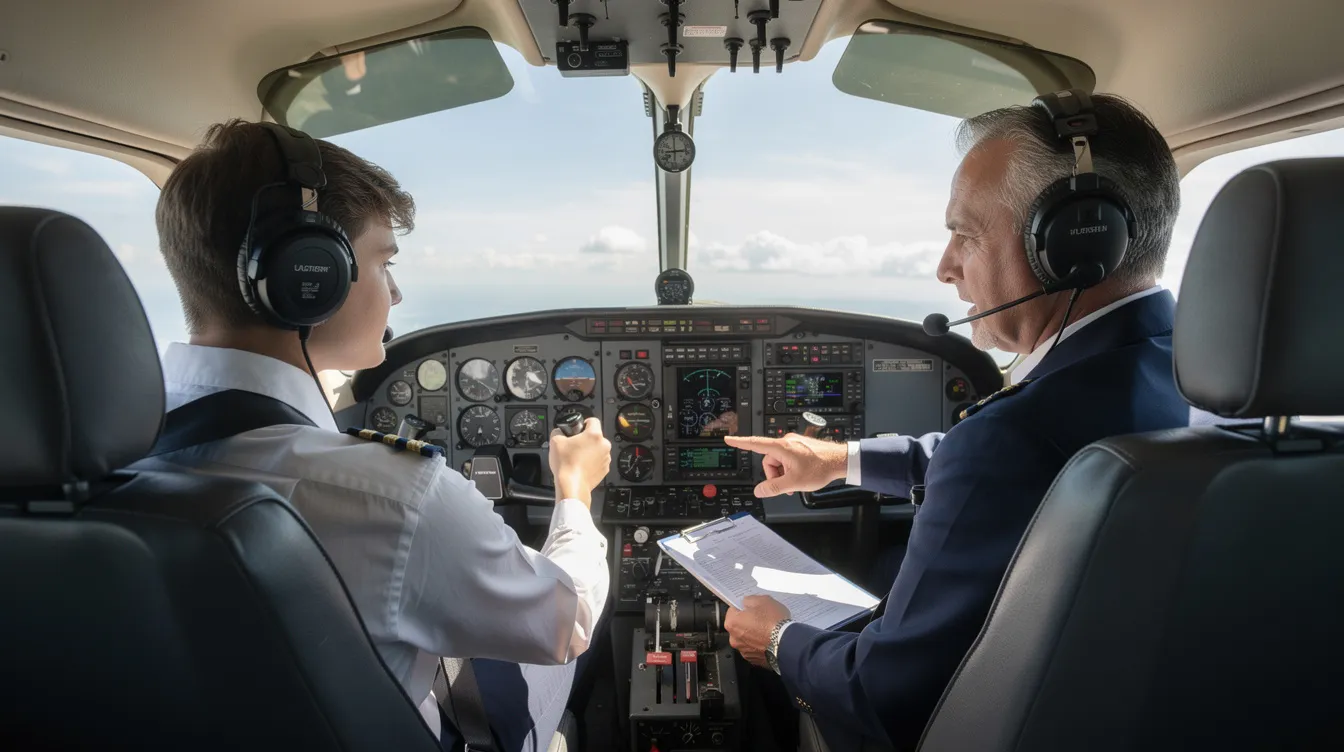
Certified flight instructor fees commonly run $60–$90 per hour in 2026, with many schools billing instructor and aircraft separately. Instructor rates vary widely based on experience and region, typically ranging from $40 to $100 per hour, which can impact total cost. Using a sample assumption of 35 dual hours at $70/hour yields approximately $2,450 in instructor fees.
While the FAA requires only 20 hours of dual instruction, most students need more due to weather cancellations, currency gaps, and the natural learning curve.
Solo Flight Time
At least 10 solo hours are required, including a solo cross-country flight of at least 150 nautical miles. Most student pilots fly additional solo hours for practice and confidence-building. Solo time is billed at the aircraft rental rate only—no instructor fees.
Pre- and Post-Flight Ground Instruction
Brief reviews and debriefs can add 10–20 billed ground instruction hours at the same instructor hourly rate. For students who don’t plan ahead and arrive unprepared, this can add $600–$1,400 to the final price—similar to how inefficient use of a 100 hour private jet card can erode its per-hour value.
Exams and Checkride Fees
Testing fees are a small portion of the overall PPL price, but they’re fixed and unavoidable. Budget for them from the start.
FAA Written (Knowledge) Exam
Current 2026 test center fees typically fall between $160 and $190, with most students paying about $175. Some training packages include the written exam fee or provide discount vouchers. Passing rates exceed 85% for students who complete structured ground school.
Designated Pilot Examiner (DPE) Checkride
The practical test fee varies widely by region and examiner availability. Expect $700–$1,000 in most areas, with some busy markets charging more due to examiner demand—just as jet card program pricing shifts with aircraft category, demand, and provider.
Working with a designated pilot examiner your instructor knows well can improve preparation and reduce the risk of an expensive retest. Checkride failures require paying the DPE fee again.
Practice and Mock Checkride Costs
Budget 2–5 extra practice flight hours and 2–3 hours of ground time for final prep and mock orals. This adds approximately $500–$1,200, depending on local rates, but significantly improves pass rates—much like understanding jet card pricing structures upfront prevents surprises once you begin flying privately.
Sample Private Pilot License Price Breakdown (2026)
This sample represents an illustrative mid-range scenario at a typical U.S. suburban airport—not a guaranteed quote. All the costs vary depending on location, aircraft, and individual progress.
Assumptions: 65 total flight hours in a Cessna 172 at $170/hour, 35 dual hours at $70/hour, 15 hours of ground instruction time at $70/hour.
Line Item | Cost |
|---|
Medical exam | $150 |
Online ground school | $350 |
Books/materials | $250 |
Basic headset and gear | $500 |
Aircraft rental (65 hrs @ $170) | $11,050 |
Dual instruction (35 hrs @ $70) | $2,450 |
Ground instruction (15 hrs @ $70) | $1,050 |
Written exam | $175 |
DPE checkride | $800 |
Total | $16,775 |
This realistic total cost breakdown contrasts sharply with “minimum-hours” marketing numbers around $9,000–$11,000. The discrepancy comes from the additional costs most students incur: extra flight experience beyond minimums, repeated lessons, and ground time for adequate preparation.
Key Factors That Raise or Lower Your PPL Price
Two students training at the same airport can see thousands of dollars' difference in total cost depending on scheduling, weather, and personal performance.
Major Factors Affecting PPL Price
Location and Weather:
Training in states with consistent VFR weather (Florida, Arizona, Texas) leads to fewer cancellations and less relearning. Florida flight schools average around 55 hours to completion versus 75+ hours in the Northeast, where weather alone can add 20% to training costs.
Part 61 vs. Part 141:
Part 141 schools offer a structured syllabus with lower FAA minimum number requirements (35 vs. 40 hours), potentially saving $2,000–$4,000 for students who can commit to intensive, full-time training. Part 61 schools provide more flexibility, but often result in 60–80 logged hours.
Training Frequency:
Flying 2–3 times per week significantly reduces skill decay and the need for repeated lessons. This schedule typically cuts total hours—and cost—by 20–30% compared with once-a-week training.
Aircraft Type and Age:
Older trainers like the Cessna 150/152 may rent for $20–$40/hour, cheaper than newer glass-cockpit 172s. Over 60 hours, this saves $1,200–$2,400 if well-maintained aircraft are available, echoing how choosing the right jet card cost per hour can materially change your annual private aviation spend.
Instructor Quality and Continuity:
A slightly more expensive but experienced and stable instructor can save money overall by making each lesson more efficient. High instructor turnover at some schools forces students to restart explanations repeatedly—just as carefully comparing the best jet cards for frequent flyers can yield better long-term value than choosing purely on headline price.
Student Preparation:
Arriving for each flight well-prepared—pre-studying maneuvers, chair-flying profiles, and practicing on home flight simulators—cuts in-air repetitions and saves hundreds in rental costs.
How to Keep Your Private Pilot License Price Under Control
While you can’t control fuel prices or national examiner shortages, smart planning can save several thousand dollars across your training, just as structuring access via different private jet leasing programs and costs can materially change your overall aviation budget.
Proven Strategies to Save Money
Complete ground school early:
Pass the written test before serious flight instruction, so in-air lessons focus on skills, not re-teaching theory.
Fly in concentrated blocks:
Consider accelerated programs (6–10 weeks full-time) or at least 3 flight lessons per week during key phases to maintain currency.
Compare schools thoroughly:
Don’t just look at the lowest “minimum cost” quote. Ask about actual average hours to completion, fleet maintenance standards, and weather cancellation policies.
Use home simulators:
Microsoft Flight Simulator or X-Plane with a basic yoke and rudder pedals lets you practice procedures, radio work, and checklists without paying aircraft rates. The FAA credits up to 2.5 hours toward solo requirements.
Start in a lower-cost trainer:
Master fundamentals in a basic Cessna 152 or analog-panel 172 before transitioning to more advanced aircraft—unless your mission profile demands otherwise.
Join a flying club:
Membership-based clubs often offer lower hourly rates than commercial flight schools, though availability can be limited.
Choosing the right flight school matters enormously. Many flight schools advertise attractively low prices that assume ideal conditions. Verify claims against real student outcomes, just as you would vet providers when buying an individual seat on a private jet, comparing top private jet charter companies in the USA, or other shared-flight models.
Private Pilot License vs. Other Paths: When a Jet Card Makes More Sense
A PPL is an excellent option for personal enjoyment, flexibility on short regional trips, and pure aviation passion. But it’s not always the most strategic solution for time-sensitive business travel.
Typical PPL mission: A 250-mile weekend hop in a rented single-engine airplane, cruising at 110–130 knots, limited by weather and daylight, requiring personal preflight planning and accepting weather cancellations.
BlackJet Jet Card mission: The same traveler flying 900+ miles nonstop in a midsize or large-cabin jet at 450+ knots, with IFR capability, de-icing, professional crew, and dispatch support regardless of weather.
For high-net-worth individuals and executives, the combined cost of a PPL plus ongoing rental, renters insurance, maintenance partnerships, and time commitment may be less efficient than using a BlackJet 25+ Hour Jet Card membership or benchmarking it against Flexjet jet card pricing and options for most business travel.
Integrated use case: A New York–based executive with a PPL flies a rented Cessna to the Hamptons on weekends for personal use, while using BlackJet’s 25- or 50-hour Jet Card for New York–Miami, New York–Aspen, or transatlantic business trips. This approach maximizes both autonomy and efficiency.
BlackJet flights include professional crew standards, real-time support, and carbon-neutral operations at no extra cost—scaling beyond what a private pilot can reasonably achieve alone for complex or long-range missions, especially when you compare options like a 50-hour jet card program or analyze NetJets jet card costs and structures versus ad-hoc charter.
Safety, Technology, and Sustainability: Hidden “Costs” You Should Weigh
While PPL pricing discussions focus on dollars per hour, discerning travelers should also consider the value of safety culture, modern technology, and environmental impact, especially if they also rely on private jets’ safety standards and oversight for longer-range travel.
Reputable flight schools invest in rigorous maintenance, modern avionics (glass cockpits, ADS-B), and structured safety management systems. These may raise hourly rates slightly but reduce risk and minimize training disruptions from aircraft downtime—similar to how operators managing different types of private jets for varied missions, larger private jets for groups of up to 20 passengers, and other budget-conscious private aircraft options balance safety, comfort, and cost.
Advanced avionics and weather tools—both in-cockpit and via apps—can shorten learning curves and improve decision-making, though they add to equipment and subscription costs, just as the most advanced systems in top-tier private jets worldwide command a premium for capability and comfort.
Piston aircraft typically burn 7–12 gallons of Avgas per hour. While individual aspiring pilots can purchase voluntary carbon offsets, comprehensive carbon-neutral programs are more common in organized private jet operations, including many on-demand private jet charter solutions, where aircraft routinely cruise at higher private jet altitudes than airlines to optimize fuel burn and efficiency.
All BlackJet flights operate as carbon-neutral by default. Many members view their PPL as personal passion while relying on BlackJet for long-range, professionally managed, and environmentally balanced travel, often combining it with small plane charter options or even affordable private plane rideshare models when missions call for different aircraft sizes or shared-capacity solutions.
Frequently Asked Questions (FAQ)
What is the lowest realistic price for a private pilot license in 2026?
In low-cost regions with favorable weather, a highly efficient student pilot might finish with a cost of near $10,000–$13,000. However, this requires minimal weather delays, rapid skill acquisition, and training at a school with competitive rates. Most students should not plan on this outcome.
Why do schools advertise $8,000–$10,000 PPL packages?
These figures assume FAA minimum hours (35–40) and often exclude variable costs like extra flight time, multi-engine instruction transitions, and retests. National data shows fewer than 20% of students complete at a minimum.
How long will it take, and how does that affect cost?
Full-time accelerated programs can finish in 2–4 months—often at a lower cost due to reduced skill decay. Part-time students training once weekly commonly take 4–6+ months and pay more due to repeated lessons and relearning.
Can I finance my PPL?
Yes. Options include personal loans, dedicated aviation lenders (4–7% APR typical), 0% introductory credit card strategies, and pay-as-you-go arrangements at most schools. AOPA scholarships assist approximately 20% of students.
Is getting a private pilot license worth the price if I already use private jets?
For frequent BlackJet users, a PPL is a lifestyle enhancement and personal freedom tool—not a replacement for jet-level range, speed, or all-weather capability. Many executives follow the exact same path: PPL for weekend enjoyment, 25-hour jet card programs for core business travel. Thanks, guys who’ve asked—this question comes up often.
What about becoming a commercial pilot or airline pilot?
The PPL is the first step. Additional ratings (instrument rating, commercial pilot certificate) add $10,000–$30,000+, depending on goals. How many students continue? Roughly 30% pursue additional certificates after earning their PPL, and many later compare those costs with simply leveraging jet card cost-per-hour programs or evaluating the top private jet companies for premium service for their travel needs.
How BlackJet Fits Into Your Aviation Strategy
The private pilot license price represents a significant but rewarding investment in skill and personal freedom. For serious travelers, a Jet Card membership like BlackJet’s optimizes time, comfort, and reach when missions demand more than a single-engine trainer can deliver.
Consider an integrated aviation strategy: local and regional piston flying for enjoyment and to gain experience in the air, BlackJet for long-distance or mission-critical trips where efficiency and reliability matter most, informed by a clear view of overall private jet pricing and access models, and private jets for sale under 10 million as entry-level ownership options.
What BlackJet delivers
Multi-cabin-class access (light, midsize, large-cabin jets)
24/7 digital booking and real-time flight support
Top-tier safety and certification standards
Carbon-neutral flights at no extra cost
If you’re weighing how a PPL fits alongside premium private jet access, BlackJet can help design a personalized travel and aviation plan. Explore how a BlackJet Jet Card can complement your private pilot ambitions—and discover what’s possible when passion and efficiency fly together.
Conclusion: Elevate Your Aviation Journey with BlackJet
Choosing to pursue a private pilot license is a transformative step toward personal freedom in the skies, but it’s only part of a broader aviation lifestyle. BlackJet offers a seamless extension to your flying ambitions, providing premier private jet access that complements your training and personal flying pursuits. With BlackJet’s sophisticated Jet Card programs, you gain exclusive access to a diverse fleet, comprehensive safety protocols, and a commitment to sustainability through carbon-neutral flights—all supported by 24/7 expert assistance.
Visit BlackJet.com today to discover how you can integrate your private pilot skills with effortless private jet travel, unlocking new possibilities for business and leisure. Whether you’re flying locally or crossing continents, BlackJet ensures that your journey is as efficient, safe, and luxurious as it is inspiring.


 Sign up with google
 Sign up with Apple