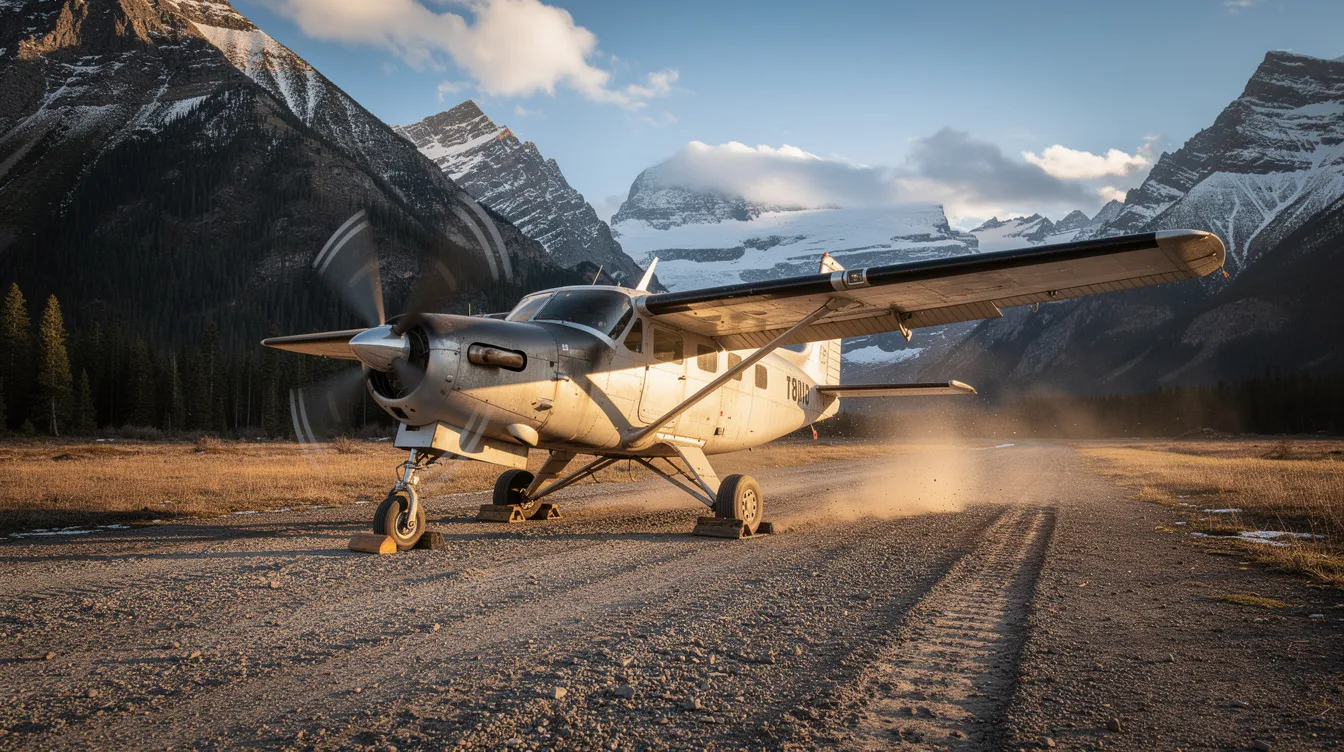
The Pilatus PC-12 is not just another aircraft in the private aviation fleet - it is the market-defining single-engine turboprop that has reshaped how discerning travelers, corporations, and mission-critical operators think about regional flying.
Introduction: Why the Pilatus PC-12 Matters to Serious Private Travelers
The Pilatus PC-12 is a versatile single-engine turboprop aircraft built in Switzerland that first entered service in the mid-1990s. Since then, Pilatus Aircraft has delivered more than 2,000 airframes worldwide. By May 2023, the PC-12 fleet reached ten million flight hours - a milestone that underscores the platform's reliability and market dominance. The aircraft is widely used for executive transport and air ambulance missions, and it is widely regarded as one of the best-selling single-engine turboprops in aviation history.
For high-net-worth and corporate travelers, the pc 12 offers something jets simply cannot: the ability to operate on short and unimproved runways such as grass and gravel, combined with operating costs significantly lower than comparable light jets. Overall, the Pilatus PC-12 bridges the gap between business and utility aircraft, delivering genuine passenger comfort on regional routes without excess.
Consider a typical trip: New York to Nantucket. Commercial business class means connections, ground transfers, and security queues - easily three to four hours door-to-door. A PC-12 departs from a nearby regional airport, lands close to your destination, and cuts that time roughly in half. The same logic applies to routes like London to Courchevel, where the aircraft's short-field capability unlocks alpine airstrips that jets cannot reach.
BlackJet selects the PC-12 and pc 12 ng for members who want efficient, carbon-neutral regional flying without compromising on safety or cabin quality. A few key terms: a single-engine turboprop uses one turbine engine driving a propeller, combining jet-like reliability with propeller efficiency. The "NG" (next generation) designation refers to the upgraded variant introduced around 2008–2009. And special missions - air ambulance, surveillance, cargo, rescue - describe the demanding professional roles where this same platform proves its worth daily.
Pilatus PC-12 Overview & Evolution (PC-12 to PC-12 NG)
The first PC-12 prototype flew on 31 May 1991 at the Pilatus factory in Stans, Switzerland. Certification followed in 1994, and the aircraft quickly established itself as a rugged, capable platform built on decades of Swiss precision engineering.
The evolution has been steady and deliberate:
Original PC-12 (1994): powered by a Pratt & Whitney Canada PT6A engine, establishing the core combination of range, payload, and short-field performance.
PC-12/45 and PC-12/47: Incremental improvements in avionics, gross weight limits, and systems refinement.
PC-12 NG (Next Generation, ~2008–2009): A significant leap - upgraded PT6A-67P engine, the Honeywell Primus Apex avionics suite, improved climb and cruise performance, and cabin refinements that brought the interior closer to light-jet standards.
PC-12 NGX / PRO: The newest variant, featuring Pratt & Whitney Canada's PT6 E-Series engine, digital autothrottle, single-lever power control, and extended maintenance intervals.
As of May 2021, 1,800 PC-12s had been delivered, and production has only accelerated since. The type is known for retaining 70–80% of its value after 10 years - among the highest value-retention rates in business aviation and a clear signal of market confidence for both owner-operators and charter users.
The operator base has grown from early utility and air ambulance providers - such as the Royal Flying Doctor Service of Australia - to today's diverse mix of corporate flight departments, commuter airlines, and premium charter networks like those in BlackJet's Pilatus PC-12 fleet. In 2022, Tradewind Aviation purchased 20 new PC-12 NGX aircraft, signaling strong demand from scheduled charter operators.
Key Specifications & Performance: What the PC-12 Can Actually Do
Numbers tell the story. Here are the core performance metrics for a modern PC-12 NG/NGX/PRO:
Specification | Value |
|---|
Maximum cruise speed | 290 knots true airspeed (max cruise speed ~537 km/h) |
Maximum range | Over 1,800 nautical miles |
Range with four passengers | 1,765 nautical miles (NBAA IFR reserves) |
Service ceiling | 30,000 feet |
Max takeoff weight (maximum takeoff weight) | 10,450 pounds |
Maximum landing weight | 9,921 pounds |
Standard empty weight | 6,505 pounds |
Usable fuel | ~2,704 lb (402 US gal) |
Passengers | Up to nine passengers (commuter configuration) |
Takeoff distance (over 50 ft obstacle) | 2,485 feet |
Landing distance (over 50 ft obstacle) | ~2,170 feet |
The PC-12 can take off in just 2,485 feet - roughly half the runway length many light jets require. That takeoff distance, combined with a landing distance under 2,200 feet, opens access to thousands of secondary and remote airports that jets cannot use.
In practical terms, the useful load works like this: with full fuel weight aboard, payload capacity is roughly 1,087 lb - enough for four passengers plus generous baggage. On shorter legs where you reduce fuel, the aircraft carries up to nine passengers with ample room for luggage and even bulky items. The weight balance between fuel, passengers, and cargo is straightforward to plan, giving operators real flexibility.
How does a maximum cruise speed of 290 KTAS compare to light jets? On sub-1,000 nm routes, the PC-12's ability to depart from a regional airfield closer to your home or office often neutralizes or eliminates the jet's speed advantage. When you factor in total door-to-door time - not just block time - the difference frequently favors the turboprop private jet approach.
The operating economics are equally compelling. Fuel consumption on a PC-12 is substantially lower than that of similar-capacity light jets, translating into materially lower direct operating costs per hour. For anyone planning Jet Card hours or evaluating private plane rates, that efficiency matters.
Cabin Experience & Passenger Transport Comfort
Step inside a modern PC-12 and the first thing you notice is space. The pressurized cabin is climate-controlled, quiet at cruise altitude, and finished to a standard that rivals entry-level business jets. The Pilatus PC-12 is celebrated for its blend of utility and luxury in its cabin - a combination that makes sense for travelers who fly several times a month regionally.
The standard executive layout seats six to eight passengers in club-configured leather seats with generous headroom, fold-out work tables, and USB/power outlets at every position. Cabin width is approximately 1.52 meters, and cabin height matches, creating a comfortable environment for flights of up to several hours. Large windows flood the space with natural light - a detail that makes a noticeable difference on morning departures.
The aircraft comfortably seats 6-9 passengers in various configurations. In a commuter configuration, nine seats accommodate corporate shuttles, ski resort transfers, or private family groups. The cabin can be reconfigured for different missions, including cargo and medevac, and operators frequently switch cabin layouts between VIP, high-density, and mixed passenger-cargo setups depending on the day's requirements.
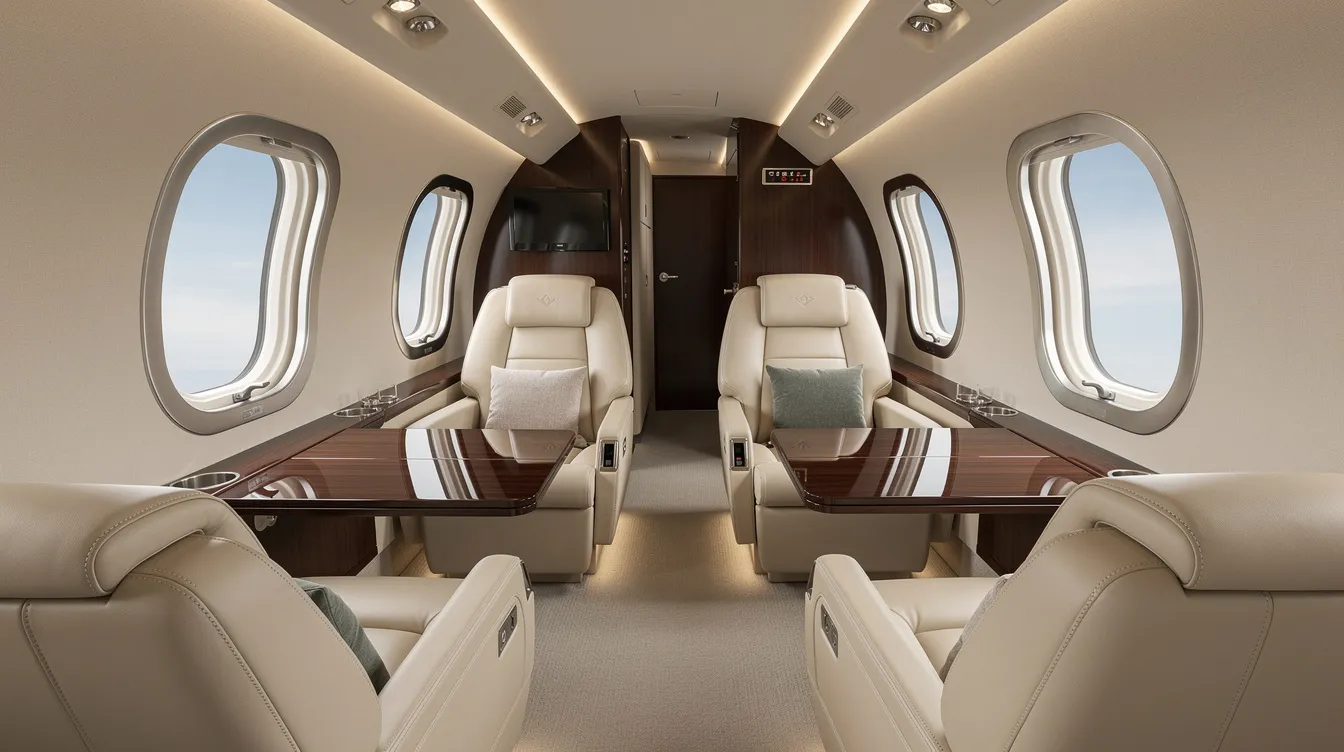
For BlackJet members, the practical benefits over commercial business class on a 1.5–2 hour route are clear: complete privacy for confidential meetings, personalized service, no security queues, and boarding steps from the FBO door. Passenger comfort on a PC-12 is not a compromise - it is a deliberate choice.
Versatility & Special Missions: From Air Ambulance to Surveillance
The PC-12 is often described as a "flying multi-tool" due to its versatility, and the label is earned. Its defining structural advantage is the large cargo door measuring 53 by 52 inches - wide enough for stretchers, cargo pallets, sports equipment, and easy loading of oversized gear that would never fit through a jet door. The flat-floor cabin allows rapid reconfiguration between passenger transport, cargo hauling, and specialized mission layouts.
Air Ambulance: In medevac configuration, the cabin accommodates up to three stretchers plus medical staff and full medical equipment. The Royal Flying Doctor Service operates 32 PC-12s in Australia, using the platform's short-field capability and pressurized cabin to carry cargo, patients, and personnel between remote areas and major hospitals. The ability to land on unprepared strips in the outback - and fly long distances to definitive care - makes the PC-12 indispensable in rescue and life-saving operations.
Surveillance & Defense: Government agencies around the world use PC-12 variants for ISR (Intelligence, Surveillance, Reconnaissance) missions equipped with under-fuselage sensor pods. The U-28A Draco is a military variant of the PC-12, operated by the U.S. Air Force for special operations support. The Finnish Air Force operates six PC-12 NG aircraft for transport and liaison duties. Long-endurance loiter at low fuel burn makes the PC-12 exceptionally capable for these missions.
Cargo & Humanitarian Relief: The large cargo door enables operators to carry cargo to mining sites, deliver humanitarian supplies into improvised airstrips, and support search-and-rescue operations in regions inaccessible to jets.
For BlackJet members, the connection is direct: the same airframe trusted for demanding special missions is available for your itinerary - whether that means a gravel strip near a fly-fishing lodge, an alpine runway for a ski weekend, or an island with no jet-capable airports.
Safety, Certification & Single-Engine Reliability
The most common question about single-engine turboprop travel is whether one engine is safe enough. The data says yes - emphatically.
The PC-12 meets stringent certification standards under FAA Part 23 in the United States and EASA CS-23 in Europe. These frameworks cover structural integrity, systems redundancy, and performance requirements that the PC-12 exceeds.
The heart of that safety case is the pratt whitney canada PT6 engine family. The PT6 has logged millions of flight hours with a strong safety record. By 2016, the in-flight shutdown rate was approximately one per 650,000 flight hours - making it one of the most reliable powerplants in all of aviation. Regulators worldwide permit commercial single-engine IFR operations with this engine precisely because the data supports it.
Modern PC-12 NG/NGX variants add multiple layers of systems redundancy:
Multiple independent electrical systems
Robust de-ice and anti-ice equipment
Emergency Descent Mode that activates during cabin depressurization
Safety Autoland, which can land the aircraft automatically in emergencies
Synthetic Vision and terrain/traffic warning systems for enhanced situational awareness
The operational safety record reflects these strengths. While accidents have occurred across a fleet of more than 2,000 aircraft over three decades, the type is widely regarded by professional operators as one of the safest, most forgiving turboprops when flown within limits and maintained properly.
BlackJet builds on that baseline by sourcing PC-12 aircraft only from operators with top-tier safety ratings, enforcing strict pilot experience thresholds, requiring recurrent simulator training, and conducting independent audits. Every flight operates under 24/7 operational oversight with high levels of monitoring and support.
Avionics & Technology: PC-12 NG Cockpit Innovations
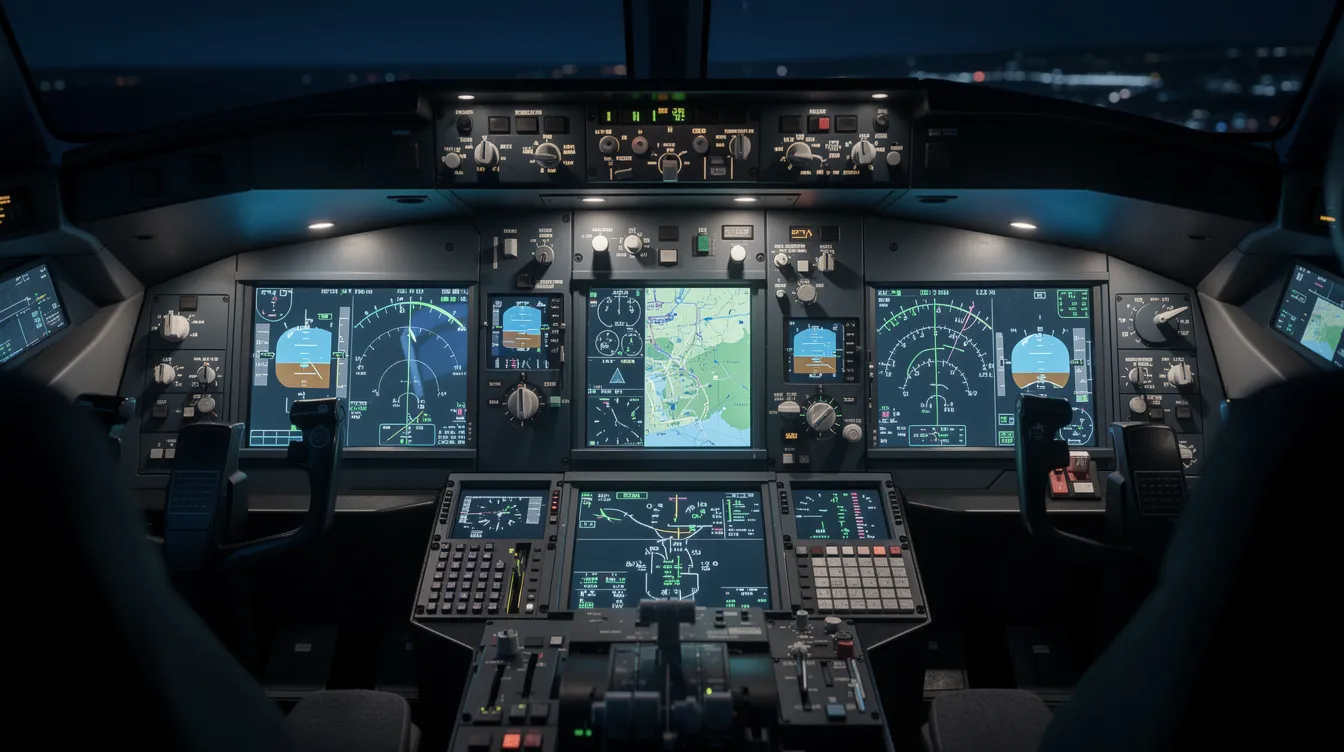
The modern PC-12 NG/NGX flight deck is comparable to what you would find in small business jets - and in some respects, more advanced. The PC-12 Pro features the Garmin G3000 Prime flight deck, an advanced cockpit environment with high-resolution touchscreen displays, integrated flight management, and advanced navigation capabilities that enhance both safety and efficiency.
Key systems that pilots and passengers benefit from:
Synthetic Vision: Forward-looking terrain symbology that enhances situational awareness in low-visibility conditions.
Weather Radar: The PC-12 Pro includes a 12-inch GWX 8000 StormOptix radar for precise weather detection and avoidance.
Digital Autothrottle: Single-lever engine and propeller control reduces pilot workload and minimizes the risk of power exceedances.
Honeywell Avionics Integration: Earlier NG models feature the Honeywell Primus Apex suite; newer PRO models use the Garmin system, both delivering integrated navigation, communication, and surveillance.
Emergency Descent Mode: Automated descent capability in depressurization scenarios.
Customization: The flight deck can store up to 25 customizable pilot profiles, allowing different crews to configure displays and preferences instantly.
These systems support safe single-pilot operations, though many charter missions use two-pilot crews for added redundancy. The avionics also enable precise RNAV approaches into smaller regional airports - critical for maintaining schedule reliability when weather changes.
For BlackJet members, these flight deck capabilities translate into practical benefits: accurate ETAs, weather-informed routing decisions, and the confidence that comes from knowing your aircraft is equipped with the latest safety and navigation technology, complemented by BlackJet's digital booking tools and real-time flight support.
Operating Economics, Range & Ideal Trip Profiles
The Pilatus PC-12 offers competitive fuel efficiency compared to light jets - and on regional routes, that efficiency adds up fast. Direct operating cost per hour is materially lower than similar-capacity jets, primarily because of reduced fuel consumption, simpler single-engine maintenance, and extended overhaul intervals (the PT6 E-Series engine reaches approximately 5,000 hours between overhauls).
Range and payload trade-offs are straightforward:
Long haul with light load: Max range is 1,765 nautical miles with four passengers at long range cruise settings - enough to fly New York to Denver or London to Istanbul nonstop.
Short hops, full cabin: On legs under 600 nm, the PC-12 carries a full complement of up to nine passengers with ample baggage and climb performance to spare.
Wing area and aerodynamic design optimize the aircraft for efficient cruise at moderate altitudes, keeping fuel burn low without sacrificing stall speed safety margins.
Ideal missions for BlackJet members include frequent regional business trips - Los Angeles to Scottsdale, London to Geneva, Zurich to Milan - and weekend leisure escapes to secondary airports where short runway performance matters. Multi-stop itineraries become practical when you can fly into strips that jets cannot reach.
How does this translate into Jet Card economics? Lower hourly rates for the turboprop category compared to light or midsize jet categories, with no need to reposition a larger aircraft for short segments. High-frequency travelers can combine PC-12 hours for regional hops with jet categories for transcontinental or transatlantic missions under a single BlackJet membership - optimizing cost by matching the aircraft to the mission, not the other way around.
PC-12 in Private, Corporate & Air Ambulance Operations
The PC-12 serves an unusually broad range of operators across the market: private individuals, corporate flight departments, scheduled commuter airlines, government agencies, and dedicated air ambulance providers. Few aircraft in any category operate across such diverse sectors.
Corporate use cases are growing. Executives commuting between headquarters and remote facilities - think energy companies, mining operations, or manufacturing plants in areas far from major airports - find the PC-12's short-field capability and low operating cost far more practical than chartering jets that require longer runways and burn more fuel. Board members fly into regional cities for meetings, and internal shuttles replace inefficient multi-leg commercial travel.
Private and leisure applications are equally compelling. Families heading to remote resorts, ski lodges accessible only via short alpine strips, or fishing and safari destinations reachable only via grass or gravel can carry sports equipment and luggage through the large cargo door without restriction. Flexible cabin layouts accommodate everything from surfboards to golf bags.
Air ambulance operators leverage the aircraft for rapid point-to-point medical transport from remote communities to major hospitals, with the pressurized cabin providing altitude control that is gentle on patients and compatible with sensitive medical equipment. The combination of range, short-field performance, and cabin flexibility makes the PC-12 the platform of choice for operators in remote areas worldwide.
BlackJet integrates the type by routing PC-12 aircraft to members who want efficient, mission-appropriate regional trips - matching aircraft selection to group size and runway constraints rather than defaulting to jets that may cost more and access fewer airports.
Sustainability & Carbon-Neutral Flying with a Single Engine Turboprop
The PC-12 is inherently more fuel-efficient than similar-capacity jets. A single turboprop engine, optimized aerodynamics, and lower specific fuel consumption on regional sectors mean fewer kilograms of fuel burned per passenger on a typical 500–800 nm route. On many regional missions, the PC-12 burns roughly half the fuel of a comparable light jet - translating directly into lower CO₂ emissions per trip.
BlackJet's commitment to carbon-neutral flights means automatic carbon offsetting for every member flight at no extra cost, including PC-12 missions, through verified environmental projects. Combining thoughtful aircraft choice - selecting a PC-12 instead of a light jet when the mission fits - with offsets creates a more responsible model of private aviation without asking clients to sacrifice comfort or flexibility.
Looking ahead, sustainable aviation fuels (SAF), improved engine technology, and better route optimization through advanced avionics are expected to further enhance the PC-12's environmental profile. Pilatus and engine manufacturers are actively working toward greater fuel flexibility. For travelers who view sustainability as a strategic priority rather than a marketing checkbox, the PC-12 represents one of the most fuel-efficient airplanes available in private aviation today - and a platform positioned for long-term relevance.
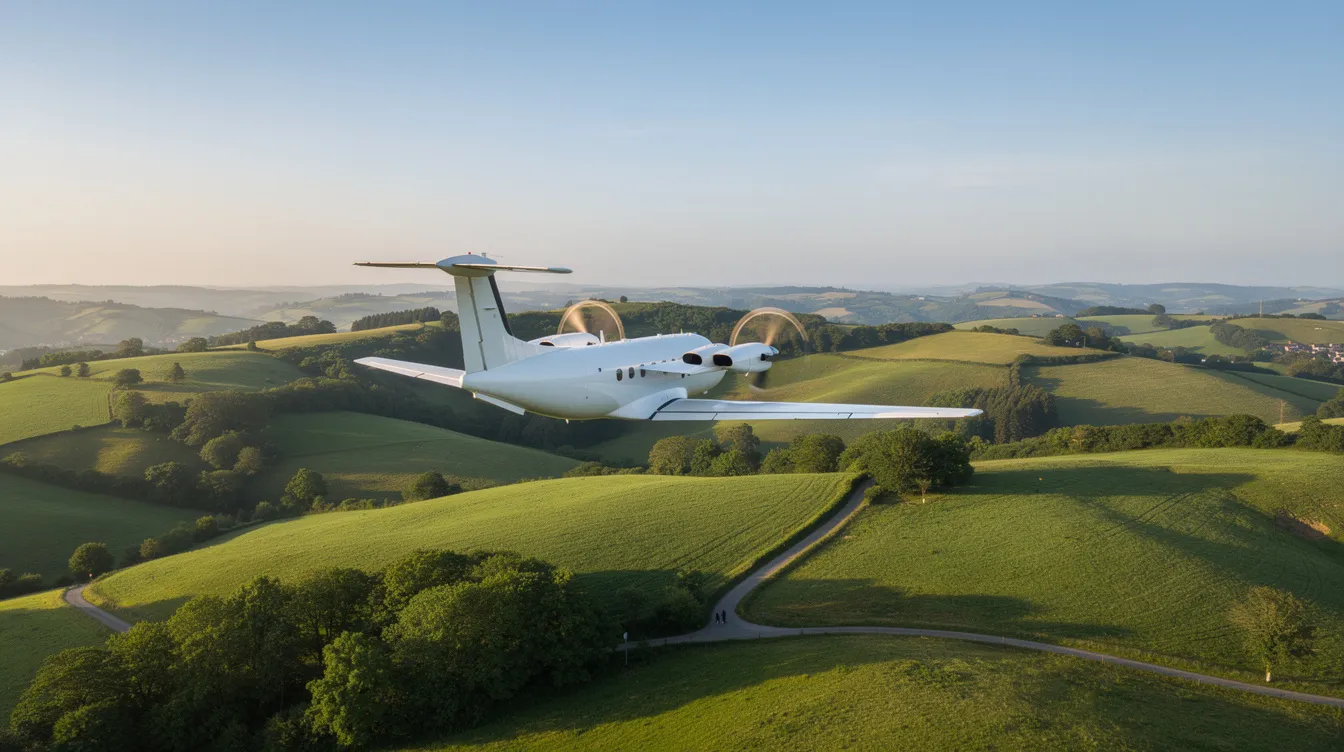
BlackJet Jet Cards & Booking a Pilatus PC-12
BlackJet's Jet Card model is built for travelers who want guaranteed access without the burden of ownership. Prepaid 25-hour and 50-hour blocks give members access to suitable aircraft - including the pilatus pc 12 - across multiple cabin and aircraft categories.
Requesting a PC-12 is straightforward: enter your dates, passenger count, baggage requirements, and departure/arrival airports through the BlackJet mobile or web platform. The system matches your mission with a PC-12 or recommends an alternative aircraft type when more appropriate. Pricing is transparent - fixed or capped hourly rates for the single-engine turboprop category, with all standard fees including fuel, positioning within the service area, and carbon offsets communicated up front.
For high-frequency travelers, the flexibility is key: mix PC-12 hours for regional hops with midsize or large cabin jet categories for longer legs under one membership. Short call-out times accommodate spontaneous trips, and the digital platform provides real-time data on availability, ETAs, and routing options.
The Pilatus PC-12 combines Swiss engineering, mission versatility, safety, and sustainable performance in a single platform. Travelers comparing 100-hour jet card costs, broader jet card pricing structures, or even specific programs like NetJets jet card cost can use the PC-12 as a benchmark for value and efficiency. For larger group needs, BlackJet’s network also includes options ranging from private jets for 20 passengers up to 30-passenger private jet charters and even 50-passenger private jet solutions, alongside curated lists of the best private jets in the world. Buyers exploring private jets for sale in the UK can similarly weigh the PC-12’s capabilities against larger-cabin aircraft. Explore BlackJet Jet Cards as a strategic way to unlock regular access to this remarkable aircraft - and reshape the way you travel.
Frequently Asked Questions About the Pilatus PC-12
Q1: How many passengers can the Pilatus PC-12 accommodate?
The PC-12 comfortably seats between six and nine passengers depending on the cabin configuration. Executive layouts typically seat six to eight in club seating, while commuter configurations can accommodate up to nine.
Q2: What makes the PC-12 suitable for short and unimproved runways?
Its rugged landing gear, short takeoff and landing distances (2,485 feet takeoff over a 50-foot obstacle), and ability to operate on grass, gravel, or other unimproved surfaces make the PC-12 ideal for accessing remote or secondary airports.
Q3: How does the PC-12 compare to light jets in terms of operating costs and efficiency?
The single-engine turboprop design offers significantly lower fuel consumption and maintenance costs than comparable light jets, making it a more economical choice for regional travel without sacrificing cabin comfort or range.
Q4: Is flying a single-engine turboprop like the PC-12 safe?
Yes. The PC-12 uses the highly reliable Pratt & Whitney Canada PT6 engine, which has an exceptional safety record. The aircraft also incorporates multiple safety systems such as Safety Autoland, Emergency Descent Mode, and advanced avionics to enhance operational safety.
Q5: Can the PC-12 be used for special missions like air ambulance or cargo?
Absolutely. The large cargo door and flexible cabin allow rapid reconfiguration for medevac, cargo transport, surveillance, and other specialized roles, making it a versatile platform trusted by operators worldwide.
Q6: What avionics systems are featured in the latest PC-12 models?
The newest PC-12 Pro models feature the Garmin G3000 Prime integrated flight deck with touchscreen displays, digital autothrottle, advanced weather radar, synthetic vision, and customizable pilot profiles, enhancing both safety and pilot ease of use.
Q7: How does BlackJet integrate the PC-12 into its Jet Card program?
BlackJet offers prepaid Jet Card blocks that include access to the PC-12 for regional missions. Members can easily book flights via the digital platform, with transparent pricing and carbon-neutral options, combining efficiency, safety, and convenience.
Conclusion: Why the Pilatus PC-12 Remains a Top Choice for Discerning Travelers
The Pilatus PC-12 stands as a benchmark in private aviation, uniquely combining Swiss engineering precision, operational versatility, and exceptional efficiency. Its ability to access short and unimproved runways expands travel possibilities beyond traditional jet routes, while its spacious, luxurious cabin ensures passenger comfort without compromise. For frequent regional travelers, corporate operators, and special mission providers, the PC-12 offers a strategic advantage—delivering reliability, safety, and sustainability in one elegant package.
BlackJet’s Jet Card program leverages these strengths, providing members seamless access to the PC-12’s unmatched capabilities alongside a broader fleet tailored to diverse mission profiles. By choosing the PC-12, travelers gain not only a premium flying experience but also a more responsible and cost-effective way to travel regionally—without sacrificing speed, convenience, or safety.
Discover how the Pilatus PC-12 can elevate your travel. Explore BlackJet Jet Cards and experience effortless, carbon-neutral private aviation designed for today’s discerning traveler.


 Sign up with google
 Sign up with Apple