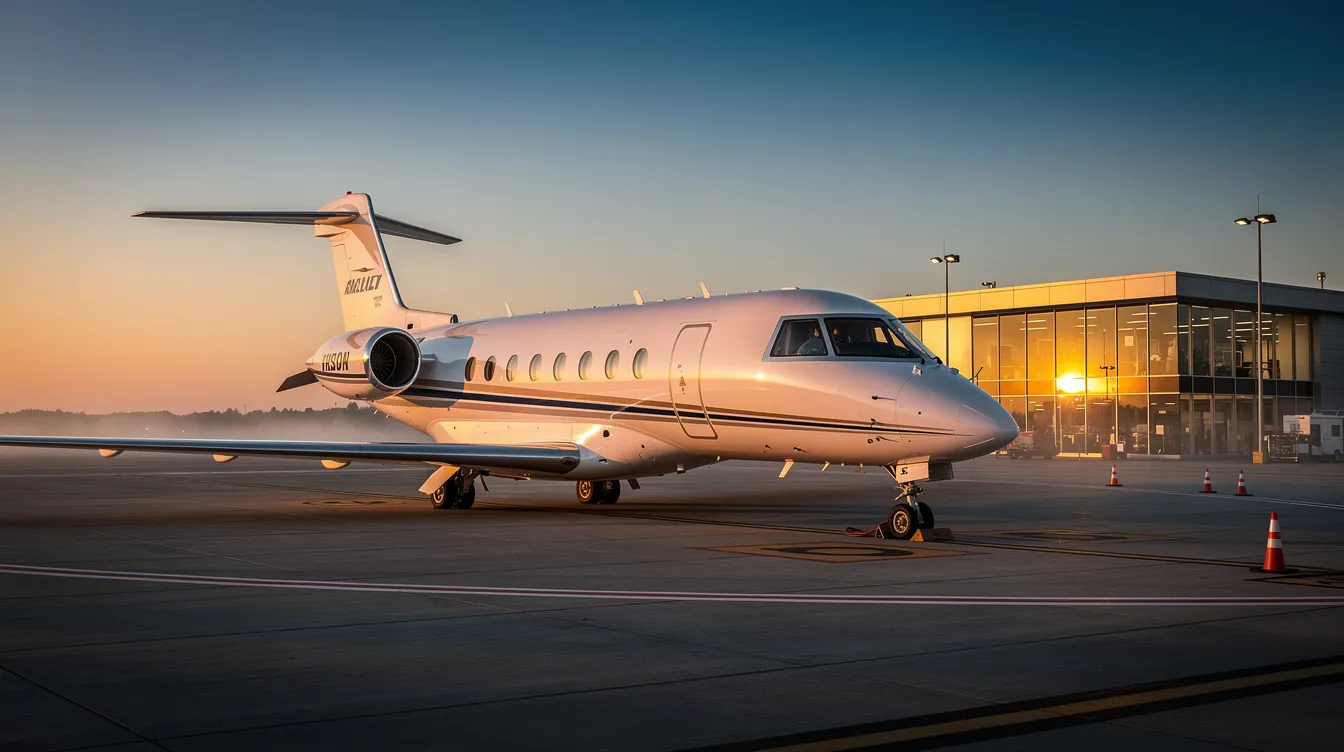
Chartering flights is no longer only about luxury. For executives, entrepreneurs, families, and discerning travelers, private aviation is a strategic way to control time, privacy, safety, and the entire travel experience. With BlackJet, private charter flights and jet card programs turn complex air travel into a seamless, carbon-neutral journey backed by real-time support and a global network of aircraft.
Why Charter Flights Are a Strategic Advantage for Modern Travelers
The most valuable benefit of chartering flights is control. Instead of building travel plans around scheduled flights, fixed airline timetables, crowded terminals, and hub connections, travelers choose the route, time, aircraft, and onboard environment that match the mission.
Private jet chartering offers unmatched time savings, flexibility, and privacy compared to commercial airline travel. A New York–Los Angeles or London–Dubai trip becomes productive private time instead of a day shaped by airport queues and rigid schedules.
Flying private allows for arriving just 15 to 30 minutes before departure time compared to standard airline procedures. Passengers on charter flights can often check in closer to departure times, sometimes as little as 15 minutes before takeoff, providing significant time savings compared to commercial airlines.
Private terminals, known as FBOs, allow passengers to avoid crowded main terminals entirely, reducing wait times. Chartering an aircraft offers significant convenience by bypassing TSA security lines and utilizing private terminals.
Charter flights offer the ability to customize departure and arrival times, allowing travelers to create itineraries that suit their specific needs, unlike commercial flights, which operate on fixed schedules. This is particularly valuable when a meeting runs late, a family wants to leave after school, or a board team needs to reach multiple cities in one day.
Private charter flights offer flexibility in scheduling, enabling travelers to choose their departure times and routes, which is particularly beneficial for business travelers with tight schedules.
From BlackJet’s perspective, access matters as much as luxury. Our jet card model is designed for clients who want guaranteed private jet access 365 days a year, without owning a private plane or renegotiating every trip.
This guide covers the types of charter flights, aircraft categories from turboprops to heavy jets, cost drivers, discounted empty leg flights, safety standards, sustainability, and the BlackJet technology layer that makes the booking process effortless.
What Is a Charter Flight? (Public, Affinity, and Single-Entity Charters)
A charter flight is an unscheduled flight arranged outside normal airline timetables. Charter flights can be organized by individuals, companies, or tour operators, who determine the flight’s departure and arrival times, origin, and destination, making the process flexible and tailored to specific needs.
Public charters: Arranged by a tour operator or travel company and sold to the public. Common examples include seasonal vacation charters to Caribbean islands, ski resorts, or resort destinations not well served by scheduled routes.
Affinity charters: Organized for people with a shared affiliation, such as alumni associations, private clubs, corporate groups, or fan groups traveling to corporate events or championship games. Passengers may pay individually, but the trip is built around the group’s common purpose.
Single-entity charters: Involve one person, family, company, or organization chartering the entire aircraft. A hedge fund flying a team from New York to Miami, a family chartering a private plane to Aspen, or sports teams moving between cities are examples. Seats are not resold to the public.
BlackJet focus: BlackJet focuses on on-demand private charter flights and jet card access for single-entity private travel. We are not a mass-market tour charter operator selling individual seats on public charters.
Private Charter Flights with BlackJet
BlackJet charter services support the way high-performing people actually move: quickly, privately, and with minimal friction between the aircraft and the final destination.
Business Travel
A CEO can fly Boston–Chicago–Houston in one day, hold confidential calls in a private cabin, review documents without exposure, and land closer to each meeting by using smaller airports. Private cabin spaces on jets can be tailored for business meetings, providing maximum productivity.
Leisure Travel
A family of six flying Los Angeles–Aspen or Miami–Nassau can choose a convenient scheduled departure, bring skis or golf clubs, and avoid commercial baggage constraints. Private chartering can provide pet-friendly travel options by allowing pets in the cabin with their owners.
Large Groups
For incentives, festivals, board retreats, or sports events, BlackJet can source multiple midsize jets, a heavy jet, large cabin jets, or even VIP airliners, depending on group size and route. Large groups of 12–30+ passengers benefit from coordinated timing, privacy, and simpler logistics.
Special Event Travel
For weddings, anniversaries, milestone birthdays, and corporate events, BlackJet can coordinate bespoke catering, cabin preferences, ground transportation, and arrival details so the journey feels aligned with the occasion.
End-to-End Service
BlackJet can help coordinate chauffeured transfers, FBO details, baggage requirements, onboard amenities, and destination support, so clients do not have to manage multiple vendors separately.
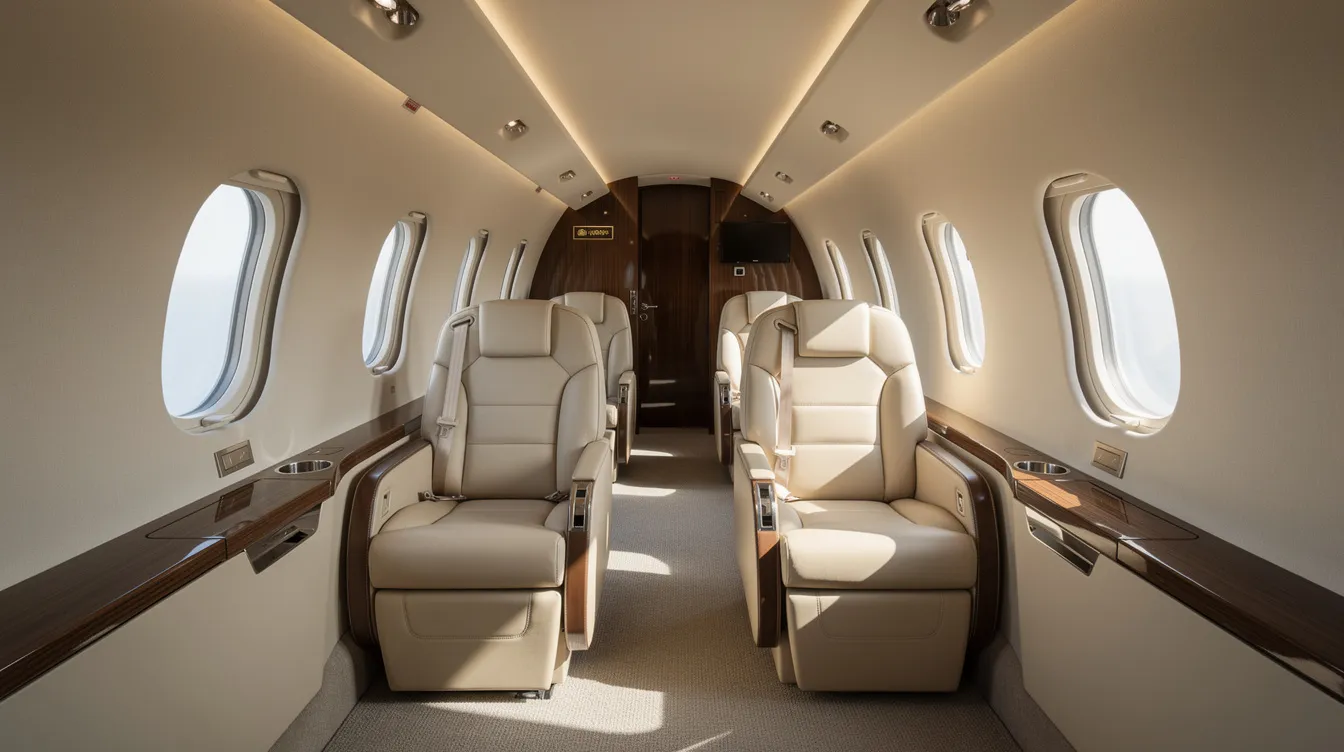
Chartering a flight allows for a more personalized travel experience, including the ability to customize in-flight services such as catering and onboard amenities, enhancing overall comfort and satisfaction.
Aircraft Categories: From Turboprops to Heavy Jets in the Global Fleet
BlackJet provides access to a global fleet across key categories, including turboprop aircraft, light jet options, midsize jet aircraft, super midsize jets, heavy jets, ultra-long-range jets, and larger group aircraft when required.
Turboprops
Aircraft such as the Pilatus PC-12 and King Air are known for cost efficiency, short field performance, and access to smaller airports. Turboprop aircraft are particularly cost-efficient for flights covering distances of 600 to 1,000 miles, making them suitable for regional travel and accessing smaller airports.
Light Jets
Light jets typically accommodate four to eight passengers and have a range of up to 1,500 miles, allowing for approximately three to four hours of flight time before requiring refueling. A light jet is often the ideal aircraft for routes such as New York–Nantucket, Miami–Nassau, or Dallas–Santa Fe.
Midsize Jets
A midsize jet balances range, comfort, baggage capacity, and cost. These aircraft work well for trips such as Chicago–New York, Los Angeles–Vail, or Dallas–San Diego, especially when passengers want a more spacious cabin than smaller jets provide.
Super Midsize Jets
These aircraft are strong choices for coast-to-coast flights, longer distances, and larger baggage needs. They are often the right aircraft for executives who want speed, range, and cabin comfort without moving into the heavy category.
Heavy Jets
Heavy jets typically accommodate 12 to 18 passengers and can fly non-stop for distances of 5,500 to over 8,000 miles, making them ideal for intercontinental journeys. New York–London, Los Angeles–Honolulu, and Dubai–London are typical missions.
Ultra-Long-Range Aircraft
Aircraft such as the Global 6500, Gulfstream G600, Gulfstream G650ER, and Global 7500 support nonstop global operations for clients who need to fly between continents with maximum privacy and comfort.
Practical Note
Small jets lack large galleys, which can restrict the availability of hot meals unless pre-ordered. BlackJet helps match catering expectations to the aircraft type before departure.
Private jets can land at smaller regional airports, providing closer access to destinations. Charter flights can access a wider range of airports, including smaller regional airports, which can reduce travel time and provide more direct routes to destinations not served by commercial airlines.
Aircraft Category Comparison Table
Aircraft Category | Passenger Capacity | Typical Range (miles) | Ideal Use Cases | Average Hourly Charter Rate |
|---|
Turboprop | 6-8 | 600-1,000 | Regional travel, small airports | $2,000 - $3,500 |
Light Jet | 4-8 | Up to 1,500 | Short to medium regional trips | $3,000 - $5,000 |
Midsize Jet | 6-9 | 1,500-2,500 | Business trips, moderate range | $5,000 - $8,000 |
Super Midsize Jet | 8-12 | 2,500-3,500 | Coast-to-coast, larger groups | $7,000 - $10,000 |
Heavy Jet | 12-18 | 5,500-8,000+ | Intercontinental, large groups | $10,000 - $15,000+ |
Ultra-Long-Range Jet | 8-19 | 6,000-7,500+ | Global nonstop, VIP travel | $12,000 - $20,000+ |
Rates vary by operator, location, and specific aircraft.
How Charter Flights Are Priced: Key Cost Drivers and Real-World Examples
The cost of a private plane rental depends on the distance traveled and the aircraft chosen, with prices for a short flight starting around $2,800 and increasing significantly for larger jets and longer distances. Charter flight pricing can vary widely based on factors such as aircraft type, distance, and route, with typical hourly rates ranging from $2,000 for turboprops to over $15,000 for larger jets.
Key pricing drivers include:
Aircraft category: A turboprop costs less per hour than a midsize jet, while heavy jets and ultra-long-range aircraft command higher charter rates because of fuel burn, crew, maintenance, range, and cabin capability.
Total flight time: Block time, taxi time, routing, and landing requirements all influence the cost.
Positioning legs: If the aircraft must fly empty to reach your origin or return to base, that positioning may be included in the quote.
Airports and handling: Landing fees, FBO handling, international permits, customs, crew expenses, and parking can affect the total.
Peak demand: Holidays, ski weekends, major sporting events, and high-season leisure travel can raise rates. Some programs may also include blackout dates or longer notice requirements.
Sample scenarios:
Boston to Nantucket: A short turboprop or light jet trip may have a brief flight time, but minimum billing rules can apply. A short flight can start around $2,800, depending on the aircraft and availability.
Chicago to New York: A midsize jet may produce an all-in cost that is materially higher than the base hourly rate once handling, positioning, taxes, and minimums are included.
New York to London: Heavy jets or ultra-long-range jets are usually required, and the cost can increase significantly because of longer distances, crew duty requirements, international handling, and fuel.
Empty leg flights, which occur when a jet is repositioning without passengers, can offer substantial discounts compared to standard charter prices, making them a cost-effective option for flexible travelers. Empty legs and discounted empty leg flights are attractive when your timing and routing match the available aircraft, but they can have stricter cancellation terms and less flexibility than a standard private charter booking.
BlackJet’s jet card programs simplify this complexity with predictable hourly access, transparent pricing, and a more consistent planning experience than repeated ad-hoc charter requests. Where possible, BlackJet emphasizes all-inclusive pricing so clients understand the real trip cost before confirming.
BlackJet Jet Card vs On-Demand Charter vs Fractional Ownership
Private aviation can be accessed primarily through three options: on-demand charter, jet card programs, and fractional ownership. Choosing the right option depends on your flight frequency, desired flexibility, and preference regarding aircraft ownership. The best choice depends on how often you fly, how much flexibility you need, and whether you want asset ownership.
On-demand charter: Pay per trip, with no long-term commitments. This can work well for infrequent travelers, but pricing varies, aircraft availability can be limited during peak periods, and each booking requires sourcing many aircraft options again.
Fractional ownership: Buy a share in a private jet fleet, then pay monthly management and hourly operating fees. Fractional ownership may suit travelers flying very high annual hours, but it involves upfront capital, contracts, maintenance exposure, and less flexibility than many clients expect.
BlackJet jet card: Prepaid 25-hour and 50-hour jet card programs provide access across multiple cabin classes, with guaranteed availability, transparent terms, safety-vetted operators, and no asset ownership risk.
Examples:
A New York–London frequent flyer may use a heavy jet tier to gain consistent access for transatlantic travel without buying an aircraft share.
A West Coast entrepreneur flying 20–30 regional trips per year may use a midsize jet card as a cost-effective alternative to one-off charter and a simpler option than fractional ownership.
For frequent flyers, the BlackJet model is built around cost efficiency, control, and reliability. It gives travelers access to the best aircraft for each trip instead of locking them into one owned or fractionally owned asset.
Operational Excellence: Safety, Certification, and Flight Support
Safety is non-negotiable. BlackJet works with operators that meet rigorous regulatory and third-party standards, including FAA Part 135 operating requirements in the United States and respected audit frameworks such as ARGUS, IS-BAO, and Wyvern, where applicable.
Safety audits: Leading audit programs evaluate operating history, pilot qualifications, maintenance practices, safety management systems, and procedural discipline.
Flight crews: BlackJet prioritizes experienced crews, recurrent training, standardized operating procedures, and aircraft matched appropriately to the mission.
Maintenance: Every aircraft must meet applicable regulatory maintenance standards and operator requirements before a charter flight is accepted.
24/7 flight support: BlackJet’s operations team monitors weather conditions, NOTAMs, routing, ground handling, crew logistics, and real-time aircraft movement across the fleet.
Disruption management: Limited redundancy for chartered aircraft means that mechanical issues can cause longer trip-disrupting delays compared to commercial airlines. BlackJet mitigates this by working through a global network and identifying recovery options when possible.
Weather realities: Weather conditions can affect smaller private aircraft more than large commercial airliners, leading to potential delays. A turboprop or light jet may face different operating limits than a widebody airline aircraft.
Safety and service standards apply across the global fleet, including partner aircraft in North America, Europe, the Middle East, and other regions where BlackJet is providing access for clients.
Sustainable Private Aviation: Carbon-Neutral Charter Flights
Private aviation must be honest about its environmental impact. Private flights generate significantly higher carbon emissions per passenger than commercial routes, especially when aircraft carry fewer passengers. BlackJet’s response is to build sustainability into the charter experience rather than treat it as an afterthought.
Carbon-neutral flights: BlackJet is committed to carbon-neutral flights, with built-in carbon offsetting at no extra cost to clients across eligible private charter flights.
Emissions calculation: Flight emissions are calculated using factors such as aircraft type, route, flight time, and expected fuel burn.
Verified projects: Offsets may support reforestation, renewable energy, clean energy access, or recognized environmental projects that are verified through credible standards.
SAF participation: Sustainable Aviation Fuel is becoming more available at key hubs, though supply remains uneven. BlackJet prioritizes operators that can support SAF participation where feasible.
Practical transparency: BlackJet avoids vague sustainability language. The goal is clear: combine refined air travel with measurable environmental action.
For a broader context, the aviation industry continues to expand SAF production and policy support, with government and industry resources such as the U.S. Department of Energy’s Sustainable Aviation Fuel Grand Challenge tracking progress.
Technology and Booking: How to Charter a Private Jet with BlackJet
BlackJet’s digital booking experience is designed to make chartering flights fast without removing expert human support. Members can request and confirm flights through mobile or web tools, including complex multi-leg itineraries.
The booking process for charter flights typically involves submitting a quote request, receiving a customized itinerary, and confirming the trip, often with arrangements possible within 24 hours’ notice. When booking a private charter flight, travelers are often assigned a dedicated charter consultant who assists with selecting quotes and aircraft options and provides support throughout the booking process.
A typical BlackJet booking flow includes:
Submit the route, dates, passenger count, baggage needs, pets, catering preferences, and timing.
Receive tailored aircraft options based on range, cabin class, runway requirements, availability, and transparent pricing.
Select the right aircraft for the mission, whether that means a turboprop for a regional hop, a midsize jet for a family ski weekend, or heavy jets for intercontinental travel.
Confirm the trip and receive FBO details, crew timing, passenger manifest requirements, and ground transportation coordination.
Store preferences for future travel, including catering, preferred airports, cabin setup, and special services.
The result is a booking experience that combines digital speed with aviation judgment. Frequent travelers do not need to explain the same travel needs every time they fly.
Popular Charter Use Cases and Sample Itineraries
Chartering flights works best when the aircraft, route, and service plan are aligned with the purpose of the journey.
New York to London: Approximate flight time is 6.5 to 8 hours. The ideal aircraft is usually a heavy jet or ultra-long-range jet. Best for executives, board members, and clients who need privacy across the Atlantic.
Los Angeles to Vail: Approximate flight time is 2 to 2.5 hours. A super midsize jet or midsize jet works well for winter leisure travel, ski equipment, and flexible airport access near mountain destinations.
Miami to Nassau: Approximate flight time is about 1 hour. A light jet or turboprop may be the best aircraft depending on passenger count, baggage, and schedule.
Chicago to Monterey: Approximate flight time is 4 to 4.5 hours. A midsize or super midsize jet is well-suited for a golf weekend with golf clubs and premium catering.
Dallas to Cabo for a corporate retreat: A heavy jet, large cabin jets, or two midsize jets can support large groups, privacy, and coordinated arrival for meetings or incentives.
Sports teams and entertainment groups: Charter flights allow synchronized schedules, equipment loading, private terminals, and flexible return times after a special event.
BlackJet aligns aircraft choice with trip purpose, group size, baggage, range, airports, and onboard expectations. That is how clients avoid overpaying for too much aircraft or compromising comfort with too little cabin capability.
Frequently Asked Questions About Charter Flights and Jet Cards
How early do I need to arrive for a charter flight?
Many passengers arrive 15 to 30 minutes before departure at a private terminal, depending on the airport, route, and documentation requirements.
Can I bring my pet on a private plane?
In many cases, yes. Pet-friendly options may allow pets in the cabin with their owners, subject to aircraft and destination rules.
What luggage limits apply on a midsize jet?
Luggage limits depend on aircraft type, passenger load, and baggage hold size. Golf clubs, skis, and oversized items should be confirmed before booking.
How much does a private charter flight cost per hour?
Typical hourly rates can range from about $2,000 for turboprops to over $15,000 for larger jets, depending on aircraft, distance, and route.
When do empty legs make sense for my travel plans?
Empty legs make sense when you are flexible on timing, routing, and cancellation terms.
Who should consider a Jet Card vs. an on-demand charter?
Frequent flyers who value guaranteed access, pricing consistency, and reduced sourcing time are often strong candidates for a jet card.
Is there a minimum number of hours for BlackJet’s private charter Jet Card?
BlackJet offers prepaid options such as 25-hour and 50-hour jet card programs tailored to travel patterns.
How are pilots and aircraft vetted?
BlackJet prioritizes certified operators, experienced crews, rigorous maintenance, and recognized third-party safety standards.
How does BlackJet make my charter flights carbon neutral?
BlackJet calculates eligible flight emissions and supports verified offset projects at no extra cost to clients.
Can BlackJet help with leg flights across multiple cities?
Yes. Multi-city leg flights can be built around meetings, family schedules, or event timing.
Are commercial flights ever more practical?
For some single-passenger, low-urgency trips on dense airline routes, commercial air travel may be less expensive. Private charter is strongest when time, privacy, route control, group travel, or access to smaller airports matter.
How to Get Started with BlackJet Charter Services
The most effective way to begin is to compare your typical travel patterns with the access model that fits them best. BlackJet can review your routes, preferred aircraft categories, passenger count, timing needs, and service expectations before recommending on-demand charter or a jet card.
Schedule a consultation to review your business and leisure travel patterns, including frequent routes, preferred airports, cabin expectations, and sustainability goals.
Request a sample itinerary and quote to understand aircraft options, charter rates, ground transportation, and all-inclusive trip planning.
Explore BlackJet’s 25-hour and 50-hour jet card programs for premium private jet access with safety, sustainability, technology, and flexibility built in.
Elevate your travel - effortlessly. With BlackJet, chartering flights becomes a strategic advantage: less waiting, more privacy, rigorous safety standards, carbon-neutral performance, and a refined travel experience shaped around you.
Conclusion: Elevate Your Travel Experience with BlackJet Charter Flights
Chartering flights with BlackJet transcends traditional notions of luxury travel—it's a strategic investment in efficiency, privacy, and personalized service. Whether flying for business, leisure, or special events, BlackJet’s comprehensive approach combines unmatched flexibility, rigorous safety standards, and a commitment to sustainability through carbon-neutral flights. Our global network and advanced technology ensure seamless booking and real-time support, empowering travelers to control every aspect of their journey.
By choosing BlackJet, you gain access to a diverse fleet tailored to your mission, from nimble turboprops to ultra-long-range heavy jets, all backed by expert consultation and operational excellence—qualities that stand out even among the top private jet charter companies in the USA. Elevate your travel experience with a partner who understands that private aviation is not just about where you fly, but how you fly—effortlessly, responsibly, and on your terms.
Discover how BlackJet can redefine your private air travel. Schedule a consultation today and explore how our services compare with the top private jet companies for luxury travel, then step into a world where every flight is a strategic advantage.


 Sign up with google
 Sign up with Apple