Quick Answer: How the Boeing 737-900 Seat Map Is Typically Laid Out
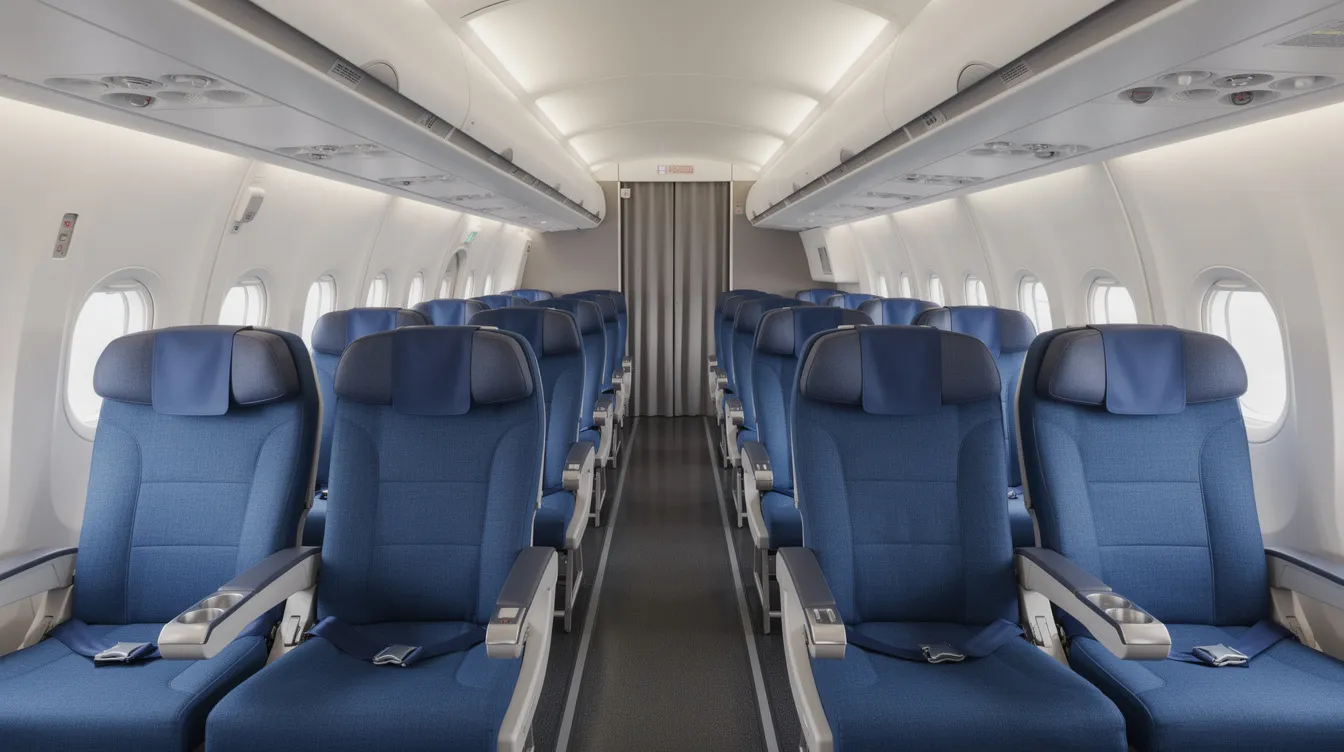
A standard Boeing 737-900 seat map shows one aisle dividing the plane into left and right sections. First-class seats use a 2-2 layout in the front rows, while the main cabin and economy sections use a 3-3 configuration. Between those two zones, most U.S. airlines insert a premium section with extra legroom.
Airline-specific configurations lead to varied seating arrangements and amenities, but the general pattern holds:
Alaska Airlines Boeing 737-900ER: 16 first-class seats (rows 1-4), about 30 premium-class seats, and 132-138 economy seats.
United Boeing 737-900ER: 20 first-class seats, 39-45 economy plus seats (depending on version), and 114-120 economy seats.
Delta 737-900ER: 20 first-class seats, 27 Comfort+ seats, and 133 main cabin seats.
Because seat maps differ by airline and sub-variant (737-900 vs 737-900ER), travelers should confirm the live seat map during booking. For those who prefer to skip the seat selection process entirely, BlackJet's premium private jet Jet Card programs offer private jets where passengers choose an aircraft type and cabin class rather than a single row number.
Understanding the Boeing 737-900 Aircraft Type
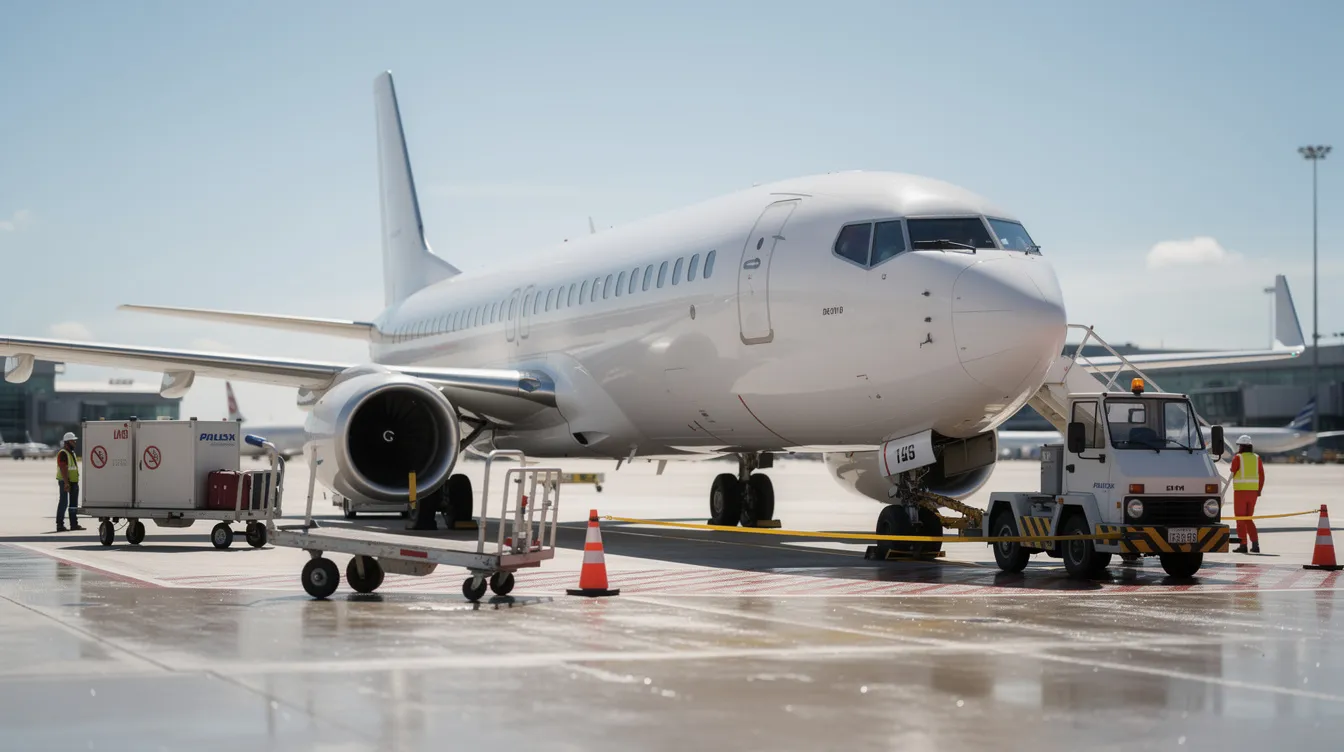
The Boeing 737-900 is the longest variant in the Boeing 737 Next Generation family. It entered service in 2001 after being built at Boeing’s Renton factory, with Alaska Airlines as the first aircraft operator to fly the type commercially. The 737-900ER (Extended Range) followed in the mid-2000s, adding optional auxiliary fuel tanks and structural reinforcements.
Key specifications:
Length: approximately 138 ft 2 in (42.11 m)
Typical capacity: 177 passengers in a two-class layout; maximum capacity of 220 passengers in high-density, single-class configurations
Maximum takeoff weight: approximately 194,700 pounds
Range: exceeds 3,000 nautical miles (737-900ER with auxiliary tanks extends this further)
Cruising speed: Mach 0.78, reaching Mach 0.82 maximum
Interior: modern versions include the Boeing Sky Interior with larger overhead bins and LED lighting
Over 95% part commonality with other 737NG models means airlines can swap a 737-900 onto a route originally scheduled for a 737-800 with minimal crew retraining, which is one reason seat maps for a given flight can change before departure.
How to Read a 737-900 Seat Map
A seat map is a top-down visual display of the cabin showing rows, seats, exits, lavatories, and galleys. Before choosing where to sit, it helps to measure three comfort details: pitch, width, and recline.
Seat Pitch, Width, and Recline
Seat pitch: Distance from a point on one seat to the same point on the seat ahead, measured in inches. This determines legroom.
Seat width: Distance between the inner sides of the armrests. Wider seats give more shoulder and hip space.
Recline: Maximum angle the seatback moves from the upright position. Some seats have limited recline or none at all.
Seat Map Icons and Symbols
Seat maps also use icons to mark:
Emergency exits (often indicating extra legroom rows)
Lavatories and galleys (sources of foot traffic and noise)
Seatback power outlets, USB ports, and wifi availability
Bassinets and accessible seating
Cabin Amenities
Many Boeing 737-900 configurations include in-seat power outlets or USB ports across all cabins. Many 737-900s also feature larger pivoting overhead bins that hold standard carry-on bags wheels-first, reducing boarding time.
Airline seat maps evolve after cabin refits. Alaska Airlines, for example, is mid-retrofit on its 737-900ER fleet, increasing premium class seats from 24 to 30. Older third-party maps often lag behind these changes.
Alaska Airlines Boeing 737-900 Seat Maps
Alaska Airlines was the launch customer for the Boeing 737-900 in 2001, making it the first airline to put this aircraft type into regular service. The airline currently operates 79 737-900ERs, and its cabin layouts have changed several times since that first aircraft rolled into revenue service.
A current Alaska 737-900ER configuration typically includes:
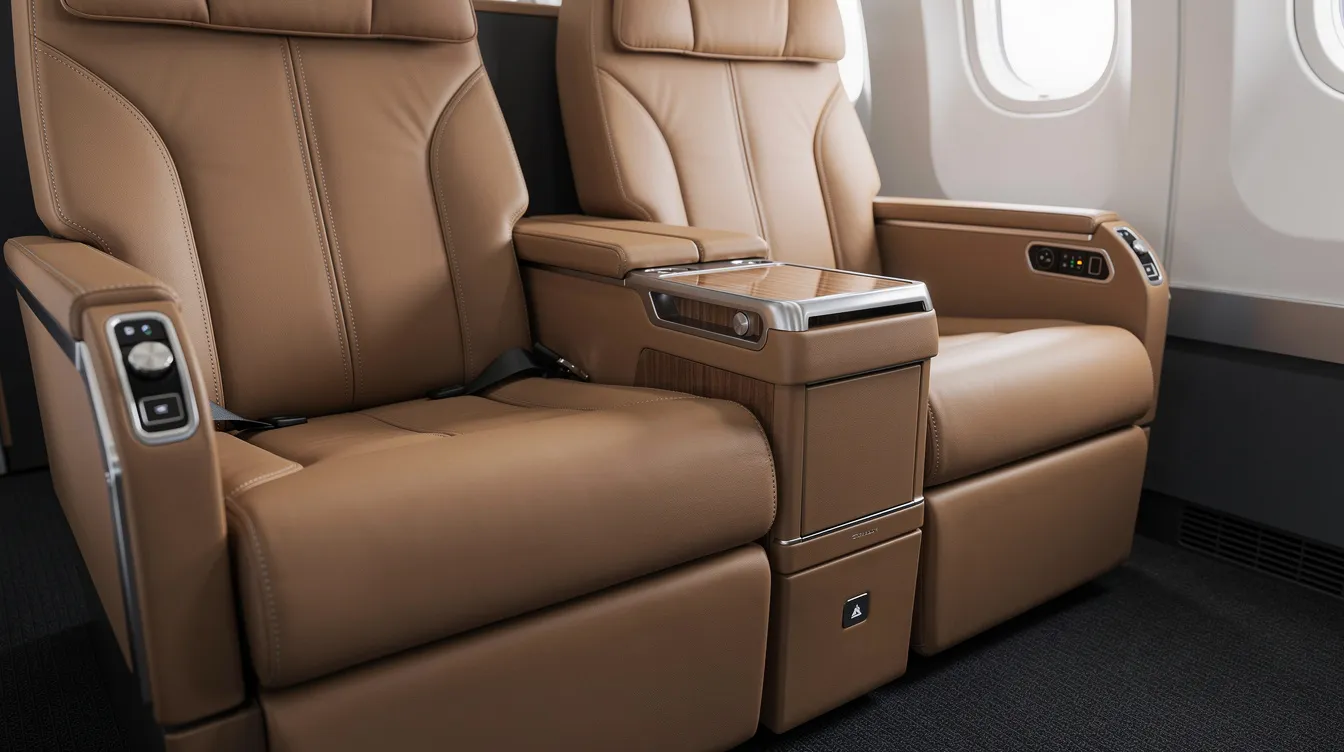
First class: 16 seats in rows 1-4, 2-2 layout, Recaro CL4400 recliners with about 41" pitch and 21" seat width
Premium class: approximately 30 seats (after retrofit) in rows 6-9, 3-3 layout, 34" pitch
Main cabin: Alaska Airlines' 737-900 features 162 main cabin seats at 30-31" pitch, streaming entertainment to personal devices, 110V + USB-A power at every seat
A known quirk: Alaska sometimes displays a "phantom" seat map at booking. On routes like Seattle to Atlanta, the map may show only 12 first-class seats even though the final aircraft has 16. This happens because Alaska uses a generic placeholder that accommodates potential swaps between 737-900 and 737-800 frames. The map updates closer to departure once the specific tail number is locked.
Consulting detailed layout maps from sources like AEROLOPA or SeatCompare provides more accurate seat data than older platforms. But the airline's own map within a few days of departure remains the most authoritative source.
United Airlines Boeing 737-900 Seat Maps
United operates about 136 Boeing 737-900ERs in multiple interior configurations. Each version shifts the boundary between economy plus (United's extra-legroom section) and standard economy, changing the seat count in each cabin while keeping the total at 179 passengers.
Version | First Class | Economy Plus | Economy | Total |
|---|
V1 | 20 seats | 42 seats | 117 seats | 179 |
V2 | 20 seats | 39 seats | 120 seats | 179 |
V3 (Guam) | 20 seats | 45 seats | 114 seats | 179 |
United's Boeing 737-900 has 20 first-class seats across five rows in a 2-2 layout, with roughly 37" pitch and 20-21" width. Economy Plus offers a 34- 38" pitch depending on the specific row location. Standard economy runs a 30- 31" pitch at about 16.3-17.3" width.
Notable details for seat selection:
Row 5 (last first-class row) can have reduced recline due to the galley wall behind it
Some economy seats lack a window entirely; row 12 on certain versions is a known offender
United equips these aircraft with AC power and USB at most seats, with wi-fi via satellite connectivity
Other 737-900 Operators: Delta and Beyond
Delta operates over 130 Boeing 737-900ERs. A typical Delta layout carries 180 passengers:
Delta First: 20 seats, 2-2 layout, front of the aircraft
Delta Comfort+: 27 seats, 3-3, the premium extra-legroom section with about 33-34" pitch
Delta Main Cabin: 133 seats, 3-3, 30-32" pitch
The plane is equipped with 8 exits, approximately 2 galleys, 3 lavatories, wifi across the cabin, and seatback power outlets in most rows. Delta lists the 737-900ER range at about 2,810 miles with a cruise speed around 530 mph.
Non-U.S. operators occasionally configure the 737-900 with denser single-class seating, pushing capacity toward the 220-passenger maximum. These layouts sacrifice pitch and premium space for volume on short, high-frequency routes.
Cabin by Cabin: First Class, Premium Economy, and Economy on the 737-900
While seat maps vary by airline, the three-cabin structure on most 737-900s follows predictable patterns.
First Class Cabin
2-2 layout, 16-20 seats depending on airline; on many domestic Boeing 737-900 layouts, this forward premium section functions as the business class cabin, even when airlines label it first class
First-class pitch typically ranges from 37 to 40 inches; First-class seats have a pitch of 37 inches on most United configurations, rising to 41" on Alaska
First-class seats are 20-21 inches wide
5" or more recline, dedicated front galley and lavatory
AC power and USB ports at every seat
For more on what first-class seats offer across airlines, see our detailed comparison.
Premium Economy Cabin
3-3 layout, 24-45 seats
Premium Economy seats have a pitch of 34 inches on average
Premium Economy seats are 17-18.25 inches wide
Early boarding and priority service on many airlines
Economy/Main Cabin
3-3 layout, 110-162 seats
Seat pitch in economy class ranges from 30 to 32 inches; most rows land at 30-31 inches
Economy seats are 16-17 inches wide
3" recline in most rows; last rows before lavatories often have zero recline
Streaming entertainment to personal devices, seatback power outlets, and USB ports in most configurations
Where to Find Reliable Boeing 737-900 Seat Maps and Seat Data
Three main sources exist for 737-900 seat maps:
Airline websites and apps: The booking path on Alaska, United, or Delta shows the live seat map for your specific flight. This is the most accurate source, especially within a few days of departure.
Third-party databases: Tools like AEROLOPA and SeatCompare provide detailed graphic seat maps with current power outlet locations, lavatory positions, and pitch measurements. These update faster than older platforms like SeatGuru, whose data for Alaska and other fleets can be outdated after cabin refurbishments.
Seat rating platforms: Some sites assign a rating to individual seats based on pitch, width, recline, noise proximity, and window alignment. These help travelers compare options without physically inspecting the aircraft.
Consulting detailed layout maps is advisable for accurate seat selection. Aircraft swaps happen; the 737-900 assigned to your route at booking may be replaced by a different variant or even a different aircraft type days before departure.
Choosing the Best Seat on a Boeing 737-900
The "best" seat depends on priorities: legroom, quiet, deplaning speed, or workspace.
Exit Rows and Legroom
Seats to Avoid
Special Seat Features
On Alaska 737-900ERs, certain A and F seats have missing or misaligned windows. Check seat map visuals before locking in a window seat.
On Alaska's layout, row 10 (especially 10C and 10D) sometimes carries premium legroom at a main cabin fare.
On United, overwing exit rows (20-21 depending on version) offer more space but reduced recline.
Rows 1-2 on most 737-900s minimize cabin noise and provide the fastest access to the forward exit.
For travelers who'd rather choose an entire private plane layout instead of an individual seat, BlackJet's 25+ Hour Jet Card offers aircraft from light to large-cabin categories, each seating 6-16 passengers with full cabin control.
737-900 Commercial Seat Maps vs Private Jet Cabins with BlackJet
A Boeing 737-900 carries 177-180 passengers in a fixed cabin arrangement. Even in first class, you share the aircraft with 160+ other travelers, board through a crowded terminal, and follow the airline's schedule. For larger private groups, 20-passenger private jet options can replicate that capacity with a fully private cabin and tailored service.
Commercial Cabin Experience
Fixed seating arrangement for 177-180 passengers
Shared cabin, even in first class
Boarding through crowded terminals
Adherence to airline schedules
Private Jet Cabin Experience
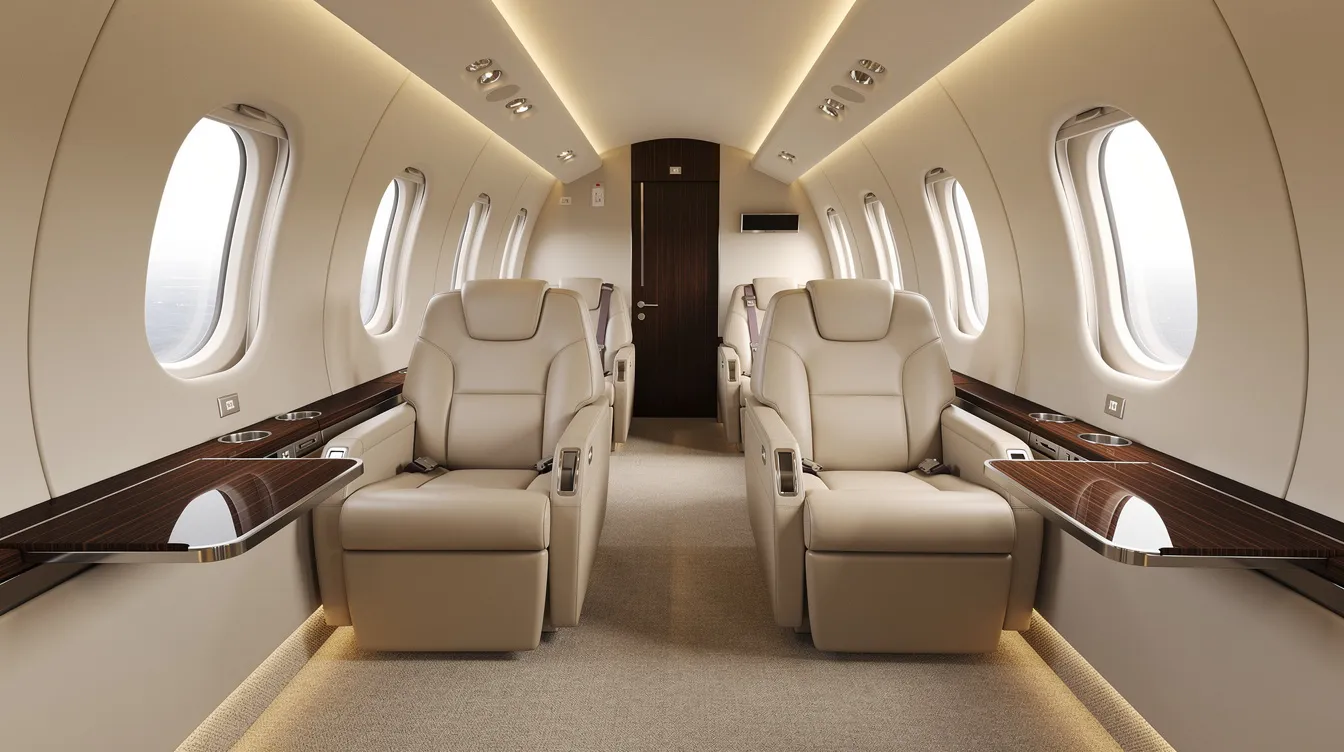
Private jets typically carry 6-12 passengers for more privacy
Some 16-seat private jet cabins offer room for bigger teams without sacrificing comfort
Conference-style seating, lie-flat options on larger aircraft, and the ability to reconfigure for meetings or family groups
Secure workspace suitable for confidential discussions
Boarding via private terminal (FBO) with no security lines or gate announcements
No middle seats
On a BlackJet midsize jet flying the same city pair as a 737-900 transcontinental route, the differences are concrete:
Boarding: private terminal (FBO) with no security lines, no gate announcements, no middle seats
Cabin: conference-style seating, lie-flat options on larger aircraft, and the ability to reconfigure for meetings or family groups
Productivity: a secure workspace suitable for confidential discussions, compared to a shared first-class cabin
BlackJet's Jet Card programs provide prepaid hourly access in 25- or 50-hour blocks across multiple cabin classes, and travelers can use an in-depth guide to Jet Card pricing to understand how these costs compare with other private aviation options. Members select their aircraft type based on trip requirements rather than scanning a seat map for the least-bad option.
Safety, Sustainability, and Technology: 737-900 Airlines vs BlackJet
Both commercial 737-900 operations and private jet operators follow strict safety regulations under the FAA and EASA.
Safety
The 737NG family has a strong safety record across hundreds of millions of flight hours.
BlackJet adds layers beyond regulatory requirements by partnering only with operators holding ARGUS, Wyvern, or IS-BAO ratings and applying proprietary vetting on top of those certifications.
Travelers curious about how safe private jets are compared with airlines can review detailed industry safety data and oversight standards.
Sustainability
Airlines improve 737-900 fuel efficiency using winglets and high load factors.
BlackJet guarantees carbon-neutral flights by offsetting emissions on every Jet Card trip at no extra cost to members.
Emerging models like private plane rideshare options further lower per-passenger emissions while keeping the benefits of private aviation.
Technology
Commercial flights operate on fixed schedules through crowded terminals, with booking limited to available routes and departure times.
BlackJet's 24/7 digital booking tools allow tailored itineraries, short-notice schedule changes, and aircraft selection based on connectivity and cabin technology needs.
While many 737-900 seat maps now show wifi availability, BlackJet can specify aircraft equipped with high-speed connectivity matched to a customer's requirements.
Private jets often cruise higher than airliners—see how private jet cruising altitudes compare to commercial flights for context on ride quality and routing.
When to Choose a 737-900 Flight vs a BlackJet Private Jet
This is a strategic decision, not purely a luxury one.
A Boeing 737-900 makes sense when:
You're a single traveler on a high-frequency route like Seattle to Los Angeles
Advance-purchase economy or premium tickets offer strong value relative to time
The route has no meaningful time advantage from private terminals
BlackJet makes more sense when:
You need a same-day round-trip or multi-city itinerary
Your group of 4-8 passengers can split Jet Card costs, making per-person pricing competitive with first class
The destination is poorly served by 737-900 routes or requires connections
Confidential discussions during the flight rule out a shared cabin
A private jet can reduce travel time by about 3 hours compared to commercial flights on a typical West Coast round trip. Private jets offer more flexibility in scheduling, with departure times set by the member rather than an airline timetable, and there are multiple ways to buy just a seat on a private jet rather than chartering the entire aircraft.
Many BlackJet members blend both: using 737-900 commercial flights for simple, direct segments while reserving Jet Card hours for complex or high-value trips where control and time carry the most weight, often after comparing the best Jet Card options for frequent flyers to decide which structure fits their pattern.
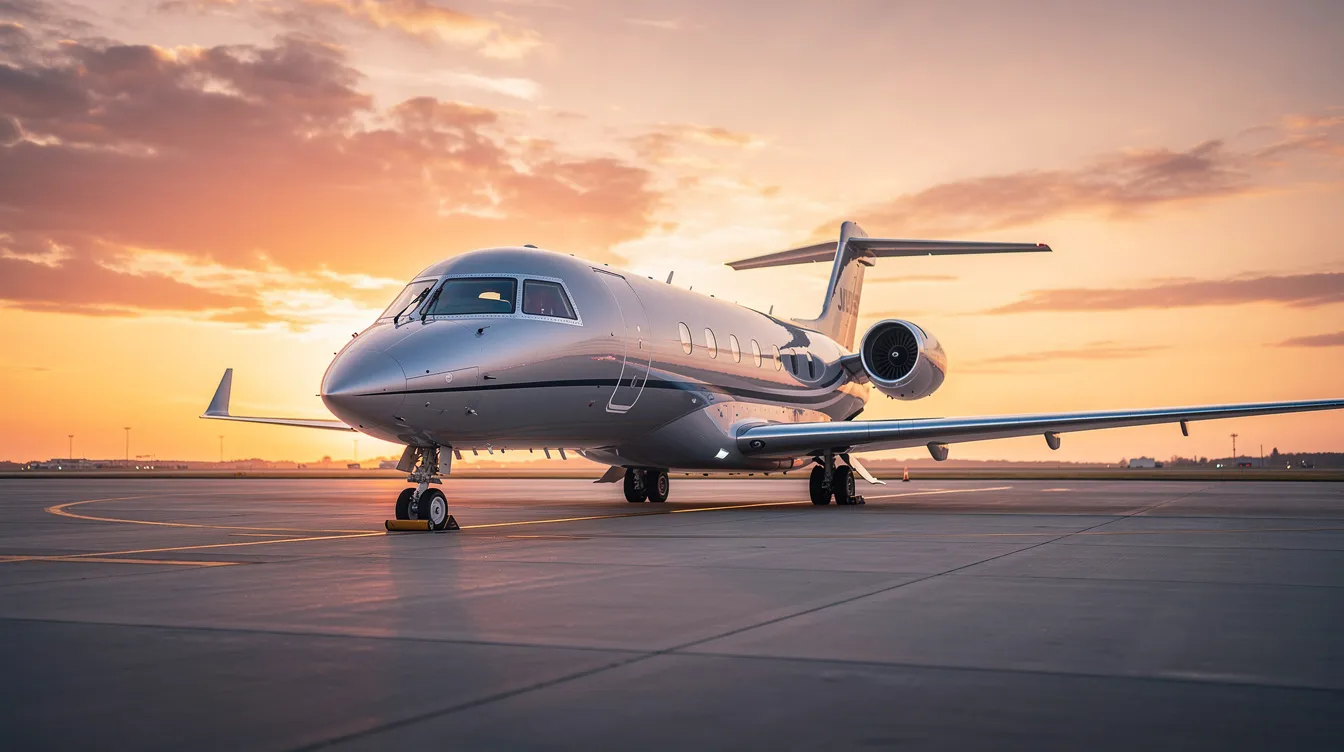
FAQ: Boeing 737-900 Seat Maps and Private Jet Alternatives
Is the Boeing 737-900 comfortable for business travel?
First class offers 37-41" pitch and 20-21" seat width, which is workable for domestic flights up to about 5 hours. Premium economy at 34" pitch provides adequate legroom for taller passengers. For flights requiring uninterrupted work or rest, a private jet cabin with full recline and no seatmates sets a new standard, especially when cruising at higher altitudes than commercial jets—see how private jet flight levels compare for a sense of comfort differences.
How can I quickly spot the best and worst seats on a 737-900 seat map?
Look for exit row icons (extra legroom), lavatory and galley icons at the rear (noise), and limited recline warnings on last rows. Seats with missing window icons in A or F positions mean no view.
Why doesn't my Alaska 737-900 seat map match SeatGuru or Alaska's fleet guide?
Alaska is mid-retrofit, changing premium class from 24 to 30 seats. SeatGuru updates lag behind. Alaska also uses placeholder seat maps that accommodate potential aircraft swaps. Check the airline's website or app within 48 hours of departure for the final layout.
Which routes commonly use the Boeing 737-900 or 737-900ER?
U.S. transcontinental routes (New York to Seattle, Los Angeles to Atlanta), Hawaii flights on Alaska, high-density domestic routes on United and Delta (Denver to Chicago, Seattle to San Francisco), and some near-international segments. Travelers comparing these commercial options with private aviation can also explore the cheapest private aircraft and budget-friendly access models to see when a small jet might be competitive.
Does BlackJet operate Boeing 737 aircraft?
BlackJet focuses on private jets in light, midsize, super-midsize, and large-cabin categories. Larger charter aircraft can be arranged on request. The core value of BlackJet's model is tailored, carbon-neutral private travel with safety-vetted operators rather than fixed airline seat maps, and prospective clients can review an overview of private jet price lists and access options to understand how charter, ownership, and jet cards compare.
Conclusion: Elevate Your Travel Experience Beyond the Boeing 737-900
The Boeing 737-900 remains a reliable and efficient choice for commercial air travel, especially on busy domestic and transcontinental routes. Its seat map, featuring a 2-2 first-class layout and 3-3 economy configuration, offers a range of options from premium economy to standard coach seating. However, for discerning travelers who prioritize flexibility, privacy, and personalized service, private jet access through BlackJet presents a compelling alternative.
Private jets provide unparalleled convenience with tailored schedules, exclusive cabins, and enhanced productivity environments that commercial flights cannot match. BlackJet’s Jet Card programs offer seamless, carbon-neutral private flights with rigorous safety standards and 24/7 digital support, making private aviation accessible without the complexities of ownership.
Whether complementing your routine Boeing 737-900 commercial flights or replacing select trips with private jet convenience, BlackJet empowers you to travel on your terms—effortlessly, sustainably, and in premier comfort. Discover how private jet access can transform your travel experience and unlock new possibilities beyond the traditional coach cabin.
Explore exclusive private jet access and elevate your journeys today with BlackJet. Learn more about our Jet Card programs, discover the types of planes available for private charter, understand the safety standards that set BlackJet apart, and explore how we ensure carbon-neutral flights for every journey.


 Sign up with google
 Sign up with Apple