2 Seater Jet Plane: From Personal Jets to Private Jet Cards with BlackJet
For executives, high-net-worth individuals, and private aviation enthusiasts, the 2-seater jet plane represents an enduring fascination: raw speed, total privacy, and the freedom to fly on your own terms. Understanding the 2-seater jet plane is essential in modern private aviation because it highlights the intersection of performance, flexibility, and cost-effectiveness—key factors for those who value time and exclusivity. This comprehensive guide is tailored for those seeking to maximize their travel efficiency and experience, whether for business or leisure. We cover the full scope: types of 2-seater jets (including experimental, military, and certified personal jets), key performance metrics, operating economics, and how BlackJet’s Jet Card solutions deliver the same flight experience without the burdens of ownership.
Strategic Advantage of a 2 Seater Jet Plane in Modern Private Aviation
Time Savings and Efficiency
Private aviation exists because time compounds. A private jet trip from New York to Miami might take 2.5 hours gate-to-gate, compared with five or more hours via commercial first class once you account for security queues, connections, and ground transfers. For high-net-worth and executive travelers, that gap represents recoverable capital—hours returned to deal flow, family, or rest.
Airport Access
Two-seater jet planes and very light jets operate in a cruise speed band of roughly 250 to 400 knots, placing them squarely in the performance range of many larger business jets and well ahead of turboprop aircraft on shorter flights of 300 to 800 nautical miles. The difference is infrastructure: a compact jet aircraft can reach smaller airports that commercial carriers never serve, slashing ground transit on both ends of the trip.
Jet Card Program Benefits
Most BlackJet clients never need to own a 2 seater jet plane to access this level of performance. BlackJet's premium private jet card programs offer prepaid access to private jets, provide access to smaller airports than commercial airlines, and allow for flexible scheduling and destinations. Over the course of a year, jet card programs can save costs for frequent flyers by eliminating capital exposure, maintenance risk, and the idle hours that come with a private aircraft sitting in a hangar.
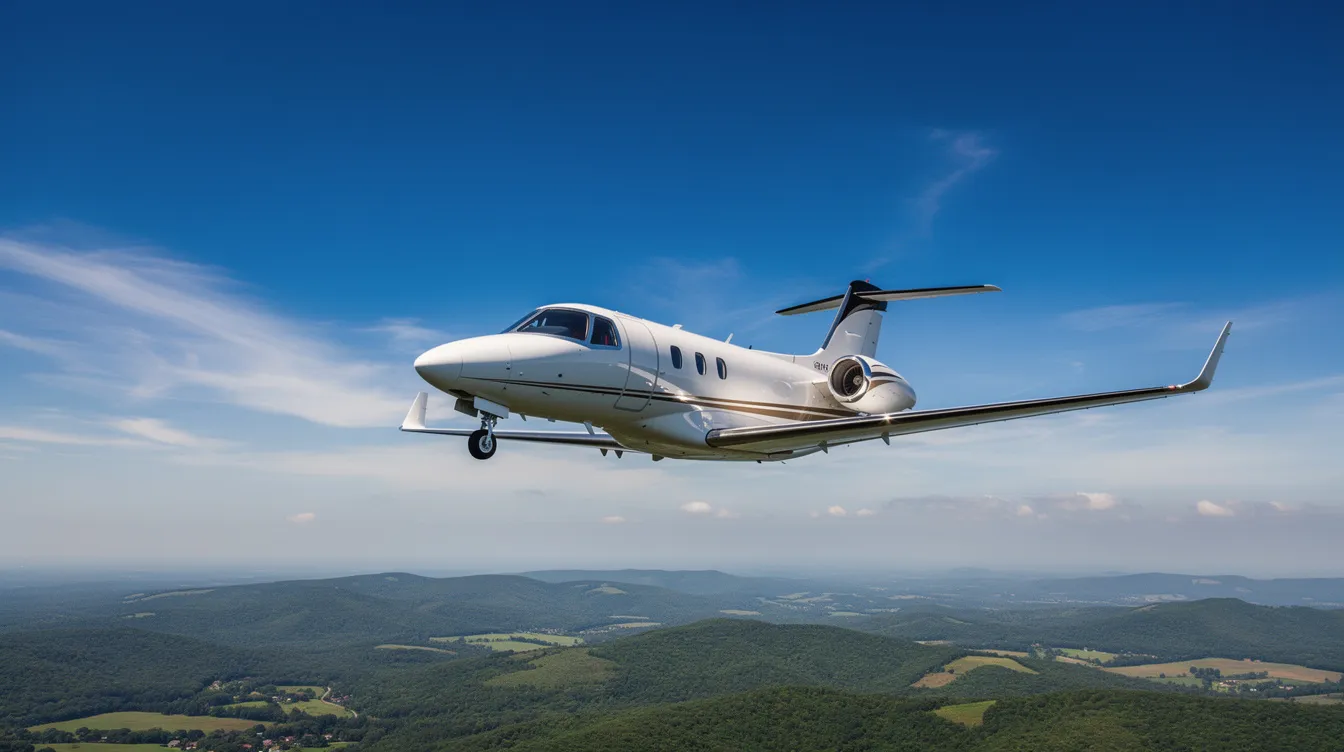
Next, let’s define exactly what qualifies as a 2-seater jet plane and how these aircraft are configured.
What Defines a 2 Seater Jet Plane
The term "2-seater jet plane" refers to compact jet aircraft configured for a pilot and one passenger—not a large business jet flying with empty seats. A typical 2-seater private jet is designed for one pilot and one passenger. Tandem or side-by-side seating is common in 2-seater jet planes. Side-by-side arrangements improve communication and allow occupants to share the instrument scan, making them popular in personal jets. Tandem layouts reduce frontal area and drag—beneficial for high performance—but place the passenger behind the pilot with limited forward visibility.
From a regulatory standpoint, true type-certified factory-built 2-seater jet planes are not commercially produced for civilian buyers. Most modern personal jets are either single-seat experimental aircraft or very-light jets certified under Part 23 or equivalent rules. Many two-seat jets fall into experimental or special categories, while a handful—like the Cirrus Vision Jet—hold full FAA certification and can serve in owner-operator and charter roles. Experimental jet options for 2-seater planes are typically available in the kit-built market.
For most BlackJet travelers, similar mission profiles are covered by very light or light jets accessed via a Jet Card or charter, rather than a literal two-seat cockpit.
Now that we’ve defined what makes a 2-seater jet plane, let’s examine the key performance metrics that matter most to private flyers.
Key Performance Metrics: Cruise Speed, Range, and Fuel Consumption
Cruise Speed
Executives care less about a maximum speed number printed on a spec sheet and more about sustainable cruise speed, practical range with reserves, fuel capacity, and fuel consumption at altitude. These metrics determine whether a private aircraft can complete a mission non-stop—and at what cost.
A small jet might cruise around 300 to 350 knots. The Cirrus Vision Jet posts a max cruise speed of approximately 317 knots true airspeed. Experimental jets and small Czech military trainers often cruise in the 250 to 380 knot band, depending on altitude and configuration. Small jets are generally faster than piston aircraft due to their streamlined design and turbine powerplants. Small jets can achieve altitudes of 25,000 to 40,000 feet for better fuel efficiency, where thinner air reduces drag and improves specific fuel consumption.
Range
Fuel capacity in personal jets typically ranges from approximately 150 to 300 US gallons. The Cirrus Vision Jet has a range of 1,200 nautical miles under optimal conditions, while light jets typically have a range of 1,150 nautical miles. This fuel load translates into 700 to 1,200 nautical miles of practical range with IFR reserves, depending on payload, winds, and cruise altitude.
Fuel Consumption
Above roughly 300 knots, fuel consumption climbs sharply per nautical mile. That non-linear relationship is why very light jets represent an efficient sweet spot for shorter flights of two to three hours: they deliver genuine jet aircraft speed without the burn rates of larger or faster platforms. Wing loading and efficient design further influence how these capable aircraft perform in real-world conditions, particularly at higher approach speeds during landing.
Next, let’s look at specific examples of 2-seater and personal jets that illustrate these performance characteristics.
Notable 2 Seater and Personal Jet Examples
Experimental and Kit-Based Personal Jets
Aircraft like the Lancair Legacy cruise around 240 knots true airspeed with fuel efficiency of roughly 13 to 15 gallons per hour. Arion Aircraft and similar manufacturers serve the experimental and kit market, appealing to many pilots who enjoy hands-on building and test flights. These aircraft require significant owner involvement, ground school knowledge, and often fall into experimental categories with limited commercial utility.
Aero L-39 Albatros (Military Trainer)
A former military trainer that delivers cruise speeds above 350 knots in clean configuration. Ejection seats are standard in military variants of 2-seater jets like the L-39, though civilian versions often replace them with conventional seating. Fuel burn in cruise runs approximately 155 to 165 gallons per hour, making operating costs substantial. Jet engines in 2-seater jets are typically mounted at the rear of the fuselage, and the L-39 follows this convention. Fuselage design in 2-seater jets is optimized for high subsonic or supersonic speeds, and military trainers exemplify that principle.
Cirrus Vision Jet (SF50)
The benchmark single-engine jet in its class. While it seats up to seven, many Cirrus owners and operators fly with just one or two passengers. The Cirrus Vision Jet is the first single-engine jet with a parachute system. Its composite fuselage, advanced technology cockpit, and Garmin avionics suite make it a reference point for anyone considering a personal jet. Cirrus Aircraft has delivered hundreds of units, establishing a global network of service and training.
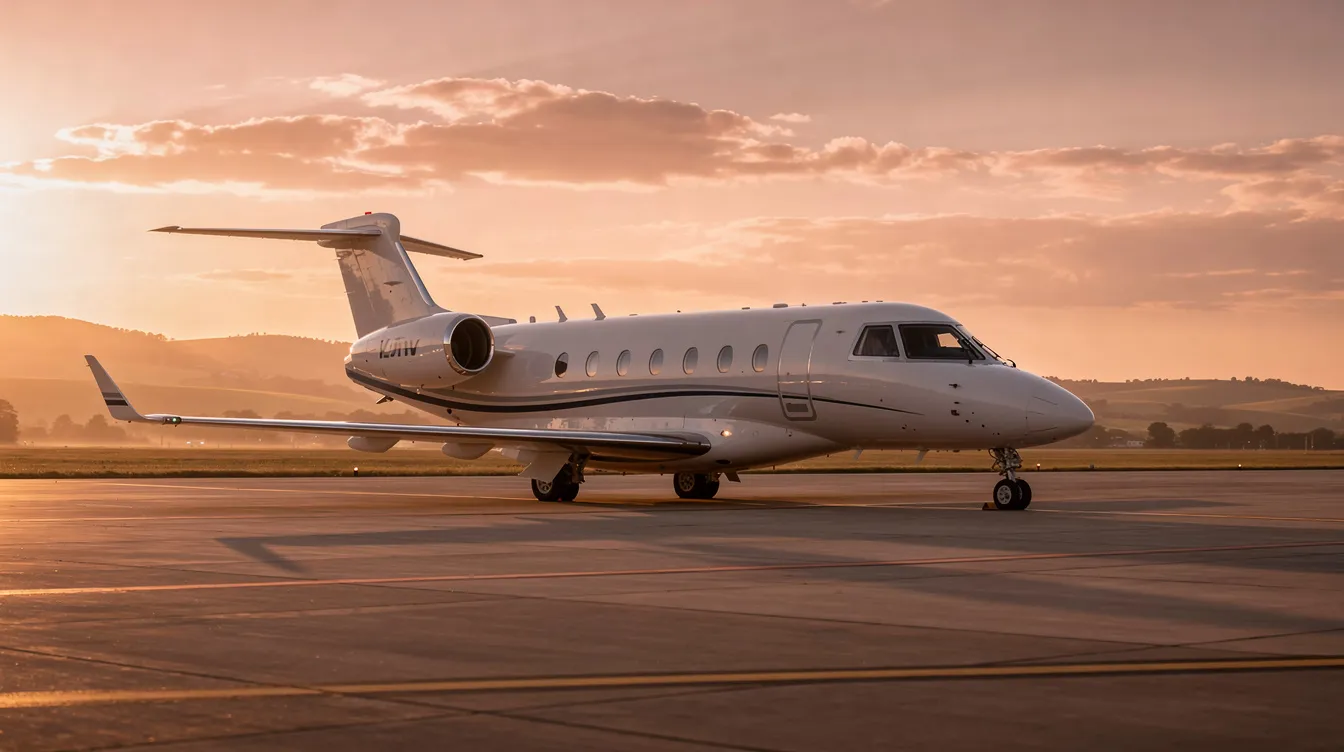
With these examples in mind, let’s take a closer look at the Cirrus Vision Jet as a case study in advanced technology and safety.
Cirrus Vision Jet: Case Study in Advanced Technology and Safety
The Vision Jet is arguably the most influential personal jet of the 2010s and 2020s—directly relevant to anyone who might otherwise consider a strict 2 seater jet plane for personal use.
Development milestones tell the story: first flight in 2008, and the Cirrus Vision Jet received FAA certification on October 28, 2016. Subsequent G2 (2019) and G2+ updates raised the max cruise to approximately 311 knots, extended maximum range, and refined the cabin interior. The price of the Vision Jet reflects this evolution—each generation packing more capability into the same airframe.
Safety and technology features set it apart:
The Cirrus Vision Jet features a whole-aircraft ballistic parachute system (CAPS), a feature inherited from the Cirrus SR22T, which is recognized for its advanced safety features in the piston aircraft world.
The Vision Jet's Safe Return system allows automated landings, enabling even a non-pilot passenger to bring the aircraft safely to the ground.
Cockpits in modern 2-seater jets can have multifunction displays and other advanced avionics; the Vision Jet's integrated Garmin suite includes automatic database updates, autothrottle, synthetic vision, and envelope protection.
Many BlackJet clients request cabin-class jets with similar advanced technology and safety credentials but prefer to access them via a Jet Card. This avoids the responsibilities of aircraft management, pilot training, insurance, and the ongoing certification demands that come with ownership. Flight training and recurrent simulator time for single-pilot operation of a jet like the SF50 can consume dozens of flight hours per year—time that many executives would rather spend elsewhere.
Next, we’ll explore how very light jets and light business jets expand on these features to serve a broader range of private travelers.
From Very Light Jets to Light Business Jets: Cessna Citation Mustang & Beyond
While a 2-seater jet plane captures the imagination, most private travelers actually fly in four- to six-seat very light jets that offer more space, more baggage, and better dispatch reliability.
The Cessna Citation Mustang is a prime example: a four-passenger light jet with a typical cruise speed of approximately 340 knots and a range of around 1,150 nautical miles. It served as a popular entry-level business jet and charter workhorse from 2006 through 2017, and pre-owned examples remain in active fleets worldwide. Its Garmin G1000 avionics suite provides situational awareness that rivals aircraft costing several times more.
Very Light Jets accommodate 1 to 4 passengers and can fly at speeds around 400 knots in the faster models. VLJs can fly at an average speed of 400 knots, and the range of Very Light Jets is approximately 2,500 km. Popular Very Light Jets include the HondaJet and Cirrus Vision Jet, and VLJs are designed for short-haul flights and regional travel. The Embraer Phenom 100 costs around $4.5 million new and offers a spacious cabin that seats four comfortably—more than twice the cabin space of a literal two-seat cockpit. However, private jets are often limited in baggage and cabin space compared to larger aircraft, so matching the right aircraft to the mission matters.
Many two-passenger itineraries at BlackJet are flown on aircraft like the Citation Mustang or Phenom 100 because they deliver more comfort, baggage capacity, and dispatch reliability than a strict 2 seater jet plane. These jets fit into BlackJet's aircraft categories, giving travelers light-jet performance with predictable hourly rates via a Jet Card.
Next, let’s see how stepping up to larger business jets can further enhance comfort and range for two-person trips.
Stepping Up in Size: Dassault Falcon and Larger Business Jets
Although Dassault Falcon aircraft seat far more than two, many high-net-worth individuals travel with just one companion—mirroring the two-seat use case but with vastly greater comfort and range. A Beechcraft King Air turboprop might serve well for regional hops, but when the mission demands speed and range, stepping into the jet class changes the equation entirely, just as it does when considering large charter planes for 100 passengers instead of multiple smaller aircraft.
Consider the Dassault Falcon 50 or Falcon 2000: long-range capability exceeding 3,000 nautical miles with cruise speeds over 450 knots, in some configurations approaching 480 knots. These are not small aircraft; they offer stand-up cabins, full galleys, separate lavatories, and multi-zone cabin layouts that turn a transcontinental crossing into productive or restful hours rather than endured ones, much like the best private jets configured for 20 passengers, the leading private jets for 30 passengers, or even large private jets for up to 50 travelers on larger group missions.
A two-person trip in a Falcon differs fundamentally from a literal 2 seater jet plane. The passenger experience includes more space, lie-flat seating, in-flight connectivity, and the ability to host an impromptu meeting—a far cry from sitting shoulder-to-shoulder in a tandem cockpit.
BlackJet typically recommends stepping up from a light jet to a Falcon-class aircraft when clients are flying transcontinental or transatlantic missions, or when special occasions demand an elevated level of comfort, and may also propose 12-seater private jet solutions for larger groups. The flexibility to match aircraft class to mission is central to BlackJet's Jet Card vs. charter vs. fractional vs. ownership philosophy.
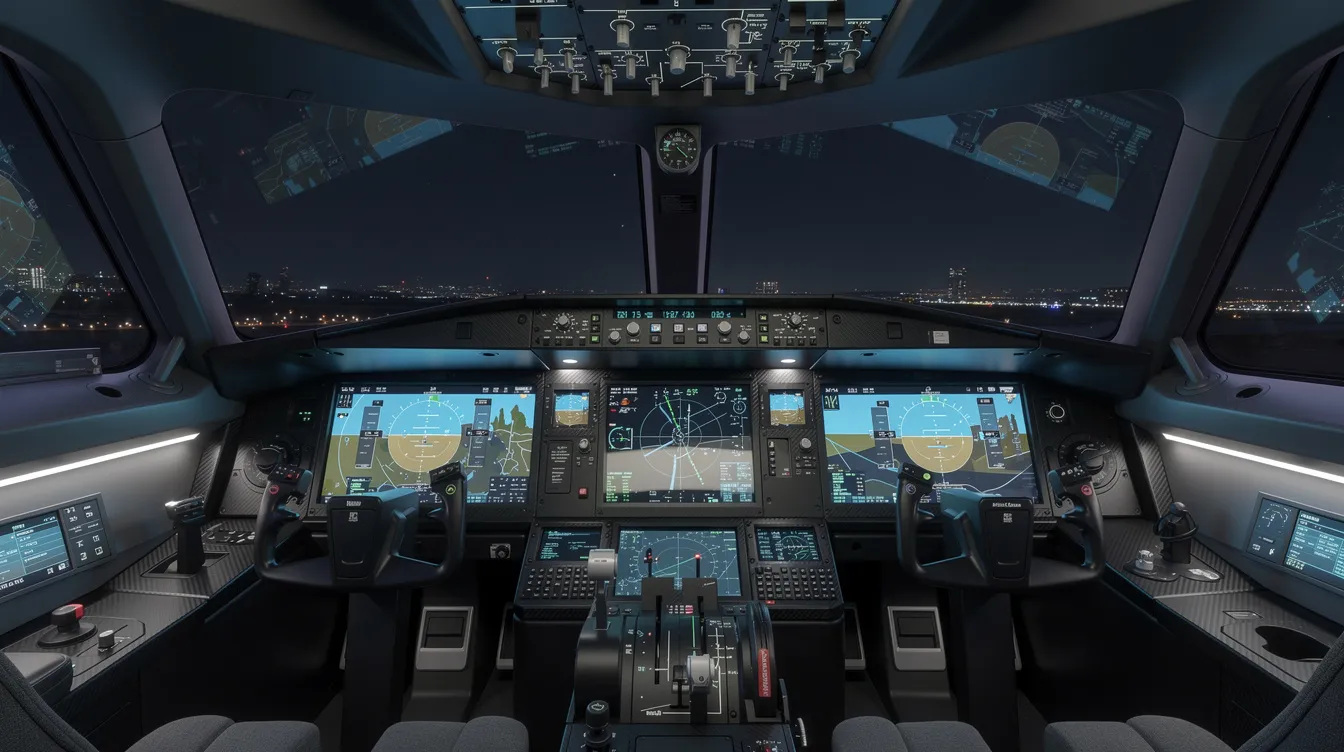
Next, let’s discuss the practical aspects of payload planning and how BlackJet simplifies the process for travelers.
Empty Weight, Useful Load, and Real-World Payload Planning
Whether you are evaluating a 2-seater jet plane for purchase or selecting the right aircraft class via BlackJet, empty weight and useful load are the numbers that govern every mission.
Empty weight is the weight of the aircraft with all standard equipment installed but no usable fuel, passengers, or baggage. Useful load is the difference between maximum takeoff weight and empty weight. Every kilogram of fuel competes with every kilogram of passenger and luggage for the same gross weight allowance.
For small two-seat jets, empty weight often consumes a high proportion of maximum takeoff weight, leaving limited useful load. A 2-seat jet forced to carry full fuel for a long mission may have to sacrifice baggage—or vice versa. Landing gear in 2-seater jets is usually retractable tricycle gear, which adds weight but reduces drag in cruise. Small jets typically require relatively short runway lengths compared to larger aircraft, but that advantage narrows when the aircraft is loaded near its limits.
BlackJet clients do not need to calculate weight and balance personally. Our team matches each itinerary with an aircraft whose payload and range comfortably cover the requirements—passengers, baggage, fuel, and reserves included.
Next, let’s compare experimental aircraft and certified jets to understand what buyers need to know before making a decision.
Experimental Aircraft vs Certified Jets: What Buyers Need to Know
The gap between experimental aircraft and fully certified jets is not just regulatory—it is practical, financial, and, for business travel, strategic.
Experimental jet options for 2-seater planes are typically available in the kit-built market. Experimental/homebuilt jets under $250,000 are primarily single-seat models; adding a second seat drives up cost, complexity, and build time. Builders invest years and thousands of hours before conducting test flights, and the resulting aircraft carry restrictions: limited commercial use, narrower insurance options, restricted maintenance oversight, and sometimes geographic operating limitations. Many new pilots and sport pilots find these projects rewarding, but the finished product rarely meets the reliability bar required for serious business travel.
Certified jets—whether very light jets, light business jets, or larger platforms—comply with full FAA or EASA airworthiness rules. They carry standardized maintenance programs, type-certified engines with known overhaul intervals, and support networks spanning continents. BlackJet's vetted operator network requires certifications including ARGUS Gold or Platinum, Wyvern Wingman ratings, and IS-BAO Stage 2 or 3 registration, ensuring every flight meets standards that no experimental aircraft program can match.
For serious business and cross-border business travel, a Jet Card or a carefully structured private jet charter solution on certified aircraft offers a better blend of safety, predictability, and overall cost-effectiveness than personally owning an experimental 2-seater jet plane.
Next, let’s break down the operating economics of 2-seater jet planes and how Jet Card programs can offer cost advantages.
Operating Economics: Fuel Capacity, Fuel Consumption, and Ownership Costs
Fuel Costs
Fuel capacity and fuel consumption shape the direct operating cost per hour for any jet. Understanding these economics helps prospective buyers distinguish between the romance of owning a 2 seater jet plane and the reality of flying one regularly.
Personal jets and VLJs often burn in the range of 60 to 90 gallons per hour in cruise. Older military trainers and classic two-seat jets can exceed 120 gallons per hour—the L-39 Albatros, for instance, consumes 155 to 165 gallons per hour at cruise altitude. At current jet fuel prices, fuel costs for jets typically range from $300 to $700 per hour, depending on aircraft type and fuel burn.
Ownership Expenses
Beyond fuel, ownership layers additional expenses:
Cost Category | Typical Annual Range |
|---|
Scheduled maintenance & inspections | $50,000–$200,000 |
Insurance | $15,000–$30,000 |
Hangar fees | $12,000–$36,000 ($1,000–$3,000/month) |
Engine overhaul reserves | Varies by type |
Crew (if not owner-piloted) | $80,000–$150,000+ |
Operating costs for private jets range from $50 to $200+ per hour when all variable costs are included, but the true all-in cost of ownership—factoring depreciation, downtime, and capital—can be significantly higher, as outlined in a comprehensive private jet price list and cost guide.
Jet Card Cost Advantages
With a BlackJet Jet Card, members see a clear hourly rate that already reflects these factors. Users can purchase fixed hourly rates for jet time, avoiding surprises and capital risk. The result is lower costs per mission with none of the asset management burden. For a deeper breakdown, see our guide to jet card cost per hour and a broader overview of jet card membership pricing.
Next, let’s review the safety, avionics, and advanced technology features that define modern 2 seat and light jets.
Safety, Avionics, and Advanced Technology in Modern 2 Seat and Light Jets
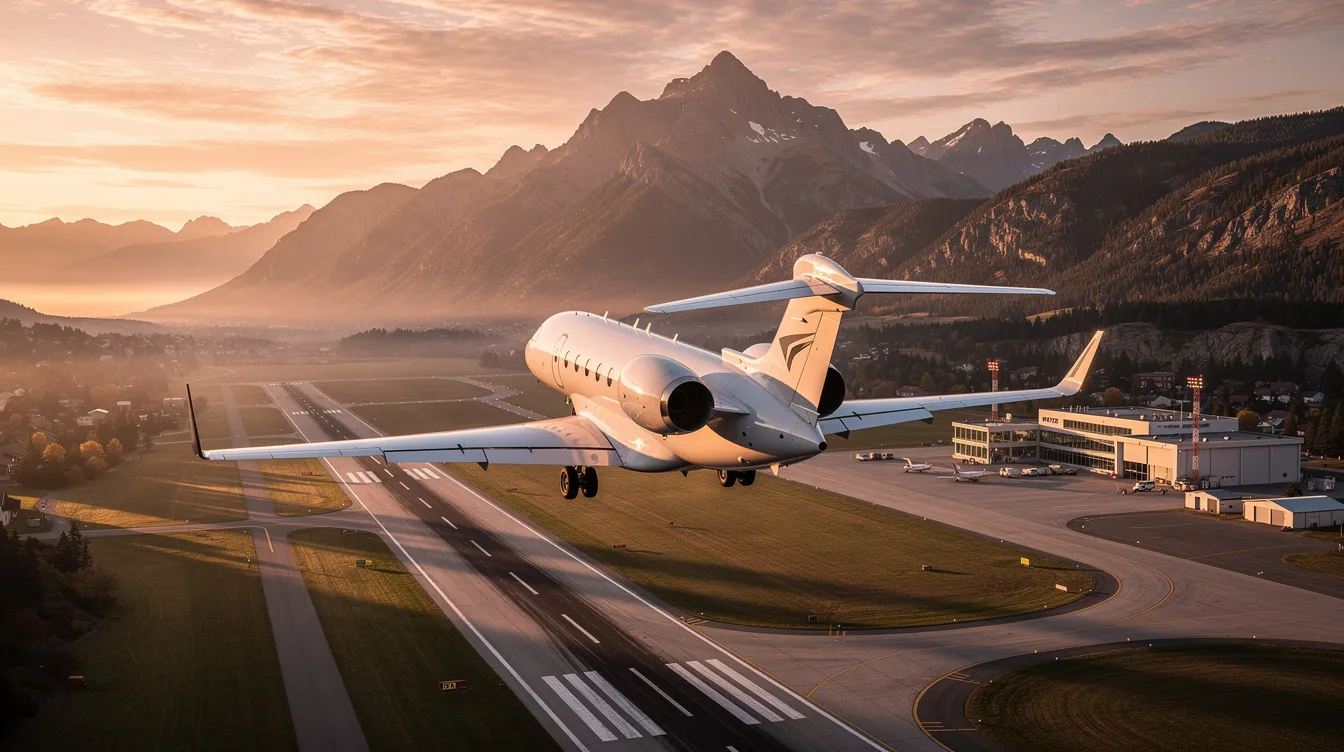
Modern 2-seater jet planes and very light jets integrate advanced technology that would have been unthinkable a generation ago, delivering situational awareness and safety margins that mirror airliner-level standards.
Glass cockpits with synthetic vision, terrain awareness, and envelope protection are now standard in high-end personal jets. The Vision Jet's Garmin suite provides automatic database updates, autothrottle, and synthetic vision overlays. The Cessna Citation Mustang uses Garmin G1000 avionics, widely considered intuitive and reliable. Even aircraft outside the jet world have adopted these principles: the Cessna 172 Skyhawk is known for its reliability and ease of use, and the Texas Aircraft Colt features a ballistic recovery system for safety—technologies trickling across the general aviation spectrum.
Autothrottle, autoland, and automatic database updates are emerging as standard features in high-end personal jets, and similar capabilities are found across many aircraft in the BlackJet network. These systems add an additional layer of protection, reducing pilot workload during critical phases of flight.
BlackJet prioritizes operators with rigorous safety programs, third-party safety ratings, and modern avionics—going well beyond minimum regulatory requirements. Every operator in our network holds current ARGUS or Wyvern certifications and adheres to crew duty-time standards stricter than FAA minimums.
Next, let’s compare the two main paths to enjoying jet-style travel: ownership versus Jet Card access.
Jet Ownership vs BlackJet Jet Card: Two Paths to Enjoying Jet-Style Travel
Owning a 2-seater jet plane and accessing equivalent performance through a BlackJet Jet Card represent fundamentally different capital strategies. One ties up wealth in a depreciating asset; the other converts it into on-demand capability with no residual risk. The choice between ownership, fractional jet ownership (with its own tax benefits of fractional jet ownership), and a Jet Card depends on how you value control, flexibility, and cost predictability.
Ownership advantages:
Total control over scheduling
The aircraft is always available (in theory)
Personal branding
The intangible satisfaction of having your own machine
Ownership trade-offs:
Capital locked in a depreciating asset
Maintenance downtime
Exposure to market swings on resale
Regulatory compliance
Crew management
The reality that many privately owned aircraft fly fewer than 200 flight hours per year—leaving expensive assets idle
BlackJet Jet Card advantages:
Prepaid access to private jets across multiple cabin classes via 25-hour or 50-hour blocks, including the flagship BlackJet 25+ Hour Jet Card
Guaranteed availability windows
No asset risk
No maintenance burden
Direct access to a curated fleet
World-class service from booking through landing
Consider a founder commuting between Los Angeles and San Francisco twice a week. Owning a two-seat personal jet might offer speed, but utilization is low relative to fixed costs, depreciation is relentless, and a single unscheduled maintenance event disrupts an entire week. Using a light jet via Jet Card—whether a 25-, 50-, or 100-hour jet card program selected from among the best jet cards for frequent flyers—the same trip takes roughly one hour of flight time, with no ownership overhead and reliable scheduling. Over a year, the Jet Card delivers the same high-performance flight experience at a fraction of the true all-in ownership cost.
Next, let’s address the growing importance of sustainability in private aviation.
Sustainability and Carbon-Neutral Private Flights
Sophisticated travelers increasingly weigh environmental impact alongside speed and comfort—even those drawn to a smaller 2-seater jet plane for its perceived fuel efficiency or to unlimited private jet membership models that emphasize frequent flying.
While a lighter aircraft may burn less fuel per hour, its per-passenger footprint is not always better. A VLJ flying with one occupant at sub-optimal altitude can produce a higher per-seat-mile carbon footprint than an efficiently flown midsize jet at full capacity. The equation is more nuanced than "smaller equals greener."
BlackJet addresses this directly. Every flight flown by Jet Card members is carbon neutral by default, achieved through verified offsets covering 300% of emissions—including CO₂, water vapor, aerosols, and nitrous oxide. These offsets come at no extra cost to the member. Where available, BlackJet offers Sustainable Aviation Fuel at select hubs to enable deeper emissions reductions. For details, see BlackJet's sustainability commitment.
Sustainability is part of a broader, responsible approach to private aviation—aligning fuel efficiency, safety, and comfort rather than chasing the smallest possible airframe.
Next, let’s help you choose the right aircraft category for your next two-person trip.
Choosing the Right Aircraft Category for a Two-Person Trip
Rather than fixating on a 2 seater jet plane, focus on which aircraft category best matches mission profile, baggage needs, and schedule demands—even if you are exploring the cheapest private aircraft options or researching the most affordable private jets. The right aircraft is not always the smallest one.
When a very light or light jet is ideal:
Sub-800 nautical mile routes (e.g., New York to Chicago, Dallas to Denver)
Two to four passengers with light luggage
Point-to-point city pairs served by smaller airports
Shorter flights where low operating costs and fast turnaround matter most
When BlackJet proposes a midsize or large jet:
Long-haul flights exceeding 1,200 nautical miles
Need for lie-flat seating or in-flight meeting space
Transcontinental or transatlantic crossings (Dassault Falcon class and above)
Special occasions requiring an elevated passenger experience
Heavier baggage or equipment requirements
BlackJet's flight support team and digital booking tools help members choose the most efficient cabin class on every trip, whether you are booking an entire aircraft or simply buying a seat on a private jet via shared or semi-private options. You do not need to know aircraft codes, performance tables, or the difference between 500 km/h and 300 knots. The platform handles that matching—speed in km h, range, cabin space, approach speeds, and airport compatibility—so you can focus on the reason you are traveling in the first place.
Next, let’s see how you can experience 2-seater jet performance with BlackJet—without the need for ownership.
How to Experience 2 Seater Jet Performance with BlackJet
You can enjoy the speed, privacy, and flexibility of a 2-seater jet plane without owning one. BlackJet's Jet Card programs make that performance an accessible option for anyone who values their time, whether you are exploring entry-level aircraft, the cheapest private aircraft, or budget-friendly options.
Getting started is straightforward:
Enroll in a 25-hour or 50-hour Jet Card, selecting the cabin class or classes that match your typical missions.
Access the mobile booking platform to request specific aircraft performance profiles—cruise speed, range, cabin size—and see available options in real time.
Fly. BlackJet handles route optimization, airport selection (including smaller regional airports that commercial carriers cannot reach), and contingency planning. Real-time flight support means adjustments happen seamlessly, whether weather reroutes a leg or your schedule shifts mid-day.
Every flight is backed by rigorous operator vetting, carbon-neutral offsets, and the unique benefits of a program designed for travelers who demand more than a seat—they demand an experience.
The allure of a 2 seater jet plane is real: speed, privacy, and the open sky ahead. But the smartest path to that flight experience rarely involves a hangar key. Explore BlackJet membership and discover how prepaid jet access can reshape the way you fly.
FAQ & Summary: 2 Seater Jet Planes in Private Aviation
Are there true 2-seater private jets available for civilian purchase?
True type-certified factory-built 2-seater jet planes are not commercially produced for civilian buyers. Most modern personal jets are either single-seat experimental aircraft or very-light jets (VLJs) that seat more than two but are often flown with just one or two passengers. Experimental jet options for 2-seater planes are typically available in the kit-built market, but these are not certified for commercial use and come with significant limitations.
What are the main options for flying in a 2-seater jet?
Experimental/Kit-Built Jets: These are available for hands-on builders and pilots, typically as single-seat or two-seat aircraft, but are not suitable for commercial or business travel due to regulatory and insurance restrictions.
Military Trainers (e.g., Aero L-39 Albatros): Some former military trainers are available on the civilian market, but they are expensive to operate and maintain.
Very Light Jets (VLJs): Popular VLJs like the HondaJet and Cirrus Vision Jet are certified, seat more than two, and are the closest practical option for private flyers seeking 2-seater jet performance, often flown with just one or two passengers.
Jet Card or Charter Programs: For most travelers, accessing a VLJ or light jet via a Jet Card or charter provides the best blend of performance, flexibility, and cost-effectiveness—without the burdens of ownership.
Conclusion: Embracing the Future of Private Jet Travel with 2-Seater Jet Planes and BlackJet
The 2-seater jet plane embodies the essence of private aviation—speed, exclusivity, and personalized travel. While true factory-built two-seat jets remain rare for civilian use, the evolution of very light jets and light business jets has expanded access to this level of performance and flexibility. BlackJet’s Jet Card programs unlock the benefits of these aircraft classes without the complexities and costs of ownership, offering a strategic advantage to frequent flyers who prioritize time, convenience, and safety.
Whether you seek the thrill of experimental jets, the proven reliability of certified VLJs like the Cirrus Vision Jet, or the spacious comfort of light jets, BlackJet provides seamless access through a curated network of vetted operators and cutting-edge technology. With sustainability commitments, advanced safety features, and personalized service, BlackJet ensures every journey is efficient, secure, and carbon neutral.
For discerning travelers, the future lies not in owning an aircraft but in accessing the right jet, at the right time, for the right mission—effortlessly. Explore how BlackJet’s innovative Jet Card solutions can elevate your private aviation experience and redefine what it means to fly on your own terms. To learn more about how to buy a seat on a private jet and enjoy private aviation without ownership, visit our detailed guide.


 Sign up with google
 Sign up with Apple