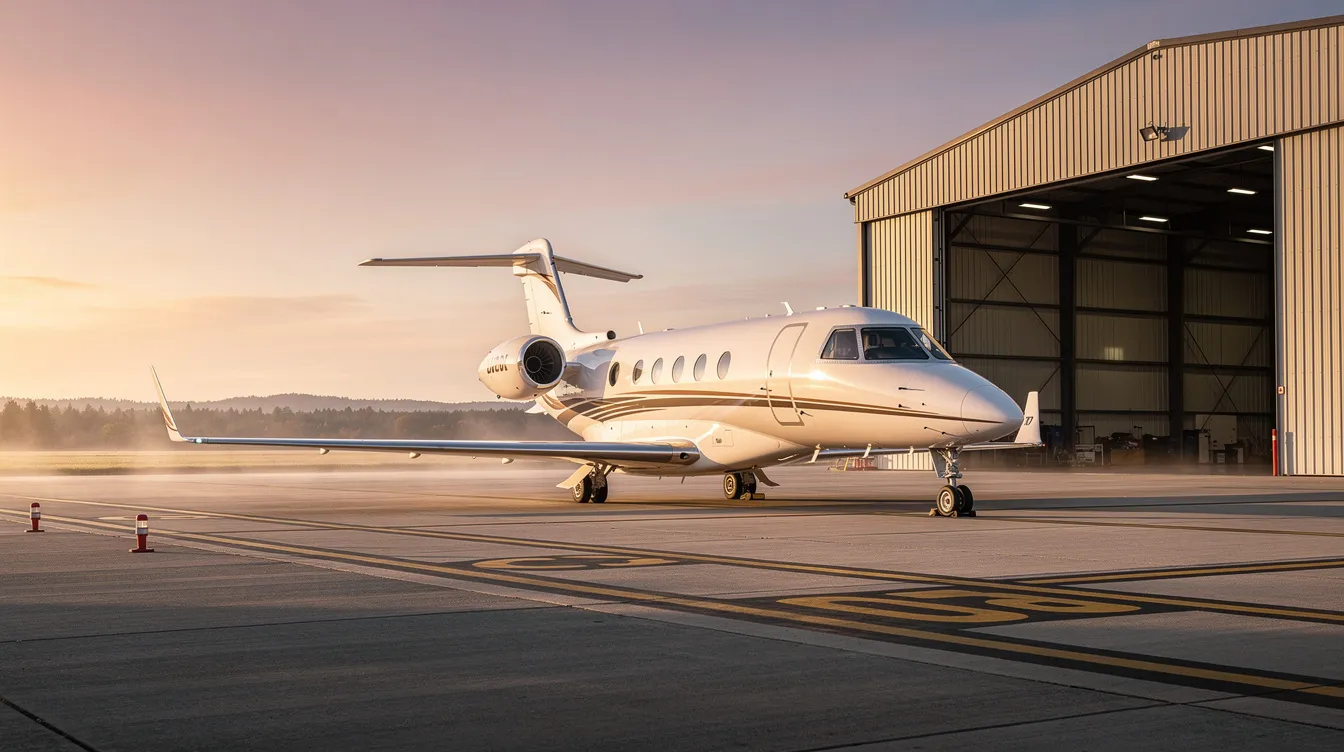
Private jet access is no longer only about luxury. For executives, founders, family offices, and discerning leisure travelers, the right aircraft can become a strategic advantage: fewer wasted hours, greater schedule control, private conversations in the cabin, and direct access to airports that commercial airlines rarely serve. The Cirrus Vision Jet sits at the center of that shift.
Why the Cirrus Vision Jet Matters for Modern Private Travelers
The Cirrus Vision Jet bridges a meaningful gap in private aviation. It is more capable than high-end piston aircraft, yet leaner and more accessible than conventional twin-engine jet aircraft. For travelers who fly regional missions often, that balance matters more than maximum glamour.
On routes such as New York to Chicago or Dallas to Aspen, commercial first class may still involve fixed schedules, security queues, crowded terminals, and ground transfers from major airports. A vision jet can fly closer to your actual origin and destination, often turning a full travel day into a controlled, private flight plan.
Cirrus Aircraft designed the aircraft as a personal jet for Cirrus owners stepping up from aircraft like the SR22, but it also works well for premium charter and jet card users. BlackJet curates Vision Jet access within our premium private jet card and on-demand charter solutions when efficiency, safety, and sustainability matter most.
Key advantages include:
Schedule control: depart when your calendar requires, not when an airline does.
Privacy: keep the passenger list, onboard conversations, and ground movements discreet.
Regional access: operate into smaller airports where runway length and demand support the mission, much like other small private aircraft optimized for regional travel.
Practical prestige: the aircraft is refined, modern, and purposeful without being oversized.
The Vision Jet line has evolved through G1, G2, G2+, and G3 Vision Jet models, becoming an important part of the aircraft market since the first customer delivery in 2016. As of April 4, 2023, there were 439 Vision Jets registered with the US Federal Aviation Administration, indicating a growing operational presence in the market.
Evolution of the Cirrus Vision Jet: From Prototype to G3
The Cirrus Vision story began as an ambitious idea: make jet performance manageable for owner-pilots and regional private travelers. The Vision Jet was first flown on July 3, 2008, and by December 3, 2008, the prototype had completed 120 hours of flight testing, which included various performance evaluations and design modifications.
Development was not simple. The 2008 recession slowed financing, and renewed investment later helped Cirrus move from prototype to certified aircraft. On October 28, 2016, after a ten-year development process, the SF50 earned its type certificate from the FAA, becoming the first civilian, single-engine jet to be type certified. Put another way, the Cirrus Vision Jet is the first civilian, single-engine jet to be type certified by the FAA, achieving this milestone on October 28, 2016.
That achievement gave the industry the world’s first single-engine personal jet with a whole-aircraft parachute and owner-pilot focus. Cirrus later received the Robert J. Collier Trophy recognition for the aircraft’s contribution to aviation safety and accessibility.
Timeline highlights for a jet that increasingly features in discussions of approximately 2 million dollar private jet options:
2008: First flight in Duluth; early flight hours validated performance and configuration.
2016: FAA certification and first deliveries established a new single-engine jet category.
2019: G2 introduced a higher ceiling, improved range, and upgraded avionics.
2021: G2+ improved takeoff performance and added in-flight Wi-Fi on newer aircraft.
2026: The G3 Vision Jett added new features such as a redesigned cabin, automatic database updates, ATC datalink, and Cirrus Spectra wingtip refinements.
The Vision Jet is technically classified as a Very Light Jet (VLJ) and often competes with high-performance turboprops. Yet it created a distinct niche within the landscape of top affordable private planes and VLJs: slower and more cost-conscious than many light jets, but smoother, pressurized, and more capable than most piston and turboprop options.
Design & Performance: What Sets the Vision Jet Apart
The Vision Jet’s profile is instantly recognizable: a V-tail, low wing, composite fuselage, and single turbine engine mounted above the rear fuselage. The aircraft is powered by a single Williams FJ33-4A-19 turbofan engine, producing 1,900 lbf (8,500 N) of thrust.
That layout supports a quieter cabin, clean aerodynamics, and a flexible center of gravity. It also keeps the plane approachable for pilots transitioning from piston aircraft, while still delivering true jet capability.
Performance is intentionally balanced. The Cirrus Vision Jet has a maximum cruise speed of 300 knots (556 km/h) and a range of approximately 1,200 nautical miles (2,200 km). The Vision Jet has a maximum range of approximately 1,275 nautical miles. The Vision Jet has a service ceiling of 31,000 feet (9,449 m) and can achieve a maximum takeoff weight of 5,500 lb (2,495 kg).
At a flight level of 280, the Vision Jet has a fuel consumption rate of approximately 60 US gallons per hour (227 L/h) at a true airspeed of 293 knots (543 km/h). That fuel flow is higher than that of an SR22, but significantly lower than that of many twin-engine light jets used for similar regional work.
Key specs and user benefits:
Specification | Detail |
|---|
Maximum Cruise Speed | ~300 knots (556 km/h) |
Maximum Range | ~1,200 to 1,275 nautical miles |
Service Ceiling | 31,000 feet (9,449 m) |
Maximum Takeoff Weight | 5,500 lb (2,495 kg) |
Fuel Consumption (FL280) | ~60 US gallons per hour (227 L/h) |
Engine | Single Williams FJ33-4A-19 turbofan |
Passenger Capacity | Up to 5 adults and 2 children |
max cruise: about 300 knots, ideal for regional time savings.
range: about 1,200 to 1,275 nautical miles, depending on loading, weather, and fuel reserves.
ceiling: 31,000 feet, enabling efficient routing above much weather.Takeoff and landing: Short-field capability supports more regional airports.
cockpit: side-yoke layout, left-hand flight control, simplified flaps, and a modern flight deck.
accessibility: compared to conventional twin-engine light jets, the Vision Jet is slower and flies at lower altitudes, but is easier to operate and more affordable within the broader landscape of small private jets for luxury travel.
The Vision Jet has been recognized as the most affordable entry-level private jet on the market. It is designed to be accessible and manageable for owner-pilots, focusing on affordability over raw speed and altitude.
Cabin Experience: A Personal Jet Built Around the Passenger
The cabin is where the Vision Jet feels less like a compromise and more like a well-designed regional tool. The cabin of the Vision Jet can accommodate up to 5 adults and 2 children, and newer configurations continue to improve flexibility. The G3 Vision Jet can support layouts for around six adults and one child in certain arrangements.
The spacious cabin includes wide windows, premium materials, a generous cabin door, and flexible seat configurations. Passengers can reconfigure space for luggage, cargo, golf bags, mountain bikes, or even load mountain bikes for a long weekend.
Comfort and mission features include options that align well with broader private jet size categories and mission profiles:
Executive-style seating and removable seat options.
USB power, climate control, and available entertainment screens.
In-flight Wi-Fi or Gogo-style connectivity on many G2+ and newer aircraft.
A practical layout for short meetings, focused work, or family travel.
A note of realism: the cabin of the Vision Jet lacks a fully enclosed, private lavatory, which is standard in other VLJs and some of the cheapest private aircraft options focused on efficiency over size.
Typical BlackJet use cases are simple. A member may fly from Miami to Staniel Cay for a Bahamas weekend without airline connections. Another may use a Vision Jet from Los Angeles to Joshua Tree-area airports, keeping the ground leg short and the cabin private.
Safety & Technology: CAPS, Safe Return, and the Modern Flight Deck
The defining safety system is the Cirrus Airframe Parachute System. The Vision Jet features a whole-aircraft ballistic parachute system, known as the Cirrus Airframe Parachute System (CAPS), which is designed to enhance safety by allowing the entire aircraft to descend safely in an emergency. On the Vision Jet, CAPS is standard equipment, not an aftermarket idea.
Safe Return adds another layer. The Vision Jet includes an autonomous landing system called Garmin Autoland, which can navigate and land the aircraft if the pilot is incapacitated. In practice, a passenger can press the safe return button; the avionics select a suitable airport, communicate with air traffic control, manage the engine and controls, complete the approach, and bring the aircraft to a stop after landing. Cirrus describes this capability in its Safe Return certification announcement.
The aircraft is equipped with the Garmin G3000 avionics suite, which includes advanced features such as an auto throttle and enhanced autopilot capabilities, improving pilot workload management and flight safety. The modern cockpit also includes synthetic vision, auto radar for weather awareness, a Garmin touch controller, envelope protection, yaw damper, emergency oxygen, and de-ice or FIKI capability on certain aircraft.
The Vision Jet’s operational history also includes lessons. In April 2019, the FAA issued an Airworthiness Directive grounding the entire SF50 fleet due to incidents involving stall warnings, which were resolved by replacing the angle of attack vane within five flight hours. In February 2020, the FAA grounded all SF50 jets after a cabin fire incident, which was traced back to an overheating audio amplifier circuit card, affecting 97% of the fleet at that time.
These events matter because safety credibility comes from response, not perfection. Cirrus’ transparent corrective actions, ongoing avionics updates, and structured maintenance culture support passenger confidence. Under BlackJet, every Vision Jet flight is operated by vetted professional crews under strict standards, with proactive flight planning, weather monitoring, and checks on CAPS readiness.

Training, Ownership Models & Access Through BlackJet
Cirrus provides a comprehensive type rating program for Vision Jet pilots, which typically takes about two weeks and includes both simulator and in-aircraft training. The Vision Jet training program includes the use of a simulator that allows pilots to practice emergency procedures, such as activating the Cirrus Airframe Parachute System (CAPS) during an engine failure scenario.
This flight training makes the aircraft attractive to pilots stepping up from an SR22, while insurers often require structured training because jet performance, approach speeds, hull values, and weather exposure are different from piston flying. For many pilots evaluating the best, cheapest single-pilot jets or even investing in a $5 million light or midsize jet, recurrent training is part of responsible ownership.
Cirrus has developed a support program named Jetstream, which offers various options tailored for first-time jet owners, enhancing their maintenance and service experience. That support can cover scheduled maintenance, engine program coordination, avionics assistance, and concierge-style service.
There are three primary ways to access the aircraft, each reflecting common charter flight structures and private access models, and broader ways to buy a seat on a private jet:
Ownership: maximum control, but includes purchase price, insurance, hangar, maintenance, training, depreciation, and management.
Traditional charter: flexible per-trip access across multiple types of private jets for different missions, but availability and pricing can vary.
BlackJet Jet Card: predictable access through prepaid 25-hour or 50-hour programs, without owning the aircraft, with expanded fleet access through the BlackJet 25+ Hour Jet Card and cost structures comparable to a 50-hour or 100-hour jet card pricing model, similar in structure to many 25-hour jet card programs.
The Vision Jet is frequently used by regional business owners for trips within 300 to 800 miles. For those missions, BlackJet may recommend a Vision Jet category when passenger count, runway conditions, and stage length align. If passengers increase, cargo grows, or a longer sector is required, we may recommend a larger cabin class, including private jets configured for around 20 passengers or other private jets suitable for 15 passengers when group size and mission justify it.
Cost matters too. The Vision Jet’s acquisition cost ranges between approximately $3 million and $3.6 million for new models, before the ongoing cost of insurance, hangar space, maintenance, training, and crew if the owner is not flying. For many travelers, understanding jet card cost and membership pricing and comparing jet card cost per hour across providers is key because a Jet Card can preserve much of the personal jet experience while removing the administrative burden.
Sustainability & Efficiency: A Lighter Footprint in Business Aviation
A correctly sized aircraft is one of the most practical sustainability choices in private aviation. The Vision Jet’s single turbine engine and lightweight composite structure help reduce fuel burn and CO₂ emissions per hour compared with many multi-engine business jets used for similar regional work.
That matters for corporate ESG policies and image-conscious travelers who still need flexible air access. Advanced avionics, synthetic vision, auto radar, and precise flight planning help crews optimize routing, altitude, and fuel strategy.
BlackJet’s carbon-neutral commitment means Vision Jet missions within our program can be offset automatically, with no extra effort required from the member, complementing broader trends toward affordable and more sustainable private planes and the cheapest private jet options for eco-conscious travelers. For example, a recurring Boston to Newport, Rhode Island business route does not require a midsize jet, and can be structured much like an efficient on-demand charter flight on a smaller aircraft, with costs comparable to those outlined in guides on chartering a small private plane. Using an appropriately sized Vision Jet preserves schedule control while reducing unnecessary aircraft mass, fuel use, and operating footprint, while thoughtful jet card pricing structures and incentives can further align cost and sustainability goals.
Market Snapshot: Vision Jet Pricing, Pre-Owned Landscape & G3 Outlook
The Vision Jet’s pricing history shows how strongly the category has matured. The base price of the Cirrus Vision Jet was initially set at $1 million in 2008, with an equipped price anticipated to be $1.25 million for 2011 deliveries. By February 2013, the price of the Vision Jet was updated to $1.96 million, reflecting advancements and changes in the aircraft’s design and features.
As of 2023, the equipped price for the G2+ variant of the Vision Jet is approximately $3.25 million, indicating a significant increase in value over the years and a meaningful point of comparison on any private jet price list of entry-level jets. Newer G2+ and early G3 models are often discussed in the roughly $3 million to $3.6 million acquisition range,e depending on options, delivery timing, and configuration.
Resale value depends on many of the same factors considered when evaluating affordable single-pilot jet ownership or other cheapest private aircraft paths into jet ownership:
Total time and flight hours.
Jetstream enrollment and factory support history.
Avionics options such as Safe Return, auto radar, and in-flight Wi-Fii.
Interior condition, cabin configuration, and maintenance logs.
Whether the aircraft was hangared and supported by reputable service centers.
TG3 Vision Jetjet is likely to influence demand with its redesigned cabin, true seating flexibility for six adults plus one child in certain layouts, improved ATC datalink, Cirrus Spectra wingtips, and automatic database updates. For buyers, that affects resale and upgrade decisions. For BlackJet members, it simply means we monitor the aircraft market and recommend the right aircraft category as models evolve.
How the Vision Jet Fits Into BlackJet Jet Card Missions
The Vision Jet is ideal for a specific type of traveler: regional executives, entrepreneurs visiting multiple cities in a day, and families going to coastal or resort destinations where airline schedules are inefficient, especially when matched thoughtfully against other types of private jets by size and range.
Consider three examples:
Los Angeles to San Francisco to a Joshua Tree-area airport: a same-day loop where a larger jet may be unnecessary, similar in structure to regional missions served by city-specific private jet charter services, such as Karachi.
Miami to the Bahamas: a leisure mission where privacy, direct routing, and luggage flexibility matter.
Dallas to Santa Fe: a business route where regional airport access can save hours on the ground.
BlackJet’s aircraft categories focus on stage length, passengers, runway, cargo, and comfort expectations. A Vision Jet or equivalent may be the optimal choice for three to five passengers on a 300–800-mile trip. A midsize or large-cabin jet may be better when the group expands, range requirements increase, or a fully enclosed lavatory becomes important, mirroring general private jet size selection guidance and, for very large groups, options like private jets for up to 50 passengers or 16-seat private jet configurations for corporate trips.
Members can request the Vision Jet category through BlackJet’s digital booking tools or concierge support, receive instant notifications, confirm transparent pricing consistent with best-in-class jet card programs for frequent flyers, and rely on real-time operations oversight from request to taxiing.

Frequently Asked Questions About the Cirrus Vision Jet & Jet Card Access
Is the Vision Jet safe for non-pilot passengers?
Yes. Its safety architecture includes CAPS, Safe Return, modern avionics, professional maintenance, and structured crew training. BlackJet-sourced flights are operated by vetted professional crews, not casual owner-pilots.
How far can the Cirrus Vision Jet fly non-stop?
Typical range is about 1,200 nautical miles, with a maximum range of approximately 1,275 nautical miles depending on fuel, occupants, weather, routing, reserves, and runway requirements.
How does Safe Return work in an emergency?
If the pilot becomes incapacitated, a passenger can activate Safe Return. Garmin Autoland manages navigation, communication, approach, landing, and stopping the aircraft, while the system remains integrated with the aircraft’s avionics and engine controls.
When would BlackJet recommend a larger aircraft?
We may recommend a larger jet when there are more passengers, more cargo, longer routes, stronger cabin amenity requirements, or airport conditions that make another aircraft more appropriate.
Can Jet Card members request a G2+, G3 Vision Jet, or equivalent?
Members can request a Vision Jet category, and BlackJet will confirm what is available for the mission. If a specific model or upgrade is preferred, our advisors can review availability, price, and operational fit.
Is a single-engine jet noisy or cramped?
The rear-mounted engine helps reduce cabin noise compared with many expectations, and the cabin is spacious for its class. It is still smaller than a midsize jet, so the mission profile should match the passenger count and comfort expectations.
Does the Vision Jet replace commercial first class?
For some regional routes, yes. It is less about seat size and more about control: direct airport access, private cabin time, flexible departure, and fewer wasted hours.
How does carbon-neutral flying work through BlackJet?
BlackJet offsets eligible private flight emissions through carbon-neutral flight programs. Members do not need to manage separate offset purchases or paperwork.
Elevate Regional Travel With the Vision Jet & BlackJet
The Cirrus Vision Jet is faster than commercial for many regional schedules, leaner than larger jets, and rich in safety technology. It brings together a modern cabin, efficient fuel use, advanced flight deck systems, and the strategic value of private aviation.
With BlackJet, Vision Jet access through a Jet Card can remove ownership complexity while preserving the feeling of having a personal jet on call, and it can be evaluated alongside NetJets jet card cost and structures for context. For travelers flying even more frequently, unlimited private jet membership concepts provide a useful reference point when comparing value. Explore BlackJet’s Jet Card programs and speak with an aviation advisor about whether the Vision Jet category fits your travel pattern.
Conclusion: The Cirrus Vision Jet as a Strategic Travel Asset
The Cirrus Vision Jet transcends traditional notions of private aviation luxury by offering a strategic, efficient, and accessible solution for regional travelers. Its blend of manageable performance, advanced safety features like CAPS and Safe Return, and thoughtfully designed cabin space positions it uniquely in the market. Whether accessed through ownership, charter, or BlackJet’s Jet Card programs, the Vision Jet empowers executives, entrepreneurs, and discerning travelers to reclaim their time, maintain privacy, and reduce travel complexity.
As business aviation continues to evolve toward sustainability and technology integration, the Vision Jet exemplifies how innovation can drive both convenience and responsibility, especially when compared with chartering a private jet for specific missions. For those seeking a refined yet practical jet experience, the Vision Jet is not just an aircraft—it is a competitive advantage in the modern travel landscape.
Elevate your regional travel with BlackJet’s seamless access to the Cirrus Vision Jet and discover how private jet flight can be both purposeful and prestigious.


 Sign up with google
 Sign up with Apple