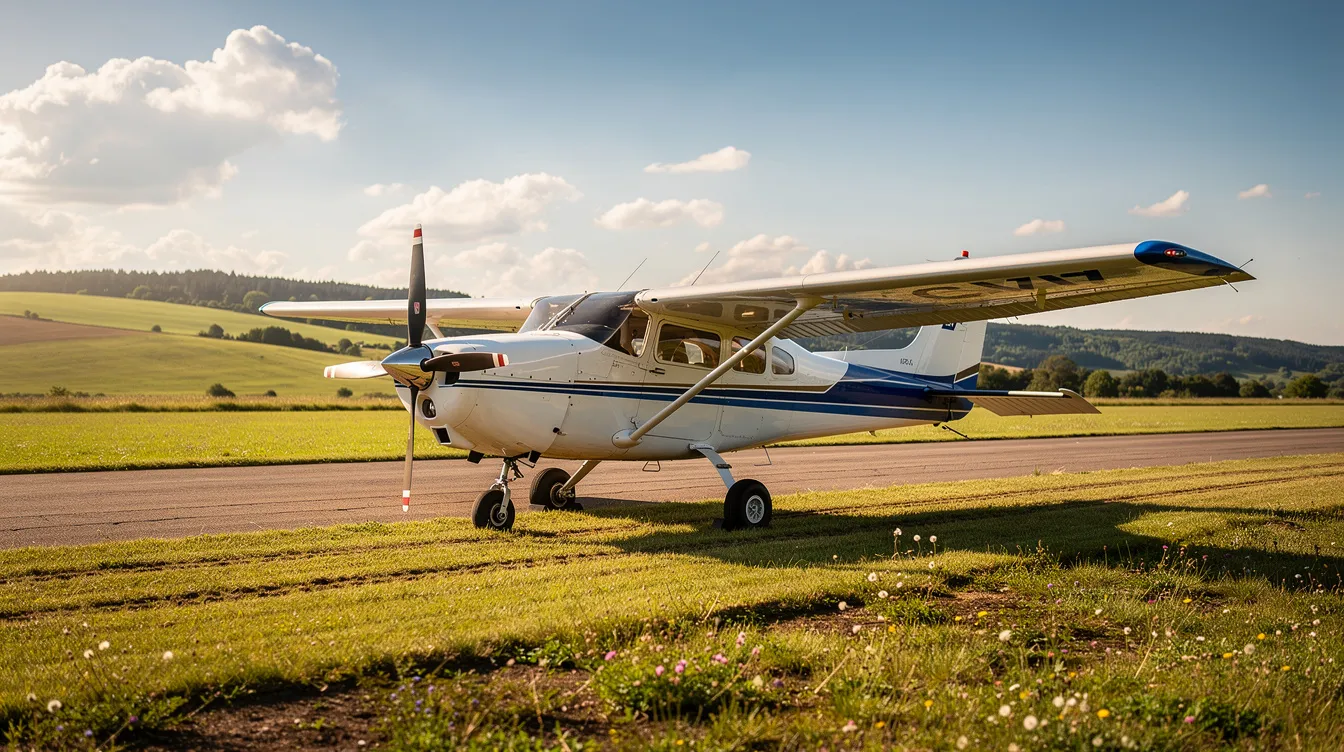
Whether you're a pilot shopping for your first personal plane or an executive weighing the leap into private jets, understanding what airplanes actually cost in 2026 is the essential starting point. This small plane price list covers everything from $22,000 vintage trainers to multi-million-dollar light jets—and explains when accessing a jet makes more financial sense than owning one.
Quick small plane price list (answer first)
The purchase price of a small plane ranges from $8,000 to over $1 million for piston aircraft, while private jets can start at $1.5 million and climb steeply from there. Today, 15,319 aircraft are currently for sale worldwide, listed in 85 countries, with asking prices ranging from $1,052 to $21,984,000 and a median asking price of $165,000.
Here are the 2026 price bands you can expect across each category:
Aircraft category | Typical 2026 purchase price | Typical use |
|---|
Used training or sport plane (Cessna 150, Piper Cherokee 140) | $25,000–$60,000 | Training, time building, weekend flying |
New light sport aircraft (LSA) | $80,000–$200,000 | Recreational flying |
New piston single (Cessna 172S, Cirrus SR20) | $430,000–$600,000 | Personal and regional travel |
Very light jet (Cirrus Vision Jet) | About $2.5M–$3.0M new; $1.6M–$2.1M used | Short regional trips |
Light private jet (Citation CJ3+) | About $9M–$11M new; $6M–$8M used | Business and leisure travel |
Private jet charter | Typically $3,000–$14,000 per flight hour | Access without ownership |
For frequent flyers who want jet-level travel without the capital outlay of owning, BlackJet's Jet Card programs offer prepaid blocks of hours with transparent, locked-in rates. Detailed breakdowns by aircraft type follow below.
What counts as a “small plane” vs. a private jet?
In general aviation, “small plane” covers a broad range: light aircraft categories include ultralights, single-engine pistons, and multi-engine planes, plus very light jets used as a personal plane. A “private jet” typically means a pressurized, turbine-powered aircraft with higher speed, range, and cabin comfort—usually crew-flown.
Here's how the categories break down with 2026 prices:
Aircraft category | Typical 2026 price range | Examples |
|---|
Piston single | $80,000–$700,000 | Cessna 172, Piper Archer, Cirrus SR20 |
Light twin piston | $450,000–$1.5M | Beechcraft Baron 58, Piper Seneca V |
Very light jet (VLJ) | $800,000–$3.0M | Cirrus Vision Jet, Eclipse 500 |
Light private jet | $6M–$12M | Citation M2, CJ3+, Embraer Phenom 300E |
Many BlackJet clients choose access over owning to avoid fixed costs, depreciation, and the regulatory burden of aircraft ownership. The sections below separate purchase prices, annual cost figures, and hourly access rates so you can compare options with clarity. You can also review the best small private aircraft for different missions when matching planes to your travel profile.
Entry-level personal planes under $100,000
These are older, used planes ideal for time building, weekend flying, and nostalgia—not business-class travel. Small planes have ongoing fixed and variable operating expenses, and operating costs scale directly with flight hours flown, so even a cheap acquisition demands careful budgeting.
Specific aircraft with realistic 2026 used prices are part of a broader universe of affordable new and used planes for aspiring pilots:
Aircraft | Typical used price | Cost or ownership note |
|---|
Cessna 150 (1960s–1970s) | About $25,000–$50,000 | Burns 6 gallons of fuel per hour; annual insurance ranges from $150 to $1,100. |
Piper Cherokee 140 (1960s–1970s) | Average retail value of $25,000; airworthy examples may reach $60,000 | Annual maintenance is around $3,000. |
Luscombe 8 | Average used price of $22,000 | Annual insurance ranges from $500 to $740. |
Beechcraft Skipper (late 1970s–1980s) | Commonly $35,000–$65,000 | Availability and condition vary by listing. |
ERCO Ercoupe 415 (1940s) | About $22,000 for basic flyers; $50,000+ restored | Restoration and condition influence value. |
Aeronca 7AC Champ and similar taildraggers | Typically $30,000–$55,000 | Older airframes may need additional work. |
Owning a small plane incurs expenses for hangar storage or outdoor tie-downs. Insurance premiums for small aircraft depend on hull value and pilot experience. Even at this price point, maintenance, hangar, and insurance can run $8,000–$15,000 per year for active owners. Fuel costs for small aircraft are typically $30 to $105 per hour. Ongoing maintenance costs for small planes can range between $3,000 and $7,000 annually, and average annual ownership costs can significantly exceed the initial purchase price.
Modern small planes and light sport aircraft ($100,000–$700,000)
This band covers new or late-model planes designed with glass cockpits, modern avionics, and improved comfort. It sits between the cheapest options and other budget-friendly private aircraft choices, including entry-level jets and turboprops. Modern avionics can significantly increase the purchase price of an aircraft, but they can also improve situational awareness and resale value. Annual fixed costs for small planes in this class can range from $7,000 to $30,000 or more depending on usage.
Representative aircraft and 2026 ballpark prices:
Aircraft | Approximate 2026 price | Notes |
|---|
New light sport aircraft (Flight Design F2, Tecnam P2008) | Usually $180,000–$280,000 equipped | Equipment and configuration affect price. |
New Cessna 172S Skyhawk | Around $480,000–$520,000 | List price with Garmin G1000 NXi. |
Piper Archer LX (PA-28-181) | Typically $530,000–$650,000 new | A four-seat piston single. |
Cirrus SR20 | About $550,000–$650,000 new; late-model used around $380,000–$520,000 | Avionics and condition affect resale. |
Cirrus SR22 / SR22T | Roughly $800,000–$1.2M new | Upper end of the personal piston category. |
For comparison, a Beechcraft Bonanza burns 15 gallons of fuel per hour—a step up from trainers. These planes can suit physicians, entrepreneurs, and owner-pilots who self-fly regional trips with family. Most models are suitable for one pilot and up to three passengers.
Compared with even the smallest jets, piston aircraft cost a fraction to buy but cannot match jet speed, range, or cabin pressurization. Annual operating costs for a modern piston single flown 100–150 hours per year run about $35,000–$70,000, including fuel, maintenance, insurance, and hangar.
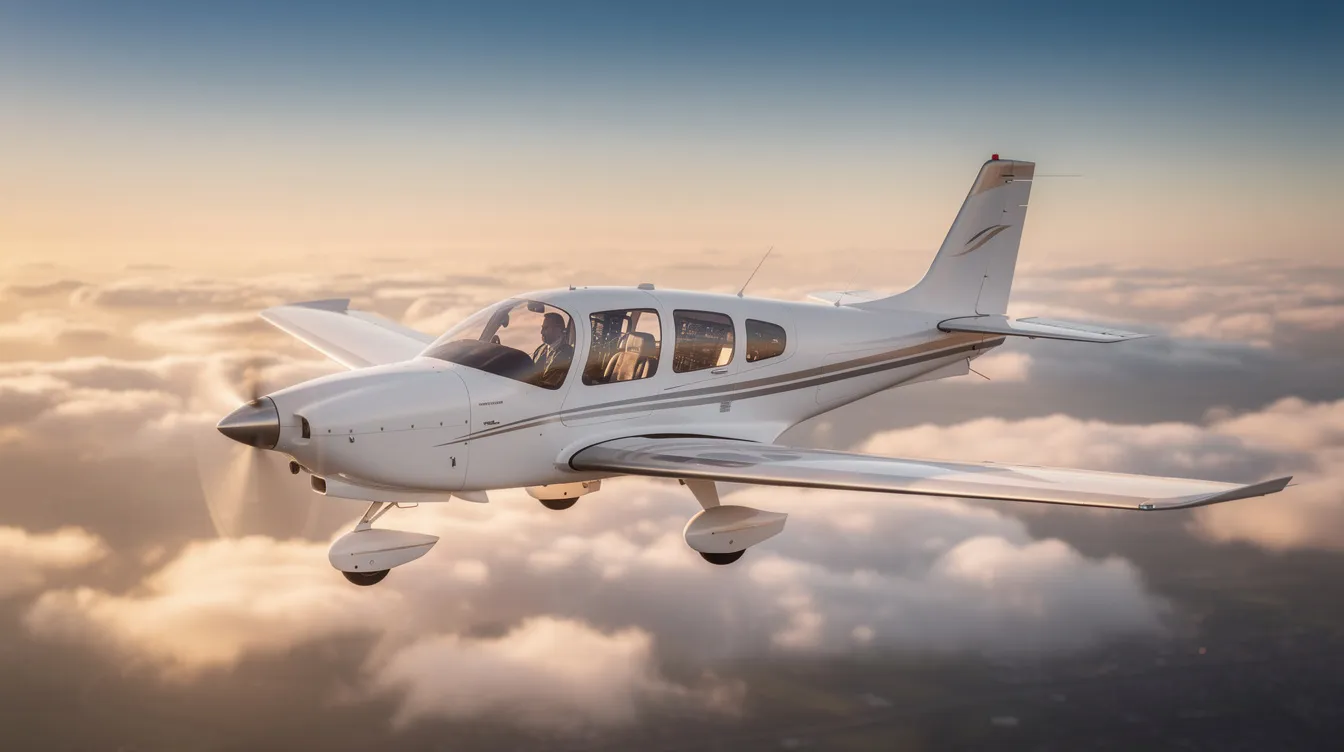
Affordable very light jets and small private jets (ownership prices)
If you're considering stepping from a piston personal plane into a true private jet you own, here's where research meets reality, especially if you're evaluating the features of a typical $5 million light or midsize jet. Private jets can start at $1.5 million for older very light jet models on the used market, and travelers focused strictly on price often begin by researching the cheapest private jet options available.
Key models with 2026 market prices:
Private jet | Approximate 2026 price | Typical profile |
|---|
Cirrus Vision Jet G2/G2+ | Approximately $1.96 million used; around $2.5M–$3.0M new | Seats five passengers comfortably and is operated by one pilot. |
Eclipse 500 / Eclipse 550 | Early 500s often $800,000–$1.2M; upgraded 550s about $1.4M–$1.8M | Very light jets; inspect maintenance history closely. |
Cessna Citation M2 Gen2 | Typically $6.0M–$7.0M new; late-model used around $4.0M–$5.5M | Owner-operator or crewed use, depending on operation. |
Cessna Citation CJ3+ | Around $8.3 million new; 2014–2018 used models around $6.0M–$8.0M | A light jet for business and leisure trips. |
Embraer Phenom 300E | Roughly $10M–$11.5M new; late-model used about $7.5M–$9.5M | A larger light-jet option. |
These are genuine jets capable of 400+ knots, pressurized cabins, and ranges of about 1,000–2,000+ nautical miles. The difference between “owner-operator” jets (Vision Jet, M2) and crew-flown light jets (CJ3+, Phenom 300E) is significant in both capability and annual cost. Operating a small private jet 200–300 hours per year commonly costs $800,000–$1.8M annually when factoring in crew, hangar, maintenance reserves, and fuel.
This is why many high-net-worth travelers use BlackJet's Jet Card model to access aircraft of similar size without tying up money in a $5M–$10M asset. Compare that route with a broader private jet price list of ownership and charter options.
Owning a small plane vs. accessing private jets with a Jet Card
For frequent travelers, the strategic choice often comes down to owning a personal plane, owning a small private jet, or using access programs like BlackJet's premium private jet cards and programs.
Consideration | Personal piston plane | Small private jet | BlackJet Jet Card |
|---|
Initial commitment | $25,000–$700,000 purchase; largely illiquid | $1M–$12M purchase, with capital and depreciation risk | Prepaid blocks of 25 or 50 hours, starting from a low six-figure commitment |
Cost profile | Fuel, maintenance, insurance, storage, inspections | Crew, fuel, hangar, maintenance reserves, insurance | Locked-in hourly rates by cabin size; no ownership expenses |
Flexibility | Fly the aircraft you own | Tied to a single airframe unless supplemented | Choose aircraft type per trip, subject to program terms and availability |
Management | Owner handles upkeep and regulatory responsibilities | Owner arranges crew, maintenance, and aircraft management | Digital booking and real-time support manage trip logistics |
Predictable cost vs. variable ownership: Understanding Jet Card cost per hour and pricing structures is central to comparing these models fairly.
Jet Card hourly rates are locked in per cabin size, with no surprise engine-overhaul bills or avionics upgrades. Clear Jet Card pricing structures and fees can make annual budgeting simpler than ownership. Ownership, by contrast, requires budgeting for maintenance spikes and unscheduled repairs. Aircraft engines generally require a major overhaul after approximately 2,000 flight hours.
Sample use case: An executive flying New York–Miami round-trips 25 times per year—about 125 flight hours—might spend $1M+ annually owning a light jet. A detailed look at 50-hour jet card cost and value shows how prepaying smaller hour blocks can right-size spending for many travelers. A BlackJet Jet Card on light or midsize jets could provide greater flexibility and fewer ownership costs, plus the ability to choose aircraft type per trip rather than being locked into one airframe.
BlackJet also ensures all flights are carbon neutral by default, a point of distinction from traditional ownership.
How much does it cost to fly a private jet instead of owning a small plane?
This section focuses on hourly and trip pricing for charter and Jet Card flying using 2026 U.S. market numbers.
Typical hourly rate bands by aircraft size: These ranges closely mirror what you’ll see when researching how much it costs to rent a private jet by the hour.
Aircraft category | Typical hourly rate | Example aircraft |
|---|
Turboprop | About $3,000–$4,500 | Pilatus PC-12, King Air 250 |
Very light jet | Around $3,500–$5,000 | Vision Jet, Eclipse, Citation M2 |
Light jet | About $4,500–$7,000 | Citation CJ3+, Phenom 300 |
Midsize / super midsize | Roughly $6,500–$10,000 | Citation XLS+, Citation Sovereign+ |
Large cabin / long-range | Typically $10,000–$17,000+ | Embraer Legacy 650E |
For reference, the Citation XLS+ is priced around $12.8M new, the Cessna Citation Sovereign+ costs about $18 million, and the Embraer Legacy 650E is priced at $25.9 million.
Route examples with estimated all-in trip costs:
Route | Aircraft category | Estimated flight time | Estimated all-in trip cost |
|---|
New York (TEB) to Miami (OPF) | Light jet | 2.5 hours | Roughly $15,000–$20,000 |
Los Angeles (VNY) to Aspen (ASE) | Super midsize | About 1.7 hours | About $15,000–$22,000 |
London (Luton) to Nice (LFMN) | Light jet | 2 hours | Approximately $16,000–$22,000 |
Jet Card pricing like BlackJet's is typically all-in, with known hourly rates that include fuel, standard catering, and most fees—simplifying your budget compared with ad hoc charter.
Key factors that change the price of a small plane or private jet
List price is only a starting point. Real-world pricing shifts with condition, age, and the broader market. With 5,322 new aircraft entries listed in just the last 30 days, the market is active. The median age of aircraft for sale is 1994, indicating that much inventory consists of older airframes.
Price factor | How it affects cost |
|---|
Age and total time | Newer, low-time airframes command a premium; complete maintenance records support resale value. |
Avionics | Modern glass panels can add $100,000+ compared with older analog instruments. |
Engine status | Time since overhaul can shift value substantially; annual inspections are required every 12 months for standard airworthy aircraft. |
Cabin configuration | A refreshed interior, Wi-Fi, and paint can improve resale appeal. |
Market demand | Institutional buyers and tax depreciation strategies can affect small-plane demand. |
Operating expenses | Fuel, crew, maintenance, insurance, and hangar fees vary by aircraft and usage. |
BlackJet's model internalizes many operating variables so clients see a transparent hourly rate rather than managing each cost line themselves. Guides like this one on understanding overall Jet Card cost and membership pricing explain how those numbers are built.
Safety, sustainability, and technology when comparing options
For discerning travelers, a small plane price list is only useful when framed by safety, environmental impact, and technology. Flying your own personal plane as a private pilot is different from flying with professionally trained, type-rated crews on private jets. Some travelers bridge the gap by buying individual seats on private jets through shared and semi-private services.
Operator certifications and third-party audits (ARGUS, Wyvern, IS-BAO) matter when selecting any private jet provider. Comparing the best jet cards for frequent flyers also means reviewing safety standards alongside price and flexibility. BlackJet's partner network operates under strict Part 135 safety standards with vetting beyond legal minimums.
On sustainability, BlackJet automatically offsets 100% of flight emissions for Jet Card members, making every booked flight carbon neutral without extra steps. Modern aircraft offer advanced avionics—such as synthetic vision and envelope protection—that can reduce pilot workload. BlackJet's digital booking platform and 24/7 real-time flight support handle changes and diversions that individual small-plane owners must manage themselves.
Serious travelers should weigh not only the sticker price but also the ecosystem of safety, sustainability, and technology around each option.
FAQ: small plane prices, private jet ownership, and Jet Cards
Is buying a small personal plane cheaper than flying private jets?
The purchase price can be lower, but total ownership expenses often surprise low-hour pilots. Jet Cards can be more efficient for some travelers flying fewer than 150–200 hours per year, depending on trip patterns and program terms.
What is the cheapest private jet I can own?
Used Eclipse 500s and older very light jets often trade under $1M–$2M in 2026, but high operating and maintenance costs remain. Many buyers also examine the cheapest private aircraft and other budget-friendly options before deciding. Find listings worldwide, but insure and budget carefully.
How much do I need to budget yearly to own a small jet?
Estimates for a light or midsize private jet flying 200–300 hours commonly land at $500,000–$1.5M+ per year, depending on aircraft, crew, and operating arrangements.
Can I get business-grade private jet access without buying an aircraft?
Yes. Charter and Jet Card memberships like BlackJet's provide access to private aircraft with rates and availability subject to program terms. You can compare Flexjet jet card costs and features or evaluate NetJets jet card pricing and programs, then read more about how Jet Cards compare with other options.
Are BlackJet flights truly carbon neutral?
BlackJet states that automatic carbon offsets are built into every Jet Card flight at no extra cost to the traveler. Subscribe to BlackJet's updates to discover new sustainability initiatives.
Conclusion: Make the right choice for your travel goals
A small plane price list is a useful starting point, but purchase price is only one part of the decision. Ownership also brings recurring costs for fuel, maintenance, insurance, storage, and inspections—expenses that can add up quickly, especially when an aircraft flies infrequently. For pilots who value hands-on flying and use a personal plane regularly, ownership may fit. For travelers whose priority is efficient, flexible transportation, private jet access can offer a more practical alternative to buying and managing an aircraft.
Compare the complete annual cost, the trips you expect to take, and the level of support you need. BlackJet Jet Cards provide prepaid access to multiple aircraft categories without the capital commitment of ownership, alongside digital booking, real-time flight support, rigorous safety standards, and carbon-neutral flights. Explore BlackJet’s Jet Card programs to find an approach to private aviation that fits your travel needs.
Elevate your travel—effortlessly. Whether you're reviewing a $30,000 Cessna or evaluating a $10M light jet, the real question is whether owning or accessing better serves your goals. With BlackJet, private flight isn't reserved for a few—it’s accessible on your terms through Jet Card programs built with rigorous safety, carbon-neutral performance, and flexibility. Explore BlackJet's Jet Card programs and discover how refined, meaningful air travel can become your new standard.


 Sign up with google
 Sign up with Apple