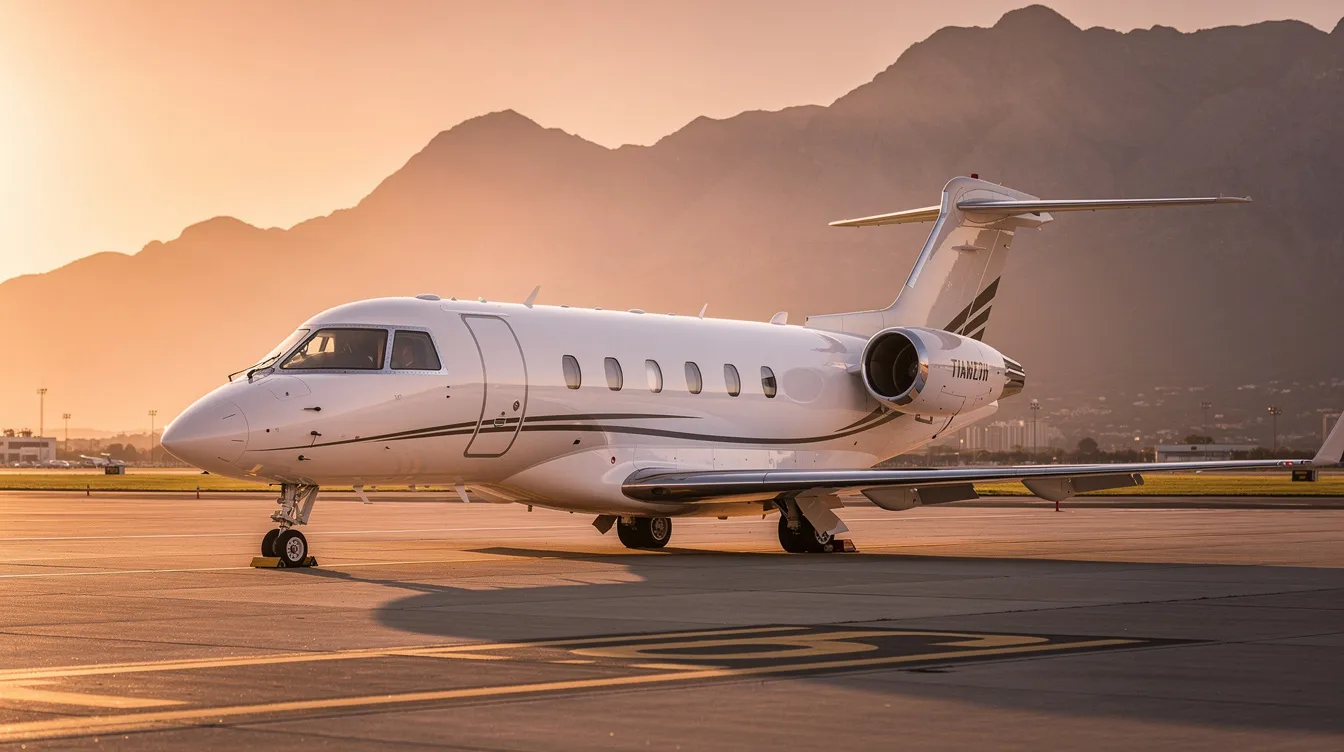
The opening question for any executive or high-net-worth traveler browsing private jets for sale is rarely about horsepower-it's about time. This guide breaks down the small jet market, compares ownership against Jet Card access, and helps you decide which path delivers real value for the way you actually fly.
Key Takeaways: Small Jets for Sale vs. Jet Card Access
Time is your greatest asset: Small jets save hours compared to commercial flights, offering a strategic advantage for business and leisure travelers alike.
Very Light Jets vs. Light Jets: VLJs seat 2–5 passengers with shorter range and lower costs, ideal for quick regional hops. Light jets accommodate 6–7 passengers, fly farther, and provide more cabin comfort and baggage space.
Pricing and ownership costs: New very light jets range from $1.5M to $3.5M, while new light jets cost $5.75M to nearly $12M. Annual operating costs vary widely, with light jets typically costing $500,000 to over $1 million annually.
Ownership suits high utilization: Buying a small jet makes financial sense if you fly 250+ hours per year. Below that, Jet Cards offer flexible, cost-effective access without capital risk or maintenance hassles.
Jet Cards provide flexibility and sustainability: BlackJet’s Jet Card program offers carbon-neutral flights, 24/7 booking, and access to a range of certified light and very light jets tailored to your mission profile.
Safety and technology are paramount: Modern avionics, third-party safety audits, and rigorous maintenance programs ensure peace of mind whether you own or fly via Jet Card.
Choosing between ownership and Jet Card access depends on your unique travel needs, budget, and desire for convenience. BlackJet empowers you to fly smarter, safer, and more sustainably.
Why Small Jets Matter for Strategic Travel (and Why to Read This First)
A 45-minute regional flight from Teterboro to Chicago on a private jet replaces 3–4 hours of commercial travel when you factor in check-in, security, boarding, and the inevitable gate change. That time recovery is not a luxury-it's a strategic advantage in business aviation.
When people search "small jet for sale," they typically mean aircraft in the very light jet and light jet categories: two to eight passengers aboard models like the Cirrus Vision SF50, Cessna Citation CJ series, Embraer Phenom 100/300, HondaJet, or Pilatus PC-24. But buyers face two distinct paths: purchase a small private jet (new or pre owned), or access the same aircraft through a Jet Card program like BlackJet's, withoutthe capital risk.
This article covers prices, mission profiles, popular jets, ownership costs, and how Jet Cards compare to owning outright, building on our broader overview of small private jets' luxury travel options.
Light Jets Overview: What Counts as a "Small Jet" Today?
Small jets fall into two primary categories:
Very light jets (VLJs): Typically seat 2–5 passengers, with a range between 1,325 nm and 1,610 nm. They can operate with a single pilot, making them efficient for single pilot operations on short regional hops. Maximum take-off weights stay well under 10,000 lbs.
Light jets: Typically seat 6–7 passengers comfortably, with ranges pushing 1,800–2,000+ nm. Light jets have a maximum take-off weight between 10,001 and 20,000 pounds, carry more fuel, and offer more cabin volume.
Small jets usually have a range between 1,000 and 1,800 nautical miles, placing them squarely within the types of private jets aimed at regional and medium-haul missions. Think routes like New York–Chicago, LA–Denver, or London–Geneva-often under three hours block time. These are not transcontinental aircraft, but they weren't designed to be. Unlike turboprops, they cruise at jet speeds (300–450 knots) while accessing smaller airfields.
Compact light jets like the Cirrus Vision SF50 and Citation Mustang sit at the entry point of jet travel, ideal for four passengers and light baggage. Stepping up to a Citation CJ3+ or Phenom 300 opens access to larger cabins, longer range, and more seating flexibility.
BlackJet's Jet Card gives members access to this entire light jet category without locking into a single aircraft type.
Popular Small Jets for Sale (Very Light and Light Jets)
Below are the aircraft models buyers and Jet Card users ask about most, with key facts for each, alongside considerations covered in our guide to the best small private aircraft for every need.
Very Light Jets:
Cirrus Vision SF50 (Vision Jet): Single-engine VLJ with seating for four passengers plus two smaller seats. Features the CAPS whole-airframe parachute, a safe feature for owner-pilots and personal flying. Pre owned 2016–2018 models trade around $1.77–$1.9M; newer G2+ variants push $3.2–$3.6M.
Cessna Citation Mustang: Entry-level Citation with four seats plus a belted lavatory, range ~1,150 nm. Pre-owned examples list between $1.5M–$2.7M.
Embraer Phenom 100/100EV: Comfortable VLJ for four passengers, single-pilot certified, with better cabin volume than the Mustang.
Light Jets:
Cessna Citation CJ series (CJ1–CJ4): The backbone of the light jet market. Typical 5–7 passenger layouts with FJ44 engines, produced across the 2000s–2020s. The Cessna Citation II sold 607 units since 1971, establishing the brand's dominance in this segment.
Embraer Phenom 300/300E: With 483 units built before the Phenom 300E variant, this is one of the most popular light jets worldwide. Seats up to 8–9 passengers, with strong performance and interior refinement.
HondaJet HA-420 / Elite: Distinctive over-the-wing engine design and generous cabin for its class. The HondaJet Elite received its FAA type certificate in December 2015, marking Honda’s first serious entry into the aviation industry. Honda continues to evolve the model with the Elite II and Echelon variants.
Pilatus PC-24: A "super versatile" light jet with short-field and rough-strip capability, a large cargo door, and a 6–8 passenger executive interior. First deliveries started around 2018; pre-owned examples trade between $9.5M and $13.9M.
Older types like the Hawker 400 occasionally appear in inventory at lower price points but carry trade-offs in age and avionics generation, similar to many private jets for sale under 10 million that balance value against age and upgrade history.
BlackJet clients frequently fly on these exact models via the Jet Card, with aircraft selected per trip based on mission needs rather than one fixed airframe.
Mission Profile: How to Match a Small Jet to the Way You Actually Fly
Your mission profile-typical trip length, passenger count, luggage, and frequency-should drive aircraft choice more than any brand name or paint scheme. Matching aircraft to mission is the rule that separates efficient private aviation from expensive mistakes.
3–4 passengers, short regional trips (Boston–Toronto, Dallas–Atlanta): Very light jets are ideal for short day trips like these. A Cirrus Vision or Phenom 100 handles the distance and passenger count efficiently.
5–7 passengers, family or team travel (Miami–Nassau, London–Nice): A family of this size needs a light jet with more cabin volume. Note that light jets can have limited baggage storage capacity, so factor in ski gear or extended-trip luggage when you filter your options and understand how private jet sizes impact comfort and storage.
Range considerations: Citation Mustang covers ~1,150 nm; Citation CJ3+ reaches ~2,000 nm; Phenom 300E handles 2,000+ nm with four passengers.
The trade-off is real: smaller jets deliver lower operating costs and better efficiency on short legs, but offer limited baggage and no stand-up cabin. Larger light jets trade some cost for comfort and payload.
BlackJet's advisory team helps members map their annual mission profile, say, 15 trips from New York to Florida plus 10 to the Midwest-and match the optimal cabin class within a Jet Card, driven by data rather than a single aircraft purchase.
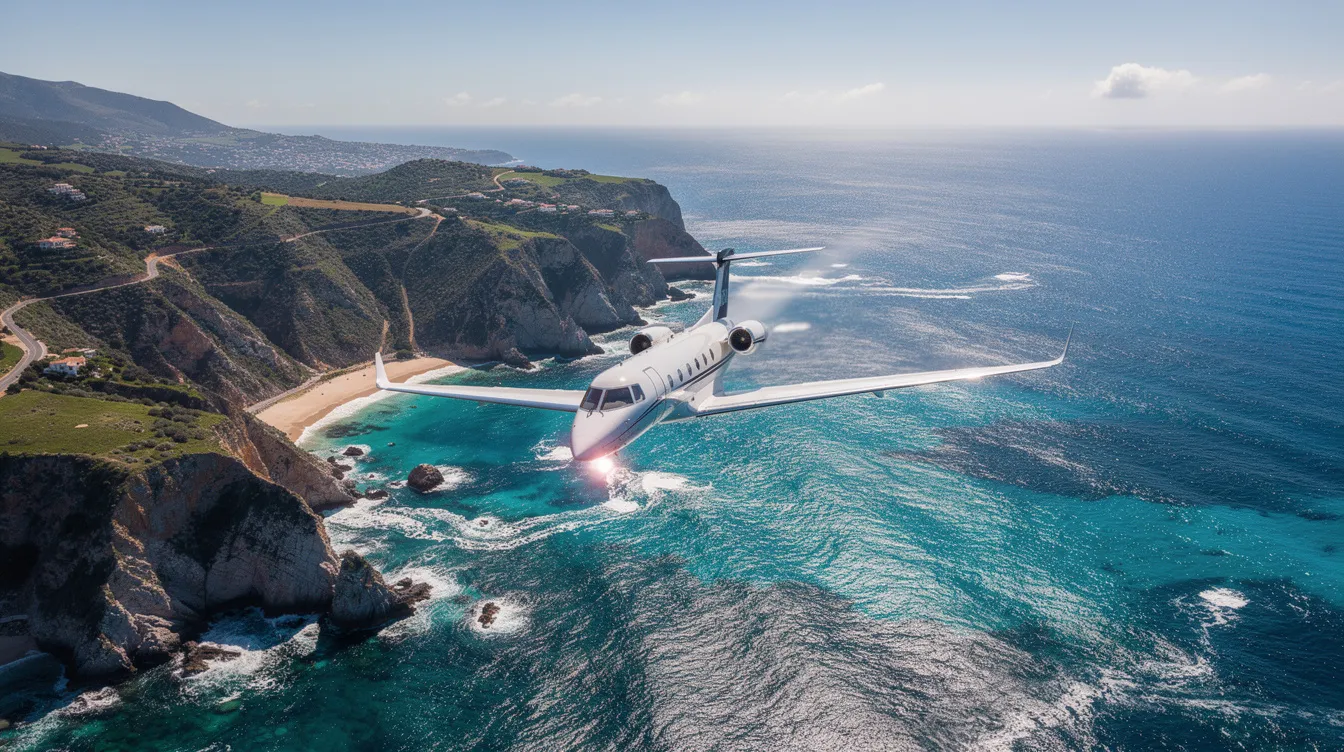
Small Jet for Sale: Typical Pricing and Ownership Costs (2024–2026)
Acquisition costs:
Category | New Price Range | Pre-Owned Range |
|---|
Very Light Jets | $1.5–$3.5 million | $1M–$2.5M (10–15 years old) |
Light Jets | $5.75 million–$11.886 million (new light jets can cost between $7 million and $12 million for well-equipped models) | $3 million–$6 million |
Average listed price (all private jets) | $5,007,300 | Varies by age and condition |
Pre-owned aircraft provide significant upfront cost savings. Used small jets can offer a 50% discount compared to new models. However, new jets provide full warranties, and the latest technology, and pre owned light jets pricing varies based on age, condition, tt (total time), and avionics generation—considerations that also shape the landscape of cheapest private aircraft options.
Annual ownership costs for a privately owned light jet used 200–300 hours per year:
Annual operating costs for light jets often range from $500,000 to over $1 million. The total cost of ownership includes hangar fees and pilot salaries, plus insurance, training, and management.
Hourly operating costs for light jets range from $1,400 to $1,900-significantly lower than larger jets. Operating costs for light jets are lower than those for larger jets; for comparison, annual fixed costs for midsize jets range from $800,000 to $1.2 million, and variable costs for midsize jets add $2,200 to $2,800 per flight hour.
Many jets listed for sale emphasize enrollment in programs like TAP Blue, JSSI, or ProParts because these programs materially affect resale value and dispatch reliability.
Buyers should budget not just for acquisition but for the full annual cost structure before making a purchase decision, ideally within the broader context of an understanding private jet price list that includes charter, fractional, and Jet Card models.
Buying vs. Jet Card Access: Is Owning a Small Jet Really the Smart Move?
Ownership becomes sensible above roughly 250–300 flight hours per year. Many private fliers, however, log closer to 25–100 hours annually-a range where ownership means paying steep fixed costs for an aircraft that sits idle most of the year, making it crucial to understand Jet Card pricing structures before committing capital.
Three options compared:
Full ownership: Maximum control, but capital-intensive, with depreciation risk and exposure to maintenance events (hot section inspections, phase checks) that can ground your aircraft.
On-demand charter: Flexible, but pricing fluctuates and availability can be unpredictable, leaving you waiting during peak periods.
Jet Card membership: BlackJet's 25-hour and 50-hour Jet Cards offer guaranteed access at fixed hourly rates, with the ability to select the right cabin class per trip-a very light jet for a two-person day trip, a light jet for a six-person weekend—an approach that aligns with the principles outlined in our guide to understanding Jet Card cost.
For a traveler flying 40–80 hours per year, a Jet Card typically delivers lower total cost, zero residual value risk, and no exposure to the maintenance events that can sell an owner short, especially when compared against the best jet cards for frequent flyers across the market. BlackJet's Jet Cards are carbon-neutral by default, include 24/7 support, and source aircraft meeting strict safety and certification standards, as detailed in the core overview of BlackJet premium private jet cards and programs.
Safety, Technology, and Sustainability in Small Jet Travel
For serious travelers, safety and environmental progress matter as much as leather seats ora paint job.
Avionics and safety: Modern light jets feature WAAS/LPV approach capability, synthetic vision (Garmin SVT, SmartView), ADS-B In/Out, and Gogo Avance Wi-Fi-delivering better situational awareness and in-flight connectivity. These results translate to safer operations in challenging weather and more productive time aloft.
Operator standards: BlackJet only sources aircraft from vetted operators meeting recognized safety standards and third-party audits. Many fleet aircraft are enrolled in robust engine and avionics programs, ensuring reliability and consistent dispatch readiness. The brand stands behind every flight in its network.
Carbon-neutral flights: BlackJet calculates flight emissions based on fuel burn, aircraft type, and distance, then offsets them through certified carbon-capture projects at no extra cost to the Jet Card member.
Case Studies: When a Jet Card Beats "Small Jet for Sale" Searches
Many clients start by searching "small jet for sale" and end up choosing a Jet Card after running the numbers, sometimes stepping up to options like a 100-hour Jet Card cost structure when their usage justifies it.
The New York executive: A managing director flying 30 round-trips per year between Teterboro and cities like Chicago and Atlanta, needing five seats. A light jet Jet Card with BlackJet covers every leg without capital outlay, making each trip a variable cost rather than a fixed burden.
The California family: A family of four in Los Angeles doing monthly trips to Aspen and Napa, sometimes needing room for skis and extra luggage. Access to a mix of very light jets and larger light jets through a Jet Card gives better flexibility than a single Cirrus Vision purchase-no aircraft mismatch, no compromise, while still aligning with many of the cheapest private jet options for entry-level ownership or access.
The EU entrepreneur: Flying London–Zurich and London–Milan frequently, this client saves 2–3 hours per trip versus commercial business class. Jet Card hours are booked digitally within minutes, with no aircraft management overhead. Across 40–60 hours per year, the time recovered justifies every pound spent.

FAQs: Small Jets, Light Jets, and BlackJet Jet Cards
What's the difference between a very light jet and a light jet?
Very light jets seat 2–5 passengers, offer a shorter range (1,325–1,610 nm), and operate with lower costs. Light jets seat 6–7, fly farther (1,800–2,000+ nm), and provide more cabin and luggage space.
How many passengers can most small private jets carry?
VLJs carry up to four passengers comfortably; light jets handle 6–7 with generous seating and a lavatory, while the largest private jets for sale can accommodate far more passengers and amenities for long-haul missions.
When does it make sense to buy vs. use a Jet Card?
Buy when you consistently fly 250+ hours per year with stable routes. For 25–100 hours, a Jet Card typically offers lower total cost and zero ownership risk.
Can I request specific models like a Cessna Citation or Cirrus Vision with BlackJet?
Yes, members can request specific aircraft categories or models based on availability. This flexibility is a core advantage over ownership.
Are pre-owned light jets reliable?
They can be highly reliable. A thorough review of maintenance logs is essential before purchasing an aircraft. Look for enrollment in engine programs-aircraft enrolled in engine maintenance programs are more desirable. Services like a guardian jet evaluation or an independent pre-buy inspection provide confidence. Check tt, remaining time to overhaul, and whether the aircraft was always hangared—steps especially relevant when evaluating a premium UK private jet for sale.
Are private jets ever carbon neutral?
With BlackJet, every flight is carbon neutral. Emissions are calculated and offset through certified projects at no additional cost, even on more budget-conscious aircraft similar to those discussed in our guide to the cheapest private aircraft.
What safety standards should I expect from BlackJet's network?
Third-party safety audits, modern avionics, highly trained pilots with recurrent training, robust insurance, and aircraft enrolled in manufacturer or aftermarket maintenance programs—all foundational to products like the BlackJet 25+ Hour Jet Card.
Conclusion: Making the Right Choice for Your Private Jet Needs
Choosing between buying a small jet for sale and accessing private aviation through a Jet Card like BlackJet's ultimately depends on your unique travel patterns, budget, and desire for flexibility. Ownership offers unparalleled control and customization but comes with significant upfront investment and ongoing fixed costs that make sense only for those flying 250+ hours annually. Conversely, BlackJet’s Jet Card program delivers ready access to a fleet of certified, modern, very light and light jets without the capital risk, maintenance worries, or depreciation exposure.
For executives and discerning travelers seeking strategic time savings, seamless booking, and carbon-neutral flights, Jet Cards provide a premier solution that adapts to your mission profile, especially when you fully understand Jet Card cost and pricing across providers. Whether you need a nimble Cirrus Vision for a quick regional trip or a spacious Phenom 300 for a larger group, BlackJet’s curated network ensures safety, technology, and sustainability are always part of the journey, even if you occasionally prefer to buy a seat on a private jet rather than commit to ownership.
Explore how BlackJet can elevate your private jet travel—discover flexible, efficient, and responsible aviation access tailored to your lifestyle and business demands, whether you’re comparing NetJets Jet Card cost to other programs, evaluating the best private jet for 20 passengers, or planning large-group trips on the best private jet for 50 passengers.


 Sign up with google
 Sign up with Apple