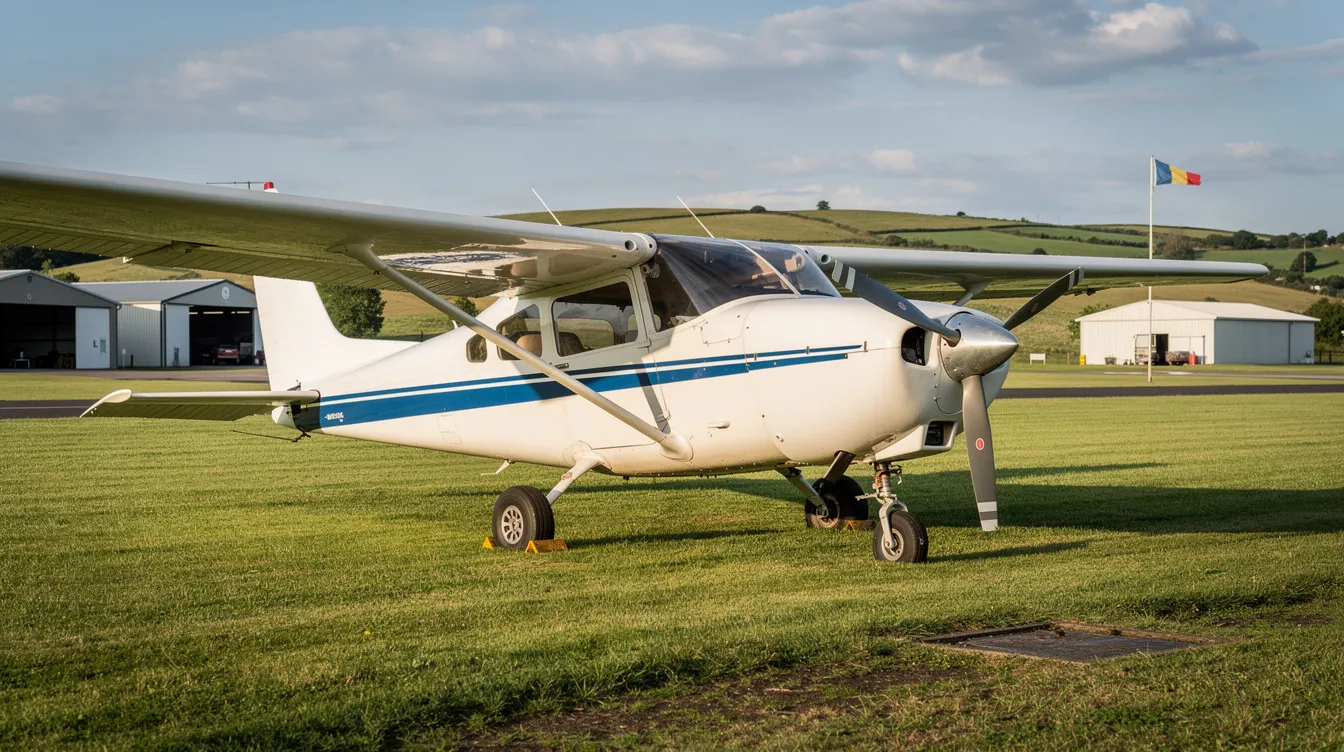
The purchase price of a single-engine aircraft typically ranges from $15,000 to over $1,000,000, but the sticker price tells less than half the story. This guide is designed for prospective aircraft buyers, pilots, and aviation enthusiasts who want a clear understanding of all costs involved in single-engine plane ownership and operation. Knowing the full cost picture is essential for making informed decisions about purchasing, operating, or accessing private aircraft.
This guide breaks down every cost involved in owning and operating single-engine planes in 2026, from fuel and insurance to hangar storage and engine reserves, then compares full aircraft ownership against flexible private aviation access models.
Single-Engine Plane Cost at a Glance in 2026
A single-engine plane cost in 2026 starts as low as $20,000 for a flyable 1960s trainer and climbs past $6 million for a new turboprop like the Pilatus PC-12 NGX. Small planes typically range from $20,000 to over $2 million depending on type, age, and equipment.
Here are the numbers that matter most:
Initial purchase price for older 2-seat trainers (Cessna 150/152): roughly $22,000 to $45,000; median asking price sits near $52,500 for a Cessna 150 in late 2026
New 4-seat piston singles with glass cockpit displays (Cessna Skylane, Cirrus SR20 G7+): $694,900 to $772,000 equipped
High performance aircraft like the Cirrus SR22 G7+: $937,900; Beechcraft Bonanza G36: approximately $1,404,000
Annual ownership costs for simple 2-seat singles: $8,000 to $12,000 at 100 flight hours per year
Annual operating costs for single-engine aircraft in the 4-seat category can total between $20,000 and $40,000, depending on aircraft condition, hours flown, and location
Fuel costs, insurance costs, maintenance costs, annual inspections, storage costs, and engine reserves typically exceed the initial purchase price over a 5-to-10-year span
For travelers who want private aviation access without the capital outlay and ongoing expenses of aircraft ownership, BlackJet’s premium private jet card programs offer a carbon-neutral Jet Card model that converts unpredictable ownership costs into predictable, trip-based access across multiple cabin classes.
What Is a Single-Engine Plane? Key Aircraft Types and Missions
A single-engine aircraft uses one powerplant, either a piston engine (100 to 300 HP) or a turboprop. This distinguishes it from multi-engine planes and light jets, which carry two or more engines, require additional ratings, and operate at a higher cost.
Common aircraft types and missions include:
2-seat trainers (Cessna 150/152, Aeronca Champion): used for pilot training, time-building, and local VFR flying; cruise speed 90 to 110 knots, range 250 to 400 nm
4-seat tourers (Cessna 172 Skyhawk, Piper PA-28 Cherokee/Archer, Diamond DA40NG): family trips and short business hops; cruise speed 120 to 140 knots, IFR-capable with modern avionics
High-performance singles (Cirrus SR22/SR22T, Beechcraft Bonanza G36): fast regional travel; cruise speed 160 to 220 knots, retractable landing gear or constant-speed props, higher fuel burn at 15 to 18 GPH
Single-engine turboprops (TBM 960, Pilatus PC-12 NGX): a bridge toward light jets; cruise speed 250 to 300+ knots, 1,000+ nm range, pressurized cabins, Jet-A fuel, crew sometimes required
Mission profile drives cost. Flying frequent short hops with many takeoff and landing cycles increases engine and airframe wear. Carrying 4 to 5 passengers with luggage over 700+ nm routes demands a larger, more expensive aircraft type. Two passengers on a 200 nm weekend hop can fly in a simple trainer; a business trip with clients across three states needs something faster.
Initial Purchase Price: What Single-Engine Planes Really Cost in 2026
The aircraft market in 2026 spans a wide price ladder. In the used aircraft market, single-engine aircraft prices are shaped by age, condition, avionics, and demand. Macroeconomic conditions also influence prices across the board.
Here is where the major categories land:
Legacy 2-seat trainers (Cessna 150/152, Aeronca Champion): used Cessna 150s can cost as little as $30,000; well-restored Aerobat variants reach $60,000 to $70,000. These are the cheapest planes that remain practical for private flying.
Older 4-seat pistons (early Cessna 172, Piper PA-28-140 Cherokee, Beechcraft Musketeer): older Cessna 172 models can be found for around $40,000, while better-equipped models run $100,000 to $250,000 depending on avionics and engine time.
Modern glass-cockpit 4-seat singles (late-model 172S, Diamond DA40NG, Piper Archer): newer glass-cockpit singles often start above $400,000. The Cirrus SR20 G7+ lists at $694,900 and the Cessna Skylane CE-182T at $772,000 in 2026 equipped pricing.
High-performance singles (Cirrus SR22T G7+, Beechcraft Bonanza G36): prices range from $937,900 for the SR22 to $1,404,000 for the Bonanza G36 fully equipped.
Single-engine turboprop aircraft (TBM 960, Pilatus PC-12 NGX): these specialized planes can range from $1 million to over $6 million. A new PC-12 NGX lists around $6.3 million; late-model used examples sell for $5.0 to $7.0 million.
Aircraft valuation involves considering damage history and compliance with maintenance records. Complete maintenance logbooks can elevate an aircraft's resale value, while hidden defects discovered during a thorough pre-purchase inspection can crater it. Buyers in the used aircraft market should verify damage history and maintenance records before purchase. Budget-conscious buyers should expect to spend an extra 10 to 20% of the purchase price within the first 24 months on avionics upgrades, interior work, paint, and catching up on deferred routine maintenance.
Total Ownership Costs: Beyond the Sticker Price
The final cost of owning a small plane is not the check you write on day one. Over a 5-to-10-year period, recurring costs and ongoing expenses often exceed the initial purchase price, especially for aircraft flown 80 to 150 hours annually.
The main cost buckets:
Fuel costs (avgas or Jet-A)
Oil and consumables
Maintenance and unexpected repairs
Annual inspections
Hangar or tiedown storage
Insurance premiums
Financing interest
Taxes and registration fees
Engine and propeller reserves
Maintenance expenses can represent between 10% and 45% of annual costs, varying with the aircraft's age and complexity. Ownership costs increase with the complexity of systems such as retractable landing gear, turbocharging, pressurization, and advanced modern avionics, all contributing to higher yearly operating expenses. Ownership costs scale with systems complexity: retractable landing gear, turbocharging, pressurization, and advanced modern avionics all add to the total yearly operating expenses.
Sample annual budget for a typical 4-seat single-engine piston aircraft flown 100 hours per year:
Cost Category | Annual Range |
|---|
Fuel (8-12 GPH at $5-$7/gal) | $4,000 - $7,000 |
Maintenance and annual inspections | $2,000 - $6,000 |
Hangar or tiedown | $1,200 - $7,000 |
Insurance | $1,500 - $3,000 |
Engine reserve | $3,000 - $5,000 |
Subtotal (before financing) | $11,700 - $28,000 |
These figures exclude loan payments, taxes, and avionics subscriptions, which push total costs higher.
Key takeaways:
Fuel, maintenance, storage, insurance, and engine reserves are the primary recurring expenses.
Total annual costs for a typical 4-seat single-engine piston aircraft can range from $11,700 to $28,000 before financing and taxes.
Additional costs such as loan payments, taxes, and avionics subscriptions can significantly increase the total yearly outlay.
Operating Expenses in Detail: Fuel, Inspections, Insurance, Storage
Fixed costs (hangar lease, minimum insurance, loan payments) accumulate whether you fly or not. Variable costs (fuel, oil, wear items, engine reserves) scale with expected annual flight hours. For most aircraft owners, fuel costs may account for up to 70 percent of variable operational costs.
Fuel costs
The 2026 price for 100LL avgas runs $5 to $8 per gallon across U.S. FBOs, with rural airports typically cheaper than urban airports. Fuel burn varies by type:
Aircraft | GPH | Fuel Cost/Hour ($6/gal) | 50 hrs/yr | 100 hrs/yr | 150 hrs/yr |
|---|
Cessna 150 | ~6 | $36 | $1,800 | $3,600 | $5,400 |
Cessna 172 | ~9-10 | $54-$60 | $2,700-$3,000 | $5,400-$6,000 | $8,100-$9,000 |
Cirrus SR22T | ~17 | $102 | $5,100 | $10,200 | $15,300 |
Inspection costs and routine maintenance
Annual inspections for small planes cost between $750 and $2,200, depending on aircraft type and shop location. Oil changes every 50 hours run approximately $150 to $250 each. The major expense that aircraft owners must plan for: engine overhauls cost $25,000 to $60,000+ depending on engine model, and savvy owners budget engine reserves of $15 to $25 per flight hour to avoid a single devastating bill.
Insurance costs
Insurance premiums for small aircraft insurance range from $1,200 to $3,000 annually for most single-engine piston aircraft. Insurance premiums depend on hull value, pilot total time, instrument ratings, claims history, and whether the aircraft is hangared. High-performance aircraft and turboprops push premiums to $3,000 to $6,000+ for pistons and $10,000 to $20,000 for turboprops.
Storage costs
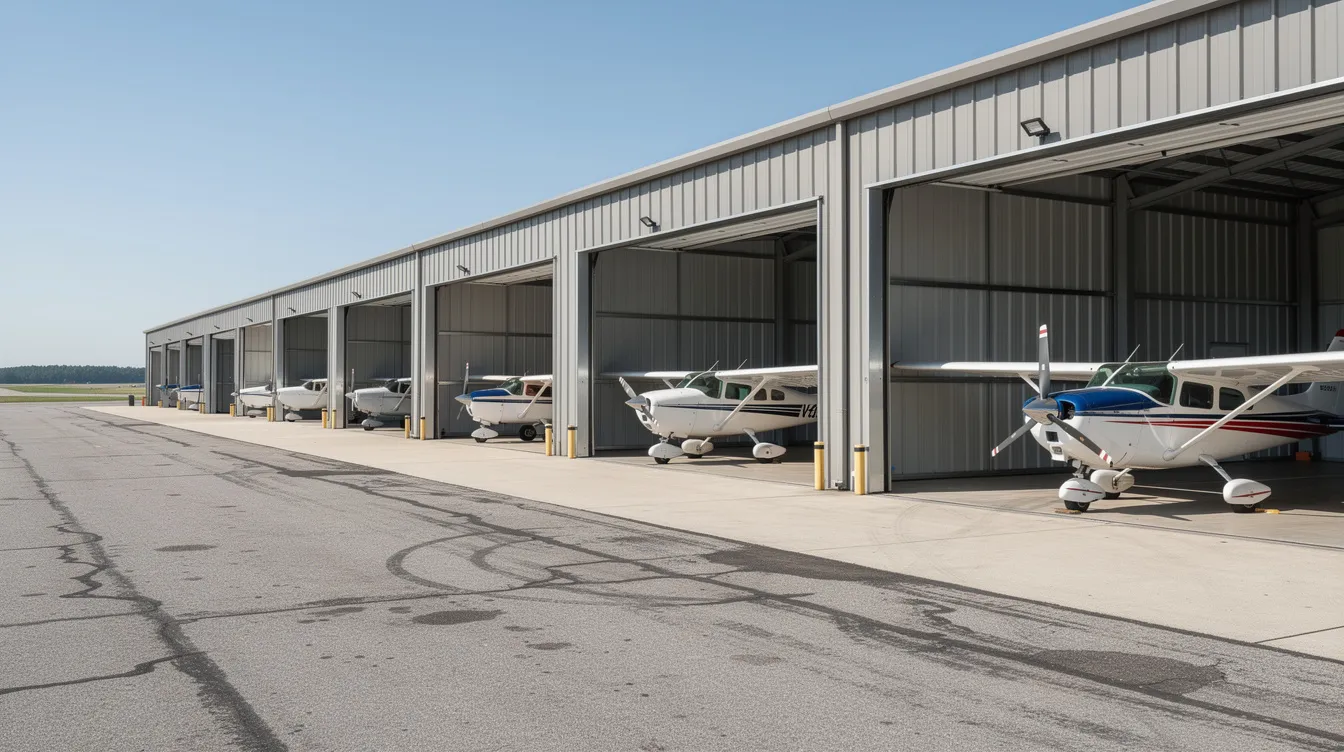
Storage costs vary widely based on location and type. Outdoor tiedown costs range from $50 to $200 monthly. Hangar fees typically range from $300 to $600 monthly, though busy metro markets push hangar space rental to $800 or more. Urban airports charge more for storage than rural airports. Annual storage costs can add up to $3,000 to $7,200. Hangar storage reduces weather wear and may lower insurance costs, but it raises fixed ongoing costs for aircraft owners.
Financing, Taxes, and Other "Invisible" Costs
Many buyers finance aircraft purchases through loans, turning the purchase price into a long-term line item alongside all other ongoing expenses.
Financing costs
Interest rates for aircraft loans range from 5% to 7% for well-qualified borrowers purchasing newer certified pistons in 2026. Older aircraft or weaker credit profiles push APRs to 8 to 10%+. A typical down payment for a small plane is 15% to 20%. Factors influencing loan interest rates include credit score and aircraft condition.
Worked example for a small plane purchase: financing a $300,000 aircraft with 20% down ($60,000) over 15 years at 7% APR. The principal financed is $240,000, resulting in monthly payments of approximately $2,150. Financing costs can add $50,000 to $70,000 over the loan's life, and for longer terms or higher rates, total interest can reach $150,000 to $180,000.
Taxes and registration
Most U.S. states charge sales or use tax on aircraft purchases at rates of 5 to 10% of the purchase price. Some jurisdictions assess annual property tax on aircraft ownership. FAA registration costs $5 every three years, though state and local fees vary.
Other additional costs
Avionics upgrades (ADS-B Out, glass cockpit, autopilot): $15,000 to $60,000+
Paint and interior restoration: $8,000 to $30,000
Chart and database subscriptions, EFB apps, oxygen bottle servicing, de-icing boot upkeep for applicable aircraft types
For a fuller picture of what private aircraft really cost to operate, and how they compare with different private jet access models, see this guide to private jet operating costs and this overview of the private jet price list and access options.
Ownership Cost Benchmarks by Aircraft Type
These profiles assume 100 annual flight hours and sole ownership. Annual operating expenses range from $8,000 to $12,000 for the simplest aircraft and climb steeply from there.
Budget 2-seat trainer (Cessna 150/152): annual ownership costs range from $8,000 to $12,000. Fuel ~ $3,500 to $4,500, insurance ~ $1,000 to $1,500, storage ~ $600 to $1,500, maintenance ~ $2,000 to $3,000, engine reserves ~ $1,000 to $2,000.
Mainstream 4-seat tourer (Cessna 172, Piper PA-28-180 Cherokee, Diamond DA40): $15,000 to $25,000 per year. Higher fuel burn, more expensive annuals, and typically more costly hangar space drive the increase.
High-performance piston (Cirrus SR22T, Beechcraft Bonanza G36): $30,000 to $50,000+ per year. The SR22 alone carries fixed annual expenses near $88,000 before fuel when fully accounting for hull insurance, database subscriptions, and capital costs on a new airframe. Pilots looking for lower budgets can explore the cheapest private aircraft and budget-friendly options before committing to higher-cost models.
Single-engine turboprop (TBM 960, Pilatus PC-12): total yearly operating expenses exceed $300,000, including high fuel burn (60 to 70 GPH), turbine maintenance programs, crew costs, and insurance.
Higher cruise speed (200+ knots in an SR22T vs. 120 knots in a Cessna 172) cuts trip time, but the hourly operating costs double or triple. For travelers who want the speed of light jets without the fixed cost structure, jet card programs convert those expenses into pay-per-trip access; a detailed breakdown of jet card membership pricing can help you compare these options against owning a high-performance single.
Pilot Training, Flying Clubs, and Cost-Sharing Options
Before owning a small plane, you need the license to fly it. Pilot training costs are separate from aircraft ownership but substantial.
Pilot training
Private pilot license training costs range from $10,000 to $20,000 depending on location, aircraft rental rates, and how quickly the student progresses. Training includes ground school, flight instruction, and exams. Flight hours required for certification typically range from 40 to 70, though 60 to 75 is common in practice. Additional ratings (Instrument, Commercial) can add $5,000 to $10,000 each but improve safety and often reduce insurance premiums.
Most flight schools charge $150 to $250 per hour wet (fuel included) for a trainer like the Cessna 172, plus $50 to $80 per hour for instructor time.
Flying club and co-ownership options
A flying club pools fixed costs (hangar, insurance, annual inspections) among members who pay a buy-in share plus monthly dues and an hourly wet rate. For a private pilot flying 30 to 80 hours per year, club membership or shared aircraft ownership can reduce personal costs by 50 to 70% compared with sole ownership. The Aircraft Owners and Pilots Association is a useful resource for finding a flying club and comparing membership costs. Trade-offs include scheduling conflicts, shared responsibility for maintenance decisions, and limited aircraft types.
Fractional ownership models exist for larger aircraft as well, sitting between full ownership and the best jet cards for frequent flyers. For an overview, see this guide to fractional jet ownership. Those primarily focused on entry-level budgets can also compare the cheapest private jet options and operating strategies before stepping up to more complex aircraft. Travelers comparing providers can also review an analysis of the top private jet companies for luxury travel to understand how major brands structure ownership and access.
Clubs and partnerships reduce the financial burden of small plane ownership, but they don't solve peak-time availability or access to different aircraft types for different missions, which is where on-demand charter, options to buy a seat on a private jet, and jet card models fill the gap.
Owning vs Chartering vs Jet Cards: When Does Aircraft Ownership Make Sense?
The right aircraft access model depends on how many hours you fly per year and where your capital priorities lie.
Ownership
Best suited for pilots flying 150 to 200+ hours per year who value total control over their cockpit, schedule, and maintenance history. Fixed ownership costs accumulate whether you fly zero hours or two hundred. Below roughly 100 to 120 hours per year, the per-hour economics of ownership often lose to other models; frequent travelers can compare this directly with a 100-hour jet card cost guide to see which structure fits their flying profile.
Charter
Ideal for travelers flying 20 to 60 hours per year who do not want to handle maintenance, insurance, or hangar logistics. Typical piston single charter rates run $350 to $700 per hour; turboprops cost $1,000 to $2,000 per hour inclusive of fuel and crew, while travelers eyeing membership models can benchmark those figures against a 50-hour jet card cost breakdown and a broader guide to jet card pricing structures and fees. For a broader comparison of when private jet charter makes sense, see this analysis of whether chartering a private jet is worth it, and for a breakdown of how much it costs to rent a private jet alongside small aircraft rental and charter costs, see this guide to chartering a small plane.
Jet Card and membership models
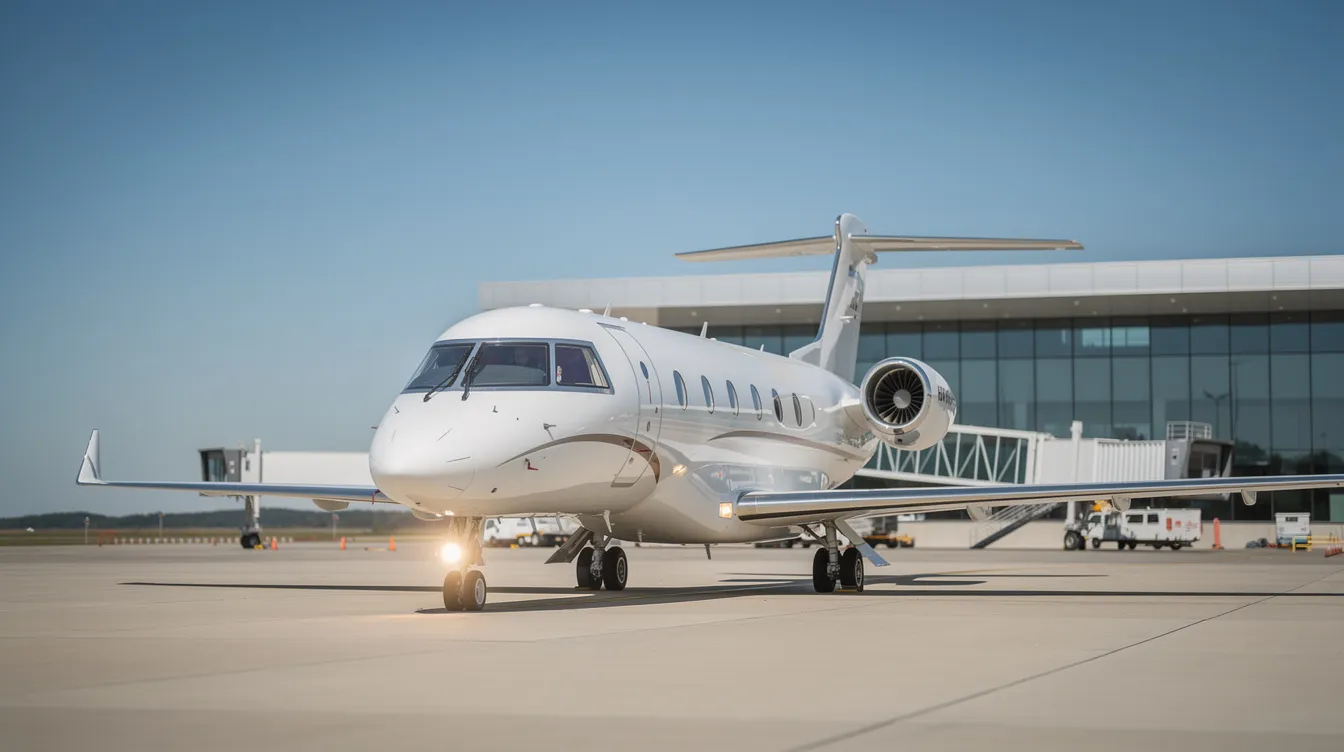
BlackJet's Jet Card programs pre-purchase blocks of time on light jets and other cabin classes, letting travelers compare jet card cost per hour directly against their estimated ownership cost per flight hour, and benchmark these options against competitors by reviewing Flexjet jet card pricing and features. For detailed pricing, see the 2026 Private Jet Card Pricing guide. Benefits over owning a single-engine plane include:
No capital tied up in a depreciating airframe
Access to multiple aircraft categories with professional crews
24/7 digital booking and real-time flight support
Carbon-neutral flights as standard, with no personal offset management
Low operating costs per trip compared with ownership at low utilization
Side-by-side scenario
An executive flying 10 to 12 regional round-trips per year (400 to 800 nm each) with 3 to 4 passengers: owning a Cirrus SR22T means $30,000 to $50,000 in annual expenses plus the initial capital outlay, pilot responsibilities, and 3+ hour flights at 200 knots, while those considering a step up to larger aircraft can study the features of a 20 million dollar private jet to see how long-range jets change the economics of business travel. Using a BlackJet Jet Card on a light jet cuts each leg to under 2 hours at 400+ knots, with a secured cabin for working, no maintenance burden, and predictable per-hour jet card pricing per hour. For a dedicated owner-pilot flying every weekend (150+ hours), ownership still makes financial sense; for everyone else, the math favors access over ownership.
Safety, Technology, and Sustainability: Hidden Drivers of Single-Engine Plane Costs
Modern avionics and safety features carry both upfront and ongoing costs, but they change the value equation for private flying.
Safety and avionics
Avionics suites common in 2026 include the Garmin G1000 NXi, Perspective+, and G3000. Retrofitting an older aircraft with a full glass panel, autopilot, synthetic vision, and ADS-B can cost $30,000 to $80,000+. Modern glass cockpits and advanced avionics increase an aircraft's valuation, but they also raise acquisition and maintenance costs. These systems support safer single-pilot operations through envelope protection, terrain awareness, and traffic alerting.
Regulatory requirements
ADS-B Out has been mandatory in most controlled U.S. airspace since 2020, adding several thousand dollars per aircraft for older fleets that needed retrofit. Ultralight aircraft and aircraft operating outside controlled airspace face fewer mandates, but reduced access to busy airspace limits their utility.
Sustainability
Unleaded avgas initiatives are accelerating, and as leaded 100LL supplies shrink, premium pricing or fuel substitution will add variable costs for piston operators. For turboprops and light jets, Sustainable Aviation Fuel (SAF) costs more than conventional Jet-A, raising per-hour fuel bills. BlackJet provides carbon-neutral flights as standard, absorbing the complexity and cost of offsets that individual aircraft owners would need to manage independently.
Owner-pilots rely on their own training discipline, maintenance shop selection, and personal checklists for safety. Top-tier private jet providers like BlackJet's operator partners maintain structured safety management systems audited by third parties such as ARG/US and Wyvern, creating a consistency that individual ownership cannot replicate.
Case Studies: Real-World Single-Engine Cost Scenarios vs BlackJet Access
Example 1: The weekend pilot
A private pilot buys a 1975 Cessna 172 for $85,000 and flies 60 hours per year. Annual breakdown: fuel at 10 GPH and $6/gallon = $3,600; insurance $2,200; tiedown at a rural airport $1,200; annual inspection $1,500; routine maintenance $1,800; engine reserves $2,000. Total annual expenses: approximately $12,300, or $205 per flight hour. The airplane works well for $200/hour recreation, but it sits idle 98% of the year.
Example 2: The regional business executive
An executive needs 12 round-trips per year covering 500 nm legs with 3 passengers. Owning a Cirrus SR22T ($937,900 purchase price, $35,000 to $50,000 annual costs, 3-hour legs at 200 knots) requires a private pilot license, instrument rating, and ongoing flight training. Using a BlackJet Jet Card on light jets cuts each leg to roughly 1.5 hours, frees the executive to work in-cabin, and avoids the $900,000+ capital commitment. At 12 trips (48 flight hours), jet card pricing converts into predictable trip-based expenses with no hangar, insurance, or maintenance burden; options like the BlackJet 25+ Hour Jet Card illustrate how fixed hourly rates can replace the unpredictability of ownership costs.
Example 3: The family splitting time between two homes
A family flies 35 to 50 hours per year, seasonally, often with 4 to 5 passengers and luggage. Owning a 4-seat piston leaves them short on payload; owning a 6-seat turboprop costs $300,000+ annually to keep ready. Mixing occasional turboprop or light jet BlackJet trips for small groups with chartering the best private jet options for around 20 passengers when extended family travels together, plus periodic aircraft rental from local flight schools, produces lower total costs and better mission flexibility than any single-aircraft purchase.
FAQs on Single Engine Plane Cost, Ownership, and Private Jet Alternatives
What is the cheapest realistic budget to buy and operate a single-engine plane?
Used Cessna 150s can cost as little as $30,000. Annual operating expenses for a simple 2-seat trainer run $8,000 to $12,000 at roughly 100 hours per year. Total first-year cost for a budget-conscious buyer: approximately $40,000 to $42,000.
How many hours per year justify full aircraft ownership compared to charter or a jet card?
Most analyses place the break-even at 100 to 150 annual flight hours. Below that threshold, charter or jet card models often deliver lower total cost and no fixed ownership burden.
How much do annual inspections cost for a simple fixed-gear single-engine aircraft?
Annual inspections cost between $750 and $2,000 for most fixed-gear singles. Complex aircraft with retractable landing gear or turbocharging push inspection costs higher, sometimes to $3,000 or more.
Can I reduce ownership costs through a flying club or shared ownership?
A flying club or partnership can cut personal annual expenses by 50 to 70%. The trade-offs: shared scheduling, group maintenance decisions, and capital calls when the engine or propeller needs overhaul.
What are typical fuel costs per hour for popular single-engine models?
A Cessna 172 burns roughly 9 to 10 GPH, costing $54 to $60 per hour at $6/gallon. A Cirrus SR22T burns about 17 GPH, costing around $102 per hour. Fuel costs may account for 70% of variable operational costs for most piston singles.
How does BlackJet pricing compare to owning a single-engine plane for business travel?
BlackJet's Jet Card converts the capital outlay, maintenance, insurance, and storage of ownership into a predictable per-hour rate with access to light jets and larger cabin classes. For executives flying fewer than 100 hours per year, understanding jet card cost per hour and the overall cost to fly private through a jet card is often lower than the total yearly operating expenses of high-performance piston ownership, with higher speed and no pilot responsibility.
Are carbon-neutral flights available through private aviation providers?
BlackJet includes carbon-neutral operations as standard across all Jet Card programs, covering offset costs that individual aircraft owners would need to source and fund independently.
Choosing the Smartest Path to the Sky
The initial purchase price of a single-engine plane is only the entry fee. Fuel costs, maintenance costs, annual inspections, insurance premiums, hangar storage, and pilot training define real affordability over a decade of flying. For the dedicated owner-pilot logging 150+ hours every year, owning the right aircraft remains a sound decision. For everyone else, the total costs of small plane ownership often outweigh the benefits when measured against flexible access.
BlackJet delivers the strategic advantages of private aviation (time reclaimed, privacy, tailored aircraft types, carbon-neutral performance) without the financial and operational weight of full aircraft ownership. Explore BlackJet's Jet Card programs and discover how light jets, midsize, and large-cabin access can complement or replace a single-engine plane in your travel strategy.
Join BlackJet's Jet Card program for predictable, premium private travel with safety, sustainability, and flexibility built in.


 Sign up with google
 Sign up with Apple