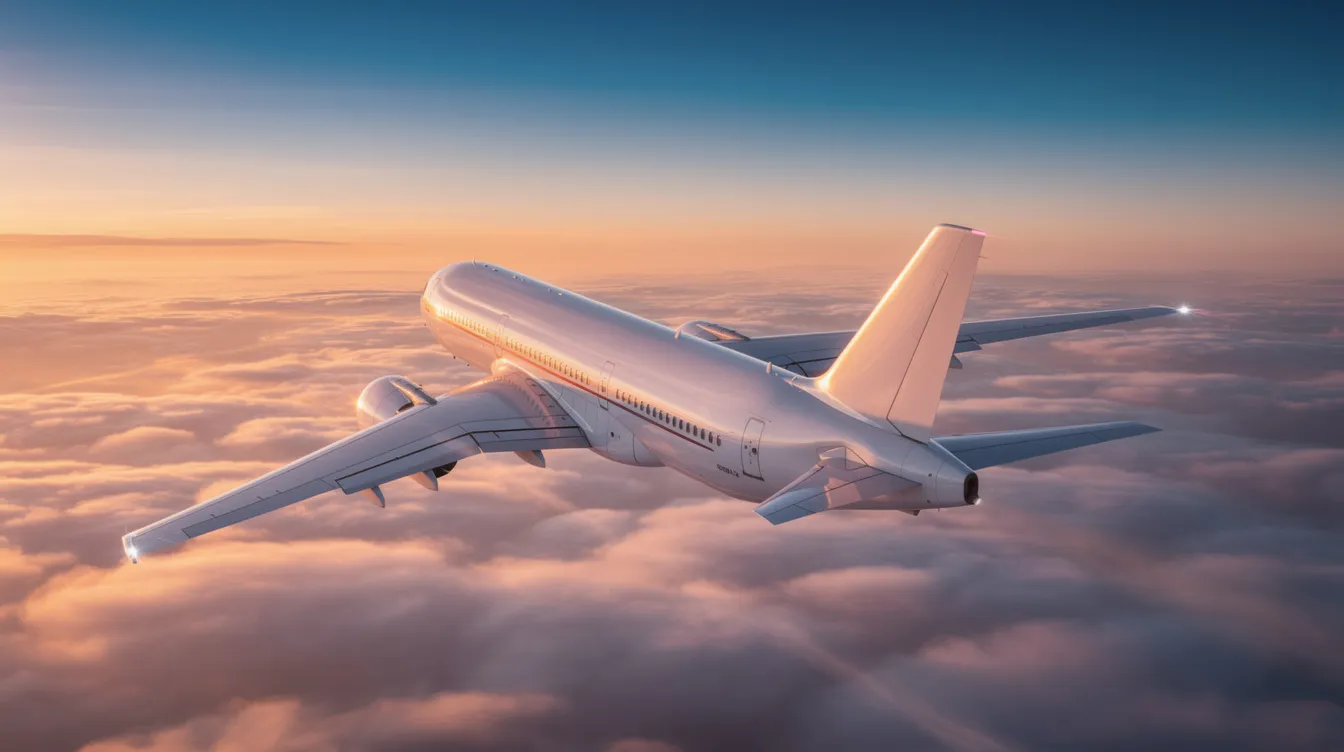
The passenger jet has evolved dramatically over the past seven decades. This guide is designed for business travelers, aviation enthusiasts, and private flyers who want to understand how modern passenger jets impact global travel and what new developments mean for those considering private aviation options. In 2027, the aircraft connecting continents are lighter, quieter, and more efficient than anything that came before-and the gap between what commercial airlines offer and what private aviation delivers has never been more strategically interesting for high-value travelers.
Overview: What Is a Passenger Jet in 2027?
A passenger jet is a turbine-powered, fixed-wing aircraft engineered to carry large numbers of people safely and efficiently across regional, long-haul, and ultra-long-haul routes. Passenger jets come in narrow-body and wide-body configurations, with passenger capacity averaging 100 to 600+ based on size category. They primarily use turbofan engines for propulsion, typically feature swept-back wings to reduce drag, and generally cruise at speeds of 450 to 580 mph at altitudes between 30,000 and 42,000 feet.
These aircraft are designed for speed, comfort, and safety. Pressurized cabins allow passengers to breathe normally at high altitudes, while environmental control systems regulate cabin temperature and pressure throughout the flight. On the ground, the auxiliary power unit provides electrical power and air conditioning while the aircraft is parked. The landing gear follows a tricycle arrangement, and passenger jets require longer paved runways compared to propeller planes-a trade-off for their superior range and performance.
What makes the 2027 landscape different from even five years ago is a sweeping fleet renewal driven by rising fuel costs, sustainability mandates, and leaps in technology. Airlines are replacing older jets with models that burn 20–25% less fuel per seat. For travelers and business leaders seeking even greater flexibility, BlackJet bridges the gap between commercial airline performance and private aviation control through its Jet Card programs, delivering comparable safety standards with far more scheduling freedom.
How Passenger Jets Rewrote Global Travel
Before the jet age, crossing the Atlantic meant days aboard an ocean liner. The de Havilland Comet entered service in 1952 as the world's first time a commercial passenger jet flew scheduled routes. Boeing's 707 followed in 1958, and the story accelerated: the Boeing 747 (service 1970) democratized long-haul air travel, the Airbus A320 (1987) introduced fly-by-wire to narrow-bodies, and the Boeing 777 (1995) proved twin-engine wide-body jets could dominate transcontinental routes.
More recently, the Boeing 787 Dreamliner (2011) and Airbus A350 (2015) rewrote efficiency standards with composite fuselages. Even the Concorde, though retired in 2003, proved the demand for speed among premium travelers-a demand now met differently through private aviation.
The contrast with propeller aircraft underscores the revolution. Propeller airplanes cruise between 100 and 200 mph and are limited to altitudes below 25,000 ft with a typical range of up to 1,500 miles. Jets cruise at 400–600+ mph, fly at 35,000–45,000+ ft, and cover over 5,000 miles nonstop. For executives, that difference translates to hours reclaimed-and it's precisely why business aviation grew alongside airlines, with private jets mirroring airline ranges but trading seats for privacy and productivity.
Major Passenger Jet Types: Narrow-Body, Wide-Body, and Regional
Understanding the three main categories of commercial plane models helps frame both the airline experience and the private alternative.
Aircraft type | Typical configuration and capacity | Typical range | Common use |
|---|
Narrow-body | Single aisle; 100–240 seats | 1,500–3,500 nautical miles | High-frequency short- and medium-haul routes |
Wide-body | Twin aisle; 230–500+ seats | 5,000–9,700 nautical miles | Long-haul and intercontinental routes |
Regional jet | Single aisle; 70–120 seats | Under 1,500–2,000 nautical miles | Regional service and connections to major hubs |
Narrow-body jets: Single aisle, 100–240 seats, typically 1,500–3,500 nautical mile range. The Boeing 737 MAX family and Airbus A320neo family dominate high-frequency routes like London–Rome or New York–Miami. These planes power the daily rhythm of commercial airlines worldwide.
Wide-body jets: Twin-aisle, 230–500+ seats, 5,000–9,700 nautical mile range. The Boeing 777, 787, Airbus A330neo, and A350 underpin transatlantic and transpacific networks. The iconic A380, while still flying with several major airlines, is declining as carriers favor more cost-effective twin-engine models.
Regional jets: 70–120 seats, optimized for sectors under 1,500–2,000 nautical miles. The Embraer E175/E195-E2 and Airbus A220 (formerly the Bombardier CSeries) feed passengers from smaller cities into major hubs. Turboprops still operate on the shortest routes, but regional jets dominate where speeds and comfort matter.
For private travelers, BlackJet's Jet Card lets members match aircraft to mission-choosing light, midsize, or long-range jets and other types of private jets to mirror or beat airline schedules on similar routes.
Key Passenger Jet Models in Service in 2027
Here is a concise survey of the flagship passenger jets flying today, grouped by manufacturer.
Airbus:
A320neo family (A319neo, A320neo, A321neo/XLR): 150–240 seats, up to ~4,700 nautical miles for the A321XLR-enabling thin long-haul routes like Boston–Dublin
A330neo: medium- to long-haul workhorse
A350-900 and A350-1000: long and ultra long haul flagships, including the A350-900ULR variant at ~9,700 nautical miles range
Boeing:
737 MAX series (MAX 7 through MAX 10): 15–20% fuel efficiency gains vs. older NG models, with new engines powered by CFM LEAP technology
787-8/9/10 Dreamliner: composite fuselage delivering ~20–25% lower fuel burn vs. the 767
777-300ER and 777-8/9: high-capacity long-haul with the 777X expected to reshape airline fleet planning
Regional and emerging manufacturers:
Embraer E-Jet E2 family for regional service
COMAC C919 now certified and operating with early carriers in China
CRAIC CR929 wide-body program in development, though not yet in commercial service
The A321XLR and A350-900ULR matter most to time-sensitive travelers. These models open routes that previously required a connection-and for those who prefer private access, BlackJet offers long-range private jets that cover the same distances with total schedule control.
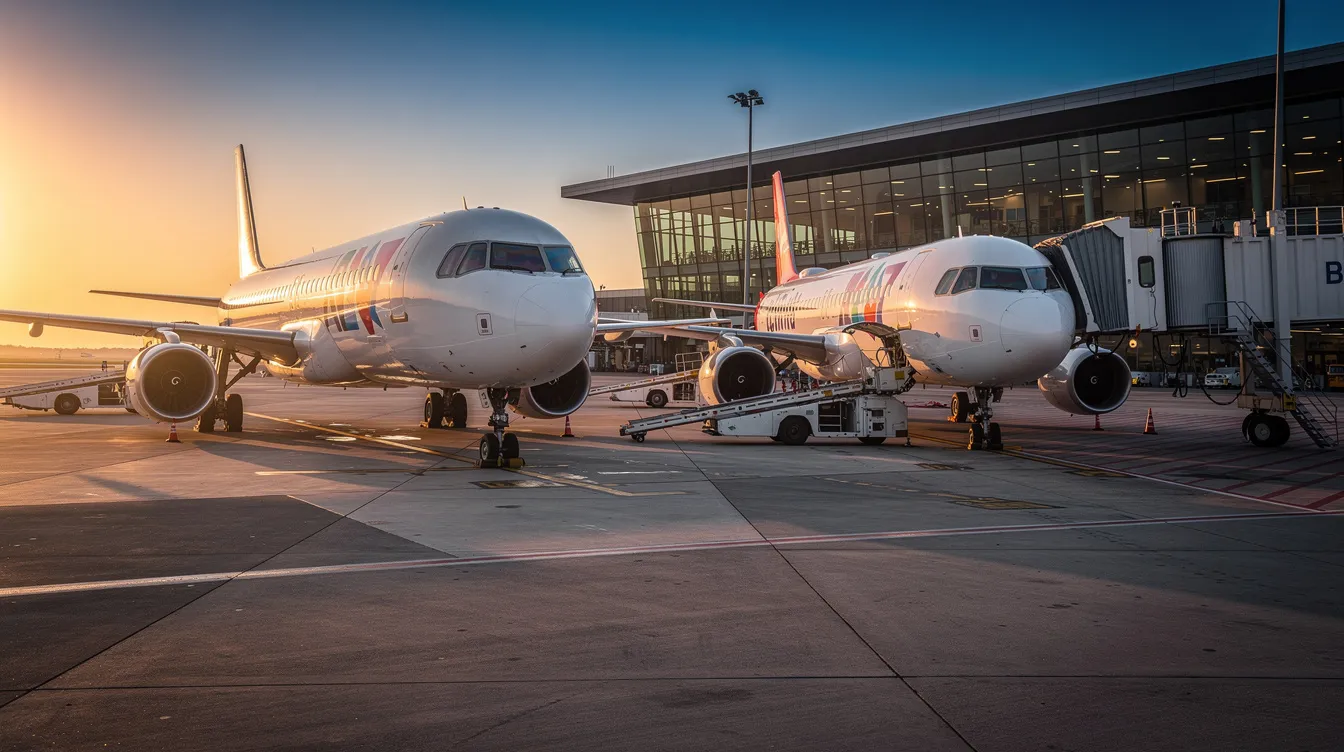
Fuel Efficiency, Fuel Costs, and Sustainability in Passenger Jets
Fuel efficiency became the dominant design and fleet-planning driver after 2020 as fuel costs surged and environmental regulation tightened. The reality is straightforward: airlines that operate efficient planes survive; those that don't restructure.
In concrete terms, the A321neo achieves roughly 105 seat-miles per gallon with ~200 seats, while the A350-900 delivers about 25% lower fuel burn per seat than older wide-body types like the 777-200ER. High-bypass turbofan engines enhance fuel efficiency in jets by moving more air around the combustion core, while composite materials, winglets, and aerodynamic improvements reduce drag and overall fuel burn. Turbofan engines in passenger jets produce thrust more efficiently and quietly than older turbojet engines-a dual win for performance and noise reduction.
These gains accelerated the retirement of four-engine jets like the A340 and many 747s, replacing them with twin-engine wide-body aircraft. Newer aircraft designs improve fuel efficiency and reduce emissions across the board, which is why maximizing jet fuel efficiency matters to both airlines and private operators.
On sustainability, sustainable aviation fuel (SAF) reduces lifecycle carbon emissions by up to 80%, and airlines are increasingly adopting SAF where available. Carbon offset programs help mitigate aviation emissions further. BlackJet operates carbon-neutral flights for Jet Card members-at no extra cost-combining SAF usage and verified offsets. For ESG-focused executives and corporate travel managers, this is not a nice-to-have; it's a requirement.
Ultra Long Haul Passenger Jets and Nonstop Routes
Ultra long-haul flights- typically over 7,000–7,500 nautical miles or 15+ hours in the air-represent the frontier of commercial aviation in 2027.
The flagship aircraft for these missions include the Airbus A350-900ULR (~9,700 nm range) and the Boeing 777-8 (~8,700 nm projected). Real routes in service include Singapore–New York JFK/EWR (~15,349 km, ~19 hours), Perth–London (~14,499 km), and New York–Auckland (~14,207 km). Qantas plans to launch Sydney–London nonstop (~17,015 km) in late 2027 using the A350-1000 ULR-a flight that would have been unthinkable just decades ago.
Operational challenges are significant: crew duty-time management requires relief pilots, fuel planning imposes payload restrictions, and cabin environment factors-pressurization, humidity, noise-demand the advanced engineering found in the 787 and A350 airframes. Modern passenger jets often utilize fly-by-wire technology for flight control, and they feature safety systems including oxygen masks and emergency slides for every contingency.
For travelers who find 19 hours in a single cabin challenging, BlackJet clients can split a similar journey into two optimized sectors using long-range private jets-allowing rest, meetings, or strategic fuel stops. Private jets can fly at altitudes above 35,000 feet, with many cruising higher than most airlines, optimizing for weather avoidance and smooth air on these marathon missions; understanding how high a private jet flies vs. commercial flights explains why these routes can be more efficient and comfortable.
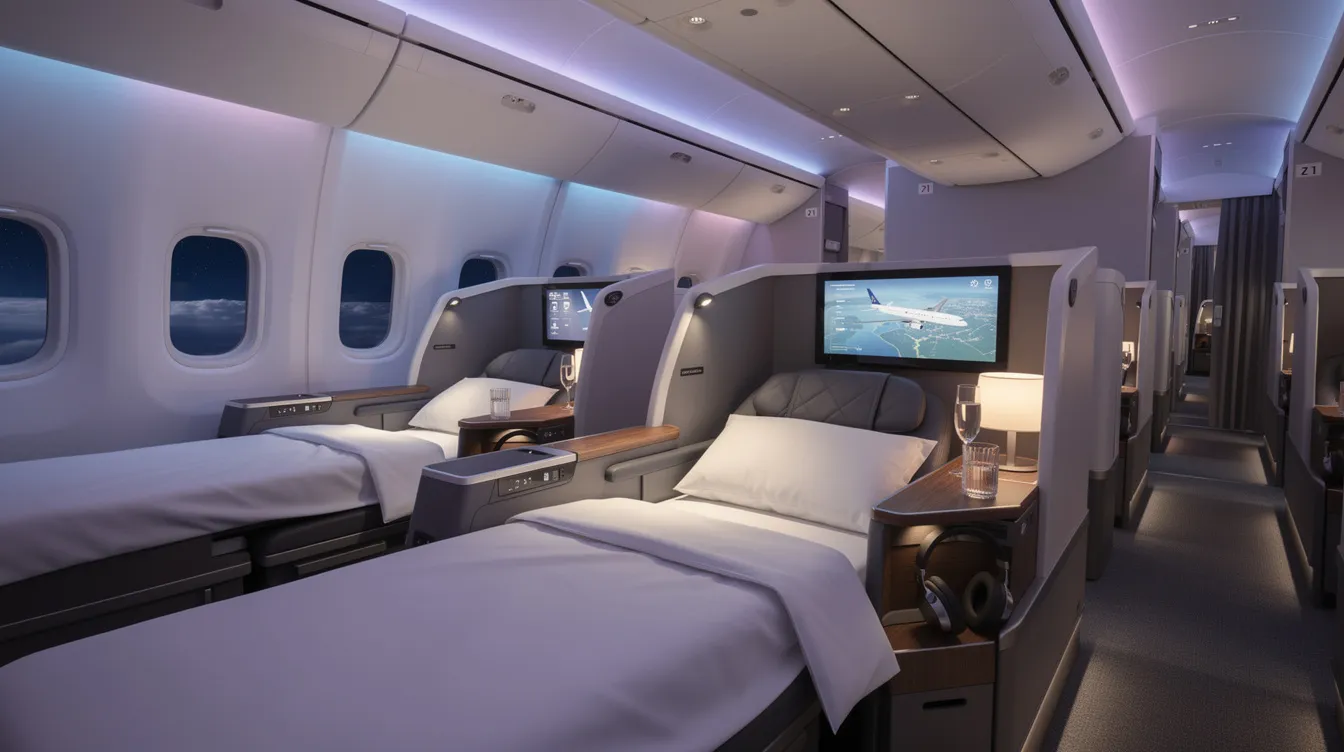
Safety, Certification, and Passenger Comfort on Jets
Modern passenger jets are certified to rigorous standards by the FAA, EASA, and equivalent global authorities. Statistical flight safety has improved continually over decades, driven by redundancy in critical systems, advanced avionics, predictive maintenance, and stringent pilot training.
The fuselage of a passenger jet is designed to be pressurized for passenger comfort, and newer models like the 787 and A350 maintain lower cabin altitudes (~6,000 ft vs. ~8,000 ft on older jets), higher humidity, and better air filtration. These aren't luxury features-they reduce fatigue, dehydration, and jet lag on long flights.
The Boeing 737 MAX grounding taught the industry hard lessons about software oversight and regulatory scrutiny. The result was stronger certification processes, improved pilot training protocols, and more transparent safety culture across the industry. For a deeper look, see our guide to the safest passenger planes.
In private aviation, safety standards are equally demanding. As a rule, private jets are very safe, and private jets must meet FAA Part 135 safety standards in the United States, while EASA regulations govern private jet safety in Europe. Private jets undergo third-party safety audits regularly through organizations like ARGUS and Wyvern, and pilot experience minimums are mandated for private jet operations. This is a core pillar of BlackJet's Jet Card offering-every partner operator meets or exceeds commercial-grade safety benchmarks.
Passenger Jets vs. Private Jets: Strategic Choices for High-Value Travelers
For executives and high-net-worth customers who frequently fly in premium cabins, the key difference between commercial and private aviation is control. Commercial airlines offer improving cabin products-flat beds, direct aisle access, onboard Wi-Fi- but limited flexibility. Private aviation caters to high-net-worth travelers seeking flexible and luxurious travel options that commercial service simply cannot match.
Here's what the private side delivers:
Time savings: Travelers arrive 20–30 minutes before takeoff for private jets, compared to 1–3 hours for commercial. Private jets offer faster turnarounds than commercial flights and support same-day business trips between major cities.
Access: Private jets provide access to more airports than commercial airlines and allow direct routes to secondary airports. The market offers access to over 20,000 aircraft on-demand.
Privacy: Private jets enable confidential meetings in private cabins and offer privacy during flights-critical for board-level travel.
Custom scheduling: Private jets allow custom departure times and direct routes, reducing total journey time compared to commercial flights.
Private jets are designed for small groups of 4–19 passengers, though private jets for around 20 passengers and even larger VIP airliners exist for special missions. Very light jets typically carry 4–6 passengers. Light jets accommodate 6–8 passengers with a range of 1,500–2,500 miles. Midsize jets can carry 7–9 passengers over 2,000–3,000 miles. Long-range jets seat 10–19 passengers and fly 3,500–7,500+ miles.
BlackJet's Jet Card programs and broader premium private jet card services offer 25-hour and 50-hour blocks across cabin types, providing prepaid access to private jets without the capital burden of ownership. Jet cards provide prepaid access to private jets with predictable pricing, and understanding jet card pricing structures helps travelers compare programs effectively. Booking a private jet can be done within 24–48 hours, and empty leg flights can be 30–75% cheaper than standard rates. BlackJet's mobile platform enables instant pricing and digital contracts, with 24/7 real-time support-a stark contrast to the limited control passengers have over airline delays or equipment swaps; similar app-based tools now make it straightforward to buy a seat on a private jet via shared or semi-private options.
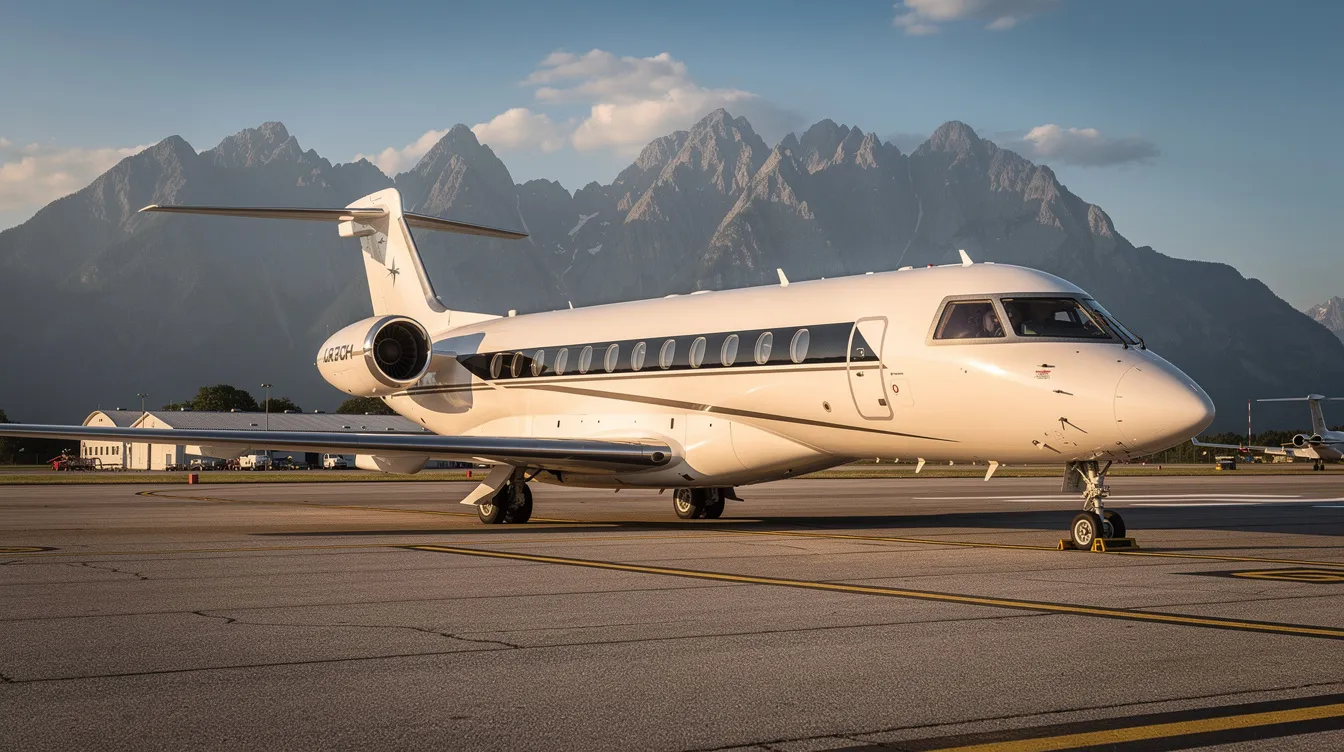
How Aircraft Manufacturers Shape the Future of Passenger Jets
The passenger jet industry in 2027 is shaped by a handful of dominant aircraft manufacturers: Airbus and Boeing control the vast majority of the market, with Embraer strong in regional models and COMAC emerging as a focus in China's domestic market, while the same manufacturers also produce many of the largest private jets for sale.
Their R&D priorities-fuel efficiency, SAF compatibility, lower noise, digital flight decks-determine the performance and economics of every aircraft that enters service. Fleet renewal trends show airlines replacing older 767s, A340s, and aging 737NGs in favor of A321neo/XLR, 737 MAX, 787, and A350 variants. This wave of replacing older jets with new passenger planes means better fuel efficiency, lower fuel costs per seat, and improved cabin comfort across the world's skies.
Emerging concepts like hydrogen-powered demonstrators and hybrid-electric regional aircraft are under development, but realistic timelines place large-scale adoption post-2030. What matters now is that innovations made for large passenger jets-advanced engineering in engines, composites, digital redundancy-cascade into business jets within a few years, influencing everything from performance to the private jet price list and cost structures that travelers evaluate. BlackJet continuously updates its partner network to ensure members fly on the safest, quietest, and most efficient aircraft available, benchmarking against top private jet companies in the market.
FAQs About Passenger Jets, Private Access, and BlackJet
How often do passenger jet fleets refresh, and what does that mean for travelers in 2027? Airlines typically operate narrow-body jets for 25–30 years and wide-body aircraft for 20–25 years. The current generation-787s, A350s, A321neos, 737 MAX models-is largely under a half-decade old in many fleets, meaning passengers in 2027 benefit from the newest cabin environments, lower noise, and enhanced safety systems, while new-build VIP airliners now power some of the best private jets for 50 passengers.
Which passenger jets are most efficient per seat, and how does that compare to private jets? The A321neo leads among narrow-bodies at roughly 105 seat-miles per gallon, with the 737 MAX-8/9 close behind. Among wide-bodies, the A350-900 and 787-10 set the standard. Jets emit more CO₂ per passenger than commercial airliners when measured per seat-mile, which is why BlackJet's commitment to carbon-neutral flights through offsets and SAF matters.
When should I fly nonstop on an airline vs. break the journey via private charter? If the nonstop exceeds 15 hours and you need to arrive productive, splitting the trip into two shorter private legs-with rest or a meeting at the halfway point-can deliver better outcomes than half a day in a single cabin, especially if you are evaluating 10 million dollar private jet options for long-range ownership or charter strategies. BlackJet's operations team can design multi-sector itineraries optimized for price, weather, and demand, using principles similar to those outlined in many best jet card guides for frequent flyers.
How does BlackJet's Jet Card work for someone used to premium airline cabins? BlackJet offers Jet Card programs in 25- and 50-hour blocks across multiple aircraft categories, similar in structure to many 25-hour jet card guides, with features and costs and 50-hour jet card pricing overviews that compare programs across the market. Members book with as little as 24–48 hours' notice, enjoy fixed hourly rates, and fly carbon-neutral on every trip, with options like the BlackJet 25+ Hour Jet Card tailoring access to different cabin sizes. Every operator in BlackJet's network holds third-party safety certifications equivalent to or exceeding commercial airline standards.
Conclusion: Passenger Jets and the Value of Private Access in 2027
Passenger jets continue to make global travel faster, safer, and more fuel-efficient, with newer aircraft improving range, cabin comfort, and emissions performance. Yet commercial schedules still require travelers to work around fixed departure times, major hubs, and airline connections. For executives and discerning travelers, private jet access offers a strategic alternative: a better fit between the journey and the day’s priorities.
BlackJet’s 25- and 50-hour Jet Card programs provide prepaid access across aircraft categories without the responsibilities of ownership. Members can choose an aircraft suited to their passenger count and route, reach more airports, and use digital booking with real-time support. Safety certification, qualified operators, and carbon-neutral flights bring accountability alongside flexibility.
Whether coordinating a same-day business trip or planning a long-range itinerary, the right aircraft and access model can reclaim time while keeping travel aligned with your needs. Explore BlackJet’s Jet Card offerings to discover a more considered way to fly in 2027.
Elevate your travel-effortlessly. With BlackJet, private flight is accessible on your terms through our Jet Card programs: rigorous safety, carbon-neutral performance, and unmatched flexibility built into every journey. Explore BlackJet's Jet Card offerings and discover how refined, strategic travel becomes your new standard.


 Sign up with google
 Sign up with Apple