For the discerning traveler who measures success in hours reclaimed and miles conquered, jet turbine efficiency is the invisible force shaping every private flight. It determines how far you fly nonstop, how much each hour costs, and how lightly your journey treads on the planet.
Why Jet Turbine Efficiency Matters for Private Jet Travelers
At its core, jet turbine efficiency measures how effectively an engine converts chemical energy in fuel into thrust. A few percentage points of improvement might sound minor in engineering terms, but for people who fly privately dozens of times per year, those gains compound into real savings in time, money, and carbon output. Efficiency improvements can reduce fuel consumption and emissions across every leg you fly.
Consider the numbers. Modern light jet engines burn roughly 140–200 gallons per hour, while comparable 1990s-era models consumed 160–220 GPH for similar missions. On a coast-to-coast trip from New York to California, that difference adds up to hundreds of gallons and thousands of pounds of CO₂-over a single day of travel. Jet aircraft can fly faster than piston-engine aircraft, and today's turbofan-powered business jets do so while burning less fuel per passenger-mile than ever before.
The strategic advantage goes beyond fuel burn:
Time saved: A private jet airplane trip from Los Angeles to Miami saves 2–4 hours door-to-door versus commercial first class, factoring in FBO access, reduced security, and closer airports.
Range without stops: More efficient engines mean fewer technical fuel stops on long missions, so you get from place to place without interruption.
Cabin comfort: Efficient, high-bypass turbofans produce less noise and vibration, delivering a quieter sound environment inside the cabin.
Cost stability: When fuel burn drops, fuel represents a smaller share of hourly costs, insulating Jet Card members from volatile fuel pricing.
Carbon performance: BlackJet's Jet Card members benefit from newer, more efficient jet engines and carefully selected fleets, translating into smoother flights and carbon-neutral performance at no added cost.
How Jet Turbine Engines Work in a Jet Airplane (Plain-English Overview)
Most private jet aircraft today rely on turbofan engines-a refined generation of the original turbojet design. Here is how the process works in plain terms, explained in greater detail on our airplane engine overview:
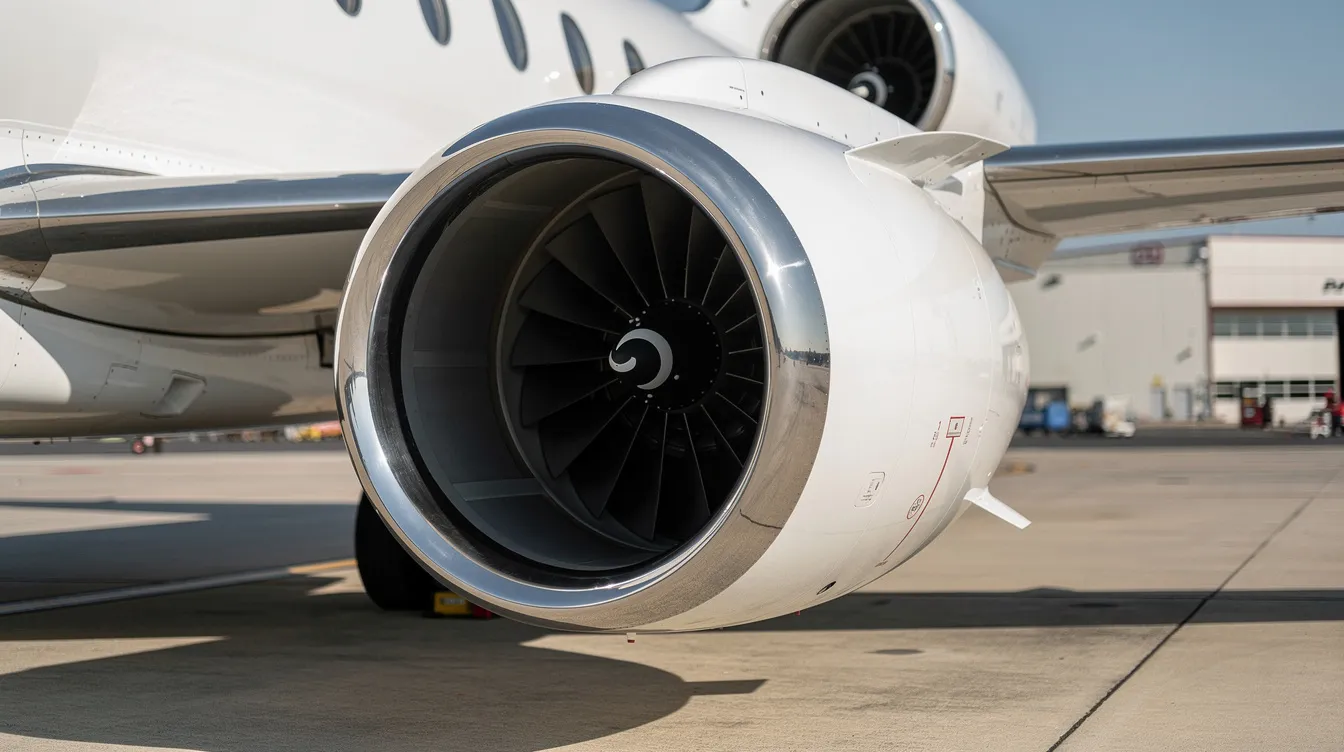
Air intake: Air enters the front of the engine through a large spinning fan. The fans on a modern turbofan move enormous volumes of air with each rotation.
Compression: Compressor stages squeeze the incoming air to very high pressures, raising its temperature in the process.
Combustion: Jet engines burn kerosene (Jet A fuel), which is cheaper than gasoline and widely available at airports across America, Australia, and worldwide. The fuel ignites in the combustion chamber, producing extremely hot, high-pressure gas.
Turbine extraction: Hot gas spins turbine blades, which drive the compressor and fan via connected shafts. Jet engines produce tremendous thrust for their weight at this stage.
Exhaust and bypass: Some air passes through the core; the rest bypasses it via the fan. This bypass flow is what makes turbofans quieter and more efficient than older turbojets used on historical military jets.
A concrete example: the Pratt & Whitney PW300 series, appearing in many midsize business jets, uses advanced fan design and TALON combustion technology to balance power with fuel economy. Jet engines have fewer moving parts than piston engines and run at optimized RPM, which is why jet engines are more reliable and safer than piston engines for frequent private flying operations.
Key Factors That Determine Jet Turbine Efficiency
Jet engine efficiency includes thermal efficiency and propulsive efficiency, and overall performance is roughly the product of both.
Thermal efficiency measures the engine's ability to convert fuel into kinetic energy. Thermodynamic principles dictate that increasing turbine inlet temperature enhances efficiency, which is why engineers push material limits to run engines hotter.
Propulsive efficiency measures how effectively kinetic energy is converted into thrust-essentially how well the engine's exhaust momentum translates into forward motion for the aircraft.
Turbine efficiency is impacted by the ratio of actual output power to ideal power output. The closer an engine runs to its theoretical maximum, the less fuel it wastes.
Major technical factors playing a role in these gains:
Overall pressure ratio (OPR): Higher overall pressure ratios improve jet engine efficiency by enhancing combustion, squeezing more energy from each pound of fuel.
Bypass ratio: Higher bypass ratios increase propulsive efficiency in turbofan engines. Modern business jets have pushed bypass ratios from 3:1 toward 5:1 and beyond.
Fan diameter and blade aerodynamics: Larger fans move more air at lower speeds, reducing wasted energy. Aerodynamic losses reduce overall jet engine efficiency, so blade profiles are precision-engineered to minimize drag.
Cruise conditions: Ambient conditions impact jet engine efficiency, with cooler air at high altitudes being more efficient. Flying in warm, low-altitude air forces engines to work harder. Operational choices-optimal Mach number, step climbs, direct routing-compound these gains.
Lower thrust specific fuel consumption indicates a more efficient jet engine, and it is the metric engineers and operators watch most closely.
Compare a 1980s Learjet 35 to a 2020s Embraer Praetor 600: the newer jet achieves roughly 30–40% better fuel burn per seat-mile thanks to higher bypass ratios, better material science, and advanced aerodynamic design.
Improvements in Modern Jet Engines: From Early Jets to Today's Business Aviation
The history of jet turbine efficiency is a story of relentless innovation. Here are the milestones that matter:
1958–1960s: The Boeing 707 era. Early commercial jets used low-bypass turbofans or pure turbojets with bypass ratios near 1:1. Fuel consumption was enormous by today's standards.
1970s–1980s: Medium-bypass turbofans became the industry norm. Each new generation delivered roughly 1.5–2% annual improvement in specific fuel consumption. Multi-spool engine designs allowed different components to operate at their most efficient rates.
1990s–2000s: Advanced materials allow turbine blades to operate at higher temperatures, improving thermal efficiency. Single-crystal superalloys and ceramic thermal barrier coatings enabled hotter, more durable engines. Active clearance control minimizes energy-wasting air leaks by adjusting turbine blade gaps in real time.
2010s–present: Geared turbofans optimize efficiency by allowing the fan to rotate at lower speeds while the core spins faster. Composite fan blades cut weight. NASA's technologies help reduce aerodynamic drag and increase fuel efficiency across airframe and engine design. NASA developed supercritical wings to improve fuel efficiency, and winglets reduce aerodynamic drag and increase range on the latest business jets.
Fly-by-wire technology uses computers to control flight operations, replacing heavy hydraulic systems and enabling more precise, fuel-efficient flight profiles. Engines entering service in the 2020s for large-cabin business jets, like the Rolls-Royce BR700 series on Gulfstream platforms, incorporate half a century of these advances into a single, refined package. The result: modern engines deliver approximately 30–40% better fuel burn than 1990s engines for similar thrust classes.
Era | Key Advances | Impact on Jet Turbine Efficiency |
|---|
1958–1960s | Low-bypass turbofans, pure turbojets | High fuel consumption, basic efficiency |
1970s–1980s | Medium-bypass turbofans, multi-spool design | 1.5–2% annual improvement in fuel consumption |
1990s–2000s | Advanced materials, thermal barrier coatings, and active clearance control | Higher turbine inlet temperatures, improved thermal efficiency |
2010s–present | Geared turbofans, composite blades, NASA aerodynamic tech, fly-by-wire | 30–40% better fuel burn, reduced emissions, quieter operation |
Jet Turbine Efficiency and Private Jet Operations with BlackJet
For BlackJet Jet Card members, engine efficiency isn't an abstract concept-it shows up in every flight experience:
Longer nonstop range: A super-midsize jet with modern engines can fly New York to Los Angeles nonstop at higher cruise altitudes, while an older midsize model might require a fuel stop in September heat over the Midwest, adding 45 minutes to block time.
Fewer repositioning legs: Efficient engines reduce the cost and carbon impact of deadhead legs, meaning aircraft are positioned closer to members when they need them.
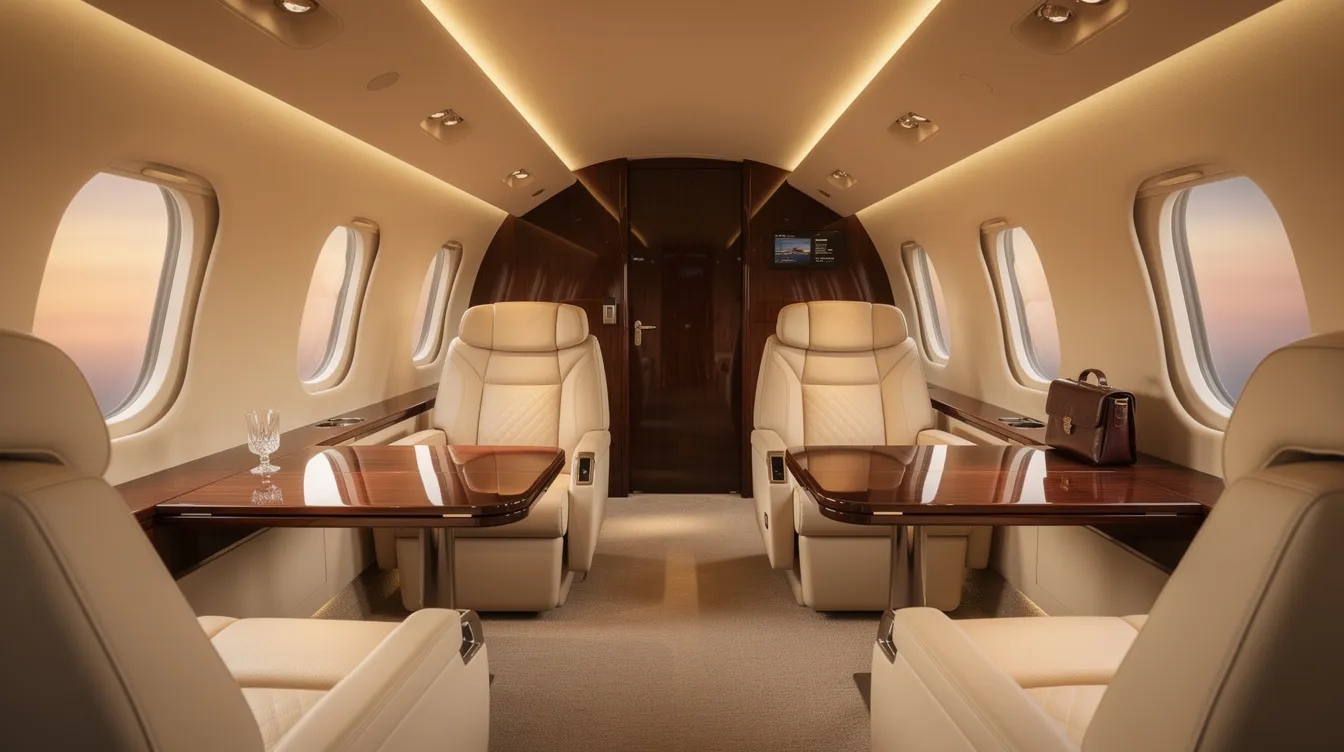
Smoother, quieter cabins: High-bypass fans and chevron nozzles reduce engine noise, so whether you're reviewing a concert of quarterly earnings reports or simply resting on the way home, the cabin stays serene.
Safety and reliability: Efficient engines aren't just about fuel-they reflect modern engineering with added redundancy, FADEC controls, and strict Part 135 certification standards that BlackJet requires from every operating partner.
Stable pricing: Better fuel economy helps stabilize hourly rates. When fuel is a smaller co-component of operating cost, Jet Card pricing stays more predictable-even when global oil markets fluctuate.
Whether you've bought a 25-hour or 50-hour Jet Card, you're gonna notice the difference: fewer surprises, faster flights, and more hours of productive travel per dollar spent.
Sustainability, Fuel Burn, and Carbon-Neutral Private Flights
Air travel contributes approximately 2–3% of global CO₂ emissions. Jet engines burn kerosene, producing significant greenhouse gas emissions with every flight. But efficient engines dramatically reduce the per-hour footprint:
A modern midsize business jet burning 250 GPH emits roughly 5,275 lbs of CO₂ per hour (at ~21.1 lbs CO₂ per gallon). An older model burning 350+ GPH emits over 7,385 lbs. That's a meaningful reduction on every leg.
Sustainable Aviation Fuel (SAF): Blended at 30–50% in current operations, SAF can reduce lifecycle emissions by up to 50–80%, depending on feedstock. Modern engines are increasingly signed off for higher SAF blends, and efficiency gains maximize the benefit of every gallon.
BlackJet's approach: We measure actual fuel burn precisely, purchase verified carbon offsets for residual emissions, and support environmental projects, making every member's flight carbon-neutral at no extra cost. Learn more about our green private jet commitment.
Industry alignment: IATA targets net-zero aviation by 2050. Continuous improvements in jet turbine efficiency are central to reaching that goal, working in concert with SAF adoption and operational optimization.
Newer jet aircraft deliver quieter cabins, smoother rides, and lower emissions simultaneously-sustainability does not mean sacrificing comfort.
Comparing Efficiency Across Private Jet Aircraft Categories
Efficiency scales differently across aircraft categories. Raw fuel burn is only part of the picture-what matters is fuel burn per occupied seat-mile:
Light jets (4–8 passengers): Models like the Embraer Phenom 300 burn approximately 183 GPH. Ideal for regional hops with 2–4 passengers flying between, say, New York and Washington.
Midsize jets (7–9 passengers): The Citation XLS+ burns around 209 GPH, offering coast-to-coast range with strong per-seat efficiency when seats are filled.
Super-midsize jets (8–10 passengers): Platforms like the Praetor 600 deliver transcontinental range with modern engines, making them the sweet spot for cross-country or international legs.
Large-cabin long-range jets (12–16 passengers): Aircraft like the Bombardier Global 6000 or Gulfstream G650 burn more total fuel but can achieve excellent per-seat-mile efficiency on long missions with higher occupancy.
BlackJet's Jet Card model lets members choose the right aircraft for each mission. A girl flying solo from August meetings in San Francisco to November conferences in Miami doesn't need a heavy jet-a light or midsize jet is the smarter, more efficient start. This "right-sizing" approach often yields better annual efficiency than owning a single aircraft type that's overpowered for most trips, as explored in our comparison of fractional jet programs.
Technology, Data, and Optimizing Jet Turbine Efficiency in Real Time
Modern airlines and private operators alike rely on data to fly faster and leaner. Here's how technology keeps engines at peak performance:
Engine monitoring: Sensors track fuel flow, exhaust gas temperature, turbine blade temperature, and vibration in real time. FADEC systems optimize fuel scheduling to keep engines near their most efficient operating points.
Flight planning algorithms: Software integrates winds aloft, weather forecasts, and air traffic data to calculate optimal cruise altitude, Mach number, and routing. Step climbs as fuel burns off, saving additional fuel on every leg.
Digital tools and real-time support: BlackJet coordinates efficient routings and aircraft selection for members via digital booking platforms and 24/7 support-no bot required, just experienced aviation advisors reducing unnecessary repositioning.
Predictive maintenance: Trend analysis of engine performance data enables service before efficiency degrades. Compressor fouling or turbine blade erosion is caught early, keeping engines performing at their specified specification rather than slowly degrading.
For those who want to learn more, educational videos on platforms like YouTube from engine manufacturers offer a fascinating tour of these systems in action. You can also visit our website page at www.blackjet.com for more on how we integrate these technologies.
Frequently Asked Questions About Jet Turbine Efficiency and Private Jets
How much more efficient are modern jet engines than those from the 1990s? Modern engines deliver approximately 30–40% better fuel burn for similar thrust classes, driven by higher bypass ratios, advanced materials, and improved aerodynamics.
Does flying private always burn more fuel per passenger than commercial? Not always. For fully occupied flights on long legs, large, efficient business jets approach commercial aircraft in fuel burn per seat-mile. For small passenger counts or short hops, private travel's per-person emissions are higher.
How does BlackJet make my flights carbon-neutral? By measuring actual fuel burn, selecting efficient aircraft, blending SAF when available, and purchasing verified carbon offsets. There's no added cost to members-it's built into the program, free of surcharges.
Jet A vs. SAF-what's the difference? Jet A is conventional kerosene. SAF is a drop-in alternative derived from low-carbon sources, reducing lifecycle CO₂ by up to 50–80% when blended.
Do more efficient jet aircraft always cost less to charter? Not necessarily. Charter pricing reflects acquisition cost, cabin class, demand, and availability, not just fuel burn. However, efficiency does reduce the fuel component of hourly rates.
How does aircraft age affect efficiency and safety? Aging engines lose efficiency through erosion, leakage, and thermal fatigue. Good maintenance mitigates some loss, but beyond a certain stage, newer engines offer superior performance and modern safety monitoring that older designs lack.
Conclusion: Elevate Your Journey with Advanced Jet Turbine Efficiency
Jet turbine efficiency is more than a technical metric—it’s the foundation of premium private aviation that delivers unmatched time savings, cost control, and environmental responsibility. For the discerning traveler, every percentage point of efficiency translates into longer nonstop ranges, quieter cabins, and a smaller carbon footprint. BlackJet’s commitment to integrating the latest engine technologies, rigorous safety standards, and sustainable practices ensures that your private jet experience is not just luxurious but also forward-thinking and responsible.
Choosing BlackJet means unlocking access to a fleet optimized for performance and sustainability, backed by real-time data and expert support that keeps your travel seamless and efficient. Whether crossing continents for business or leisure, the strategic advantage of modern jet turbine efficiency empowers you to fly smarter, greener, and with confidence.
Elevate your travel—effortlessly. Discover how BlackJet’s Jet Card programs combine cutting-edge technology, safety, and sustainability to redefine what private jet access means for today’s elite traveler.


 Sign up with google
 Sign up with Apple