For anyone who values time as a strategic asset, understanding how fast airplanes fly is more than idle curiosity. The difference between commercial aviation and private jet access often comes down to minutes saved in the air and hours saved on the ground.
Answering it Fast: Typical Speeds for the Planes You Actually Fly On
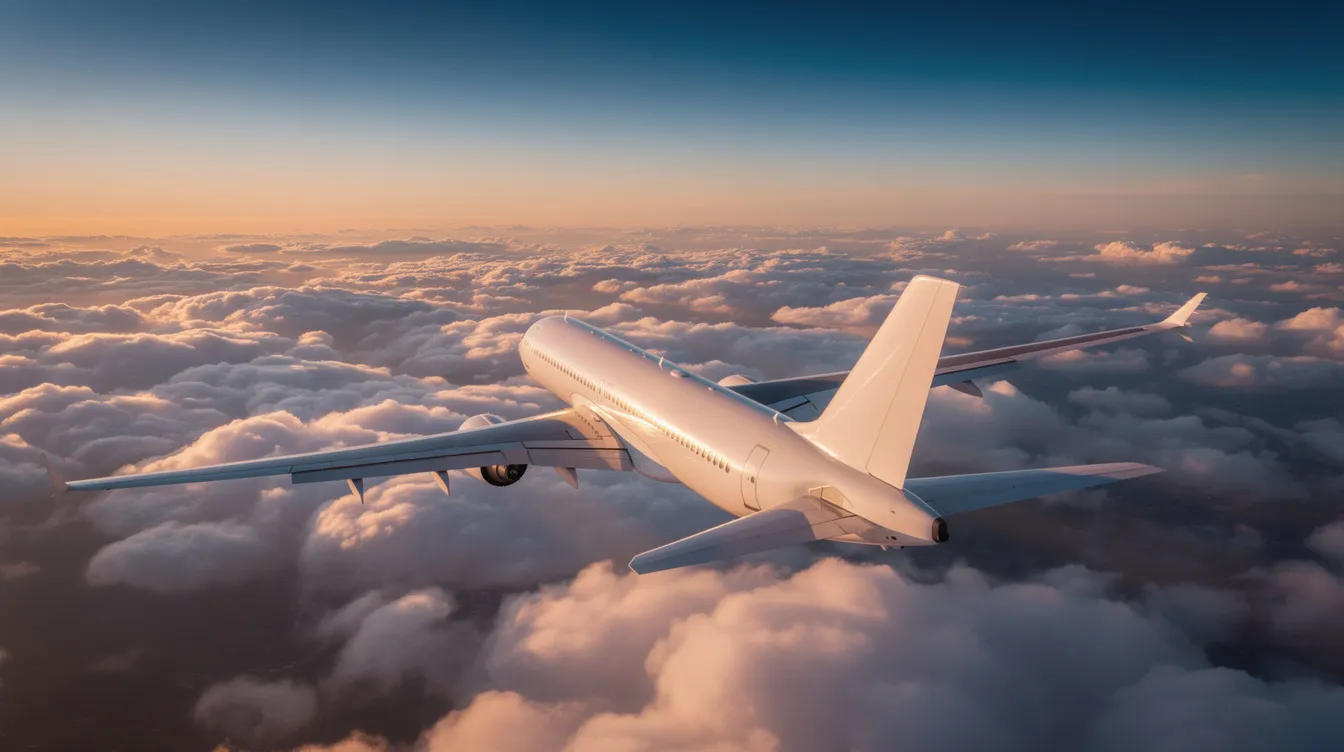
Speed depends on what you're flying. Commercial airliners typically cruise between Mach 0.78 and Mach 0.85, which translates to roughly 500–600 mph. Commercial jets average cruising speeds between 500 and 600 mph at a cruising altitude of 30,000–40,000 feet. Cruising speeds usually fall within the 420–580 mph range for most aircraft type categories. The takeoff speed for a typical airliner sits around 150–180 mph, while landing speeds range from 130–160 mph.
Private jets often fly faster. Many modern private jets cruise between 550 and 700 mph, leveraging more direct routings and higher altitudes that commercial planes simply can't access on congested schedules.
To put different speeds in perspective: a commercial airliner's cruising speed averages around 560 mph, while a large-cabin private jet like the Gulfstream G650 pushes closer to 610 mph. A mid-size jet cruises at approximately 520 mph, and turboprop planes can cruise up to 300 mph depending on the model.
Military planes operate in an entirely separate league. Fighter jets and record-setters like the SR-71 Blackbird and X-15 fly faster than any non-military aircraft, but they serve combat and research missions - not passenger comfort.
For BlackJet Jet Card members, flight speed matches or exceeds commercial airliners, and total door-to-door travel time shrinks dramatically thanks to private terminals and on-demand scheduling.
Airplane Speed Comparison Table
Aircraft Type | Typical Cruise Speed (mph) | Typical Cruise Speed (Mach) | Takeoff Speed (mph) | Landing Speed (mph) | Notes |
|---|
Commercial Airliner | 500–600 | 0.78–0.85 | 150–180 | 130–160 | Includes Boeing 737, Airbus A320, 747, 787, A380 |
Large-Cabin Private Jet | 550–700 | Up to 0.935 | 120–150 | 110–135 | Examples: Gulfstream G650, Bombardier Global 7500 |
Mid-Size Private Jet | ~520 | ~0.80 | 120–140 | 110–130 | Efficient for regional and transcontinental flights |
Light Jet | 400–500 | ~0.75–0.80 | 110–130 | 100–120 | Smaller cabins, shorter range |
Turboprop | Up to 300 | N/A | 100–120 | 90–110 | Slower but fuel-efficient, good for short hops |
Military Fighter Jets | 1,200–2,100+ | 1.5–3.2+ | Varies | Varies | Examples: F-22, F-16, SR-71 Blackbird |
Supersonic Commercial | ~1,350 | ~2.02 | 180–200 | 150–180 | Concorde (retired) |
The Basics of How Airplanes Fly and How Speed Is Measured
Airspeed measures how fast an airplane moves through the air (Fact: 1). Ground speed adjusts airspeed for wind effects and is the speed over the ground (Fact: 2). Mach number compares true airspeed to the speed of sound (Fact: 3).
Types of Airspeed
An airplane's speed isn't a single number. Pilots monitor several measurements simultaneously: indicated airspeed, true airspeed, ground speed, and Mach number - each serving a distinct purpose.
Airspeed measures how fast an airplane moves through the air. Indicated airspeed is what the cockpit instruments display, derived from the pitot tube and static pressure system. The pitot tube captures dynamic pressure (the force of moving relative to the surrounding air), which is compared against static pressure to calculate IAS. This reading determines aerodynamic behavior during takeoff, climb, and landing.
True airspeed reflects the aircraft's actual speed through the air mass. Higher altitudes reduce air density, increasing true airspeed relative to indicated airspeed even when instrument readings stay constant. Thinner air at high altitudes reduces drag on aircraft, which is why jets climb efficiently until the aircraft reaches cruise altitude.
Ground speed adjusts airspeed for wind effects. Tailwinds increase ground speed while headwinds decrease it - this is what determines actual flight time. Airspeed differs from ground speed in every phase of flight operations, and wind direction plays a constant role in scheduling.
Mach Number
Mach number compares true airspeed to the speed of sound, which at cruising altitude is approximately 660 mph (varying with temperature). At 35,000 feet, Mach 0.85 equals roughly 561 mph. Common aviation units use knots - for reference, 480 knots ≈ , 552 miles per hour ≈ , 889 km h.
Factors Affecting Speed
Several factors influence how fast an airplane can fly, including altitude, air density, aircraft weight, and wind conditions. Pilots must constantly adjust for these variables to ensure safe and efficient flight.
How Fast Do Commercial Airliners Go?
Commercial aircraft are engineered for efficiency, reliability, and passenger comfort rather than maximum speeds. The average speed of long-distance commercial aircraft often falls around 550–620 mph. More precisely, commercial airliners typically cruise at an average speed of 547–575 mph.
Narrow-body commercial aircraft often cruise at Mach 0.74 to Mach 0.79. The Boeing 737-800, for instance, cruises around Mach 0.79 (~530 mph), and Boeing 737s usually cruise at around 460 knots or 850 km h. The Airbus A320neo flies at a similar Mach 0.78–0.80. Wide-body commercial aircraft generally cruise around Mach 0.85 - the Boeing 787 Dreamliner typically cruises at about 488 knots, while the Airbus A380 typically cruises at about 900 km h. Larger wide-body aircraft can cruise at higher speeds over 635 knots in favorable wind conditions.
Long-haul jumbo jets like the 747 can approach 700 mph depending on conditions, with the Boeing 747-8I holding a maximum operating Mach of approximately 0.90.
The Boeing 737 typically takes off at around 150–160 mph, with exact rotation speed depending on weight, runway length, temperature, and weather conditions. Typical landing speeds for commercial airplanes sit around 130–150 knots, where flaps, spoilers, and landing gear help the aircraft land safely at lower speeds.
Ground speeds can vary due to high-altitude winds like jet streams. On an eastbound commercial flight from New York to London, strong tailwinds blowing in the same direction as the aircraft can push ground speed above 650 mph - even though true airspeed remains in the standard cruise band.
How Fast Do Private Jets Fly? (And Why They Often Feel Faster Than Airlines)
Private jets are built for high-speed cruise, rapid climb, and flexible routing - advantages that translate directly into real-world time savings for frequent travelers, especially when you consider the capabilities of a 20-million-dollar private jet. For some, that might mean simply buying a seat on a private jet rather than chartering the entire aircraft. Unlike a standard commercial flight, private aviation eliminates the hours lost to security lines, boarding queues, and hub connections.
Cruise speeds vary by jet category:
Light jets like the Embraer Phenom 300E cruise around 400–500 mph (~521 mph at high cruise, Mach 0.80)
Super-midsize jets typically reach 500–600 mph, balancing cabin space with engine performance
Large-cabin and ultra-long-range jets such as the Gulfstream G650 (~610 mph), Gulfstream G700 (top speed near Mach 0.935), and Bombardier Global 7500 (~Mach 0.925) cruise between 550–700 mph
While these maximum speeds are notable, most operators cruise slightly below top speed to optimize fuel burn and extend engine life - much like commercial operators do.
Takeoff and landing speeds for private jets trend lower than large airliners due to lighter weight: approximately 120–150 knots at rotation and 110–135 knots on approach, varying by model and runway.
Consider a scenario: a BlackJet Jet Card member who understands the broader private jet price landscape flying from Teterboro (New Jersey) to Van Nuys (Los Angeles) in a large-cabin jet cruising at roughly 600 mph. Departing from a private terminal with no TSA queue, they often beat commercial first-class travelers door-to-door by two to three hours - despite similar airborne speed.
BlackJet reinforces this efficiency with rigorous safety standards, carbon-neutral flights through automatic offsetting, and digital booking technology that lets clients time departures precisely and avoid idle waits.
Speeds Across Different Phases of Flight: From Takeoff to Landing
Airplanes fly at vastly different speeds during each phase of a journey, and these variations are critical for safety.
Taxi: 20–30 knots (23–35 mph) on straight taxiways, slower on turns
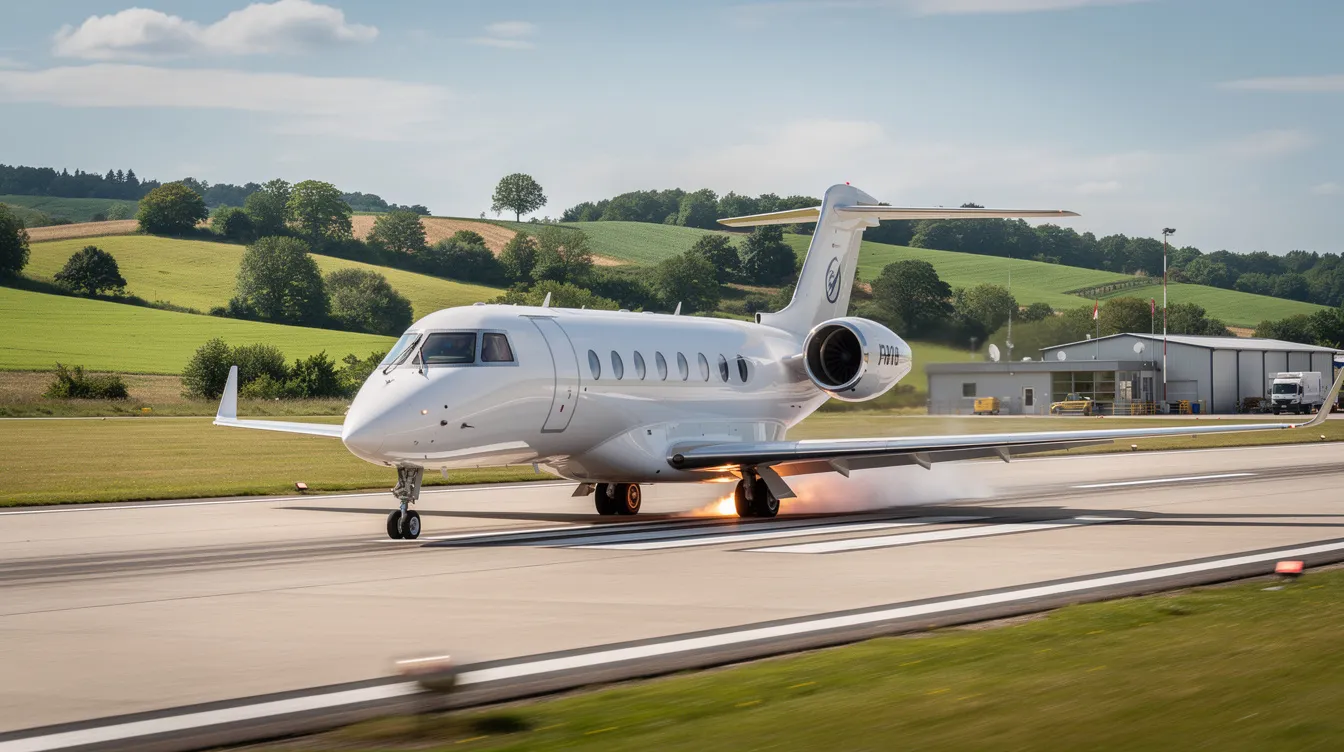
Takeoff (rotation): A Cessna 172 rotates at ~55 knots (~63 mph). A Boeing 737 or Airbus A320 rotates at ~145–160 knots (167–184 mph). A large private jet like the Global 6000 rotates around 130–150 knots, depending on weight
Climb: Below 10,000 feet, speed limits cap jets at 250 knots IAS in U.S. airspace. Above that, jets accelerate to 280–300 knots before transitioning to a Mach climb
Cruise: Where more than half the trip occurs, and fuel consumption matters most
Descent: Begins near cruise Mach, slowing to 250 knots below 10,000 feet, then further reducing for approach
Approach and landing: General aviation trainers arrive at 60–70 knots. Commercial airliners touch down at 130–150 knots. Private jets typically land at 110–140 knots with flaps, slats, and spoilers adjusting lift and drag
Factors Affecting Speed
Weight affects lift directly - heavier planes require more power to climb and reach higher rotation speeds. Pilots rely on carefully calculated V-speeds (V1, Vr, V2, Vref) published in aircraft manuals. Calibrated airspeed readings ensure these critical thresholds account for instrument error and air density at sea level and above.
From Propellers to Fighter Jets: How Fast Different Types of Aircraft Go
Aircraft speed varies enormously depending on mission: regional commuting, long-distance business travel, cargo transport, or military combat.
General aviation and propeller aircraft operate at lower speeds. A Cessna 172 Skyhawk cruises at ~124 knots (~143 mph). A Diamond DA40 manages ~145–150 knots. Turboprop business aircraft like the Pilatus PC-12 NGX reach ~290 knots (~334 mph).
Commercial planes fly as the standard for long-distance civilian travel at 500–600 mph, as covered above.
Private jets span a wide range - entry-level jets at ~400–450 mph, mid-size at ~450–550 mph, and long-range models at 550–700 mph, with many travelers now exploring more affordable private jet options to access these speeds. BlackJet provides access across all these categories through its Jet Card programs, including its dedicated 25+ Hour Jet Card.
Military transport aircraft aren't always fast: the Boeing C-17 Globemaster cruises around Mach 0.75, similar to slower commercial jets. Many military jets, however, are built for high-speed combat, much like the top-performing private jets in the world emphasize combining speed with range and comfort.
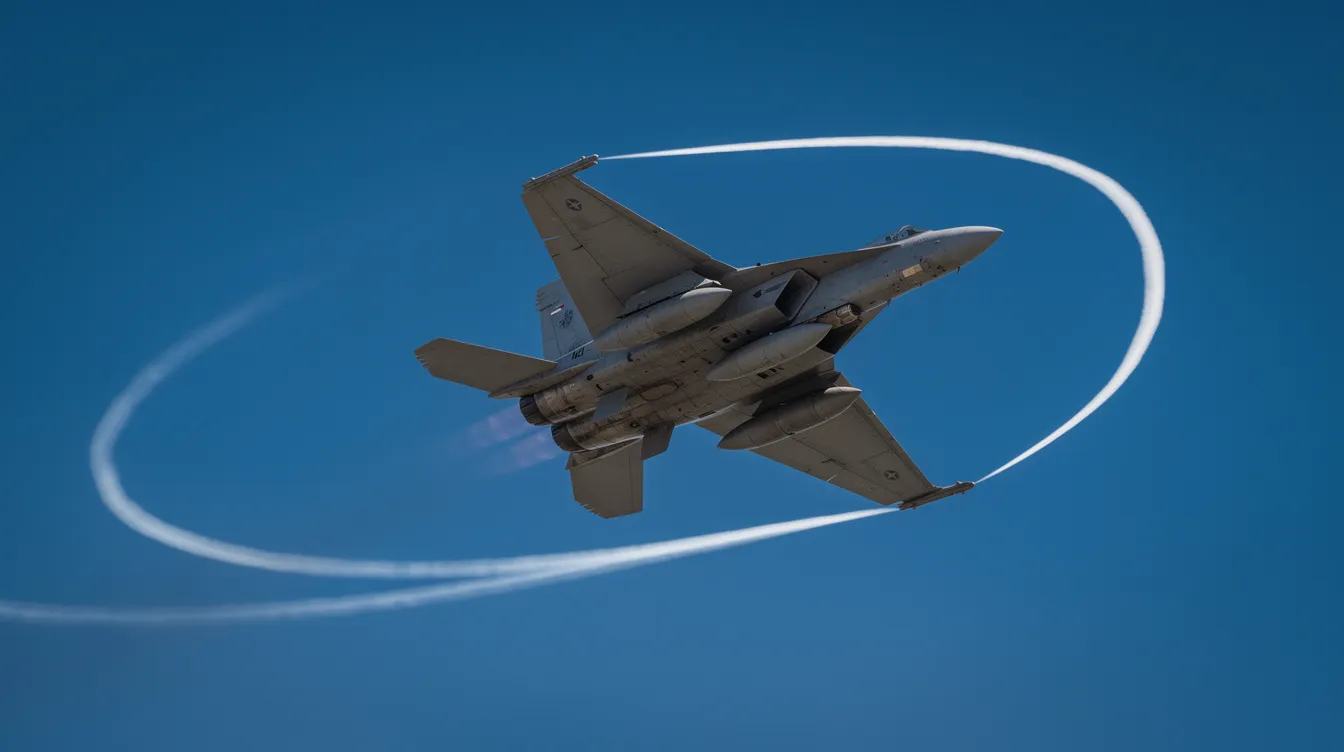
Fighter jets and the fastest aircraft push far beyond civilian limits. The F-22 Raptor can exceed 1,500 mph (above Mach 2.25). Military jets like the F-16 can exceed 1,500 mph as well. The fastest manned jet, the SR-71 Blackbird, reached over 2,100 mph - the SR-71 Blackbird achieved speeds over Mach 3.2 in sustained flight. The North American X-15 reached speeds of Mach 6.7 (~4,520 mph) during rocket-powered research flights. Chuck Yeager first exceeded Mach 1 on October 14, 1947, breaking the sound barrier and ushering in the era of supersonic and hypersonic flight.
The Concorde cruised at about Mach 2.02, or 1,354 mph, enabling fast transatlantic flights - London to New York in under 3.5 hours, similar in mission profile to modern large private jets for groups of up to 50 passengers. It remains the fastest commercial airliner to date, retired in 2003. Supersonic speeds above Mach 1 and hypersonic speeds above Mach 5 bring extreme aerodynamic heating that challenges any aircraft's structure, which is why commercial airliners cruise below the speed of sound.
Limits on Airplane Speed, Efficiency, and the Future of Faster Sustainable Flight
Maximum speed is constrained by drag, the aircraft's structure, and engine design. Engine power directly influences an aircraft's maximum speed, but going faster always demands more fuel - and more fuel means higher costs and emissions.
Drag increases sharply in the transonic regime near Mach 1. Modern engineering uses swept wings, advanced composites, and powerful engines to push cruise speeds to Mach 0.85–0.90 without excessive fuel burn. Regulatory speed limits also apply: 250 knots below 10,000 feet in U.S. airspace, with additional restrictions near airports.
The trade-off is real. Airlines sometimes slow from Mach 0.78 to Mach 0.74 to save 5–7% on fuel consumption, accepting a modest increase in flight time. Faster flight generally requires more fuel, which is why operators and manufacturers increasingly rely on sustainable fuels and high-efficiency turbofan engines.
BlackJet's sustainability commitment includes carbon-neutral flights through verified offsets at no extra cost, alongside a preference for modern, fuel-efficient aircraft.
Looking ahead, Boom Supersonic's Overture will cruise at Mach 1.7 using sustainable aviation fuel. The X-43A achieved hypersonic speeds over Mach 5, and hypersonic flight research is exploring speeds over Mach 5 for potential passenger applications - though practical implementation remains decades away. Future aircraft may use sustainable aviation fuel for supersonic travel as standard.
For the next decade, the most meaningful speed gains for discerning travelers won't come from higher Mach numbers. They'll come from optimizing every non-airborne minute - private terminals, flexible scheduling, direct routes - exactly where BlackJet's Jet Card model delivers a clear strategic advantage.
FAQs: Quick Answers About How Fast Planes Fly (Commercial, Private, and Military)
How fast do commercial planes fly? Commercial jets typically cruise between 500 and 600 mph (Mach 0.78–0.85) at 30,000–40,000 feet.
What is the takeoff speed of a passenger jet? About 150–180 mph (130–156 knots), depending on aircraft type, weight, and weather conditions.
How fast do private jets fly compared to airlines? Private jets often cruise at 550–700 mph on more direct routes and at higher altitudes, making total trip time consistently shorter.
What is the maximum speed of a commercial airplane? The fastest widebodies have maximum operating speeds around Mach 0.90 (~600–700+ mph). The Concorde cruised at about Mach 2.02 as the fastest commercial airplane ever operated.
What is the fastest aircraft ever built? The SR-71 Blackbird achieved speeds over Mach 3.2 (~2,190 mph) in sustained flight. The X-15 reached speeds of Mach 6.7 (~4,520 mph) during research missions, making it among the fastest airplanes ever flown.
Why don't commercial airliners fly at their top speed? Because fuel burn and structural stress increase dramatically at higher Mach numbers. Airlines balance speed against fuel efficiency and maintenance costs.
How fast do fighter jets fly? Many military jets like the F-22 and F-16 can exceed 1,500 mph. Many military jets routinely operate at supersonic speeds during training and combat missions.
How fast are the jets I can access through BlackJet? Light jets cruise at ~400–500 mph, super-midsize at ~500–600 mph, and large-cabin jets around 600–670 mph. Real time saved comes from avoiding hub airports and flying on-demand through BlackJet's Jet Card options.
Does flying faster with a private jet increase my carbon footprint? Higher cruise speeds can increase fuel burn, but BlackJet's carbon-neutral commitment and efficient fleet selections mitigate environmental impact - sustainability is built into every flight.
Conclusion: Elevating Your Travel Experience with Speed and Efficiency
Understanding how fast airplanes fly reveals more than just numbers—it highlights the strategic advantage private aviation offers discerning travelers. While commercial airliners cruise efficiently between 500 and 600 mph, private jets not only match or exceed these speeds but also deliver unmatched convenience through direct routing, flexible scheduling, and access to private terminals. Military and experimental aircraft push the boundaries of speed, showcasing technological milestones that inspire future innovations.
At BlackJet, we combine these insights with a commitment to safety, sustainability, and cutting-edge technology to redefine what fast, luxurious travel means today. By choosing private jet access through our Jet Card programs, you gain more than speed—you gain control over your time, comfort, and environmental impact. Discover how BlackJet can reshape your travel experience, turning every journey into an effortless, premier flight tailored to your lifestyle.


 Sign up with google
 Sign up with Apple