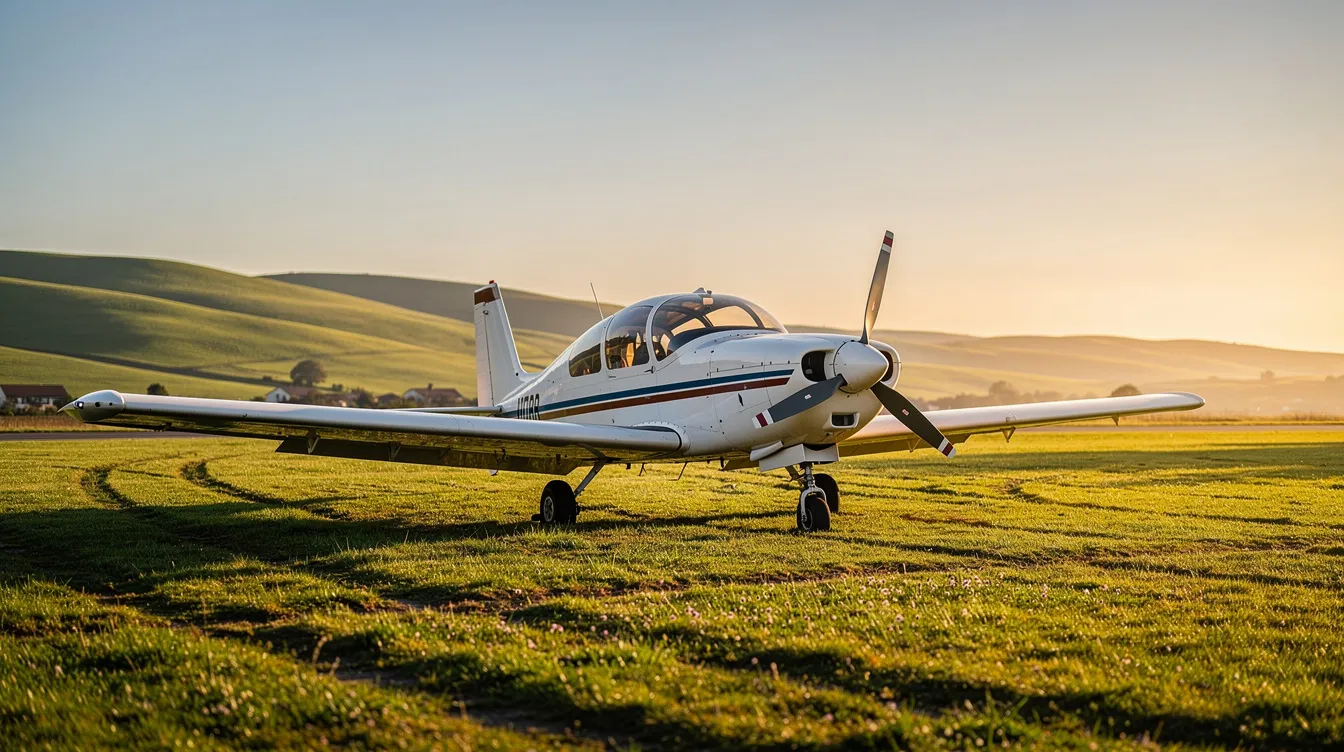
The dream of owning a plane is as old as aviation itself. In 2026, the cheapest single-engine plane remains one of the most accessible entry points into the world of private flight — but "accessible" and "cheap" are terms that deserve careful scrutiny. This guide breaks down what it truly costs to buy and operate budget-friendly single-engine aircraft, compares the leading models on sale today, and examines when owning a piston single makes strategic sense versus leveraging private jet access for serious travel.
Key Takeaways: Cheapest Single Engine Planes in 2026
What is the cheapest single-engine plane you can realistically buy in 2026? Affordable single-engine planes typically range from $15,000 to $40,000 on the used market for the most basic light fixed-gear two-seat piston aircraft — the most budget-friendly options in aviation. Step up to a well-maintained Cessna 150 or 152, the Cessna 150 and 152 being popular choices for affordable flight training and personal flying, and you are looking at roughly $30,000–$60,000. Aging Piper PA-28 Cherokee models start around $55,000 and climb from there based on avionics and engine time.
But "cheapest" must account for more than sticker price. Annual operating expenses for single-engine planes can reach $8,000 to $12,000 before you even factor in hangar fees, insurance, and engine reserves. Many vintage trainers feature gentle handling and low operating costs, yet budget-friendly aircraft often mean low acquisition costs paired with low fuel burn — not zero ongoing expense.
For high-net-worth individuals flying under 50–80 hours per year, BlackJet Jet Cards or on-demand charter can be more cost-effective than owning even the cheapest aircraft. Where single-engine planes excel:
Entry-level flight training and building hours
Weekend leisure flying and short regional hops
Limited passengers and minimal baggage on local routes
Owning a single-engine plane is about freedom, learning, and time in the skies. BlackJet is about time leverage, productivity, and luxury on longer missions. The smartest flyers often combine both.
What "Cheapest Single Engine Plane" Really Means
The word "cheapest" depends entirely on your lens: new versus pre-owned, certified versus experimental, lowest purchase price versus lowest hourly cost. A light aircraft — typically under 12,500 lbs, piston-powered, with 2–6 seats — sits at the bottom of the private aviation spectrum, well below turboprops and light jets in both price and capability.
Purchase prices for piston singles range from as low as $3,241 for a project aircraft to $500,000 for a pristine modern type. Single-engine piston aircraft can vary dramatically in price based on condition and avionics. Breaking "cheapest" into useful categories:
Lowest acquisition price (used two-seat trainers)
Lowest hourly operating cost (efficient airframes, low fuel burn)
Best long-term resale value (well-documented, popular models)
Cheapest to insure and maintain (simple, proven designs with Lycoming or Continental engines)
The trade-off is real: very cheap older planes may demand higher maintenance and come with limited avionics, while slightly more expensive modern trainers like the Diamond DA20 can be safer and more efficient. Think in total cost of ownership over 5–10 years, especially if you plan 50–150 flight hours annually. Many BlackJet members started in piston ownership, then graduated to jet access as their business and travel needs matured, following a similar path to those evaluating the best small private aircraft for evolving travel needs.
Top Budget-Friendly Single-Engine Planes in 2026: Including the Cessna 172
Here are the models that consistently represent the best value in the single-engine market today:
Aircraft | Type | Typical 2026 Price | Seats | Notes |
|---|
Cessna 150/152 | Used trainer | $30,000–$60,000 | 2 | Ideal starting point for training |
Piper PA-28 Cherokee | Used touring | $55,000–$150,000 | 4 | Versatile for families and cross-country |
Cessna 172 Skyhawk | New | $369,000–$438,000 | 4 | The world's most produced aircraft |
Diamond DA20 C1 | New trainer | ~$280,000+ | 2 | Modern composite, efficient |
Tecnam P2010 | New touring | Mid-$200Ks+ | 4 | Maximum cruise speed of 137 knots |
Cirrus SR20 | New | $454,900–$554,900 | 4 | Equipped with parachute system |
Diamond DA40 NG | New touring | $375,000–$675,000 | 4 | Maximum operating altitude of 16,000 ft |
For context, the Cessna 206 — a workhorse utility single with a maximum take-off weight of 3,789 lb — sits in a different category designed for cargo and backcountry work rather than budget buying.
Experimental and kit planes like Van's RV series or Sonex can be built or bought used well under $100,000, but carry trade-offs in insurance, resale, and maintenance support, so it pays to study the landscape of the cheapest new plane options before committing.
Comparing an older certified trainer with analog gauges versus a Garmin avionics-equipped light aircraft is not just about price - it is about what kind of flying you intend to do and how far into the future you want to grow.
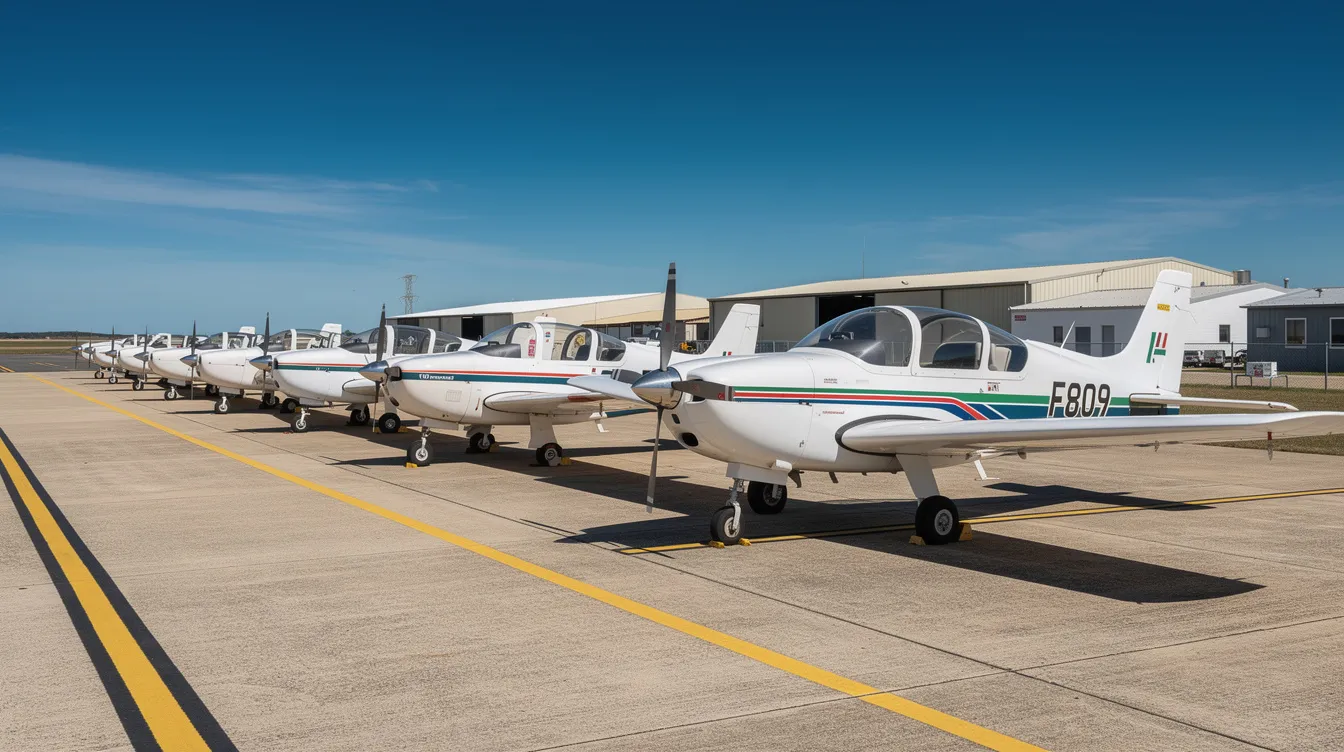
Key Specs That Matter: Range, Speed, and Operating Cost
Beyond price, your mission profile determines whether a "cheap" plane actually works. Here are the numbers that matter:
Maximum range: Cessna 150 covers roughly 350–400 nm, an older Cessna 172 manages 600–700 nm, and the Diamond DA40 NG stretches to approximately 934 nm with its diesel engine
Cruise speed: Legacy trainers manage 95–110 knots; modern composite models like the DA40 NG and Cirrus SR20 cruise at 130–150 knots, making a meaningful difference on regional travel time
Fuel burn: Small piston singles burn 5–10 gallons per hour; a DA40 NG sips just 5.1 gph of Jet A at cruise, while an avgas DA40-180 burns closer to 9.2 gph
Hourly fuel cost in 2026 runs $35–$50 for a Cessna 152 and $55–$70 for a four-seat avgas type. Annual maintenance reserves, inspections, and keeping avionics current add significantly, which is why some pilots instead analyze the cost to charter a small plane for occasional trips.
A light jet charter from New York to Miami takes roughly 2.5 hours. The same trip in a 120-knot single-engine plane requires multiple fuel stops and the better part of a day — making the speed and range comparison impossible to ignore for business travel.
New vs Used Single Engine Planes: Where the Real Savings Are
The used market is popular for budget-friendly single-engine airplanes, and for good reason. Most "cheapest single engine plane" deals live on the pre-owned market. Key considerations:
Depreciation is steepest in the first 5–10 years; aircraft 20–40 years old stabilize in value if well maintained with complete logbooks
Pre-owned single-engine aircraft often require careful assessment of engine time and maintenance history — engine overhauls can run $20,000–$40,000 depending on type
The UK market maintains 100–150 aircraft listed at any given time across platforms like AFORS, a popular UK marketplace, Controller.com with its wide selection of aircraft types, and AT Aviation showcasing diverse models for sale
Prices for aircraft in England range from $3,241 to $7,500,000, covering everything from project singles to turbine-powered machines
For financing, specialist UK lenders offer loans for 60–80% of aircraft value, with financing terms typically ranging from 5 to 12 years, supporting buyers pursuing the best, cheapest planes across different budgets. Financing options may vary based on buyer qualifications, and aircraft financing services often partner with credit brokerage firms to streamline the process.
Some buyers still choose new for full warranty, latest avionics, lower downtime, and durability—particularly for high-utilization training or business usage, while others compare these commitments against the cheapest private aircraft and flexible access models. But for many executives, the capital outlay for even a "cheap" new plane could instead fund years of Jet Card access without tying up cash in a depreciating asset.
Is Owning the Cheapest Single-Engine Plane Really Cheaper Than Jet Access?
Consider two scenarios: a business owner flying 40–60 hours per year for regional meetings, and an entrepreneur logging 150+ hours annually. The ownership math shifts dramatically between the two.
Annual fixed costs for even the cheapest aircraft include:
Hangarage costs at regional grass strips range from £2,000 to £4,000, while hangarage in London-area facilities runs £8,000 to £15,000
Annual ownership costs for a two-seat piston range from £10,000 to £25,000; four-seat high-performance piston ownership costs range from £30,000 to £80,000 annually
Insurance, annual inspection, ADS-B subscriptions, and avionics data updates add further costs each month
All-in hourly cost for a Cessna 152 operated about 100 hours per year lands around $70–$110/hr. A Piper Archer: $120–$180/hr. If you only fly 25 hours per year, those fixed costs per hour skyrocket — making even a "cheap" plane expensive per trip, which is where understanding whether chartering a private jet is worth it becomes crucial.
BlackJet Jet Card or on-demand charter for longer trips eliminates maintenance risk, downtime, and weather-sensitive planning, and savvy travelers often benchmark the best jet cards for frequent flyers before deciding how to structure their access. Single-engine ownership is ideal for hands-on pilots who enjoy training and local hops. BlackJet is the strategic tool for multi-city business days, cross-country trips, and families traveling with luggage and expectations of comfort.
Many BlackJet clients own a single engine plane for passion and training, while using Jet Cards for time-critical or weather-sensitive missions that pistons struggle with.
Safety, Technology, and Sustainability in Entry-Level Light Aircraft Aviation
Modern buyers — even those interested in budget-friendly planes — rightly prioritize safety. Key technologies available in today's light aircraft include:
Glass cockpits with Garmin G1000 and synthetic vision
Envelope protection systems in select models
The Cirrus SR22 features the Cirrus Airframe Parachute System, a whole-airframe recovery parachute that has saved hundreds of lives
The DA40 NG has one fatal accident per 1,000 aircraft per year, among the lowest in general aviation
In the UK, the UK CAA oversees safety standards for all aircraft in England, and all aircraft must hold a Certificate of Airworthiness. Maintenance by Part-CAO or Part-CAMO providers ensures ongoing compliance. Private aviation as a whole emphasizes the importance of safety certification and real-time flight support, alongside clear visibility into private jet price lists and access models.
On sustainability, modern diesels like the DA40 NG burn Jet A at roughly half the rate of older avgas engines, reducing both cost and carbon footprint, while entry-level jets described in guides to the cheapest private jet options increasingly focus on efficiency and responsible operations. BlackJet takes this further: only partnering with audited operators, maintaining rigorous certification, and offering carbon-neutral flights through integrated offset programs — a level of ESG accountability that individual single-engine owners find difficult to replicate.
Flight Training, Licensing, and Support for New Single Engine Owners
Even the cheapest single-engine aircraft requires serious commitment to pilot training and regulatory compliance, and buyers should understand the full spectrum of cheapest single-engine plane options before stepping into ownership. The typical path:
Private Pilot License (PPL) requires 40–60 hours of flight training; learn more about associated costs in our private pilot license price guide
Most students train in a Cessna 172 or Diamond DA20 — choosing to train on the same type you intend to own accelerates proficiency
Adding an instrument rating for IFR capability expands utility but adds cost and time
Support infrastructure matters too, especially when evaluating the best options for the cheapest plane and planning long-term maintenance and operating support. Maintenance organizations, aircraft management firms handling scheduling and compliance, and local instructor networks give new owners peace of mind while keeping them flying safely. These services impact total cost but are not optional if you want to keep your investment secure and airworthy.
BlackJet fits alongside this journey: clients can continue building hours in a low-cost single-engine plane while relying on Jet Cards for business-critical travel where they prefer to ride in the back and stay productive, sometimes stepping up to programs comparable in structure to a 50-hour jet card cost framework. A tech founder completing training in a DA20 on weekends in Italy or the English countryside, while using BlackJet midweek for investor meetings — that is the innovation of a dual-strategy aviation portfolio.
Alternatives to Buying the Cheapest Single-Engine Plane
Not everyone needs to own an aircraft to explore private aviation. If you fly infrequently or only for specific high-value trips, alternatives deserve consideration:
Flying clubs and hourly rentals of Cessna 152/172 models offer flight training access without full ownership commitment — though availability can be limited
Fractional ownership works for turboprops and jets but is rarely practical for small single-engine planes
BlackJet Jet Card access offers prepaid hours across multiple cabin classes, guaranteed availability, and zero concern about maintenance, storage, or resale, with products such as the BlackJet 25+ Hour Jet Card catering to frequent travelers
On-demand charter via BlackJet lets you choose aircraft type per trip — from a light jet suite to a heavy cabin for international travel
A simple decision framework: if your expected flying is under 40–60 hours per year and often includes longer routes or multiple passengers, jet access typically offers better value than owning even the cheapest single engine aircraft.
See a cheap single-engine plane as one tool — primarily for pilot training and hobby flying — and premium jet access as the strategic tool for serious business and luxury travel, a balance explored further in discussions of the cheapest private aircraft and hybrid access strategies.
FAQs: Cheapest Single Engine Planes and Strategic Private Jet Access
What is the absolute cheapest single-engine plane I can buy in 2026? Light fixed-gear two-seat piston aircraft can be found from around $15,000–$30,000 for older, higher-time Cessna 150s or Luscombe 8s. However, budget for at least $5,000–$10,000 in initial maintenance and inspection costs before you can safely fly them today.
How many flight hours per year justify ownership vs. a Jet Card? Generally, 80–100+ hours per year in a cheap trainer starts to make ownership math work. Below 50 hours, fixed costs per hour become prohibitive, and jet access for your longer missions may save you money overall. Read more about jet card pricing structures and detailed analyses of 100-hour jet card costs to compare.
Can I realistically use a light aircraft for regular business travel? For short regional hops under 300 nm in fair weather, yes, although some entrepreneurs ultimately compare these capabilities against the best, cheapest single-pilot jets for more speed and range. For multi-city days, weather-sensitive schedules, or routes requiring speed, a private jet operated by a certified crew is the more reliable choice.
Are cheap older single-engine planes safe? They can be, provided you invest in a thorough pre-buy inspection, maintain avionics currency, and fly with disciplined training. The safest small planes share common traits: well-maintained engines, current avionics, and pilots who stay proficient.
Do I need a pilot's license before buying a plane? No — you can legally own an aircraft without a license. You simply cannot operate it as pilot in command. Many buyers purchase while still in training, then complete their PPL in their own aircraft. Contact a local flight school to discuss your timeline.
Can I join BlackJet if I already own a single-engine plane? Absolutely. Many members maintain a single-engine plane for local flying and discovery while using their Jet Card for longer, time-critical missions, sometimes starting with flexible 25-hour Jet Card-style commitments. It is a complementary model, not an either-or decision. Visit the BlackJet website or email the membership team to learn more.
How do efficient light aircraft compare environmentally to commercial travel or private jets? Modern diesels like the DA40 NG burn as little as 5.1 gph of Jet A — impressive per-seat efficiency on short legs. For longer distances, BlackJet's carbon-neutral flight programs mitigate emissions through verified offset partnerships, a level of accountability that keeps your travel aligned with ESG commitments.
Conclusion: When a Cheap Single-Engine Plane Makes Sense - and When BlackJet Is Smarter
Buying the cheapest single-engine plane makes sense if you are a hands-on enthusiast, a student pilot building hours, or a local leisure flyer who values time in the cockpit. For these missions, nothing replaces the experience of owning and operating your own aircraft. But if you are a time-poor executive, a global entrepreneur, or a family that demands comfort, speed, and reliability on regional and international routes, premium jet access is the strategically superior choice.
The "cheapest" option is never just the plane with the lowest sticker price. It is the option that best preserves your time, capital, and safety for the missions that actually define your life and work. BlackJet Jet Cards and private jet charter deliver multi-cabin access, rigorous safety standards, seamless digital booking, and carbon-neutral flights — without the fixed burdens of ownership, all detailed in the core overview of BlackJet premium private jet cards and programs.
Discover how combining a light aircraft for flight training and weekend adventures with BlackJet for long-range private jet access can create a complete, strategically optimized aviation portfolio. Explore BlackJet's Jet Card programs and reshape the way you move through the world.


 Sign up with google
 Sign up with Apple