Introduction
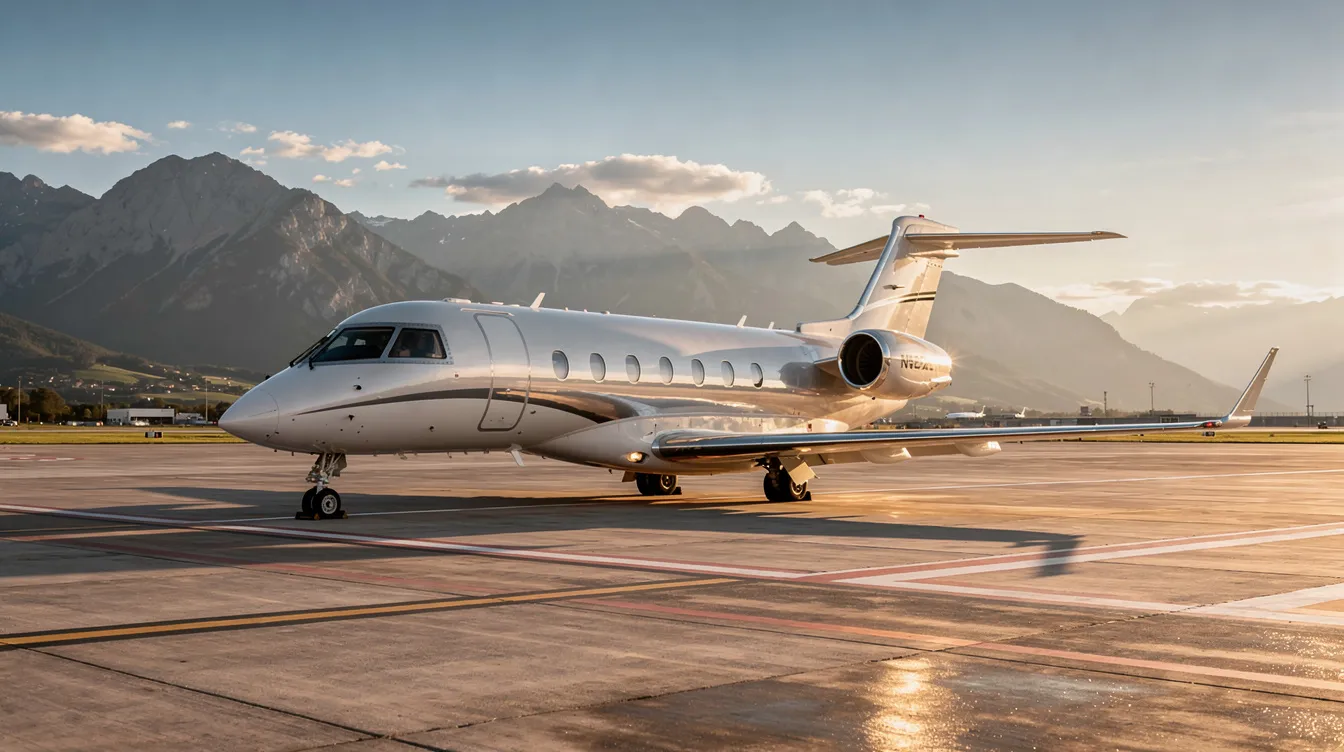
Welcome to the definitive guide to the Cessna Citation family of private jets. This guide covers the history, model lineup, performance, and best use cases for the Cessna Citation family, with a focus on private jet travelers considering BlackJet Jet Card programs. It is intended for discerning private jet travelers and those evaluating private aviation solutions, whether you are a frequent flyer, a corporate travel planner, or an individual exploring the benefits of private jet access.
Strategic Advantage of Flying Cessna Citation Jets with BlackJet
A commercial flight from New York to Chicago takes roughly 4.5 hours door-to-door once you factor in check-in, security, boarding, taxiing, and baggage claim. A Cessna Citation light jet covers the same distance in under two hours of flight time, departing from Teterboro and landing at Chicago Executive, both minutes from the city center. That time gap compounds across dozens of annual trips.
The Cessna Citation family features a model lineup designed to match aircraft to mission requirements, spanning from compact light jets built for 90-minute regional hops to super-midsize aircraft capable of transatlantic crossings. The citation family includes models from light jets to super-midsize aircraft, and BlackJet's Jet Card model gives members on-demand access to this full spectrum. Whether you need a Citation M2 for a same-day client meeting or a Citation Longitude for a coast-to-coast board roadshow, the right aircraft is available without the capital commitment of ownership.
BlackJet's role is to match the correct citation model to each mission profile, leveraging its premium private jet card programs to give members flexible access across the fleet. That means pairing passenger count, route distance, baggage needs, and cabin preferences with the optimal aircraft from the Cessna Citation fleet. The result: lower per-trip costs, faster turnarounds, and a cabin experience that fits the journey.
The Citation Legacy in Business Aviation
The Cessna Citation brand traces its origins to the late 1960s, when Cessna set out to build a jet that owner-pilots could fly themselves. The first prototype, the FanJet 500, took flight on September 15, 1969, and the production Citation I entered service in 1972. At a time when business jets were large, complex, and expensive to crew, the Citation I offered a simpler alternative: a light jet with modest operating costs and the ability to land on short runways at small-town airports.
Cessna has delivered over 8,000 Citation aircraft worldwide, and collectively these jets have accumulated over 35 million flight hours. That installed base makes the Cessna Citation family the largest line of business jets in aviation history, a distinction that translates into practical advantages for charter operators and Jet Card members alike. Textron Aviation, which acquired Cessna in 1992, maintains a global support network scaled to that fleet size. The citation family has extensive global maintenance support due to its large installed base, meaning parts availability and scheduled maintenance turnaround times remain among the best in the industry.
For BlackJet members, the citation brand's reliability record matters most at the point of dispatch. Modern Citations under proper maintenance achieve dispatch rates above 99%, which means fewer cancellations, fewer substitutions, and more predictable travel.
What Defines a Cessna Citation Jet?
The core design philosophy across all Cessna Citation models is a deliberate balance of speed, range, cabin comfort, and operating cost. Light jets like the Citation M2 prioritize regional speed and access to secondary airports. Midsize and super-midsize jets like the Citation Latitude and Citation Longitude add stand-up cabins, greater payload, and transcontinental range.
Several aircraft features remain consistent across the lineup:
Cabin layout: Most models feature club-four seating, an aft lavatory, and a refreshment or galley center. Newer models like the Latitude introduce a flat floor cabin with a circular fuselage cross section, while the Longitude extends that design with a longer cabin.
Avionics: Cessna Citation jets are known for modern avionics systems utilizing Garmin technology. The Citation M2 cockpit runs the Garmin G3000 touchscreen suite; the Citation Longitude flight deck uses the Garmin G5000 with autothrottle, synthetic vision, and ADS-B Out. These systems reduce crew workload and improve situational awareness in marginal weather.
Runway performance: Cessna Citation aircraft feature exceptional short-field performance. Many midsize Citations need fewer than 4,000 feet to take off, opening access to airports closer to business hubs and vacation destinations.
Many Citation jets are engineered for efficient fuel consumption and lower direct operating costs compared to competing platforms in each size class. That translates to Cessna Citation jets offering strong operating economics, which BlackJet passes through to members in the form of competitive hourly rates.
Brief History of the Cessna Citation Family
The Citation story begins in 1968, when Cessna announced the FanJet 500. Its first flight came on September 15, 1969, and the production Citation I (Model 500) received FAA certification on September 9, 1971. Cessna produced 668 Citation I aircraft during its production run from 1971 to 1985, establishing the brand as the entry point into jet ownership for thousands of business operators.
Through the late 1970s and 1980s, the lineup grew. The Cessna Citation II arrived with a stretched fuselage and greater range, and the cessna citation bravo later evolved that line with updated engines and avionics. The Citation III, produced between 1983 and 1992, introduced swept wings and a stand-up cabin with a range of 2,348 nautical miles, pushing Citations into true midsize territory. Its derivatives, the Citation VI and Citation VII, refined that platform with different engine and interior packages through the 1990s, while the planned cessna citation iv was never produced.
The 1990s also brought the citation jet family (CJ1, CJ2) and the record-setting Citation X, which became the fastest civilian aircraft from 1996 to 2012. The late 1990s and 2000s added the Citation Excel (1998), Citation Sovereign (2004), and Citation Mustang (2006), each targeting a distinct segment of the business jet market.
Since 2010, Textron Aviation has concentrated on modernizing the range. The Citation M2, CJ3+, CJ4 Gen2, cessna citation latitude (2015), and Citation Longitude (2019) represent the current generation. Cessna has certified more than 30 Citation models since 1972, and each generation responded to evolving demand: longer range, better cabins, improved fuel efficiency, and advanced avionics.
Citation Light Jets: Efficient Powerhouses for Short-Haul Missions
Light jets form the backbone of regional private travel. Typical missions last 1.5 to 3 hours with 4 to 7 passengers, and this is where many BlackJet Jet Card members log the majority of their hours. Citation jets can operate at higher cruise altitudes and from shorter runways than larger jets, giving access to secondary airports that sit minutes from business centers rather than the hour-plus drive from major commercial hubs, while also taking advantage of how high private jets fly compared to commercial aircraft for smoother, more direct routings.
Many light models are certified for single-pilot operations, which reduces crew costs for charter operators. Cessna Citation jets provide excellent runway flexibility in this class, and their hourly rates sit well below midsize and heavy jets while still delivering a genuine private jet cabin experience.
Key reasons Cessna Citation light jets dominate this segment:
Access to 5,000+ airports in the U.S. alone (vs. ~500 served by airlines)
Cruise speeds of 400 to 451 knots, competitive with much larger private jets
Lower fuel burn per hour than midsize or heavy alternatives
Single pilot version certification on all current CJ and M2 models
Citation M2: The Perfect Entry-Level Cessna Citation
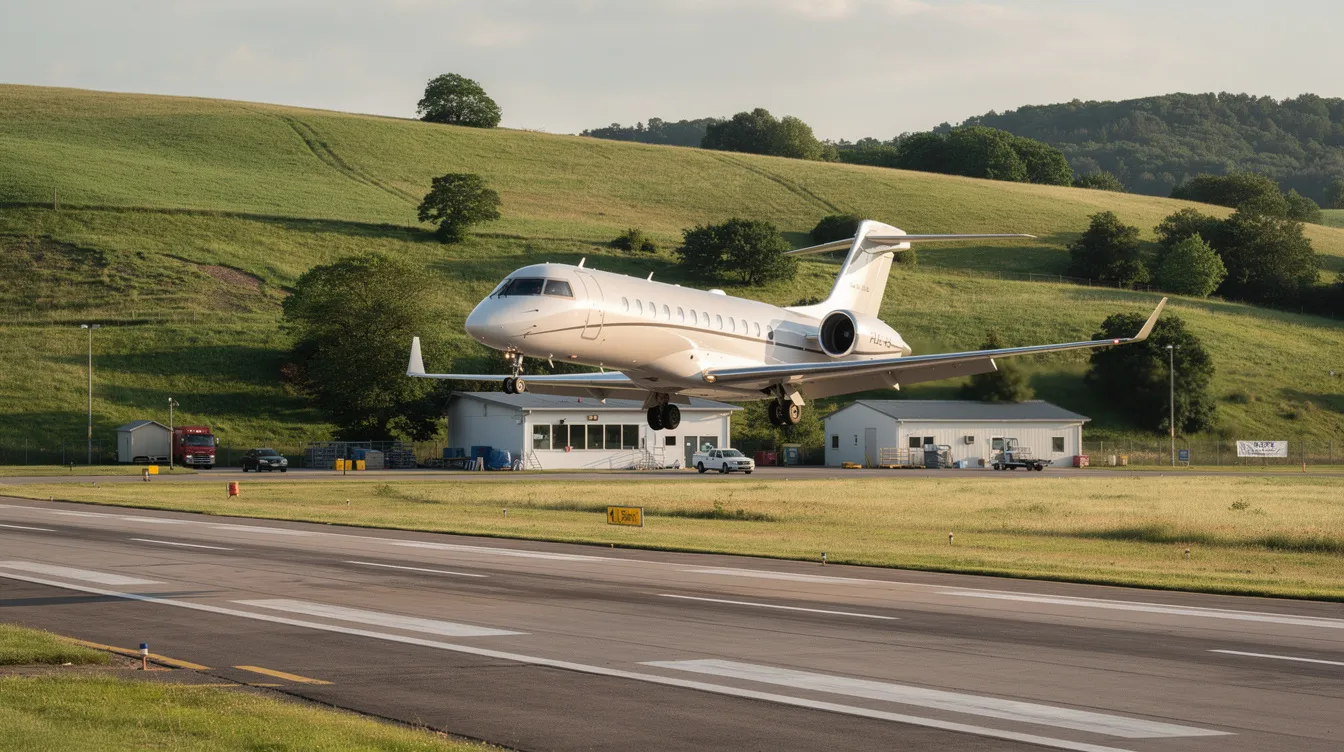
The Citation M2 is an entry-level model in the Citation lineup, introduced in 2013 to bridge the gap between very light jets and traditional light jets. It is certified for single pilot operation, keeping crew costs low for operators.
Core performance: maximum cruise speed of approximately 404 knots; maximum range around 1,550 nautical miles with four passengers; typical seating for four to seven passengers depending on configuration. The cabin height sits at roughly 57 inches, with club seating, a small refreshment area, and enough baggage volume for a day trip's worth of luggage.
Ideal use cases include same-day round trips. A BlackJet member based in Dallas could depart for Nashville at 7:00 AM, land by 8:30 AM local time, hold two client meetings, and return home by 6:00 PM. A London-based member could fly to Geneva for lunch and return by evening. Light jets like Citation M2 cost £3,000 to £4,500 per hour in charter, making them the most accessible entry into jet card flying.
Citation CJ3+ and CJ3 Gen3: The Workhorse Light Jets
The Citation CJ3 launched in 2004 as a stretched, higher-performance evolution of the original CJ line. The CJ3+ arrived around 2014 with upgraded Garmin avionics, improved cabin finishes, and aerodynamic refinements. The Citation CJ3 has a maximum range of about 2,040 nautical miles, with a cruise speed of approximately 417 knots and seating for six to eight passengers.
These aircraft handle the bread-and-butter routes of corporate flight departments: New York to Miami (roughly 1,200 nm), Chicago to Houston (about 700 nm), or Madrid to Marrakesh. They carry enough passengers and baggage for a small executive team or a family of four with ski gear.
The CJ3+ retains single-pilot certification and modern Garmin G3000 avionics with synthetic vision, which means BlackJet's partner operators can dispatch these aircraft with a single experienced captain on shorter routes, keeping costs down without compromising safety or capability.
Citation CJ4 Gen3: Flagship of the Citation Light Jets
The Cessna Citation CJ4 entered service in 2010, and the CJ4 Gen3 updates from the mid-2020s brought refreshed cabin lighting, improved connectivity, and refined interior materials. It is the largest and fastest aircraft in the CJ family.
The Citation CJ4 has a maximum range of about 2,165 nautical miles. Its maximum cruise speed reaches approximately 451 knots, and the cabin typically seats eight passengers in a comfortable layout (up to ten in high-density configurations). That combination opens cross-country U.S. routes: New York to Dallas, Los Angeles to Houston, or intra-European flights like London to Athens.
BlackJet may recommend the CJ4 Gen3 within a light jet category Jet Card for clients who want near-midsize comfort without midsize pricing. The cabin stretch over the CJ3 provides noticeably more legroom and shoulder space, and the fuselage cross section allows for a more generous refreshment area.
Very Light and Legacy Citation Jets: Mustang, CJ1/CJ2, and Citation V Family
The Citation Mustang, produced from 2006 to 2017, pioneered the very light jets category for Cessna. With a four-seat cabin, a range of approximately 1,300 nautical miles, and operating costs below any other Cessna jet, it served as the ideal aircraft for 1 to 1.5 hour hops between nearby cities.
CJ1 and CJ2 variants, along with their "+" upgrades, represent early single-pilot citation jets that still appear in the charter market. They offer smaller cabins and lower performance than the CJ3 or CJ4, but for cost-sensitive, short-mission users, they remain a practical option.
The Cessna Citation V, Citation Ultra, and Citation Encore trace their lineage to the Cessna Citation II, with a stretched version of that fuselage, upgraded engines, and improved avionics over successive variants. The Citation V has a maximum cruise speed of 425 knots, and the family offers ranges of roughly 1,700 to 2,000 nautical miles with seven to eight passengers. The Citation Bravo, another derivative of the citation II series, added further refinements. Within this branch, the Citation V Ultra was the upgraded Citation V variant before the Encore further evolved the platform. While BlackJet focuses on newer, more efficient aircraft, vetted legacy Citations from this lineage can still deliver strong value on selected routes.
Midsize and Super-Midsize Citations: Latitude, Longitude, VI, VII, and Sovereign
Midsize and super-midsize Cessna Citation jets occupy the sweet spot for coast-to-coast and transcontinental business aviation. They offer stand-up cabins, extended range, and the passenger capacity to accommodate larger groups. BlackJet clients often step up to this class when traveling with seven to ten passengers, carrying more luggage, or needing nonstop coast-to-coast capability.
The key model families in this segment: classic midsize (Citation III, Citation VI, Citation VII), the Excel/XLS/XLS+ line, Citation Sovereign and Sovereign+, and the current-generation Citation Latitude and Citation Longitude.
Classic Midsize: Citation VI and Citation VII
The Citation VI (produced 1991 to 1995) and Citation VII (1992 to 2000) both evolved from the Citation III platform. They share a similar fuselage but differ in powerplant and cabin trim. The Citation VI offered a range of roughly 2,000 nautical miles at a cruise speed around 459 knots. The Citation VII used more powerful Honeywell TFE731-4R engines and upgraded interior materials; its range sits around 1,700 nautical miles due to the higher thrust engines burning more fuel at equivalent loads.
From a charter client's perspective, the practical difference is straightforward: the Citation VI covers more ground per tank while the Citation VII climbs faster and performs better from high-altitude or hot airports. Both deliver a spacious cabin with stand-up headroom. Midsize jets such as Citation VI cost £4,000 to £5,500 per hour in charter, making them a cost-conscious choice for routes like Denver to New York or Berlin to the Canary Islands. While these aircraft lack the latest-generation avionics, their proven reliability keeps them relevant in the extensive fleet of charter operators BlackJet works with.
Citation Excel, XLS, XLS+, and Citation Ascend
The Citation Excel, introduced in 1998, was a breakthrough: it delivered a midsize cabin on a light-jet cost base. The Citation XLS and Citation XLS+ followed with upgraded engines, improved Pratt Whitney powerplants, and refreshed avionics.
The XLS+ seats eight passengers in a typical corporate layout, cruises at approximately 430 knots, and covers a maximum range of around 2,100 nautical miles. It remains one of the most popular jet models in corporate flight departments and charter fleets worldwide.
The Citation Ascend, announced as the new-generation replacement in the mid-2020s, introduces a flat floor, larger windows, and Garmin G5000 avionics. It positions itself as the future standard for midsize Citations. BlackJet can place clients on XLS+ or Ascend aircraft for trips like New York to Aspen, Toronto to Palm Beach, or London to Moscow, balancing price with cabin comfort.
Citation Sovereign and Sovereign+: Transcontinental Capability
The Citation Sovereign entered service in 2004; the Sovereign+ followed in 2013 with winglets, improved engines, and an updated flight deck. Both sit at the boundary between midsize and super-midsize, offering transcontinental reach that many midsize jets cannot match.
The Sovereign+ delivers a maximum range of approximately 3,200 nautical miles at a cruise speed of around 460 knots. Maximum passengers reach 12 in high-density configuration, though 8 to 9 is typical for comfortable travel. Its takeoff field length of roughly 3,530 feet gives access to airports that restrict many larger private jets.
Use cases include U.S. coast-to-coast flights (Los Angeles to New York nonstop), cross-Europe routes, and departures from high-elevation airports where strong climb performance is essential. BlackJet may recommend the Citation Sovereign over a larger 16-seat private jet or other long-range jet when cabin and range are sufficient but total trip cost is a priority.
Citation Latitude: Modern Midsize Benchmark
The Cessna Citation Latitude entered service in 2015 as a clean-sheet design. Its circular fuselage cross section delivers a full stand-up, flat floor cabin with over six feet of height (72 inches) and an internal width of 77 inches. The cabin seats up to nine passengers comfortably, with generous baggage space at 127 cubic feet.
The Citation Latitude has a maximum range of 2,700 nautical miles and a maximum cruise speed of approximately 446 knots. PW306D1 engines from Pratt Whitney provide the thrust. Sound insulation, cabin altitude management, and modern in-flight connectivity make this a productive working environment at 45,000 feet.
The Citation Latitude connects city pairs like Los Angeles to New York and Geneva to Dubai (subject to payload and wind conditions). For BlackJet members on a midsize Jet Card tier, the Latitude offers the best combination of cabin volume, range, and runway performance in its class. Its improved performance over older midsize Citations is measurable: lower fuel burn per seat-mile, better climb rates, and reduced cabin noise.
Citation Longitude: Super-Midsize Game-Changer
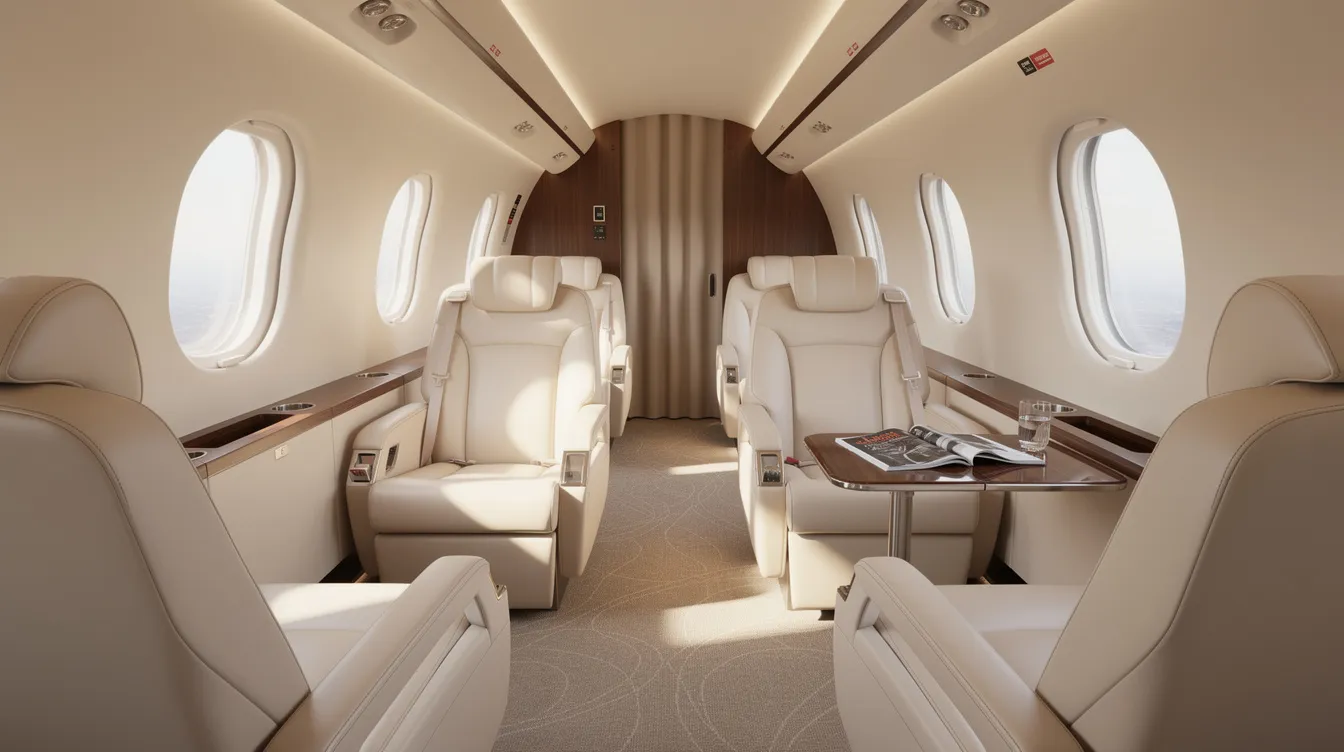
The Cessna Citation Longitude began deliveries in 2019 as Textron Aviation's flagship super-midsize jet. It extends the Latitude's cabin design with a longer fuselage: cabin length reaches 25 feet 2 inches, with the same flat floor and 72-inch cabin height.
The Citation Longitude can fly up to 3,500 nautical miles with four passengers, giving Cessna Citation jets a maximum range of 3,500 nautical miles at the top of the family. Maximum cruise speed sits around 483 knots. The Citation Longitude can carry up to 12 passengers, though 8 to 10 in a double-club or club-and-divan layout is standard for comfort. Full fuel payload reaches approximately 1,600 pounds, and baggage capacity is 112 cubic feet.
Mission profiles include transcontinental and many transatlantic routes: New York to London, London to Riyadh, or São Paulo to Miami depending on winds and payload. Super-midsize jets like Longitude cost £5,000 to £6,000+ per hour. BlackJet may select Citation Longitude over larger long-range private jets because its operating cost per hour runs lower while the cabin experience and impressive range meet the requirements of most business missions.
Citation X and X+: Speed Icons in Business Aviation
The Citation X arrived in 1996 and held the title of fastest civilian aircraft until 2012. The Citation X has a maximum cruise speed of 525 knots (Mach 0.935 at optimal altitude), a figure that no other business jet in production matched during its era. The X+ variant, produced from 2014 to 2017, added Garmin G5000 avionics, winglets, and slightly improved range.
Range for the X/X+ family sits around 3,000 to 3,460 nautical miles depending on load. The cabin seats eight to nine passengers with a width of approximately 5.6 feet and height of 5.7 feet; not as spacious as the Latitude or Longitude, but functional for travelers who prioritize arrival time above all else.
Consider a scenario: an executive needs to attend a morning meeting in Los Angeles and an evening dinner in New York. A Citation X departs Van Nuys at 7:00 AM Pacific, lands at Teterboro before 3:00 PM Eastern. That same aircraft can reposition for a return flight the following morning. Although production has ended, well-maintained Citation X aircraft remain available in premium charter fleets and through BlackJet's vetted operator network. For the aviation enthusiast who appreciates record-holding performance, few citation jets carry more cachet.
The Citation Hemisphere, announced as a large-cabin successor concept, would have pushed the citation brand further into the large-jet segment with capabilities approaching private jets for 15 passengers, though that program was ultimately shelved.
Performance, Range, and Cabin Experience Across the Cessna Citation Family
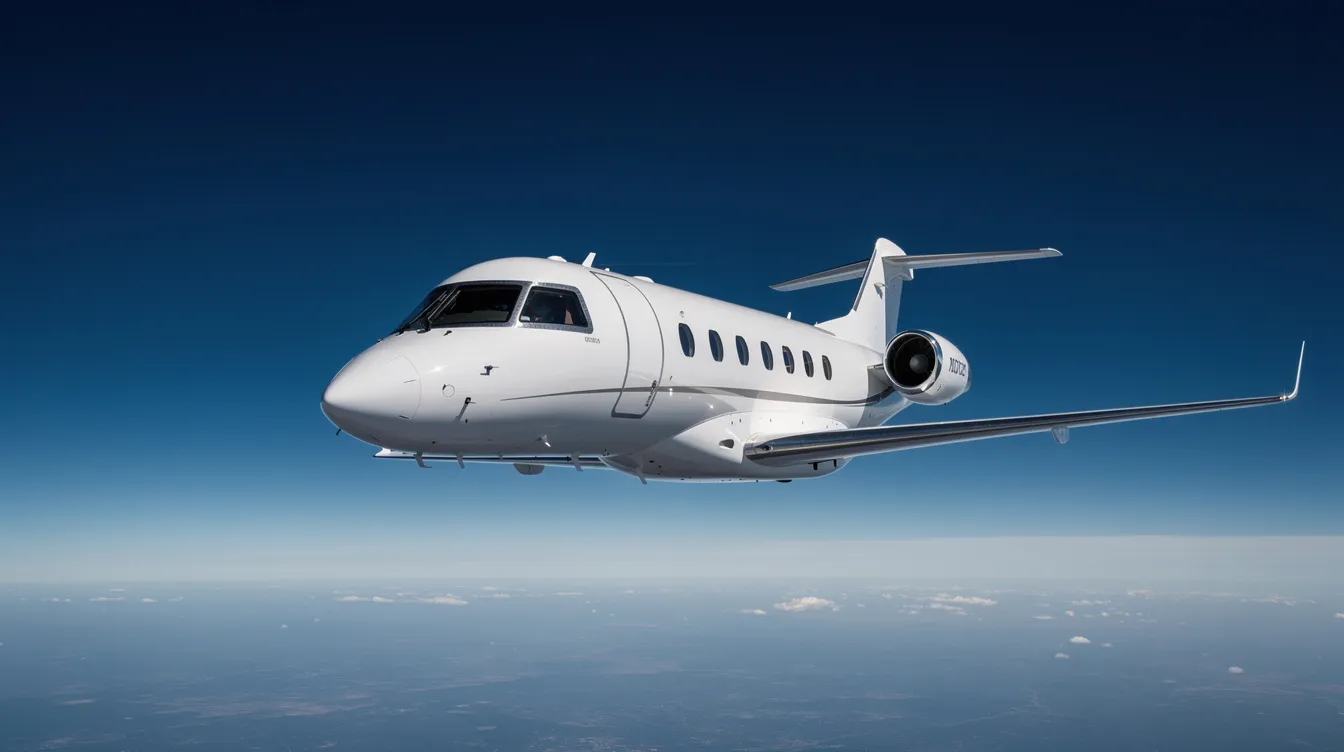
Cessna Citation models are designed for different mission profiles, and the performance differences across the lineup are concrete, especially when compared with the best private jets in the world:
Category | Range (nm) | Cruise Speed (KTAS) | Cabin Height | Typical Passengers |
|---|
Light (M2, CJ3+, CJ4) | 1,550 to 2,165 | 404 to 451 | 57 to 60 in | 4 to 8 |
Midsize (XLS+, Latitude) | 2,100 to 2,700 | 430 to 446 | 68 to 72 in | 8 to 9 |
Super-midsize (Longitude, X+) | 3,000 to 3,500 | 483 to 525 | 72 in (Longitude) | 8 to 12 |
Light jets serve frequent, short-haul missions where access to secondary airports and lower hourly rates matter most. The cabin does not offer full stand-up height, but for flights under two hours, passenger capacity of four to eight passengers is adequate.
Midsize and super-midsize Citations deliver stand-up cabins, flat floors, and the range to fly coast-to-coast or reach international destinations without fuel stops. The Latitude and Longitude share identical cabin widths; the Longitude adds length and range. Cessna Citation jets have accumulated over 35 million flight hours across the full range, and that operational record gives BlackJet advisors deep data on reliability, dispatch rates, and maintenance intervals for every model.
Best Use Cases: When a Cessna Citation Is the Right Private Jet Choice
Short regional business hops (under 2 hours): A Citation M2 or CJ3+ handles routes like Dallas to Houston, London to Paris, or Los Angeles to San Francisco. These trips cost less on a light jet than any other private jet category, and the aircraft fits into short runways at airports like London City or Aspen.
Multi-city same-day itineraries: The CJ4 Gen3 or XLS+ allows a BlackJet member to visit two or three cities in a single day. Depart Boston at 6:00 AM, meet clients in Washington, D.C. by 8:30 AM, fly to Atlanta for a 1:00 PM lunch, and return to Boston by dinner.
Coast-to-coast and transcontinental: The Citation Latitude and Longitude handle New York to Los Angeles, Toronto to Vancouver, or London to Dubai. These missions need range above 2,500 nm, a spacious cabin for productive work, and baggage capacity for a week's worth of luggage.
Transatlantic business missions: The Citation Longitude, with its 3,500 nm range, covers many transatlantic city pairs depending on winds and payload. For missions beyond its reach, BlackJet can recommend the largest private jets for sale and charter while keeping the member on the same Jet Card.
Cessna Citation jets provide excellent runway flexibility. Short-field performance enables access to airports like Teterboro (5,000 ft runway), Aspen (8,000 ft but high-altitude), and London City (4,948 ft with steep approach), all of which restrict many hawker aircraft and older midsize platforms.
Chartering Cessna Citation Jets with BlackJet Jet Cards
BlackJet's Jet Card programs (25-hour and 50-hour tiers) give members prepaid access to multiple aircraft categories, including many Cessna Citation jets across the light jet category, midsize, and super-midsize segments, and follow the same principles outlined in this guide to understanding jet card cost. Members select a cabin class; BlackJet matches the best available aircraft and operator for each trip.
The booking process is direct. Members enter a city pair, dates, and passenger count through BlackJet's digital platform. The system returns suitable citation jets, estimated flight times, and pricing. A member booking a Citation M2 from Los Angeles to Las Vegas for a same-day meeting sees a different rate and aircraft than one booking a Citation Latitude from New York to Los Angeles for a five-day board roadshow.
BlackJet provides 24/7 support, transparent pricing, and the ability to switch between Cessna Citation jets and other aircraft classes as needs change, aligning with best practices for jet cards for frequent flyers. If a member's typical two-passenger regional trip suddenly becomes a ten-person transatlantic journey, the Jet Card fleet options flex to accommodate.
Cost and Value: Cessna Citation Jets vs Other Private Jets
Cessna Citation charter costs range from £3,000 to £6,000 per hour depending on aircraft category, fitting within broader jet card pricing structures:
Light jets (M2, CJ3+, CJ4): £3,000 to £4,500 per hour, aligning closely with ranges discussed in our 50 hour Jet Card cost guide
Midsize jets (XLS+, Latitude): £4,000 to £5,500 per hour, which is particularly relevant when modeling a dedicated 100 hour Jet Card cost
Super-midsize jets (Longitude): £5,000 to £6,000+ per hour
Major cost drivers beyond the hourly rate include aircraft positioning (repositioning legs can increase charter costs by 20% to 40%), overnight fees, de-icing at cold-weather airports, and catering, all of which factor into jet card cost per hour. Selecting the right Citation size for each trip optimizes total cost: a CJ3+ for a four-passenger, two-hour flight costs far less than dispatching a midsize jet for the same mission, and careful aircraft selection is central to evaluating whether chartering a private jet is worth it.
Cessna Citation jets provide lower total ownership and operating costs compared to some competitors in each size class. For Jet Card members, the comparison is also relevant against outright aircraft ownership, where buyers might be evaluating options like a 5 million dollar private jet. Ownership involves fixed hangar fees, crew salaries, insurance, and maintenance reserves regardless of whether the aircraft flies. A Jet Card structure converts those costs into predictable per-hour charges, with no capital tied up in a depreciating asset and a transparent framework for jet card cost per hour.
Safety, Certification, and Maintenance for Citation Operations
Every Cessna Citation jet operating in charter must comply with FAA Part 135 (in the United States) or equivalent EASA OPS regulations in Europe. BlackJet works only with audited, top-tier charter operators who hold current certifications and, in many cases, IS-BAO registration.
Pilot qualification requirements include type ratings specific to each citation model. A CJ4 pilot cannot fly a Longitude without completing a separate type rating program. Recurrent training happens at six- or twelve-month intervals, typically in full-motion simulators, covering emergency procedures, upset recovery, and systems failures. For models equipped with autothrottle (Longitude, Sovereign+, X+), additional simulator modules cover automation management.
Textron Aviation's global service network supports the extensive fleet of Citations worldwide. Scheduled inspections, component tracking, and avionics updates follow manufacturer-mandated intervals. BlackJet's internal vetting process evaluates each partner operator's maintenance records, pilot training compliance, and safety management systems before any member boards a flight.
Sustainability and Technology: Modern Citations in a Carbon-Conscious Era
Newer citation jets like the Citation Latitude and Citation Longitude burn less fuel per seat-mile than their predecessors. The Longitude's Honeywell HTF7700L engines and aerodynamic design reduce fuel consumption compared to older super-midsize platforms. The Latitude's PW306D1 engines achieve similar efficiency gains in the midsize category.
Many Cessna Citation jets are compatible with sustainable aviation fuel (SAF), which can reduce lifecycle carbon emissions by up to 80% compared to conventional jet fuel when available. SAF supply remains limited to select airports, but availability is expanding.
BlackJet ensures every journey is carbon neutral at no extra cost to members. Offsets are calculated per trip based on fuel burn, route distance, and aircraft type, then automatically applied, even on large-group flights comparable to private jets for 50 passengers. Members receive documentation of their offset contribution alongside their trip receipt.
BlackJet's digital tools, including real-time flight tracking, electronic contracts, and integrated trip itineraries, complement the advanced avionics on modern Citations. The combination of G5000 flight decks and a mobile booking platform creates a tech-forward experience from booking to landing.
Frequently Asked Questions About Cessna Citation Jets and BlackJet
Which Cessna Citation light jets are best for four to six passengers on one to two hour flights?
The Citation M2 and CJ3+ are both optimized for this mission. The M2 handles four to seven passengers on routes up to 1,550 nm; the CJ3+ extends range to 2,040 nm and seats six to eight passengers. Both are certified for single-pilot operation.
How far can a Citation Latitude and Citation Longitude fly nonstop?
The Citation Latitude has a maximum range of 2,700 nautical miles (four passengers), covering routes like New York to Los Angeles. The Citation Longitude can fly up to 3,500 nautical miles, reaching many transatlantic city pairs.
What is the main difference between Citation VI and Citation VII from a passenger's perspective?
The Citation VI offers longer range (roughly 2,000 nm vs 1,700 nm) for the same cabin size. The Citation VII climbs faster and performs better from hot or high-altitude airports due to its more powerful engines. Cabin dimensions and seating layouts are nearly identical.
How many passengers can a Citation Sovereign or Citation M2 carry comfortably?
The Citation Sovereign seats 8 to 9 passengers in a comfortable layout (maximum passengers up to 12 in high-density). The Cessna Citation M2 typically carries four to seven passengers depending on configuration.
Can I request a specific Cessna Citation model when booking through BlackJet?
Yes. Members can specify aircraft preferences when booking. BlackJet's platform shows available citation jets by category, and advisors can source specific models like the CJ4 Gen3 or Citation Latitude based on route and passenger requirements.
How does BlackJet ensure safety and maintenance standards on the Citation jets I fly?
BlackJet vets every partner operator against FAA Part 135 or EASA OPS compliance, reviews maintenance records, confirms pilot type ratings and recurrent training, and audits safety management systems. Members can request safety documentation for any aircraft before boarding, just as they might when comparing alternatives like NetJets jet card costs and programs.
Are Cessna Citation jets fuel-efficient compared to other business jets?
Yes. Cessna Citation jets are popular for their operational flexibility and fuel efficiency within each size class. Newer models like the Longitude and Latitude use modern turbofan engines designed for lower fuel burn per nautical mile than older-generation competitors.
Conclusion: Choosing the Right Cessna Citation with BlackJet
The Cessna Citation family spans from efficient light jets like the Citation M2 to advanced super-midsize jets like the Citation Longitude, covering nearly every private travel need. More than 8,000 Cessna Citation jets have been delivered globally, and their combined record of over 35 million flight hours validates the platform's durability and operator confidence.
Citations combine reliability, cabin comfort, and cost efficiency. They are a cornerstone of modern business aviation and a core part of the BlackJet fleet mix. Whether your typical trip is a 90-minute regional hop or a seven-hour transatlantic crossing, there is a Cessna Citation jet that fits, even if you currently fly smaller, more affordable aircraft options for personal use.
Speak with a BlackJet advisor to match your travel patterns and passenger profiles to the right Cessna Citation jet and Jet Card tier, whether you're booking whole-aircraft charter or simply looking to buy a seat on a private jet. Explore premium access to Cessna Citation jets with a BlackJet Jet Card and reimagine how you move through the world.


 Sign up with google
 Sign up with Apple