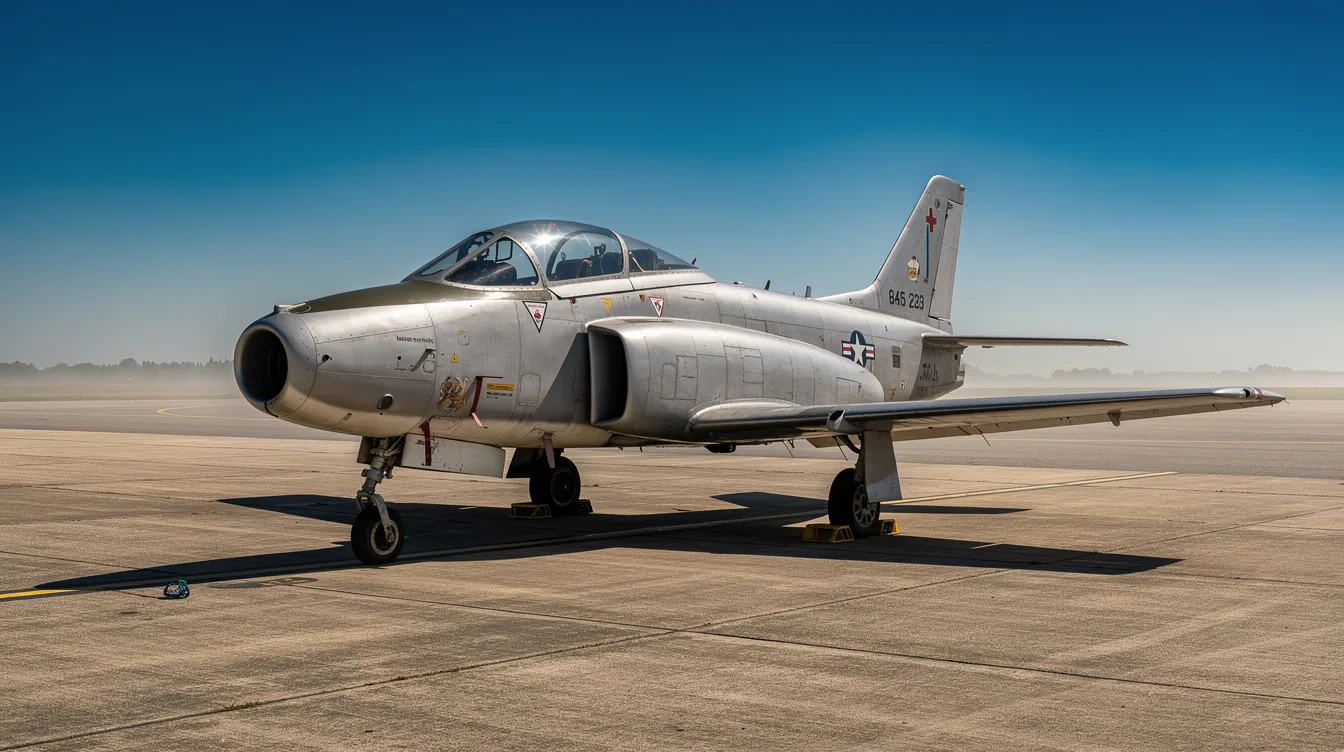
The idea of owning a fighter jet stirs something primal-raw speed, military history, and engineering pushed to the limit. But in 2026, what does buying fighter jets actually look like for a civilian? The answer involves more paperwork, more maintenance, and more money than most people expect. This guide breaks down what you can realistically own, what it costs to buy and fly, and why many high-net-worth individuals ultimately choose a different path to the sky.
Fast answer: Can you actually buy a fighter jet?
Yes, but with significant caveats. Civilians in the U.S., UK, and many EU countries can legally purchase retired military aircraft-including demilitarized fighter jets-but not frontline combat-ready fighters with active weapons systems. Civilians cannot own modern military aircraft with live weapon systems, and private ownership of modern frontline fighters is generally prohibited.
The term "fighter jet" in civilian ownership typically refers to combat aircraft designed for air-to-air or multi-role missions, while the broader category of military aircraft includes trainers, light attack platforms, and reconnaissance airplanes. Most aircraft flown in private hands today are 1950s–1990s designs: the Aero L-39, MiG-21, Douglas A-4 Skyhawk, and BAC Strikemaster, among others. Before any sale, weapons, targeting systems, and classified avionics are removed or rendered inoperable-demilitarization is mandatory for civilian ownership of military jets.
Privately owned military jets number around 1,000 in the U.S. alone. But if your real goal is fast, flexible, private travel rather than restoring and maintaining a vintage warbird, services like the BlackJet Jet Card offer a fundamentally different-and often smarter-approach, similar in spirit to tailored private jet charters in major hubs like Karachi.
What kinds of fighter jets and military jets are actually for sale?
The secondary market for military jets is more active than most people realize, though it skews heavily toward older trainers and Cold War-era combat aircraft rather than anything a modern air force would fly. Fighter jets are categorized based on their technology and performance capabilities, and here is what you can actually find:
Aero L-39C Albatros - The most common entry point. A Czech-built subsonic jet trainer with approximately 2,800 units produced worldwide. Manageable performance, active owner community, and relatively available parts make it the workhorse of the civilian warbird jet world.
Aero L-29 Delfin - Older, simpler, and cheaper than the L-39, but with more maintenance challenges and fewer avionics. A true budget military jet.
SIAI-Marchetti S-211 and BAC Strikemaster - Less common trainers that appeal to aviation enthusiasts seeking something distinctive. Support networks are thinner.
Vintage fighters (WWII/Korean War) - P-51 Mustangs, Spitfires, MiG-15s, and F-86 Sabres. These planes carry enormous historical significance and command premium prices driven by rarity, provenance, and military history.
Cold War tactical jets - MiG-21 variants, Douglas A-4 Skyhawk family (including ex-Navy carrier-capable TA-4J models), and occasionally the Hawker Hunter. Some appear as museum pieces or limited airshow performers.
Modern 4th-gen fighters - Aircraft like the F-16C/D, F/A-18, Eurofighter Typhoon, or Rafale remain tightly controlled by governments and other nations. When F-16A/B variants appear in private hands, they are usually operated by contractors like Top Aces under adversary air training contracts for the U.S. Department of Defense-not for private weekend flying.
Private companies can acquire decommissioned jets for training or flight demonstrations, but these operations look nothing like personal ownership.
Typical purchase prices: what a fighter jet really costs to buy
List price is only the starting point. Acquisition costs for retired or trainer military jets vary widely based on condition, engine hours, avionics upgrades, and restoration quality. Here are realistic 2024–2026 price ranges based on public listings and broker quotes:
Aero L-29 Delfin - Roughly $70,000–$150,000 depending on total hours and restoration level. The most affordable turbine military jet you can fly.
Aero L-39C Albatros - Airworthy examples commonly listed between $150,000 and $650,000, with premium restorations and engine upgrades pushing past $900,000.
SIAI-Marchetti S-211 and similar small jet trainers - Around $800,000–$1.2M when fully restored with modern avionics.
Douglas A-4/TA-4 Skyhawk - Static display airframes can start in the low six figures. A fully airworthy, dual-seat TA-4J ranges from $2.5M–$3.5M.
MiG-21 - Flyable examples span $300,000–$800,000. Static "gate guard" airframes can go as low as $40,000–$60,000.
Trophy warbirds (P-51D Mustang, Spitfire, P-38 Lightning) - Fully restored fighters routinely exceed $4M–$8M, sometimes surpassing the cost of a late-model super-mid or large-cabin business jet, especially when compared with the most affordable private jet options available in today’s market.
The total cost of ownership includes acquisition, maintenance, and operational expenses. Restoration, ferry flights, certification paperwork, and pilot training commonly add 30–100% to the initial outlay. A $250,000 L-39 can easily become a $500,000 project before its first flight under your name—figures that invite comparison with the cost structures of Jet Card membership and the broader private jet pricing landscape.
The legal framework: how civilians can own ex-military aircraft
Civilians can legally purchase retired military fighter jets after demilitarization-but the regulatory path is narrow and specific.
Demilitarization - All weapons, firing circuits, hard points, classified avionics, encryption gear, and sometimes radar must be removed or permanently disabled. Legal export controls like ITAR and EAR apply to military aircraft transactions involving controlled components.
FAA Experimental/Exhibition certification - In the U.S., most former military aircraft require FAA Experimental/Exhibition certification under 14 CFR §21.191(d). Operating limitations restrict flights largely to airshows, training, proficiency, and transitional ferry flights. Privately owned military jets operate under strict FAA rules, and fighter jets must pass rigorous FAA inspections before civilian operation.
European equivalents - EASA and national authorities issue "permits to fly" or maintain national warbird registers. Rules differ significantly by country, particularly around noise, imports, and display licensing.
Frontline restrictions - Aircraft with sensitive systems-active F-16C/D radar, Su-27 with live weapons capability-are generally not transferable to civilian hands as full-capability combat aircraft.
Pilot licensing - Civilians need a specific jet type rating to pilot a high-performance military jet, along with at least a private pilot license, often an instrument rating, and type-specific transition training with ex-military instructors.
Private collectors must comply with strict regulatory approvals and safety certifications. Working with an aviation attorney and specialist broker is essential for navigating import, registration, and customs when acquiring foreign military jets.
Operating costs: the true price per hour of flying a fighter jet
Purchasing fighter jets involves complex evaluation of operating costs and maintenance-and the numbers can be sobering. Government purchases of fighter jets involve multi-year procurement processes with massive budgets; private owners face similar complexity on a smaller scale but without institutional support.
Fuel burn - A small jet trainer like the L-39 burns 800–1,200 lb/hour of Jet A, translating into roughly $1,000–$1,800 per flight hour in fuel alone at mid-2020s prices.
All-in flight hour costs - For warbirds like the L-39, expect $1,000–$1,500/hour including fuel, routine maintenance, and minor parts. Operating costs for military jets can exceed $10,000 per flight hour for larger or supersonic fighters (MiG-21, ex-F-104), and can exceed $50,000 per flight hour when factoring in maintenance reserves, specialized crews, and rare parts for high-performance aircraft—costs that stand in stark contrast to the structured Jet Card pricing models in private aviation.
Fixed annual expenses - Hangar or shelter costs run $20,000–$80,000+ depending on location. Specialized insurance for high-performance jets can exceed $30,000 annually, and commonly reaches $25,000–$100,000+ for turbine warbirds. Annual inspections for military aircraft can cost $5,000 to $50,000, while in private aviation these costs are embedded in hourly rates that vary by type of private jet you choose.
Engine overhaul cycles - Turbojets and early turbofans typically need overhauls every 500–1,000 hours, with costs ranging from $150,000 to well over $1M depending on the engine type, parts availability, and manufacturer support.
Low utilization - Many owners of private fighters fly fewer than 30–50 hours per year because costs and maintenance demands scale quickly. Low utilization inflates per-hour fixed costs dramatically.
Compare this with modern business jets used in private aviation: while purchase prices can be similar or higher, per-hour economics are optimized for transport. Jet Card models like BlackJet roll fuel, crew, maintenance, and insurance into a known hourly rate-see how Jet Card pricing works in 2026 and how budget-friendly private aircraft options can offer similar mission capability at far lower ownership risk.
Maintenance, safety, and the realities of keeping a fighter jet airworthy
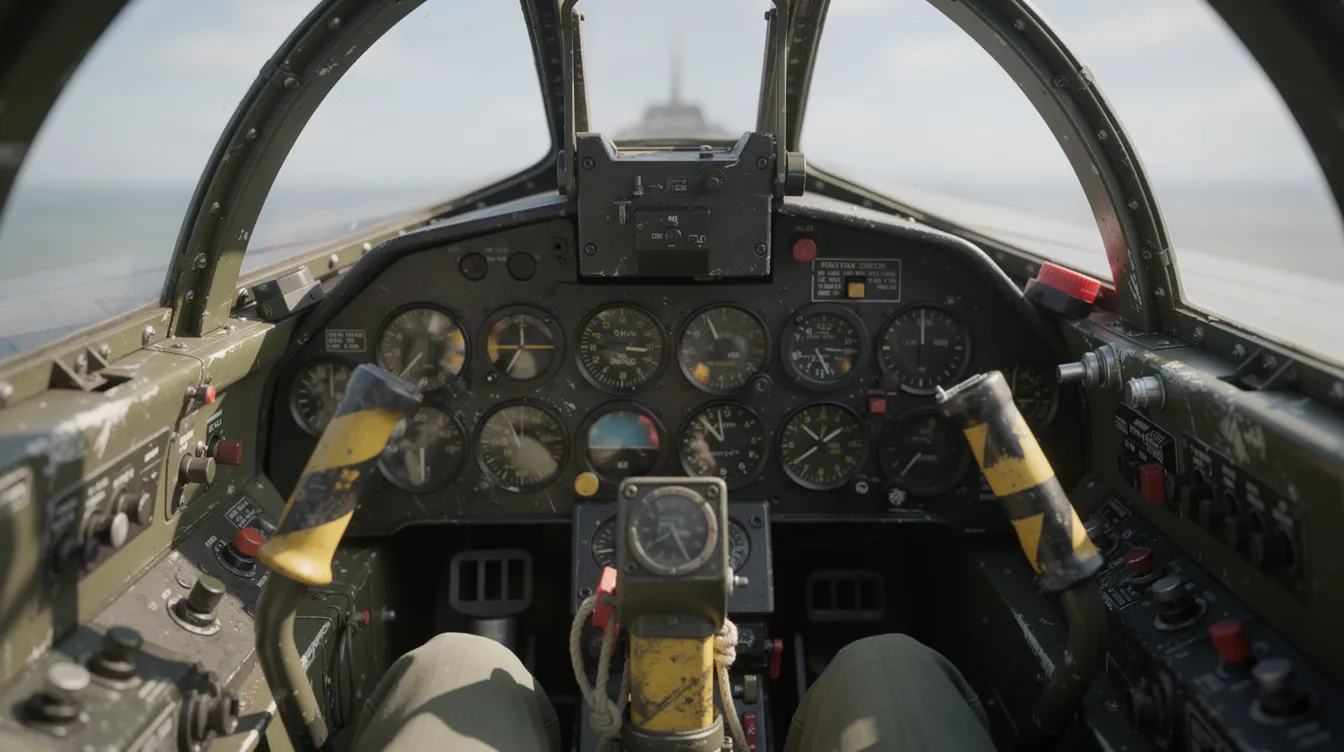
Keeping an ex-military jet safe to fly is a relentless commitment. The romance fades quickly when you encounter the operational realities.
Aging airframes - Corrosion, metal fatigue, and limited fatigue life on high-G fighters built in the 1960s–1980s make structural inspections critical. Many airframes spent years in open storage before reaching civilian hands.
Parts sourcing - Maintenance for retired military aircraft requires specialized technicians and parts. Owners often resort to cannibalizing donor aircraft, limited-run custom manufacturing, or accessing dwindling military stockpiles. Control surfaces, ejection seat cartridges, canopy seals, and oxygen systems can be limiting factors.
Few qualified shops - Very few MROs have certification and experience working on specific military jets, creating geographic and scheduling constraints. Owners may need to ferry aircraft hundreds of miles for specialized work.
Pilot safety - High speeds, high wing loading, older ejection seat technology, and the absence of modern safety systems (G-load warnings, terrain awareness) mean pilots must safely operate within narrower margins. Proper training is non-negotiable.
Business aviation contrast - FAR Part 135 and EASA-equivalent operators use standardized maintenance programs, modern avionics, and audited safety systems. Companies like BlackJet require these standards across their partner network, providing a level of oversight that simply does not exist in the experimental warbird world, whether you fly with providers such as NetJets and other major Jet Card operators or through BlackJet’s own programs.
For many aviation enthusiasts, the safest arrangement is occasional training or air-experience flights in professionally run warbird operations rather than sole private ownership.
Who actually owns fighter jets in private hands today?
The world of privately owned military jets is smaller and more specialized than most people imagine.
Individual collectors - High-net-worth individuals in the U.S., UK, and Australia maintain vintage fighters or jet trainers for airshows and personal enjoyment. Notable examples include Jared Isaacman, who has owned MiG-29s and L-39s and used them for advanced training and demonstration flights.
Adversary air companies - Firms like Draken International, Top Aces, and ATAC (Airborne Tactical Advantage Company) operate fleets of ex-military jets under contract to the U.S. Department of Defense and allied air forces for air support and adversary training. Top Aces famously acquired F-16A/B "Netz" aircraft from Israel and modified them as Advanced Aggressor Fighters-perhaps the closest example of modern fighter jets in private hands, though operated exclusively under military contract, unlike large-group private jet charter options for up to 50 passengers.
Museums and heritage foundations - Organizations like the Royal Air Force's Battle of Britain Memorial Flight and numerous U.S.-based foundations keep iconic fighters (Spitfires, P-51s, Cold War jets) flying under charitable and educational missions, preserving military history for future generations.
Syndicates and ownership groups - Shared ownership is common among warbird owners. Multiple pilots or investors split the cost of a single aircraft to trade a plane's burden across several shoulders.
For most business travelers and executives, the more rational choice is modern business aviation access-private jets via charter or Jet Cards-rather than direct ownership of a combat aircraft, especially once you understand when chartering a private jet is truly worth it.
How to buy a fighter jet step by step
If you are serious about entering the warbird world, here is a practical checklist:
Define your goal - Airworthy flying aircraft or static display? Jet trainer or historic frontline fighter? Set a realistic budget bracket ($100K, $500K, multi-million) that accounts for total lifecycle cost, not just the sticker price.
Choose a platform with community support - Models like the L-39, L-29, or common WWII types have active owner networks, better parts availability, and established training pipelines. Going obscure means going alone.
Work with specialist brokers - Engage warbird dealers and online marketplaces listing military aircraft for sale. Review logbooks, maintenance records, serial numbers, and export/import history. Verify demilitarization paperwork. Platinum Fighter Sales and similar specialist dealers are common starting points.
Conduct a pre-purchase inspection - Hire an independent ex-military maintenance team to survey the airframe, engine (time since overhaul), ejection seats, avionics, and corrosion status before closing.
Register and certify - Register the aircraft in your chosen country, obtain an Experimental/Exhibition or equivalent certificate, and plan initial pilot training with instructors experienced on that type.
Budget for 5–10 years - Include hangar, insurance, training, spares, and contingency funds for unexpected engine or systems work. Operating costs compound faster than most buyers anticipate.
Consider the alternative - If your primary need is flexible travel rather than restoration and hobby flying, compare the above with joining a Jet Card program like BlackJet, which requires no capital asset purchase and lets you fly without owning an aircraft.
Buying a fighter jet vs accessing business aviation: which is actually smarter?
The comparison is not really apples to apples-it is apples to afterburners.
Mission profile - Fighters are optimized for short missions, top speed, and maneuverability. Business jets are optimized for range, comfort, privacy, and productivity.
Cabin realities - Most military jets have cramped cockpits, limited pressurization comfort, no lavatory, and negligible payload capacity or baggage room. They are unsuitable for typical business or family travel.
Regulatory flexibility - Business aviation under charter or Jet Card models can fly to thousands of airports worldwide on the client's schedule, without exhibition restrictions or noise-related bans.
Cost predictability - BlackJet offers 25- or 50-hour Jet Card blocks with transparent hourly rates. Jet Card access includes crew, maintenance, and insurance-all built into one predictable number. Compare that with the unpredictable overhaul and downtime risk on a privately operated fighter, especially when you understand how Jet Card cost per hour is structured and why predictable hourly pricing is so valuable.
Lifestyle fit - Many BlackJet members are aviation enthusiasts who enjoy occasional fighter jet experience flights while using private jets day-to-day for New York–Miami, London–Geneva, or Los Angeles–Aspen trips.
For most high-net-worth individuals and executives, a fighter jet is a passion project. Business aviation is the strategic tool for time savings and flexibility.
Sustainability and noise: environmental impact of fighter jets vs modern private jets
Private aviation increasingly focuses on sustainability and efficiency-a trend that puts vintage military jets at a sharp disadvantage.
Older military jets use early-generation turbojets with higher specific fuel consumption and less efficient combustion, producing more emissions per passenger-mile than modern business jets. Sustainable aviation fuel options are limited for aging fighter aircraft due to engine certification constraints.
Afterburning fighters (MiG-21, ex-F-104) burn extraordinary amounts of fuel at high thrust settings. Many have broken the sound barrier in military service, but at civilian airports they face severe noise and safety restrictions.
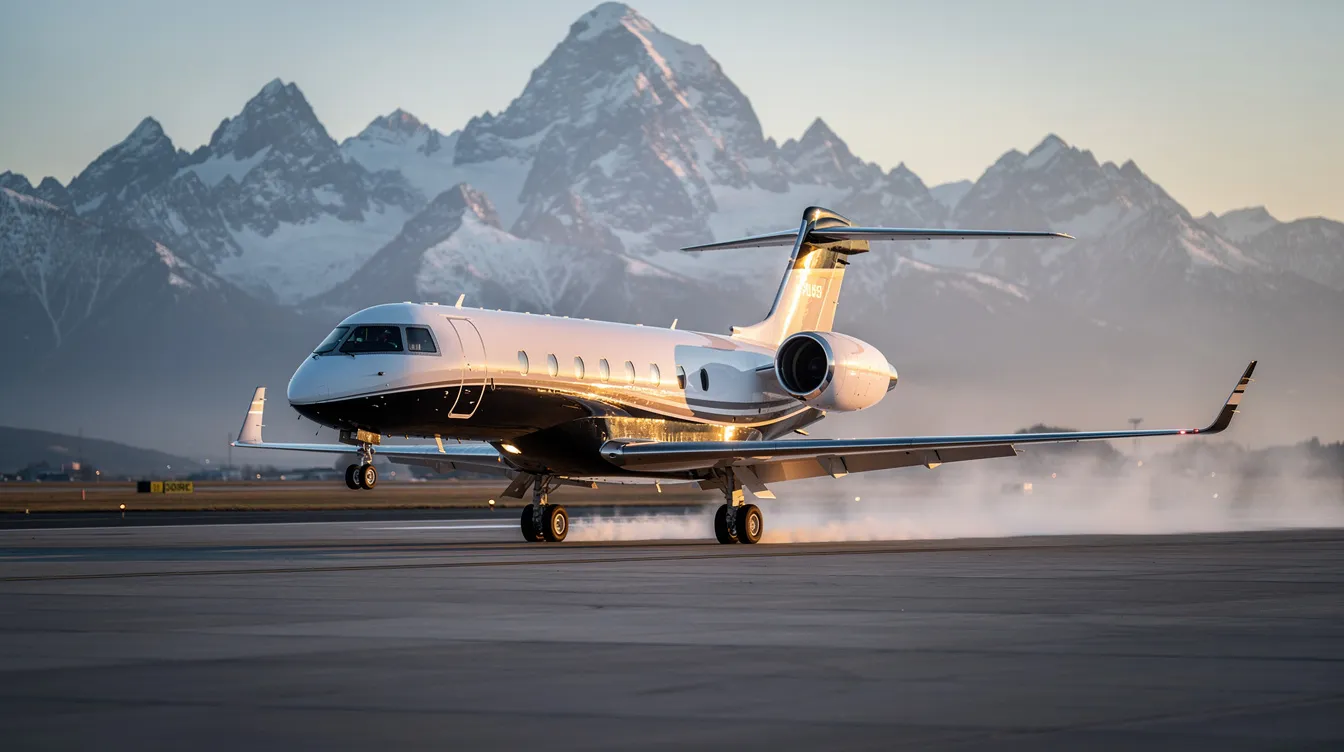
Modern business jets (Gulfstream, Bombardier, Dassault) meet stringent ICAO noise and emissions standards and increasingly support Sustainable Aviation Fuel, and their economics are easier to evaluate once you understand the broader private jet price list and access options.
BlackJet's Jet Card model emphasizes carbon-neutral flights - carbon-neutral operations are standard, with offsets integrated at no extra cost. Leading private jet programs prioritize carbon-neutral flights as a baseline expectation, not an add-on.
Local noise regulations and community pressure can limit where and when vintage fighters fly, especially near urban centers, making routine military use of these aircraft impractical for anything resembling regular travel.
Experiencing fighter jet performance without buying one
You do not need to own a warbird to feel what one can do. Several alternatives deliver the adrenaline without the seven-figure commitment.
Fighter experience providers in Europe, North America, and Australia offer rides in L-39s, ex-MiG-15/17s, and other military jets with qualified instructors-typically priced per 20–60 minute flight, making them more comparable in cost to buying a single seat on a private jet than to full aircraft ownership.
Airshow and heritage flights offer back-seat experiences in vintage fighters and tandem-seat trainers, letting you fly alongside experienced warbird pilots.
High-fidelity simulators - Military-grade and advanced civilian simulators replicate F-16 or F/A-18 cockpits for training and entertainment, delivering realistic speed and cockpit immersion, while platforms like BlackJet’s premium Jet Card programs handle your real-world travel needs in modern business jets.
The hybrid approach: Many BlackJet clients combine occasional high-adrenaline warbird flights with routine business aviation access. Use the Jet Card for work and family travel; book a fighter experience purely for passion.
These options deliver 80–90% of the thrill at a fraction of the financial and regulatory commitment of full fighter jet ownership and still leave budget for renting a private jet when you actually need to travel.
Integrating fighter jet passion with a modern private travel strategy
Consider a sample client profile: a tech founder who co-owns a vintage fighter in a syndicate with three other pilots, sharing the hangar, maintenance, and insurance burden. The aircraft flies perhaps 40 hours a year across the group. For actual business and family travel-weekly flights, coast-to-coast meetings, transatlantic trips-this founder relies on a BlackJet Jet Card.
BlackJet offers 24/7 real-time flight support services, and real-time support includes optimized routing and responsive service that enhances the customer experience. BlackJet also provides 24/7 digital booking tools and mobile booking platforms that provide real-time flight support, making private jet access seamless. Business jets include light, midsize, and large-cabin aircraft categories. Light jets typically seat 4 to 8 passengers comfortably for short hops; midsize jets offer more space and range for coast-to-coast; large-cabin jets provide the most comfort and amenities for transatlantic journeys, and understanding private jet sizes and cabin classes makes it easier to match the right aircraft to each trip. Cabin classes affect pricing and operational costs significantly, but the flexibility of choosing the right aircraft for each mission is something no single fighter or vintage warbird could ever cover.
Fighter jets are the enthusiast project. BlackJet is the strategic backbone of serious travel for work, investments, and family commitments.
FAQ: Buying fighter jets, private ownership, and business aviation alternatives
Can a civilian legally own a fighter jet?
Yes. In the U.S., civilians can own demilitarized military jets registered under the FAA's Experimental/Exhibition category. Demilitarization is mandatory; military jets require specific pilot licensing and FAA authorization, and the aircraft cannot retain active guns, weapons systems, or classified technology. Similar frameworks exist across Europe and Australia.
Which fighter jets are most common in private hands?
Jet trainers like the L-39, L-29, S-211, and BAC Strikemaster dominate. Popular vintage fighters include the P-51 Mustang, Spitfire, and MiG-15. The Aero L-39 Albatros has approximately 2,800 units produced, making it the most widely available military jet on the civilian market.
How much does it cost to own and fly a fighter jet compared with a private business jet?
A flyable L-39 costs $150,000–$650,000 to buy, plus $1,000–$1,500 per flight hour in operating costs. More capable fighters can exceed $10,000–$50,000 per flight hour. By contrast, Jet Cards allow travel without owning an aircraft-hourly rates include crew, fuel, maintenance, and insurance in a single predictable number; a dedicated guide to the cost of a 100-hour Jet Card shows how this scales for frequent flyers. BlackJet's Jet Card includes mobile access for booking, and digital booking tools streamline private jet access. Mobile booking platforms enhance user experience in private aviation.
Is buying a fighter jet a good investment?
Rarely. While some rare warbirds appreciate due to historical significance and scarcity, most military aircraft should be treated as high-maintenance passion assets, not investments. The ongoing cost of hangar, insurance, parts, and inspections typically far outweighs any appreciation.
What is the smartest way to combine fighter jet interest with efficient private travel?
Enjoy occasional warbird experiences or syndicate co-ownership for the passion side. For day-to-day travel, use a structured private jet solution like the BlackJet Jet Card. Jet Cards provide access to multiple aircraft categories with the safety, sustainability, and flexibility that companies in this world demand, and thoughtful planning can even maximize Jet Card-related tax deductions for qualifying business use.
Conclusion: When buying a fighter jet makes sense-and when BlackJet is the better move
Owning a fighter jet is about heritage, emotion, and engineering fascination. It requires deep pockets, significant time, and a genuine tolerance for complexity. For those who love warbirds, there is no substitute for the sound of a turbojet spooling up and the view through a bubble canopy at altitude, but many enthusiasts ultimately opt for the cheapest private jet and entry-level options in modern business aviation instead.
But for professionals and families who value time, safety, and comfort, business aviation via Jet Cards and charter almost always delivers more real-world utility than any military jet ever could.
BlackJet offers prepaid access to multiple aircraft classes, rigorous safety oversight, carbon-neutral flights, and seamless booking-the strategic edge of private aviation without the operational burden, especially through its 25+ Hour Jet Card solutions for frequent travelers.
Elevate your travel-effortlessly. Whether your passion lies in vintage fighters or modern business jets, BlackJet's Jet Card programs deliver refined, flexible travel on your terms. Before you commit, you can review Jet Card membership pricing and structures and a complete guide to Jet Card pricing and fees to understand how these programs fit your budget. Explore BlackJet's Jet Card programs and discover how private flight becomes your new standard.


 Sign up with google
 Sign up with Apple