
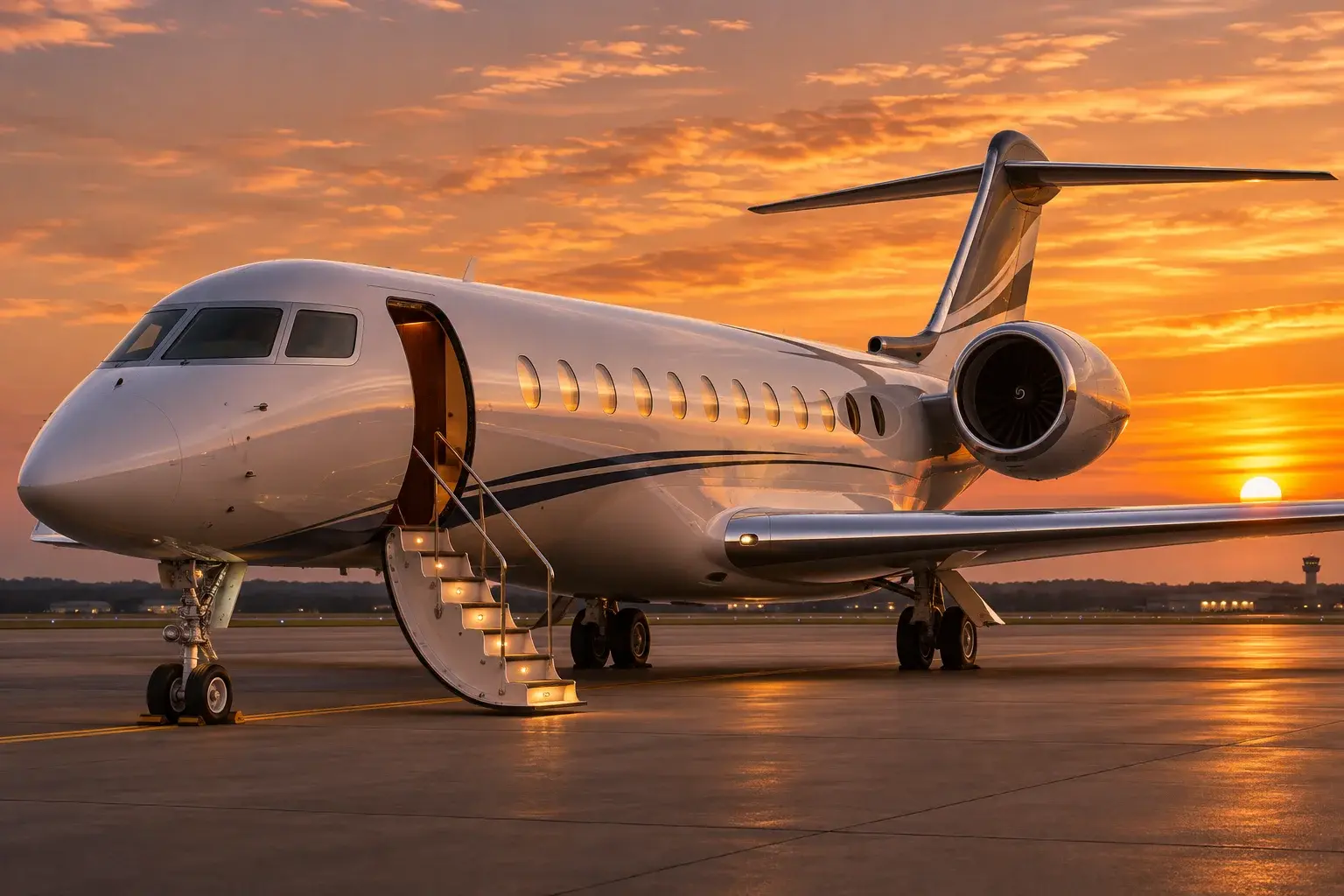
What are the best aircraft in the world? This question has fueled debates among pilots, engineers, executives, and travelers for over a century. In 2027, with new-generation airliners entering service, ultra-long-range private jets crossing oceans nonstop, and sustainability reshaping every corner of the industry, the answer depends entirely on who is asking-and why.
This guide explores the best aircraft across commercial airlines, private jets, and military aviation, providing insights for travelers, executives, and aviation enthusiasts. Discover what makes an aircraft stand out in 2027, from cutting-edge technology and comfort to safety and environmental responsibility.
Executive Summary: What Makes an Aircraft "The Best" In 2027
For airlines, the best aircraft is the one that delivers the lowest cost per seat across scheduled routes while keeping passengers comfortable and operations reliable. Commercial jets are designed for scheduled routes with strict cost-per-seat targets, making fuel efficiency and dispatch reliability the defining metrics. For air force fleets and military operators, "best" means survivability, stealth, sensor fusion, and mission flexibility-performance measured in dominance, not luxury.
For high-net-worth travelers and executives, the calculus shifts dramatically. The best aircraft is the one that fits your trip: the right cabin for the distance, the right range for a nonstop crossing, the right safety certifications for peace of mind, and the right environmental posture for 2027's expectations. Some long-range private jets can fly over 7,000 nautical miles, connecting city pairs that would require layovers on commercial carriers.
Here are standout examples across categories:
Gulfstream G700 - ultra-long-range private jet, approximately 7,750 nm range, largest purpose-built cabin in its class
Gulfstream G800 - top of the range chart at roughly 8,200 nm nonstop
Airbus A350 - quiet, efficient wide-body airliner redefining long-haul comfort
Boeing 787 Dreamliner - composite-structure pioneer with exceptional passenger experience
F-35 Lightning II - stealth multirole fighter leading modern military aviation
Cessna Citation Latitude - super-midsize workhorse for transcontinental business missions
For executives who fly frequently, the best aircraft is rarely one they own outright. It is the one they can access through a Jet Card program-stepping into the ideal cabin class for each trip, with safety, carbon-neutral flights, and predictable pricing built in by default. BlackJet ensures carbon-neutral flights by default, making responsible travel a baseline rather than an add-on. The 2027 landscape rewards flexibility over ownership, and the smartest travelers have taken note.
How To Judge The "Best Aircraft": Key Criteria
Aviation enthusiasts, airlines, militaries, and private jet users all apply overlapping but distinct criteria when evaluating aircraft. Here is the framework that underpins any serious comparison:
Safety record and certifications - FAA and EASA compliance, third-party audits (ARGUS, Wyvern), hull-loss history, pilot training standards. Non-negotiable across every category.
Range and performance - maximum range with reserves, cruise speed, altitude ceiling, runway length requirements. Determines which city pairs an aircraft can connect nonstop.
Operating economics and efficiency - modern commercial aviation focuses on maximizing payload and minimizing fuel burn per passenger. Commercial aircraft prioritize fuel efficiency, passenger comfort, and predictable safety. Private jet economics center on cost per hour and flexibility value.
Cabin comfort and pressurization - cabin altitude, humidity, noise, seat dimensions, layout flexibility. Matters most to travelers spending hours at altitude.
Technology and avionics - fly-by-wire systems, synthetic vision, satellite connectivity, cockpit automation. Aerodynamic efficiency is critical for commercial aircraft to reduce drag and fuel consumption-and advanced avionics help private jets operate safely into smaller airports.
Versatility and mission capability - multi-role adaptability for military platforms; for private jets, the ability to handle regional hops and transatlantic flights with equal composure.
Environmental footprint - fuel burn, SAF compatibility, noise, carbon programs. In 2027, this criterion has moved from optional to expected.
Data-driven comparisons - dispatch reliability percentages, fuel burn per seat-mile, noise levels in EPNdB, and carbon emissions per trip. These quantitative measures cut through nostalgia and brand loyalty to reveal which aircraft genuinely stand apart.
Coolest Commercial Airliners Flying Today
Wide-body flagships still command awe. Airplanes like the Airbus A350, Boeing 787, and remaining Airbus A380s represent more than just transportation-they are modern marvels of engineering that redefined what air travel feels like at 40,000 feet. Commercial aircraft typically cruise at subsonic speeds around 550–575 mph, but the experience inside the cabin has evolved dramatically.
Airbus A350-900 / A350-1000 - entered service in 2015 and 2018 respectively. Range of approximately 8,000–8,500 nm. The Airbus A350 features a spacious cabin and quiet engines, with cabin altitude around 6,000 ft and higher humidity than older types. Flown by Qatar Airways, Singapore Airlines, and British Airways on flagship long-haul routes.
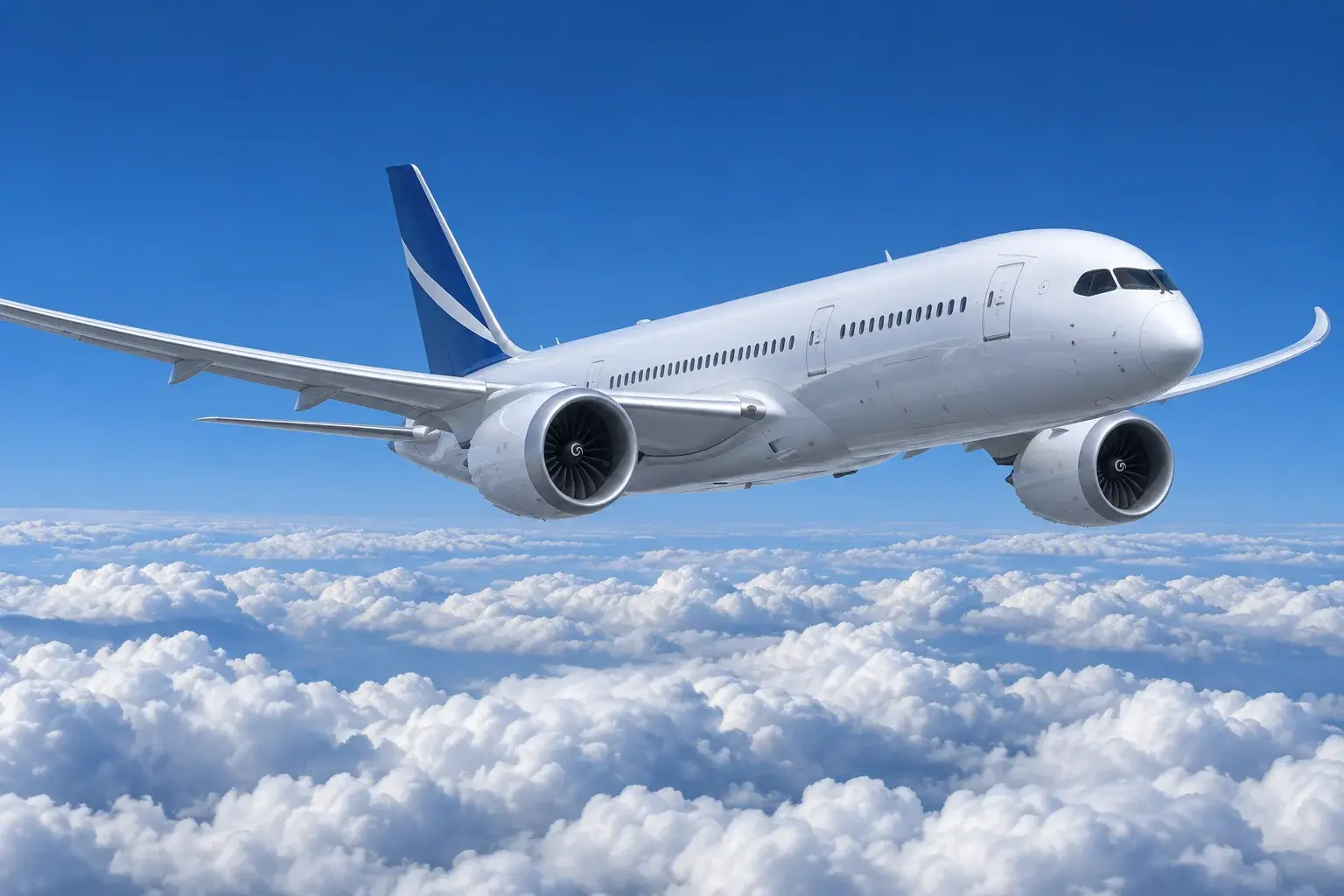
Boeing 787 Dreamliner - the Boeing 787 Dreamliner is one of the fastest-selling modern wide-body aircraft. Three variants (787-8, -9, -10) cover ranges from 7,300 to 8,500 nm. Innovations include composite fuselage, dimmable electrochromic windows, and improved fuel burn. Airlines like Air France and Delta deploy it across premium markets.
Airbus A380 - the Airbus A380 is the largest passenger plane ever built. Though production ended, Emirates and Singapore Airlines continue operating it with onboard lounges, showers, and double-deck cabins that remain unmatched in scale.
Boeing 777 / 777X - the Boeing 777 is known for its long-range capabilities. The 777X variant features folding composite wingtips, GE9X engines, and deliveries expected in 2027.
Airbus A320neo family and A220 - the Airbus A320 family is the most delivered commercial jetliner family in aviation history. The Airbus A321neo and Boeing 737 MAX dominate short- to medium-haul routes, while the Boeing 737-800 remains the most common individual aircraft variant in service worldwide. Narrow-body aircraft account for roughly 60% of the world's active commercial fleet. The Airbus A320 family and Boeing 737 family are crucial for commercial aviation, and these narrow-body workhorses handle the bulk of global short- and medium-haul flights.
What makes these airliners cool-panoramic windows, whisper-quiet cabins, mood lighting-still can't match what a private jet delivers: privacy, bespoke service, point-to-point flexibility, and access to thousands more airports.
Why Even The Best Airliners Can't Beat A Private Jet
Consider a typical first class journey on a Boeing 787 or Airbus A350: you arrive at a congested hub airport 90 minutes early, clear security, wait at the gate, board with hundreds of other passengers, and fly a fixed schedule that may not align with your business day. Even the finest first class cabin cannot give you back the hours lost on the ground. Here is where it makes sense to rethink the entire model.
Airport access - private jets operate from executive terminals and smaller airports, bypassing crowded hubs entirely. You can land closer to your final destination, saving ground transportation time.
Boarding and security - arrive 15 minutes before departure, walk directly to your plane. No queues, no waiting.
Schedule control - fly when your day demands it, not when the airline's timetable allows. Cancel or reroute with real-time flight support available 24/7 for travelers.
Privacy - take confidential calls, hold meetings, or simply rest without seatmates.
Multi-city days - a business executive flying London–Zurich–Milan–London in one day is routine on a Jet Card. Trying to combine those commercial sectors would require overnight stays and missed connections.
Strategic time tool - BlackJet's Jet Card model positions private jets as a productivity multiplier. Jet cards provide prepaid access to private jets. Mobile booking platforms enhance private jet accessibility, allowing users to book flights in under 15 minutes through 24/7 digital booking tools. Mobile booking enhances flexibility for private jet travel, and real-time support enhances flexibility and efficiency in private travel.
Even aviation enthusiasts who love watching the A380 or jumbo jet rotate off a runway often choose private jets when time, confidentiality, and flexibility matter most.
Best Long-Haul Commercial Aircraft: A350 vs 787 vs 777
For travelers comparing long-haul airliners-or for enthusiasts tracking the development of modern flagships-here is how the top three contenders stand in 2027.
Airbus A350 - first flight in 2013 (A350-900); range approximately 8,000–8,500 nm depending on variant. Cabin altitude around 6,000 ft with higher humidity levels and industry-leading noise reduction. The Airbus A350 features a spacious cabin and quiet engines, making it a favorite with British Airways and Qatar Airways for ultra-long-haul service. Airbus A350 and Boeing 787 are noted for long-distance efficiency in modern aviation.
Boeing 787 Dreamliner - first flight in 2009; range from 7,300 to 8,500 nm across three variants. Boeing 787 has larger windows and higher humidity levels than older wide-bodies. Carbon-fiber composites are increasingly used in aircraft construction to save weight, and the 787 pioneered this approach at scale. Fuel burn per kilometer is significantly lower than the aircraft it replaced.
Boeing 777 / 777X - the original 777-300ER has served airlines for years on the world's longest routes. The 777X introduces composite folding wingtips and new GE9X engines, promising lower fuel burn and noise. Deliveries are expected in 2027. Research shows the A350-900 burns roughly 5.6–6.0 kg/km versus 7.1 kg/km for the older 777-200LR on comparable routes, illustrating the environmental advantages of newer composite designs.
BlackJet pairing strategy - members often fly a long-haul A350 into a major hub, then connect via private jet for the final leg into a smaller regional airport that airlines don't serve. This integration of commercial and private flying maximizes both range and time efficiency.
Most Iconic and Historic Aircraft Ever Built
Aviation history is rich with aircraft that changed what was possible in the skies. "Best" also means historically transformative-planes that became a sign of a new era and remain the most recognizable aircraft in collective memory.
Wright Flyer (1903) - first powered, controlled, heavier-than-air flight. The foundation of everything that followed.
Douglas DC-3 (1935) - the Douglas DC-3 revolutionized air transport since 1935. Its reliability and economics made commercial aviation viable. Pan Am and other early airlines built route networks on its dependability.
Boeing 707 (1957) - first flight in 1957, entering service in 1958. Originally the plane that opened the jet age for intercontinental passengers, it set the template for modern airliner design.
Boeing 747 (1969) - the Boeing 747 was the first widebody passenger aircraft. Its silhouette remains the most recognizable aircraft outline in the world, and it democratized long-distance air travel for decades.
Concorde (1969–2003) - the Concorde could fly at speeds of Mach 2.04, cutting transatlantic crossing times in half. Its spirit of speed and prestige still inspires the pursuit of supersonic business travel.
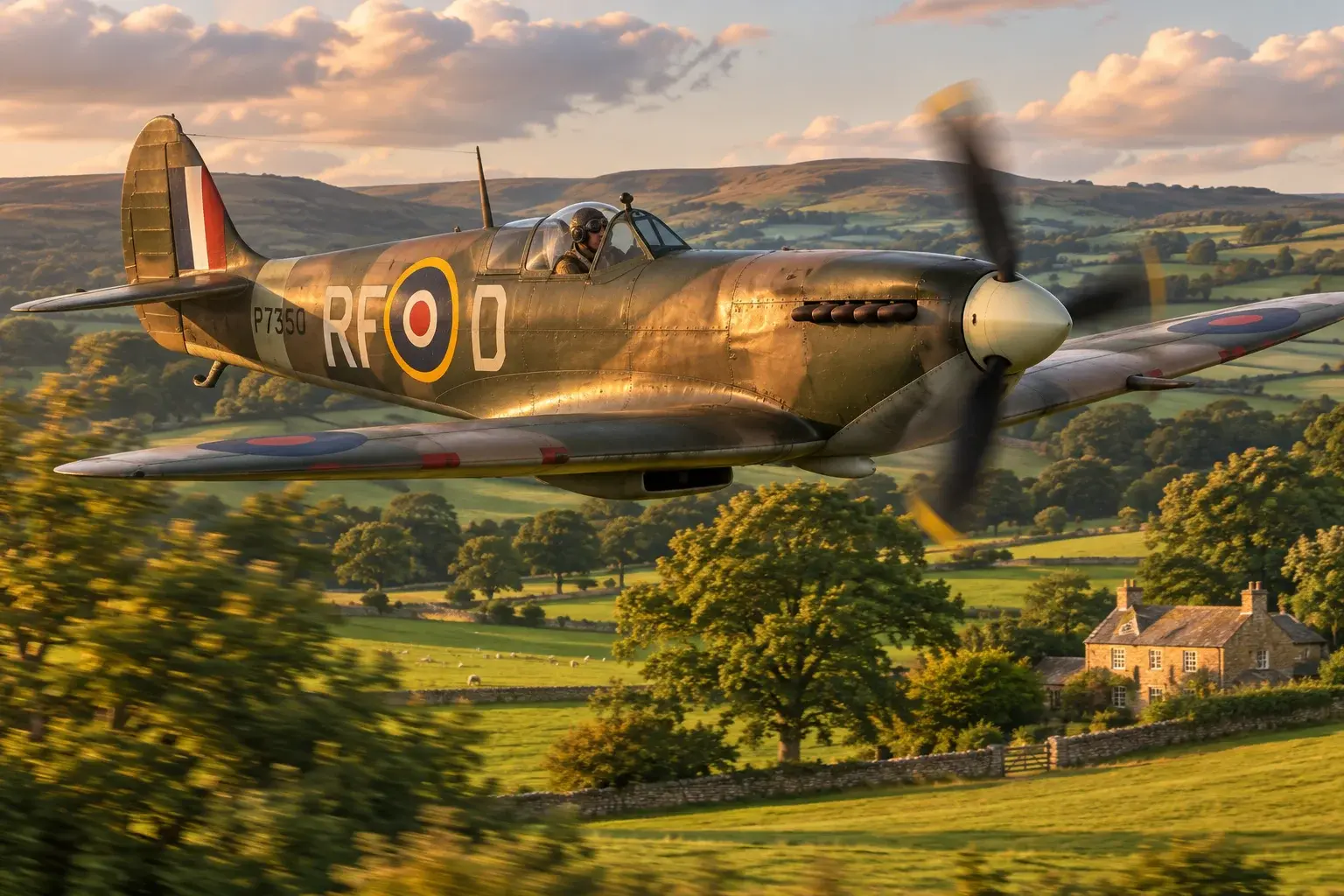
Supermarine Spitfire (1936) - a career-defining aircraft for RAF pilots in WWII, celebrated for design elegance and agility.
P-51 Mustang (1940) - long-range escort fighter that combined speed, distance, and maneuverability; a favorite at airshows to this day.
Cessna 172 (1955) - over 44,000 built, making it the most produced aircraft in history. The plane where most pilots begin their career.
Air Force One VC-25A (1990) - based on the Boeing 747-200B, it carries the head of state with bespoke communications and security. A symbol of power and technological innovation in flying.
From the DC-3's reliability to the Concorde's speed, the qualities that made these aircraft legendary-dependability, velocity, comfort-are precisely what premium travelers seek in modern private jets.
Best Private Jets In 2027 By Cabin Class
BlackJet's perspective is straightforward: the best aircraft for a member depends on the mission profile and cabin needs, not simply the biggest or most expensive plane. Private jets offer multiple cabin classes for different needs, and a well-designed Jet Card program gives you access to all of them.
Very light and light jets - Embraer Phenom 300E, Cessna Citation CJ4 Gen2. Ranges of approximately 1,500–2,200 nm, seating 6–10 passengers. Ideal for regional hops where speed of boarding and access to smaller airports drive value, and where choosing the best small private aircraft for your mission matters most.
Midsize and super-midsize - Citation Latitude (~2,700 nm), Bombardier Challenger 3500, Praetor 600 (~4,000 nm). Comfortable stand-up cabins, transcontinental range, strong for business missions requiring workspace aloft. Travelers weighing ownership or access models often start by understanding the broader private jet price list and cost options. See our top private jets comparison for detailed specs.
Large cabin - Gulfstream G500/G600, Bombardier Global 6500. Ranges exceeding 5,500 nm, multiple cabin zones, the kind of space that lets you hold meetings, dine, and rest across long flights.
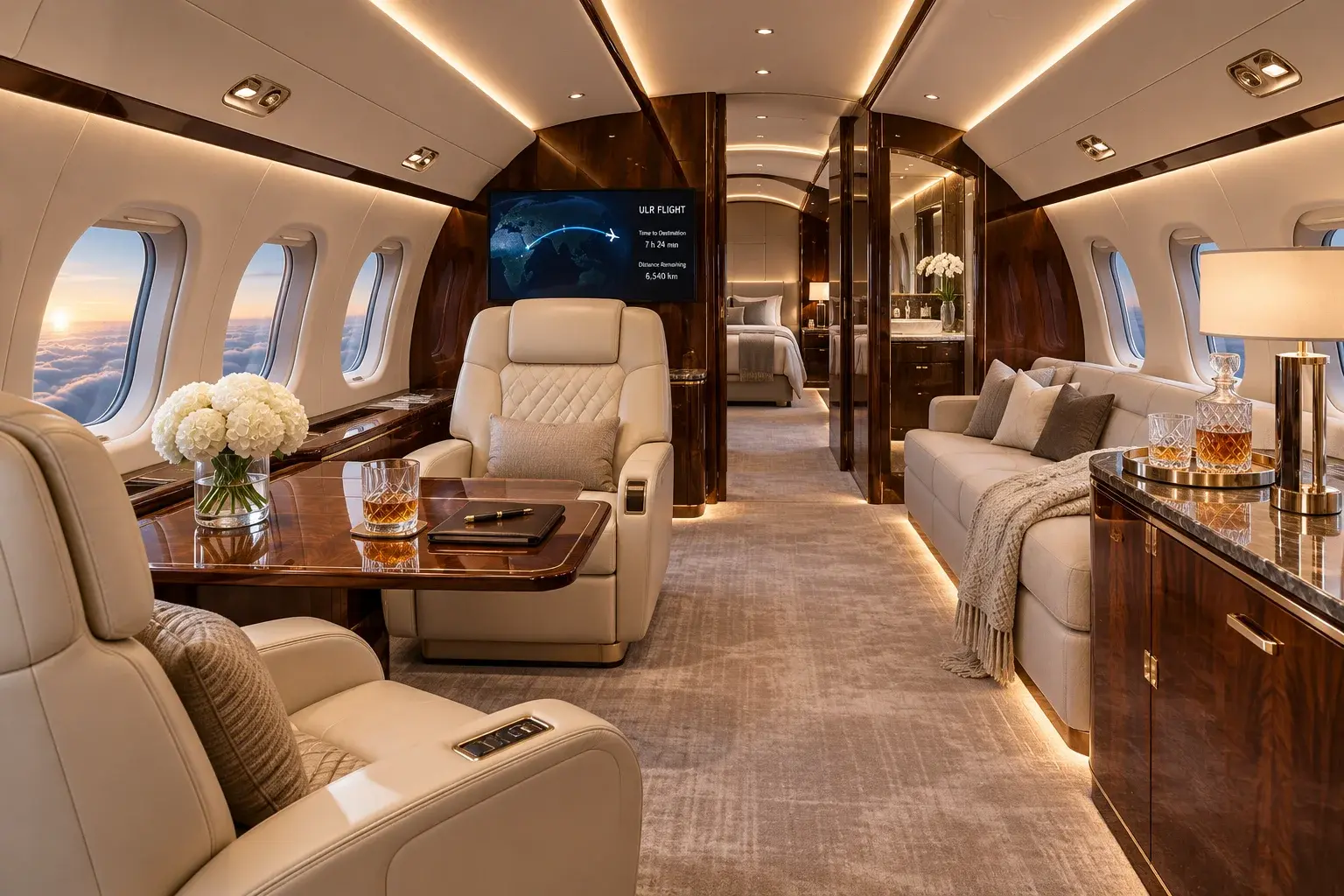
Ultra-long-range flagships - Gulfstream G700/G800, Bombardier Global 7500, Dassault Falcon 10X. The G800 reaches approximately 8,200 nm nonstop. These are the aircraft that connect New York to Hong Kong, London to Sydney, without refueling and often serve as the best private jet for 20 passengers on high-end group itineraries. Cabin heights exceeding 6 ft 3 in, widths over 8 ft, and up to five living zones define the future of long-distance private flight.
Members can choose 25-hour or 50-hour jet card programs, and jet cards offer access across multiple cabin classes. Instead of being locked into one owned jet, you step into the best fit for each trip. BlackJet ensures carbon-neutral flights by default and vets every operator for safety, maintenance currency, and pilot experience.
Air Force and Military Aircraft: "Best" For Defense, Not Comfort
In the air force and broader military domains, the best aircraft means dominance, survivability, and mission flexibility rather than luxury. These are machines built for a fundamentally different purpose.
F-35 Lightning II - multirole stealth fighter with advanced sensor fusion, 9g capability, and the ability to carry a diverse weapons payload. It has successfully completed integration across NATO allies and represents the cutting edge of military aircraft development.
F-22 Raptor - air superiority fighter with unmatched maneuverability and stealth. Fewer in number, but it continues to stand as the benchmark for aerial combat.
Eurofighter Typhoon - highly agile, supersonic cruise capability, multirole for air defense and strike missions across European air forces.
C-17 Globemaster III / Airbus A400M - strategic airlift platforms designed to carry heavy cargo across global distance, land on austere runways, and support humanitarian operations, standing alongside many of the best aircraft of 2026 in terms of mission capability and technological sophistication.
Procurement parallels - military procurement priorities-redundancy, maintenance ecosystems, rigorous training, lifecycle cost management-mirror private aviation's emphasis on backup options and safety procedures. Both domains demand that every aircraft be mission-ready, every time.
While military jets fascinate aviation enthusiasts with afterburners and speed, private jets are optimized for a completely different mission: safe, discreet, efficient transport of people in comfort and privacy-not weapons delivery.
How Aviation Enthusiasts Evaluate "Best" Aircraft
The aviation enthusiasts community-spanning plane spotting, flight simulation, airshows, and online forums-applies its own passionate criteria when debating the best aircraft. Watch any aviation forum and you will find spirited arguments rooted in knowledge, experience, and pure admiration.
Design elegance - wing shapes, engine nacelle styling, livery. The cool factor of a swept wing or a distinctive tail silhouette matters deeply.
Sound - distinctive engine noise is part of an aircraft's identity. The GE90 on a 777, the Rolls-Royce Trent XWB on an A350-each has a signature, while in private aviation, discussions about how safe private jets are often sit alongside debates about which engines sound best.
Technological firsts - first composite fuselage, first fly-by-wire airliner, first stealth fighter. Enthusiasts revere the aircraft that pioneered new skills in engineering.
Rarity and chase flights - many enthusiasts book flights on specific types like the Airbus A380 (which can carry over 800 passengers in all-economy configuration) or remaining 747s before they retire. The rise of private jet spotting-tracking rare Gulfstreams and Falcons-has grown alongside platforms like Discover Iconic Jets & Modern Private Flying and the expanding ecosystem that lets travelers buy a seat on a private jet instead of chartering the whole aircraft.
For many enthusiasts, the best aircraft is the one that tells the most compelling story-warbird, experimental prototype, or a cutting-edge composite airliner pushing into the future of flight.
Comfort, Technology, and Safety: Inside The World's Best Cabins
For premium travelers and Jet Card users, the best aircraft typically means the best cabin experience rather than raw performance stats. Passenger comfort has improved with better cabin environments and monitoring systems on modern aircraft, and the gap between the best private jets and the best airliners continues to widen in favor of private.
Cabin environment - top private jets and new airliners maintain cabin altitudes of 4,000–6,000 ft equivalent, with humidity control that reduces fatigue on long flights. Noise reduction through engine placement, insulation, and active vibration damping creates an environment where you can hold a conversation at normal volume, even on more affordable private jet options designed for cost-conscious travelers.
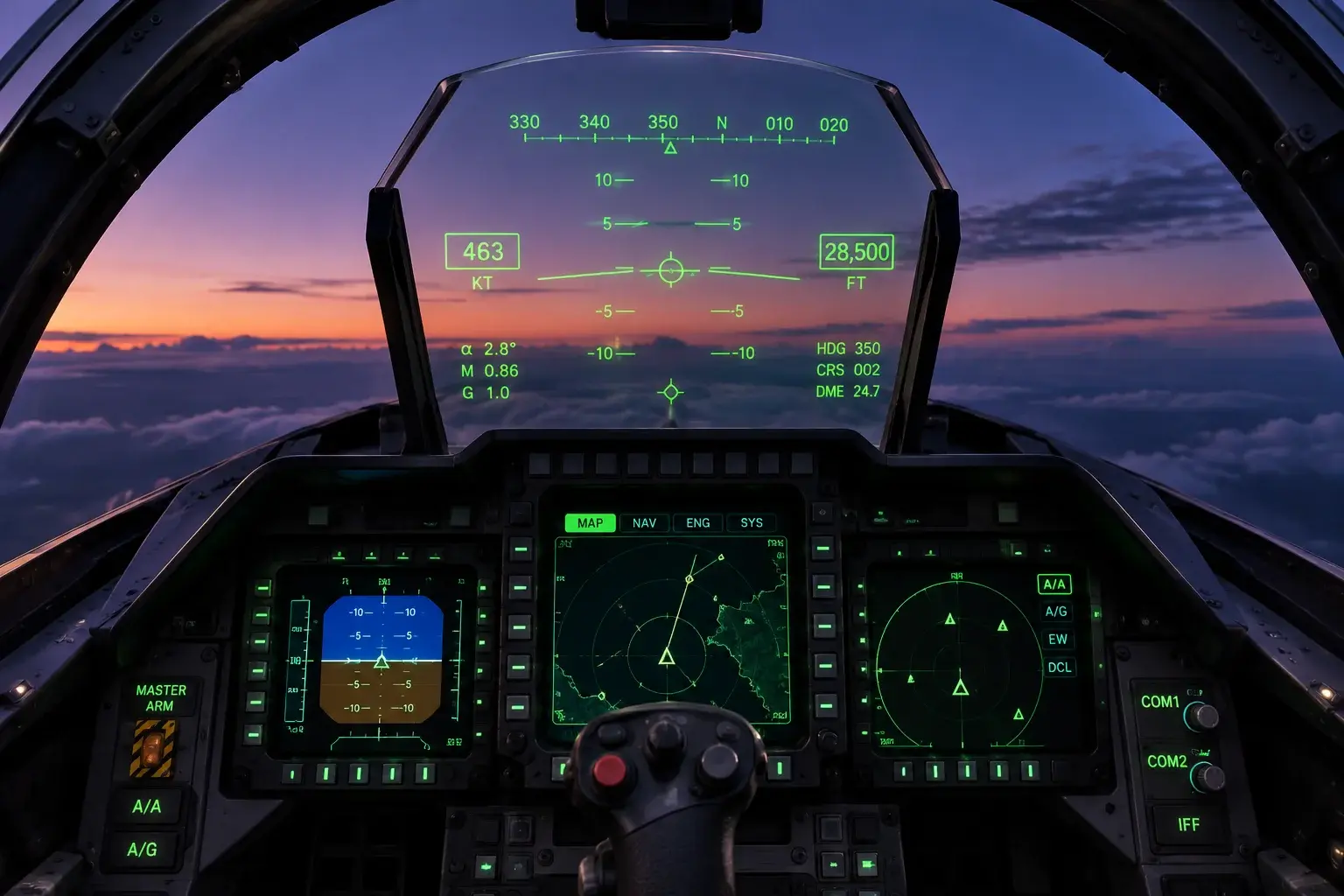
Cockpit and cabin technology - heads-up displays, synthetic and enhanced vision systems, and advanced flight management systems and automation improve operational efficiency in both commercial aviation and private operations. Smart cabin management systems let passengers control lighting, temperature, and entertainment via apps, whether they are flying a transatlantic mission or using private jet charters in Karachi for regional business travel.
Safety certifications - private jets often operate under stricter safety standards than commercial airlines when properly vetted. BlackJet uses proprietary vetting and third-party audits for safety, including ARGUS and Wyvern certifications, ensuring every private jet meets or exceeds commercial airliner safety benchmarks. When comparing programs, many travelers also evaluate Jet Card cost per hour alongside these safety credentials. Commercial airlines have an exceptionally strong safety record globally, according to ICAO's latest analysis, and BlackJet holds its operators to that same standard.
Sustainability - sustainable aviation focuses on more efficient engines and sustainable fuels. Quieter powerplants, fuel-efficient winglets, and support for SAF are now baseline features. New aircraft designs aim for zero-emission flights in the longer term, with hydrogen fuel cells being developed for aviation and electric vertical takeoff and landing vehicles pioneering electric flight in shorter-range segments. Sustainable fuels are improving aviation emissions strategies across the industry, even for the cheapest private aircraft and budget-friendly options. BlackJet's commitment to carbon-neutral flights makes responsible travel seamless for every member.
Jet Cards vs Owning or Chartering: The Smart Way To Fly The Best Aircraft
There are three primary models for accessing private jets: outright ownership, ad-hoc charter, and structured Jet Card programs. Each involves trade-offs, but for most frequent travelers, one clearly leads.
Ownership drawbacks - owning a jet means significant capital outlay (ultra-long-range jets cost $60–80 million new), depreciation, crew salaries, hangar fees, insurance, and the risk that your aircraft's range or cabin is wrong for a particular trip. It is an illiquid asset that demands attention whether you are flying or not.
Ad-hoc charter challenges - variable pricing, inconsistent aircraft quality, last-minute availability risks, and negotiation hassles. You may not know the operator's safety standards until you are already involved in the booking.
BlackJet Jet Cards - prepaid blocks of flight hours across multiple cabin categories. 25-hour and 50-hour programs offer transparent, predictable pricing and guaranteed availability windows, and travelers can dive deeper into Jet Card pricing structures and benefits before committing. Jet Card programs include real-time flight support for members, and real-time flight support helps manage last-minute changes effectively. Private aviation companies prioritize real-time support for customer satisfaction, and BlackJet's 24/7 support team and mobile platform deliver exactly that through products like the BlackJet 25+ Hour Jet Card.
Scenario - a business executive uses a light jet for a New York–Boston day trip, a super-midsize for Chicago–Los Angeles, and an ultra-long-range cabin for London–Dubai-all on the same Jet Card. No hangar fees, no crew management, no wait for the right plane. Each leg uses the best fit aircraft.
Jet cards represent the most efficient route to consistent access to best-in-class private jets for frequent travelers, combining the advantages of flexibility, safety vetting, and sustainability without the burdens of ownership. Comparing Jet Card membership pricing, evaluating the best Jet Cards for frequent flyers, and understanding specific providers such as NetJets Jet Card cost can help refine your choice, whether you are analyzing a 100 hour Jet Card cost guide or focusing on a 50 hour Jet Card cost breakdown.
Frequently Asked Questions About The Best Aircraft and Private Jet Travel
This section resolves practical questions that buyers, travelers, and enthusiasts often ask when comparing aircraft and travel models.
What is the most comfortable commercial aircraft for long haul?
The Airbus A350 and Boeing 787 lead, with low cabin altitudes, higher humidity, quiet engines, and wide cabins. The A380 remains unmatched in space for airlines that configured it with lounges and suites, though fewer remain in service.
Are private jets safer than commercial flights?
Commercial airlines have an exceptionally strong safety record globally. Private jets can match or exceed that standard when operators are properly vetted. BlackJet's proprietary certification process, pilot experience requirements, and continuous operational oversight ensure members fly on aircraft held to the highest benchmarks.
Can private jets match the range of the best airliners?
Yes. Ultra-long-range jets like the Gulfstream G700 (~7,750 nm) and Global 7500 (~7,700 nm) connect intercontinental city pairs nonstop—New York to Dubai, Los Angeles to London, São Paulo to Geneva.
Is private jet travel environmentally responsible?
Private aviation has a higher fuel burn per passenger than commercial flights when load factors are compared directly. However, newer aircraft, SAF adoption, optimized flight planning, and BlackJet's carbon-neutral program significantly narrow the gap. Every BlackJet flight is carbon neutral at no extra cost to the member.
When does it make sense to combine commercial flights with private jets?
On ultra-long itineraries where the origin or destination is remote, fly an A350 for the transoceanic segment, then connect via private jet for the final leg into a smaller airport. This strategy uses the best aircraft in each segment and maximizes both time and comfort, and it also scales to large groups using the best private jet options for 50 passengers when needed.
Conclusion: Choosing Your Own "Best Aircraft" With BlackJet
Aviation history is filled with legendary aircraft—from the Boeing 747 and Concorde to the Airbus A350 and today’s ultra-long-range private jets. Each redefined what was possible in the skies. But the best aircraft has never been a single answer. It is always the one aligned with your mission, your schedule, and your expectations for safety, comfort, and environmental responsibility. Explore our top private jets comparison to see how aircraft options differ by range and cabin class.
In 2027, premium air travel is not about owning the most expensive plane on the market. It is about accessing the right one, every time, without compromise. That is the course BlackJet’s Jet Card model was designed to deliver. Learn what a Jet Card is and how prepaid access works.
Curated access — step into the ideal cabin class for every trip, from light jets for regional hops to ultra-long-range flagships for globe-spanning missions. Review the different types of private aircraft to match a cabin to your itinerary.
Non-negotiable standards — proprietary operator vetting, continuous safety audits, carbon-neutral flights, and 24/7 real-time support are built into every Jet Card, not sold as upgrades. Read more about private aviation safety.
Flexible programs — whether you need 25 hours or 50, your Jet Card adapts to your travel rhythm with predictable pricing and guaranteed availability.
Elevate your travel—effortlessly. With BlackJet, private flight is accessible on your terms through our Jet Card programs, complete with rigorous safety, carbon-neutral performance, and unmatched flexibility. Explore our offerings and discover how refined, meaningful travel becomes your new standard.
Join BlackJet's Jet Card program for seamless, premium private travel-safety, sustainability, and flexibility built in.