Access to private jets is no longer just a symbol of luxury—it is a strategic asset for high-net-worth individuals, corporate executives, and discerning travelers worldwide. Compared to commercial aviation, private jets save significant time by eliminating long security lines, allowing flexible scheduling, and providing access to thousands of airports beyond major hubs. This convenience translates into enhanced productivity, privacy, and comfort tailored to individual needs.
In 2026, private aviation integrates cutting-edge technology, rigorous safety certification, and a growing commitment to sustainability. Providers like BlackJet offer seamless, carbon-neutral private jet access through flexible Jet Card programs, empowering travelers to customize every journey. Whether flying regionally from Texas to Montana or internationally, the right aircraft and access model can transform travel from a logistical challenge into a premier experience.
This article explores how to compare private jets effectively, focusing on operational costs, cabin classes, and flight ranges, while underscoring the pillars of safety, certification, and sustainability. Discover how BlackJet’s innovative approach reshapes private travel with unmatched flexibility and assurance.
Key Takeaways
Comparing private jets is a strategic decision about time, comfort, and flexibility—not just luxury aesthetics
BlackJet’s Jet Card members access multiple aircraft models from light jets to large cabin jets without ownership complexity
Aircraft comparison should focus on range, cabin size, runway performance, and total trip cost using real routes like New York–Miami or London–Nice
Safety certifications, carbon-neutral operations, and real-time support matter as much as aircraft specs when choosing a provider
This article guides you through comparing light jets vs midsize jets vs larger cabins, and how Jet Cards differ from on-demand charter flights
Why Private Jet Comparison Matters in 2026
Private jet travel is classified as business or leisure, influencing factors such as speed, connectivity, and luxury amenities in jet selection. For executives and frequent travelers, the right aircraft transforms hours of wasted time into productive work or meaningful rest. Understanding the performance capabilities of private jets helps set realistic expectations and ensures the aircraft meets the travel objectives of the owner.
Consider a typical New York–Chicago trip: commercial first class consumes 5–6 hours door-to-door with security, boarding, and taxiing. A private jet from Teterboro to Chicago Executive completes the journey in approximately 3 hours total, reclaiming half the day.
Commercial Business Class vs Private Jet
Security/boarding: 45+ minutes vs 15 minutes
Schedule control: Fixed departures vs fly when ready
Airport access: Major hubs only vs 5,000+ airports
Productivity: Limited vs full cabin office capability
The private jet market in 2026 is categorized into distinct classes based on passenger capacity, range, and operational costs. Modern private aviation offers multiple access models—ownership, fractional, Jet Cards, and ad hoc charter. Owners must consider their own travel patterns and operational requirements to ensure the aircraft aligns with their objectives and provides peace of mind. Guides to the different types of private jets reinforce how BlackJet’s Jet Card model provides carbon-neutral private aviation with access to vetted fleets across all major cabin classes.
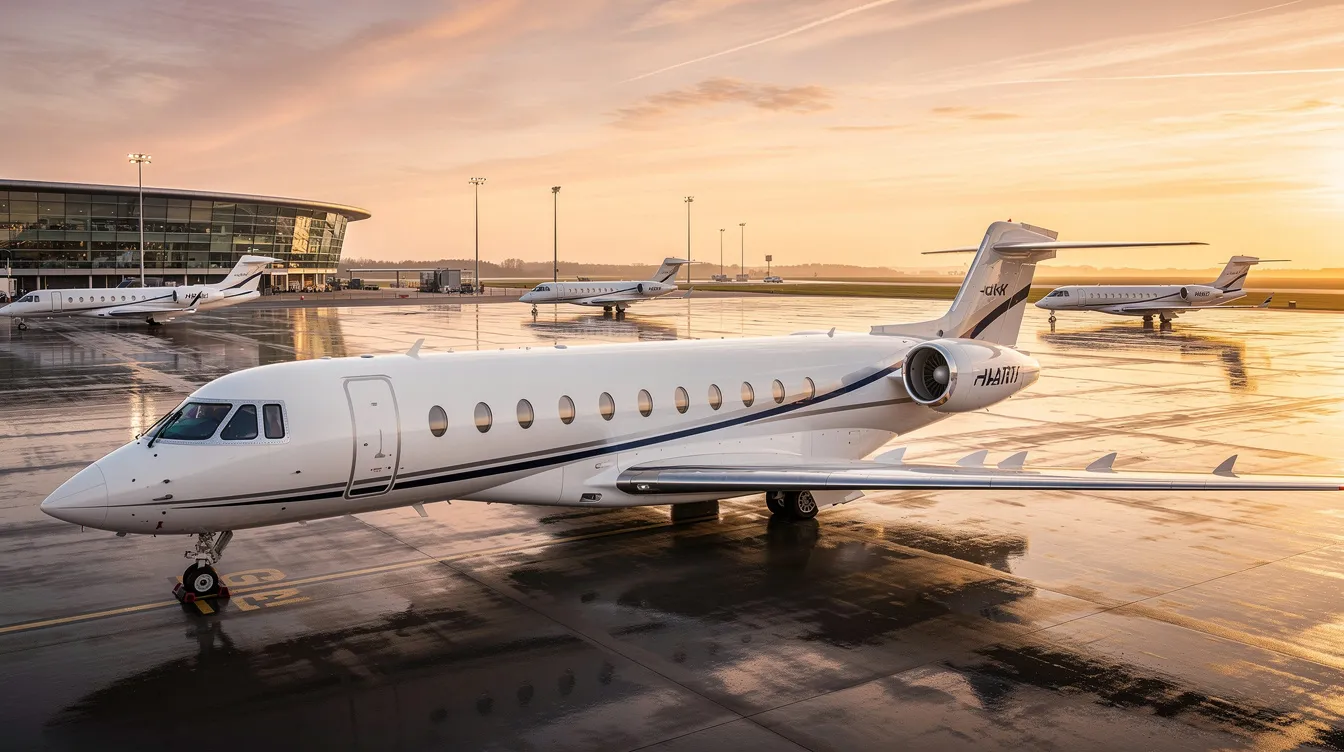
Core Aircraft Categories in Private Aviation
Private jets are categorized by size and range, ranging from very light jets (VLJs) for short, cost-effective regional trips to heavy, long-range jets for international travel. Cabin amenities, range, and passenger capacity are key differentiators among private jet models.
Very Light Jets (VLJs)
Aircraft like the Embraer Phenom 100 or Cessna Citation Mustang. Very Light Jets are efficient and often single-pilot operated, with seating for 4-5 passengers and a range of approximately 1,000–1,500 miles. Ideal for short hops under 700 nm with minimal luggage.
Light Jets
Models include the Embraer Phenom 300E, Cessna Citation CJ3+, and Learjet 75. Light Jets typically seat between 5 and 8 passengers and are ideal for shorter flights like New York–Miami or London–Geneva without fuel stops. Light jets can quickly reach their maximum cruising altitudes, allowing for efficient climbs and shorter overall travel times. They are also capable of landing on shorter runways, providing access to remote airports that larger jets cannot reach. Heavy jets provide maximum comfort, privacy, and onboard services, while light jets are ideal for quick, cost-effective regional trips.
Midsize Jets
Aircraft such as the Cessna Citation Latitude, Hawker 800XP, and Embraer Praetor 500 offer stand-up or near stand-up cabins with 7–9 passenger capacity. Midsize and super-midsize jets are favored for their efficiency and connectivity during business travel, especially for short-to-medium trips. Midsize jets offer longer range and greater comfort for longer and transcontinental flights compared to light jets. Super-Midsize Jets can seat 8-10 passengers and have a range of approximately 3,000–4,500 miles with better comfort and amenities.
Large Cabin & Ultra-Long-Range Jets
The Challenger 3500, Gulfstream G450, and Bombardier Global 7500 serve transatlantic routes. Heavy Jets typically accommodate 10-16+ passengers and are designed for international and long-haul luxury travel. Ultra-long-range jets feature luxury cabins designed for flying international distances, accommodating 12-19 passengers with high-end amenities. The Bombardier Global 7500 is recognized for its luxurious amenities, offering four living zones and a dedicated crew suite for long-haul flights. Ultra-long-range aircraft are designed to achieve distances from 6,000 nautical miles to over 7,000 nm without fuel stops, similar in mission profile to the largest private jets for sale that serve global business travelers.
Turboprops
The Pilatus PC-12 and King Air 350i excel for regional missions where ultra-short runways or budget efficiency matter, sitting alongside other small private aircraft options that balance performance, cost, and convenience.
Light Jets vs Midsize Jets: Side-by-Side Comparison
In practice, most BlackJet clients compare light jets and midsize jets first when planning regional or transcontinental trips. Private jet models are primarily differentiated by their cabin size, nonstop range, and passenger capacity.
Factor | Light Jet | Midsize Jet |
|---|
Passengers | 5-8 | 7-9 |
Cabin Height | ~4’11” | ~6’0” (stand-up) |
Typical Range | 1,500-2,500 miles | 2,500-3,500 miles |
Luggage Space | 65 cu ft | 127 cu ft |
Hourly Rate | $5,000-7,500 | $8,000-12,000 |
The Embraer Phenom 300E is regarded as a top-selling light jet for speed and lower operating costs on short city-to-city trips. Operational costs for light jets are generally lower than for midsize jets, making them a more economical choice for shorter trips. Small jets offer greater airport flexibility due to their ability to use shorter runways, allowing access to more remote airports. The number of passengers and amount of luggage can significantly impact the actual range and performance of both light and midsize jets, so these factors should be considered when planning your trip.
For Dallas–New York (~1,400 nm), both categories serve well. For New York–Los Angeles (~2,400 nm), a light jet may require a fuel stop, while midsize jets complete the journey nonstop. Midsize jets typically incur higher operational costs due to their larger size and extended range capabilities, which can include increased fuel consumption and maintenance expenses.
When choosing between jet types for a specific route, the aircraft’s range must meet the travel objectives for the planned line between departure and arrival points. Comparing the Phenom 300 versus Citation Latitude on New York–Nassau (1,000 nm): the Phenom is faster and cheaper to shorter fields, but the Latitude’s 6-foot cabin enables stand-up briefings for groups. BlackJet advisors recommend the optimal choice based on group size, luggage requirements, and airport constraints.

How to Compare Private Jet Range, Speed, and Performance
Manufacturer brochure ranges are optimistic—real charter flight performance depends on winds, payload, runway length, and routing. Accurate range estimation requires accounting for variables such as environmental factors, aircraft configuration, and operational considerations. The performance characteristics and service capabilities of private jets can vary significantly even within the same category, making it essential to compare specifications such as manufacturing details, performance specs, and cabin dimensions when selecting an aircraft.
Light Jets typically have a range of 1,500 to 2,500 miles, allowing for efficient travel across shorter distances without the need for refueling. Midsize Jets generally offer a range between 2,500 and 3,500 miles, enabling longer, uninterrupted flights compared to Light Jets. The range of a private jet significantly influences its use case, with small jets suited for short-haul trips and heavy jets required for transcontinental travel. Note that actual flight routes, cruising altitudes, and distances may be affected by air traffic control (ATC) and weather, which can influence the expected performance of even ultra-long-range aircraft; understanding how high private jets fly compared to commercial airliners helps explain these differences.
A light jet with a “2,000 nm” book range realistically handles 1,400–1,600 nm with 6 passengers and luggage. Cruise speeds matter: lights achieve 350-400 kts, midsize 400-460 kts, saving 20-40 minutes on routes like Los Angeles–Seattle.
Runway performance determines airport access. Light jets use 4,000-5,000 ft runways (optimal for Teterboro or Aspen), while midsize jets need 5,000-6,000 ft with better hot/high performance. Climbing to FL410-450 avoids weather and improves efficiency. For travelers focused on budget, pairing altitude-efficient aircraft with the cheapest private jet options can further optimize total trip cost without sacrificing core performance.
BlackJet’s technology platform incorporates real operational data and safety requirements, presenting realistic flight plans rather than brochure numbers. Clients can view and compare key specifications, access models, and price bands—similar to a detailed private jet price list overview—to make informed choices.
Cabin Experience and Amenities Across Private Jets
Cabin choice drives productivity and rest, especially on flights over 2 hours. Compare the Phenom 300 (4’11” cabin height) versus Citation Latitude (6’0” for near stand-up comfort).
Seating configurations impact work and relaxation: club seating for meetings, divans for families, conference tables for deal reviews. Typical amenities by category include Wi-Fi availability (88% of fleet), in-flight entertainment, galleys for hot catering, enclosed lavatories, and ample space for skis or golf bags.
Example: A Jet Card member flying London–Mykonos (1,400 nm) with 6 guests finds a light jet squeezes luggage with compact working space, while a midsize cabin enables conference-style briefings with full baggage accommodation—exactly the kind of mission flexibility unlocked by the BlackJet 25+ Hour Jet Card.
Direct Operating Costs and Total Trip Value
Hourly rates for private jet charters can vary significantly based on jet size, operating costs, and additional services, impacting the overall cost of private air travel. Fuel consumption, maintenance, and hangar costs are significant factors in the overall operational costs of private jets, with larger jets generally leading to higher expenses—considerations that also shape whether chartering a private jet is worth it for a given traveler or trip profile.
A 2-hour New York–Toronto light jet flight costs approximately $10,000-15,000 total, versus $16,000-24,000 on a midsize jet. However, extra fuel stops on longer routes add 45-60 minutes and $1,000+ in handling fees—making larger aircraft sometimes a better value despite higher hourly rates, even when compared with the cheapest private aircraft options positioned for budget-conscious flyers.
BlackJet’s Jet Card pricing simplifies comparison: predictable hourly rates by cabin class, no ownership overhead, and minimal hidden surcharges. Consider the opportunity cost—3 hours saved on LA–NY equals an extra meeting day worth thousands to busy executives.
Safety, Certification, and Sustainability in Aircraft Selection
For discerning travelers, safety and environmental responsibility are non-negotiable. Key standards include ARGUS Platinum, Wyvern Wingman ratings, and IS-BAO certification, all of which provide peace of mind in the skies by ensuring rigorous safety protocols. Evaluate operator maintenance standards, average fleet age, and pilot experience—not just aircraft size, since a clear understanding of how safe private jets are is central to any aircraft comparison.
BlackJet works exclusively with vetted, audited operators meeting high safety and training standards. Sustainability matters: newer models like the Praetor 500 and Gulfstream G500 burn 20% less fuel than predecessors. BlackJet delivers carbon-neutral flights as standard via verified offsets through Gold Standard and Verra projects, while also making room for more affordable private plane options that still meet strict safety and environmental benchmarks.
Comparing Access Models: Jet Card vs On-Demand Charter vs Ownership
Choosing the right aircraft often pairs with selecting the right access model for private aviation.
Whole Ownership
$10-80M capital, $1-2M annual fixed costs, crew management. Best for 300-400+ hours annually. For some buyers evaluating 10-million-dollar private jet options, whole ownership can make sense, but travelers flying under 250 hours annually often find on-demand charter more cost-effective than whole ownership, as it eliminates long-term asset risk and crew obligations.
Fractional Programs
Partial access to a limited fleet, fixed cabin class, and long-term contracts that may complement other access methods, such as buying a single seat on a private jet via shared or semi-private services.
On-Demand Charter
Maximum flexibility but variable pricing, inconsistent standards, and more legwork comparing aircraft models each trip, especially when evaluating specific configurations like 12-seater private jets and their costs.
BlackJet Jet Cards
Prepaid blocks (25-hour or 50-hour cards) across multiple cabin types with guaranteed access, capped rates, and centralized safety standards. A member flies a light jet for Boston–Washington DC (1 hour), then books a midsize jet for a family holiday from New York to Aspen—seamlessly within one program.
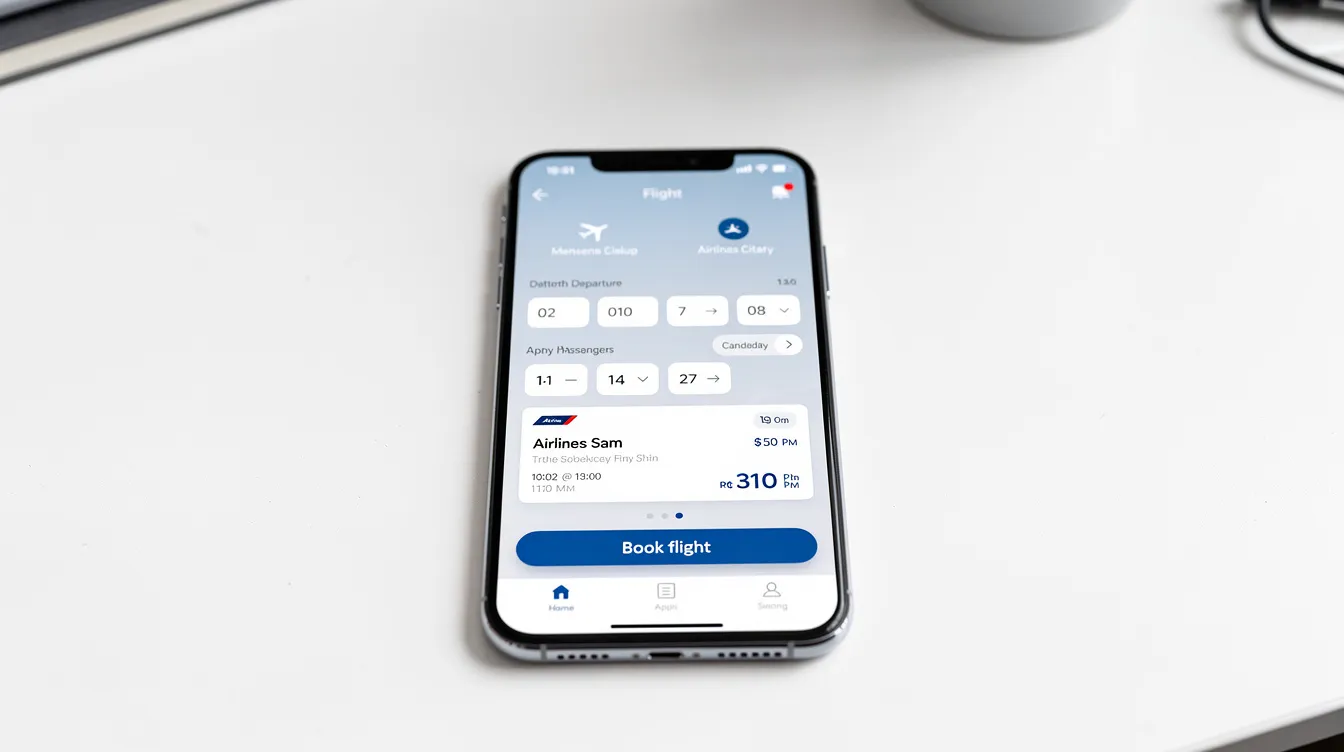
How BlackJet Helps You Compare and Choose the Right Jet
BlackJet serves as both an access provider and an advisor, helping members make an informed decision rather than navigating raw data alone. The digital booking platform offers 24/7 access via app, presenting real-time aircraft options by cabin category with estimated flight times.
Members filter options by priorities: nonstop capability, minimum cabin height, Wi-Fi availability, or luggage capacity. Aviation specialists discuss differences between specific aircraft models—for example, Citation XLS+ versus Learjet 75—or benchmark them against the best private jets in the world, recommending the ideal jet for each mission.
Every option presented already meets stringent safety, maintenance, and carbon-neutral criteria, ensuring comparison focuses on mission fit rather than airworthiness concerns.
Discover BlackJet’s Jet Card programs for effortless, premium private travel—where safety, sustainability, and flexibility are seamlessly integrated.
FAQ
How do I decide between a light jet and a midsize jet for a specific trip?
The decision depends on distance, passenger count, luggage volume, and comfort preferences. For 2–4 passengers on routes under 1,500 nm (New York–Nassau), a light jet is often ideal. For 5–8 passengers or flights over 2.5 hours (Los Angeles–Chicago), a midsize jet provides superior comfort and productivity, while larger groups may be better served by private jets that can seat around 20 passengers with expansive cabins and tailored layouts.
Are newer aircraft models always better than older ones?
Newer jets offer improved fuel efficiency, updated avionics, and quieter cabins. However, well-maintained older aircraft from safety-certified operators provide excellent performance at competitive rates, especially among private jets for sale under 10 million dollars. BlackJet prioritizes safety records and refurbishment quality over manufacturing date.
Can I compare private jet options in advance for my most common routes?
Frequent travelers benefit from mapping their top 3–5 routes and comparing how different jet categories perform. Resources that explain private jet sizes and ideal use cases pair well with BlackJet’s support in pre-defining preferred aircraft types for each route, ensuring quick, consistent choices on short notice.
How does BlackJet ensure flights are carbon neutral?
BlackJet measures emissions for each flight based on aircraft type and distance using industry-standard methodologies, then purchases verified carbon offsets through renewable energy and reforestation projects. This commitment is built into the service automatically.
Is it possible to work productively on a private jet?
Modern midsize and super-midsize jets function as flying offices with Wi-Fi, power outlets, conference seating, and quiet cabins. At the larger end of the spectrum, private jets for up to 50 passengers can be configured with full-scale meeting and relaxation zones. BlackJet prioritizes aircraft with strong connectivity for corporate travel, roadshows, and deal reviews.
Conclusion: Elevate Your Travel Experience with BlackJet
Choosing the right private jet is more than a luxury decision—it is a strategic move that enhances your time, productivity, and comfort. BlackJet’s Jet Card programs provide unparalleled access to a vetted fleet of private jets worldwide, combining rigorous safety certification, advanced technology, and a steadfast commitment to sustainability, whether you’re chartering occasionally or exploring premium private jets for sale in the UK as a longer-term strategy. Whether you prioritize the agility of light jets for regional flights or the expansive range and amenities of ultra-long-range jets for international journeys, BlackJet simplifies your travel with transparent pricing, real-time booking, and carbon-neutral operations.
Explore how BlackJet can transform your travel with effortless access, personalized service, and trusted safety standards. Visit blackjet.com to discover premium private jet options tailored to your unique needs and join a community that acknowledges the value of refined, meaningful travel.
Elevate your travel—effortlessly. With BlackJet, private flight isn’t reserved for a few—it’s accessible on your terms through our Jet Card programs, complete with rigorous safety, carbon-neutral performance, and unmatched flexibility. Discover how refined, meaningful travel becomes your new standard.


 Sign up with google
 Sign up with Apple


