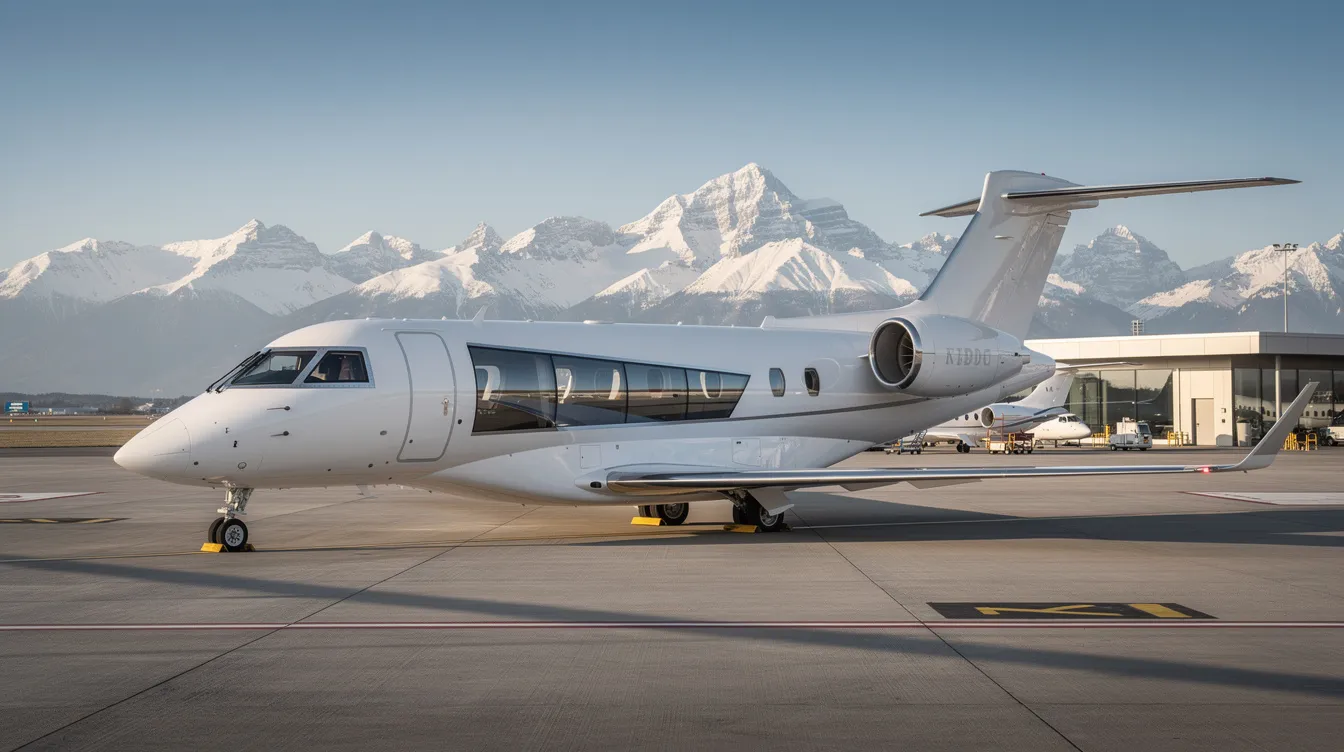
From warbirds that turned the tide of global conflict to stealth fighters that vanish from radar, cool jets are the aircraft that stand out for design, performance, innovation, and lasting impact on aviation. They rewrite what we believe is possible, and those breakthroughs now shape private flying for frequent business travelers and high-net-worth leisure flyers who want flexibility, privacy, safety, and luxury without owning an aircraft.
That link between legendary machines and modern travel is what this guide explores: historic icons, supersonic aircraft like Concorde, advanced fighters like the F-22 Raptor, private jet categories and cabin classes, safety standards, sustainable aviation and carbon offsets, and how BlackJet's Jet Card programs, mobile booking, and real-time flight support turn those innovations into practical advantages. For travelers who need faster trips, access to thousands of airports, and prepaid private jet access that saves time while keeping travel flexible and secure, understanding cool jets is not just interesting-it explains why private aviation works so well today.
Key Takeaways About Cool Jets
What makes a jet "cool" comes down to four things: design, performance, innovation, and the lasting impact it has on how we travel. Cool planes earn their status not just through speed or size but through the way they reshape aviation itself.
Historic record-setters like the Concorde, the Lockheed SR-71 (built in just 32 units yet operational for over 30 years), and the X-15 pioneered materials, flight control systems, and propulsion concepts that modern private jet travelers now take for granted-speed, comfort, advanced avionics, and rigorous safety.
Jet engines power modern flight by pulling in air, compressing it, mixing it with fuel, and igniting it to create massive thrust. Every cool jet in this article owes its performance to some version of that fundamental cycle.
A jet engine is primarily designed to generate thrust through the acceleration of air.
BlackJet's Jet Card model is the modern, practical way to experience aircraft inspired by such a plane's innovations without owning one. Prepaid hours, curated safety, and carbon-neutral flights turn legendary aviation technology into an everyday strategic advantage.
This article covers legendary fighters, jumbo icons, space shuttle–era craft, private aviation categories, safety protocols, sustainability, and how to choose the right aircraft for your next trip.
Why Cool Jets Matter to Today's Private Flyer
Consider two scenes. In 1970, the first Boeing 747 jumbo jet carried hundreds of passengers across the Atlantic, compressing weeks of ocean travel into hours. In 2026, a BlackJet member departs Teterboro for Miami, arrives in under three hours door-to-door, and never stands in a single line. The distance between those moments is measured not just in decades but in accumulated engineering breakthroughs-composites from fighters, fly-by-wire from experimental craft, turbofan efficiency gains from military programs.
Why does this matter to you?
Time: A private flight saves an average of two to three hours per trip compared to commercial first class once you factor in check-in, security, and terminal transfers. Over a year of frequent travel, that reclaims weeks.
Privacy and control: You set the schedule. No layovers, no gate changes, no middle seats.
Access: Private jets reach more than 5,000 airports across the United States alone versus roughly 500 commercial hubs.
Stealth technology developed for fighters now informs radar-absorbing materials research; composite skins from military airframes reduce weight in business jets; redundant flight control computers trace their lineage to programs that demanded zero tolerance for failure. For high-net-worth travelers and executives, a jet card converts all of that accumulated aviation technology into a strategic advantage rather than just a luxury purchase.
The sections ahead move from legendary cool planes to concrete guidance on aircraft categories, safety, sustainability, and jet card strategy.
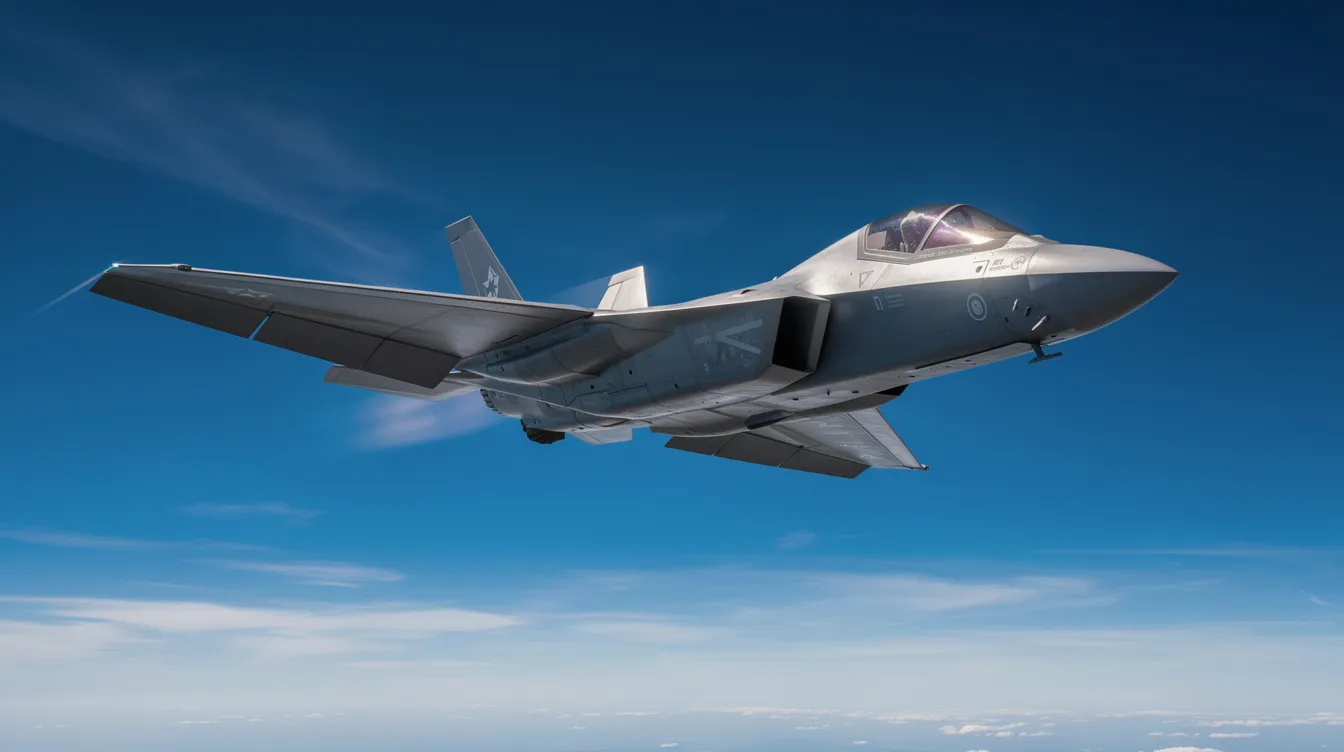
Fifth-Generation Fighters: The Lockheed Martin F-22 Raptor
The F-22 Raptor remains one of the most advanced fighter jets in the skies, first delivered to the United States Air Force in the mid-2000s and operationally capable since December 2005. It is a platform where stealth technology, raw power, and digital intelligence converge.
Core "cool" factors include:
Stealth shaping: aligned panel edges, internal weapon bays, and low-observable surfaces that make the aircraft nearly invisible to radar.
Supercruise: dual Pratt & Whitney F119 engines enable sustained supersonic flight above Mach 1.5 in military power-no afterburner needed-saving fuel and reducing heat signature.
Sensor fusion: radar, infrared, and electronic warfare suites feed a unified cockpit display, giving the pilot first-look, first-shot capability against any missile or threat in the battlespace.
A typical mission profile involves high-altitude covert ingress in level flight, stealth-enabled attack or stand-off missile delivery, real-time data correlation, and rapid egress at supercruise speed. Each powerful engine generates enough thrust to push the airframe past Mach 2, and active flow control systems use jets of air or plasma to alter airflow over wings, improving performance at extreme angles of attack.
No private customer can charter an F-22, of course. But the situational awareness philosophy, redundant flight control architecture, and advanced materials research behind this fighter jet now appear in the best business jets you can actually fly on. Modern large-cabin jets feature synthetic vision, head-up displays, envelope protection, and multiple backup systems-less dramatic than dodging missiles, but born from the same engineering DNA. You might be surprised how much of your next private flight traces back to programs like this one.
Jumbo Legends: The Boeing 747 and the Era of Global Travel
When the Boeing 747 made its first commercial flight in January 1970, it did something no aircraft had done before: it made the world feel small. Four engines, a cruise speed near Mach 0.85, and the ability to carry over 400 passengers-some configurations could accommodate up to 467 passengers-turned intercontinental routes like New York–Tokyo and London–Hong Kong from adventures into routines.
The 747 has over 1,500 units built across its production life. It was an engineering marvel that demanded new airport infrastructure, wider taxiways, and bigger terminals. A single modern commercial jet engine on a 747-variant can consist of up to 45,000 individual parts, and on modern high-bypass turbofan engines roughly 80 percent or more of the air is accelerated by the front fan rather than passing through the core.
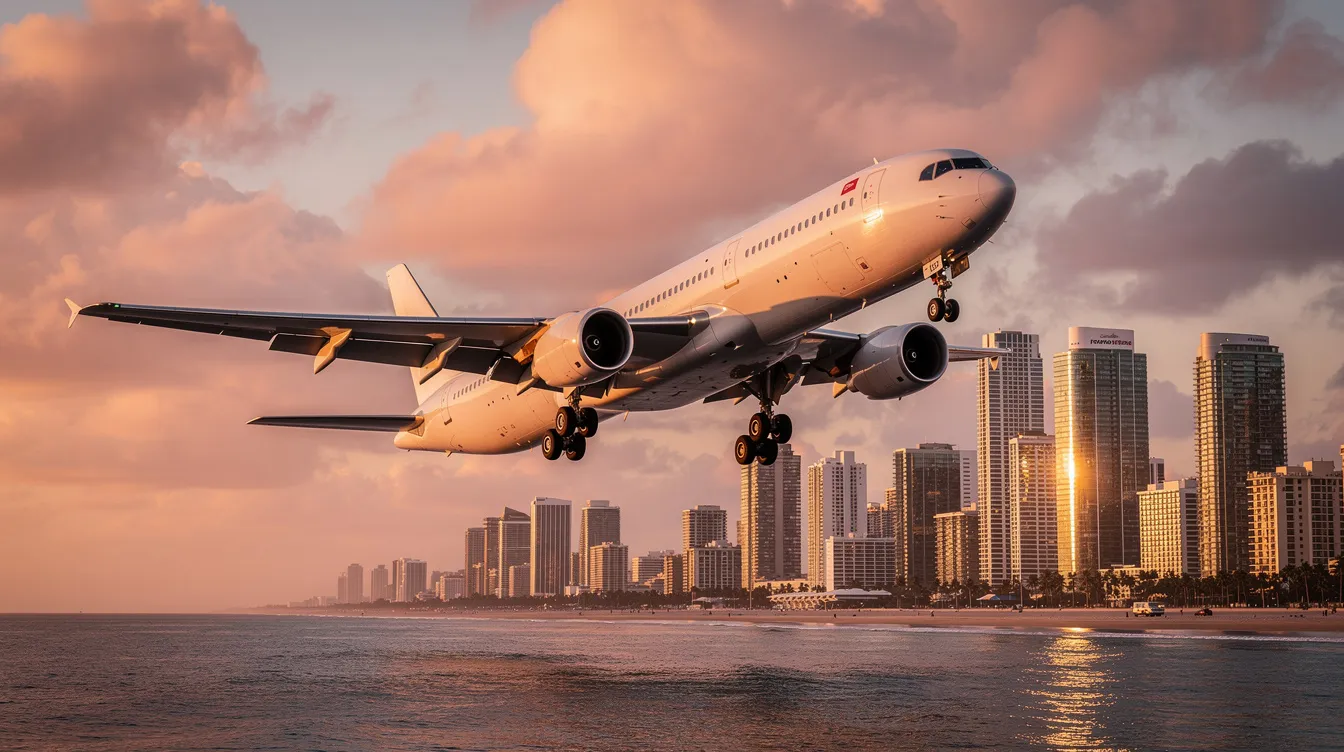
Yet for all its grandeur, the jumbo jet experience was always shared. Crowded cabins, fixed schedules, and limited personalization defined the era. Today's large-cabin private jets-a Gulfstream G700 or Bombardier Global 7500-offer similar transatlantic range but for 10 to 16 passengers, with lie-flat beds, private zones, and full galleys.
A BlackJet member might use a long-range private jet to recreate that intercontinental reach with full privacy and bespoke scheduling. The 747 democratized global travel. Private aviation personalizes it.
Iconic General Aviation: Cirrus SR22, Cessna 182 & the Piper J-3 Cub
Not every cool jet has jets. Some of the coolest aircraft are piston-powered icons that defined personal flying and built the culture that eventually became today's private aviation market.
Cirrus SR22: Introduced in 2001, the Cirrus SR22 is the best-selling single-engine aircraft in the world, with over 7,000 delivered. The Cirrus SR22 features a whole-airplane recovery parachute system known as CAPS-a ballistic chute capable of lowering the entire airplane safely to the ground in an emergency. Paired with a glass cockpit, it set new benchmarks for safety and technology in general aviation.
Cessna 182 Skylane: A workhorse since the 1950s, the Cessna 182 carries four to five passengers with the rugged simplicity pilots love. It is such a plane that opened the door to personal flight for thousands of families and small businesses.
Piper J-3 Cub: Dating to the late 1930s, the Cub trained an entire generation of pilots before and during the war years. Its yellow fabric fuselage remains one of the most recognized silhouettes in aviation.
These airplanes fostered the culture of personal and business flying that evolved into today's on-demand private jet market. Helicopters occasionally serve a similar role for short urban hops, but fixed-wing aircraft remain the backbone of private travel. For many aviators, a Cessna or Piper is a first love. For non-pilots, BlackJet Jet Cards are how you access the modern descendants of these aircraft-without needing a license or a hangar.
Warbirds and Flying Legends: P-51 Mustang, F-4 Phantom II & DC-3
World War II and Cold War–era aircraft still captivate because they combine visceral sound, striking lines, and combat history into something that transcends nostalgia. These are beautiful airplanes that earned their legend under fire.
North American P-51 Mustang: The Mustang redefined the air war by escorting bombers deep into enemy territory. Its combination of speed, range, and agility-powered by the Rolls-Royce Merlin, a powerful engine that outperformed previous designs-allowed Allied fighters to pull escort duty over Berlin and back. That capability changed strategy.
McDonnell Douglas F-4 Phantom II: A multi-role workhorse, the F-4 served as fighter, interceptor, bomber support, and reconnaissance platform. Capable of Mach 2+ performance, it was piloted by Air Force and Navy crews across dozens of nations, with over 5,000 built. Fighters like the Phantom proved that versatility matters as much as raw speed.
Douglas DC-3: Its first flight on December 17, 1935, launched a revolution in commercial aviation. The Douglas DC-3 was produced in over 16,000 units when military variants like the C-47 are included, and the Soviet Union also built nearly 5,000 under license; hundreds were still in service into the early 2000s. With a cruise speed around 200 mph, capacity for 21 to 32 passengers, and the ability to carry large loads of cargo, the DC-3 proved that reliability and adaptability matter more than glamour.
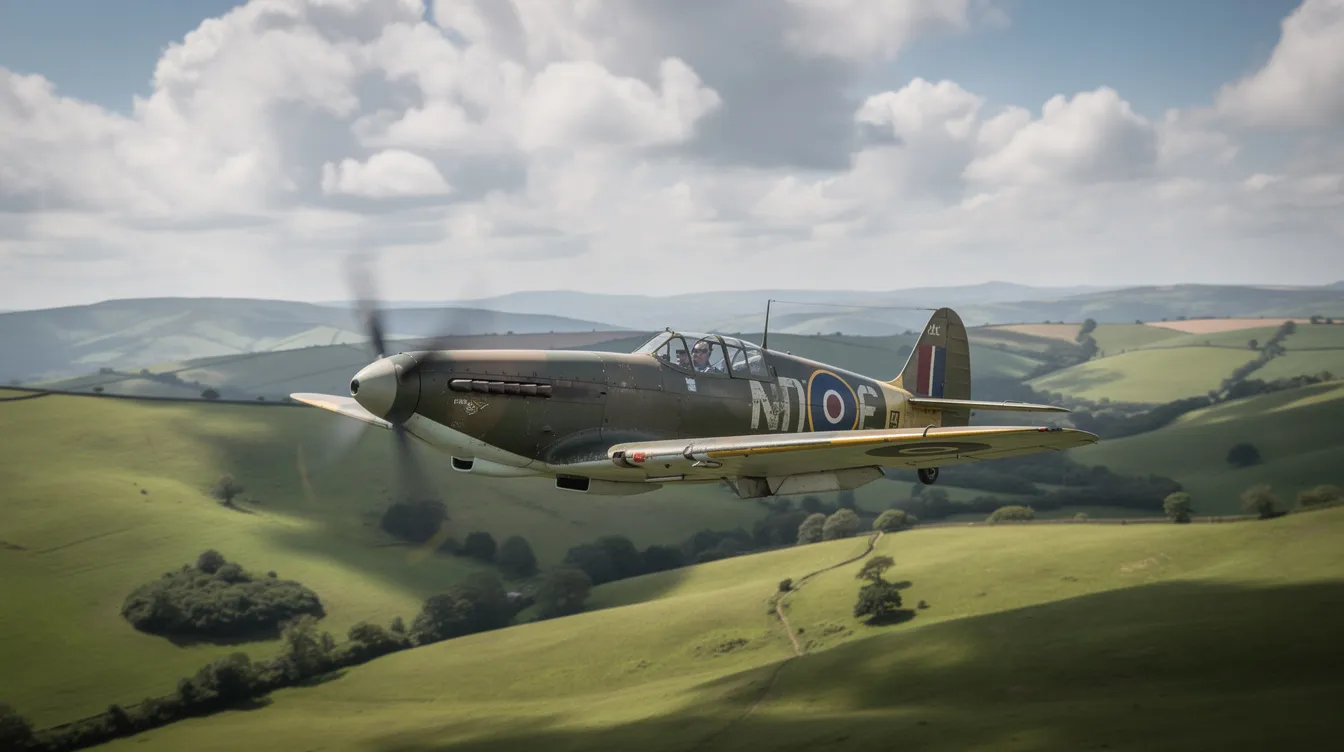
These warbirds connect directly to today's emphasis on proven airframes, thorough maintenance, and multi-mission flexibility in private fleets. The best charter operators still prize the same qualities the DC-3 embodied: go anywhere, land on rough strips, and never let the crew down.
Supersonic Icons: Concorde and the Dream of Faster-Than-Sound Travel
The Concorde began commercial service in 1976 and retired in 2003, and it remains the only supersonic commercial passenger aircraft ever to carry fare-paying travelers on a regular schedule. Its cruise speed reached approximately Mach 2.02-about 1,350 mph-at a service ceiling near 60,000 feet, well above weather and conventional traffic.
Key innovations included:
A droop nose that hinged downward during takeoff and landing so pilots could see the runway, then raised flush for supersonic cruise
Fly-by-wire control concepts that were ahead of their era
In-flight fuel transfer between tanks to adjust center of gravity for optimum stability at different speeds
An ultra-thin delta wing optimized for supersonic wave-drag efficiency
Jet engines allow aircraft to fly faster than sound, reaching Mach numbers over 1.0, but doing so efficiently was Concorde's true achievement. The gas temperatures inside a modern jet engine's turbine section can exceed 1,400°C, and special coatings and advanced materials are used so turbine blades can operate in extreme conditions-challenges Concorde's Olympus 593 engines faced at every flight.
Yet the Concorde was not commercially sustainable. The Concorde had a maximum capacity of 128 passengers, fuel burn was extreme, sonic boom restrictions limited routes to mostly transatlantic corridors, and tickets were prohibitively expensive. Only two airlines ever operated it.
Still, Concorde shaped expectations around what a cool plane could be. Many travelers still associate true aviation glamour with its silhouette. Today, projects like Boom Supersonic's Overture aim to revive supersonic commercial flight, while BlackJet focuses on subsonic jets that balance speed, comfort, range, safety, and sustainability-delivering what matters most without the crash-and-burn economics that grounded Concorde.
Into the Edge of Space: Space Shuttle, X-15 & Near-Space Flight
Some of the coolest jets left the atmosphere entirely, blurring the line between aircraft and spacecraft. These space planes and experimental craft pushed materials and flight control to absolute limits.
The space shuttle first flew to orbit in 1981 and completed its final mission in 2011, logging roughly 135 missions over three decades. The reusable orbiter could carry up to 60,000 pounds to low Earth orbit and then re-enter the atmosphere at hypersonic speed before executing a fully unpowered gliding landing-no engines, no second chances. Every shuttle landing in southern California at Edwards Air Force Base or at Kennedy Space Center demanded extraordinary precision from the pilot.
The North American X-15, flown during the 1960s, reached speeds beyond Mach 6 and altitudes over 350,000 feet in level flight. Several pilots earned astronaut wings for flying above the boundary of space. Scramjets, a related technology, achieve extreme hypersonic speeds by breathing oxygen from the atmosphere rather than carrying oxidizers-a concept the X-15 program helped validate. Ramjets, which operate entirely without rotating parts and rely on aircraft velocity to compress air, informed later research into high-speed propulsion.
These vehicles pioneered thermal protection systems, high-temperature alloys, and fly-by-wire controls. Turbine blades inside a jet engine run at temperatures hotter than the melting point of the metal itself, and engineers use complex internal air channels to cool the turbine blades while they spin-solutions that trace back to the extreme heat challenges of re-entry vehicles and rocket-powered craft.
The romance of rocket flight is undeniable, but BlackJet members need something different: predictable, pressurized comfort and reliable performance on every trip, not a test pilot's adrenaline rush.
Gigantic Cargo Cool: The Antonov AN-225 & Lockheed C-130 Hercules
Sometimes size and capability alone make such a plane legendary, especially when it flies missions no other aircraft can attempt.
The Antonov AN-225 Mriya is the biggest airplane in the world and the largest aircraft ever built. First flown in 1988, it was powered by six turbofan engines and featured a record wingspan and fuselage length. Originally built to carry the Soviet Union's Buran space shuttle on its back, the AN-225 could launch with record payloads up to 545,000 pounds. A large jet engine swallows thousands of pounds of air every single second during takeoff-multiply that by six, and you begin to grasp the scale of the Mriya's power.
The Lockheed C-130 Hercules has been in continuous operation since 1954, making it one of the longest-serving military aircraft in history. Its roles span cargo transport, troop movement, search and rescue alongside helicopters, aerial refueling, and even firefighting. The C-130 demonstrates that cool is not always about speed: ruggedness, short-field capability, and the ability to carry large loads into austere environments define its legend. Many industrial gas turbines are derivatives of older military and commercial jet engines, and the C-130's powerplants have contributed to that lineage.
These aircraft show that mission flexibility and sheer capability earn respect. Occasionally, a BlackJet client needs bespoke cargo arrangements-moving race cars, art installations, or relief supplies. While standard jet card flights focus on passenger comfort, the company can coordinate specialized charter solutions when the mission demands something beyond a cabin with seats.
From Cool Planes to Cool Private Jets: Modern Business Aircraft Categories
The famous aircraft above inspire awe, but the jets BlackJet clients actually fly today deserve their own spotlight. Modern private jets span a wide spectrum of size, range, and mission capability.
Category | Passengers | Range (nm) | Example Models | Best For |
|---|
Very Light Jet | 4–6 | 1,100–1,500 | HondaJet, Phenom 100 | Short regional hops |
Light Jet | 6–8 | 1,700–3,000 | Phenom 300, Citation CJ4 | Cross-country (moderate) |
Midsize | 7–9 | 2,300–3,500 | Citation Latitude, G280 | Enclosed lavatory, stand-up cabin |
Super-Midsize | 8–10 | 3,000–4,000 | Challenger 350, Falcon 2000 | Near-intercontinental legs |
Large Cabin / Ultra-Long-Range | 10–16+ | 5,000–7,500+ | G650, Global 7500, Falcon 8X | Nonstop transatlantic/transpacific |
Private jets offer multiple cabin classes for different needs. Cabin classes vary in size, luxury, and amenities offered-from compact club seating in a light jet to full staterooms with lie-flat beds in an ultra-long-range craft. Cabin classes can include configurations for business or leisure travel, and the best match depends on route, passenger count, and what you plan to do in the air.
Performance traits admired in legendary aircraft-speed, range, reliability-map directly to these aircraft categories. Geared turbofans allow the fan to spin slower while the core operates at a higher speed, reducing fuel burn and making modern business jets more efficient than ever. Additive manufacturing allows engineers to create complex jet components that are lighter and structurally superior, pushing cabin comfort and range further with each new model.
BlackJet members select cabin class per trip rather than being locked into a single aircraft they own or lease. Explore the full range of types of private jets to understand which category fits your travel patterns.
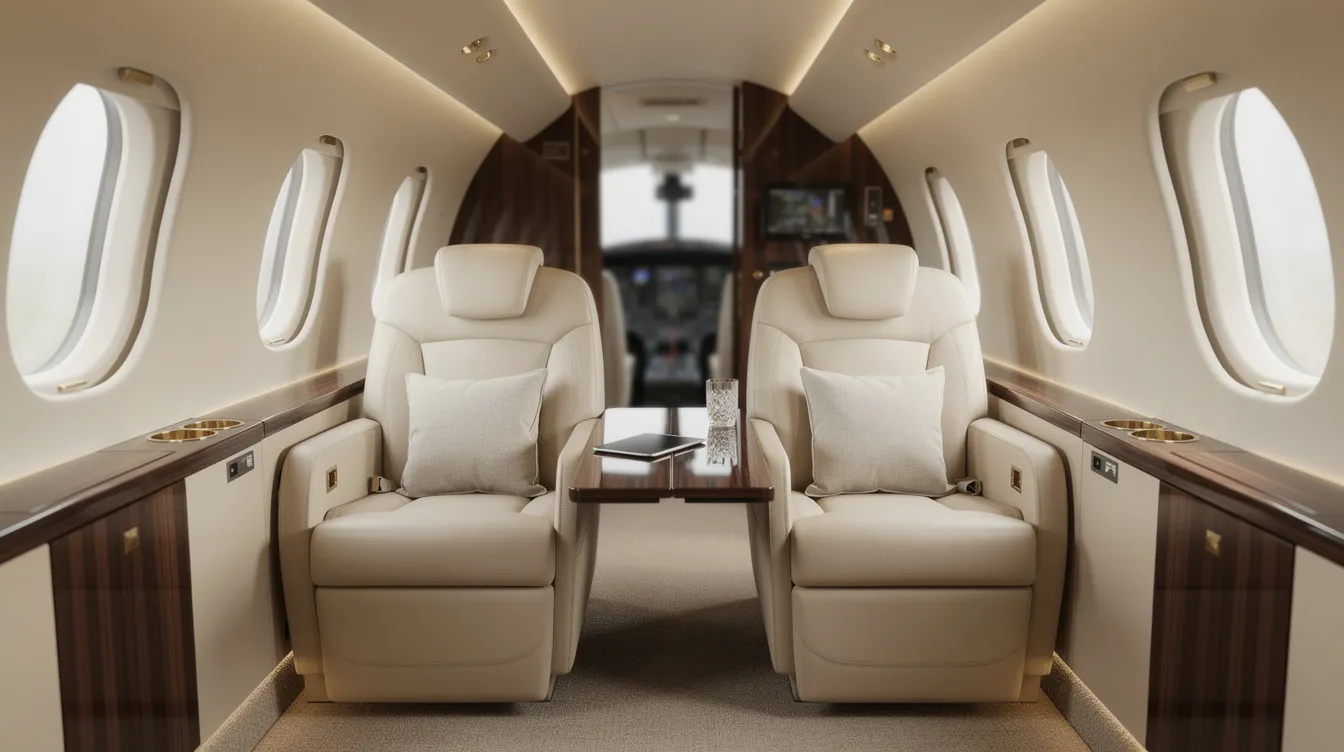
How Jet Cards Turn Cool Jets into Everyday Tools
A jet card is a straightforward concept: prepaid hours that give you fixed or capped hourly rates, guaranteed availability, and the freedom to fly without owning an airplane. If you are comparing jet card cost and program structures, jet cards provide prepaid access to private jets, and programs typically offer 25-hour or 50-hour options tailored to different travel frequencies.
How does this compare to alternatives, and which jet card programs are best for frequent flyers?
Full ownership: Capital-intensive. You manage crew, maintenance, hangars, insurance, and regulatory compliance whether you fly 50 hours or 500.
Fractional ownership: Lower capital than full ownership but still a long-term commitment with fixed costs and limited flexibility on aircraft size.
On-demand charter: Flexible per trip, but pricing fluctuates, availability is uncertain, and safety vetting falls on you.
Jet card: Predictable costs, no asset risk, access to multiple aircraft sizes, no flight department needed.
Jet cards cater to high-net-worth leisure and business travelers who value flexibility without the need to own a jet. For those focused on budgeting, understanding jet card cost per hour across providers clarifies overall value. BlackJet's Jet Card lets members treat a cool jet as a strategic resource: fly when needed, choose cabin size per mission, and avoid the headaches of managing such a plane.
Jet card users can book flights 24/7 through digital tools. Mobile booking platforms enable 24/7 access to jet services, and users can book private jets via mobile applications that streamline the private jet booking process-selecting route, aircraft class, and schedule in minutes rather than days. Real-time flight support is available around the clock for complex or last-minute itineraries.
Example: An executive flies New York to London on a large-cabin jet for a board meeting, then hops to Geneva on a midsize aircraft for a client dinner, and returns home three days later on whichever category best suits the final leg. For travelers at this frequency, a detailed look at 50-hour jet card pricing and value can help shape the right commitment. One jet card, multiple aircraft, zero ownership headaches.
Safety First: What Cool Jets Teach Us About Private Aviation Safety
Every legendary aircraft-from the SR-71 Blackbird to the DC-3-earned its reputation partly through rigorous testing and disciplined operations. The same principle applies to private aviation, where the answer to "is this flight safe?" should never be a simple one left to chance.
Core pillars of private aviation safety include, and are central to BlackJet’s premium private jet card programs:
Operator certification: Only operators holding Part 135 certificates and passing third-party audits qualify for premium programs.
Pilot experience: Dual-pilot crews with Airline Transport Pilot (ATP) certificates, recurrent simulator training, and type-specific ratings.
Maintenance standards: Private jets undergo rigorous safety inspections before each flight, with documented maintenance histories and compliance tracking.
Safety Management Systems (SMS): Structured programs for identifying, assessing, and mitigating risk at every level.
BlackJet curates operators through its Certified Safety Program, accepting fewer than 30 percent of U.S. Part 135 operators. Certifications from ARG/US, Wyvern, and IS-BAO are required, along with detailed evaluations of pilot training hours, maintenance reliability, insurance coverage, and incident history. If you are comparing top private jet companies and their safety standards, these criteria become a practical checklist. Real-time support enhances safety and efficiency in private aviation by catching issues before they affect your trip.
Scenario: A winter flight into Aspen. The ground crew confirms de-icing is complete, runway performance calculations account for altitude and temperature, and alternates like Eagle County are briefed before departure. Behind the scenes, BlackJet's vetting ensures the operator has mountain-airport experience, and the aircraft is equipped for the terrain.
Unlike experimental programs like the X-15, where test pilots accepted extraordinary risk, BlackJet flights prioritize predictable, repeatable safety in the skies over pushing any performance envelope.
Sustainability & Carbon-Neutral Flights in the Private Jet World
Some of the coolest aircraft in history struggled with noise and fuel burn. Concorde consumed fuel at rates that would be unacceptable in today's climate-conscious era. Modern jet engines contain thousands of sensors to measure vibration, temperature, pressure, and performance-making them far more efficient-but efficiency alone does not eliminate emissions.
Sustainable aviation aims to reduce carbon emissions across the industry. The aviation industry targets net-zero emissions by 2050, and private aviation has a role to play, even on large private jets for groups of up to 50 passengers.
Carbon offsetting: Calculating emissions per flight and funding verified projects-reforestation, renewable energy, methane capture-that remove or reduce an equivalent amount of CO₂. Carbon offset options help mitigate aviation's environmental impact, and BlackJet ensures every journey is carbon neutral at no extra cost to the member.
Sustainable Aviation Fuel (SAF): Produced from waste oils, agricultural residues, or synthetic processes, sustainable aviation fuels can reduce lifecycle emissions by up to 80 percent compared to conventional jet fuel. SAF is starting to appear at major hubs, and BlackJet plans to offer it at select airports beginning in 2026.
Future propulsion: Electric aircraft are being developed for short-haul flights, and hydrogen-powered aircraft are being researched for their potential to reduce aviation emissions on longer routes. Future aircraft may combine traditional engines with electric motors to improve efficiency across a wider range of missions.
When comparing private aviation providers, ask direct questions: Are offsets included or optional? Which standards verify the projects? Is SAF available on your routes? Discerning travelers deserve transparent answers, along with clarity on jet card pricing structures and fees.
Technology & Comfort: Inside a Modern Cool Jet Cabin
Step aboard a 2020s business jet and the contrast with historical cockpits is immediate. Where military pilots sat in cramped, instrument-dense environments and early 747 lounges offered novelty over refinement, today's private cabins are quiet, connected, and tailored to the individual.
Key technology features include many of the advances that define the newest generation of private jets:
In-flight connectivity: High-speed Wi-Fi enabling video calls, streaming, and real-time collaboration at altitude
Cabin management systems: Digital controls for lighting, temperature, entertainment, and window shading
Advanced soundproofing: Composite materials and acoustic insulation that reduce cabin noise to conversational levels, even at cruise
Cooling air is routed through microscopic internal channels in turbine blades in modern jet engines, a technology that also informs advanced climate control in cabins
Private aviation companies offer digital booking tools for flights, but the real luxury is the cabin itself. Layouts range from club seating for meetings to conference groupings, divans for relaxation, and lie-flat beds for overnight legs. Compare this to the spartan experimental testbeds of the X-15 or the cramped fuselage of an early DC-3, and the evolution is staggering.
BlackJet's promise is seamless, productive travel where the aircraft becomes an extension of your office, boardroom, or private residence in the sky, especially on 16-seat private jets designed for group comfort and productivity.
How to Choose the Right Cool Jet for Your Trip
The coolest aircraft is not the fastest or the largest. It is the one that fits your mission, budget, and comfort requirements perfectly.
Primary decision factors:
Route distance: A 90-minute hop needs a light jet. A transatlantic crossing demands a large cabin or ultra-long-range.
Passenger count: Two executives fly differently than a family of eight with luggage.
Runway length: Mountain or island airports may require aircraft with strong short-field performance.
Baggage volume: Golf clubs, skis, or event equipment may push you into a larger category.
Time sensitivity: Same-day turnarounds favor speed and availability; leisurely trips allow more options.
Examples: For missions that demand nonstop intercontinental legs, reviewing the best long-range private jets available helps frame what “cool” means in practice.
Miami to Teterboro weekend: A light or midsize jet handles this comfortably short flight, moderate luggage, and quick turnaround.
Los Angeles to London business trip: A large-cabin jet flies nonstop, arriving rested with workspace and a lie-flat bed. Options range from traditional business jets to some of the largest private jets in service. Charter services can be booked for both regional and international travel through the same program.
BlackJet's member advisors provide 24/7 support to recommend aircraft types based on these variables and your preferences. Think of it as having a concierge who understands both private plane routes to Europe and quick domestic repositioning.
Cool Planes vs. Cool Experiences: Beyond the Aircraft Itself
While aviation enthusiasts obsess over performance numbers-Mach ratings, wingspan, thrust-to-weight ratios-BlackJet clients usually remember how effortless or stressful a journey felt. The aircraft is one variable. The experience is the product.
Elements that shape the total experience:
Ground transportation to and from the FBO
FBO quality: lounge, catering staging, ramp access
Crew professionalism and discretion
Catering tailored to dietary preferences and flight duration
Schedule reliability and contingency planning
Private jet charters enhance travel flexibility and privacy, but coordinating every element manually-especially across multiple countries-creates friction. BlackJet coordinates these components so that the member interacts with a single, polished experience instead of juggling separate vendors.
A truly cool jet is one part of a broader ecosystem that turns travel days into productive or restorative time rather than lost time. Private jet charters offer on-demand flight services, and charter flights can accommodate various passenger capacities, but the experience layer is what separates adequate from exceptional.
Such a Plane: What Makes an Aircraft Truly Unforgettable?
Such a plane stops you in your tracks. You see an SR-71 on the ramp at a museum, a Concorde nose raised against the sky, or an AN-225 filling an entire taxiway, and something shifts. These are not just machines. They are moments compressed into metal and composites.
Recurring traits of unforgettable aircraft:
A distinctive silhouette you recognize from any angle
Groundbreaking technology that changed what flew after it
A pivotal historical role-war, exploration, or commercial revolution
An aura of rarity or exclusivity that cannot be manufactured
In private aviation, the "such a plane" moment is occasionally more personal. It might come from a particularly smooth flight through weather that would have grounded a lesser craft, flawless service on a complex multi-leg itinerary, or a first transoceanic trip on a large-cabin jet where you arrived feeling like you never left the ground.
Imagine a family flying to a remote island for a milestone celebration. The aircraft descends over turquoise water, the landing is seamless, and for years afterward, they associate that airplane with one of the best weeks of their lives. Or a CEO closing a deal mid-flight, stepping off the plane with a signed term sheet-forever linking that craft with success.
A BlackJet Jet Card is the easiest way to collect multiple "such a plane" experiences across different aircraft types over several years, without the commitment of ownership. Many of the world’s top private jets are available through charter or membership, and private jet charters provide access to multiple aircraft types, and that variety is the point.
Private Jet Access vs. Owning a Jet: Strategic Advantages
Factor | Full Ownership | Fractional | On-Demand Charter | BlackJet Jet Card |
|---|
Capital Outlay | Very high | High | None upfront | Prepaid hours |
Fixed Costs | Crew, hangar, insurance, maintenance | Shared but ongoing | None | Included in rate |
Aircraft Flexibility | One aircraft | Limited fleet | Varies | Multiple categories |
Scheduling | Maximum control | Good | Variable availability | Guaranteed availability |
Management Burden | Full flight department | Partial | Minimal | None |
Jet cards excel where flexibility and predictability intersect. You arrive 15 to 20 minutes before departure, access direct routing to secondary airports closer to your destination, and avoid the operational complexity of running what amounts to a small airline. Owning a car gives you freedom, but owning a fleet of cars you rarely drive is an expense. The same logic applies to aircraft ownership for travelers who fly 25 to 200 hours per year.
This flexibility mirrors the diversity of cool jets in history. Instead of committing to a single airframe, members pick the ideal tool for each mission-just as the world's air forces maintain different aircraft for different roles.
BlackJet offers a way to enjoy elite aviation without the financial and operational weight of owning a jet outright. For travelers who only occasionally need a single seat, there are also options to buy an individual seat on a private jet via shared or semi-private services. They offer flexibility without the need to own a jet, and that is a strategic advantage, not a compromise.
Key Takeaways: What Cool Jets Mean for Your Next Trip
Here are the key takeaways from our journey through aviation history and into the cabin of your next flight:
What defines a cool jet is not a single metric. It is the intersection of design, performance, innovation, and impact-from the F-22's stealth to the DC-3's rugged reliability to the Concorde's supersonic elegance.
Historic aircraft shaped modern business jets. Composites, fly-by-wire controls, sensor fusion, and propulsion efficiency all trace back to military and experimental programs.
Safety and sustainability now matter as much as speed. Rigorous operator vetting, third-party audits, carbon-neutral flights, and emerging SAF options define responsible private aviation.
You do not need to chase records like the X-15 or Concorde to experience world-class aviation. You need smart, curated access-the kind BlackJet's Jet Cards provide through prepaid hours, guaranteed availability, and vetted operators, whether you are evaluating a 25, 50, or 100-hour jet card commitment.
The next generation of cool planes will combine advanced materials, lower emissions, and even more intelligent cabin tech. Jet engines are primarily designed to generate thrust through the acceleration of air, but how they do it is evolving faster than ever.
FAQ: Cool Jets, Jet Cards, and BlackJet Membership
Are supersonic or space shuttle–style experiences available in private aviation today? Not yet at commercial scale. NASA's X-59 recently broke the sound barrier during test flights as part of regulatory groundwork for quieter supersonic overland travel, and companies like Boom Supersonic are developing next-generation supersonic craft. However, FAA rules currently prohibit supersonic flight over land, and no certified supersonic business jet is available for charter. In the meantime, comparing leading programs such as Flexjet’s jet card offerings and costs helps frame today’s best subsonic options. BlackJet monitors these developments closely and will integrate new aircraft types as they become certified and proven safe.
How does BlackJet vet operators and aircraft for safety? BlackJet accepts fewer than 30 percent of U.S. Part 135 charter operators into its Certified program. Every operator must hold third-party safety audits from organizations like ARG/US, Wyvern, or IS-BAO, and BlackJet evaluates pilot training, simulator hours, maintenance records, insurance, and incident history. Each flight is certified individually with dual-pilot ATP-rated crews, providing a useful benchmark when comparing alternatives such as NetJets jet card programs and costs.
How are carbon-neutral flights calculated? BlackJet calculates emissions for every flight based on aircraft type, distance, and fuel burn. Equivalent carbon credits are purchased through verified offset programs aligned with Gold Standard and VCS frameworks, funding projects like reforestation and renewable energy development. Members pay nothing extra for this, which is especially meaningful as more travelers explore the most affordable ways into private jet travel and want sustainability included by default.
How do I join BlackJet? The process is straightforward: inquire through the BlackJet platform, discuss your travel patterns and preferences with a dedicated advisor, choose a Jet Card program (25-hour or 50-hour), and make your first booking-often within the same day. For some members, this conversation also includes exploring private jets for sale in key markets like the UK alongside membership options. From there, the digital platform and 24/7 advisory team handle the rest.
What types of aircraft can I access with a Jet Card? BlackJet Jet Cards provide access across the full spectrum of private aviation categories-from light jets for short hops to large-cabin, ultra-long-range aircraft for transcontinental travel, including solutions tailored to private jet travel for groups of around 20 passengers. You choose the right category per trip rather than being locked into one aircraft.
Conclusion: Elevate Your Travel with Cool Jets and BlackJet
Cool jets represent more than engineering marvels; they embody the spirit of innovation, performance, and timeless design that continues to shape modern private aviation. From historic icons like the Concorde and SR-71 Blackbird to today’s advanced business jets, these aircraft set the standard for safety, comfort, and efficiency.
For discerning travelers, BlackJet transforms these technological breakthroughs into practical advantages through flexible Jet Card programs, seamless mobile booking, and real-time flight support. Whether you’re flying short regional hops or nonstop intercontinental journeys, the right aircraft categories and curated service make all the difference.
Experience the strategic benefit of private jet access without ownership burdens, enjoy carbon-neutral flights, and travel with confidence knowing every flight meets the highest safety certifications. Discover how BlackJet can elevate your next trip and redefine what a truly cool jet experience means for you.
Join our Jet Card program today and unlock effortless, premier private aviation tailored to your lifestyle and mission.


 Sign up with google
 Sign up with Apple