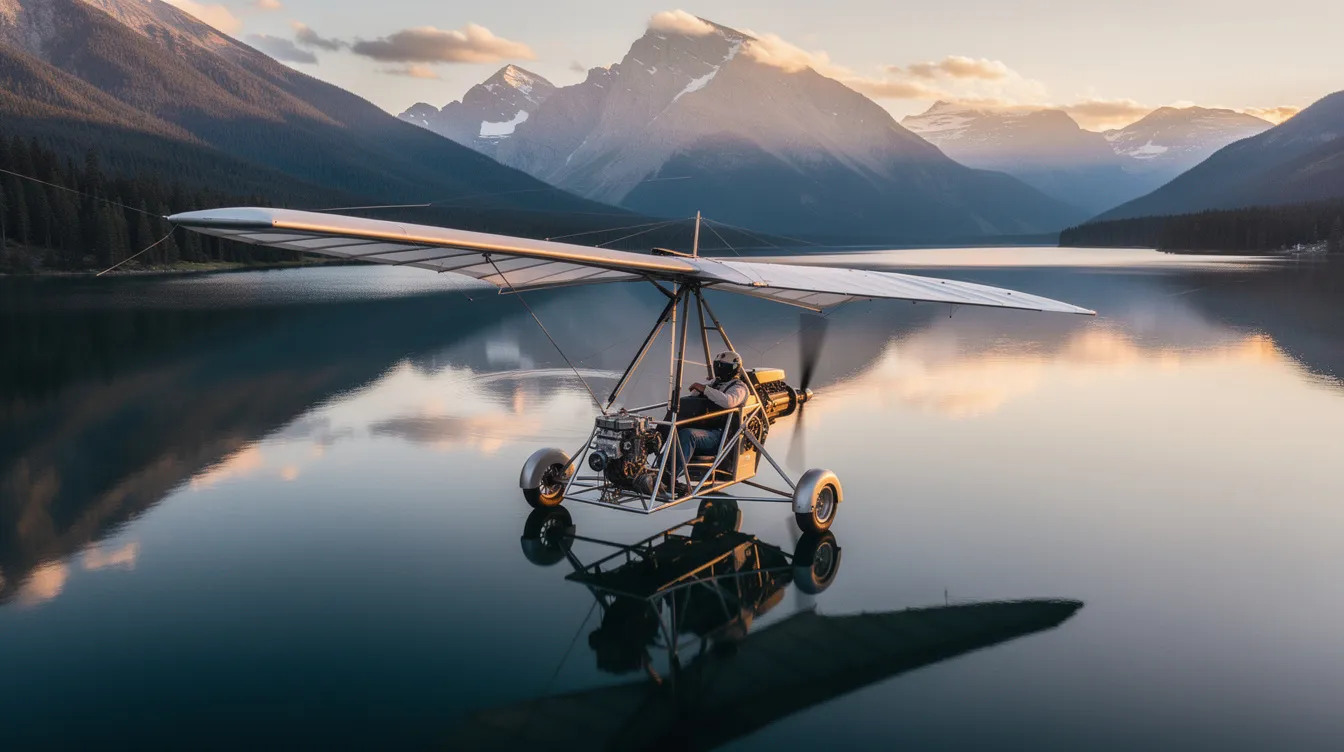
Private aviation spans a remarkable spectrum - from a 254-pound tube-and-fabric machine lifting off a grass strip to a midsize jet crossing the Atlantic in hours. This guide explores the world of ultralight aircraft in depth, contrasts it with private jet travel, and shows why both deserve a place in the life of anyone who values freedom, efficiency, and the sky.
This guide is for aviation enthusiasts, prospective pilots, and anyone interested in the differences between ultralight aircraft and private jets. Understanding the unique advantages and requirements of ultralight aircraft helps you make informed decisions about recreational flying or private aviation.
Ultralight Aviation vs. Private Jet Travel: Why Both Matter for the Discerning Flyer
Flying ultralight airplanes offers a visceral connection to the environment that few other experiences can match. No pressurized cabin, no glass cockpit - just rudder pedals, a stick, wind in your face, and the landscape rolling beneath you. The ultralight flying experience is raw, personal, and deeply rewarding for those who chase it.
Private jet travel operates in an entirely different register. Consider this: a same-day New York to Chicago round trip by private jet can save four to six hours door-to-door compared with commercial airlines, thanks to direct routing, private terminals, and zero security lines, even once you factor in typical private jet rental costs per hour and a careful analysis of when chartering a private jet is truly worth it. That time recaptured is a strategic advantage, not a luxury indulgence. A BlackJet member flying a light jet between New York and Miami for an afternoon investor meeting inhabits a different world from a weekend ultralight pilot circling a rural airfield - but both share the same underlying passion for aviation.
This guide focuses on ultralight aircraft - their regulations, types, costs, and training requirements - while occasionally contrasting them with light sport aircraft and private jets to give you practical context. If you are also weighing affordable private plane options like VLJs and light jets, understanding how those aircraft compare with ultralights will further refine your choices. Whether you are exploring grassroots aviation for the first time or looking to complement your private jet access with a hands-on flying hobby, you will find actionable depth here.
What Is an Ultralight Aircraft? (And How It Differs From Light Sport Aircraft)
Ultralight airplanes are defined as lightweight aircraft for recreational flying. They are small, single-seat machines built with minimal systems, typically flown from grass strips, farm fields, or small uncontrolled airfields. Flying ultralight aircraft offers a lower cost of entry compared to traditional aircraft, making them one of the most accessible ways to get airborne.
In the United States, a true ultralight is governed by FAA Part 103, not the standard certification rules that apply to general aviation or private jets. Under Part 103, no pilot's license, no medical certificate, and no aircraft registration are required - provided the aircraft meets strict weight and performance limits.
By contrast, a light sport aircraft is heavier, often seats two, requires at least a sport pilot certificate, and must carry registration and airworthiness documentation. The two categories serve different purposes: LSA aircraft bridge the gap between ultralights and certified general aviation and generally offer more features than a true Part 103 ultralight, while Part 103 machines remain deliberately simple.
The term microlight aviation is more common in Europe, where weight and speed limits differ but the philosophy - minimal, recreational, personal flying - is the same. In other countries, ultralight classifications may differ significantly from U.S. regulations, so pilots traveling internationally should research local rules carefully.
Compared with a professionally crewed BlackJet light jet or midsize jet, an ultralight sits at the opposite end of the complexity spectrum. Think of it as a powered glider rather than a business tool.
FAA Part 103: Core Rules That Define a True Ultralight
FAA Part 103, adopted in 1982, is the foundational regulation for U.S. ultralight aviation. It determines when an aircraft qualifies for exemption from pilot licensing, medical certification, registration, and airworthiness requirements. Ultralight regulations promote a simple flying experience with minimal bureaucratic burden - but within tightly defined boundaries.
The numeric limits are precise. A Part 103 ultralight must meet the following criteria:
Single seat only - no passenger allowed
Maximum empty weight for powered ultralights: 254 pounds (155 pounds for unpowered gliders)
Cannot carry more than 5 gallons of fuel
Maximum speed in level flight at full power: 55 knots (approximately 63 mph)
Stall speed in the power-off condition: at or below 24 knots (about 28 mph)
Adding floats, heavy batteries, or extra weight from accessories can push an airframe beyond these limits, turning the aircraft into a registered light sport or experimental amateur-built machine - with all the licensing and certification that entails. Every gram matters when your empty weight ceiling is 254 pounds.
Part 103 ultralights operate primarily in uncontrolled airspace (Class G). Entering controlled airspace (Class B, C, D, or certain Class E) requires ATC authorization. Pilots of ultralights must operate only during daylight hours, and night flying is prohibited unless the aircraft is equipped with proper lights - which most ultralights are not.
No pilot license is required for single-seat ultralights. Under Part 103, ultralight aircraft fly in daylight and mainly in uncontrolled airspace, with ATC authorization required before entering controlled airspace. Yet ultralight pilots must be trained like any other pilot. Quality instruction remains critical for safety. Contrast this self-regulated environment with the professionally trained, type-rated crews that BlackJet uses for every private jet flight: the gap in oversight is enormous, which is precisely why personal discipline matters so much in ultralight aviation.
Types of Ultralight Aircraft: From Fixed-Wing to Trikes and Rotorcraft
Ultralight aviation - and microlight aviation abroad - covers a surprisingly wide spectrum of aircraft designs, handling characteristics, and mission profiles. The variety is part of what makes this corner of the sky so compelling.
Fixed-Wing Ultralights
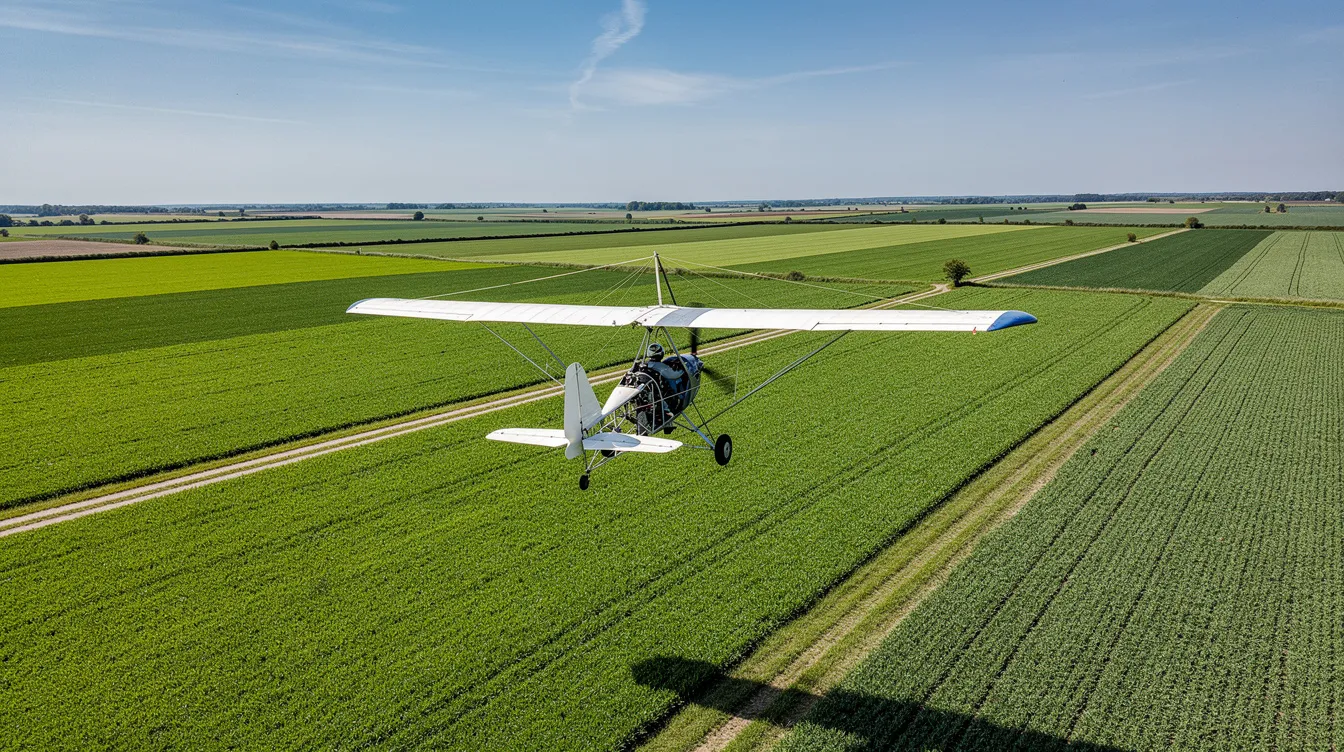
Powered fixed-wing ultralights are the most familiar. These tube-and-fabric designs feature a wing, a small engine (often two-stroke motors), conventional control surfaces, and rudder pedals. Models like the CGS Hawk Arrow II, first produced in 1982, established the template. More advanced enclosed-cabin models exist but often push weight toward experimental or LSA territory. Cruising speeds typically range from 40 to 63 mph, and performance depends heavily on aerodynamics, power, and pilot skill.
Trikes (Weight-Shift Ultralights)
Trikes, or weight-shift ultralights, pair a hang-glider-style wing with a tricycle carriage beneath. The pilot steers by shifting body weight rather than using conventional control surfaces. Available as single-seat Part 103 machines or two-seaters for training under LSA rules, trikes offer exceptional views and forgiving stall behavior, though crosswind handling requires practice.
Rotorcraft
Rotorcraft options include ultralight helicopters and gyroplanes. The autogyro (gyroplane) uses an unpowered rotor for lift and a pusher propeller for thrust, offering very short takeoff performance. Ultralight helicopters like the Mosquito XEL represent extreme engineering within tight weight budgets. Both demand significantly more training than fixed-wing models.
Amphibious Ultralights
Amphibious ultralights can land on water and land, fitting floats to the airframe for lake or coastal operations. However, less than 5% of ultralights sold are amphibious, partly because floats add extra weight that threatens Part 103 compliance.
Lighter-than-Air Ultralights
Lighter-than-air ultralights - backpack balloons, small powered airships - occupy the slowest, most scenic end of the spectrum, a world apart from the speed and efficiency of a private jet.
Single Seat vs. Two-Seat Ultralights: Training, Certification, and Use Cases
The distinction between single-seat and two-seat ultralights carries significant regulatory and practical implications. Understanding it is essential before purchasing or flying.
Under Part 103, only single-seat aircraft qualify as true ultralights. These single-seaters are designed purely for solo recreational flying. Payload is minimal - pilot weight plus gear plus fuel must stay within limits. Operating costs are low, adventure is high, and the focus is on the person and the machine working together.
Once you add a second seat or exceed weight, fuel capacity, or speed limits, the aircraft moves into light sport or experimental categories. Two-seaters used for instruction require at least a sport pilot certificate in the U.S. These aircraft are commonly used for pilot training: a certified instructor flies alongside the student, who then transitions to a single-seat Part 103 craft for solo flight.
Pilots transitioning from airline or private jet backgrounds sometimes start in two-seat instruction to rebuild stick-and-rudder skills before moving to an ultralight. Despite no legal requirement for training under Part 103, proper training remains the single most important safety investment an ultralight pilot can make.
The contrast with BlackJet's operations is stark. BlackJet members rely on multi-pilot professional crews, third-party safety audits, sophisticated avionics, and strict operating standards - all hallmarks of how safe private jets are in practice compared with most forms of general aviation and how different private jet sizes align with specific missions and comfort levels. A level of oversight that self-regulated ultralight aviation simply does not provide.
Best Ultralight Aircraft Examples and Buying Paths
Classic Single Seat Ultralights
The best ultralight aircraft depends entirely on your mission; for instance, a pilot flying short grass strips will prioritize different features than someone planning longer cross-country trips. Grass-strip hopping demands short takeoff and landing capability. Cross-country exploring requires endurance and fuel efficiency. Cold-weather flying calls for an enclosed cockpit, much like other categories of cheap light aircraft for budget-friendly flying and broader guides to the cheapest private aircraft across jets and props where mission fit matters as much as price.
Classic open-frame single-seat Part 103 machines: the Kolb Firestar, in production since 1985, and the Aerolite 103 (approximately $25,354) represent proven, well-supported designs.
Experimental LSA Kits
Kits that edge into experimental LSA territory, such as the Mini-Max 1030R at roughly $11,500 for a base kit, offer more flexibility and features, but may require more assembly and regulatory compliance.
Modern Enclosed Ultralights
Modern enclosed ultralights approaching LSA weight and feature levels are more comfortable but more expensive and more regulated.
Buying paths fall into three lanes:
Factory-built ready-to-fly models offer convenience but often cost more and carry weight risks.
Quick-build kits reduce assembly time while keeping costs moderate.
Scratch builds from plans and used parts deliver the lowest entry price but require substantial technical knowledge and time.
DIY ultralight aircraft kits are more affordable than buying new, which is why the kit-building community remains the backbone of grassroots aviation.
Ultralight aircraft can cost between $2,850 and $33,245, depending on type, condition, and completeness. Even the top end of that range is a fraction of what a small business aircraft costs annually in maintenance alone, especially when you consider the full picture of small private aircraft options for different missions and broader guides to the cheapest private aircraft and entry-level jets. For those who use private jets for business - via charter or a Jet Card - ultralight aviation works best as a complementary weekend hobby, not a transportation replacement, particularly when you also factor in the cheapest private jet options for budget-conscious travelers.
Cost of Ownership: Ultralight Aircraft vs. Private Jets and Jet Cards
The average ultralight aircraft weighs less than 254 pounds and burns perhaps three to five gallons of fuel per hour through a small two-stroke or four-stroke engine. Ultralights typically have low cruising speeds ranging around 40 to 63 mph. Storage might mean a trailer in your garage or a modest tie-down at a rural strip. Annual operating costs for an active ultralight pilot flying 50 hours per year can land in the low thousands - fuel, engine maintenance, occasional fabric replacement, optional insurance- a stark contrast to even the most carefully structured strategies to fly private cheap using memberships, empty legs, and shared charters.
Compare that with whole-aircraft ownership of even a light business jet: crew salaries, hangar fees, insurance, maintenance reserves, and fuel costs that can exceed $1,400 per flight hour. For travelers who routinely fly far more than a single Jet Card block, an in-depth look at 100-hour Jet Card costs offers a useful benchmark before committing to full ownership, while a broader assessment of whether chartering a private jet is worth it helps clarify when on-demand flying makes sense versus longer-term commitments or leasing a private jet under structured programs. The administrative burden alone - scheduling, regulatory compliance, depreciation management - drives many high-net-worth individuals away from ownership.
BlackJet's Jet Card model exists precisely to solve this problem. Prepaid 25-hour or 50-hour blocks, including the flexible BlackJet 25+ Hour Jet Card, deliver fixed-rate private jet access across multiple aircraft categories, with no crew management, no maintenance headaches, and no depreciation risk. For a deeper breakdown of Jet Card membership pricing and structures and how they compare across providers, BlackJet also offers educational resources within its broader suite of premium private jet card programs. Budgeting becomes predictable; flying becomes effortless.
For many enthusiasts, the most rational combination is an ultralight aircraft for pure flying enjoyment and a Jet Card for efficient regional or international business travel. Comparing the best Jet Card options for frequent flyers and a detailed view of Jet Card cost per hour across aircraft types against your actual trip patterns helps ensure the membership you choose truly fits your mission. The two serve fundamentally different purposes, and each excels where the other cannot.
Training, Safety, and Risk Management in Ultralight Aviation
Training Pathways
Ultralight aircraft can be operated safely, but margins are tighter than in heavier, instrument-equipped planes. Ultralights have limited operational capabilities due to their lightweight construction, making proper training and disciplined risk management essential rather than optional.
Common training pathways include joining a local ultralight or microlight aviation club, flying with a certified instructor in a two-seat light sport aircraft, and gradually building hours before transitioning to a single-seat Part 103 machine. Ground school - covering weather, aerodynamics, engine management, and emergency procedures - is equally important.
Weather Sensitivity and Handling
Ultralight airplanes are more sensitive to weather conditions like wind and turbulence. Weight and balance must be managed carefully when the entire aircraft weighs under 254 pounds. Takeoff and landing distances demand pilot skill, especially on short or unimproved surfaces.
Maintenance and Safety
Engine reliability varies: two-stroke motors operate simply but require more frequent inspection than four-stroke alternatives. Proper maintenance makes ultralights as safe as small aircraft - the key is consistency.
In BlackJet's world, risk is managed through third-party safety audits, operator vetting programs, standardized crew training, and redundant aircraft systems. Ultralight pilots lack that institutional safety net, which means personal discipline - preflight inspections, conservative weather minimums, ongoing skill development - must fill the gap.
Typical causes of ultralight incidents include low-level maneuvering, sudden weather changes, congested-area operations, and inadequate training. Each of these is preventable through education and restraint.
Environmental Impact: Ultralight Efficiency and Carbon-Neutral Private Flights
Ultralight aircraft, by virtue of their lightweight construction and modest engines, use remarkably little fuel per flight. A typical sortie might burn two to four gallons total - a fraction of what even a Cessna 172 consumes. Per-hour emissions are correspondingly low, making ultralights among the most fuel-efficient powered aircraft in the sky.
That said, most ultralights still burn fossil fuel. Electric ultralight and light sport aircraft are emerging, particularly in Europe, but battery energy density remains a limiting factor for range and weight. The affordable electric ultralight remains more promise than production reality in 2026.
Private aviation addresses environmental concerns at scale through carbon offset programs and sustainable aviation fuel. BlackJet ensures every flight is carbon neutral by default - at no extra cost to members. This means calculating emissions per leg, funding verified offset projects covering not just CO₂ but also non-CO₂ climate effects (water vapor, aerosols, nitrous oxide) by up to 300%, and prioritizing operators using SAF where available at key FBOs, all while remaining competitive within the broader landscape of private jet prices and access options and strategies to fly private more affordably without sacrificing comfort.
For environmentally conscious aviators, the combination makes sense: low-impact local recreation through short-range ultralight flights, paired with consciously offset, carbon-neutral private jet travel for longer missions.
Using Technology to Support Both Ultralight and Private Jet Flying
Aviation has become more accessible through digital tools, and both ultralight pilots and private jet travelers benefit. Even in a minimalist cockpit, an ultralight pilot can carry a tablet with mapping apps, NOTAM briefings, and a portable ADS-B receiver for traffic awareness. These lightweight, affordable tools dramatically improve situational awareness in uncontrolled airspace.
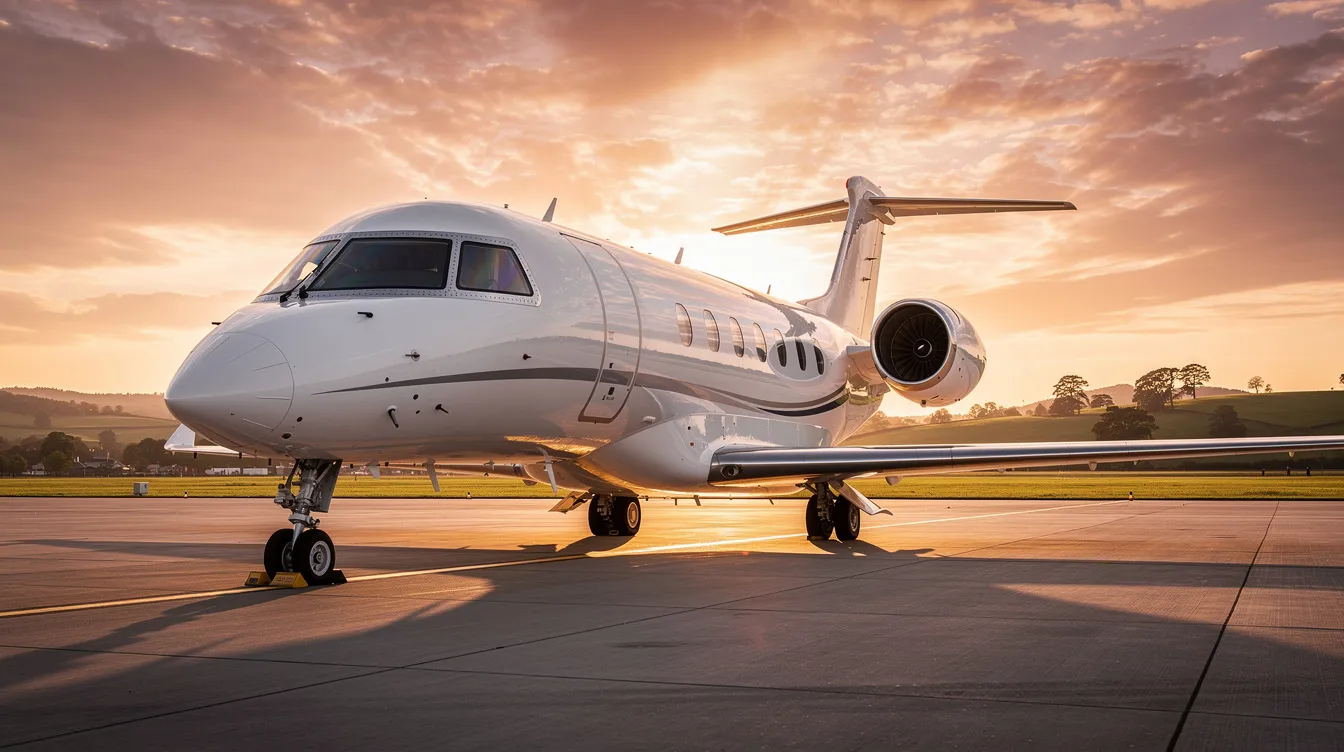
BlackJet's technology platform operates at the opposite end of the sophistication spectrum: 24/7 mobile booking, real-time flight support, instant quotes across aircraft categories, and integrated safety and performance data for every journey. The same person who plans a weekend ultralight flight using a weather app on their phone might book a BlackJet private jet from London to Zurich on Monday morning, or even buy a single seat on a private jet through shared and semi-private models when that better fits the mission - all managed through digital tools that make both experiences seamless.
Choosing Your Path: Hobby Ultralight Pilot, Private Jet Traveler, or Both?
Three profiles emerge. The recreational pilot wants a single-seat Part 103 ultralight for weekend adventure - affordable, hands-on, deeply personal. The executive needs reliable private jet access for work - safe, efficient, and free of administrative burden. The enthusiast who enjoys both worlds keeps an ultralight at a rural strip for pure freedom while using a BlackJet Jet Card for multi-city business travel.
Picture an entrepreneur based outside a major hub: ultralight on a trailer for Saturday mornings over open farmland, Jet Card hours reserved for investor meetings in three cities next week. Or a retired airline captain who downsizes to ultralight aviation for the joy of stick-and-rudder flying, yet still wants to reach Europe or Asia in comfort when the occasion calls.
The decision points are straightforward. How much time will you invest in flying? What is your risk tolerance for weather and solo operations? Do you prefer hands-on control or chauffeured convenience? What financial resources can you allocate? For anyone who already values aviation - or wants to - BlackJet offers private jet access defined by safety, sustainability, and technology that complements personal piloting rather than competing with it.
BlackJet FAQs for Aviation Enthusiasts Exploring Ultralight and Private Jet Options
Can I combine a BlackJet Jet Card with ultralight aircraft ownership? Absolutely. Many aviation enthusiasts operate a Part 103 ultralight for local recreational flying and use a Jet Card for business or long-distance travel. The two serve different missions and pair naturally.
What aircraft categories does BlackJet offer, and how do they compare with light sport aircraft? BlackJet provides access to light jets, midsize jets, super-midsize, and large-cabin aircraft. These are professionally crewed, pressurized, and capable of intercontinental range - an entirely different class from LSA or ultralight machines, which are designed for low-altitude, short-range recreational use.
How does BlackJet ensure flight safety compared with self-regulated ultralight aviation? BlackJet uses rigorous operator vetting, third-party safety audits (such as ARG/US ratings), standardized crew training, and redundant aircraft systems. Ultralight safety depends primarily on the individual pilot's discipline, training, and maintenance habits.
How are BlackJet flights carbon neutral? Every BlackJet flight is carbon and emissions neutral by default, at no additional cost. Emissions are calculated per leg, verified offsets are funded through programs like Gold Standard or Verra, and SAF is sourced where available.
Can I request operators using sustainable aviation fuel? Yes. BlackJet prioritizes SAF-equipped operators at key FBOs including Los Angeles, San Francisco, London, and Amsterdam. SAF can reduce lifecycle emissions by up to 75–80% compared with conventional jet fuel.
How quickly can I book a private jet with a Jet Card? BlackJet's mobile platform enables instant quoting and booking across all cabin classes, with real-time support available around the clock. Multi-leg trips can be coordinated through a single interface.
I am new to aviation. Is a Jet Card a good starting point? If you value efficient, safe, and sustainable private travel without the complexity of aircraft ownership, a Jet Card is an ideal entry. Explore how Jet Cards compare with charter, fractional ownership, and full ownership to find the right fit.
Call to Action: Elevate Your Aviation Lifestyle with BlackJet
Ultralight aviation and private jet travel represent two distinct expressions of the same impulse: the desire to operate on your own terms, above the ordinary. One puts you inches from the air in a machine you may have built with your own hands. The other carries you across continents with the safety, comfort, and precision that modern business demands.
BlackJet bridges these worlds for people who refuse to compromise. Every Jet Card flight is backed by rigorous operator vetting, carbon-neutral performance as standard, and a technology platform that makes booking, managing, and flying as effortless as it should be. Whether you spend your weekends chasing thermals in a Part 103 ultralight or your weekdays crossing time zones for business, BlackJet ensures the professional side of your aviation life matches the passion of the personal side.
Explore BlackJet's Jet Card programs and discover how refined, purposeful travel becomes your new standard - with safety, sustainability, and flexibility built in from the first flight.


 Sign up with google
 Sign up with Apple