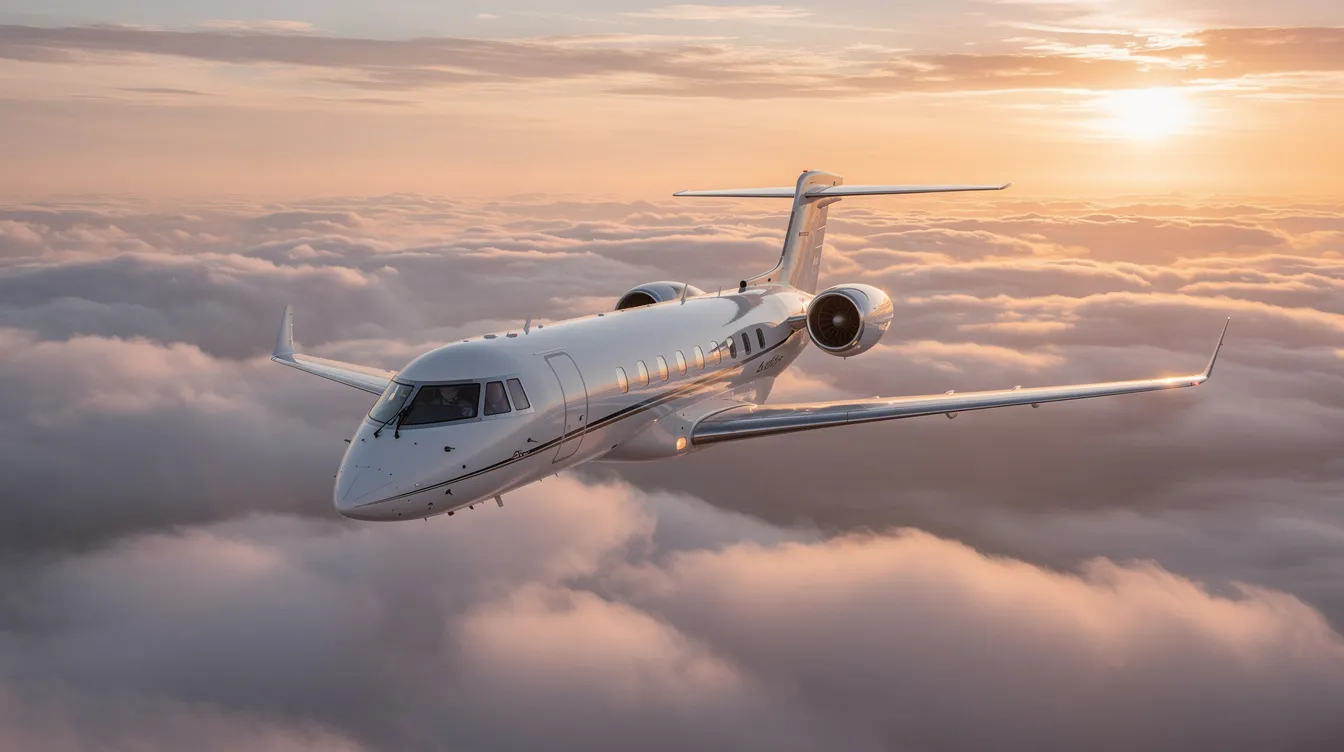
An aircraft is any machine that achieves flight through the surrounding air-whether by buoyancy or aerodynamic forces. From military fighters securing national defense to private jets reshaping executive mobility, aircraft remain among the most consequential machines ever built. This guide explores their types, technology, and strategic value, with a focus on how BlackJet turns aviation into a flexible, carbon-neutral travel solution.
Why Aircraft – and Private Jet Access – Are a Strategic Advantage Today
Civil aviation includes both commercial and private flying, yet the experiences could not be more different. Commercial airliners transport large numbers of passengers and cargo on scheduled routes, but they also impose security queues, hub connections, and delays that erode productive hours. A New York–Miami trip on a commercial carrier can consume five or more hours door to door; a private flight covers the same distance in roughly half that time, departing from a nearby general aviation terminal with no lines and no layovers. General aviation comprises smaller aircraft used for private flying-and for the discerning traveler, this means reclaiming the day.
In the military realm, aircraft deliver air superiority-the power to control the skies and influence outcomes on the ground. For executives, the parallel is what might be called "time superiority": the ability to reach any destination on your schedule, not the airline's. BlackJet operates as a premier private aviation partner, offering Jet Card programs with prepaid jet time across multiple cabin classes, carbon-neutral flights, and 24/7 digital booking tools backed by real-time flight support—an overview of these services is provided on our premium private jet cards and programs page.
Reduced door-to-door travel time - often by a third or more versus commercial options
Schedule flexibility - fly when you need to, not when an airline allows
Privacy and customization - cabins tailored to your work or rest needs
Access to 5,000+ smaller airports closer to final destinations
Predictability during disruptions - rerouting without cascading delays
Mobile booking platforms enable 24/7 access to jet bookings, and mobile platforms enhance flexibility for every trip
What Counts as an Aircraft? Core Types and Aerodynamic Forces
By dictionary definition, an aircraft is any machine capable of flight. Aircraft are typically categorized into heavier-than-air and lighter-than-air designs. Aerostats rely on buoyancy to maintain flight-think hot-air balloons and airships. Aerodynes include airplanes and rotorcraft, which use aerodynamic forces acting on wings or rotors to generate lift.
Airplanes (fixed-wing): Fixed-wing aircraft generate lift as forward speed moves air across their wings, creating pressure differences described by Bernoulli's principle and Newton's third law. Examples range from trainers to the 2026 Gulfstream G700 and Bombardier Global 8000, as well as many of the top private jets in the world.
Rotorcraft: Rotorcraft include helicopters and gyroplanes. The Airbus H145, for instance, provides vertical lift for missions where runways are unavailable. Tiltrotors combine vertical lift capabilities with the speed of a turboprop airplane.
Gliders: Gliders do not require an engine for flight-they rely purely on aerodynamic lift and rising air currents.
Unmanned aerial vehicles (UAVs): Unmanned aerial vehicles operate without a human pilot onboard. Drones serve various applications, including surveying and monitoring, and consumer and commercial drones are used for aerial photography and delivery services.
Lighter-than-air craft: Hot air balloons use heated air for lift and are primarily used for recreation. Airships like the Airlander 10 use gases such as helium for buoyancy, achieving sustained, controlled flight.
Amphibious aircraft can take off and land on both water and land, expanding operational reach to remote areas.
For BlackJet clients, the most relevant types of aircraft are light jets, super-midsize jets, large-cabin jets, and select turboprops for regional missions.
Inside the Aircraft: Structure, Engines, and Avionics
Whether it is a Cirrus SR22 or a Bombardier Global 8000, modern aircraft share core components: fuselage, wings, empennage, landing gear, powerplant, and avionics. Key factors in choosing an aircraft include mission profile and acquisition costs, and it is the interplay of these systems that determines range, performance, and passenger comfort. Cargo aircraft, by contrast, are designed to transport freight and oversized equipment globally-prioritizing payload over cabin luxury.
Airframe Materials
Airframe materials: Older models like the Cessna 172 use aluminum alloys. Newer aircraft-the Cirrus SF50 Vision Jet, Boeing 787-employ advanced composites that are lighter and more fatigue-resistant, improving fuel burn and enabling higher cabin pressurization.
Propulsion Systems
Avionics and Systems
Avionics and systems: Digital flight decks (Garmin G3000, Collins Pro Line Fusion), flight management systems, and satellite communications define the modern cockpit. BlackJet prioritizes aircraft with current avionics and third-party safety certifications such as ARGUS and Wyvern.
Cabin Design
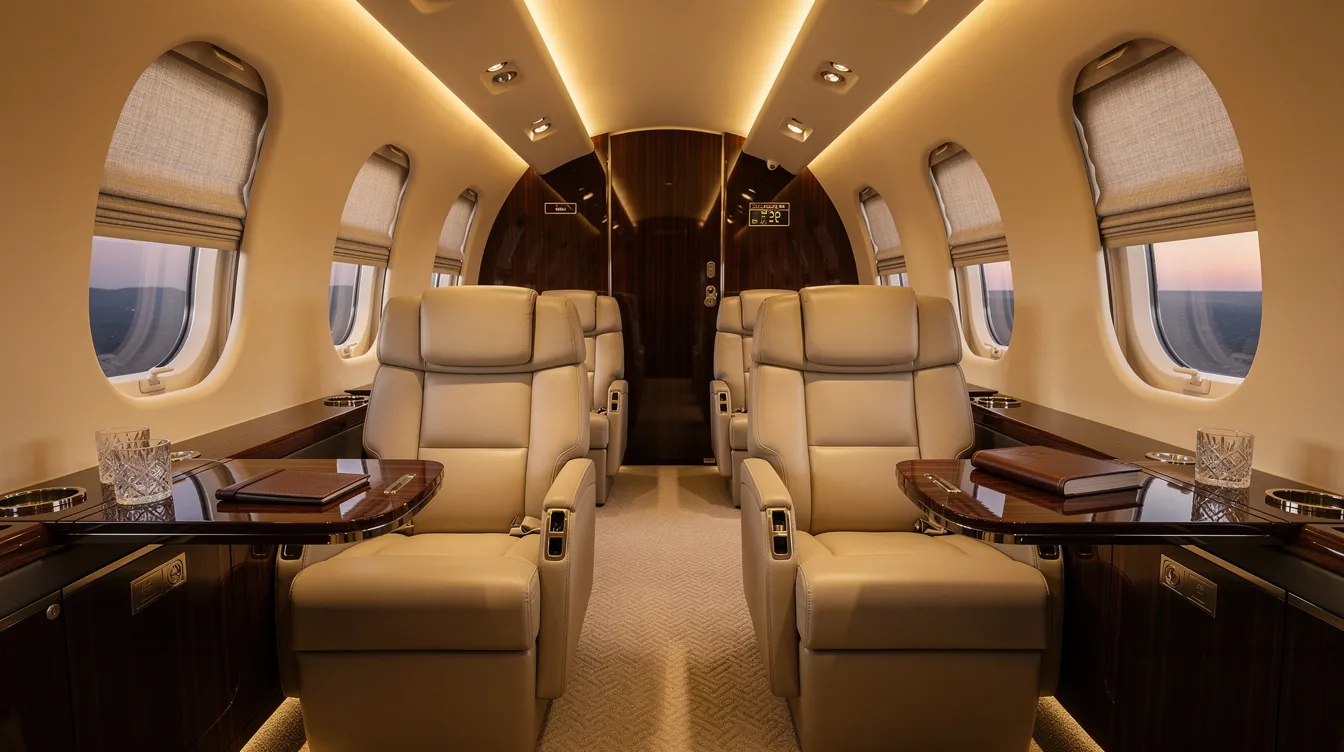
Cabin design: Pressurization targets cabin altitude under 6,000 feet even at FL510. Interiors feature club seating, divans, and private suites-building the experience BlackJet clients expect.
Performance Evaluation
Performance evaluation of aircraft includes assessing cruise speed and maximum takeoff weight-the Global 8000, for instance, has an MTOW of approximately 114,850 lbs and a top speed near Mach 0.94.
Regulatory requirements for aircraft ownership include airworthiness certification and pilot licensing standards that every manufacturer and operator must meet.
How Aircraft Fly: Performance, Flight Envelope, and Safety Margins
Every aircraft operates within a defined flight envelope-limits in speed, altitude, load factor, and weight. From a 1949 Hiller UH-12A helicopter to a 2026 ultra-long-range jet, each is designed with safety margins that pilots must respect. Aircraft safety evaluations should include the availability of emergency equipment and weather-handling capabilities.
Performance Benchmarks
Performance benchmarks: The Bombardier Global 8000 offers a range of 8,000 nautical miles, a cruise speed of Mach 0.92, and a service ceiling of approximately 51,000 feet. Compare that to the history of aircraft like the SR-71 Blackbird, which achieved speeds above Mach 3 in an earlier era of development.
Flight Dynamics
Flight dynamics: Ailerons control roll, elevators control pitch, rudder controls yaw. Fly-by-wire systems in aircraft like the Falcon 10X add envelope protections-preventing overspeed or excessive angle of attack-so comfort and safety work together.
Certification and Compliance
Certification and compliance: Commercial operations involve stringent FAA/EASA compliance compared to private flying. The International Civil Aviation Organization sets global aviation safety standards. Private jets undergo regular safety inspections and maintenance checks, and safety records in aviation require reviewing accident history and system redundancy. Private aviation companies must comply with FAA regulations, and pilots in private aviation require specific certifications and training. Safety certifications are essential for private jet operations.
Real-World Scenario
Real-world scenario: Imagine a New York–Chicago business flight rerouted by a storm cell. Performance margins (fuel reserves, climb capability), avionics (weather radar, terrain awareness), and certified crew training combine to protect both schedule and passengers-a model of reliability that BlackJet demands from every operator.
Military Aircraft and Global Air Superiority
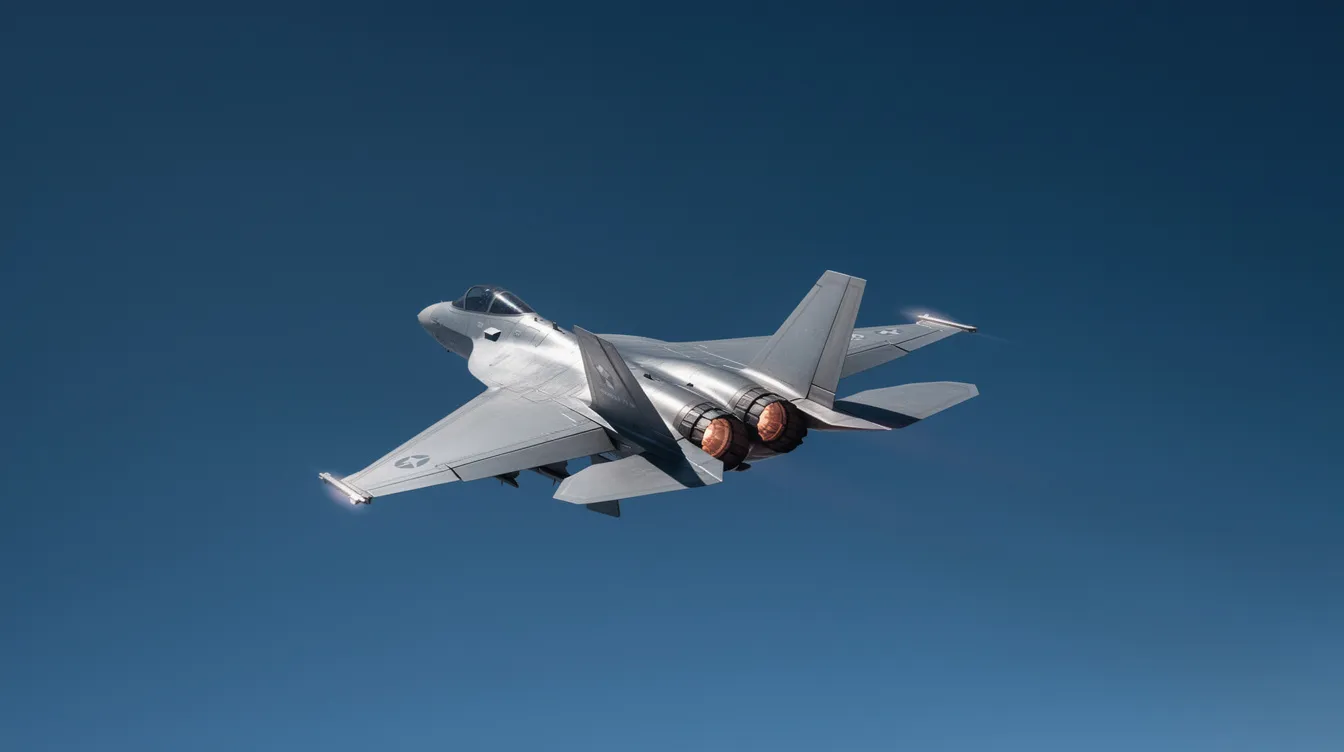
Military aircraft underpin national security across the world. In the United States and allied nations, maintaining air superiority means fielding capable fighters, bombers, tankers, and command platforms that can achieve dominance over any contested airspace.
Fighters
Bombers
Historical Context
Historical context: During the 1991 Gulf War, F-15 Eagles accomplished air superiority within hours, enabling ground operations to proceed with minimal aerial threat-a page from history that demonstrates how control of the air shapes outcomes.
Size and Speed Extremes
Civil Crossover
Civil crossover: Military and civil aircraft share overlapping technologies-satellite communications, composite materials, GPS navigation-but differ in mission profile. BlackJet operates strictly within civil aviation, though its emphasis on safety, avionics, and performance echoes similar principles.
Private Aircraft Categories and Cabin Classes in Business Aviation
Business aviation classifies aircraft into distinct categories, each designed around specific mission profiles. For BlackJet Jet Card members, the right choice depends on headcount, distance, runway length, and desired onboard experience, and understanding the types of private jets for every traveler helps frame these decisions.
Very Light and Light Jets
Midsize and Super-Midsize Jets
Large-Cabin and Ultra-Long-Range Jets
Large-cabin and ultra-long-range jets: The Gulfstream G700 and Bombardier Global 8000 fly New York–Dubai non-stop, offering private suites, in-flight Wi-Fi, and cabin altitudes that reduce fatigue; at the highest end, specialized airliners can serve as the best private jets for 50 passengers on bespoke missions.
Turboprops
Private vs. Commercial Comparison
Private vs. commercial comparison: Commercial first class offers an enhanced seat, but boarding still takes 45–90 minutes. Private flights mean arriving 15 minutes before departure, walking directly to your aircraft, and landing at airports closer to your endpoint-cutting total journey time significantly.
BlackJet advisors match mission requirements to aircraft category. For a broader view of categories, ownership models, and charter options, you can review our private jet price list and cost guide. Find the right class for your trip by exploring the private jets comparison page on our site.
How Jet Cards and Charter Turn Aircraft into a Flexible Travel Tool
There are several means of accessing private aircraft: full ownership, fractional ownership, on-demand charter, and Jet Card programs. Each model offers different trade-offs in cost, flexibility, and commitment. For a deeper look at membership pricing, our guide to jet card cost and value explains how these structures work. Jet Card programs offer prepaid access to private jets-a way to fly privately without the burdens of ownership.
How Jet Cards Work
How Jet Cards work: BlackJet's programs offer prepaid blocks of flight hours (e.g., 25-hour and 50-hour) with fixed or capped hourly rates, guaranteed availability, and multi-cabin access, all shaped by the underlying jet card pricing structure. Learn how Jet Cards work in practice.
Jet Cards vs. Charter
Jet Cards vs. charter: Ad-hoc charter pricing fluctuates with demand. Jet Cards provide predictability-locked rates, priority availability during peak periods, and simplified booking via BlackJet's digital platform with real-time flight support available through mobile platforms, and our overview of the best jet cards for frequent flyers outlines when they outperform ad-hoc charter.
Trip Scenario
Trip scenario: A European investor uses a BlackJet Jet Card to fly London–Munich–Zurich in a single day for site visits, a profile well-suited to the 25-hour jet card features and costs often chosen by regional business travelers. Scheduled airlines would require connections, minimum layovers, and a possible overnight-the Jet Card turns three cities into one productive day.
Digital Tools
Digital tools: Mobile and web booking, catering requests, ground transport coordination, and last-minute schedule changes-all handled through one platform. View updated availability, click to confirm, and receive support around the clock, similar to many of the options described in our guide on how to buy a seat on a private jet.
Sustainability, Environmental Impact, and Safer Skies
Environmental considerations in aviation include evaluating fuel efficiency and carbon emissions. In 2018, aviation generated 2.4% of global CO₂ emissions, with CO₂ emissions per passenger-kilometer at 88 grams. Without intervention, aviation emissions could grow by 300% by 2050.
Industry Commitments
Fleet Modernization
Fleet modernization: Newer aircraft burn less fuel per mile thanks to higher-bypass engines, composite airframes, and aerodynamic refinements. Explore the most fuel-efficient airplanes available today.
BlackJet's Approach
BlackJet's approach: Every BlackJet flight is carbon neutral-verified offsets are purchased at no extra cost to clients. The fleet prioritizes newer, more efficient aircraft, and advisors can recommend green private jet options with lower noise and emissions profiles, including guidance on affordable private jet choices that balance sustainability and budget.
Safety as a Parallel Pillar
Safety as a parallel pillar: Third-party audits (ARGUS, Wyvern, IS-BAO), crew training standards exceeding regulatory minimums, and rigorous maintenance programs ensure every aircraft remains within its certified envelope throughout its lifespan. BlackJet's proprietary certification program incorporates over 300 million data points as a source of ongoing safety intelligence.
Choosing the Right Aircraft with BlackJet: Practical FAQ and Next Steps
Choosing Between Aircraft Types
How do I choose between a turboprop, light jet, and large-cabin jet? It depends on distance, passenger count, runway constraints, and weather. A turboprop suits short regional hops; a light jet handles trips up to 1,500 nm; large-cabin jets are designed for intercontinental range with maximum comfort. BlackJet advisors help you find the right match for every mission.
Booking Lead Times
What are typical booking lead times? Most Jet Card flights can be confirmed with as little as 24–48 hours' notice, depending on cabin class and date. Peak periods may require more planning.
Pricing Structure
How is pricing structured? Hourly rates vary by cabin class-from approximately $5,000/hour for turboprops to $14,800/hour for large-cabin jets. For frequent flyers, understanding the 100-hour jet card cost can clarify long-term value. Discover the latest Jet Card pricing for 2026 for a detailed view.
Safety Standards
What safety standards does BlackJet require? All partner operators must hold FAA Part 135 (or equivalent) certificates and pass third-party safety audits, similar to the benchmarks discussed in our review of the top private jet companies for safety and service. Pilots must meet minimum hour and currency requirements. Every aircraft undergoes regular inspections and maintenance checks.
24/7 Support for Changes
How does 24/7 support handle changes? Weather diversions, schedule shifts, and itinerary updates are managed in real time through BlackJet's digital platform and dedicated support team, ensuring reliability even when plans change mid-week- a key advantage for travelers comparing 50-hour jet card cost and benefits to other access models.
Frequently Asked Questions (FAQs) About Aircraft and Private Jet Access
What types of aircraft are commonly used in private aviation?
Private aviation primarily uses light jets, super-midsize jets, large-cabin jets, and select turboprops. These aircraft offer a range of cabin sizes, ranges, and performance tailored to different mission profiles.
How do Jet Cards work for accessing private jets?
Jet Cards provide prepaid blocks of flight hours with fixed or capped hourly rates. They offer guaranteed availability, multi-cabin access, and simplified booking through digital platforms, making private jet travel flexible and predictable.
What safety standards does BlackJet enforce for its aircraft?
BlackJet requires all partner operators to hold FAA Part 135 or equivalent certification and pass third-party safety audits such as ARGUS and Wyvern. Pilots meet strict training and currency requirements, and aircraft undergo regular inspections and maintenance.
How does private jet travel compare to commercial flying in terms of time savings?
Private jets significantly reduce door-to-door travel time by eliminating long security lines, layovers, and hub connections. Flights depart from smaller general aviation terminals, often cutting total travel time by one-third or more.
What sustainability measures are in place for private jet flights?
BlackJet ensures every flight is carbon neutral by purchasing verified offsets at no extra cost to clients. The fleet prioritizes newer, fuel-efficient aircraft, and clients have options for greener flights, including sustainable aviation fuel blends.
Can I book private jet flights on short notice with BlackJet?
Yes, most Jet Card flights can be confirmed with as little as 24 to 48 hours' notice, depending on aircraft availability and cabin class. BlackJet's 24/7 digital booking platform and real-time support enhance flexibility for last-minute travel.
What information should I consider when choosing an aircraft for my trip?
Consider passenger count, trip distance, runway length at departure and arrival airports, and desired onboard amenities. BlackJet advisors help match these factors to the appropriate aircraft category for optimal comfort and efficiency.
Are there digital tools available for managing private jet bookings?
BlackJet offers mobile and web platforms that allow clients to book flights, request catering, coordinate ground transportation, and manage itinerary changes anytime, anywhere, with real-time flight support.
These FAQs provide essential information for those considering private jet access and highlight how BlackJet combines safety, sustainability, and technology to elevate private travel.
Conclusion: The Strategic Value of Aircraft and Private Jet Access with BlackJet
In today’s fast-paced world, aircraft are not merely machines but strategic assets that redefine how time, safety, and sustainability converge in travel. Whether through cutting-edge military air superiority fighters or the bespoke convenience of private jets, the value lies in unmatched flexibility, performance, and reliability.
BlackJet exemplifies this evolution by offering Jet Card programs that seamlessly integrate advanced aircraft technology, rigorous safety certifications, and carbon-neutral flight options. These programs empower discerning travelers to reclaim hours lost to commercial aviation inefficiencies, access thousands of airports closer to final destinations, and enjoy personalized, secure travel experiences.
Choosing the right aircraft—from light jets to ultra-long-range cabins—combined with BlackJet’s digital booking platforms and 24/7 real-time support, transforms private aviation from a luxury into a practical, strategic advantage. As environmental concerns grow, BlackJet’s commitment to sustainability through fleet modernization and verified carbon offsets ensures that premium travel aligns with responsible stewardship.
Ultimately, BlackJet is more than a private jet provider; it is a partner in elevating your travel experience, making every journey efficient, safe, and environmentally conscious. Explore how our aircraft offerings and Jet Card programs can unlock new possibilities in your personal and professional travel.
Elevate your travel-effortlessly. With BlackJet, private flight is accessible on your terms through our Jet Card programs, including the BlackJet 25+ Hour Jet Card, complete with rigorous safety, carbon-neutral performance, and unmatched flexibility. Explore our offerings and discover how refined, meaningful travel becomes your new standard.
Join BlackJet's Jet Card program for seamless, premium private travel-safety, sustainability, and flexibility built in, whether you're flying between major hubs or exploring bespoke routes such as our private jet charters in Karachi.


 Sign up with google
 Sign up with Apple