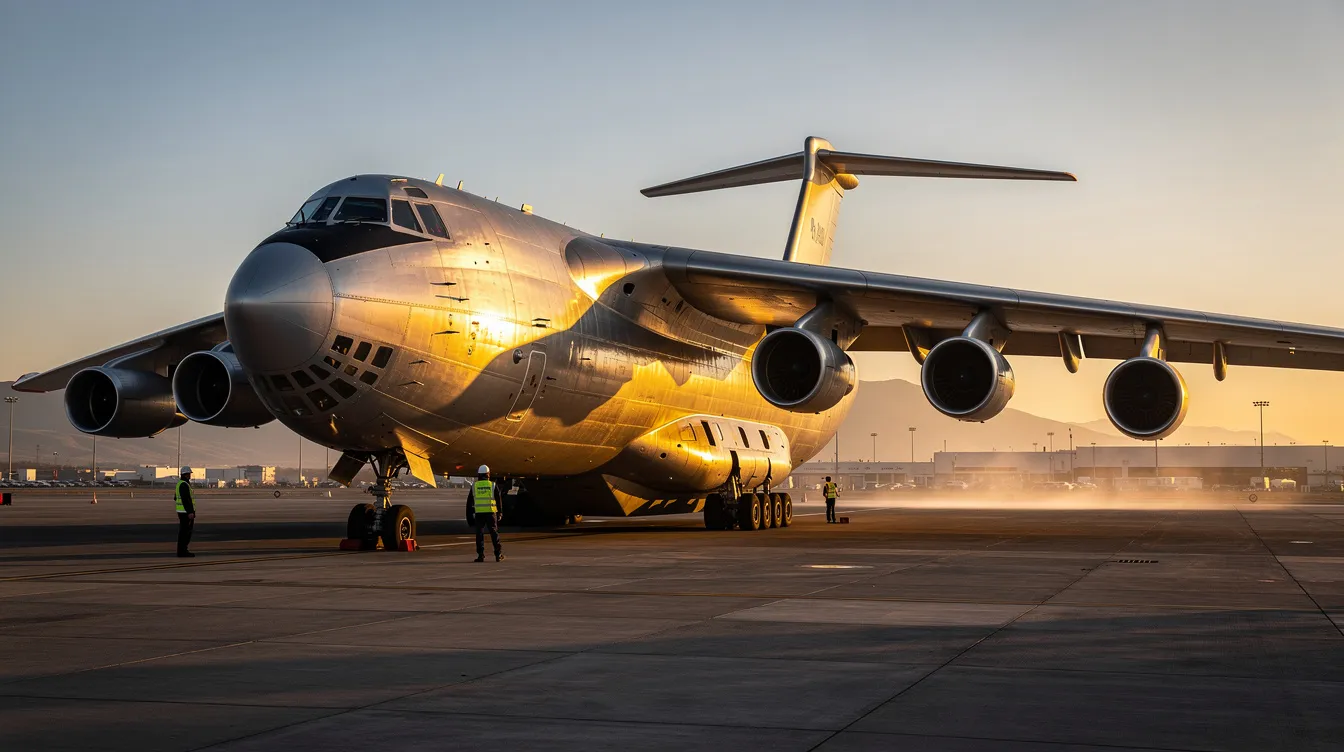
The world's biggest plane is the Antonov An‑225 Mriya, a Ukrainian-built aircraft that still holds records for size, cargo capacity, and maximum takeoff weight, with an 88.4-meter wingspan and a 640-tonne maximum takeoff weight. It was never just about size, though. It showed what becomes possible when aerospace engineering refuses to accept limits, from hauling space shuttle components across continents to delivering emergency medical equipment during a global pandemic.
For aviation enthusiasts, frequent business travelers, and high-net-worth flyers weighing private aviation options, the An‑225 is more than a record-holder. Its history, design, and operating demands reveal how oversized cargo transport works, how it compares with other giant aircraft, and why aircraft choice matters so much in practice. That matters whether you follow aviation for the engineering or you want a clearer sense of why right-sized private jet services such as BlackJet offer more flexible, private, and efficient travel for missions the world's biggest plane was never built to serve.
The Biggest Aircraft Ever Built in History: Quick Facts You Need First
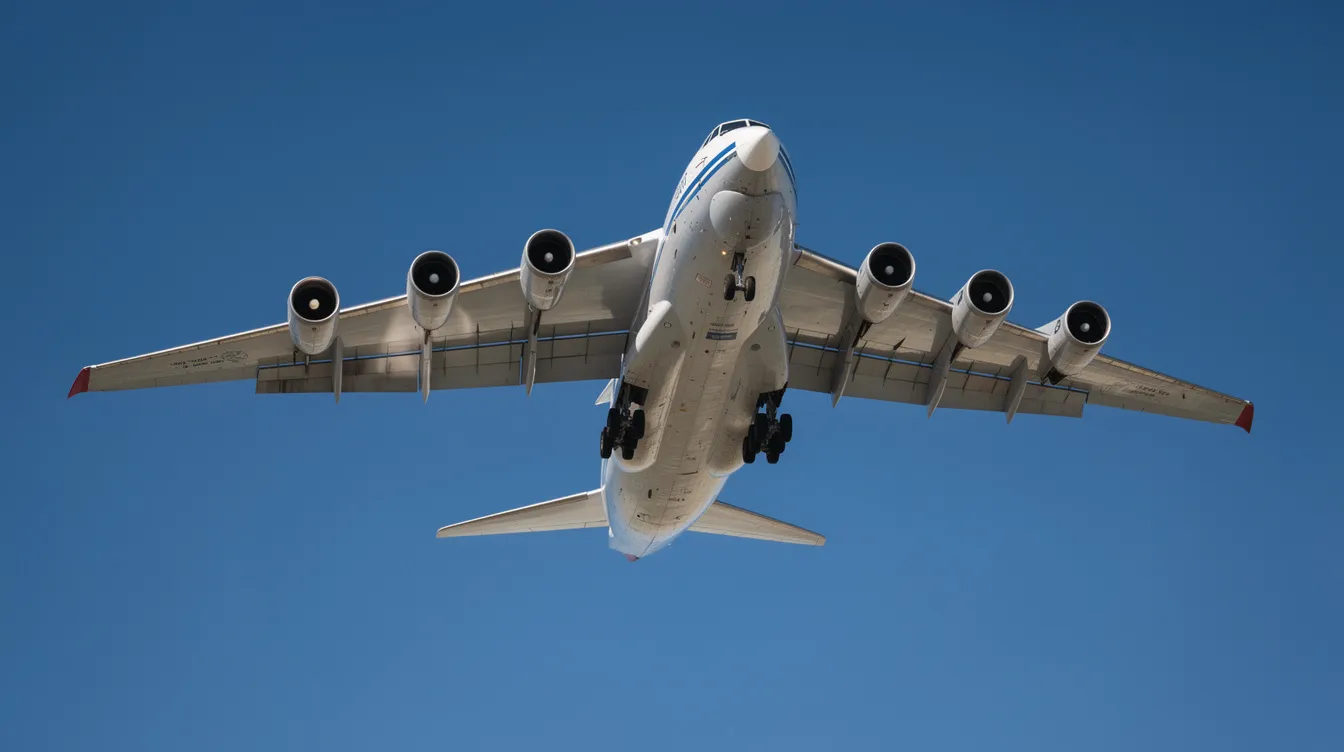
The biggest aircraft ever to fly was the Antonov An‑225 Mriya, a Ukrainian-built behemoth that earned its place as the heaviest aircraft and largest airplane in history by virtually every meaningful measure. Its maximum takeoff weight of 640 tonnes dwarfed anything else in the skies. The An‑225's wingspan measures 88.4 meters - nearly 290 feet - and its fuselage stretched 84 meters from nose to tail, powered by six Progress D‑18T turbofan engines. Its first flight took place on 21 December 1988.
It is worth noting that different records belong to different giants. The Stratolaunch Roc holds the record for largest wingspan at 385 feet (approximately 117 meters), while the Airbus A380 remains the largest passenger aircraft in commercial aviation. But in terms of sheer size, weight capacity, and cargo transport capability combined, nothing has matched the An‑225.
Its primary mission was transporting oversized cargo - space exploration hardware, power-plant turbines, and equipment too large for any other aircraft on the ground or in the air. The An‑225 was the only one ever built before its destruction in 2022 at Hostomel Airport during Russia's invasion of Ukraine. Even in 2027, it still holds the record historically, and active plans exist to rebuild a successor using an unfinished second airframe.
For perspective: the An‑225 could carry more than twice the payload of a Boeing 747‑8F, completing in one flight what would require multiple trips for any other freighter in the world.
The Antonov An‑225 Mriya: Origins, Design, and Record-Breaking Specs
Understanding why the An‑225 matters requires looking at the history and engineering that brought this aircraft to life - a story rooted in Cold War ambition and human ingenuity.
Origins and Purpose
The Antonov Design Bureau in Kyiv designed the An‑225 during the 1980s as part of the Soviet space program. Its purpose: to play a role in carrying the Buran space shuttle and Energia rocket components, either internally or piggybacked on roof attachment points.
Engineering and Design Features
This mission shaped every element of the design - from the twin vertical stabilizers (which ensured stability when carrying external loads) to the reinforced multi-wheel landing gear featuring 32 wheels that distributed its enormous weight across runway surfaces.
Key Specifications
The numbers tell the story of an engineering marvel. The Antonov An‑225 Mriya had:
Maximum takeoff weight: 640 tonnes
Wingspan: 88.4 meters - nearly 290 feet
Fuselage length: 84 meters
Engines: Six Progress D‑18T turbofan engines
Maximum payload capacity: 250 tonnes
Cargo bay: 43.35 meters long, 6.4 meters wide, and 4.4 meters high, with a usable volume of roughly 1,200 cubic meters
Cruising speed: Around 800 km/h
Range at maximum payload: Approximately 4,000 km
Empty weight: Approximately 175,000 kg
Record-Breaking Achievements
The An‑225 was known for carrying outsized cargo and set multiple world records across decades. In 2001, it flew a total payload of 253.82 tonnes over a closed circuit. In 2009, it transported a single generator weighing nearly 189 tonnes from Frankfurt to Yerevan. During the COVID‑19 pandemic in 2020, it delivered massive volumes of medical supplies and PPE across the globe.
For Ukraine and aviation enthusiasts worldwide, Mriya - Ukrainian for "dream" - became a symbol of what people can achieve. Its destruction at Hostomel in February 2022 was a loss felt far beyond the aviation community. Rebuild plans endorsed by Ukroboronprom continue, though no firm timeline has been confirmed as of 2027.
Other Giants of the Sky: How "Biggest" Is Measured
When people ask about the world's biggest plane, the answer depends on what you measure. Largest wingspan, heaviest maximum takeoff weight, longest fuselage, and passenger capacity each point to a different aircraft.
The Stratolaunch Roc is a twin-fuselage aircraft designed for carrying large payloads, and it holds the wingspan crown at 117 meters. The Stratolaunch Roc employs six Pratt & Whitney turbofan engines and operates as an airborne platform for hypersonic flight testing, with its first flight in April 2019. The Airbus A380 is the largest passenger airliner ever built, with a typical capacity of around 500 to 600 passengers and an MTOW of roughly 575 tonnes. The Boeing 747‑8 remains among the longest airliners, while the Lockheed C‑5M Super Galaxy and Antonov An‑124 Ruslan serve as military and commercial heavy-lift workhorses. To explore aircraft sizes across the full spectrum - from the A380 down to light private jets and other private jet sizes - the range is striking.
Each of these large aircraft serves a different niche. Commercial aviation prioritizes passengers and range; cargo giants maximize volume and floor loading for oversized freight. There is no single universal definition of the largest airplane, but the An‑225 still surpasses all others in MTOW and extreme payload capacity.
How the World's Largest Airplanes Handle Transporting Oversized Cargo
Behind every headline about a record-breaking cargo flight is months of logistical planning that most people never see.
Types of Oversized Cargo
Typical oversized shipments include:
At the opposite end of the spectrum, executives moving teams rather than turbines often compare the largest private jets for sale and charter, prioritizing cabin volume and range over raw cargo capacity.
Logistical Planning and Route Selection
These missions require careful planning and route selection. The process includes:
Route selection: Evaluate runway length (the An‑225 needed approximately 3,500 meters at MTOW) and pavement strength capable of handling concentrated weight.
Overflight permissions: Secure permissions from multiple countries.
Ground-based capacity: Confirm crane and loader capacity at both ends.
Loading Procedures
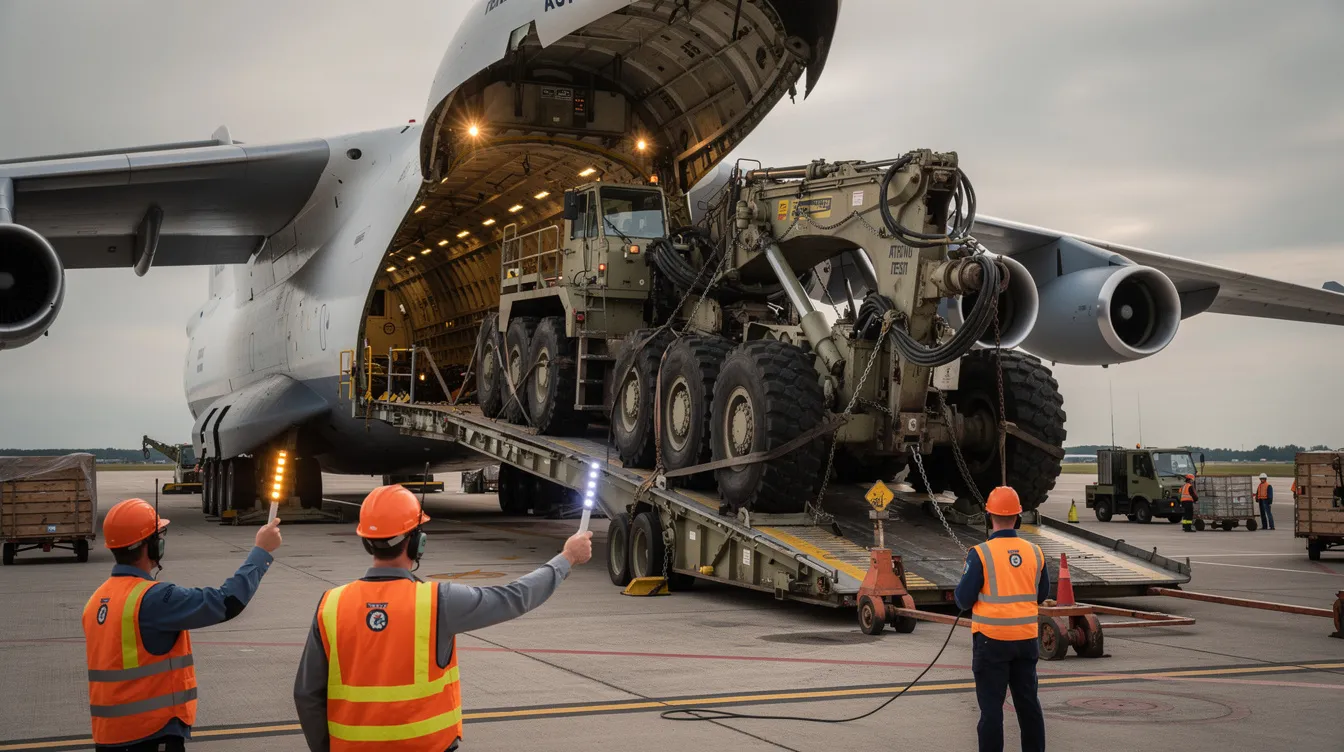
Loading is a methodical process. Aircraft like the An‑225 open at the nose, using ramps, rollers, and specialized cradles to protect high-value items while distributing loads across the cargo floor. For the 2009 generator delivery, several months of planning preceded a single flight serving a power plant in Armenia. During COVID‑19, the An‑225 played a vital role in rapidly transporting PPE and medical equipment across continents in a way that standard methods could not match.
Standard commercial freighters and belly cargo handle pallets and containers optimized for efficiency. When a single piece weighs 100 tonnes or more, only these giants can do the job, whereas moving a leadership team or extended family of a similar headcount is better served by the best private jet options for 15 passengers.
Operating Behemoths in Commercial Aviation: Practical Challenges and Costs
Bigger is not always better. Giant aircraft face significant operational challenges due to their size - challenges that limit where, when, and how they can fly.
Airport and Infrastructure Requirements
Very few airports in the world can accommodate an aircraft on the An‑225's scale. Runway width, taxiway clearances, apron space, and pavement loading limits all become factors, which is why large-group private trips typically rely on the best private jet solutions for around 20 passengers rather than anything approaching mega-freighter size.
Fuel and Maintenance Demands
Fuel consumption is enormous, and hourly operating costs push these missions into territory where only high-value or impossible-to-replace cargo justifies the expense. Maintenance demands are equally steep: six engines require specialized teams, rare parts, and longer turnaround times—cost drivers that also shape what it takes to operate a 12-seater private jet and its associated expenses in the business aviation world.
Crew Training and Scheduling
Crew training standards are rigorous. These aircraft rarely operate scheduled services - they launch only when no smaller, more efficient alternative exists. In contrast, pilots flying top affordable private planes and entry-level jets support missions that prioritize reachable costs and flexible scheduling over record-breaking size.
While these giants dominate headlines, most commercial aviation and virtually all private jet travel rely on smaller, more versatile aircraft that can touch down at thousands more airports worldwide, and understanding the broader types of private jets for every traveler and private jet price list and access options helps travelers choose the right solution.
Environmental Impact of the Biggest Aircraft
Massive aircraft contribute significantly to carbon emissions, and their environmental footprint deserves honest consideration.
Carbon Emissions and Fuel Use
Large aircraft often require more fuel per passenger - or per tonne of cargo - than smaller, newer planes optimized for fuel efficiency. Many travelers therefore gravitate toward small private jets for luxury travel, which blend efficiency with comfort on routes that never needed a mega-aircraft in the first place. For high-net-worth travelers weighing aircraft ownership versus access models, understanding the best 10 million dollar private jet options also means factoring in fuel burn, emissions, and long-term operating efficiency alongside comfort.
Efficiency Trade-Offs
The trade-off is nuanced. When one flight of the An‑225 replaces multiple sea, land, or air shipments for transporting oversized cargo, the total environmental impact can actually decrease. Technology continues to develop more efficient engines, lighter composite materials, and optimized routing that help reduce emissions across all categories of aviation, including newer models featured among top private jets for sale under 10 million dollars.
Sustainable Aviation Fuels
Sustainable aviation fuels can reduce emissions by up to 80%, and their adoption is accelerating across both commercial and private aviation committed to greener operations. For travelers, choosing more efficient aircraft and budget-friendly private aircraft options or understanding how much it costs to charter a small plane can further balance cost, flexibility, and environmental impact. By 2027, regulatory pressure in Europe and North America is pushing the industry toward more transparent emissions accounting - a sign that environmental responsibility is no longer optional for any aircraft operator, from mega-freighters to private jets.
From Mega Freighters to Private Jets: What "Biggest Plane" Means for High-End Travelers
Understanding what it takes to operate the world's largest airplane actually illuminates why right-sized private aviation is a strategic advantage, not a compromise.
Private Jet Advantages
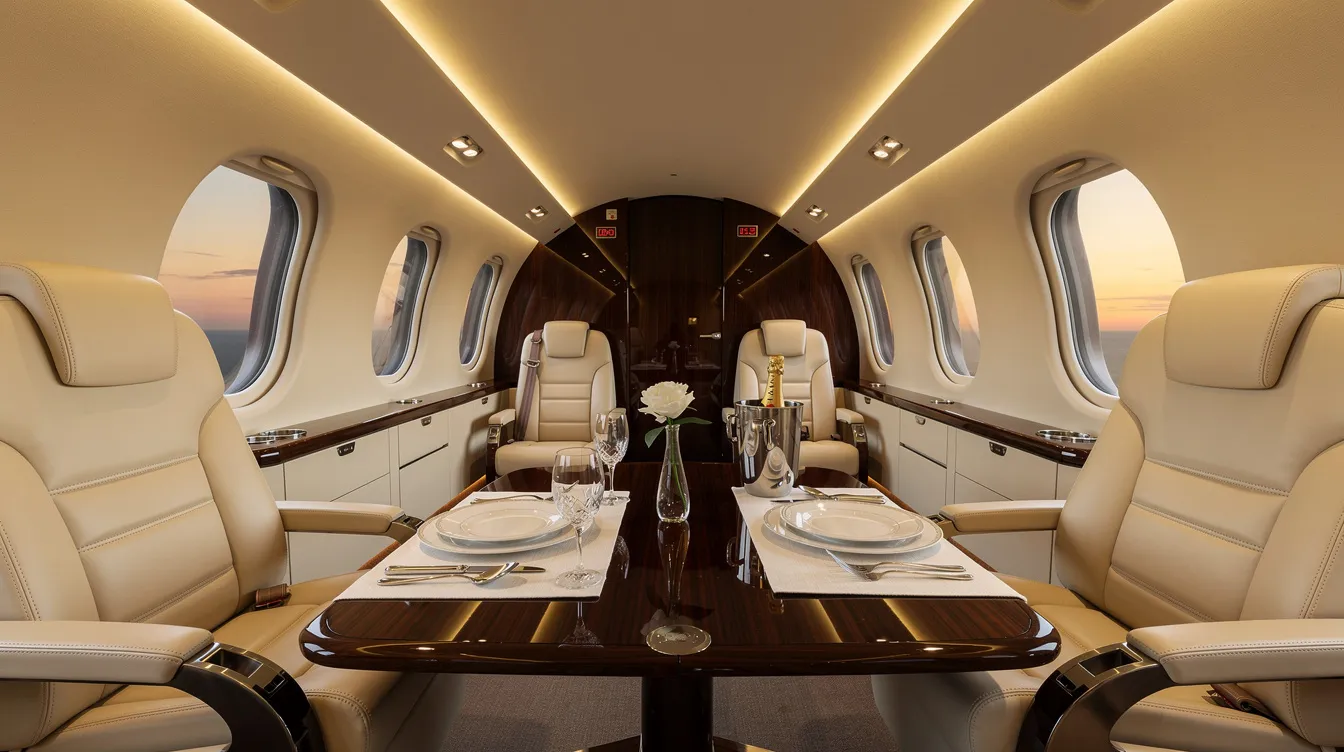
CEOs, family offices, and high-net-worth travelers rarely need the capacity of an A380 or the cargo hold of an An‑124. What they need is tailored range, the right cabin class, schedule flexibility, and the ability to reach destinations on their own terms. Guides to the best small private aircraft for every need underscore how private aircraft trade seat count for privacy, time savings, and direct routing - open access to thousands of airports that commercial aviation simply cannot serve.
Jet Card Programs Explained
This is where BlackJet's Jet Card programs come in. Rather than owning a jet or booking ad hoc charter, members purchase prepaid hours (25‑hour Jet Card options and 50‑hour Jet Card solutions) across multiple cabin categories - light, midsize, super-midsize, and large-cabin - choosing the optimal aircraft for each trip instead of defaulting to the biggest plane available. A broader guide to understanding Jet Card cost and membership pricing can help compare programs across the market.
Case Studies: Business and Family Travel
Consider a business leader who needs to reach three European cities in two days. Instead of a multi-leg commercial itinerary with layovers, a super-midsize jet flies direct, saving hours at every stop, and a 100-hour Jet Card cost analysis often proves that predictable, prepaid access can outperform pay-as-you-go charter for this profile; resources outlining the best Jet Cards for frequent flyers can further clarify which structure fits their pattern of use. Or a family flying nonstop New York to London in a large-cabin aircraft with privacy, bespoke service, and luggage capacity that commercial first class cannot match.
Every BlackJet journey is built on rigorous safety certification, real-time flight support, and carbon-neutral flights - not as add-ons, but as the standard, with transparent Jet Card pricing structures that spell out exactly what travelers pay for, whether they are comparing competitors like the detailed breakdown of Flexjet Jet Card cost, pricing, and options or other leading providers.
Inside BlackJet's Approach: Safety, Sustainability, and Smart Aircraft Choice
While the world's largest airplanes push the pinnacle of engineering limits, BlackJet focuses on matching each member with the safest and most efficient aircraft for their mission - every single time.
Safety Standards
Safety is non-negotiable. BlackJet partners only with operators holding third-party safety ratings such as ARGUS Platinum, with crew experience requirements and consistent operational oversight that go beyond regulatory minimums.
Technology and Booking
Technology makes the experience seamless. Members access 24/7 mobile booking tools, transparent pricing per Jet Card hour informed by a clear understanding of Jet Card cost per hour and how major programs such as NetJets Jet Card cost structures compare, and real-time support for last-minute itinerary changes or disruptions. The method is simple: find the right aircraft type for the journey, book it, and fly - without the fixed costs and complexity of ownership.
Carbon Neutral Operations
Additionally, every BlackJet flight is carbon-neutral through verified offsets, with clear communication about how emissions are calculated and addressed. Light jets handle short regional hops. Midsize jets cover multi-city itineraries. Large-cabin aircraft serve intercontinental routes where commercial options would mean connections, delays, or less flexible schedules, and the BlackJet 25+ Hour Jet Card is structured to give frequent travelers predictable access across these categories, even for those first exploring the cheapest private jet and other affordable entry-level options.
Discover how premium, efficient private jet access can outperform both commercial first class and outright jet ownership - explore BlackJet's Jet Card programs today.
Future of Giant Aircraft and the Evolution of Private Aviation
The legacy of the An‑225 and other mega-aircraft is far from over. These ideas about what aviation can achieve continue to evolve and shape the way we think about air travel through 2027 and beyond.
Efforts to rebuild or complete a second Antonov An‑225 remain technically alive in Ukraine, though progress depends on the end of conflict and securing significant funding. Parallel developments in next-generation heavy freighters - including new Boeing and Airbus cargo variants - suggest the world will continue to need aircraft capable of reaching high altitudes with extreme payloads, even as regional markets like India see rising demand and specific considerations around private jet pricing in rupees.
Critically, advances developed for the biggest aircraft - lighter materials, efficient turbofan engines, digital flight management - tend to filter down into business jets and private aviation, improving the experience for every traveler. The skies ahead hold greater use of SAF, smarter fleet utilization via digital platforms, and even exploration of hybrid-electric concepts for smaller aircraft categories, whether you're chartering in global hubs or arranging private jet charters in Karachi.
While the world's largest airplane will always capture the imagination of people worldwide, discerning travelers gain more real-world advantage from intelligent, flexible access to right-sized private jets.
Elevate your travel - effortlessly. With BlackJet, private flight isn't reserved for a few - it's accessible on your terms through our Jet Card programs, complete with rigorous safety, carbon-neutral performance, and unmatched flexibility. Join BlackJet's Jet Card program for seamless, premium private travel - safety, sustainability, and flexibility built in.
Frequently Asked Questions About the World's Biggest Plane
What is the world's biggest plane?
The Antonov An‑225 Mriya is widely recognized as the biggest aircraft ever built by maximum takeoff weight and cargo capacity. It had a maximum takeoff weight of 640 tonnes, an 88.4-meter wingspan, and a maximum payload capacity of 250 tonnes. The only completed An‑225 was destroyed in 2022.
Is the An‑225 still the largest aircraft by wingspan?
No. The Stratolaunch Roc holds the wingspan record at 385 feet, or about 117 meters. The An‑225 remains the historic heavyweight by maximum takeoff weight and payload, while the Roc is a twin-fuselage aircraft designed to carry large payloads and support hypersonic flight testing.
What is the largest passenger airplane ever built?
The Airbus A380 is the largest passenger airliner ever built. Its typical configuration carries around 500 to 600 passengers, although capacity varies by airline layout. Unlike the An‑225, it was designed for scheduled passenger service rather than outsized cargo.
Why was the Antonov An‑225 built?
The An‑225 was developed for the Soviet space program to transport the Buran space shuttle and Energia rocket components. It could carry cargo inside its 43.35-meter-long bay or transport certain loads externally, including when launching rockets was part of the broader aerospace mission.
How do giant aircraft affect the environment?
Large aircraft can use substantial fuel and generate significant emissions; they may also require more fuel per passenger than smaller aircraft. Sustainable aviation fuels can reduce lifecycle emissions by up to 80%, depending on the fuel pathway and how reductions are measured. For private travel, selecting an appropriately sized aircraft and accounting for emissions through verified offsets can help travelers make more considered choices.
How does private jet access compare with flying on the world's biggest plane?
Mega-aircraft are built for extraordinary payloads or large passenger volumes, not personalized point-to-point trips. A Jet Card can offer access to aircraft suited to a particular route, with flexible scheduling and access to more airports than commercial airlines typically serve. Travelers comparing options will often weigh membership against the cost to rent a private jet by the hour. For example, an executive visiting several regional cities may use a midsize jet rather than spend time connecting through major hubs. BlackJet members can book through 25-hour or 50-hour programs, with safety standards, digital booking tools, and carbon-neutral flights built into the experience.
Conclusion: The World's Biggest Plane and the Value of the Right Aircraft
The Antonov An‑225 remains a landmark in aviation history: a record-setting aircraft built to carry extraordinary loads that no conventional freighter could manage. Its story also shows that “biggest” is not the same as “best for every mission.” The A380 moves hundreds of passengers, the Stratolaunch Roc supports hypersonic flight testing, and private jets serve travelers who prioritize direct routing, schedule control, and privacy.
For business and leisure travelers, the advantage comes from choosing an aircraft matched to the journey—not simply the largest one. BlackJet Jet Cards provide prepaid access across cabin classes, supported by digital booking, real-time assistance, rigorous safety standards, and carbon-neutral flights. Even travelers who usually buy a seat on a private jet through shared or semi-private services can benefit from understanding how structured access compares in terms of cost and convenience. Explore premium private jet access and discover a more flexible way to travel.


 Sign up with google
 Sign up with Apple