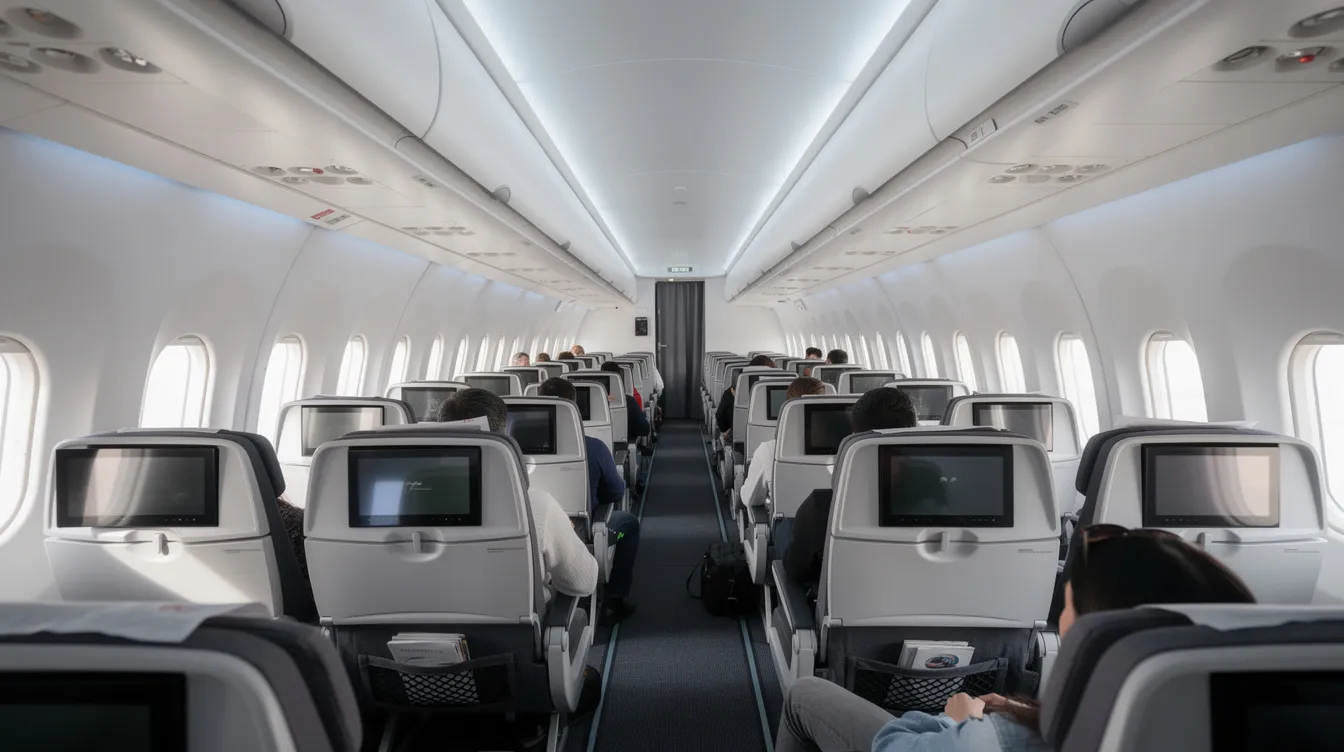
For frequent travelers in 2025, the seat you choose is no longer a minor preference-it is a strategic decision that shapes your productivity, rest, and readiness upon landing. This guide is for frequent travelers, business flyers, and anyone seeking the most comfortable airline seats in 2025. Whether you fly for high-stakes meetings or personal journeys that demand you arrive refreshed, understanding which airlines have the best seats can make a measurable difference in your own experience.
Why "the Best Seat" Matters More Than Ever
Comfort in airline seating is measured by seat pitch, seat width, and in-cabin amenities—three variables that swing wildly depending on the carrier, aircraft, and cabin class you book. Seat pitch refers to the distance between a point on one seat and the same point on the seat in front of it, while seat width is the measurement of the seat from armrest to armrest. Here is how they compare across categories:
Standard economy legroom generally ranges from 30 to 32 inches of pitch. Budget airlines like Spirit Airlines and Frontier Airlines offer as little as 28 inches of pitch in economy. Standard economy seat width generally ranges from 17 to 18.5 inches.
Premium economy represents a dedicated cabin space with wider seats and increased recline, typically offering 36–39 inches of pitch and 19–20 inches of width.
Business class delivers lie-flat beds of 76–80 inches, direct aisle access, and privacy partitions on leading carriers.
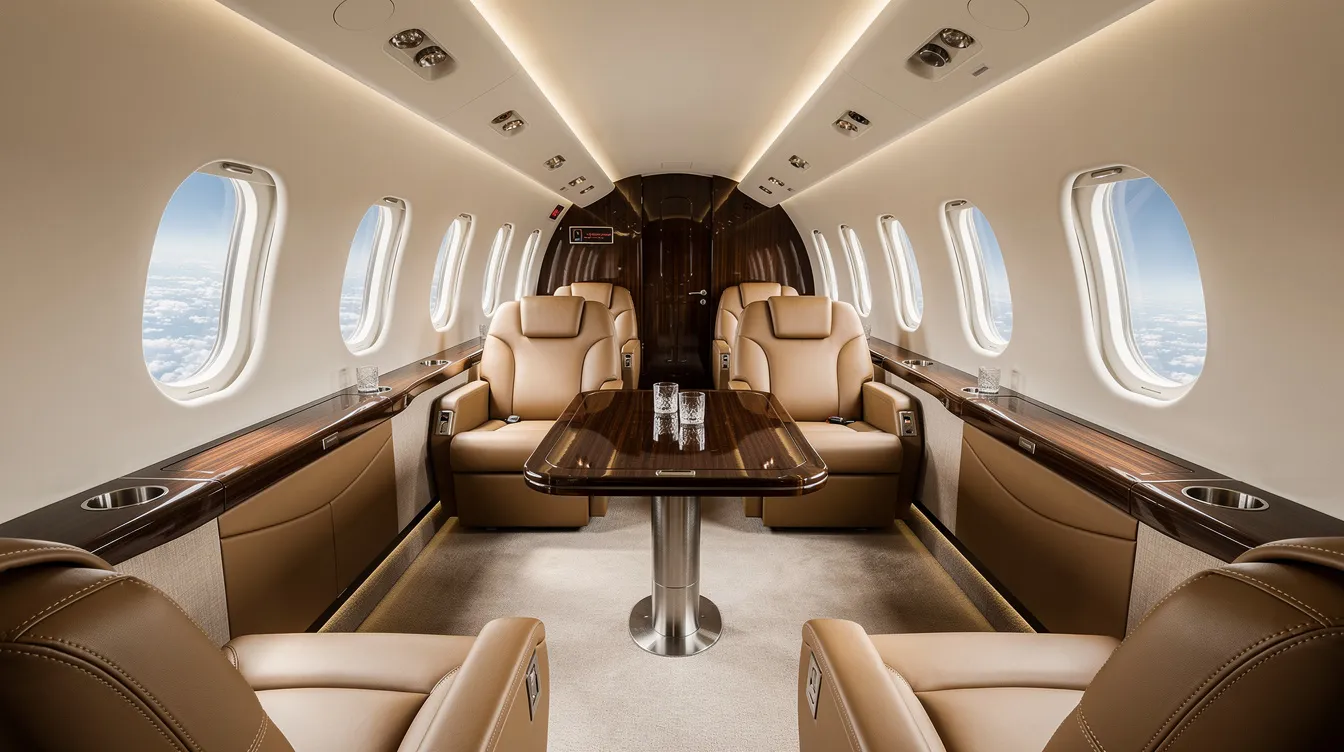
Private jet cabins provide club seating, divans, or fully flat beds configured around the passengers, not the airline industry's revenue targets.
For a person who flies 20 or more times per year, even two extra inches of leg room per flight compounds into meaningfully less fatigue, fewer missed connections, and sharper performance after landing. That is why many BlackJet members still track commercial seat quality for specific routes but default to their Jet Card when comfort, privacy, and time are non-negotiable, leveraging BlackJet's premium private jet card programs to lock in that experience.
Quick Answer: Which Airlines Have the Best Economy Seats Right Now?
If you want the fastest answer to which airlines have the best seats, here are the 2025 standouts for comfortable economy seats:
JetBlue A321: JetBlue averages 32.3 inches of pitch in economy seating and has the widest economy seats, averaging 17.8 to 18.4 inches.
Japan Airlines A350-1000 / 787-8: Japan Airlines provides 34 inches of legroom in economy class with a seat width of around 18–18.5 inches.
ANA Boeing 787-9: All Nippon Airways offers 34 inches of legroom in economy class with adjustable headrests and footrests.
Emirates A380: Emirates economy class features 34 inches of legroom and approximately 18 inches of width.
Singapore Airlines A350-900 / A380: Singapore Airlines provides 32 inches of legroom in economy class with up to 19 inches of width on the A380.
Cathay Pacific A350-1000: 32 inches of pitch, 18 inches of width, deep recline, and dark-mode entertainment screens.
Hawaiian Airlines A330: 31 inches of pitch with Extra Comfort seats reaching 36 inches; the 2-4-2 layout reduces middle seats.
Swiss A350 "Senses": up to 19.5 inches of width and Bluetooth-enabled IFE.
Qantas 787-9: 32 inches of pitch, footrests, and self-service snack areas on long-haul flights.
Delta 767-400ER: 2-3-2 layout with fewer middle seats on popular transatlantic routes.
What counts as the best seats depends on what you value most: legroom, width, privacy, a quick exit after landing, or in-flight amenities. The sections below break down each airline's offerings by aircraft, then compare everything to business class and private jet options.
Top Airlines for Comfortable Economy Seats (By Aircraft)
Economy seats vary more by aircraft type than by airline brand alone. Two flights on the same carrier can feel like different airlines if one uses a retrofitted 777 and the other a brand-new A350. All specs below are approximate and can change by configuration; verify using airline seat maps and third-party tools like SeatCompare before shopping for your next flight.
JetBlue Airbus A321 (including LR/XLR): JetBlue offers the best legroom with 32 to 34 inches of pitch. Width runs 17.8–18.4 inches with approximately 3 inches of recline. Power outlets at most seats and strong Wi-Fi make these among the most comfortable economy seats on us based airlines. Compared with American Airlines and United Airlines, which average 30 to 32 inches of legroom in economy, JetBlue stands out among us airlines on comparable domestic routes for giving passengers noticeably more space.
Japan Airlines A350-1000: 34 inches of seat pitch, 18+ inches of seat width, deep recline, 13-inch 4K entertainment screens, USB and AC power. Flies routes like JFK–HND and DFW–HND. Japan Airlines and EVA Air have an industry-leading 42-inch pitch in their premium cabins, making even a premium economy upgrade on JAL remarkably spacious.
ANA Boeing 787-9: 34 inches of pitch, approximately 17.3 inches of width, footrests, slide-forward recline that preserves the space of the person behind you, and 3-3-3 layout. The Dreamliner's high ceilings and larger windows contribute to a less cramped feel. A traveler flying from Tokyo to San Francisco on this aircraft gets a noticeably quieter, more comfortable economy cabin than most others on the same route.
Emirates Airbus A380: 34 inches of pitch, 18 inches of width, 4 inches of recline, and 13.3-inch screens in a 3-4-3 layout. The A380's wide fuselage means even the middle seats feel less cramped than those of narrowbody planes. Common on US–DXB and JFK–MXP routes. Emirates has been retrofitting A380s to add premium economy cabins across the fleet.
Singapore Airlines A380: Singapore Airlines offers economy seats with 32 inches of pitch but compensates with 19 inches of width, 6 inches of recline, six-way adjustable headrests, large screens, and thoughtful storage features. On the A350-900, the width drops to 18 inches, but amenities remain strong.
Hawaiian Airlines A330: 31 inches of pitch, 16.5–18 inches of width depending on the row, 2-4-2 layout that works well for couples who want to avoid a middle seat entirely. Extra Comfort seats offer 36 inches of pitch for passengers willing to pay extra.
Delta 767-400ER: 31–32 inches of pitch and 18 inches of width. Delta's economy seats range from 17.2 to 18.5 inches wide across its fleet. The 2-3-2 layout on this aircraft means fewer middle seats, making it a quiet favorite on transatlantic routes from ATL and JFK. Delta Air Lines and Alaska Airlines average around 31.0 inches of legroom in economy, so this is consistent with their fleet-wide standard.
Swiss A350 "Senses" Economy: 31–33 inches of pitch, up to 19.5 inches of width, 6 inches of recline, molded seat backs that create extra knee room, and Bluetooth-enabled IFE. A spacious option for European long-haul flights.
Qantas 787-9: 32 inches of pitch, approximately 17.2 inches of width, 6 inches of recline, footrests for resting feet, and self-service snack areas-a welcome touch on 14-hour flights to Australia.
Cathay Pacific A350-1000: 32 inches of pitch, 18 inches of width, deep recline, dark-mode screens, and common US–HKG routes from New York, Boston, Chicago, and Dallas when scheduled.
When interpreting these numbers, remember that seat pitch is the distance between your row and the next, not pure legroom-seat thickness and design eat into the usable space. Two inches of pitch difference can feel like four inches of extra legroom if the seat in front uses a slimline design.
Best Seats on the Plane: Economy Seat Types Explained
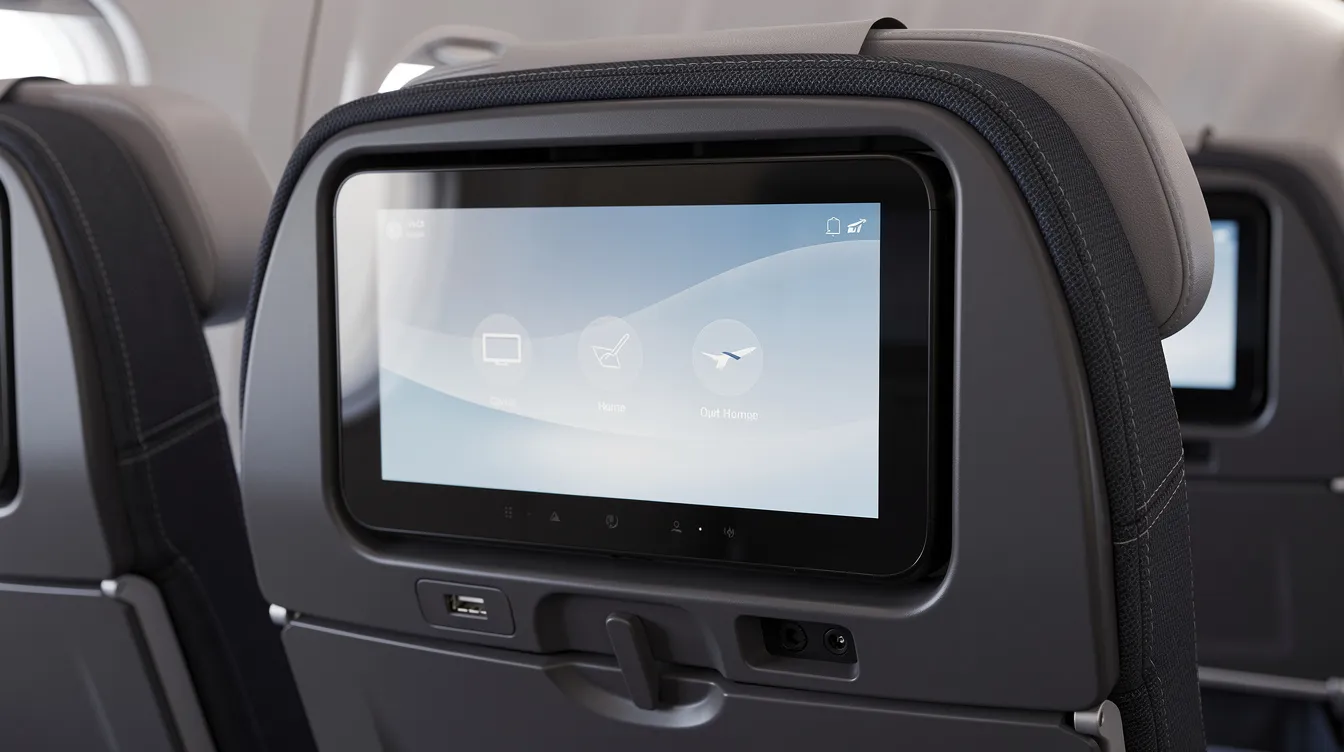
On almost any airline, the most comfortable seat in the economy cabin is less about the carrier's brand and more about where you sit. Bulkhead seats, exit rows, window versus aisle seats, and front versus back seats each carry distinct advantages and trade-offs.
Bulkhead seats:
Bulkhead seats offer more legroom on flights because there is no seat in front to encroach on your personal space. They are in the first row after a wall or divider.
Pros: extra space for legs, often first to be served.
Cons: Bulkhead seats offer more legroom but may be noisy due to proximity to galleys or lavatories. No under-seat storage, and the tray table and IFE are built into the armrest.
Many airlines charge extra for bulkhead seats, even in economy class.
Exit row seats:
Exit row seats can have up to five inches more legroom, making them prime choices for comfortable economy seats on long flights. Bulkhead or exit rows are suggested for maximum available breathing room on airlines.
Exit row seats usually have more legroom but cannot recline. They may also have a colder cabin feel, no under-seat bags, and emergency-duty requirements for passengers who sit there.
Exit row seats may block views due to emergency slide compartments stored in the door area, so do not expect a clear window.
Window seat vs aisle seat:
Window seats allow for better views and head support for sleeping. You lean against the wall, control the shade, and avoid being bumped by cart traffic in the aisle.
An aisle seat is ideal for quick movement, easier access to the lavatory and overhead bin, and stretching into the aisle during the cruise. The trade-off is more exposure to carts and other passengers brushing past.
Front vs back seats:
Front of the economy cabin: quieter, faster disembarkation (critical for tight connections), and generally preferred by business travelers who want to be first off the plane.
Back seats: more engine noise on many planes, sometimes limited recline near the tail, and more traffic near lavatories and the galley. Seats in the last row often have limited reclining space, so if reclining matters to you, avoid the final row.
For long-haul economy, prioritize extra legroom via an exit row seat or bulkhead, combined with a front-cabin location. For short-haul hops, a true window seat or preferred aisle seat near the front usually delivers the best difference in comfort, and some travelers even explore buying a single seat on a private jet when schedules or routes make commercial options especially inconvenient.
Using Airline Seat Maps and Flight Information to Find the Best Seat
The same airline can offer completely different airplane seats depending on the aircraft configuration. A JetBlue A321neo and an older A320 may share branding but deliver different seat pitch, width, and amenities. Checking airline seat maps before booking is the single most effective way to avoid a cramped flight.
What to look for on seat maps:
Seat pitch and seat width indicators for economy, extra legroom, and premium cabins.
Icons showing limited recline, missing windows, proximity to lavatories, and galley locations.
Identification of bulkhead seats, exit rows, bassinet positions, and preferred seats that require loyalty status or a fee.
A simple process for flight shopping:
Start with your route and schedule. Narrow down to airlines that fly the aircraft you want.
Check which aircraft is currently scheduled (e.g., 787-9 vs 777-300ER). This flight information is usually visible on the airline's booking page.
Open that aircraft's seat map on the airline's own site and cross-check with a third-party tool for layout accuracy.
Select your seat directly based on personal priorities: legroom, quiet, quick exit, or less foot traffic.
Aircraft swaps can happen close to departure, so seat plans are never guaranteed. A practical example: on a JFK–LAX flight, an exit row aisle seat on a JetBlue A321 can deliver near-premium legroom for a standard economy fare-but only if you check the map early and grab it before someone else does. If you find an empty seat next to your selection, even better, but don't count on it.
From Economy to Business Class: When an Upgrade Truly Changes the Experience
The gap between economy class and business class is not just more room-it is a fundamentally different seat architecture. Lie-flat beds replace recliners, direct aisle access replaces climbing over neighbors, and privacy doors on some aircraft create a personal enclosure that economy passengers cannot imagine.
What defines a top-tier business class seat:
Lie-flat beds ideally 76–80 inches long with direct aisle access for every passenger.
Staggered or reverse-herringbone layouts that maximize privacy and minimize the chance you make eye contact with your neighbor.
Larger IFE screens, enhanced bedding, and significantly more storage for work materials—features that mirror what you see in the best private jets in the world, combining luxury and performance.
Standout examples:
Qatar Airways Qsuite remains the benchmark for enclosed business class suites, with the option to convert a whole row into a shared living space for teams or families.
Singapore Airlines A350/A380 long-haul business: wide seats with extra ottoman space in bulkhead rows. Top business class airlines are increasingly competing on privacy and bed length, much like leading private jet companies balance fleet diversity, safety, and service.
Air France A350-900 and 777-300ER new business cabins feature sliding doors and beds exceeding 77 inches. Emirates and Air France are highly rated for spacious seats and enhanced leg/calf rests in premium cabins.
Domestic airlines offer premium options with a pitch of roughly 39 inches in premium economy, which bridges the gap for travelers who cannot justify the business class cost on shorter routes. Most major airlines offer upgrade tiers for extra space in standard economy as well, while frequent private fliers might instead evaluate a 50-hour jet card and its cost-benefit tradeoffs against those recurring upgrade fees.
The guidance is straightforward: for overnight long-haul flights where sleep equals billable hours the next morning, an upgrade to business class pays for itself in performance. But even in the finest business class, passengers still face security lines, boarding queues, and fixed departure time constraints that private aviation removes entirely, which is why some travelers compare NetJets jet card costs and structures against other membership models before deciding how far to step beyond commercial.
Beyond Commercial: Why Many BlackJet Members Step Up to Private Jet Seats
For travelers who have already tried every comfortable seat in business and first class, private jet seating represents another category entirely-one defined not by seat pitch but by total cabin control.
Seat comfort comparison:
A typical economy seat offers 30–32 inches of pitch in a shared cabin with 150+ passengers. A lie-flat business class seat gives 76–80 inches of bed length. A private jet cabin offers club seating, divans, and fully flat beds, depending on aircraft category, configured around the person traveling, not around maximum density, with many aircraft also cruising higher and on more direct routings than airlines to reduce turbulence and time en route (how high private jets typically fly).
Through BlackJet's Jet Card membership, travelers access multiple cabin types: light jets for regional hops, midsize and super-midsize for cross-country routes, and large-cabin jets for long-range international flights, including 16-seat private jet options optimized for group comfort and productivity.
Strategic advantages over the best commercial airline seats:
Depart from private terminals (FBOs) with no TSA line, arriving 15–30 minutes before departure. No crowded gate, no middle seat lottery, no overhead bin competition.
Choose departure times and smaller airports closer to home or meeting venues. Fly when your schedule demands, not when the airline's timetable permits.
Configure the cabin-seating positions, work surfaces, and rest areas around passenger needs, not airline seat maps.
Safety and certification:
Sustainability:
Concrete scenario: Consider a founder needing to fly from New York to London with a team of six. Booking seven scattered business class seats means coordinating schedules around fixed departure times, waiting in separate boarding groups, and losing collaborative time during the flight. With a BlackJet corporate Jet Card, the cabin becomes a moving boardroom on the way over and a resting space on the way back-everyone arrives at the same time, prepared for the same meeting—and for even larger offsites or investor gatherings, private jets tailored for 20-passenger groups keep everyone on the same schedule.
How Jet Cards Compare to Always Chasing the Best Airline Seat
A Jet Card is, in practical terms, prepaid jet hours-such as a 25- or 50-hour BlackJet Jet Card-that lock in access and pricing across multiple aircraft categories without owning a plane.
The "best seat hunt" vs Jet Card access:
Commercial: constantly checking airline seat maps, hoping for upgrades, managing loyalty programs across airlines, and praying the aircraft does not get swapped to a denser configuration before your flight.
Jet Card: reserve aircraft type and departure window in minutes via app or concierge, with guaranteed cabin quality every time.
Key benefits of BlackJet Jet Cards:
Jet Cards vs full aircraft ownership:
Access to a fleet's worth of aircraft without capital outlay, crew management, or maintenance costs. Flexibility to scale up or down aircraft size per trip, unlike owning a single jet. The average age of privately owned jets often means higher maintenance burdens; Jet Cards sidestep this entirely, and a comprehensive guide to jet card costs and structures can help quantify that advantage.
When each option makes sense: A US-based executive who flies 20–30 times per year might choose a premium commercial seat for a solo daytime hop from New York to Washington. But for team travel, tight schedules, or high-stakes meetings where arriving rested is non-negotiable, they default to BlackJet, no seat map required.
Practical Seat Selection Tips for Economy and Business Travelers
For readers who will still fly commercial on certain routes, here is a concise checklist to make the most of every trip:
Prioritize legroom first for long-haul economy: exit rows, bulkhead, or extra legroom economy if available. These spots offer the most legroom on any aircraft.
Use airline seat maps and third-party tools to spot "red flag" seats-limited recline, missing window, proximity to lavatories or the galley.
Choose an aisle seat if you move often during the flight; choose a window seat if sleep is the priority.
For tight connections, pick seats toward the front of the economy cabin. The difference in deplaning time can be ten minutes or more.
Use airline loyalty programs and credit card benefits to access extra legroom or premium economy seats at reduced cost, and for trips where commercial still dominates your schedule, consider how the best jet cards for frequent flyers might complement your airline status rather than replace it.
Check for same-day paid upgrades to business class at online check-in and at the gate. Many airlines release unsold inventory at steep discounts, much like savvy travelers compare jet card cost per hour across providers and aircraft types before committing to a private program.
For trips where even the best seat in the cabin class is not enough, a BlackJet Jet Card removes the constraints of commercial travel altogether, with options like the BlackJet 25+ Hour Jet Card giving you predictable access to mid, super-mid, and large-cabin aircraft.
FAQ: Best Airline Seats vs Private Jet Access
These are the questions readers most frequently ask when balancing commercial flights with private aviation options.
Which airlines have the most comfortable economy seats for tall passengers? Focus on carriers with 32+ inches of pitch: JetBlue, Japan Airlines, ANA, Emirates, Singapore Airlines, Cathay Pacific, and select Delta and Hawaiian Airlines aircraft, with Hawaiian's roomier configurations comparing favorably with other airlines on certain routes. Emergency exit seats and bulkhead rows add the most legroom on any of these carriers, while travelers moving big groups might sidestep airline constraints entirely with large private jets that accommodate up to 50 passengers.
Are bulkhead or exit row seats always better? Not always. Bulkhead rows lack under-seat storage-a problem if you need items during the flight. Exit rows require you to assist during emergency exits and often cannot recline. Families with infants are typically assigned to bulkhead rows for bassinet fittings, which means more noise.
Is premium economy worth it over standard economy? Premium economy typically adds 2–4 inches of extra pitch, wider seats, upgraded service, and more recline. On flights over six hours, the extra cost often pays for itself in rest quality. On short-haul routes, the difference may not justify the price.
How do business class seats compare with private jet cabins? Lie-flat business class is excellent for sleep, but private jets win on schedule control, total privacy, and customized seating layouts. You also skip security lines, choose departure airports, and configure the cabin for work or rest—and for larger teams or family groups, private jets that seat around 30 passengers can turn the entire cabin into a shared workspace or lounge.
When does a Jet Card make more sense than chasing upgrades? When you fly frequently (15+ times per year), travel with a group, need flexible scheduling, or find that most airlines simply cannot offer the personal space, privacy, and reliability your travel pattern demands—especially once you understand how jet card pricing structures compare to ad hoc charter or ownership.
If you are ready to move beyond comparing seat maps on every trip, explore BlackJet's Jet Card programs and discover what travel feels like when the best seat is always yours, whether you start with a 100-hour jet card option designed for heavy users or build up from smaller blocks of time.
Conclusion: Elevate Your Travel Experience with the Best Seats and Private Jet Access
Choosing the best airline seat is more than a comfort decision—it's a strategic move that impacts your productivity, rest, and overall travel satisfaction. While leading commercial airlines like JetBlue, Japan Airlines, and Emirates offer some of the most spacious and thoughtfully designed economy seats, discerning travelers often find that even the best commercial options come with compromises. Bulkhead and exit row seats can maximize legroom but may introduce trade-offs in noise or recline ability. Premium economy and business class provide significant upgrades but still require navigating airport crowds and fixed schedules.
For those who demand seamless convenience, privacy, and consistent luxury, private jet access through BlackJet’s Jet Card programs redefines what “the best seat” means. With personalized cabin configurations, guaranteed space, and direct flights from private terminals, BlackJet members bypass the frustrations of commercial travel entirely. Each journey is backed by rigorous safety standards and carbon-neutral commitments, ensuring your travel is not only premier but responsible.
Whether you choose to optimize your next commercial flight or elevate your experience with private aviation, understanding your options empowers you to travel smarter and arrive ready. Discover how BlackJet can transform your travel with effortless access to the world’s finest private jets, where the best seat is always yours.


 Sign up with google
 Sign up with Apple