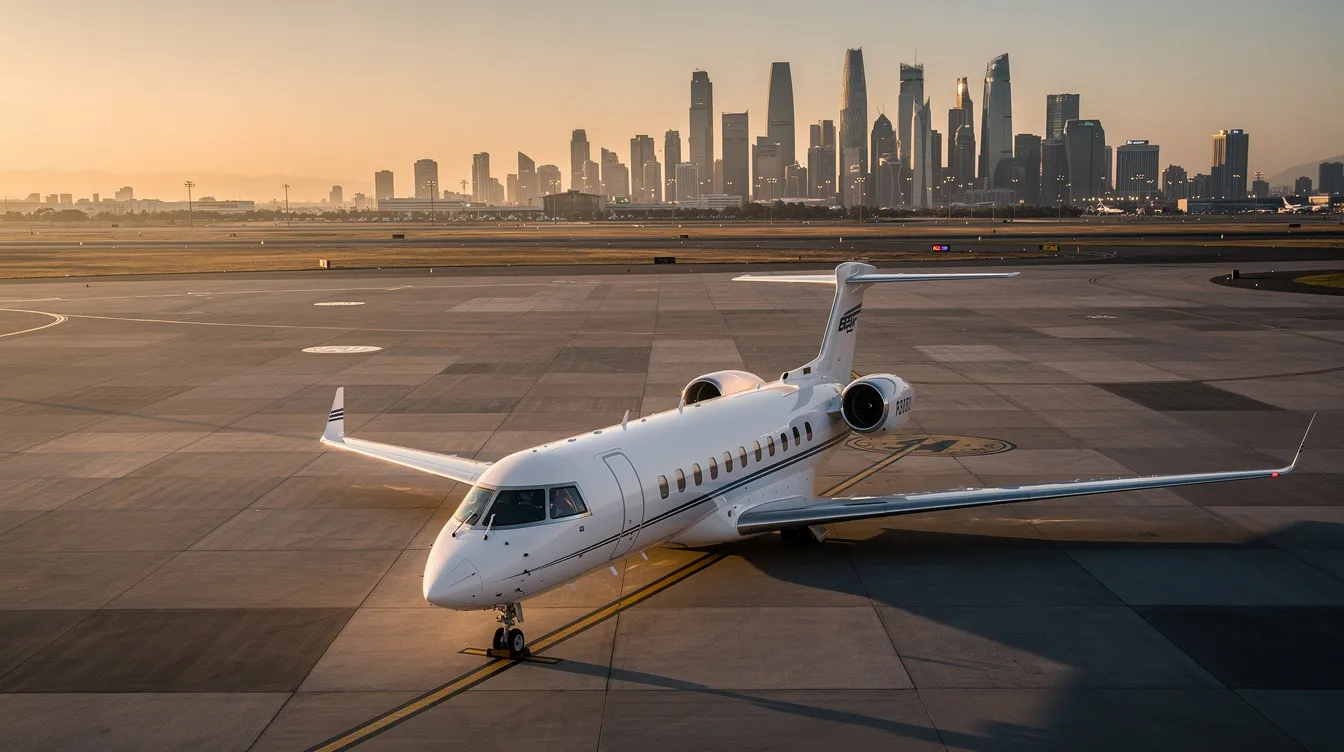
In 2027, where to buy a jet depends on the channel—aircraft brokerages, OEMs, online marketplaces, and private networks—but the bigger question is whether buying one is the right move at all. For frequent business travelers and high-net-worth leisure flyers who want private aviation with flexibility, safety, and control, the strategic advantage often lies in access, not ownership.
This guide helps you compare where and how to buy a private jet with alternatives like Jet Cards and charter, including aircraft categories, cost, safety standards, and sustainability, so you can choose the option that delivers the best value for your travel needs.
Start Here: Should You Buy a Private Jet or Buy Access to One?
Many people interested in purchasing a private jet discover that the purchasing process reveals a harder truth: full ownership is rarely optimal below 250–300 flight hours per year. Data from FlyCraft shows the break-even point for a super midsize jet sits around 480 annual hours. Below that threshold, per-hour costs through jet cards or charter run substantially lower than owning.
Consider a New York–London executive flying 120–150 hours annually. Private jet ownership requires budgeting for fuel, maintenance, and insurance costs that can push total annual expenses to $4M–$7M for a large-cabin aircraft. A BlackJet 50 Jet Card covering those same hours in the right cabin class might cost half that - while freeing tens of millions in capital.
The time savings are real. Flying privately from Teterboro instead of JFK eliminates up to an hour of surface transit and security delays. Door-to-door, private aviation cuts overall travel time by 30–60%, especially on international routes where avoided layovers save 3–5 hours per trip. Typical flight range and passenger count should be considered when purchasing a jet, but the Jet Card model provides prepaid access to private jets without ownership, giving clients the experience without the burden.
BlackJet delivers carbon-neutral, safety-certified private jet access across multiple aircraft categories - no hangar fees, no crew management, no depreciation risk- with premium Private Jet Card programs and membership options designed for frequent travelers.
Where to Buy a Private Jet: Main Channels for Private Jets and Aircraft for Sale
If you do want to buy, understanding the market channels is essential. In 2027, the main options for finding aircraft for sale include brokers, OEMs, online platforms, and private networks.
Purchase channel | Best suited to | Key considerations |
|---|
Aircraft brokerage or advisory firm | Buyers seeking expert sourcing and transaction support | Brokers can assess the market, negotiate, coordinate inspections, and help locate insurance; confirm credentials and scope of service. |
Aircraft manufacturer (OEM) | Buyers seeking a new aircraft and factory support | Offers current models, warranty coverage, and customization, but prices and delivery timelines can be substantial. |
Online marketplace | Buyers researching available inventory and prices | AircraftExchange and Controller list aircraft details, but listings require independent verification and due diligence. |
Private or off-market network | Buyers prioritizing discretion | May provide confidential opportunities, but access and information can be limited; use independent legal and technical review. |
Aircraft brokerages and advisory firms. Private aviation brokers assist in buying and selling jets. Accredited aircraft brokers help buyers source aircraft, negotiate prices, and manage inspections. The IADA requires rigorous financial vetting and adherence to strict ethical standards for accreditation. Private aviation brokerage services evaluate market conditions before purchases, and brokers negotiate the best price for aircraft transactions. Firms like Skyservice, with over 35 years of aviation experience, also help locate insurance for purchased aircraft. Aviation transactions are subject to strict regulatory oversight due to high transaction values, so before buying a jet, assemble a team that includes an aviation attorney and tax advisor.
OEM purchases. Buying new from manufacturers such as Gulfstream, Bombardier, Dassault, Embraer, or HondaJet gives full warranty coverage, the latest avionics, and custom interiors. Models like the Gulfstream G700 and Bombardier Global 7500 lead the ultra-long-range segment in 2027.
Online marketplaces. Online marketplaces like AircraftExchange and Controller are used for browsing jet listings, often featuring hundreds of jets at any time with details on year, airframe hours, maintenance status, and price.
Off-market deals. Ultra-high-net-worth owners, family offices, and aviation attorneys quietly source jets through private networks for confidentiality and potentially better pricing.
Private aviation brokers can assist with the purchasing process end to end. Yet many BlackJet clients explore these channels and ultimately determine that a Jet Card gives them the same experience without tying up capital in a single craft, and detailed guides to Jet Card cost and private jet membership pricing help clarify the true economics.
Choosing the Right Private Jet: New vs. Used Aircraft for Sale and Key Aircraft Categories
Before you decide where to buy, understand what you're buying. Buying options for private jets include factory-new, outright pre-owned, and fractional ownership. Fractional ownership allows buyers to own portions of an aircraft with shared costs, while full ownership means taking on everything, and understanding the types of private jets for every traveler makes it easier to match missions to the right aircraft class.
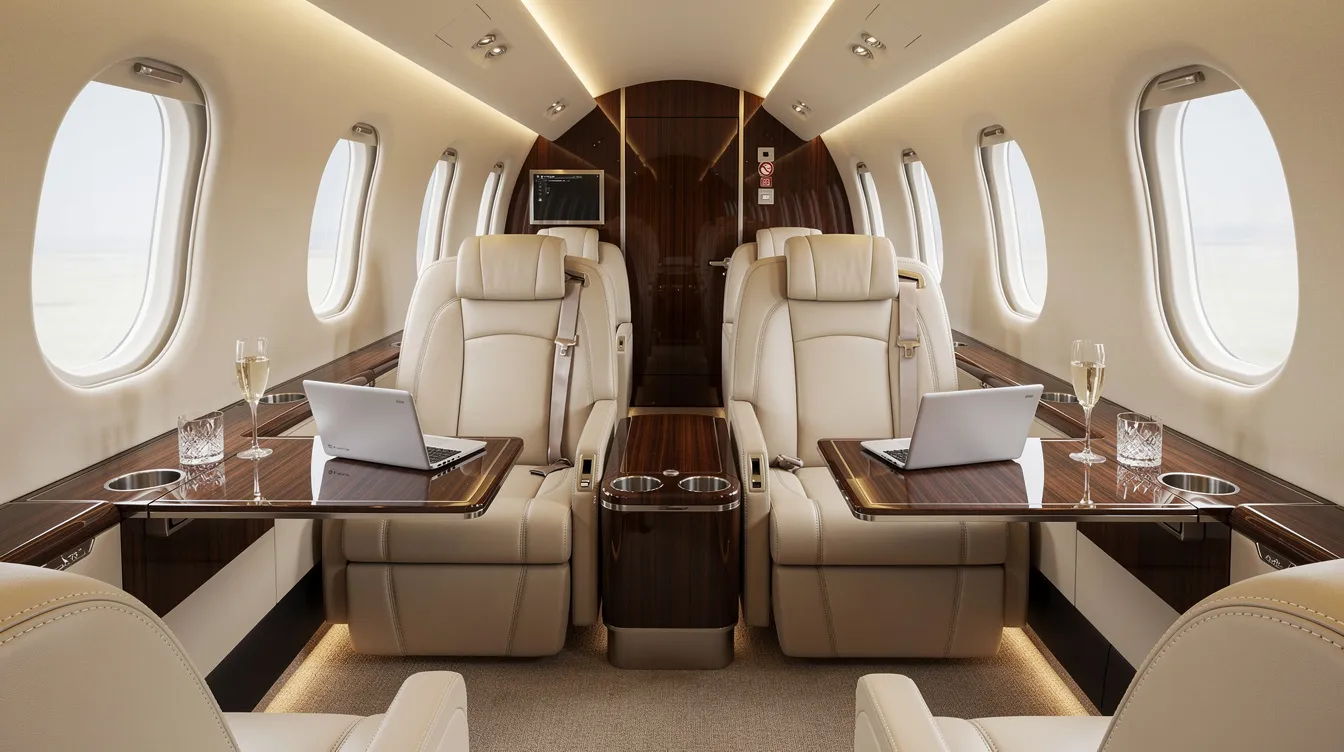
New private jets can range from $5 million to over $80 million. New jets include models like the Boeing 737NG for large corporate configurations. Major manufacturers include Gulfstream, Bombardier, Cessna, Embraer, and Dassault. You get factory warranties, fuel-efficient engines, and the latest safety systems - but steep early depreciation; at lower budgets, a 5 million dollar private jet is typically a pre-owned light or midsize aircraft rather than a factory-new large cabin jet.
Pre-owned private jets generally cost between $1 million and $25 million. The Gulfstream G550 is a frequently sold private jet; the Airbus A320 is a popular used jet model in the larger category. Used jets from the 1980s can still be operational if well-maintained. For buyers focused on 2 million dollar private jet options, that usually means older light jets, turboprops, or personal jets rather than large-cabin aircraft. Private jets vary by model and size, so airframe hours, maintenance records, and upgrade history all influence price and risk. Expert inspections are crucial when buying used jets.
Aircraft categories. Aircraft sizes range from very light jets to ultra-long-range jets for different travel needs. Light jets handle regional hops; midsize and super midsize jets cover coast-to-coast U.S. routes; large-cabin and ultra-long-range aircraft like the Gulfstream G700 fly New York–Dubai nonstop. HondaJet is a notable model in private aviation for shorter regional missions and often appears among top affordable private planes for new private fliers. Buyers must also factor runway requirements, passenger count, and luggage needs into their decision.
Rather than being locked into one aircraft type, BlackJet members can choose the right category per trip - a light jet for Boston–DC, a large-cabin jet for Paris–Dubai - and pay only for what they need.
Beyond the Sticker Price: Total Cost, Safety, and Sustainability in 2027
Where you buy a jet matters less than understanding lifetime cost, safety oversight, and environmental impact. Private jet prices fluctuate based on economic cycles, with market spikes and crashes occurring approximately every five years - buying during a market downswing can save money, but operating costs remain constant; a structured private jet price list and cost overview can help set realistic expectations across aircraft categories.
Total cost of ownership. Beyond the sale price, owners pay $300,000 to $1.7 million annually in fixed costs (crew salaries, hangar, insurance, managing regulatory compliance) depending on aircraft size. Variable costs - fuel, maintenance, engine reserves - add thousands per flight hour, which is why many prospects researching the cheapest private jet options ultimately compare ownership against access models like jet cards and charter.
Safety standards. Certifications like ARGUS, Wyvern, and IS-BAO are essential benchmarks. Jet purchases involve complex pre-purchase inspections and regulatory compliance - experts check logbooks, engines, avionics, corrosion, and damage history. BlackJet's Certified safety program vets every operator, aircraft, and pilot for each flight, with real-time pre-flight safety reports available through the app.
Sustainability. In 2027, carbon-neutral flight is increasingly expected. BlackJet offsets every flight at 300% scope - covering CO₂ plus non-CO₂ effects like water vapor and aerosols - at no extra cost to clients.
When Buying Isn't Optimal: Jet Cards, Charter, and How BlackJet Fits In
For most people flying under 300 hours annually, buying isn't the way to maximize value. Understanding jet card pricing structures and benefits is central to that analysis. Here's how the options compare:
Jet Cards. Prepaid blocks of hours - BlackJet offers 25-hour and 50-hour cards - with fixed hourly rates by cabin class, guaranteed availability, and hours that never expire. Resources like the complete guide to the 25 Hour Jet Card and a 50 Hour Jet Card cost breakdown show how these programs compare on price and flexibility. No negotiating residual values, no sell-side headaches.
On-demand charter vs. Jet Cards. Charter requires one-off price shopping for every trip, with variable pricing and positioning fees, and those wondering how much it costs to rent a private jet quickly see how hourly charter rates can fluctuate. Jet Cards deliver predictability: you know what you'll pay before you contact anyone.
Jet Cards vs. full ownership. Owners face capital outlay, depreciation, crew management, and the advantage disappears unless hours are consistently high. Guides to the best jet cards for frequent flyers underline how these programs can outperform outright ownership for many profiles. With BlackJet, both business and leisure travelers worldwide skip those seller's-market risks entirely.
A concrete scenario. A family wanted to fly Los Angeles–Aspen on a light jet, then Miami–Nassau, then New York–Paris on a large-cabin jet - all within one year. With a BlackJet membership, they switched aircraft categories seamlessly via the mobile booking platform, taking the right size jet for each leg without operating a single aircraft themselves—an approach that scales for executives considering a 100-hour Jet Card cost structure instead of full ownership.

Buying a private jet includes full ownership and fractional ownership options, and for some people with deep knowledge of the aviation market, ownership makes sense. But for most, the analysis points elsewhere. If you have questions about which path fits your life, we're here to discuss the details.
Frequently Asked Questions About Buying a Private Jet
Where can I buy a private jet?
You can buy through an aircraft brokerage, directly from an original equipment manufacturer (OEM), online marketplaces such as AircraftExchange and Controller, or private networks. A qualified broker can help source aircraft, assess market conditions, negotiate the price, coordinate inspections, and locate insurance.
How much does it cost to buy a private jet?
New private jets can range from about $5 million to more than $80 million, while pre-owned aircraft generally cost between $1 million and $25 million. Travelers specifically evaluating 10 million dollar private jet options will usually be looking at well-equipped light or midsize jets rather than the largest ultra-long-range models. Purchase price is only part of the commitment: owners also budget for fuel, maintenance, crew, hangar space, and insurance.
Is buying a jet better than using a Jet Card?
It depends on how often you fly and how much operational responsibility you want. Ownership may suit travelers who fly consistently at high annual hours and need dedicated aircraft access. A Jet Card provides prepaid access without the purchase price, ongoing operating costs, or aircraft management; BlackJet offers 25-hour and 50-hour programs across cabin categories, and an overview of Jet Card pricing, fees, and structures can clarify the trade-offs.
What should I check before buying a used jet?
Arrange an expert pre-purchase inspection and review maintenance records, airframe and engine hours, avionics, damage history, and regulatory compliance. Buyers should also assemble an aviation attorney and tax advisor, and consider working with an accredited broker; if budget is a key constraint, guides to the cheapest private aircraft and budget-friendly options can help frame realistic choices.
What safety and sustainability standards should buyers consider?
Review the aircraft’s maintenance and certification records, operator oversight, and applicable standards such as ARGUS, Wyvern, and IS-BAO. For lower-impact travel without owning an aircraft, compare providers’ carbon programs and ask how offsets are calculated and verified. BlackJet states that it offsets flights at 300% scope at no additional cost.
How do I explore private jet options with BlackJet?
View BlackJet’s Jet Card programs online or get in touch with the team by email to discuss aircraft categories, scheduling, and travel needs. If you prefer to pay per flight rather than commit capital, you can also buy a seat on a private jet through shared and semi-private options, and travelers in South Asia may look specifically at private jet charters in Karachi. A membership can provide access to different aircraft for different trips without requiring ownership.
Conclusion: Choose the Right Way to Buy a Jet—or Access One
Knowing where to buy a jet is only the first step. Compare aircraft options, purchase price, operating costs, safety records, and the expertise of any broker before committing to ownership. For travelers who fly frequently but do not need to operate a dedicated aircraft, a Jet Card can provide flexible private jet access without the capital commitment and ongoing responsibilities of ownership. Explore the option that best fits your travel patterns, and make every journey work harder for you.
Elevate your travel - effortlessly. With BlackJet, private flight isn't reserved for a few; it's accessible on your terms through our Jet Card programs, complete with rigorous safety, carbon-neutral performance, and unmatched flexibility. Join BlackJet's Jet Card program for seamless, premium private travel - safety, sustainability, and flexibility built in.


 Sign up with google
 Sign up with Apple