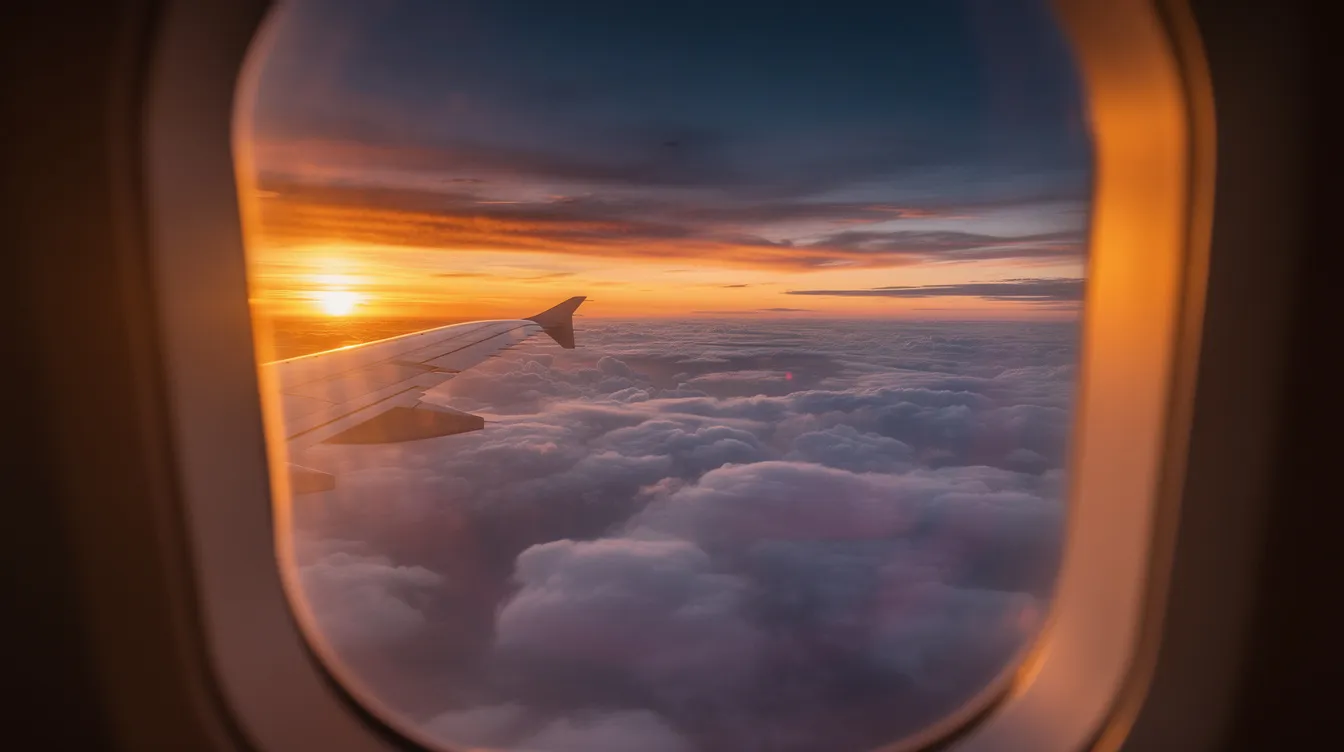
Ever looked up at the blue sky and wondered where does plane fly—and more importantly, why at that specific altitude? Planes fly on structured routes through organized airspace, typically between 3,000 and 51,000 feet depending on the aircraft, with commercial flights usually cruising around 30,000 to 42,000 feet and private jets often between 35,000 and 45,000 feet under air traffic control over land and ocean.
This article covers the typical altitudes and routes for commercial planes, private jets, and other aircraft, explaining why these choices matter for safety, efficiency, and passenger experience. This guide is intended for frequent business travelers, executives, and anyone curious about how and why planes fly at specific altitudes.
For frequent business travelers, executives, and high-net-worth leisure flyers who want more flexibility, privacy, and control without owning an aircraft, those flight levels and routes shape more than the view: they influence safety, speed, comfort, fuel burn, cabin pressurization, and environmental impact. This guide explains how airways are organized, how commercial and private jet operations differ, how controllers manage traffic for efficiency and safety, and how options such as BlackJet’s Jet Card programs fit into a smarter, more strategic way to travel.
Quick Answer: Where Do Planes Fly, and How High?
Planes fly along structured routes-defined airways, waypoints, and jet routes-over both land and ocean. They do not simply wander through the sky. Every flight follows predefined airways that maintain safe separation for aircraft in busy air traffic areas, coordinated by air traffic control at any given time.
Commercial airplanes typically fly at 30,000 to 42,000 feet, with most commercial flights operating at altitudes of 31,000 to 42,000 feet. Private jets often cruise at altitudes of 35,000 to 45,000 feet, frequently above the densest commercial air traffic. Smaller planes and general aviation aircraft tend to stay much lower, usually between 3,000 and 15,000 feet, while turboprop planes typically fly between 20,000 and 30,000 feet.
For context, commercial aircraft occupy a relatively narrow band of the atmosphere compared to the distance from the Earth's surface to the International Space Station, which orbits at roughly 250 miles overhead. But within that band, the difference between flying at 35,000 feet and 43,000 feet can translate into meaningful advantages in speed, comfort, and fuel efficiency-the kind of strategic edge that matters to executives and discerning travelers who value their time.
Understanding Altitude: How the Sky Is Organized
Altitude in aviation is measured as height above sea level, expressed in feet or meters. Above 18,000 feet in the United States, pilots switch to standardized pressure settings and use flight levels-for example, FL350 equals 35,000 feet-which allows consistent vertical separation across the world.
Controlled airspace is divided vertically into layers. Air traffic control determines the altitude for aircraft flights using a directional convention: aircraft heading roughly eastbound are assigned an odd altitude (FL310, FL330, FL350), while westbound flights receive even levels (FL320, FL340, FL360). Air traffic control assigns altitudes based on flight direction to prevent head-on conflicts. Airspace restrictions also require planes to avoid certain zones like military areas.
Standard Instrument Departures, known as SIDs, organize traffic leaving busy airports, channeling commercial jets, private jets, and cargo aircraft into orderly climb sequences. Air traffic controllers then hand flights off to en-route centers that manage the upper airspace.
BlackJet's operations team works directly within this system, coordinating with air traffic control to secure the most efficient and uncongested flight levels for Jet Card members, turning airspace structure into a tactical advantage rather than a constraint.
Layers of the Atmosphere: Why Planes Fly So High
The atmosphere surrounding the Earth is composed of several layers. The two most relevant to aviation are the troposphere-the lowest layer, extending from ground level to roughly 36,000 feet at mid-latitudes-and the lower stratosphere above it.
Most commercial planes fly near the top of the troposphere and into the lower stratosphere, roughly between 30,000 and 42,000 feet. This is where air is thinner, producing less drag and enabling faster speeds with lower fuel burn. Private jets and long-range business aircraft often cruise even higher, reaching into the lower stratosphere where the atmosphere is more stable and weather disturbances are rare.
The key benefits of high altitude flight include the ability to avoid turbulence caused by convective storms, access to jet streams-high-altitude winds that significantly save fuel and time on eastbound legs-and more predictable flying conditions. Modern business jets are engineered with advanced wing design to generate lift efficiently in thinner air at cruise levels, along with powerful jet engines and robust pressurization systems to exploit these altitudes for superior range, comfort, and speed.
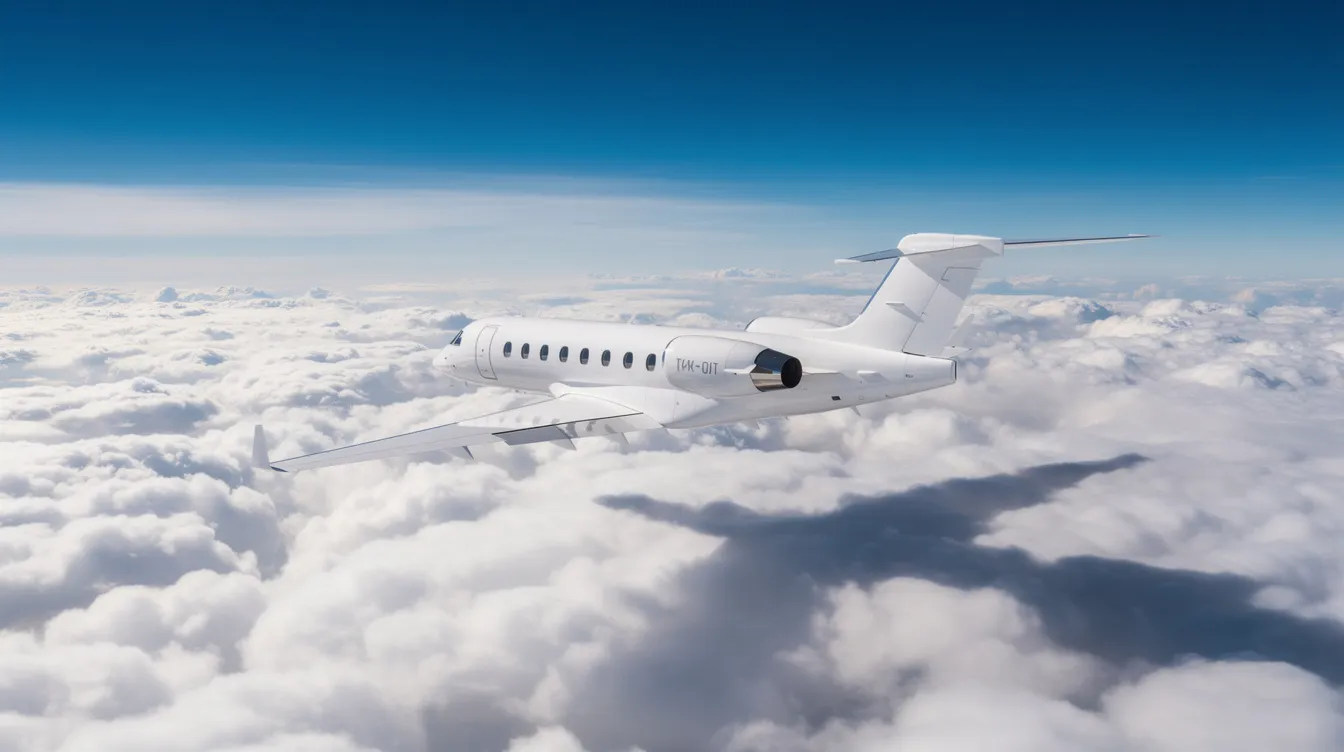
How High Do Different Types of Planes Fly?
Key Aircraft Categories and Their Typical Altitude Ranges:
Commercial airplanes typically fly at 30,000 to 42,000 feet.
Private jets often cruise at 35,000 to 45,000 feet.
Military fighter jets can reach 50,000 to 65,000 feet.
High-altitude aircraft: Operate above 70,000 feet.
Turboprop plane typicallyy fly between 20,000 and 30,000 feet.
Small planes usually fly at 3,000 to 15,000 feet.
Different aircraft categories operate at vastly different altitude ranges, shaped by engine power, weight, wing design, and certification limits. Here is how the sky is divided:
Commercial aircraft such as the Airbus A320 and Boeing 737 typically hold a cruising altitude between 33,000 and 39,000 feet. On a route like New York to Miami, a narrow-body airliner might level off around 37,000 feet. Wide-body airplanes on long-haul routes can push toward 41,000 feet.
Private jets operate across a broader range. Light jets and midsize jets often cruise between 35,000 and 43,000 feet, while larger, long-range aircraft-such as the Gulfstream G700 or Bombardier Global Express-can reach a maximum altitude of 45,000 to 51,000 feet on trips like New York to London or Los Angeles to Tokyo, with different private jet sizes matched to specific mission profiles and passenger counts.
Small planes used for training, leisure, and short regional hops usually fly at altitudes of 3,000 to 15,000 feet—low enough to share airspace with birds and helicopters rather than commercial jets.
Turboprop planes typically fly between 20,000 and 30,000 feet, bridging the gap between general aviation and the jet routes above and offering some of the cheapest private aircraft options for budget-conscious flyers.
Military aircraft represent the extreme end: military fighter jets can reach altitudes of 50,000 to 65,000 feet, and high-altitude aircraft like the U-2 operate above 70,000 feet—well beyond any commercial or private jet's service ceiling.
BlackJet members typically experience altitudes comparable to or higher than commercial first-class cabins, with greater flexibility in routing and access to secondary airports closer to their final destination.
Why Planes Choose Specific Altitudes: Safety, Efficiency, and Comfort
Cruise altitude is never arbitrary. Airline dispatchers create a flight plan for route, altitude, and operational coordination that pilots must review and accept, balancing aircraft performance, fuel burn, wind speeds, weather, and air traffic control instructions. Flight plans prioritize fuel efficiency, balancing wind, altitude, and distance for each mission, just as private aviation users weigh routing choices against the overall private jet price list when deciding how to access aircraft.
Fuel Efficiency at High Altitude
Flying at high altitude reduces air resistance and improves fuel efficiency because thinner air produces less drag on the airframe. Higher altitudes reduce air resistance, allowing commercial planes and private jets to burn less fuel per mile.
Turbulence and Weather
High altitudes minimize turbulence by flying above weather disturbances. Weather patterns often cause pilots to detour from direct flight paths, but cruising above most storm systems means fewer diversions and a smoother ride for passengers.
Emergency Considerations
Higher altitudes also give pilots more time to manage emergencies—whether an engine issue, a pressurization concern, or the need to divert. Flying high also helps avoid collisions with other aircraft operating at lower altitudes.
Main Reasons for Altitude Selection
Pilots and dispatchers select cruise altitudes based on several key factors:
Fuel efficiency: Thinner air at higher altitudes reduces drag and fuel burn.
Turbulence avoidance: Flying above weather systems and turbulence for a smoother ride.
Emergency management: More time and options to respond to in-flight issues.
Collision avoidance: Vertical separation from other aircraft for safety.
Wind optimization: Taking advantage of jet streams or avoiding headwinds.
Traffic flow: Adjusting to air traffic control instructions and congestion.
Wind speeds influence the altitude at which planes fly, and pilots evaluate key factors such as wind, weather, weight, and traffic to choose the safest and most efficient level at every stage of the flight.
Consider this example: a BlackJet flight from Los Angeles to Chicago during winter. The crew climbs into the high 30,000s to ride a favorable tailwind from the jet stream while staying above storm systems moving across the Midwest. BlackJet's flight support team continuously monitors winds and weather to recommend the altitude that maximizes comfort and on-time arrival.
Cabin Pressurization and What Passengers Actually Feel
Cabin Pressurization Systems
Although commercial planes and private jets fly at altitudes where outside air pressure is dangerously low, the cabin is pressurized to a much lower equivalent—typically 6,000 to 8,000 feet above sea level. Cabin pressurization maintains breathable air at high altitudes, and without it, passengers and crew would need supplemental oxygen within minutes—a crucial consideration in the design of the most expensive private jet cabins that pair ultra-high cruise levels with maximum comfort.
At a cruising altitude of 40,000 feet, the temperature outside drops below minus 55°C, and available oxygen is a fraction of what exists at ground level. Pressurization systems—using bleed air from the engines, environmental control systems, and outflow valves—keep the cabin atmosphere safe and comfortable. Multiple pressure sensors and emergency oxygen masks provide redundancy.
Passenger Experience at Altitude
Modern private jets often maintain a different altitude equivalent inside the cabin—closer to 5,000 or 6,000 feet—compared to older commercial airplanes that may reach nearly 8,000 feet. The practical result: less fatigue, reduced jet lag, and a more refreshed arrival. On a five-hour flight, that difference in cabin environment—combined with a quieter, more spacious interior—compounds into a noticeably better experience for passengers who travel frequently and rely on the best jet cards for frequent flyers to standardize their trips.
Commercial Planes vs Private Jets: Where They Fly and Why It Matters
Commercial flights follow fixed airways between major airline hubs. Airlines focus regular flights on major international hubs and high-demand destinations-major hubs include London Heathrow, Dubai International, and Amsterdam Schiphol. Airlines may use alliances to cover smaller cities while focusing on major destinations, but passengers are still tied to rigid schedules and congested airports, which has helped spur interest in more flexible private plane rideshare options and on-demand private flying.
ETOPS regulations require twin-engine commercial aircraft to stay within a specific distance from airports during ocean flights, sometimes forcing indirect routing. Planes follow Great Circle routes on long-distance flights to minimize distance, but even these optimal paths are subject to air traffic control modifications and slot-time constraints.
Private jets operate with far more flexibility. They can access more direct routings, climb to a different altitude to avoid congested flight levels, and land at secondary airports closer to a passenger's final location. On city pairs like New York to Palm Beach or London to Nice, this flexibility in where private jets fly—both horizontally across routes and vertically through altitude—translates into hours saved per trip, even for travelers who buy just a seat on a private jet rather than chartering the entire aircraft.
For executives and high-net-worth travelers, this is not merely convenience. It is a strategic advantage in time, privacy, and reliability. BlackJet's Jet Card model provides prepaid hours that guarantee access to multiple cabin classes, each capable of exploiting these routing and altitude advantages on demand, with transparent jet card cost structures that make budgeting straightforward.
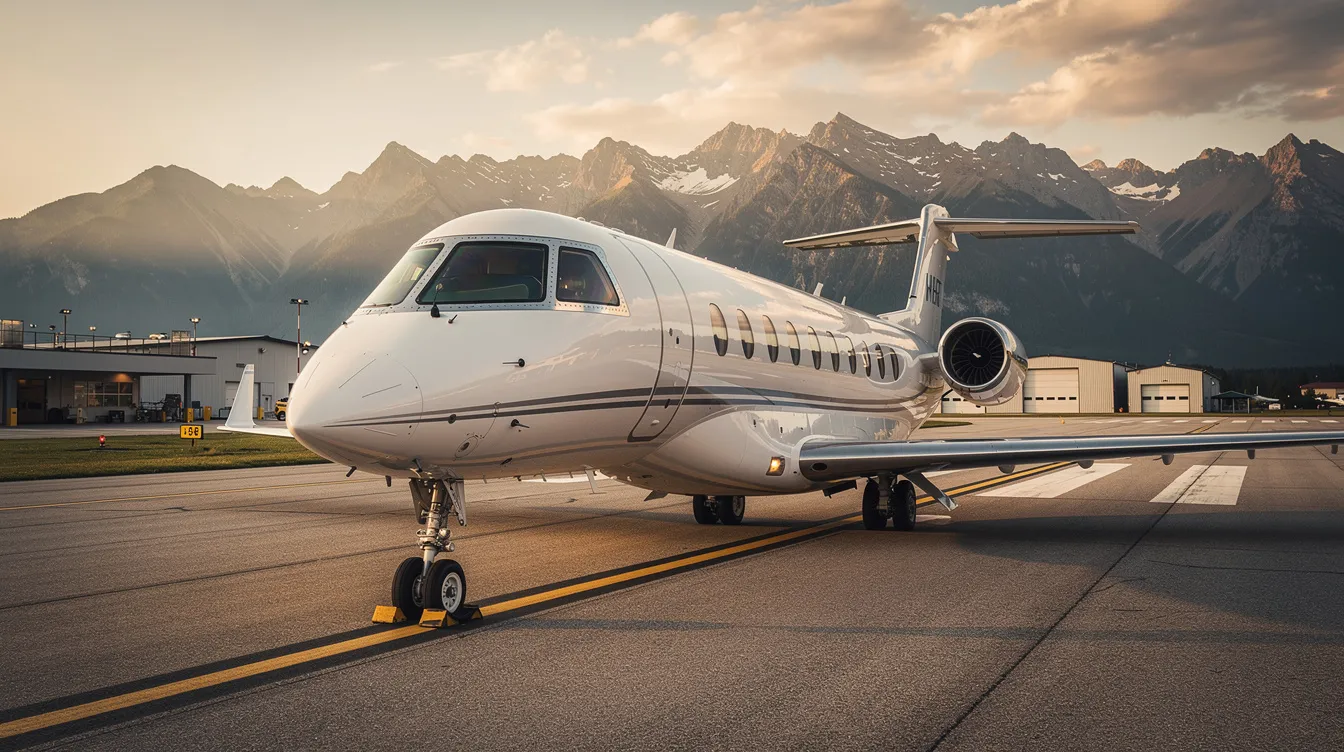
How Many Planes Fly Over Us at Any Given Time?
On a typical busy day, tens of thousands of planes share the sky worldwide—commercial flights, private jets, cargo aircraft, and general aviation. At any given time, the majority of these aircraft occupy the high-altitude cruise bands between 30,000 and 45,000 feet, layered vertically and separated by direction, including large private jets for 50 passengers that move corporate teams and groups alongside smaller business aircraft.
Air traffic control manages operational flows and can modify flight paths in real time, using radar, ADS-B surveillance, and satellite tracking to maintain safe spacing. Reduced Vertical Separation Minima (RVSM) allows aircraft to fly just 1,000 feet apart vertically between FL290 and FL410, dramatically increasing airspace capacity and making it easier to integrate the cheapest private jet options alongside commercial traffic at popular cruise levels.
Business aviation—including private jets—now represents a significant share of high-altitude air traffic, particularly on weekdays around financial centers like New York, London, and Dubai. BlackJet uses real-time flight tracking and operational technology to anticipate congestion and adjust departure times, routings, or altitudes for a seamless member experience, whether flying north toward Canada or avoiding busy corridors near the south poles of major hub airspace.
Altitude, Sustainability, and the Future of How Planes Fly
Where planes fly, their altitude and routing directly influence fuel burn and emissions. Flying at high altitude improves fuel efficiency due to reduced drag, and exploiting favorable jet streams on eastbound legs can cut fuel consumption by meaningful percentages on transcontinental routes, which in turn shapes jet card pricing models that factor in aircraft performance and typical mission profiles.
Advanced flight-planning software now analyzes winds aloft, temperature, air traffic flows, and aircraft weight to recommend altitudes that minimize both time and fuel for each mission. Step climbs—where pilots gradually climb as fuel burns off and the aircraft becomes lighter—keep flights near their optimum performance envelope throughout, affecting the effective jet card cost per hour that frequent flyers experience over a year of travel.
BlackJet commits to carbon-neutral flights by pairing altitude and route optimization with verified carbon offset programs, at no extra cost to members. Looking ahead, sustainable aviation fuel adoption, lightweight materials in next-generation airframes, and more efficient airplane engines will continue reshaping how and where planes fly. The combination of technology, regulation, and environmental commitment is driving aviation toward a future where efficiency and responsibility coexist at every flight level, even for travelers focused on strategies to fly private cheaply without sacrificing comfort or safety.
Choosing How You Fly: BlackJet Jet Cards and High-Altitude Travel
Where planes fly, especially private jets, directly affects time saved, comfort, and privacy for frequent travelers. Every decision about altitude, routing, and airport choice compounds across dozens of trips per year into a fundamentally different travel experience.
BlackJet's Jet Card programs, including 25-hour and 50-hour options, give members guaranteed access to aircraft that cruise at optimal high altitudes across multiple cabin types. Travelers comparing programs can benchmark these against broader 550-hourjet card cost ranges in the market. Every partner aircraft meets rigorous safety certification standards, and every flight is carbon neutral through verified offset programs—backed by 24/7 digital booking and real-time flight support.
Consider an executive using a Jet Card to fly between New York and San Francisco twice a month. Climbing early to FL430, above the bulk of commercial airline traffic, the aircraft saves time, avoids delays, and delivers a quieter, more comfortable cabin at a lower pressurization altitude—a profile where understanding 100-hour jet card cost can be critical for annual travel budgeting. Or picture a family flying privately from London to the Côte d'Azur during summer, landing at a secondary Mediterranean airport minutes from their destination rather than navigating the crowds at a major hub.
Discover how BlackJet membership can reshape the way you travel. Explore our Jet Card programs and experience what private high-altitude air travel was designed to be, whether you are comparing private jet rental costs for occasional trips or evaluating NetJets jet card cost and similar offerings against BlackJet’s model.


 Sign up with google
 Sign up with Apple