For anyone who has ever watched a private jet climb into a winter sky and wondered what powers that ascent, the answer begins with chemistry. Jet fuel is one of the most precisely engineered liquid fuels on earth, yet most travelers never give it a second thought. This guide breaks down what jet fuel is made of, why its composition matters, and how it shapes every flight in BlackJet's network-from fuel type and safety to sustainability and cost.
Quick Answer: What Jet Fuel Is Made Of
Jet fuel is primarily a highly refined kerosene blend produced from crude oil. It consists of a complex mixture of hydrocarbons-primarily chains of carbon and hydrogen atoms in the C9 to C16 range-that burn cleanly and predictably inside turbine engines.
The exact composition of most jet fuels is a controlled blend of four hydrocarbon families: paraffins (the dominant group), naphthenes, aromatics, and olefins. These complex mixtures are carefully balanced so the final product delivers the right combination of energy density, thermal stability, and cold-flow behavior for high-speed flight at cruising altitude.
Additives are included in jet fuel to ensure safety and performance. These include anti-icing agents, corrosion inhibitors, and static dissipater compounds-each present in tiny concentrations but essential to reliability. The two dominant fuel grades you will encounter in civil aviation and private jet operations are Jet A and Jet A-1, both kerosene-based jet fuels formulated for turbine-powered aircraft.
Why Jet Fuel Matters to Private Jet Travelers
In commercial aviation, passengers rarely think about fuel beyond the price of their ticket. In private aviation, the specific fuel powering your aircraft quietly determines whether a route can be flown nonstop, how the aircraft performs from a short or high-altitude runway, and what safety margins exist in cold conditions or at night.
Consider a business executive using a BlackJet jet card for a nonstop New York–London crossing. That transatlantic mission demands an aircraft carrying enough kerosene-based fuel to cover roughly 3,500 nautical miles while remaining fluid at temperatures well below −40°C at altitude. The fuel type, its freezing point, and its energy content are not abstract specifications-they define whether the trip happens without a fuel stop.
BlackJet works exclusively with operators who meet strict aviation fuel handling and safety standards, ensuring certified aviation fuel at every departure and destination. For clients choosing between aircraft categories and trip profiles, understanding what goes into the tank is a subtle but real strategic advantage.
From Crude Oil to Jet Fuel: How It's Made
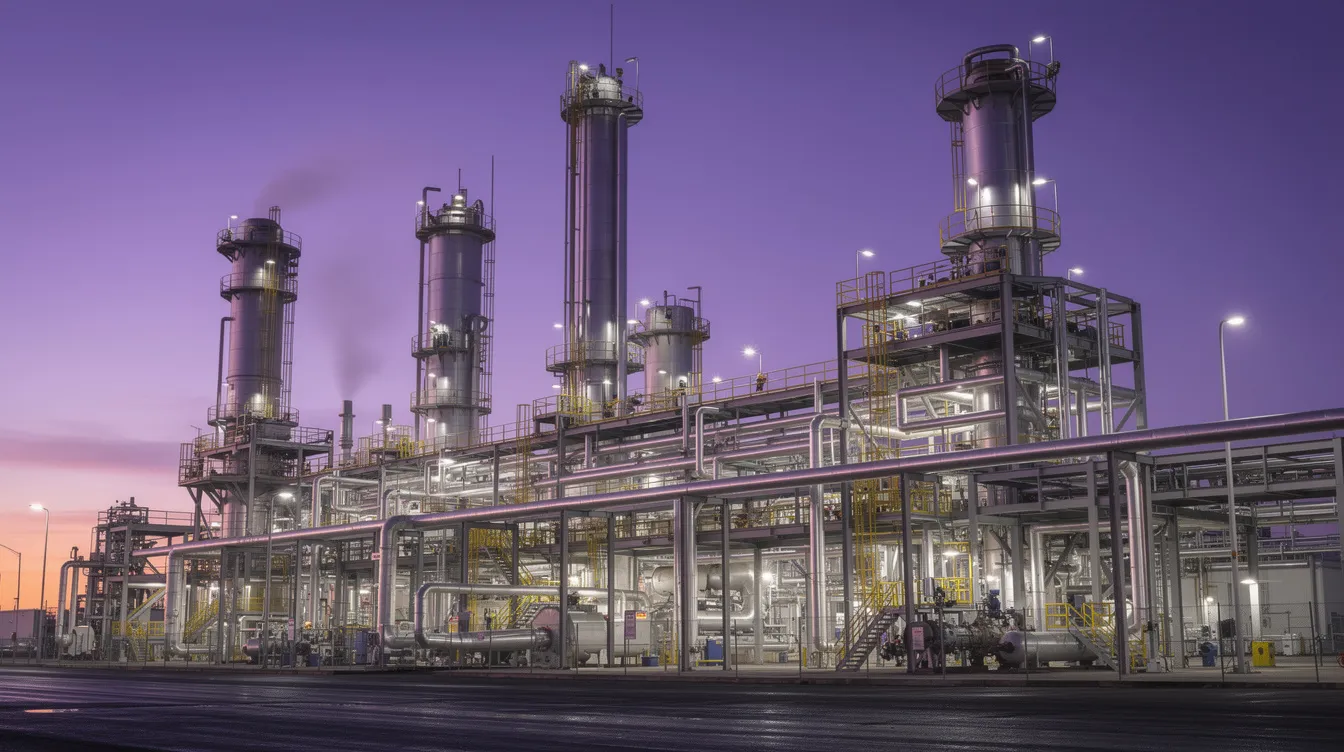
Jet fuel is refined from crude oil through distillation-essentially heating raw petroleum in towering columns and separating it into fractions based on boiling point. The kerosene range fraction, boiling between roughly 145°C and 300°C, forms the basis of aviation kerosene.
Here is where jet fuel sits relative to other common fuels in a refinery distillation tower:
Fuel Product | Approximate Boiling Range | Carbon Chain Length |
|---|
Gasoline | 30–200°C | C5–C12 |
Jet Fuel (Kerosene) | 145–300°C | C9–C16 |
Diesel Fuel | 200–350°C | C10–C22 |
Heavy Fuel Oil | 350°C+ | C20+ |
After initial distillation, the kerosene cut undergoes several additional refining steps:
Hydrotreating removes sulfur, nitrogen compounds, and unstable molecules, improving combustion products quality and reducing environmental impact.
Cracking and isomerization adjust molecular structure, creating branched paraffins that improve enhanced cold-weather performance.
Blending of multiple refinery streams targets the precise density, viscosity, and energy specifications required by ASTM International standards.
Jet fuel production requires additives to enhance performance and safety before the final product is cleared for sale. Every batch faces rigorous testing-flash point, freezing point, energy content, water contamination checks-before it reaches an airport fuel farm. For BlackJet customers, this upstream complexity is invisible but underpins the reliability of every flight.
Chemical Makeup: What's Actually in Jet Fuel?
Jet fuel is not a single chemical like "octane." It is a controlled mixture of hundreds, sometimes over a thousand, distinct hydrocarbon molecules. Hydrocarbons in jet fuel have carbon numbers ranging from C8 to C16, and these molecules fall into four families:
Paraffins (n-paraffins and isoparaffins): Straight and branched alkane chains. Paraffins generally make up about 60% to 70% of jet fuel. They deliver high energy density and clean combustion.
Naphthenes (cycloalkanes): Ring-shaped saturated hydrocarbons. Naphthenes account for approximately 20% to 30% of jet fuel and contribute to density and low-temperature performance.
Aromatics: Ring structures like alkylbenzenes. Aromatics comprise about 10% to 20% of jet fuel. They help with seal compatibility and lubricity, but are limited because excess aromatics increase soot, particulate matter, and engine deposits.
Olefins: Unsaturated hydrocarbons are intentionally kept low. Olefins generally constitute less than 5% of jet fuel, and in practice, well under 1%, because they degrade fuel stability.
Jet fuel also contains up to 1,000 ppm sulfur for better lubricity, though regulations push sulfur content steadily lower to improve air quality near airports.
Beyond hydrocarbons, a few additives complete the formula:
Static dissipater additives reduce the risk of spark ignition during fueling, which is critical whenever fuel flows at high speed into tanks.
Corrosion inhibitors protect engine components from rust and degradation across the entire fuel system.
Antioxidants prevent degradation of jet fuel during storage, maintaining thermal stability over weeks or months in airport tanks.
Icing inhibitors stop dissolved water from crystallizing in fuel lines and filters.
Though additives represent a fraction of total volume, they are indispensable to fuel systems' reliability in both commercial aviation and private jets.
Jet A, Jet A-1, and Other Aviation Fuels
Different aviation fuels evolved to match different engines-turbine versus piston-and different operating environments around the world. Here is how the major fuel types compare:
Jet A
Jet A is primarily used in the United States. It is a kerosene-based fuel with a maximum freezing point of −40°C and a minimum flash point of 38°C (100°F). Jet A fuel must meet ASTM specification D1655, the foundational standard for conventional jet fuel in North American civil aviation.
Jet A-1
Jet A-1 is the most widely used jet fuel globally and the standard for international flights. The primary difference from Jet A is a lower maximum freezing point of −47°C (−52.6°F), enabling reliable performance on long-haul routes where fuel tanks are exposed to ambient temperatures below −50°C at high cruise altitudes. Jet A-1 contains static dissipator additives for safety as a mandatory component and includes certain additives required by the UK Defence Standard (DEF STAN 91-091). For private jet travelers flying polar routes or winter transatlantic missions, Jet A-1's lower freezing point is not optional-it is essential.
Jet B
Jet B is a wide-cut fuel, a blend of 30% kerosene and 70% gasoline fractions. It achieves a very low freezing point, with Jet B having an exceptionally low freezing point of −72°C (−97.6°F). However, its higher volatility and lower flash point make it significantly more hazardous to handle. Jet B is reserved for extreme cold conditions in places like northern Canada and is not typical in BlackJet partner fleets.
Other Grades
TS-1 jet fuel has a freezing point below −50°C (−58°F) and is used mainly in Russia for cold-weather performance. For military use, jet fuels JP-5 and JP-8 are variants of kerosene-based fuel tailored to specific operational needs. JP-8 is the military equivalent of Jet A-1 with different additives for military aircraft, while JP-5 features a higher flash point (~60°C), designed for operations aboard aircraft carriers where fire risk demands an extra margin. These military fuels are not used in civilian private aviation.
What About Aviation Gasoline?
Aviation gasoline, commonly 100LL avgas, is a high-octane fuel for piston aircraft with a gasoline engine. It often contains lead, has higher volatility, and is entirely non-interchangeable with turbine jet fuels. It is not used in any turbine-powered aircraft in BlackJet's fleet. Confusing jet fuel and gasoline grades is one of the most dangerous errors in aviation, which is why strict fueling protocols exist.
For BlackJet members, the fuel type listed on trip documentation will be nearly always Jet A or Jet A-1, the most commonly used fuels for turbine business jets worldwide.
Key Jet Fuel Properties: Flash Point, Freezing Point, and Beyond
Understanding a handful of physical properties explains why regular jet fuel behaves the way it does in flight-and why dispatchers and operators take them seriously even when passengers never see a spec sheet.
Flash Point. The flash point is the lowest temperature at which fuel vapors can ignite from an ignition source. Jet A has a minimum flash point of 38°C (100°F). The flash point of jet fuel is controlled to ensure safe handling during storage, fueling, and ramp operations. Fuels with a lower flash point, like Jet B, require more stringent safety procedures because vapors can reach flammable concentrations at cooler ambient temperatures.
Freezing Point. This is the temperature at which fuel begins to crystallize. Jet A permits a maximum of −40°C; Jet A-1 has a lower freezing point of −47°C; Jet B reaches as low as −72°C. At low temperatures common during long-range flight, fuel that approaches its freezing point can clog filters and starve aircraft engines of flow. Any fuel with a higher freezing point is unsuitable for routes that cross polar air masses or spend extended time above FL400.
Energy Content. Jet fuel delivers approximately 43 MJ/kg (~18,400 BTU/lb). Small variations in specific energy between batches or between conventional and synthetic fuels translate into meaningful range or payload adjustments, especially on long-range private jet missions where every kilogram counts.
Thermal Stability. Jet fuel must resist thermal breakdown under high-temperature conditions. Inside a jet engine, fuel also serves as a heat sink, absorbing heat from engine oil and hydraulic systems before combustion. Fuel that degrades under heat forms deposits that reduce engine life.
Viscosity and Flow. Fuel must remain thin enough at low temperatures to pass through pumps, filters, and injectors. Molecular branching controlled during refining keeps viscosity in check even near the freezing point.
Contamination Resistance. Water, dirt, and microbial growth can compromise fuel systems. Biocides and filtration protocols at FBOs prevent contamination from reaching the aircraft.
Scenario: A BlackJet member departs Aspen (elevation 7,820 ft) for Teterboro in January. The dispatcher selects a fuel load accounting for cold-soaked tanks, high-altitude takeoff performance, and headwinds. Jet A-1 is specified because ambient temperatures at cruise will drop below −45°C. The passenger simply boards on time.

Jet Fuel vs Gasoline vs Diesel: What Sets Aviation Fuels Apart?
All three fuels originate from crude oil, but they serve fundamentally different engines and operating environments.
Property | Gasoline | Jet Fuel (Jet A/A-1) | Diesel Fuel |
|---|
Carbon Chains | ~C5–C12 | ~C9–C16 | ~C10–C22 |
Flash Point | ~−43°C | ≥38°C | ~52–96°C |
Ignition Method | Spark (gasoline engine) | Continuous combustion (turbine) | Compression (diesel engine) |
Volatility | High | Moderate | Low |
Freezing Point Spec | Not typically specified | −40 to −47°C | Varies by grade |
Gasoline uses shorter hydrocarbon chains and a low flash point for easy vaporization in spark-ignition engines. Jet fuel sits in the middle, less volatile than gasoline, with tighter control of cold-flow behavior and combustion stability for turbine engines that rely on steady, continuous combustion after high compression.
Diesel fuel overlaps somewhat in distillation range with aviation kerosene, but jet fuel must meet far stricter contamination, freezing point, and stability standards. Some modern aircraft diesel engines exist, but they cannot simply use Jet A without specific fuel certification.
Aviation gasoline (avgas) behaves more like automotive gasoline but carries higher octane ratings and often contains lead to prevent knock in piston aircraft engines. Putting the wrong fuel in any aircraft-avgas in a jet engine, or jet fuel in a piston engine-can be catastrophic. Strict fueling protocols at BlackJet partner FBOs, including color-coded nozzles and trained linemen, prevent such mistakes and enhance safety at every stop.
Jet Fuel in Private Aviation: Range, Costs, and Aircraft Choice
While most clients focus on cabin size and flight time, fuel type and fuel costs quietly shape aircraft selection and trip pricing. Fuel is one of the largest variable operating costs in both commercial aviation and private jet charter, often representing 25–40% of direct operating expense.
Different aircraft categories burn fuel at dramatically different rates. A light jet might consume 150–200 gallons per hour on a regional hop, while a large-cabin intercontinental aircraft burns 300+ gallons per hour but covers a far greater range. These differences flow directly into jet card pricing and hourly rates.
Behind the scenes, dispatch teams plan around fuel constantly:
Tankering cheaper fuel from one airport rather than paying premium prices at a resort destination.
Calculating required fuel loads based on runway length, airport elevation, temperature, and forecast winds.
Selecting fuel stops when nonstop range falls short, balancing schedule impact against cost and safety margins.
Consider a BlackJet member using a 25-hour jet card. A Dallas–Cabo flight on a midsize jet is well within nonstop range, with fuel readily available at both ends. A Dallas–New York leg covers a similar distance but may encounter winter headwinds that increase fuel burn by 10–15%, requiring adjusted reserves. Both scenarios are planned seamlessly-the member simply sees confirmed departure and arrival times.
BlackJet's network and planning tools optimize fuel-related logistics without sacrificing safety, comfort, or schedule flexibility.
Sustainable and Synthetic Jet Fuels
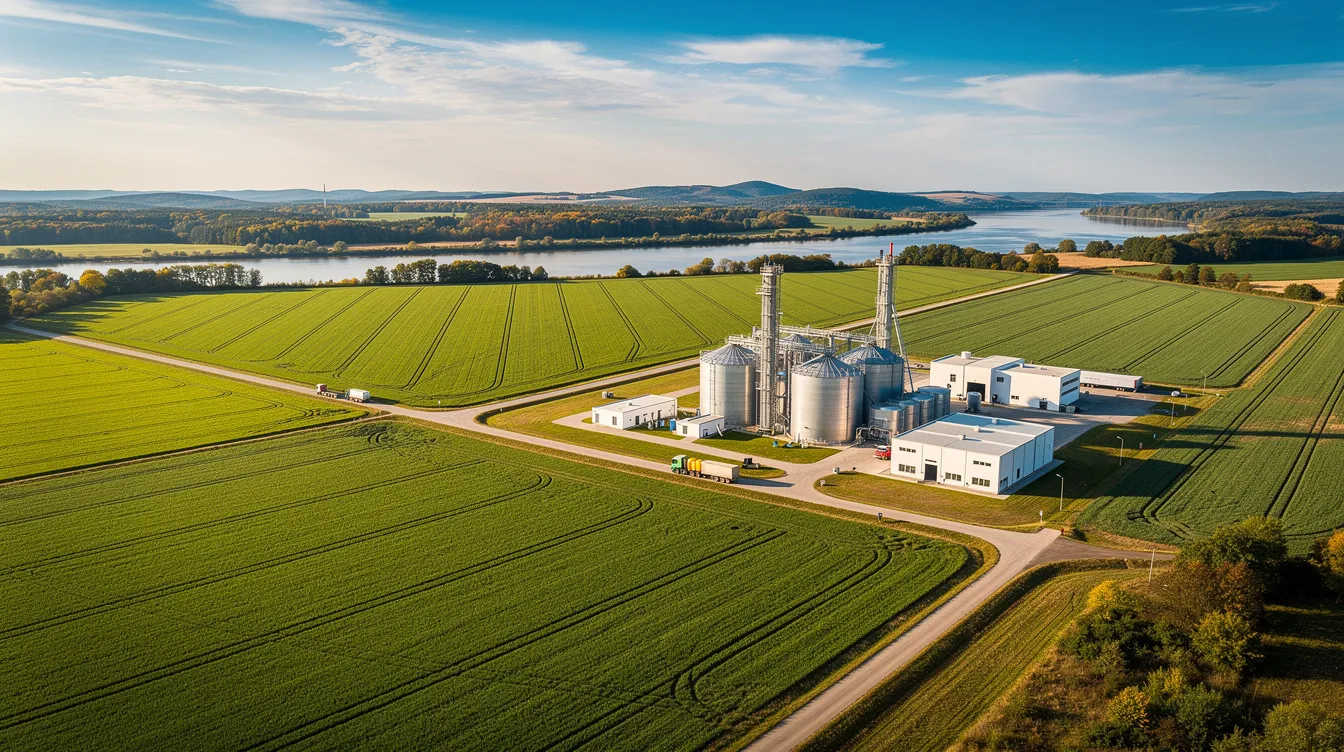
What jet fuel is made of is evolving. Sustainable aviation fuel (SAF) is a growing part of the answer, produced not from crude oil but from waste oils, biomass, or even captured carbon.
Major SAF production pathways include:
HEFA: Hydroprocessed esters and fatty acids from waste cooking oil, animal fats, and other feedstocks.
Fischer–Tropsch synthetic fuels: Produced from biomass or municipal solid waste via gasification. On February 8, 2021, KLM's flight used synthetic kerosene produced via this pathway, a milestone for the aviation industry.
These synthetic fuels are certified as drop-in fuels, blending with conventional Jet A or Jet A-1 at ratios up to 50%. Synthetic jet fuels can blend with conventional jet fuel up to 50% with no modifications to aircraft engines or fuel systems.
The environmental impact is significant. Biofuels could reduce flight-related greenhouse-gas emissions by 60 to 80 percent compared to fossil kerosene, while also lowering particulate matter and sulfur-related emissions near airports. The aviation industry emits 2–3% of man-made carbon dioxide, making these reductions meaningful at scale. Research is ongoing for jet fuels from renewable sources like algae, which could further expand feedstock options.
SAF must still meet the same core specifications-flash point, freezing point, energy content, thermal stability-as conventional aviation fuels. There is no compromise on safety.
BlackJet is committed to carbon-neutral flights through verified carbon offset programs. Where available and operationally appropriate, partner operators may incorporate SAF blends without affecting client experience. Understanding what jet fuel is made of now includes both fossil-derived kerosene and an increasing share of sustainable components.
Fuel Safety, Certification, and BlackJet Standards
Jet fuel's technical properties connect directly to BlackJet's core pillars: safety, certification, and reliability.
Aviation fuel handling is governed by rigorous standards. Jet fuel must meet ASTM specification D1655 for aviation use, a standard that defines acceptable ranges for every critical property from freezing point to sulfur content. ASTM International, alongside bodies like IATA and ICAO, ensures that member states and operators worldwide adhere to consistent fuel quality.
At airports and FBOs, fuel quality controls include:
Regular sampling and laboratory testing of stored fuel
Multi-stage filtration and water separation before fuel reaches any aircraft
Strict procedures to prevent contamination and misfueling, including color-coded hoses, locked fuel access, and trained crews.
BlackJet's criteria for partner operators require audited fuel handling practices, adherence to recognized safety programs like Wyvern Wingman and Part 135 certification, and documented training standards for ground crews and pilots in fuel management.
Example: A BlackJet member's aircraft overnights in Zurich during February. Before the morning departure, ground crews verify fuel temperature, confirm Jet A-1 with the correct additives is loaded, and complete water-drain checks on the aircraft's fuel tanks. The member boards to a warm cabin and an on-time departure-never seeing the checks that made it possible.
These protocols are built into every BlackJet trip as part of a safety-first culture that treats fuel quality as non-negotiable.
FAQs: Jet Fuel and Your BlackJet Experience
Is jet fuel the same everywhere in the world?
Global specifications like ASTM D1655 and DEF STAN 91-091 ensure consistency, but regional differences exist. U.S. airports typically supply Jet A; most international flights use Jet A-1 with its lower maximum freezing point. BlackJet's operators verify fuel grade and quality at every stop, regardless of geography.
What kind of fuel will my BlackJet flight use?
Almost always Jet A or Jet A-1, depending on region and aircraft type. Both are kerosene-based jet fuels engineered for the turbine engines powering every aircraft in BlackJet's network.
Does using a private jet mean higher fuel consumption than commercial aviation?
Per-passenger-mile, a private jet typically uses more fuel than a full commercial aircraft. However, private aviation eliminates connections, layovers, and circuitous routing-often reducing total trip fuel and time. BlackJet's jet card model also reduces deadhead flights and optimizes routing, narrowing the efficiency gap.
Can I request sustainable aviation fuel for my trip?
SAF availability is growing but remains uneven across airports. BlackJet ensures every flight is carbon neutral through verified offset programs at no extra cost. Where SAF blends are available, partner operators may incorporate them as part of standard fueling.
Why does the weather sometimes affect fuel planning or require a fuel stop?
Headwinds can increase fuel burn substantially, while cold conditions may require a specific fuel grade. Dispatchers also carry fuel reserves for alternate airports mandated by regulations. These adjustments protect your schedule and safety-even if they occasionally add a brief stop.
Conclusion: The Strategic Advantage of Understanding Jet Fuel
Understanding what jet fuel is made of reveals more than just chemical formulas—it highlights the foundation of safe, efficient, and sustainable private aviation. For discerning travelers and executives, this knowledge underscores why BlackJet’s commitment to certified, high-quality kerosene-based fuels like Jet A and Jet A-1 matters. These fuels ensure optimal aircraft performance, safety in extreme conditions, and the flexibility to fly nonstop on demanding routes.
Moreover, as the industry embraces sustainable aviation fuels, blending advanced biofuels and synthetic kerosene, private jet travel is evolving to meet environmental challenges without compromising luxury or reliability. BlackJet’s integration of these innovations, combined with rigorous fuel handling standards, exemplifies how private jet access is not just a luxury but a strategic advantage—offering seamless, safe, and responsible travel at every altitude.
By choosing BlackJet, travelers gain more than premier aircraft and personalized service; they gain confidence in every aspect of their journey, starting with the fuel that powers their flight.
Explore BlackJet's Jet Card programs and discover how precision planning, from fuel to flight, elevates every journey. Speak with a BlackJet advisor about aircraft categories, range planning, and carbon-neutral flight options.


 Sign up with google
 Sign up with Apple