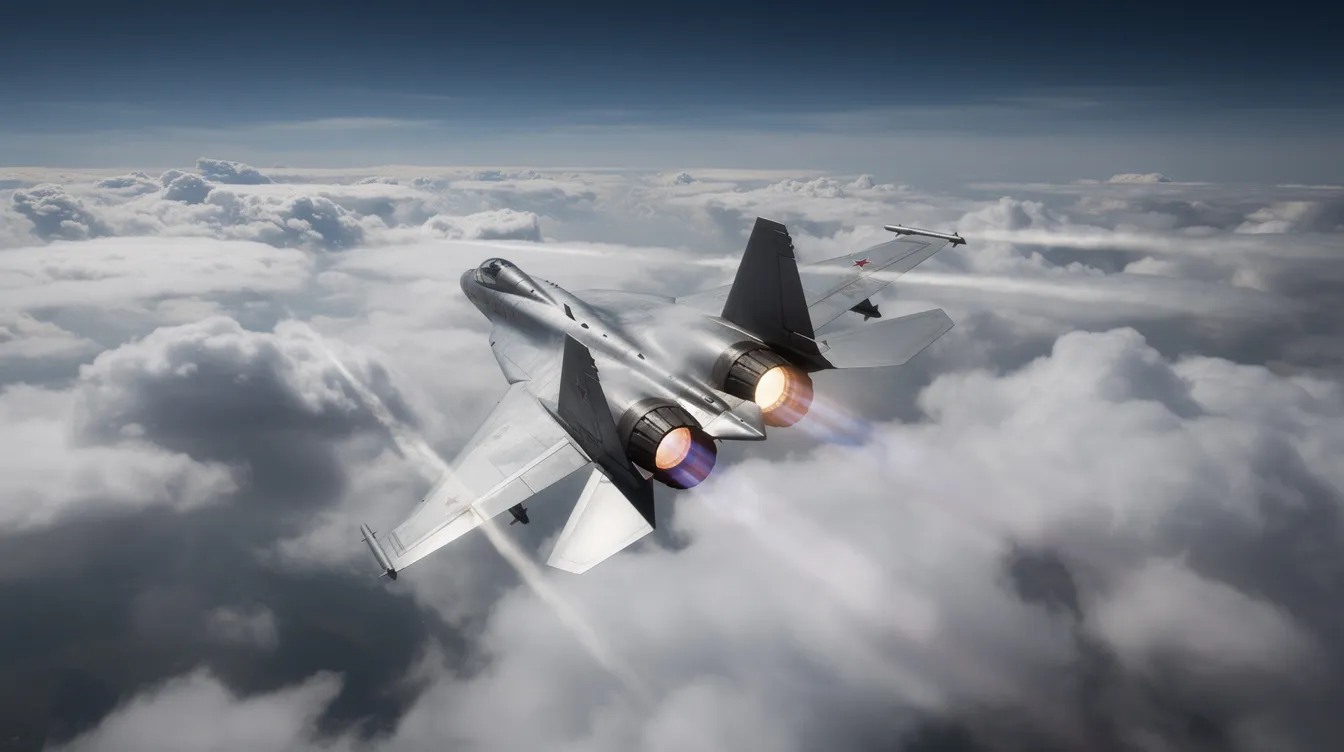
Introduction: Why the Fastest Airplanes Matter for Elite Travelers
Speed has always been a sign of progress in aviation. Since the Wright Brothers made their first powered flight in 1903, people have relentlessly pushed aircraft faster, higher, and farther. But for the modern executive or high-net-worth traveler, speed is more than a chapter in history - it is a strategic advantage that converts directly into reclaimed hours, compressed itineraries, and a fundamentally different relationship with distance.
The fastest airplanes in the world are overwhelmingly military and experimental aircraft - machines built to intercept threats, gather intelligence, or test the boundaries of physics at Mach 3 and beyond. Aircraft are classified into categories based on performance, and speed is a key factor in that classification. Categories include fighters, bombers, and transport planes, each engineered for a distinct mission. None of these record-holders are available for civilian use. Yet their influence on the business jets you can fly today is profound.
Consider the practical difference speed makes:
New York to London: A commercial flight takes roughly 7–8 hours gate-to-gate, plus 2–3 hours of check-in, security, and ground transit on each end. A high-speed private jet flying at Mach 0.90+ with direct routing and expedited ground handling can save 3–4 hours door-to-door.
Multi-city business days: Flying New York → Washington, D.C. → Atlanta → Houston on commercial carriers requires overnight stops. On a private jet, the same trip can be completed in a single day.
LA to Tokyo: Commercial flights involve rigid schedules and often connections. A long-range business jet can fly nonstop, departing on your timeline.
While most aircraft in the top 10 below are not something you can buy a ticket for, the technologies they pioneered - advanced aerodynamics, heat-resistant materials, high-altitude engine performance - are woven into the private jets accessible through BlackJet Jet Card programs today.
It is also worth noting that before the jet age, propeller-driven planes set their own remarkable speed records. The Lockheed P-80 Shooting Star reached a top speed of 577 mph. The Vought F4U Corsair could reach 446 mph. The Northrop F-15 Reporter topped out at 441 mph, while the North American P-51 Mustang could fly at 437 mph, and the Republic P-47 Thunderbolt reached 433 mph. These numbers, once considered extraordinary, are now dwarfed by the machines on this list.
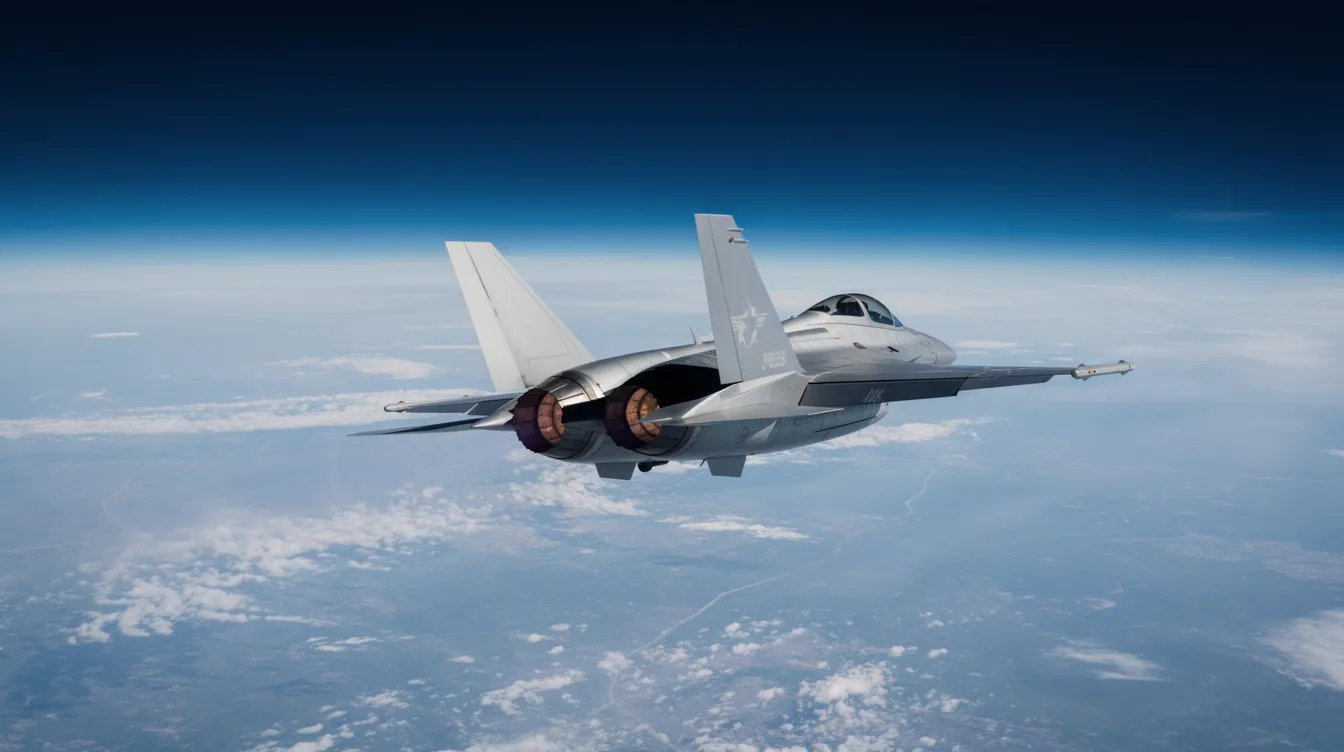
Top 10 Fastest Airplanes in the World (With Verified Speeds)
This is the core list. Every speed cited below represents a maximum or record figure achieved under specific test conditions - often at extreme altitudes, with afterburners engaged or in brief high-performance bursts. Operational service speeds are frequently lower due to engine stress, structural heating, and safety constraints. Sustained flight at supersonic speeds generates significant aerodynamic heating, which is why these planes demand engineering far beyond anything in conventional aviation.
Before diving in, two aircraft deserve mention for context. The NASA X-43A is the fastest aircraft ever, reaching Mach 9.6 (~6,700 mph) with its unmanned scramjet engine in 2004. The North American X-15, a rocket-powered research plane, remains the fastest crewed aircraft at Mach 6.7 (~4,520 mph), a record set in 1967. Both are pure research vehicles, not operational aircraft, so they sit outside the ranked list below. Specialized propulsion systems like scramjets and afterburners are essential for reaching such extreme speed, and experimental and hypersonic aircraft require advanced materials resistant to extreme heat and thermal stress.
Military aircraft often fall into specific performance categories - interceptors, air superiority fighters, reconnaissance platforms - and every plane below was designed with a specific combat or intelligence mission in mind. Here are the top 10 fastest airplanes in the world among aircraft that were either operational or flew as functional prototypes:
1. Lockheed SR-71 Blackbird - U.S. reconnaissance aircraft | First flight: 1964 | Top speed: ~Mach 3.3 (~2,193 mph / 3,529 km/h). The Lockheed SR-71 Blackbird is the fastest air-breathing crewed jet ever built, and that record still stands. It served operationally from 1966 until retirement in 1998, flying strategic reconnaissance missions at altitudes above 85,000 feet where it was virtually untouchable. Its titanium airframe and twin Pratt & Whitney J58 engines were considered revolutionary. No interceptor ever caught one.
2. Lockheed YF-12A - U.S. prototype interceptor | First flight: 1963 | Top speed: ~Mach 3.2 (~2,070 mph / 3,331 km/h). A sibling of the Blackbird family, the YF-12A was designed as a long-range interceptor capable of engaging Soviet bombers at extreme range and altitude. It set multiple speed and altitude records during testing but never entered full service - the program was cancelled in favor of other defense priorities. Its record altitude of ~80,257 feet demonstrated the extraordinary ceiling these airframes could reach.
3. Mikoyan-Gurevich MiG-25 "Foxbat" - Soviet interceptor/reconnaissance | First flight: 1964 | Top speed: ~Mach 3.2 (~2,170 mph / 3,494 km/h) in test conditions. The Mikoyan-Gurevich MiG-25 Foxbat can reach Mach 3.2 but operates at lower speeds - typically around Mach 2.83 - to prevent engine damage. Built from nickel-steel alloy rather than titanium, it was the Soviet answer to the perceived threat of high-speed American bombers and reconnaissance planes. It shocked Western intelligence when a defecting pilot landed one in Japan in 1976, revealing both its capabilities and its limitations.
4. Mikoyan MiG-31 "Foxhound" - Russian long-range interceptor | First flight: 1975 | Top speed: ~Mach 2.83 (~1,860 mph / 3,000 km/h). The MiG-31 Foxhound remains one of the fastest active military jets with a speed of Mach 2.83 and a service ceiling of ~67,000 feet. It was developed as the direct successor to the MiG-25, adding a sophisticated phased-array radar and improved maneuverability. Upgraded variants remain in active Russian service today, making the Foxhound the fastest operational fighter currently flying.
5. North American XB-70 Valkyrie - U.S. experimental strategic bomber | First flight: 1964 | Top speed: ~Mach 3.0–3.1 (~2,056 mph / 3,310 km/h) at ~73,000 feet. The Valkyrie was designed to outrun Soviet air defenses while delivering nuclear payloads. Only two prototypes were built. The program was cancelled after advances in surface-to-air missiles rendered its speed advantage moot, and one prototype was lost in a mid-air collision during a 1966 formation flight. Despite this, its compression-lift aerodynamics influenced decades of high-speed aircraft design.
6. Bell X-2 "Starbuster" - U.S. rocket-powered research aircraft | First flight: 1955 | Top speed: ~Mach 3.196 (~2,094 mph / 3,370 km/h) in 1956 tests. The X-2 was built to explore flight characteristics beyond Mach 2 - a speed regime where aerodynamic heating and stability challenges multiply rapidly. Its record-setting flight ended in tragedy when test pilot Milburn Apt lost control after reaching peak speed. The data gathered, however, proved invaluable for every supersonic program that followed.
7. McDonnell Douglas F-15 Eagle - U.S. air superiority fighter | First flight: 1972 | Top speed: ~Mach 2.5 (~1,650 mph / 2,655 km/h). The F-15 Eagle is one of the most successful fighter aircraft in history, with an undefeated air-to-air combat record exceeding 100 victories. Its combination of speed, maneuverability, and advanced avionics made it the benchmark for Western air forces. Variants remain in production and active service with the U.S. Air Force and allied nations well into 2026.
8. General Dynamics F-111 Aardvark - U.S. strike/interdiction aircraft | First flight: 1964 | Top speed: ~Mach 2.5 (~1,650 mph / 2,655 km/h). The F-111 was a pioneering variable-sweep wing aircraft - one of the first operational planes to use "swing wings" that could adjust in flight for optimal performance at different speeds. It served primarily in a ground-attack role, proving its worth during operations in Vietnam and Libya. Retired from U.S. service in 1998, it flew with the Royal Australian Air Force until 2010.
9. Convair F-106 Delta Dart - U.S. all-weather interceptor | First flight: 1956 | Top speed: ~Mach 2.31 (~1,525 mph / 2,454 km/h). Known as the "Ultimate Interceptor," the F-106 was the backbone of U.S. continental air defense throughout the Cold War. Its delta wing design and powerful engine allowed it to climb rapidly and intercept incoming bombers at high altitude. Though retired from active service, its speed record at altitude remains notable.
10. Mikoyan-Gurevich MiG-21 - Soviet multirole fighter | First flight: 1956 | Top speed: ~Mach 2.0–2.1 (~1,385 mph / 2,230 km/h). The MiG-21 is the most-produced supersonic aircraft in aviation history, with over 11,000 units built. It served - and in some air forces, still serves - across more than 60 countries. Its lightweight delta-wing design prioritized speed and climb rate, making it a formidable interceptor despite its relatively simple avionics. Few planes have shaped the world of military aviation more broadly.
A note on operational vs. experimental aircraft: The SR-71, MiG-25, MiG-31, F-15, F-111, F-106, and MiG-21 all saw or continue to see active operational service. The YF-12A was a functional prototype that never entered production. The XB-70 Valkyrie and Bell X-2 were experimental - built to test concepts and gather data, not to fly combat missions. Understanding this distinction matters when comparing these planes to the aircraft that carry passengers today.
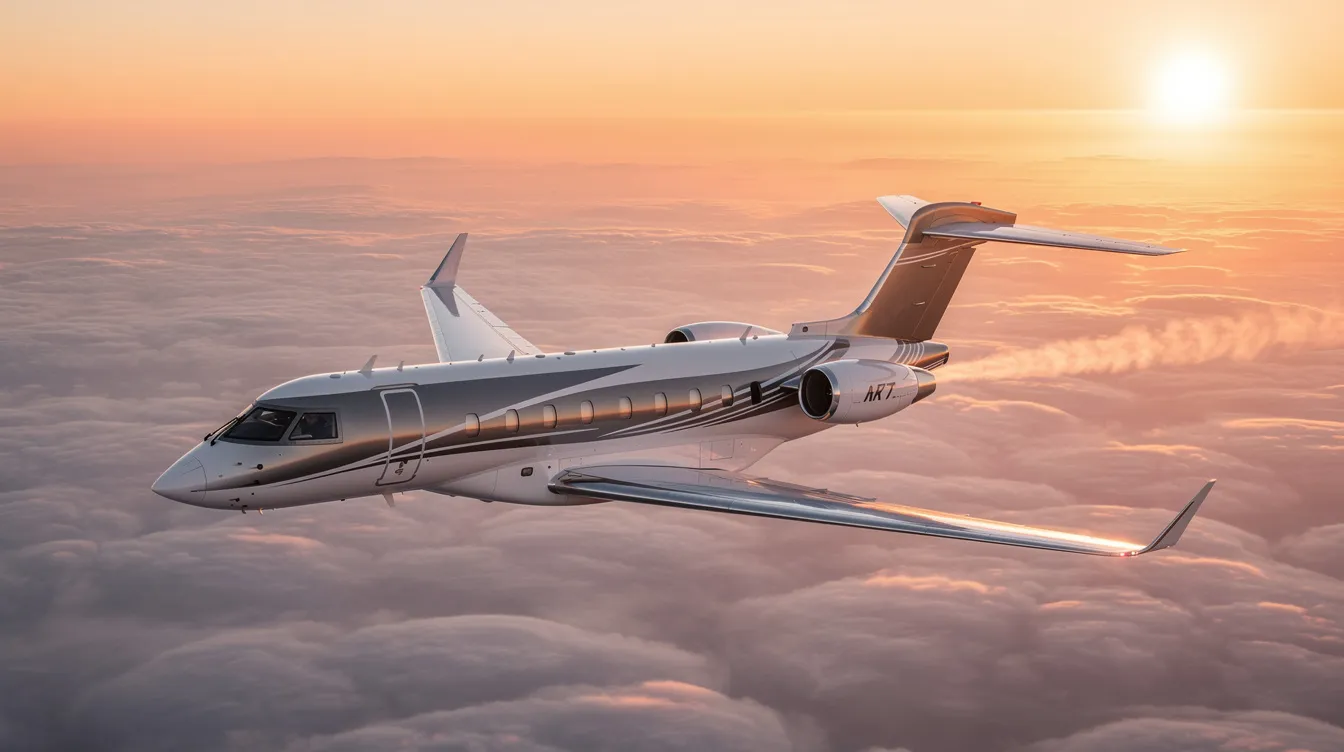
From Supersonic Records to Private Jet Reality
The fastest airplanes ever built were never designed for comfort, range efficiency, or passenger service. But the technologies forged at Mach 3 - advanced aerodynamics, titanium structures, high-temperature alloys, fly-by-wire controls - have trickled down steadily into the business jets that fly executives across continents today. Thanks to decades of research originally funded for military and experimental programs, civilian aircraft now operate at speeds and altitudes that would have been considered extraordinary a generation ago.
Aerodynamic design for high-speed aircraft reduces drag and improves efficiency. The slender fuselages, swept wings, and laminar flow surfaces developed for supersonic fighters directly inform how modern business jets achieve higher cruise speeds with lower fuel burn and operate at higher cruising altitudes than commercial airliners. Civilian aircraft are categorized by their intended use and speed, and different types of private jets sit at the top of the civilian performance spectrum.
Here is how today's planes compare:
Commercial airliners (Boeing 777, Airbus A350): Cruise at ~Mach 0.84–0.86. Maximum operating Mach number (MMO) is typically Mach 0.90–0.92, but airlines rarely fly at those limits due to fuel cost and structural considerations.
Long-range business jets (Gulfstream G650ER, Bombardier Global 7500, Dassault Falcon 8X): Cruise at ~Mach 0.85–0.90, with MMOs of Mach 0.90–0.925. High-speed cruise options allow these jets to push closer to their limits when time matters more than fuel economy.
Ultra-long-range business jets (Bombardier Global 8000, Gulfstream G700/G800): The Global 8000, certified in late 2025, holds an MMO of Mach 0.95 - the highest of any business jet - and has reached Mach 1.015 in flight testing. The G700 and G800 follow closely at Mach 0.935.
The Concorde, for historical reference, was the fastest commercial airliner ever, reaching Mach 2.04. It retired in 2003, and no commercial successor has entered service since.
The Mach number itself is a ratio of an aircraft's speed to the local speed of sound, which varies with altitude and temperature. At 40,000 feet, Mach 1 is approximately 660 mph. This is why the same Mach number represents different ground speeds at different altitudes - a detail that matters when calculating actual trip times.
A real-world scenario: An executive using a BlackJet Jet Card to fly from New York (Teterboro) to London (Luton) on a Gulfstream G700 at high-speed cruise of Mach 0.90 would complete the air segment in approximately 6.5 hours. Add 15–20 minutes of ground handling at a private jet terminal on each end, and the total door-to-door time is roughly 7–8 hours. A commercial business-class passenger flying JFK to Heathrow faces the same ~7-hour air time, but adds 2–3 hours for check-in, security, boarding, taxiing, customs, and ground transit - pushing the total closer to 11–12 hours. The private jet saves 3–4 hours, and those hours compound across dozens of trips per year.
Across aircraft categories - light, midsize, super-midsize, large-cabin, and ultra-long-range - speed, range, and cruise altitude vary considerably. For buyers comparing options, an overview of the private jet price list helps clarify how costs scale with size and performance. Smaller cabins tend to have lower MMOs and shorter ranges. Ultra-long-range jets not only fly farther without stopping but often cruise faster, making them the thing that frequent international travelers search for when optimizing their itineraries.
How BlackJet Turns Speed into a Strategic Advantage
Raw aircraft performance means nothing if you cannot access it when you need it. BlackJet exists to convert the engineering achievements of modern business aviation - the speed, the range, the altitude - into a seamless, on-demand travel experience for its members. The question is not whether a jet can cruise at Mach 0.90. The question is whether you can book that jet at 9 p.m. on a Tuesday for a departure the next morning. With BlackJet, the answer is yes.
The Jet Card Model
BlackJet's Jet Card programs, including the BlackJet 25+ Hour Jet Card, offer prepaid hourly access to private jets, eliminating the complexity and capital commitment of aircraft ownership and standing out among the best jet cards for frequent flyers and travelers who want to understand jet card pricing structures and benefits:
Flexible hour blocks - 25-hour Jet Cards, 50-hour Jet Cards, and even 100-hour Jet Card options allow members to fly as frequently or infrequently as their schedule demands, without the burden of being an owner responsible for maintenance, crew, and hangar fees.
Aircraft category selection - Members choose from multiple cabin classes that balance speed, range, and comfort for each specific mission, from options like the best private jet for 20 passengers to large-group jets for up to 50 passengers. A two-hour regional hop might call for a super-midsize jet; a transatlantic crossing demands an ultra-long-range platform.
Predictable pricing - Unlike ad-hoc charter, where rates fluctuate with demand and positioning, Jet Card cost per hour and broader Jet Card membership pricing provide cost certainty, especially when compared with Flexjet Jet Card cost structures or NetJets jet card pricing models. You know what each hour costs before you buy.
Real-Time Digital Tools
Speed on the ground matters as much as speed in the air:
24/7 mobile booking - BlackJet's digital platform lets members book a private jet or even buy a seat on a private jet at any hour, from anywhere, with real-time availability across aircraft types, whether they are flying domestically with BlackJet’s premium private jet card programs or arranging private jet charters in Karachi or private jet charters in Lahore.
Live flight support - Dedicated teams monitor every flight, managing routing changes, weather diversions, and ground coordination so members arrive without friction.
On-demand comparisons - The platform enables members to compare aircraft options by time to destination, number of stops, range limits, and cabin size - ensuring the fastest, most efficient choice for each route, whether they prioritize the top private jets for luxury and performance or the offerings of the top private jet companies.
Safety and Certification
People who fly privately deserve the highest safety standards in the air, not just the fastest planes:
BlackJet partners exclusively with operators holding top-tier safety ratings, including ARG/US Gold or Platinum and Wyvern Wingman certifications.
Every operator in the BlackJet network meets standardized safety protocols that exceed regulatory minimums - covering pilot qualifications, maintenance schedules, and operational oversight.
These are the same principles - rigorous testing, material integrity, engineering discipline - that made the fastest airplanes in history safe enough to fly at Mach 3+. The standards translate directly into private aviation.
Sustainability
Speed and responsibility are not mutually exclusive:
BlackJet ensures every journey is carbon neutral - at no extra cost to members, even when clients select cheaper private aircraft options, explore the most affordable private jets, review the best small private aircraft for every need, consider small private jet luxury travel options, or compare top private jets for sale under 10 million. This is a built-in standard, not an optional add-on.
Carbon offsets are applied to every flight, calculated based on aircraft type, distance, and fuel burn. Where available, sustainable aviation fuel (SAF) further reduces the lifecycle carbon footprint of each trip.
Flying at high-speed cruise (Mach 0.90 vs. Mach 0.85) typically increases fuel burn by 10–20% per nautical mile. BlackJet's sustainability framework accounts for this, ensuring that even the fastest flights remain carbon neutral.
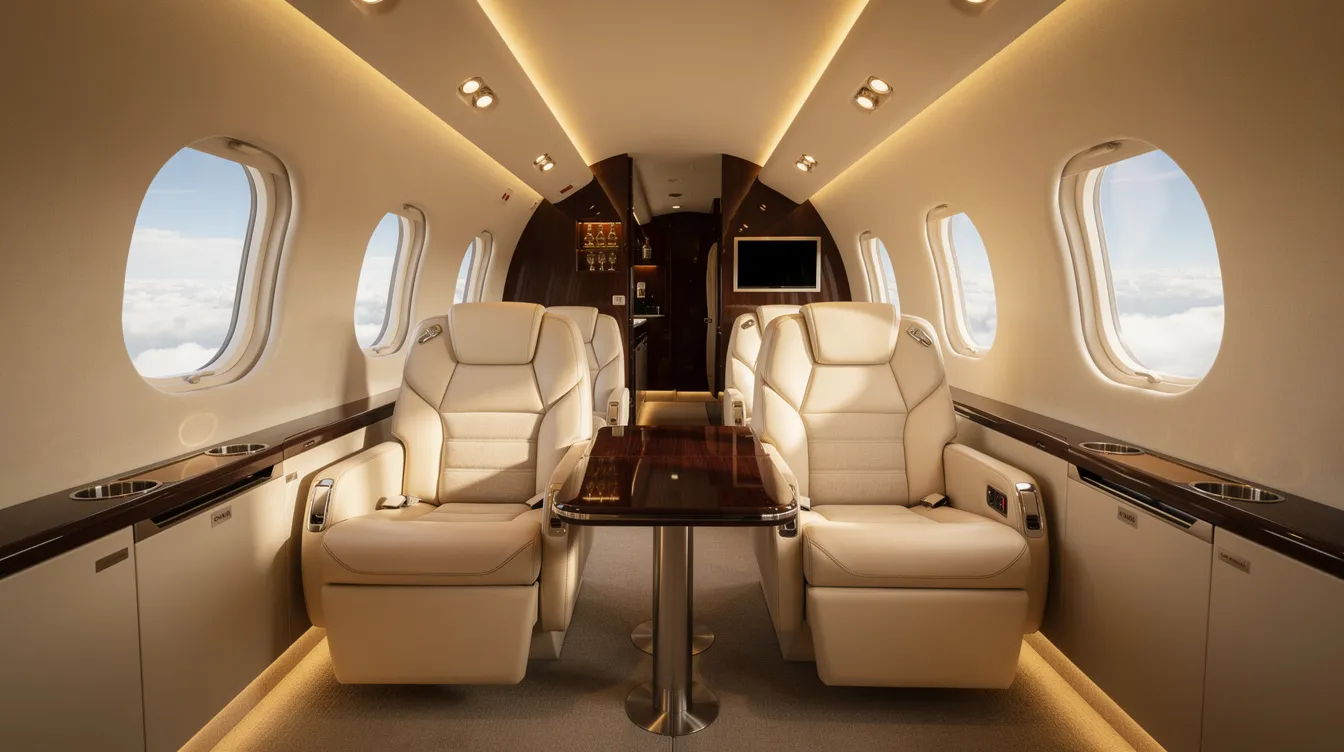
Use Cases: Speed in Action
Same-day multi-city business trip: A legal team needs to visit opposing counsel in Washington, D.C., attend a deposition in Atlanta, and return to New York - all in one day. Using a super-midsize jet with fast climb rates and point-to-point routing, the team completes all three legs in under 10 hours of total travel, something commercial aviation simply cannot deliver.
International leisure optimization: A leisure traveler plans a trip from London to the Maldives. A long-range jet flying at high-speed cruise eliminates the layover in Dubai or Doha that commercial routing requires, arriving in roughly 10 hours nonstop. Whether they rent a private jet and understand the cost considerations, evaluate 12-seater private jet pricing and options, or even look at the largest private jets for sale, the traveler gains an extra half-day at the destination - time that no number of frequent-flyer miles can recover.
The world's fastest airplanes represent the outer edge of what human engineering can achieve. Their legacy is not confined to museum displays or declassified flight logs. It lives in every composite wing panel, every fly-by-wire system, and every high-bypass turbofan that powers the business jets crossing oceans today.
For questions about how to turn that legacy into your personal travel advantage, or to leave more comments on topics you would like us to explore, BlackJet is here.
Frequently Asked Questions (FAQs) About the Fastest Airplanes and Private Jet Travel
What is the fastest airplane ever built?
The NASA X-43A holds the record as the fastest aircraft ever built, reaching speeds of Mach 9.6 (~6,700 mph) using a scramjet engine. However, it is an unmanned experimental vehicle, not used for commercial or military operations.
Which is the fastest crewed airplane?
The North American X-15 is the fastest crewed aircraft, reaching speeds of Mach 6.7 (~4,520 mph) during test flights in the 1960s. It was a rocket-powered research plane and not a commercial or military operational aircraft.
How do private jets compare in speed to these record-setting aircraft?
Modern long-range business jets cruise at speeds around Mach 0.85 to Mach 0.95, significantly slower than military or experimental jets but optimized for comfort, range, and efficiency. For example, the Gulfstream G700 can cruise at Mach 0.90, enabling faster international travel compared to commercial airliners.
What are the benefits of flying private jets at higher speeds?
Flying private jets at higher speeds saves valuable time, allowing executives and travelers to compress multi-city trips into a single day, reduce layovers, and increase productive or leisure time at destinations.
How does BlackJet ensure safety on private jets?
BlackJet partners exclusively with operators holding top-tier safety certifications such as ARG/US Gold or Platinum and Wyvern Wingman. Every flight follows rigorous safety protocols that exceed regulatory minimums, ensuring passenger safety comparable to the highest standards in aviation.
Are high-speed private jet flights environmentally responsible?
Yes. BlackJet provides carbon-neutral flights by purchasing carbon offsets and using sustainable aviation fuel where available. Even flights at higher cruise speeds, which typically consume more fuel, are balanced within BlackJet’s sustainability framework to ensure no net carbon emissions.
How can I access these fast private jets?
Through BlackJet’s Jet Card programs, members gain prepaid, flexible access to a fleet of private jets across multiple cabin classes. The 24/7 digital booking platform and real-time support allow members to secure aircraft with short notice, turning speed performance into a practical travel advantage.
Who should consider joining a Jet Card program?
Frequent business travelers, high-net-worth individuals, and anyone valuing time savings, privacy, and convenience in travel benefit from Jet Card programs. They eliminate the complexities of ownership while providing predictable pricing and access to the fastest jets available.
How do jet speeds affect flight costs?
Flying at higher speeds generally increases fuel consumption by 10–20% per nautical mile, which can raise operational costs. Jet Card pricing accounts for these factors to provide transparent, predictable hourly rates regardless of speed preferences.
Conclusion: Harnessing the Legacy of Speed for Your Private Jet Experience
The top 10 fastest airplanes in the world showcase the pinnacle of aviation engineering—machines designed to push the boundaries of speed, altitude, and technology. While these extraordinary aircraft remain primarily in the military and experimental realms, their innovations have profoundly shaped the private aviation industry. Today's business jets, accessible through BlackJet's Jet Card programs, embody this legacy by offering unprecedented speed, safety, and comfort tailored to the needs of discerning travelers.
For executives and high-net-worth individuals, speed is more than a record; it is a strategic asset that transforms how you manage time and distance. BlackJet’s commitment to rigorous safety certifications, carbon-neutral operations, and state-of-the-art digital booking tools ensures that accessing the fastest private jets is seamless, responsible, and reliable.
Elevate your travel experience by joining BlackJet’s Jet Card program—where the heritage of aviation speed meets modern luxury and sustainability. Discover how effortless, premier private jet access can redefine your journey, giving you the freedom to move faster, smarter, and greener than ever before.


 Sign up with google
 Sign up with Apple