Introduction: Why First Class – And Why Some Travelers Go Private Instead
For high-net-worth and executive travelers, the best tips for flying first class are straightforward: use miles and credit card bonuses to book premium seats, choose routes and departure times where the cabin’s extra privacy and sleep value are highest, dress in polished business-casual attire, prepare with hydration and airline apps before departure, and plan dining and rest so you land ready to work. Flying first class is less about champagne flutes and more about arriving rested, protecting privacy, and reclaiming hours lost to commercial airport chaos. Priority services, enhanced dining, and a quieter cabin with fewer passengers turn a long-haul flight from an endurance test into a strategic advantage when you need to sleep, work, or simply decompress before a critical meeting.
Consider the New York–London overnight corridor. A first-class ticket on a flagship carrier like Emirates puts you in a private suite with a closing door at 40,000 feet. A BlackJet 25-hour Jet Card puts you on a private aircraft departing Teterboro on your schedule, bypassing JFK entirely, and can be a stepping stone to larger commitments like a 100-hour jet card program if your travel volume justifies it. Both outperform economy class and standard business travel by orders of magnitude, but they serve different strategic purposes, which is why this guide also breaks down first class versus business class, airport and cabin etiquette, upgrade and miles strategy, and when private aviation becomes the smarter move.
BlackJet is a private aviation company offering Jet Cards-prepaid blocks of flight time across multiple aircraft categories-with 24/7 digital booking, proprietary safety certification, and carbon-neutral operations included at no extra cost. For travelers who already fly often and want to maximize every premium booking-or decide when commercial first class no longer matches their schedule, privacy, or productivity needs-it represents the logical next step.
First Class vs Business Class: What You're Really Buying
The gap between first and business class varies dramatically across different airlines and routes. On a long-haul international flight aboard Emirates' A380, first class cabins feature fully enclosed suites with sliding doors, an onboard shower spa, Bvlgari amenity kits, and chauffeur-driven transfers. First class typically includes gourmet meals served course-by-course, and first class often includes designer amenity kits and pajamas that elevate the experience beyond what any business class cabin offers.
Business class on international routes-Qatar Airways' Qsuites, for example- features lie-flat beds and closing doors, but with less space, fewer ultra-luxury touches, and a higher passenger-to-crew ratio. Business class often features lie-flat beds but less privacy than true first class suites.
On domestic routes, the distinction blurs further. Delta Air Lines and American Airlines label their wider-seat, extra-legroom cabins as "first," but most short-haul first class seats are recliners, not lie-flat seats. First class seats often recline to lie flat beds on long-haul flights, but rarely on two-hour hops.
Both first and business class share perks: priority check-in, lounge access, amenity kits, and better meal service. The differences lie in cabin size, service personalization, and the degree of privacy. First class passengers enjoy exclusive access to premium lounges with à la carte dining, while business class passengers typically share larger, busier facilities.
The concept of class worth comes down to this: when does the price difference from business to first justify itself? On 10-plus-hour overnight international flights with a morning meeting on arrival, the answer is usually yes. On a three-hour domestic flight, business class captures most of the benefit at lower cost.
For travelers benchmarking against private aviation, BlackJet offers light, midsize, super-midsize, and large cabin categories that often surpass even flagship business classes and first class in flexibility and privacy, mirroring the broader range of private jet types available on the market.
Before You Book: Decide If First Class Or Private Makes Sense
Not every flight warrants the investment in a first class ticket. On short domestic hops-Dallas to Chicago, for instance-the marginal benefit of first over premium economy rarely justifies the cost. Long-distance flights and overnight international routes are where premium cabin comfort pays for itself in rest and productivity.
Here are a few tips for deciding:
Cash vs. miles: Premium cabin redemptions can deliver exceptional value. Use credit card bonuses and transfer partners before paying cash.
Time saved: Factor in accelerated check-in, baggage handling, and customs fast-track. These compound on long flights.
Arrival performance: If you have a board meeting eight hours after landing, first class sleep quality is a strategic investment.
Midweek and red-eye flights are less likely to be full, making upgrades and discounted first class seats more attainable on those schedules.
When should you consider a BlackJet Jet Card instead? Multi-city itineraries in one day, flights to secondary airports like Teterboro or Van Nuys, or trips where schedule control and discretion matter more than onboard frills. High-frequency travelers should compare their annual premium-cabin spend with the cost of a 25-hour Jet Card and broader jet card membership pricing to understand long-term value.
Dress Code And Presentation: Looking Like You Belong Up Front
Most airlines don't enforce a strict dress code for first class, but there's an unspoken standard. Business-casual attire is preferred in first class, and how you present yourself shapes how cabin crew and fellow passengers engage with you. First class passengers should dress in elevated comfort attire—think polished, not flashy.
For men and women alike:
Tailored trousers or clean dark jeans
Collared shirt or elegant knit
Blazer or structured jacket
Clean leather loafers, low-profile sneakers, or polished flats
Do:
Wear comfortable, layered clothing to adapt to temperature changes in the cabin—premium cabins can run cool.
Board in polished attire, change into airline-provided loungewear once airborne, then switch back before landing.
Keep accessories refined rather than loud (e.g., a clean watch, a quality carry-on bag, and minimal branding).
Don't:
Wear flip-flops (not appropriate for international first class).
Wear gym clothes or overly casual attire.
Wear shorts on international routes (acceptable in domestic first class if warm, but not ideal).
Many airlines provide pajamas for long-haul first class flights on carriers like Emirates, Qatar, and Singapore Airlines.
Private travelers with BlackJet can dress for their destination rather than the terminal, but still benefit from an understated, professional look when time flying is also business time, regardless of whether they’re flying with BlackJet or one of the top private jet companies in the market.
Pre-Flight Strategy: Apps, Hydration, And Smart Packing
The first class flight experience starts 24 to 48 hours before departure, not at the boarding door.
Hydration:
Stay hydrated by drinking plenty of water during the flight, but start the day before.
Electrolytes like LMNT or Liquid I.V. help offset cabin dryness.
Bring a refillable bottle—many premium lounges have filtered water stations.
Tech prep:
Download airline apps for Delta, American Airlines, Qatar, or Emirates to monitor seat maps, upgrade offers, and digital boarding passes.
Pre-order meals via the airline app to secure your first choice on meal service.
For BlackJet clients, the brand's digital platform handles mobile booking and real-time flight support.
Packing essentials:
One structured carry-on (Tumi, Rimowa, Briggs & Riley) plus a slim personal item
Keep personal items organized within your suite or designated bins
Passport, laptop, chargers, and amenity kit items in easily accessible pockets
Arrive at the airport 2 to 3 hours early to access priority security lanes and make full use of lounge amenities.
For private jet travelers, the flexibility to bring golf clubs, presentation materials, or bulky gear without overhead bin stress is a meaningful advantage—but keeping the cabin clutter-free supports both safety and aesthetics, especially when you’ve matched your trip to the right private jet size.
At The Airport: Lounges, Lines, And How Not To Look Overwhelmed
First class passengers enjoy priority check in and boarding, along with expedited security and fast-track immigration on select international routes. Gate agents and dedicated counters handle premium travelers first, which saves meaningful time at congested hubs.
First class offers access to exclusive airline lounges that differ substantially from business class facilities. The Lufthansa First Class Terminal in Frankfurt, Air France La Première in Paris, and the Emirates First Class Lounge in Dubai offer à la carte fine dining, spa-style showers, and premium champagne. On select carriers, first class passengers may also have access to a flagship lounge before departure. Utilize dedicated first-class lounges for complimentary meals and relaxation before boarding—it's one of the most underused perks of a first-class ticket.
Etiquette tips for the lounge and gate:
Don't overindulge in free drinks before boarding—moderation sets the tone
Avoid loud phone calls; respect quiet zones
Keep laptop work discreet; avoid filming other passengers without consent
Avoid hovering near the boarding door before boarding begins; approach calmly when priority boarding is announced
Walk down the jet bridge with purpose, stow bags swiftly, and settle into your seat without blocking the aisle.
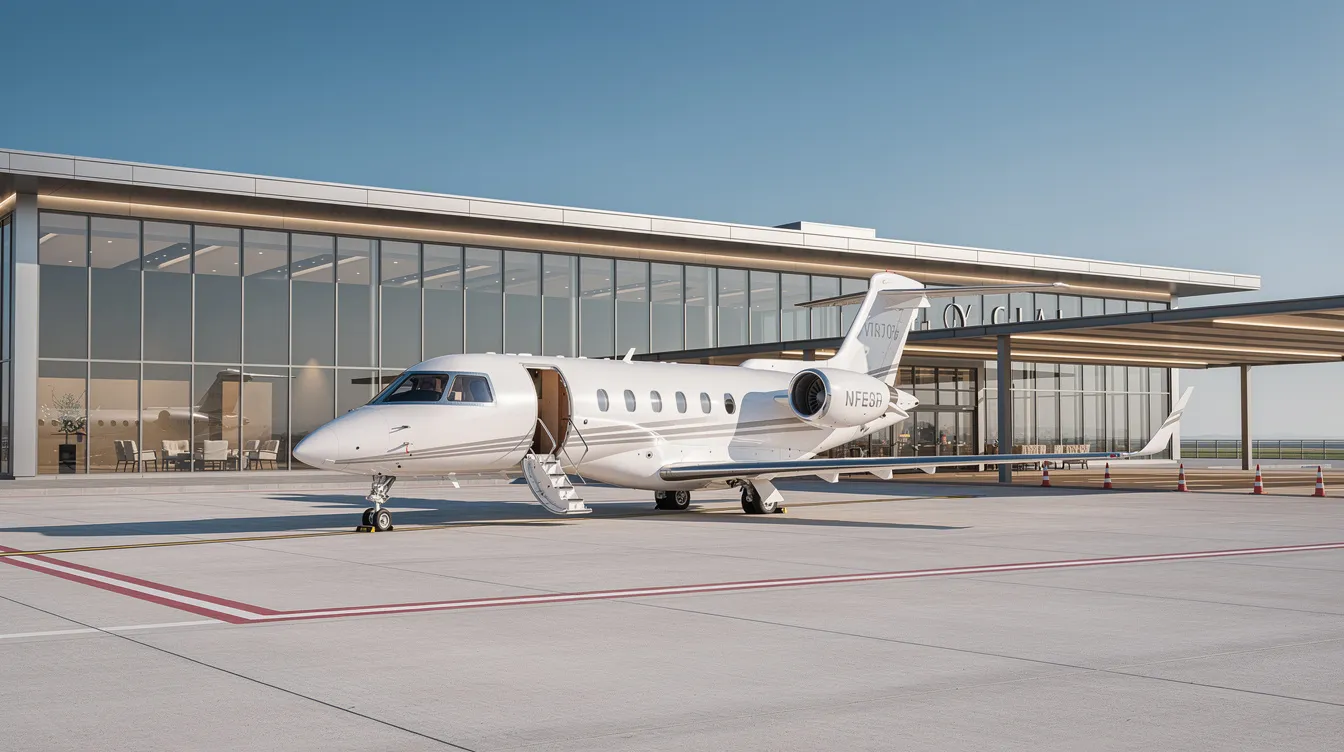
The contrast with private aviation is stark. BlackJet clients arrive at a private terminal (FBO) just 20 to 30 minutes before departure, walk directly to the aircraft, and skip check-in and security queues entirely—while still clearing required screenings in a streamlined, private environment and cruising at higher private jet altitudes above most commercial traffic.
Cabin Etiquette: How To Behave In First And Business Class
The difference between a first-time flying first traveler and a seasoned class passenger is almost entirely behavioral—grace, spatial awareness, and quiet confidence.
Seat and space:
Use only your assigned overhead bin section; don't rearrange other passengers' belongings
In suites with doors, close them properly but remain accessible for flight attendants
Avoid encroaching on adjacent armrests or ottomans in both first and business class
Noise and devices:
High-quality noise-cancelling headphones are essential on long flights
Keep phone calls to an absolute minimum; many airlines discourage voice calls entirely in the premium cabin
Speak softly to fellow passengers and crew
Interaction with cabin crew:
First class passengers can expect personalized greetings and pre-departure drinks upon boarding
Engage with flight attendants by communicating your preferences early—sleep schedule, meal timing, drink preferences
Be courteous with service requests to enhance the travel experience
Use the call button sparingly but confidently; avoid asking "Is this free?" in first class—assume inclusivity
Use available seat features such as electronic recline and massage settings for comfort without hesitation
On a BlackJet-arranged flight, service is even more personal—crew is often aware of your preferences from prior trips, and many aircraft come from the ranks of the world’s best private jets in terms of comfort and performance. Still, treat them as the professionals they are, not as personal staff. The tone should be warm, direct, and respectful.
Dining, Drinking, And Sleep: Maximizing The Onboard Experience
First and business class cabins function as a restaurant, cocktail bar, and bedroom in one. Strategy matters if you want to arrive ready to perform rather than recover.
Dining:
On international flights, expect multi-course first class meal service—caviar on ice, made-to-order entrées, dessert trolleys.
Passengers receive gourmet meals served on real china, a tangible step above business class tray presentations.
If you plan to sleep soon after takeoff, pre-select a lighter option or dine early using on-demand service where available.
Drinks:
First class includes complimentary alcoholic beverages during the flight, including rare vintage Champagnes and top-shelf spirits.
Keep drink orders simple to facilitate service efficiency, and avoid alcohol in excess.
Alternate every glass with water—the cabin air at altitude accelerates dehydration.
First class passengers should avoid excessive drinking to maintain decorum.
Sleep:
Convert your seat into a lie-flat bed, request the mattress topper and duvet, and adjust your seat belt so the crew can see it without waking you.
Utilize amenities such as blankets, pillows, and amenity kits provided by the airline.
An eye mask and earplugs from the amenity kit are non-negotiable on long-haul overnight flights.
Hot towels before sleep and upon waking are a small ritual that signals the transition.
On a BlackJet flight, meals can be fully customized in advance to dietary needs, and the cabin remains dark and quiet on your schedule—not the airline's standard service flow, whether you're in a light jet for two or a spacious 16-seat private jet for your leadership team.

Upgrades, Miles, And Last-Minute Deals On First Class
Many passengers in first and business class did not pay full price for their business class tickets or first class seats. Frequent fliers leverage miles, elite status benefits, and last-minute offers to fly first at a fraction of retail.
Common upgrade paths:
American Airlines Executive Platinum members can use systemwide upgrades to move from business to first on international routes
Delta Air Lines and United Airlines offer complimentary and mileage-based upgrades for top-tier elites
Emirates offers cash and mile-based upgrades at online check-in
Miles and points: Premium cabin redemptions often deliver exceptional value-70,000 to 120,000 miles one-way for a transatlantic or transpacific first class flight depending on the carrier and program.
Discount windows: Airlines often release discounted first-class seats 24 to 72 hours before departure when cabins are undersold. Checking your reservation periodically can pay off for discounts. Book seats via the app during this window-many passengers miss these offers simply by not looking.
For frequent fliers who constantly chase upgrades, the unpredictability grows tiresome. A BlackJet Jet Card locks in hourly rates and aircraft category rather than relying on last-minute luck, with non-expiring hours that eliminate rush-booking pressure—whether you start with a 50-hour jet card or scale to higher tiers.
When First Class Isn't Enough: Why Some Travelers Choose Jet Cards
Picture a CEO who needs to visit New York, Chicago, and Dallas in a single day for board meetings, then return home that evening. Even the best commercial first class schedules can't accommodate that itinerary without overnight stays, missed connections, or arrival exhaustion. A private jet solves it in hours, especially when you choose among the different types of private jets designed for varied trip lengths and group sizes.
A Jet Card is a prepaid block of flight time-typically 25 or 50 hours-granting guaranteed access to private aircraft across multiple cabin categories at fixed hourly rates with simplified digital booking, built on transparent jet card pricing structures.
How Jet Cards compare:
Option | Upfront Cost | Flexibility | Safety Consistency | Asset Risk |
|---|
Jet Card (BlackJet) | Moderate deposit | High | Proprietary certification | None |
Fractional Ownership | Very high | Moderate | Operator-dependent | Significant |
Ad-hoc Charter | Per-trip | Variable | Inconsistent | None |
BlackJet's pillars set it apart: proprietary safety certification that exceeds standard ARGUS and Wyvern audits, carbon-neutral flights by default through 300% offsets at no extra cost, and a digital booking experience with 24/7 real-time support that underpins its premium private jet card programs.
Private aviation beats even the finest first-class flight when you need access to smaller airports closer to your final destination, require confidentiality for sensitive negotiations, want the entire cabin for your family or team, or face last-minute schedule shifts that commercial airlines simply cannot accommodate—and when you understand jet card cost per flight hour, the trade-offs become clearer. For many passengers who've reached the ceiling of luxury travel on commercial carriers, a Jet Card is the plane upgrade that changes the equation entirely, especially when you compare the best jet cards for frequent flyers against repeated first-class fares.
Frequently Asked Questions About Flying First Class
Q: What are the main differences between first class and business class cabins?
A: First class cabins typically offer more privacy, fewer passengers, gourmet multi-course meals served on real china, designer amenity kits, and often lie-flat beds with enclosed suites. Business class provides lie-flat beds on many international routes but with less privacy and fewer luxury touches.
Q: How should I dress when flying first class?
A: Business-casual attire is preferred, including tailored trousers or dark jeans, collared shirts or fine knits, and polished shoes. Avoid flip-flops, gym clothes, and shorts on international flights. Many airlines provide pajamas for long-haul first class flights.
Q: How can I increase my chances of upgrading to first class?
A: Flying midweek or on red-eye flights can improve availability. Elite status members may use systemwide or mileage upgrades. Airlines sometimes release discounted first-class seats 24 to 72 hours before departure, so checking your reservation regularly helps.
Q: What amenities can I expect in first class on long-haul international flights?
A: Expect lie-flat seats or suites with doors, gourmet meals and premium beverages, luxury amenity kits, pajamas, and access to exclusive lounges with à la carte dining and spa services.
Q: When is it better to consider a private jet over first class?
A: Private jets offer unmatched schedule flexibility, privacy, and access to secondary airports closer to your destination. For high-frequency travelers or complex itineraries, a Jet Card can provide better value and convenience than repeated first-class bookings.
Bottom Line: Choosing The Right "First Class" For Your Travel Style
Flying first or business class on commercial airlines is a significant step up from the main cabin—better sleep, priority services, and a level of service that protects your time and energy. But high-frequency or high-stakes travelers often find that private jet solutions deliver even greater strategic value.
Here's a quick framework: evaluate flight duration, purpose, privacy requirements, and schedule flexibility. Run an annual cost comparison between repeated first class tickets and a BlackJet Jet Card. The numbers may surprise you.
On etiquette: dress with understated polish, respect shared space, use amenities confidently without excess, and maintain a calm, experienced demeanor—even on your first time flying first. Expect the best from the experience, and give your best in return.
Whether you're optimizing your next first class flight or ready for the flexibility that only private aviation provides, the goal is the same: arrive ready to perform—whether you book entire aircraft or simply buy a seat on a private jet on key routes. Explore how BlackJet can reshape your travel with seamless, carbon-neutral private jet access built around your schedule, not the airline's, including options that mirror the most affordable private jet solutions for cost-conscious flyers.


 Sign up with google
 Sign up with Apple


