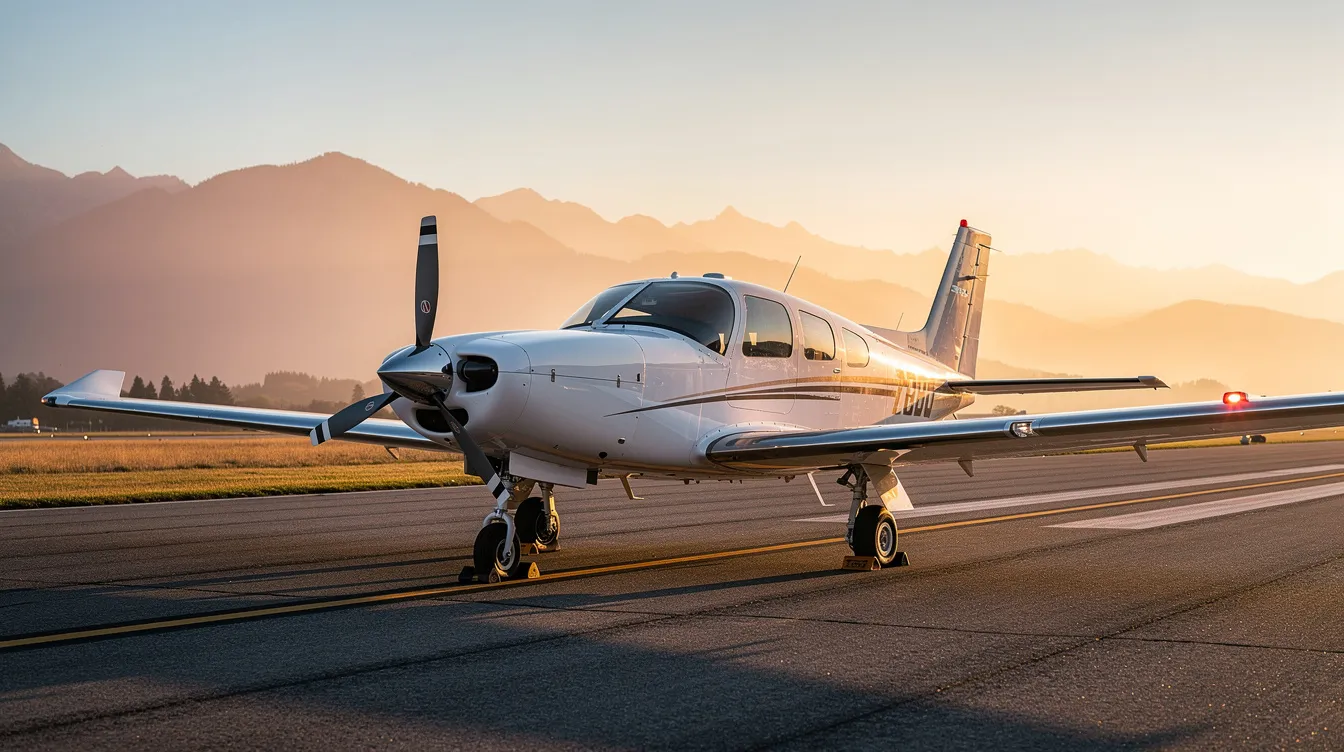
Are you searching for the smallest plane you can buy in 2026? Whether you’re a prospective buyer, a pilot, or an aviation enthusiast, understanding the range of the smallest aircraft available is essential for making informed decisions about cost, mission fit, and regulatory requirements. This article covers the full spectrum—from ultralight single-seaters and two-seat trainers to high-performance pistons and the world’s smallest private jets. We’ll explore what “smallest” means in aviation, highlight the absolute smallest planes you can purchase, and explain why knowing your options matters for your flying goals, budget, and legal compliance.
The phrase “smallest plane you can buy” refers to aircraft that are minimal in size, weight, and complexity, yet still available for purchase and flight in 2026. This guide will walk you through both ultralights and small jets, helping you match your needs—whether you dream of affordable weekend flying or require pressurized comfort for business travel.
At-a-Glance: The Absolute Smallest Planes You Can Buy in 2026
Here’s a quick summary of the smallest planes available for purchase, their weights, and key notes:
Model | Type | Empty Weight | Seats | Notes |
|---|
Aerolite 103 | Ultralight | ~235 lb | 1 | Part 103-compliant, no license required |
Woopy-Fly | Ultralight | 123 lb | 1 | Among the lightest powered aircraft |
Airbike | Ultralight | 300 lb | 1 | Extremely affordable, kit-built |
Mini-MAX 1100R | Ultralight (kit) | ~250 lb | 1 | Budget-friendly, kit-built |
Colomban Cri-Cri | Ultralight (twin) | 260–300 lb | 1 | Smallest twin-engine manned aircraft |
BD-5J | Experimental Jet | ~358 lb | 1 | Historically, the smallest jet was not practical for purchase today |
Cirrus Vision Jet SF50 | Very Light Jet (VLJ) | ~3,550 lb | 5–7 | Smallest private jet, pressurized, single engine |
Note: Smallest planes typically have single seats and weigh under 254 lb. The Cirrus Vision Jet SF50 is often cited as the world’s smallest private jet.
How "Smallest Plane You Can Buy" Is Defined
“Smallest” in aviation can refer to several factors: physical size, seating capacity, weight category, or minimum budget. The answer shifts depending on which dimension you prioritize.
Part 103 Ultralights are single-seat lightweight aircraft, and the smallest planes typically have single seats and weigh under 254 lb. In the U.S., the lightest regulatory category is FAR Part 103, which governs these ultralights. Part 103 ultralights are limited to a maximum empty weight of 254 lb, fuel capacity capped at 5 U.S. gallons, top speed no greater than 55 knots, and stall speed at or below 24 knots. European ULM and microlight rules allow somewhat heavier machines—often up to 450 kg gross weight—with two seats in some categories.
Many of the absolute smallest light aircraft are kits or experimental builds, not certified under standard FAA categories. They excel at solo sport flying but cannot serve as business travel tools. Moving up from there, Light Sport Aircraft add a second seat, more speed, and require at least a Sport Pilot certificate. Above that, certified four-seat pistons and very light jets bring serious range and payload.
Fuel capacity, payload, and range increase sharply as you step from ultralights through certified pistons to jets. BlackJet focuses squarely on the smallest serious business aircraft segment—VLJs and light jets—because safety, range, and cabin comfort are non-negotiable for members, and understanding private jet size categories and use cases is central to matching aircraft to mission.
Next, let’s look at the specific models that define the smallest planes you can buy in 2026.
Smallest Plane You Can Buy: Quick Answer For 2026
The absolute smallest flyable airplane you can buy in 2026 is a single-seat ultralight like the Aerolite 103, which tips the scales at roughly 235 lb empty, carries 5 gallons of fuel, and meets FAR Part 103 rules. These aircraft cost as little as $25,000–$35,000 ready to fly. For those who want to explore aviation history’s extremes, the Bumble Bee II is recognized as the smallest piloted airplane in history, while the BD-5J is historically the smallest jet aircraft—though neither is a practical purchase today.
For private aviation in a business or family context, the smallest practical jet is the Cirrus Vision Jet SF50, often cited as the world’s smallest private jet. It seats up to five adults, cruises around 300 knots, and covers roughly 1,200 nm nonstop. The trade-offs are stark: the tiniest ultralights are inexpensive and thrilling but limited to short, local flights; small jets like the Cirrus Vision Jet or HondaJet Elite II deliver pressurized comfort and reliability for regional business travel.
“Smallest” should always be considered in terms of mission—weekend flying, executive travel, or learning to fly each demand a different airplane. For those who want access to the smallest capable jets without the burden of ownership, BlackJet offers a Jet Card membership that puts light jets and VLJs within reach, aligning closely with strategies for using the cheapest private aircraft and access models to control total travel costs.
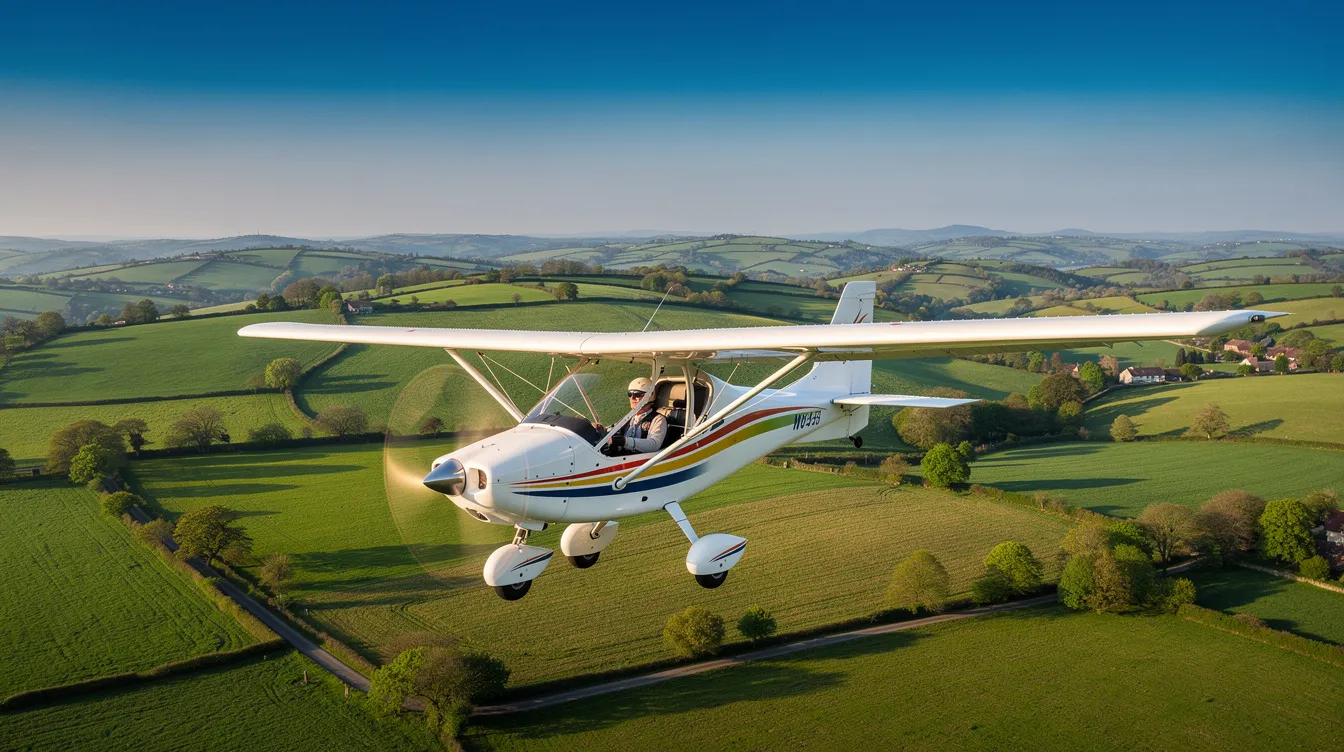
Now, let’s dive deeper into the smallest ultralight aircraft and single-seat airplanes you can buy.
Smallest Ultralight Aircraft And Single-Seat Airplanes You Can Buy
Part 103 Ultralights are single-seat lightweight aircraft, and ultralights require no pilot’s license, registration, or medical certificate to operate in the U.S. Most ultralights are constructed using small 2-stroke or 4-stroke engines, and ultralights are limited by law to under 55 knots at full power. These aircraft are the true “smallest planes you can buy” by weight and simplicity.
Key Models and Specs
Popular Ultralight Models:
Aerolite 103: Factory-built Part 103 ultralight aircraft with an empty weight of around 235 lb and a maximum takeoff weight of 550 lbs. Fuel capacity is fixed at 5 gallons. Ready-to-fly price: $25,000–$30,000.
Woopy-Fly: An empty weight of just 123 lbs makes it one of the lightest powered aircraft available.
Airbike: Weighs 300 lbs and costs USD 2,850—among the most affordable ways into the air.
Mini-MAX 1100R by Team Mini Max LLC: Costs USD 4,795 as a kit, offering a budget-friendly single-seat build.
Belite UltraCub: An empty weight of 278 lbs with short-field capability.
DAR Solo: A maximum takeoff weight of 485 lbs with a clean composite design.
Hummel Aviation HummelBird: All-metal single-seat homebuilt, empty weight around 400–500 lb depending on build, cruise near 120 mph, kit cost well under $20,000.
M Squared Aircraft single-seat models (e.g., M-Squared Breese): Tube-and-fabric construction, high-lift wing, aimed at stable low-speed flying.
Colomban Cri-Cri: The smallest twin-engine manned aircraft in the world, with a maximum takeoff weight of 380 lb. The Cri-Cri can perform aerobatics, including loops and rolls.
Ultralight Limitations
Single-seat only: No passengers allowed.
Minimal or no cabin: Open cockpit or basic enclosure.
VFR daylight only: No night or instrument flying.
Fuel capacity: Capped at 5 gallons, limiting range to roughly 60–100 miles.
Speed: Ultralights are limited by law to under 55 knots at full power.
Storage and Transport
Trailerable: Many ultralights can be trailered instead of hangared, dramatically reducing storage costs.
Low maintenance: Simple systems and construction keep upkeep affordable.
Ultralights are for sport flying, not transportation. For those needing more capability or a second seat, two-seat trainers offer a practical next step.

Smallest Two-Seat Planes For Training And Personal Use
Two-seat trainers form the bridge between recreational ultralights and serious travel aircraft. They offer shared flight training, some cross-country capability, and more robust flight characteristics than any single-seater.
Classic Two-Seat Trainers
Cessna 150/152: The iconic two-seat trainer. A used Cessna 150 costs around $30,000; higher-end examples reach $70,000. Fuel burn runs 5–7 gph, cruise around 100–110 KTAS. The Cessna 172 Skyhawk is best for pilot training, but the 150/152 remains the most affordable entry.
Piper PA-38 Tomahawk: Similar training role, with used prices starting around $40,000 and solid spin-training characteristics.
Modern Light Sport Aircraft
Texas Aircraft Colt
ICON A5
New prices typically under $300,000, fuel-efficient engines, and simplified avionic suites tailored to new pilots.
To fly these certified two-seat aircraft, you need, at a minimum,m a Sport Pilot certificate or a Private Pilot License. Ongoing recurrent pilot training is essential for safe operation. Comfort is basic—tight cabins, limited baggage—and range sits around 200–400 nm with reserves. They are among the smallest planes you can buy with two seats, but they sit far from modern jets in performance and cabin comfort.
If you need to carry more passengers or fly longer distances, four-seat pistons offer the next level of capability.
Smallest Practical Family And Cross-Country Pistons
For owner-pilots wanting to carry a family of three or four on trips of 500–1,000 nm, the smallest truly practical airplanes are four-seat, high-performance pistons rather than trainers or ultralights. A wider guide to the best small private aircraft for each need can clarify which models balance cost, speed, and safety.
Key Four-Seat Models
Cessna 172 Skyhawk: The four-seat benchmark, roughly $500,000 new in 2026 and $90,000–$350,000 used. Cruise speed of ~120 KTAS and range around 600–700 nm. For heavier hauling, the Cessna 206 Turbo Stationair HD has a useful load of ~1,400 lbs, earning it the nickname "SUV of the skies."
Cirrus SR22T: The best-selling personal aircraft since 2003. Max range of ~1,100 nm, turbocharged cruise of 180–210 KTAS, and new price near $950,000–$1.1M. The Cirrus Airframe Parachute System has saved over 100 lives, making Cirrus aircraft a benchmark for safety among single-engine planes. The Piper M350 is the only pressurized aircraft on this list of piston aircraft.
Diamond DA40 and DA50 RG: Composite four-seaters balancing fuel efficiency and modern avionics. The Diamond DA50 RG has a cruise speed of ~180 KTAS and entered the U.S. market in 2024.
These aircraft differ sharply from the smallest planes: larger fuel capacity, IFR-capable avionics, and meaningful useful load. Operating costs rise accordingly—fuel burn of 10–18 gph, larger maintenance budgets, and higher insurance, which is why comparisons with the cheapest private aircraft that still work for travel are so common at this stage. Many pilots who later step into a Cirrus Vision Jet or turboprop for personal use start by owning a high-performance piston like the SR22T.
For those seeking pressurized comfort and true jet performance, the smallest private jets—VLJs—are the next step up.
The Smallest Private Jets You Can Buy: Very Light Jets (VLJs)
Very Light Jets (VLJs) and compact single-engine aircraft are the most accessible entry point to private aviation. VLJs represent the smallest cabin-class jets with pressurization, typically seating 4–6 passengers and certified for single-pilot operation.
Leading VLJ Models
Cirrus Vision Jet (SF50): Single engine, cruise around 300 KTAS, range ~1,200 nm, new price ~$3.24M. Includes a whole-airframe parachute system, seating for 5 adults plus 2 children, Garmin Perspective+ avionics, and Safe Return autoland system.
HondaJet Elite II: Twin turbofan with over-wing engine mounts. Cruise ~422 KTAS, range around 1,547 nm with four passengers, and a belted lavatory. Price range around $6.95M.
Embraer Phenom 100EV: Cruise around 400 KTAS, range ~1,175–1,200 nm, seating 4–6 in enhanced comfort, priced around $4.75M.
VLJ Features and Safety
Modern avionics: Synthetic vision, terrain awareness, and advanced automation.
Safety: Redundant systems, autothrottle, weather radar, and in some cases, whole-plane parachutes and autoland.
Regulatory requirements: Private Pilot License, instrument rating, type-specific flight training, and compliance with stringent safety standards.
These aircraft represent the smallest jets commonly used in professional private aviation and Jet Card fleets, accessible without capital-intensive aircraft ownership.
Next, let’s compare the smallest ultralights and the smallest jets to highlight their differences and help you choose the right fit.
Comparing The Smallest Ultralights vs. the Smallest Jets
Ultralights and VLJs occupy opposite ends of the smallest plane spectrum: one optimized for minimal cost and simple systems, the other for speed, safety, and cabin comfort. Many buyers also look at the cheapest private jet options that sit between these extremes.
Key Comparisons
Size and weight: A Part 103 ultralight at ~254 lb empty weight versus a HondaJet Elite II with a maximum takeoff weight of ~11,100 lb. The scale difference is roughly 40 to 1.
Fuel and range: Ultralights carry at most 5 gallons of fuel for hops under 100 miles. VLJs carry hundreds of gallons—the HondaJet Elite II holds ~468 U.S. gallons usable—and cover 1,200–1,500 nm nonstop.
Speed: 50–80 mph for ultralights versus 300–420 knots true airspeed for the small jet category.
Seating: Single seat versus 4–6 passengers with dedicated baggage space and, in some models, a full lavatory.
Regulation: No formal pilot certificate for U.S. ultralights, though strong informal training is recommended. Jets require a Private Pilot License, an instrument rating, type-specific flight training, and compliance with stringent safety standards.
Safety: Ultralights rely on low energy and simple systems, with high weather exposure. VLJs feature redundant systems, pressurization, weather radar, advanced avionics, and in some cases whole-plane parachutes and autoland—safety features that make a real difference in operation.
Ultralights are for pure recreational flying. VLJs are the smallest serious business and family travel aircraft. BlackJet specializes in the latter, putting this level of reliability and cabin comfort within reach via Jet Card membership.
Understanding the cost implications is crucial before making a purchase or choosing an access model. Let’s break down what it really costs to buy and operate the smallest planes.
What It Really Costs To Buy The Smallest Planes
The purchase price is only the beginning. Operating costs, insurance, hangar space, training, and maintenance often exceed the initial check over the life of any airplane.
2026 Purchase Price Ranges
Category | Examples | Approximate Price |
|---|
Single-seat ultralights | Aerolite 103, Airbike, Mini-MAX | $2,850–$40,000 |
Two-seat used trainers | Cessna 150/152, Piper Tomahawk | $30,000–$80,000 |
New four-seat pistons | Cessna 172, Cirrus SR22T | $500,000–$1.1M |
Very light jets | Vision Jet, HondaJet Elite II, Phenom 100EV | $3M–$7M+ |
Key Operating Cost Drivers
Fuel: $2,500 to $5,000 annually for 100 hours flown on a small piston. Light jets run 60–100+ gph, scaling cost significantly.
Maintenance: Annual inspections for small planes range from $750 to $2,000. Maintenance costs can be 10 to 45 percent of yearly operating expenses for more complex aircraft.
Hangar or tie-down: $300–$600 per month at typical airports; metro-area hangars can exceed $1,000 monthly.
Insurance and training: Premiums are tied to pilot experience and aircraft value; recurrent training is mandatory for jets.
Total annual costs: Typical annual expenses for a small plane range from $8,000 to $12,000 before fuel. VLJs run into hundreds of thousands annually.
BlackJet Jet Cards offer a cost-effective alternative—access light jet capabilities without tying up $3M–$7M in an asset plus unpredictable annual costs. Readers comparing programs can benefit from a dedicated guide to understanding overall jet card cost and pricing.
Next, let’s review the pilot training requirements for each aircraft category.
Pilot Training Requirements For The Smallest Aircraft Categories
The smallest plane you can buy often has the lowest regulatory threshold, but skill and judgment always matter more than what the law requires.
Training by Aircraft Category
Ultralights (Aerolite 103, some M Squared Aircraft models): No FAA pilot certificate needed under Part 103. However, reputable instructors and transition training are widely recommended. Most new pilots benefit from structured ground and flight instruction in emergency procedures and weather awareness.
Light Sport Aircraft and two-seat trainers: Sport Pilot License or PPL required, with 20–40+ flight hours minimum.
High-performance pistons (Cirrus SR22T, DA50 RG): PPL with an instrument rating is strongly recommended. Cirrus-specific transition courses and recurrent training are often required by insurers.
Very light jets (Cirrus Vision Jet, HondaJet Elite II, Phenom 100EV): Type ratings, simulator-based initial training, and ongoing recurrent checkrides. Most charter and Jet Card flights use professional two-person crews even if the aircraft is certified for single pilot.
Modern avionics and automation reduce pilot workload significantly. Glass cockpits, synthetic vision, and envelope protection improve safety—but they require dedicated flight training to use effectively. The TBM 960 features an autoland system for emergency landings, and the TBM 960 can cruise at speeds up to ~330 KTAS, illustrating how technology in turboprops also continues to advance. These systems reduce pilot workload but never replace proficiency.
BlackJet members access the smallest light jets with fully trained, experienced crews and robust safety oversight—eliminating concerns about personal training gaps entirely, with the broader BlackJet private jet card and membership platform designed around comfort, safety, and predictable access.
With training and costs in mind, let’s see how the smallest planes fit into a modern private aviation strategy.
The Smallest Planes In A Modern Private Aviation Strategy
For executives and high-net-worth travelers, the real question is not “What is the absolute smallest plane I can buy?” but “What is the smallest, most efficient aircraft that reliably executes my typical missions?”
Matching Aircraft to Mission
Ultralights and tiny LSAs: Ideal for pure recreation and maintaining a flying experience close to home. Not suitable for time-critical leisure travel or business.
Four-seat pistons (Cessna 172, Diamond DA40, Cirrus SR22T): Workable for owner-pilots flying 200–500 nm personal or business hops in good weather, and often featured prominently in discussions of the cheapest new plane options for aspiring owners.
Turboprops and VLJs (Pilatus PC-12, TBM 960, Cirrus Vision Jet, HondaJet Elite II): The smallest aircraft that deliver airline-like reliability, pressurization, and speed for serious itineraries. For very short runways or rugged locations, turboprops may be more practical than even the smallest jets, and they sit alongside light jets within broader private jet size guides that match aircraft to mission.
BlackJet Jet Card members typically fly in HondaJet Elite II, Phenom 100EV, Citation M2, and similar light jets for regional missions—gaining access to a fleet without ownership. For travelers flying under 75–100 hours per year, owning even the smallest jet rarely makes economic sense compared with a Jet Card or charter access, and a broader look at the best small private aircraft for different missions can help clarify where ownership versus access makes sense. A personally owned small plane can complement a Jet Card for local flying, but business-critical travel is better served by a professionally operated fleet.
If you’re considering skipping ownership altogether, Jet Card access to the smallest jets may be the smartest move.
Why Many Buyers Skip Ownership: Jet Card Access To The Smallest Jets
You can technically buy everything from an ultralight to a Cirrus Vision Jet, but aircraft ownership is not always the smartest move for frequent travelers. Here is why high-net-worth executives increasingly choose Jet Cards, and why many start by understanding jet card pricing and cost structures:
BlackJet’s Jet Card proposition is built for this reality. The 25-hour and 50-hour Jet Card options cover light jet, midsize, and super-midsize cabins, and travelers can benchmark value using a detailed guide to 50-hour jet card pricing and benefits. Members access modern aircraft such as HondaJet Elite II, Phenom 100EV, and Citation M2 for regional trips—equipped with the same other aircraft capabilities a Vision Jet owner would enjoy—plus 24/7 digital booking, real-time support, and guaranteed availability.
Every BlackJet flight is operated by vetted, professionally trained crews under BlackJet Certified safety standards, providing peace of mind that personal ownership rarely matches. All flights are carbon-neutral via verified offsets and, where available, sustainable aviation fuel uplift—turning the smallest capable jets into a more cost-effective and sustainable travel choice, especially for those focused on small private jets as a flexible luxury travel option.
Let’s wrap up with guidance on choosing the right “smallest plane” for your goals.
Choosing The Right "Smallest Plane" For Your Goals
There is no single “best smallest plane you can buy.” The right answer depends on your flying style and how you intend to use it.
You want the purest, most affordable flying experience: Consider ultralight aircraft from Aerolite 103, Hummel Aviation designs, or M Squared Aircraft single-seaters. Invest in quality instruction and accept weather limitations.
You plan to learn to fly and occasionally take a friend: A used Cessna 150/152 or similar LSA keeps costs manageable while delivering real-world pilot training.
You’d like to fly a family of four on regional trips as an owner-pilot: High-performance pistons like the Cirrus SR22T or Diamond DA50 RG offer serious range, four seats, and advanced safety at a size far smaller than traditional cabin-class twins.
You need reliable, professional regional business travel without becoming a pilot: Treat VLJs and small light jets as the “smallest planes that make commercial sense,” accessed via BlackJet Jet Card rather than ownership.
Think in terms of mission profile: typical route lengths, passenger count, runway constraints, and how many hours per year you actually fly. Each aircraft offers something different—from the Airbike at $2,850 to the HondaJet Elite II at nearly $7M—and the right choice balances cost, capability, and how you want to spend your time.
If you are ready to map your goals to the right aircraft—whether that means owning a small personal airplane and augmenting it with a Jet Card, or skipping ownership entirely—explore how BlackJet can elevate your travel.
For those still deciding how much capacity they need, resources on buying a seat on a private jet via shared and semi-private options, benchmarking NetJets jet card costs, planning occasional large-group trips with private jets for around 50 passengers, or even exploring premium private jets for sale in the UK can help refine the right mix of ownership, cards, and charter.


 Sign up with google
 Sign up with Apple