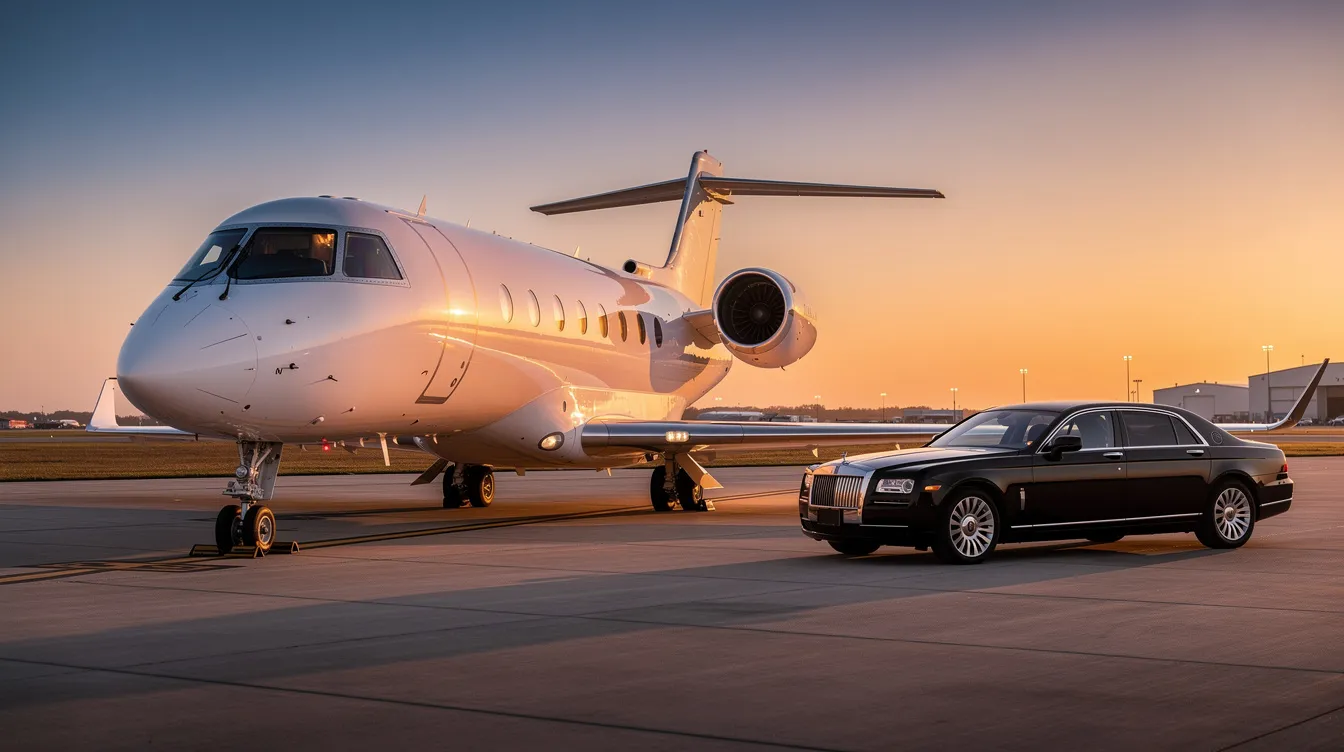
Private aviation is not only a luxury; for executives, founders, and discerning families, it is a strategic advantage. Compared with commercial aviation, a private jet can compress a full day of airport friction into a direct, controlled itinerary—often making the difference between one meeting and three.
This guide is designed for executives, founders, and families evaluating private jet options, helping you understand the true costs and benefits of HondaJet ownership versus flexible access programs. Understanding HondaJet pricing and ownership options is crucial for those considering private aviation, as it enables informed decisions about capital allocation, operational flexibility, and long-term value. Whether you are seeking to maximize business productivity, ensure family convenience, or optimize your travel investment, this guide will help you navigate the complexities of HondaJet acquisition, operation, and alternative access solutions.
This guide breaks down the price of Honda Jet aircraft in 2025–2026, from acquisition costs to Honda Jet operating costs, and compares ownership with BlackJet’s Jet Card and charter access, fitting within the broader context of the private jet price list and access models.
Executive Summary: Current HondaJet Prices & True Cost of Ownership
The HondaJet is one of the most distinctive very light jets in private aviation, often highlighted alongside other affordable private planes and very light jets. Its over-the-wing engine design, efficient engines, and refined cabin make it attractive to owner-pilots and corporate travelers. But the Honda Jet price is only the starting point.
The price of HondaJet aircraft in 2025–2026 generally ranges from about $2.5 million for early used HA-420 models to over $6 million for new HondaJet Elite II models. Current listings for HondaJet aircraft range from $2,525,000 to $4,650,000, with the average pricing for HondaJet aircraft on the market being approximately $3,723,333.
Key figures:
Early pre-owned Hondajet has 420: about $2.3M–$3.2M.
hondajet elite and elite s: often $3.0M–$4.8M or more.
new hondajet elite ii: commonly mid- to high-$6M before options.
Annual budgets for operating a private jet typically range from $500,000 to $1.2+ million, covering fixed and variable costs.
For flyers under 150–200 hours per year, chartering a HondaJet is often more cost-effective than ownership due to the absence of purchase price, depreciation, and maintenance costs, aligning with many budget-friendly private aircraft and access strategies.
Honda Aircraft Company and the HondaJet (HA-420) Family
The Honda Aircraft Company is based in Greensboro, North Carolina, and manufactures the Honda Jet family, contributing a notable share to the global private jet fleet. The aircraft received its FAA type certificate before first delivery in the mid-2010s, establishing Honda Aircraft as a serious business jet manufacturer.
The HA 420 is a light business jet and production model twin-turbine aircraft with a composite fuselage, aluminum wing, and twin-turbine GE Honda HF120 powerplants, representing one of the best small private aircraft options for regional missions. The HondaJet features an over-the-wing engine mount (OTWEM) design, which reduces aerodynamic interference drag by approximately 15-20%, leading to enhanced performance and increased cabin space.
Main variants include:
Hondajet Classic: original early aircraft.
Hondajet apmg: upgraded through the advanced performance modification group.
Hondajet Elite: improved range, comfort, and avionics.
elite s: refined systems and performance.
Hondajet Elite II: the flagship Elite II model with increased fuel capacity, increased range, and modern avionics upgrades.
Total airframe hours and the number of takeoffs and landings significantly impact pre-owned aircraft pricing. Aircraft under premium maintenance programs tend to have significantly higher resale values due to reduced risk of sudden repair costs.
HondaJet Purchase Price in 2025–2026: New vs. Pre-Owned
The base price of any aircraft is only part of the story. Market demand and availability, influenced by macroeconomic conditions and fuel prices, dictate local pricing for pre-owned jets.
Typical 2025–2026 prices illustrate how the HondaJet fits among 2-million-dollar private jet options and higher-tier 10-million-dollar private jet options for luxury travelers:
Used early HA-420 aircraft often trade around $2.3 million to $3.2 million, while later HondaJet Elite aircraft can sit around $3 million to $4.8 million or more.
Early pre-owned ha 420 “Classic”: about $2.3M–$2.9M depending on hours, logs, and maintenance status.
Mid-generation APMG or early Elite: roughly $3.0M–$4.0M.
2020–2023 Elite S: commonly $4.0M–$5.0M, placing it among private jets for sale under $10 million.
Low-time Elite II: often $5.5M–$6.5M+, depending on options, comparable in investment level to other 5 million dollar private jet options.
Honda announced the Elite II with a launch price reported near $6.95 million, though transaction prices vary by configuration and timing. Buyers should model the cost over five to ten years, including financing, depreciation, maintenance, and the ability to sell the jet later.
Factors such as seating layout and avionics retrofits alter passenger capacity and affect aircraft market demand. Connectivity, cabin finishes, and remaining factory programs can move prices materially.
HondaJet Specifications That Influence Price and Operating Economics
Honda jet specifications matter because performance drives both utility and resale value. The HondaJet Elite II boasts a maximum extended range of 1,547 nautical miles (2,865 km) and can reach a top cruise speed of 422 knots (782 km/h), equivalent to approximately 486 mph.
Commercially important specs:
range: up to 1,547 NM for the Elite II under ideal conditions.
cruise speed: about 422 KTAS, maximum cruise speed.
Powered by twin GE Honda HF120 engines, the HondaJet consumes about 96 gallons of fuel per hour during typical cruise, demonstrating fuel efficiency that is competitive among very light jets.
cabin: usually four to five passengers, with a single pilot certification.
comfort: enclosed lavatory, quiet cabin, and useful baggage space.
performance: takeoff distance and landing distance support regional airport flexibility, though conditions and weight matter.
The wing engine placement creates more usable cabin space and helps improve fuel efficiency. Against similar aircraft in the light jet segment, the HondaJet’s efficiency and design are major reasons the market continues to value it, even when compared with the cheapest private jet options and other best single-pilot jets for budget-conscious buyers.
HondaJet Pricing and Operating Costs at a Glance
Model Variant | Typical Price Range (2025–2026) | Max Range (NM) | Cruise Speed (KTAS) | Fuel Burn (Gal/Hour) | Typical Seating | Annual Ownership Cost (USD) |
|---|
Early HA-420 Classic | $2.3M – $3.2M | ~1,200+ | ~420 | ~96 | 4-5 | $500K – $800K (200 hrs/year) |
Mid-Generation APMG | $3.0M – $4.0M | ~1,300+ | ~420 | ~96 | 4-5 | $600K – $900K |
HondaJet Elite S | $4.0M – $5.0M | ~1,400+ | ~422 | ~96 | 4-5 | $700K – $1.0M |
HondaJet Elite II (New) | $6.0M – $7.0M+ | 1,547 | 422 | 96 | 4-5 | $850K – $1.2M+ |
Annual Budget to Own and Operate a HondaJet
An ownership annual budget must include more than fuel. Total annual costs for owning and operating a HondaJet can reach between $500,000 and $1,200,000, which includes fixed and variable expenses.
Typical scenarios mirror many of the utilization bands used in jet card pricing guides and detailed analyses of jet card cost per hour:
150–200 hours/year: $500K–$800K is common once fixed costs, variable costs, reserves, and depreciation are considered, and many travelers at this level evaluate the 50-hour Jet Card cost and value alongside more focused 25 Hour Jet Card features and costs.
300–400 hours/year: $850K–$1.2M+ is realistic as operating costs scale, which is why some heavy users compare ownership with 100-hour Jet Card cost structures.
Ownership of a HondaJet can lead to total annual costs exceeding $900,000 for those flying 350–400 hours, while chartering can provide flexibility without the financial commitment of ownership.
At 200 hours, a $650,000 annual total equals $3,250 per flight hour. At 400 hours, a $1.05M annual total equals $2,625 per hour. Utilization matters, but it does not remove capital risk.
Fixed Costs of HondaJet Ownership
Fixed costs are paid whether you fly or not. Annual fixed costs for operating a HondaJet can range from $200,000 to $900,000, depending on the operational model and usage.
Common annual fixed costs include:
Hangar: $30K–$80K+ at busy airports.
Insurance: often linked to hull value, pilot experience, and operating model.
Crew: if not owner-flown, a captain, benefits, and training may add $120K–$250K+.
Subscriptions: navigation databases, charts, connectivity, and compliance tools.
Maintenance programs: EMC2 engine coverage, P3 airframe programs, and scheduled maintenance.
Management: operators may charge for dispatch, accounting, crew oversight, and regulatory support.
Total fixed costs rise at prestige airports and under Part 135 charter rules. With BlackJet, there are no aircraft-ownership fixed commitments; your private jet access is tied to trips or prepaid hours, not hangar leases and annual inspections.
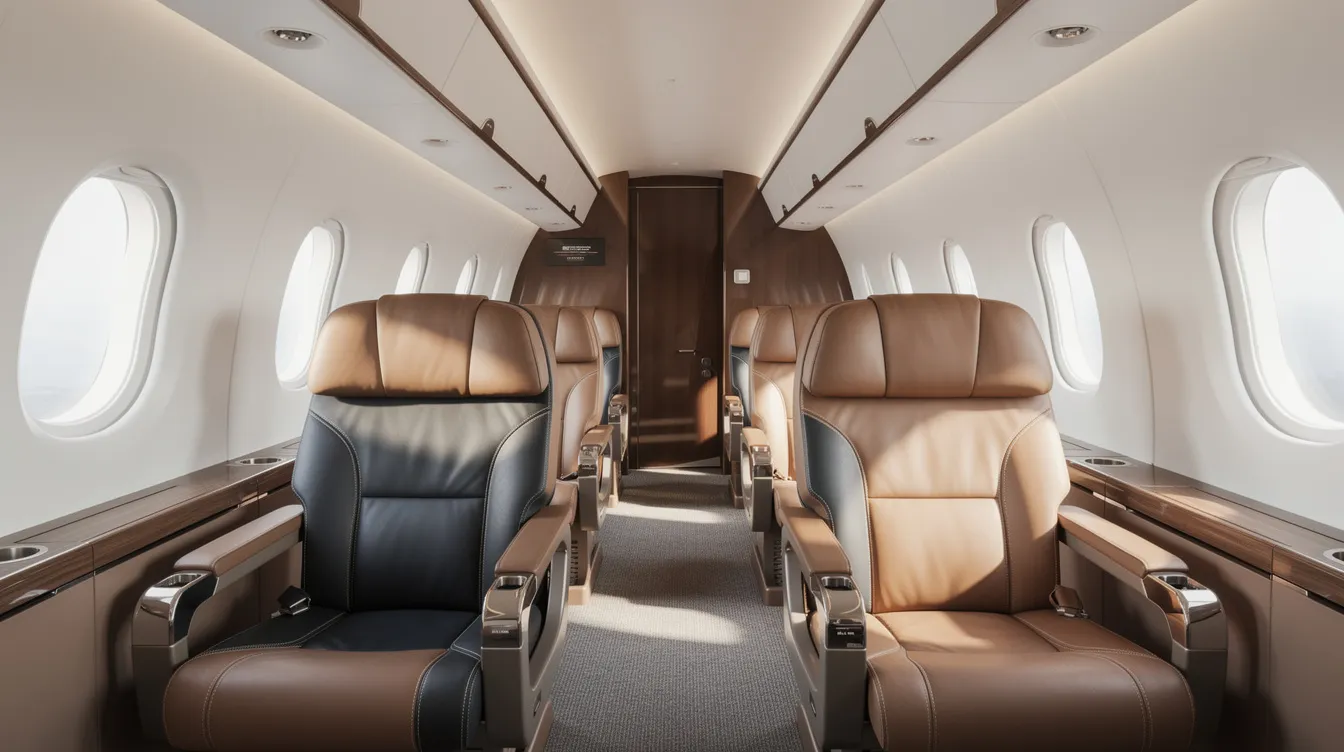
Variable Costs, Fuel Burn, and HondaJet Operating Cost Per Hour
Variable costs increase with every flight hour. Variable operating costs for private jets average about $1,000 to $2,000 per flight hour, depending on the model.
For a HondaJet, key variable elements include:
fuel: 90–110 gallons per hour is a practical planning band; at $6–$9 per gallon, fuel alone may be $540–$990 per hour.
maintenance: labor, parts, inspections, and cycle-related wear.
engine reserves: funds set aside for GE Honda HF120 events.
trip fees: navigation, handling, landing, de-icing, cleaning, and overnights.
The operating costs for the HondaJet generally fall between $1,200 and $1,600 per flight hour, encompassing expenses such as fuel, crew salaries, maintenance reserves, insurance, and hangar fees. Some direct operating estimates place HondaJet DOC around $1,600 per hour under defined assumptions, as seen in aircraft cost references such as OMNIJET operating cost data.
Example: 250 hours × $1,500 per hour = $375,000 in direct operating exposure before major depreciation assumptions. Short 200–300 NM sectors can cost more per mile because climb and descent consume more fuel relative to cruise.
Ownership vs. Access: When Does Buying a HondaJet Make Sense?
Ownership can make sense for a flyer who values full control, consistent missions, and very high utilization. But it is rarely the cleanest financial option for lower-hour travelers, many of whom instead explore the cheapest private jet pathways and charter options or conduct a fuller review of whether chartering a private jet is worth it.
A practical guide:
Under 150–200 hours/year: Jet Card or charter is usually stronger, especially when using comparisons of the best jet cards for frequent flyers.
200–300 hours/year: ownership may be close, depending on taxes, business use, and resale assumptions.
Above 300 hours/year: ownership or fractional options can work, though BlackJet may still offer better flexibility.
Chartering a HondaJet allows travelers to avoid the fixed annual budget and long-term maintenance exposure associated with ownership, making it a cleaner option for infrequent flyers. Travelers can also buy a seat on a private jet through shared and semi-private options when full-aircraft charter is not required. If one trip requires a light jet and the next requires more baggage, aircraft access beats being locked into one cabin.
How BlackJet Delivers HondaJet-Class Travel Without the Ownership Burden
BlackJet provides premium private aviation through Jet Card programs and on-demand charter, which can be compared with competitor offerings such as Flexjet Jet Card cost and options. A member can prepay for 25-hour or 50-hour access via options like the BlackJet 25+ Hour Jet Card, then fly across multiple aircraft categories without managing maintenance, fuel, crew, or resale, while still benchmarking options against broader private jet rental costs and considerations.
For example, a business traveler flying 20–30 regional trips per year-New York to Chicago, Dallas to Aspen, or Los Angeles to Scottsdale-may prefer BlackJet over tying up $4M–$6M in a HondaJet Elite S. By understanding how much it costs to charter a small plane, travelers can benchmark these trips against ownership. The trip experience remains seamless, while capital stays available for business or investment.
BlackJet’s model centers on:
Safety: vetted operators, strong records, pilot experience standards, and structured maintenance preferences.
Sustainability: carbon-neutral flights through offsets and sustainable aviation fuel initiatives, where available.
Technology: 24/7 digital booking tools, real-time flight support, and concierge coordination.
A Jet Card rate often includes fuel planning, dispatch, aircraft sourcing, and service standards. You buy access, not complexity.
Safety, Certification, and Sustainability vs. Owning Your Own HondaJet
A HondaJet is a certified, modern jet, and Honda has earned recognition for maintenance quality. Still, safety depends on the operator, pilot training, records, and oversight, which is why many travelers compare standards among top private jet companies and benchmark them against the top 10 best private jets in the world.
An individual owner must supervise maintenance, training, insurance, scheduling, and compliance. BlackJet instead connects clients with certified operators that meet rigorous standards, favoring aircraft with strong maintenance histories and professional crews, similar to the structured frameworks discussed in our guide to private jet prices in rupees and regional access models.
Sustainability also matters. The HondaJet’s fuel efficiency is a step forward versus some older light jets, but BlackJet goes further by ensuring carbon-neutral flights and supporting SAF pathways where practical. In the broader context of billionaire private jet price trends in 2026, this kind of sustainability focus is increasingly central to aircraft and access decisions. That removes the burden of arranging offsets from the aircraft owner.
Frequently Asked Questions About HondaJet Price and Access
What is the typical price of a new HondaJet Elite II in 2025–2026?
A new or nearly new Honda Jet Elite II commonly sits in the mid- to high-$6M range before options, with some configurations above that level.
How much does a pre-owned HondaJet HA-420 cost?
A pre-owned HondaJet HA-420 often costs about $2.3M–$3.2M for earlier models, while later Elite aircraft may reach $3M–$4.8M or more.
What annual budget should I plan for if I own a HondaJet and fly 200 hours per year?
Plan roughly $550K–$800K for a 200-hour year, including fixed and variable costs, maintenance reserves, insurance, hangar, and operating exposure.
What is the average fuel burn and cruise speed of a HondaJet Elite II?
The Elite II cruises up to about 422 knots and typically burns around 90–110 gallons per hour, with 96 gallons per hour a common cruise planning figure.
Is a jet card more cost-effective than buying a HondaJet if I fly under 150 hours per year?
Usually, yes. Under 150–200 hours, BlackJet’s Jet Card model avoids purchase price, depreciation, annual fixed costs, and long-term maintenance exposure.
How does flying a HondaJet-class aircraft via BlackJet compare to owning one in terms of safety oversight?
BlackJet emphasizes vetted operators, pilot standards, maintenance history, and real-time support. Owners must build and manage that safety infrastructure themselves.
If I sometimes need more cabin or baggage space than a HondaJet offers, what are my options with BlackJet?
BlackJet can source larger aircraft on a trip-by-trip basis, so you are not limited by one jet, one cabin, or one baggage profile.
Conclusion: Choosing the Smart Path to HondaJet-Level Travel
The HondaJet is an impressive aircraft: fast, efficient, elegant, and technically distinctive. But acquisition cost, fixed costs, fuel, maintenance, depreciation, and resale risk make ownership a significant commitment, especially when compared with the economics of a 20-million-dollar private jet or other most expensive private jet options for luxury travel.
For many high-net-worth individuals and corporate travelers, BlackJet offers the smarter path: HondaJet-class capability, access to light business jet options, rigorous safety standards, carbon-neutral operations, and modern digital support, without tying travel freedom to a single airframe.
Explore BlackJet’s Jet Card programs and private charter solutions to evaluate whether refined access can deliver more value than ownership.


 Sign up with google
 Sign up with Apple