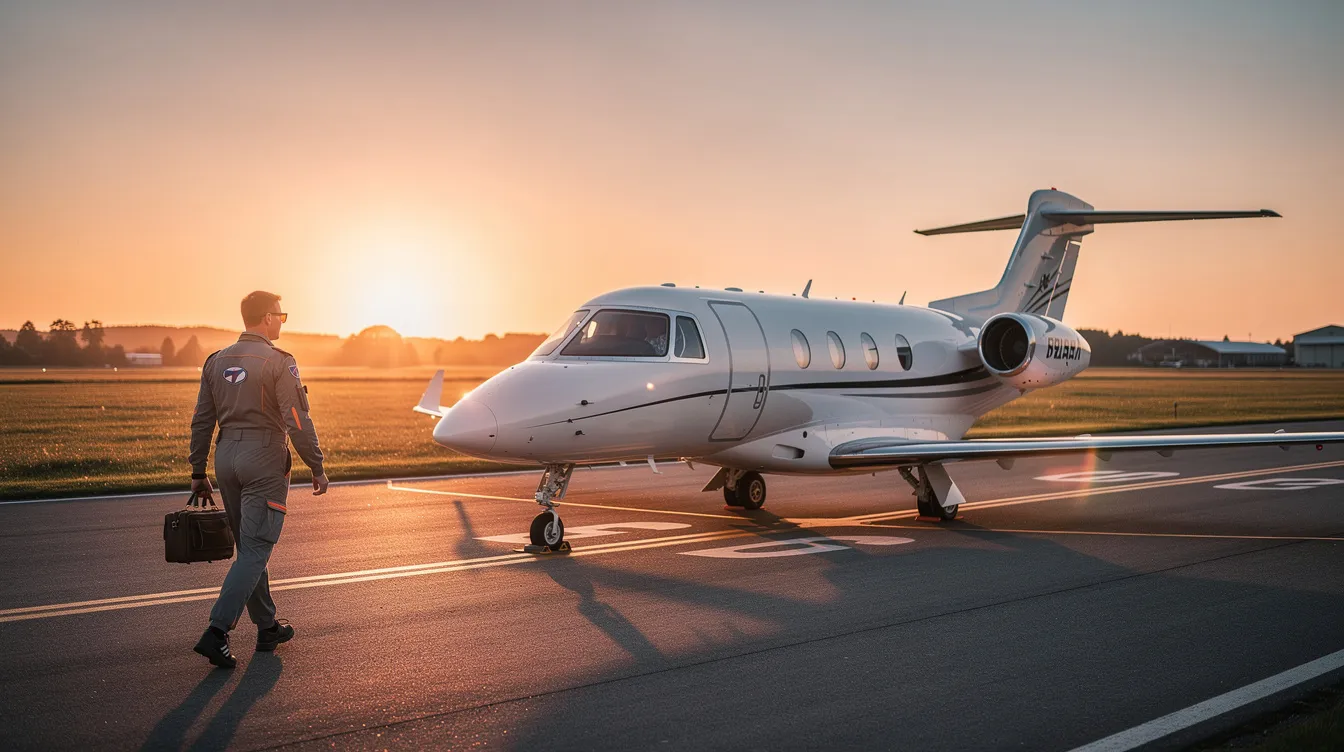
Few topics in aviation capture the imagination and curiosity of enthusiasts, pilots, and private jet travelers quite like the single-seat jet. In this comprehensive guide, we’ll explore what a single seat jet is, who they are designed for, and how they compare to other personal jets and multi-seat private aircraft. Whether you’re an aviation enthusiast dreaming of solo flight, a pilot seeking the purest airborne experience, or a private jet traveler weighing the practicalities of different jet types, this article will help you understand the appeal, defining features, and real-world considerations of single-seat jets versus multi-seat private jets.
Scope:
This article covers the defining characteristics of single-seat jets, their performance metrics, safety features, ownership considerations, and how they fit into the broader landscape of private aviation. We’ll also compare single-seat jets to very light jets (VLJs) and light jets, and explain how BlackJet’s jet card programs offer practical alternatives for private jet travelers.
Target Audience:
Why This Topic Matters:
Single-seat jets represent the ultimate in personal flying freedom, offering unmatched agility and a direct connection between pilot and machine. However, practical considerations—such as passenger capacity, comfort, and operational flexibility—often lead travelers to choose multi-seat private jets. Understanding these differences is crucial for anyone considering personal jet ownership or private jet travel.
Quick Summary: What Is a Single-Seat Jet, Who Are They For, and How Do They Compare?
What is a single-seat jet?
A single-seat jet is a compact, high-performance aircraft designed for one pilot and no passengers. These jets typically use a single micro-turbojet engine, feature advanced glass-cockpit displays for better monitoring, and are engineered with compact dimensions for enhanced performance. They generally weigh between 300 and 500 lbs and are usually kept under 1,000 lbs for agility. Single-seat personal jets prioritize raw speed and low operating costs, allowing for pure solo flying experiences.
Who are they for?
Single-seat jets are ideal for aviation enthusiasts and pilots seeking the thrill of solo flight, aerobatics, or recreational flying. They are not intended for business travelers or families needing passenger capacity.
How do they compare to other personal jets?
While single-seat jets offer unmatched solo flying freedom and agility, multi-seat personal jets (like the Cirrus Vision Jet or Cessna Citation Mustang) provide pressurized cabins, advanced safety features, and the ability to carry multiple passengers and luggage, making them more practical for most private jet travelers.
Why Single-Seatt Jets Matter in Modern Private Aviation
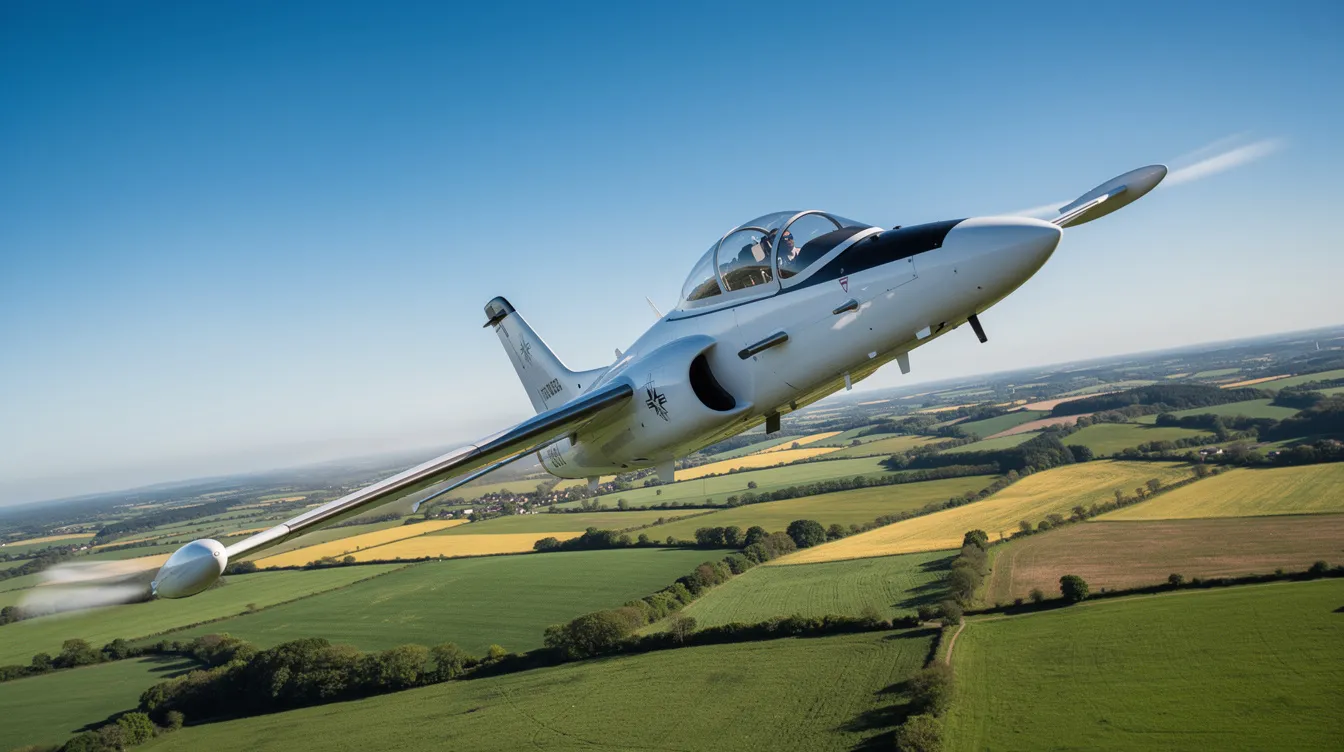
Single-seat jets occupy a unique and fascinating position in general aviation. They are the purest expression of "pilot as mission": no cabin crew, no passengers, no compromise. These aircraft attract pilots who crave unfiltered engagement with the air and enthusiasts who appreciate engineering pushed to its lightest, fastest limits.
The Appeal of Single-Seat Jets
Pure Solo Experience: Single-seat personal jets allow for pure solo flying experiences—there is no room, literally, for anyone or anything beyond the pilot and minimal fuel.
Performance and Agility: Single-seat jets often feature compact dimensions for enhanced performance and are usually kept under 1,000 lbs for agility.
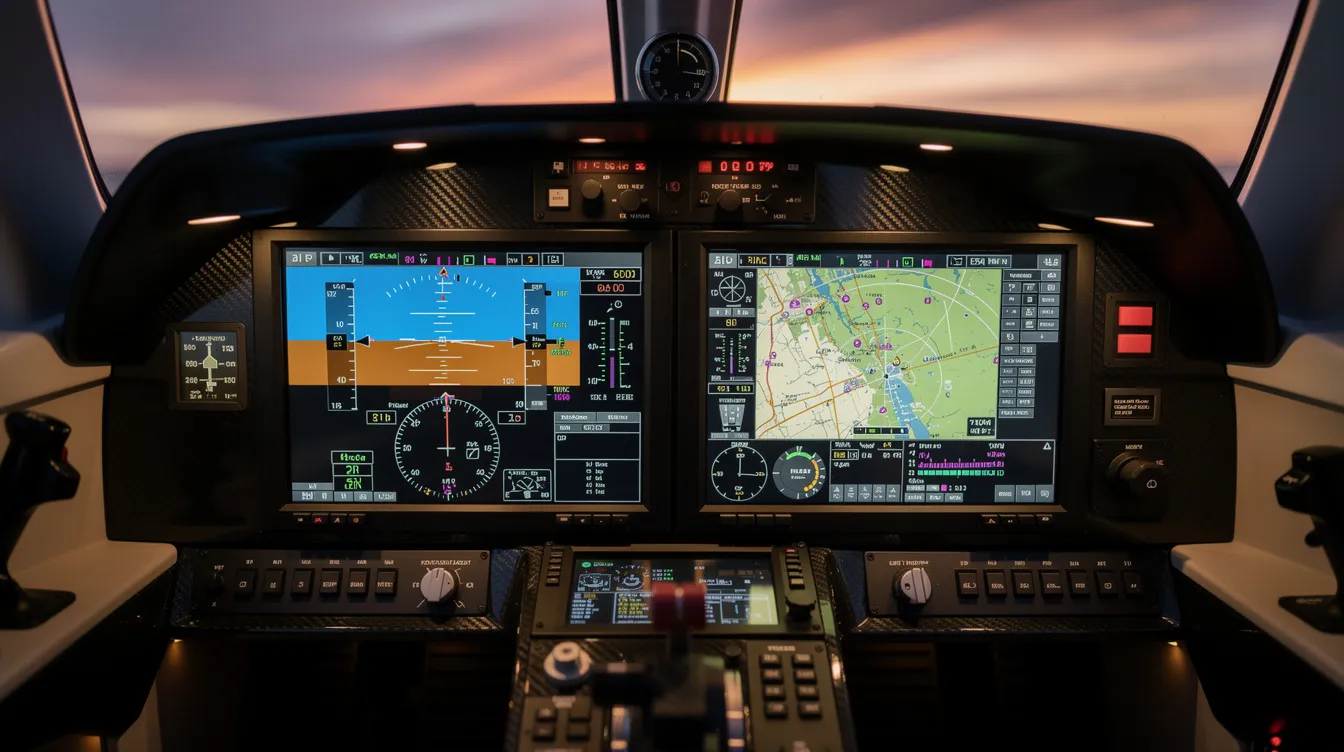
Advanced Technology: Many single-seat jets have advanced glass-cockpit displays for better monitoring, despite their minimalist design.
Practical Considerations for Private Jet Travelers
Most private travelers—executives, entrepreneurs, and families who fly with BlackJet—operate in a different world. They fly in very light jets and light jet cabins seating four to eight, covering regional business hops or weekend escapes, the core mission profile for many small private jet travel options. The contrast is stark: where asingle-seatt jet delivers a raw solo experience, a VLJ or light jet delivers a seamless travel experience with pressurized comfort, luggage capacity, and room for a team.
Consider what a single-seat pilot avoids: no security lines, no terminal congestion, no waiting for boarding groups. That frictionless departure mirrors exactly what BlackJet members experience through private aviation—minus the limitation of flying alone in an experimental machine. BlackJet's jet card model gives members prepaid access to professionally crewed jets across multiple cabin classes, delivering the flexibility and speed that single-seat enthusiasts dream of, scaled for real-world utility. The broader BlackJet private jet card programs highlight how these membership options combine comfort, safety, and carbon-neutral travel for frequent flyers.
Transition: Now that we’ve explored why single-seat jets matter and their unique appeal, let’s define exactly what a single-seat jet is and what sets it apart from other aircraft.
What is a single-seat jet?
A single-seat jet is an aircraft designed for exactly one occupant: the pilot. Several key features define these jets:
Single Occupant: Only one seat for the pilot; no passenger seats or cabin amenities.
Compact Dimensions: Single-seat jets often feature compact dimensions for enhanced performance.
Lightweight Construction: Single-seat personal jets are usually kept under 1,000 lbs for agility and generally weigh between 300 and 500 lbs.
Engine Type: Single-seat personal jets typically use a single micro-turbojet engine, prioritizing raw speed and low operating costs over payload capacity.
Advanced Cockpit: Many single-seat jets have advanced glass-cockpit displays for better monitoring.
Solo Flying Experience: Designed for pure solo flying experiences, with minimal baggage space and tightly constrained flight planning due to useful load limits.
These machines are typically experimental aircraft or kit-built designs, registered under amateur-built or experimental categories and flown for recreational flying, aerobatics, or short personal hops.
It is essential to distinguish a single-seat jet from a single-engine personal jet. The Cirrus Vision Jet SF50, for instance, is powered by a single engine but seats up to seven passengers in a pressurized cabin with advanced avionics. That is a fundamentally different aircraft in mission, certification, and capability. The Vision Jet is a certified, type-rated airplane built for family and business use—not a solo sport machine.
Next, let's examine how these characteristics translate into real-world performance metrics.
Key Performance Metrics for Single-Seat and Personal Jets
Understanding what a single-seat jet can actually do requires looking beyond marketing language to the numbers that matter: cruising speed, stall speed, range, empty weight, and useful load.
General Performance Concepts
Speed: How fast the aircraft can cruise and its stall speed for safe takeoff and landing.
Range: The maximum distance the jet can travel on a full tank of fuel.
Weight: The empty weight and useful load, which affect agility and payload capacity.
Cruise Speed
Sport single-seat jets like the SubSonex JSX-2 cruise at approximately 230–240 mph (~200 knots), reaching impressive speeds for their size but falling well short of certified jets.
The Cirrus Vision Jet's cruising speed is 345 mph at 25,000 ft, making it significantly faster for cross-country missions.
The Cessna Citation Mustang, a mainstream VLJ, cruises near 390 mph—outpacing both categories above.
Stall Speed
Small single-seat jets and high-performance singles typically have stall speed values between 55 and 75 knots in landing configuration. The SubSonex, for example, stalls at roughly 55 knots clean. This metric is critical for safe takeoff and landing performance, particularly on shorter runways.
Maximum Range
Many single-seat jets are short-range machines with approximately 400–480 statute miles of practical range.
The Cirrus Vision Jet has a maximum range of 1,275 nautical miles, covering regional and mid-range routes with reserves.
The Cessna Citation Mustang offers roughly 1,150 NM when lightly loaded.
Weight and Useful Load
Single-seat personal jets generally weigh between 300 and 500 lbs empty. The basic empty weight of a SubSonex is approximately 500 lbs, with a gross weight near 1,000 lbs, leaving roughly 500 lbs of useful load—but with full fuel, only about 232 lbs remain for the pilot and gear.
Single-seat personal jets are usually kept under 1,000 lbs for agility and efficient performance.
The maximum takeoff weight for very light jets is 10,000 lbs or less, allowing them to carry multiple passengers, bags, and maximum usable fuel comfortably.
Transition: With these performance metrics in mind, let’s look at specific examples of single-seat jets and how they compare to other personal and very light jets.
Examples of Single Seat, Single Engine, Very Light Jet, and Small Personal Jets
Single-seat jets sit at one end of a broad spectrum. At the other end are high-tech single-engine personal jets and compact VLJs designed for real-world transportation, the same small private jets that many travelers use for efficient business and leisure trips. Understanding each category's mission helps clarify why most travelers ultimately need more than one seat.
SubSonex JSX-2
The SubSonex JSX-2 is an experimental homebuilt sport jet, a true single-seat turbojet powered by a PBS TJ-100 micro-turbojet. It cruises around 230–240 mph and is built from a quick-build kit for personal use and recreational flying. Its mission is pure enjoyment: aerobatics, weekend hops, and the satisfaction of building and flying your own plane.
Aerobatic and jet-like single-seaters
Pilots chasing fighter-like handling often fly piston-powered models such as the Pitts S-1S or the legendary BD-5J microjet. Recreational microjets have high G-load limits, allowing aerobatic maneuvers, delivering an adrenaline-rich experience without the cabin space or range for any practical travel. Minimalist unpowered ultralights can even be flown without a pilot's license, though they sit outside the jet category entirely.
Cirrus Vision Jet SF50
The benchmark single-engine personal jet seats up to seven passengers and features a cruising speed of 345 mph at 25,000 ft, a max range of 1,275 nautical miles, and a pressurized cabin with an advanced cockpit. It serves as a family and business aircraft—a very different mission from a solo sport jet. Cirrus aircraft set the standard for owner-flown certified jets in the aircraft market.
Cessna Citation Mustang
This VLJ seats 4–5 passengers with a range of nearly 1,150 NM and a cruising speed of around 390 mph. Very light jets are designed for short-haul personal and business trips, and the Mustang represents the category most BlackJet members would recognize within the broader landscape of private jet types for different travelers. Very light jets typically seat 4–6 passengers, making them ideal for executive teams or small groups.
Transition: Now that we’ve compared different jet types, let’s explore the safety features that set modern personal jets apart.
Safety in Personal Jets: From CAPS to Advanced Avionics
Modern personal jets combine high performance with increasingly sophisticated protective systems, a theme shared by many of the top private jets in the world that showcase both luxury and advanced safety technology. The days of relying solely on pilot skill are over—today's single-engine and light jets fly with multiple layers of automated safety.
Airframe Parachute Systems
The Cirrus airframe parachute system is the defining innovation. Emergency ballistic parachute recovery systems are featured in some personal jets, but Cirrus pioneered the concept at scale. The airframe parachute system caps the entire aircraft: a rocket-deployed parachute lowers the whole airframe to the ground in an emergency situation, protecting everyone on board. This system transformed the safety narrative around Cirrus aircraft and made the Cirrus Vision Jet the only personal jet with full-airframe parachute protection.
Advanced Avionics and Automation
Beyond CAPS, the Cirrus Vision Jet includes the Safe Return emergency autoland system—an emergency autoland system that allows even a passenger to land the plane safely by pressing a single button, delivering intuitive control in the most stressful scenarios. The Cirrus Perspective cockpit suite provides seamless flight planning and monitoring.
Other safety technologies common across modern personal and light jets include:
The Cessna Citation Mustang has stall and terrain warning systems for an additional layer of protection during low-altitude operations, illustrating how private jets maintain strong safety records through layered technology and training.
The Phenom 100 is equipped with weather radar and collision avoidance systems.
HondaJet offers an optional auto-throttle for enhanced safety, reducing pilot workload during critical phases.
Single-seat jets have advanced glass-cockpit displays for better monitoring, though they lack the redundancy of certified models.
Modern cockpits utilize intuitive interfaces to reduce pilot workload across all categories.
Imagine a single pilot operation scenario: an owner-pilot flying a Vision Jet on a regional business hop encounters unexpected weather. The weather radar alerts them early, envelope protection prevents dangerous attitudes, and if incapacitation occurs, the emergency autoland system takes over. That extra layer of automation is why certified jets dominate practical travel.
BlackJet's network prioritizes aircraft with strong safety certification histories and robust avionics, carefully selecting among types of private jets to match mission profiles with the right blend of performance and protection. While BlackJet does not promote experimental single-seat jet charter, every jet in the fleet meets rigorous safety standards—giving members an unmistakable presence of professionalism on every flight.
Transition: With safety in mind, let’s compare the realities of owning a single-seat jet versus accessing a fleet of small jets through BlackJet.
Single Seat Jet Ownership vs. Accessing Small Jets with BlackJet
Owning a single-seat jet offers pure pilot autonomy—you build it, you maintain it, you fly it on your schedule. But accessing a fleet of VLJs and light jets via a jet card provides practical, scalable travel for business and family without the overhead, especially when you compare the best jet cards for frequent flyers and their guaranteed availability and pricing structures.
True Ownership Costs for Niche and Personal Jets
Acquisition price (even affordable kits run $50,000–$150,000+; certified jets start in the low millions)
Hangar fees, insurance, recurrent training, and annual inspections
Jet financing includes loans from aviation lenders or banks for certified models, a key element in any private jet pricing and cost breakdown
Leasing programs offer short- or long-term access to jets as an alternative
Fractional ownership allows shared usage rights of an aircraft, splitting costs and often pairing well with budget-friendly private aircraft options for those seeking lower entry points.
The used aircraft market offers significant savings for buyers but adds inspection risk, which is why many turn to curated services when exploring premium private jets for sale.
Charter rates start around $2,000 per hour for private jets, varying by category, as outlined in many private jet price list overviews.
Hourly Operating Cost Benchmarks
Cirrus Vision Jet operating cost is $650–750 per hour
Cessna Citation Mustang costs about $1,000 per hour to operate
Single-pilot jets typically accommodate four to six passengers, spreading that cost across multiple travelers
Single-pilot jets are designed for owner-pilots without co-pilots, adding training requirements, while many small private jets are also available with professional crews for charter users
BlackJet's jet card programs—available in 25-hour and 50-hour increments—give members prepaid, predictable access to multiple cabin classes, and the dedicated BlackJet 25+ Hour Jet Card adds fixed-rate access to larger cabin categories for longer-range missions. Rather than being locked into a single-seat platform that only serves one type of trip, a member can choose the right aircraft size for each mission: a solo hop, a couple's getaway, or an executive team flight needing the largest cabin available.
Transition: Next, let’s see how BlackJet’s platform delivers the flexibility of personal jet travel—without the limitations of single-seat ownership.
How BlackJet Connects You to Small Jets - Without the Niche Limitations
BlackJet's digital platform mirrors the flexibility of owning a personal jet but scales it across an entire vetted fleet. Members don't manage maintenance schedules, hangar leases, or pilot currency—they simply book and fly.
Here is how it works in practice:
Members request a VLJ or light jet through 24/7 digital booking tools, even for short-notice missions. Aircraft comparable to the Cirrus Vision Jet or Cessna Citation Mustang class are available, depending on route and availability.
BlackJet performs rigorous, proprietary safety verification on operators and aircraft before every flight. Flights are only released after successful verification checks confirm safety credentials, maintenance status, and crew qualifications.
Every BlackJet flight is carbon neutral. Per-flight carbon calculations and offsets are handled automatically, so even frequent short regional hops in light jets maintain a sustainable profile—at no extra cost to the member.
While single-seat jets are not typically available for charter, BlackJet offers access to practical 4–8 seat light jets that preserve the feeling of a personal jet while accommodating colleagues or family as passengers, making it easier than ever to buy a seat on a private jet rather than commit to full ownership.
The result is a process built around fast confirmations, clear itineraries, and seamless ground coordination—the kind of effortless experience that single-seat jet owners can only approximate on their own.
Transition: Now, let’s break down the operational costs, efficiency, and sustainability of small jets compared to single-seat options.
Operational Costs, Efficiency, and Sustainability
Even the most fuel-efficient single-engine and very light jets consume resources that require careful flight planning to control the total cost of travel. Understanding the economics helps travelers make informed decisions.
Typical hourly operating costs across popular small jets:
Aircraft | Approx. Hourly Cost | Seats |
|---|
Eclipse 500 | $700–$900 | 4–5 |
Cirrus Vision Jet | $650–$750 | Up to 7 |
Cessna Citation Mustang | ~$1,000 | 4–5 |
HondaJet | ~$1,100 | 5–6 |
Embraer Phenom 100 | ~$1,200 | 4–6 |
Light jets and VLJs achieve better cost-per-seat-mile than single-seat jets because they spread costs across more passengers—a critical advantage for business teams or families, especially when compared with the cheapest private aircraft options that trade capacity for lower entry costs. A single-seat jet may have lower costs per hour in absolute terms, but the per-person economics are unbeatable in a multi-seat cabin.
BlackJet's carbon-neutral policy works at a high level: per-flight carbon calculations are run automatically, and verified offsets are purchased to protect every journey's environmental footprint, aligning cost-conscious flyers with the sustainability focus seen in many affordable private jet solutions. For clients concerned with ESG reporting or personal environmental impact, this removes complexity entirely.
By leveraging BlackJet's fleet and route optimization, members also avoid deadhead repositioning and underutilized aircraft issues that individual owners of personal jets frequently face, similar to the challenges highlighted in discussions of the cheapest private jet options where low acquisition cost can mask ongoing inefficiencies, response IDing costs, and higher utilization translate directly to better value per hour flown.
Transition: Security and peace of mind are just as important as cost and efficiency—let’s see how BlackJet ensures both.
Security, Verification, and Peace of Mind in Private Jet Travel
In the digital world, performing security verification—blocking malicious bots, confirming a user verifies their identity, receiving a respond ray id after a security check—is routine. In private aviation, the stakes are higher, and BlackJet applies the same rigor to every flight.
BlackJet screens operators, pilots, and aircraft through multi-layered security verification procedures:
License validation and recurrent training confirmation for all pilots
Insurance verification and safety audit histories for every operator
Aircraft maintenance status checks before each mission is released
Member data and booking activity are protected by robust digital security systems, with each security service layer designed to protect against fraud or unauthorized access, much like enterprise-grade platforms that protect against bot interference
Unlike experimental single-seat jets flown by owner-pilots, every BlackJet flight involves professionally trained crews who adhere to strict safety and security protocols, comparable to the standards of single-seating private jet companies across the industry. This behind-the-scenes verification results in a frictionless front-end experience: fast confirmations, clear itineraries, and minimal manual paperwork. The process is an additional layer of trust that members rely on without ever needing to see the mechanics behind it.
Transition: With all these factors in mind, how should you choose between the fantasy of single seat jets and the real-world benefits of private jet access?
Choosing Between Single Seat Fantasy and Real-World Private Jet Access
The single seat jet captures something primal about aviation: pure solo flying, a v tail slicing through the air, fighter-like handling, and the satisfaction of piloting your own machine with nothing between you and the destination but engine thrust and sky. It marks a new era in what personal aviation can feel like at its most elemental.
But the practical needs of most BlackJet clients tell a different story—flying partners, single-seat members, or small teams between business hubs in comfort and privacy. TailJs and light jets, especially single-engine designs like the Cirrus Vision Jet and compact twins like the Cessna Citation Mustang, capture much of the personal jet feel without sacrificing seats, safety certification, or operating flexibility.
BlackJet's jet card programs are designed for discerning travelers who value time, flexibility, carbon-neutral travel, and a vetted safety framework more than the hobby aspect of experimental aircraft ownership, and detailed 25 hour jet card guides can help occasional flyers understand how these products fit their travel patterns. Every model available in the fleet is selected for performance, comfort, and certified reliability—powered single-seater crews and backed by real single-seaters.
Discover how BlackJet can reshape your travel. Explore our Jet Card programs and experience personal jet-style freedom with professional infrastructure, 25-hour every flight, and review a 50-hour jet card cost breakdown if you fly frequently enough to benefit from larger blocks of time.
FAQ: Single Seat Jets, Personal Jets, and BlackJet Access
What exactly is a single seat jet, and can I charter one?
A single seat jet is an aircraft with one pilot seat and no passenger capacity, typically built as an experimental aircraft for recreational flying. Most cannot be chartered—they operate under experimental or amateur-built rules and are owner-flown only.
How do single-seat jets compare with very light jets and light jets?
Single-seat jets prioritize agility and experience with minimal range and no cabin for passengers. Very light jets seat 4–6, fly faster, carry luggage, and hold full safety certification—making them suitable for both personal and business missions.
What is the Cirrus Airframe parachute system, and why does it matter?
The Cirrus airframe parachute system is a rocket-deployed parachute that lowers the entire airframe to the ground in an emergency situation. It is standard on all Cirrus aircraft, including the Vision Jet, and provides an unmatched extra layer of protection in single-engine flight.
How do BlackJet's jet cards work?
BlackJet offers prepaid jet card programs in increments such as 25 and 50 hours. Members select from multiple aircraft categories—including VLJs and light jets—and book through 24/7 digSingle-seat. Learn more about jet card costs and consult a broader jet card pricing guide to compare structures and fees across providers.
Are BlackJet flights carbon neutral?
Yes. BlackJet calculates carbon output for every flight and purchases verified offsets automatically. Members enjoy sustainable air travel without added complexity, fees, or paperwork.
Conclusion: Elevate Your Travel with the Right Jet Choice
Single seat jets embody the purest form of personal aviation—offering unmatched solo flying thrills and agility for passionate pilots. However, their limited passenger capacity and practical constraints make them a niche choice. For most high-net-worth travelers, executives, and families, very light jets and light jets provide the perfect balance of performance, comfort, safety, and operational flexibility.
BlackJet’s jet card programs unlock seamless access to a diverse fleet of professionally crewed jets, including VLJs and light jets, delivering the convenience, luxury, and carbon-neutral travel that discerning travelers demand. By choosing BlackJet, you gain the freedom to select the ideal aircraft for each mission—whether a solo trip or a group journey—without the overhead of ownership.
Experience the strategic advantage of private jet access with BlackJet. Discover how effortless, safe, and sustainable private aviation can elevate your travel to new heights.


 Sign up with google
 Sign up with Apple