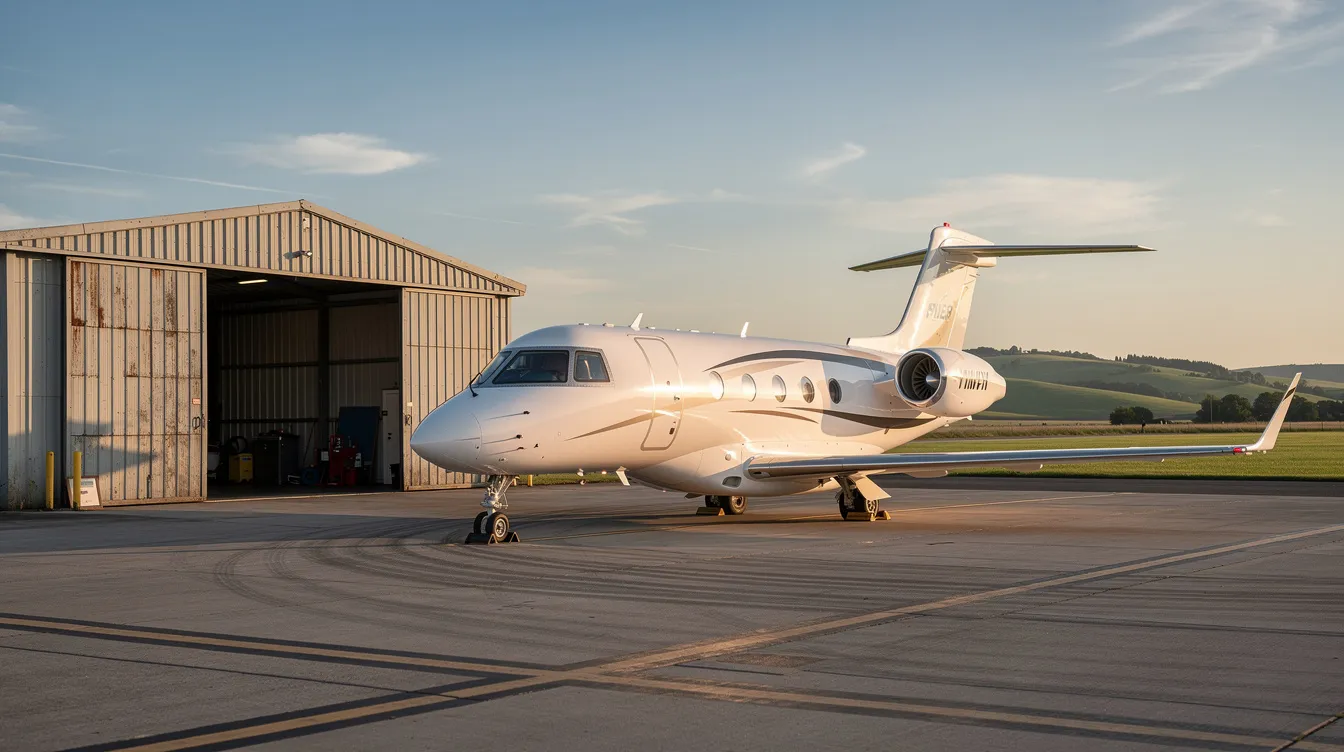
Flying private used to mean one thing: extraordinary wealth. Today, it means something more nuanced - strategic access. Whether you're an executive reclaiming hours lost to commercial airline delays or a family seeking seamless travel without the airport gauntlet, the calculus behind private aviation has changed. The right combination of aircraft type, booking strategy, and commitment level can make the phrase "private plane cheap" genuinely actionable, not aspirational. This guide breaks down eight specific, numbers-backed ways to fly private for less in 2026.
Why "Cheap" Private Planes Are Now a Real Option
Private aviation is no longer the sole domain of billionaires and heads of state. A growing segment of business travelers and affluent leisure travelers now treat private jet flights as a time-efficiency tool - not a vanity play. The math makes more sense than many realize once you factor in the true cost of commercial travel: three-hour airport buffers on each end, connection layovers, delayed departures, and the productivity lost in crowded terminals.
Consider a concrete comparison. A light jet from New York (Teterboro) to Miami runs approximately $17,000–$24,000 one-way on an on-demand private jet charter. That sounds steep until you measure it against a premium business-class commercial ticket at $1,500–$3,000 per person for a family of four - plus ground transport on both ends, two to three hours of pre-flight security and boarding, and the unpredictable delays that come with commercial airlines. Door-to-door, flying private on this route often cuts total travel time nearly in half by using regional airports minutes from home or office.
The word "cheap" here doesn't mean low-end. It means optimized. The difference between an inflated private flight and an intelligently booked one can be tens of thousands of dollars - determined by choosing the right aircraft, timing your booking around aircraft positioning, leveraging empty leg flights, or committing flight hours through a jet card.
BlackJet operates precisely in this space: a jet card and membership programs model that offers prepaid blocks of flight time across multiple cabin classes, with transparent pricing, carbon-neutral flights, and 24/7 digital booking tools. It's the middle ground between ad hoc charter volatility and the capital intensity of outright ownership.
What follows are specific, actionable tactics - not vague suggestions - to make private jet travel meaningfully more affordable.
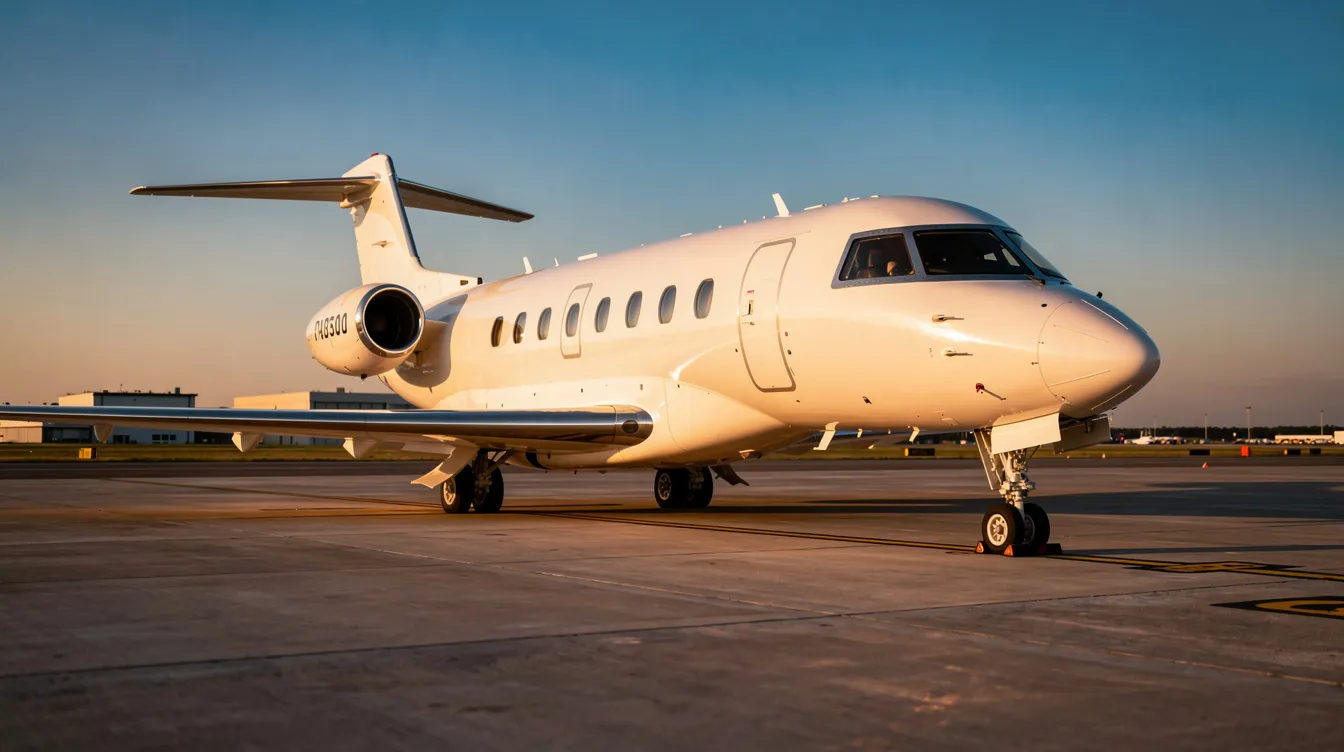
Quick Answer: What's the Cheapest Way to Fly Private Right Now?
If you want the shortest path to a private flight at the lowest cost, three options stand out:
Empty leg flights: Private jet operators deeply discount one-way empty leg flights to avoid flying without passengers. These repositioning flights can cost between $2,000 and $5,000 for a light jet on popular domestic routes - sometimes less for short European hops. That's 25–75% below regular charter prices and is a cornerstone strategy for anyone looking to fly private cheap without sacrificing comfort.
Semi-private or shared charter flights: Shared charter services start at $249 per seat on select routes. You fly from a private terminal (FBO) with minimal wait times but share the cabin with a handful of other passengers. Members can buy a seat on a private jet at a cost comparable to first-class tickets on commercial flights.
Entry-level jet cards: For frequent travelers logging 25–50 flight hours annually, a jet card like BlackJet's locks in a fixed hourly rate, eliminates surprise fees, and provides guaranteed availability - often at rates meaningfully below last-minute charter pricing. Comparing jet card costs and pricing structures helps you understand exactly where these savings come from.
The "cheapest" option depends on your flexibility with travel dates and airports, which increases options for finding affordable private flights. Group travel spreads cost further. Willingness to share the cabin drops your per-person price dramatically. But if privacy and schedule control matter, a jet card program is the most cost-predictable path.
Understanding What Really Drives the Cost to Fly Private
Knowing what pushes the price up - and what pulls it down - is the foundation of making any private flight cheaper. Private jet hourly rates range from $2,000 to over $14,000, and that spread is driven by a handful of specific levers:
Aircraft size and category: Very light jets and turboprops sit at the low end; heavy jets and ultra long range aircraft command the highest per hour rates.
Flight duration and distance: Longer flights multiply fuel, crew hours, and wear. Short flights carry relatively high base costs per flight hour.
Aircraft positioning and repositioning legs: Flying the aircraft empty to your departure point or returning it to base can add 30–100% to the quoted price. These positioning fees are often the single biggest surprise for first-time charter clients.
Airport and FBO fees: Landing fees, handling charges, and parking at major hubs versus smaller regional airports vary enormously.
Crew costs: Pilot overnights, per diems, and duty-time regulations layer on additional fees for multi-day trips.
Federal excise tax: In the U.S., domestic charters are subject to a 7.5% federal excise tax on the total charter price, along with additional per-passenger segment fees.
Concrete hourly ranges by category give useful context, especially if you're evaluating how much to rent a private jet on specific routes. Turboprops typically range from about $1,500–$3,800 per hour. Very light jets run $3,500–$4,500. Midsize jets land in the $5,500–$7,500 range. Heavy jets can exceed $14,000 per hour for charter flights on transcontinental or international routes.
Why does aircraft type selection matter so much? Booking a super-midsize jet for a two-hour regional hop when a light jet would suffice can double your cost without adding meaningful value. BlackJet's jet card model simplifies this by locking in fixed, all-inclusive hourly rates across cabin classes - so the complexity of fuel surcharges, repositioning, and tax calculations doesn't land in your lap.
Choosing the Right Aircraft Type to Keep Costs Low
Matching the right aircraft to your mission profile - distance, passenger count, luggage volume, and runway requirements - is the single most practical way to keep costs down. Over-specifying an aircraft is like renting a moving truck for a grocery run.
Here's how the main categories break down, and how they compare to some of the top affordable private planes on the market today:
Very light jets and light jets (4–9 passengers) Light jets such as the Cessna Citation CJ3+ seat up to nine passengers and cover ranges of approximately 1,500–1,800 nautical miles. Very light jets like the Cirrus Vision Jet cost around $2 million to purchase and carry 4–5 passengers on shorter hops. These are among the cheapest private jet options when you balance acquisition and operating costs. Light jet charters typically cost $2,600 to $3,500 per hour, making them the workhorse for routes like New York–Miami or Dallas–Nashville.
Midsize and super-midsize jets (7–10 passengers) Midsize jets like the Cessna Citation XLS+ can fly up to 2,100 nautical miles nonstop, handling routes like Chicago–San Jose comfortably. Expect hourly rates of $5,500–$9,500 depending on whether you're in a standard midsize or a super-midsize with a spacious cabin and stand-up headroom.
Heavy and ultra long range jets (10–16+ passengers) Heavy jets can carry 10 to 16 passengers and fly 4,500 to 6,500 nautical miles - ideal for long haul flights like New York–London. Hourly rates for a heavy jet start around $9,500 and climb past $14,000 for ultra long range aircraft.
VIP airliners For the rare scenario requiring a full entourage, VIP airliners like the Boeing Business Jet can accommodate over 30 passengers and are often the best private jets for 50 passengers or large-group charters. These are a category unto themselves.
Turboprops (6–8 passengers) For distances under 1,000 nautical miles, turboprops offer the lowest per hour cost - often $1,500–$3,800 - with the trade-off of slower speeds.
BlackJet members can choose cabin class directly in-app, with 24/7 support to help select the right aircraft and avoid paying for capacity they don't need.
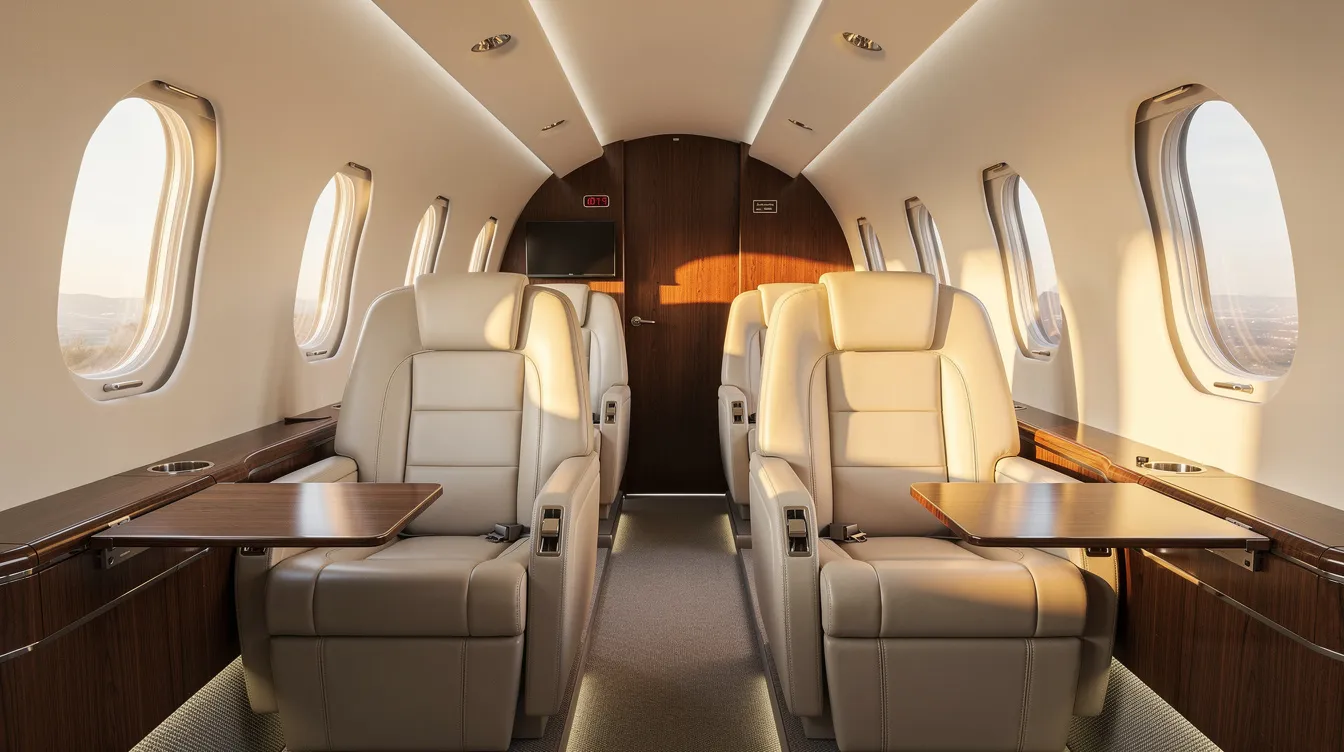
Empty Leg Flights: The Deepest Discounts on Private Jet Charters
Empty leg flights are repositioning flights - a private aircraft needs to fly from Point A to Point B without passengers, either to pick up its next charter or return to base. Rather than absorb the full cost, operators list these at steep discounts. Empty leg flights can save 25–75% on charter costs, and last-minute deals can reduce private jet prices by up to 50%.
Concrete examples bring this to life and illustrate when chartering a private jet is worth it:
A light jet empty leg from New York (TEB) to Miami (OPF) may price at $5,800–$8,200 versus a standard charter of roughly $18,500.
Los Angeles to Las Vegas on a light jet empty leg: $2,900–$4,400 for the entire aircraft, versus a full charter at ~$9,800.
In Europe, a Geneva–London empty leg on a midsize jet has been listed for as low as €990–€1,800, compared to a standard charter over €8,000.
The trade-offs are real. Empty leg flights come with fixed routes, limited departure windows, and lower confirmation probability - sometimes only 25–60% for legs listed well in advance, since they depend on the primary charter not canceling. These are ideal for flexible travelers planning leisure getaways or business travelers who can afford schedule ambiguity. They're not suited for must-make meetings.
To find leg flights directly, subscribe to dedicated empty-leg feeds, set up alerts on aggregator platforms, or use app notifications. BlackJet members receive curated last-minute private jet deals aligned with their home airports and preferred routes.
Shared and Semi-Private Flights: Private Terminals at Economy-Plus Prices
Semi private flights let you buy a seat, not the entire aircraft. You fly from a private terminal (FBO) with minimal security queues - typically arriving just 20–30 minutes before departure - and share the cabin with a small number of other passengers.
On high-frequency U.S. corridors, per-seat pricing can start as low as $250–$500 on light jets or regional jets. Public charter operators like JSX provide a public charter service avoiding major terminal congestion with comfortable seating, operating routes like Dallas–Houston and Los Angeles–Las Vegas. Shared charter services start at $249 per seat on select routes.
What you get: private terminal access, faster boarding, fewer than 30 co-passengers, and a meaningfully more comfortable experience than commercial economy. What you don't get: full cabin exclusivity or flexible schedules - semi private operators run fixed timetables on set routes.
This is the lowest barrier to entry for anyone wanting to fly private on a budget, particularly on popular routes. For those who also need guaranteed availability and full privacy on higher-stakes itineraries, BlackJet's jet card complements semi-private flying - use seat-share options for casual hops and reserve jet card hours for critical trips.
Membership Programs and Jet Cards: Cheap(er) Private Flights for Frequent Flyers
For frequent flyers who log 25 or more flight hours per year, membership programs and jet cards represent the smartest middle ground between pay-as-you-go charter and full aircraft ownership.
A jet card works by prepaying for a block of flight hours - typically 25 or 50 hours - at a fixed hourly rate locked for 12–24 months. Jet cards offer fixed hourly rates for prepaid flight hours, insulating you from seasonal demand spikes and last-minute pricing surges. Jet cards require an upfront deposit of $50,000 or more, with a 25-hour light jet card costing around $150,000. Jet cards also offer fixed hourly pricing and guaranteed aircraft availability.
Membership programs provide guaranteed availability and discounted rates compared to on-demand charter. Some programs cast a wider net: Wheels Up memberships start at $2,995 per year as an entry point, while Surf Air offers unlimited flights for $1,995 per month on select routes. These lower-tier memberships often come with trade-offs in aircraft selection and route flexibility.
BlackJet's jet card programs offer prepaid hours across multiple cabin classes, digital booking with real-time availability, dedicated support, and carbon-neutral flights as standard - designed for travelers seeking flexibility alongside predictability, similar to many of the best jet cards for frequent flyers on the market.
On-Demand Charter vs. Jet Card: Which Is Cheaper for You?
This decision boils down to how often you fly private and how much pricing unpredictability you're willing to absorb.
On-demand private jet charter means no upfront commitment. You pay per trip, and charter rates fluctuate based on demand, aircraft availability, repositioning needs, and seasonal surges. A charter broker sources available aircraft for each flight, which works well for very occasional travelers - but the per-flight cost tends to be highest in this model, especially during peak travel periods.
Jet cards require an upfront deposit, but deliver a fixed hourly rate, guaranteed availability (often with just 24–48 hours' notice), and stronger control over annual spend. No negotiating each flight. No repositioning surprises within defined zones.
Here's the practical breakpoint:
Traveler flying ~10 hours per year on domestic light jet hops: on-demand charter is likely cheaper. You avoid the capital commitment and simply pay market rate for a handful of flights.
Frequent travelers doing 50–75 hours per year across distances: a jet card or fractional ownership model becomes meaningfully more cost-effective, reducing your average per hour cost and eliminating the administrative hassle of sourcing a specific aircraft and negotiating each booking process. Understanding jet card cost per hour is key to making an apples-to-apples comparison with on-demand charter.
For those logging 25+ hours annually across U.S. and international routes, a BlackJet-style jet card typically yields lower average per-hour costs, less admin friction, and the peace of mind that comes with transparent pricing.
Fractional Ownership and Shared Ownership: When "Cheap" Means Long-Term Efficiency
Fractional ownership means purchasing a share - typically 1/16 or 1/8 - of a private aircraft, granting a set number of flight hours per year with guaranteed availability in a fleet of similar jets.
Entry costs are substantial. A 1/16th share of a Phenom 300, for example, runs approximately $596,875 upfront, with a monthly management fee of roughly $8,000–$12,000, plus an occupied hourly rate of about $2,200. Lighter aircraft like a King Air 350 fractional share might start around $224,750 with monthly fees near $3,700, and understanding fractional jet ownership depreciation is critical to evaluating the true long-term cost.
This model suits ultra-frequent travelers logging 100–200+ hours annually. At those utilization levels, effective cost per hour drops well below ad hoc charter rates. But it comes with capital lock-up, depreciation risk, and limited flexibility outside the specific aircraft type in your program.
For most travelers seeking to fly private at lower cost, a jet card or membership program delivers similar access without the upfront costs, equity risk, or complexity of fractional ownership. Unless you're consistently flying over 100 hours per year on a single aircraft class, the flexibility and lower commitment of a BlackJet membership or other unlimited private jet membership options will typically serve better.
Hidden Costs That Make "Cheap" Private Planes Expensive
The hourly rate you see quoted is rarely the final number. Total trip costs can increase by 20–40% due to additional fees that aren't always surfaced upfront, which is why reviewing a detailed private jet price list and fee structure can prevent expensive surprises.
Here's what to watch for:
Repositioning / deadhead charges: If the aircraft isn't based near your departure airport, flying it empty to you can add 30–100% to the invoice.
De-icing fees: Winter operations at northern airports add hundreds to thousands per departure.
Catering and Wi-Fi surcharges: Bespoke meals and satellite connectivity are rarely included.
Overnight crew expenses: Multi-day trips incur pilot hotel, per diems, and sometimes crew repositioning costs.
Hangar fees and parking: Extended stays at destination airports accumulate quickly.
International handling: Customs, immigration, and overflight permits on international routes layer on additional costs.
Minimum flight time billing: Booking a private jet typically requires a minimum of two flight hours, even if the actual flight time is shorter. A 45-minute hop still gets billed as two hours.
Federal excise tax: The 7.5% U.S. federal excise tax on domestic charters, plus per-segment fees of approximately $4–$6 per leg per passenger and international departure/arrival charges of ~$23.40 per passenger.
One-way pricing can also include built-in deadhead risk - the operator factors in the cost of flying the aircraft back empty, making an apparent "deal" less cheap than it appears.
BlackJet's jet card rates are structured to roll in the majority of these costs upfront within defined service areas, delivering clearer, more predictable trip totals. What you see is substantially closer to what you pay.
Aircraft Age, Cabin Class, and Safety: Saving Money Without Cutting Corners
An older aircraft doesn't automatically mean an unsafe one. A 10–20-year-old private jet maintained under FAR Part 135 with ARGUS or Wyvern-rated operators - regular inspections, certified maintenance programs, experienced crews - can be as safe as a factory-fresh model. The charter rate, however, is often meaningfully lower due to depreciation.
Cabin class trade-offs matter too. A light jet with 4–7 seats and limited headroom gets you there efficiently on a two-hour hop. A super-midsize with near-stand-up cabin height and a spacious cabin feels like a different experience entirely - but costs $3,000–$5,000 more per hour. Choosing wisely per route is how experienced private aviation users save.
Here's a practical scenario: a well-maintained 2008 light jet flying Boston to Toronto (roughly two hours) might cost $8,000–$10,000 all-in. The same trip on a brand-new super-midsize? Easily $18,000+. The flight time is identical. The safety, with a properly vetted operator, is equivalent.
BlackJet prioritizes safety certifications, pilot experience, and maintenance records first - then optimizes for cost within that safety framework. The cheapest private flight is never one that compromises airworthiness.
Sample "Cheap" Private Trip Scenarios With Realistic Numbers
Theory is useful. Numbers are better. Here are three concrete trip scenarios with approximate 2026 pricing ranges that mirror the ranges outlined in our broader guide on how much it costs to rent a private jet.
Scenario 1: New York (TEB) → Miami (OPF) - Family of Four, Light Jet
On-demand private jet rental: $17,000–$24,000 one-way.
BlackJet jet card (prepaid light jet hours at ~$4,500/hr all-in): approximately $12,000–$15,000 including flight time and positioning.
Empty leg if available: $5,800–$9,000. Significant savings, but requires flexible schedules and monitoring of real time availability.
Scenario 2: London (Farnborough) → Geneva - Same-Day Business Meeting, Midsize Jet
Standard charter flight: $20,000–$30,000+ one-way.
Last-minute empty leg: approximately $7,500–$11,000 depending on aircraft size.
Semi-private shuttle (on high-demand corridors): per-seat pricing in the low thousands for frequent operators.
Door-to-door timing: under 4 hours including ground transport versus 6–8 hours via commercial airlines with transfers.
Scenario 3: Los Angeles (VNY) → Las Vegas - Weekend Getaway
Semi-private per seat: approximately $300–$700.
Empty leg on a light jet for the entire aircraft: $2,900–$4,500.
Full on-demand charter: $8,000–$10,000+.
For group travel of 4–6 friends, splitting a full charter or empty leg drops per-person cost to potentially under $1,000.
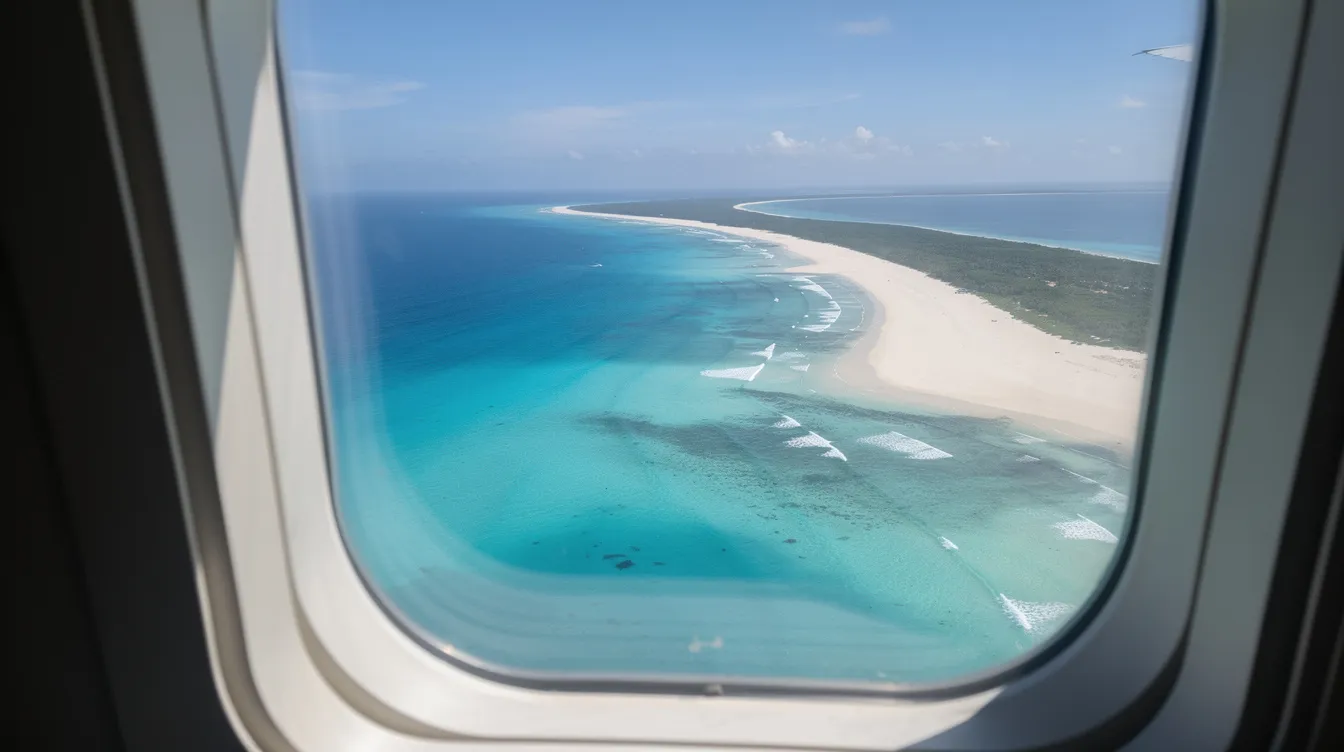
Each scenario demonstrates the same principle: when booked intelligently, the gap between "private jet charter" and "unaffordable" narrows dramatically. BlackJet's jet card smooths volatility for frequent, multi-city itineraries while still allowing members to capitalize on opportunistic steals like empty legs.
Technology: Using Apps and Digital Platforms to Find Cheaper Private Flights
The private aviation booking process has compressed from days of phone calls and fax exchanges to minutes in an app. Modern booking apps provide transparent pricing and instant booking for private jet services, fundamentally changing how most travelers access private charters.
Key features of today's platforms include instant pricing across aircraft categories, real-time empty leg feeds filtered by route and aircraft size, and direct messaging with aviation specialists. Using apps and platforms can help find available empty leg flights on desired routes without the back-and-forth of a traditional charter broker. Platforms like Jettly provide access to over 20,000 aircraft, and booking private jets can be done online in seconds with real time availability.
BlackJet's 24/7 digital booking tools let members request flights, compare cabin classes, buy seats on shared private jets, and confirm flexible itineraries in minutes. Practical habits that save money: set alerts on preferred routes (e.g., JFK–LAX), watch price changes across off-peak days, and book flights midweek rather than Friday afternoon to shave 10–20% off charter rates.
Tech-driven transparency - itemized quotes, live aircraft availability, side-by-side comparisons - helps travelers quickly distinguish genuinely cheap private jet options from inflated offers padded with hidden fees.
Taxes, Fees, and Regulations: The Fine Print That Affects "Cheap"
Regulatory and tax frameworks shape what you ultimately pay for private jet flights, and ignoring them turns apparent deals into expensive surprises.
In the U.S., the federal excise tax of 7.5% applies to the full charter value on domestic flights. Per-segment fees add roughly $5.30 per passenger per domestic segment, and international arrival/departure charges run approximately $23.40 per passenger. Round trip itineraries double most of these charges. Fuel is subject to excise taxes as well - 21.8 cents per gallon for noncommercial aviation use.
On international routes, cabotage rules, overflight fees, and handling/customs permits can quietly erode what looked like an attractive quote. These vary significantly by country and can make some "deals" on international routes less attractive once all costs are counted.
Membership programs and jet cards typically include these fees transparently in quotes, reducing surprise add-ons. Understanding jet card pricing structures helps you see which providers bundle taxes and fees versus charging them separately. BlackJet handles this complexity behind the scenes: members see clear, all-in pricing before they confirm, with federal excise tax and standard fees built into the quoted rate.
Sustainability on a Budget: Carbon-Neutral Flights Without Premium Pricing
Private aircraft carry higher per-passenger emissions than commercial flights - a fact that increasingly matters to executives making travel plans. Sustainability is no longer a niche concern; it's a core decision factor.
Carbon offset programs calculate emissions per flight hour and fund verified projects - reforestation, renewable energy, methane capture - to neutralize the footprint. The cost per flight hour for quality offsets is modest relative to total charter expense.
Sustainable Aviation Fuel (SAF) is emerging at major hubs like Los Angeles, London, and Amsterdam, though current price premiums remain significant. As supply scales, SAF will become a more practical option for regular private aviation use.
BlackJet ensures every jet card flight is carbon-neutral by default, with offsets built into the program rather than added as a surprise fee. As you compare the cheapest private aircraft options, remember that finding a private plane cheap doesn't require abandoning environmental responsibility - it requires choosing operators and programs with transparent, verified sustainability practices.
Safety and Certification: Never Trade Safety for a Lower Hourly Rate
The only unacceptable way to make private flying cheap is by compromising safety. Offers that dramatically undercut market rates by extreme margins deserve scrutiny, not enthusiasm.
Core safety markers to verify before booking any private flight:
FAR Part 135 certification (U.S.) or EASA standards (Europe)
Third-party audits: ARGUS Platinum, Wyvern Wingman, IS-BAO Stage 2/3
Pilot flight hours and recurrent training records
Maintenance history and inspection compliance as required by the Federal Aviation Administration
Always request operator credentials. A charter broker or platform that won't share this information is a red flag. The difference between a vetted operator and an unvetted one isn't visible from the tarmac - it's in the maintenance logs, crew training files, and insurance documentation.
BlackJet curates a vetted network of private aircraft and operators that meet strict safety and maintenance thresholds before being offered to members. The best strategy for finding a cheap private flight is optimizing aircraft type, route, and membership model - never cutting corners on airworthiness or crew experience.
How BlackJet Makes Private Jet Access More Cost-Efficient
BlackJet's model transforms sporadic, expensive private charters into predictable, well-priced private jet access through jet cards and membership programs designed for travelers who prioritize convenience without accepting unpredictable costs, especially with structured options like the BlackJet 25+ Hour Jet Card.
Key value levers:
Prepaid hours locking in fixed hourly rates across light, midsize, super-mid, and large cabin classes
24/7 digital booking tools with real-time human support
No surprise repositioning fees within covered zones
Capped peak-day surcharges and transparent fee structures including federal excise tax handling
Rigorous operator selection and safety certifications on every flight
Carbon-neutral flights on every journey at no additional cost
For travelers who expect to fly private 2–4 times per quarter or more, BlackJet's 25-hour and 50-hour jet card options provide the structure to fly more while spending less per hour - with complete luxury, safety, and sustainability built in, and they can be compared directly with a 100 hour jet card cost guide if your usage is even higher.

FAQ: Flying Private on a Budget
These are the questions we hear most from travelers exploring affordable private aviation for the first time.
What is the absolute cheapest way to fly private?
The lowest-cost entry point is a semi-private or seat-share flight, with per-seat pricing starting around $249 on select routes. For the entire aircraft, empty leg flights offer the deepest discounts - typically $2,000–$5,000 for light jets on popular domestic corridors.
Can I ever fly private for under $500?
Yes, on semi private flights along high-frequency U.S. corridors like Los Angeles to Las Vegas, per-seat pricing can drop below $500. These flights depart from private terminals with minimal wait times, though you share the cabin with other passengers.
Is a jet card worth it if I only fly private a few times a year?
If you're flying fewer than 15–20 hours per year, on-demand charter or empty legs likely offer better value. Once you consistently log 25+ hours annually, a jet card's fixed hourly rate, guaranteed availability, and fee transparency typically produce significant savings versus booking each private flight individually.
How far in advance should I book to get the best private jet rates?
For on-demand charter, booking 7–14 days ahead generally secures better aircraft availability and competitive rates. For empty legs, flexibility matters more than lead time - many of the best deals surface 48–72 hours before departure. Jet card holders benefit regardless of timing, since their rates are locked in.
Do I still go through TSA when flying private?
No. Private jet flights depart from fixed-base operators (FBOs), not commercial terminals. There are no TSA lines, no removing shoes, and no boarding queues. Most travelers arrive 15–20 minutes before departure.
Can I split a jet card with friends or business partners?
Many jet card providers, including BlackJet, allow authorized users on a single account. This lets business partners or travel companions share prepaid flight hours, effectively splitting upfront costs and making jet cards more accessible for those who might not individually log enough hours.
What's the difference between a membership program and a jet card?
Membership programs like Wheels Up (starting at $2,995 per year) provide access and discounted rates but may still charge variable per-flight pricing. Jet cards require a larger upfront deposit - $50,000 or more - but lock in a fixed hourly rate for prepaid hours, offering greater cost predictability for frequent flyers.
For personalized pricing scenarios based on your actual travel plans, BlackJet's team can model costs across jet card tiers and cabin classes to find the most efficient structure for your needs.
Conclusion: Making Private Plane Cheap Without Losing the Private Jet Experience
Smart strategy - not corner-cutting - is what makes flying private genuinely more affordable. The most effective levers are clear: match the right aircraft to your route, capitalize on empty legs and semi-private options when flexibility allows, commit to a jet card or membership program for frequent travel, and never compromise on safety or sustainability standards.
Private aviation is, at its core, a strategic tool. The hours reclaimed, the productivity preserved, and the flexibility gained often outweigh the incremental cost over commercial business class - especially when that cost is optimized through intelligent booking and structured programs.
Explore how BlackJet's jet card solutions can reshape your 2026–2027 travel with predictable, optimized private jet costs. Discover what effortless, carbon-neutral private access looks like when every detail is handled before you arrive at the tarmac.


 Sign up with google
 Sign up with Apple