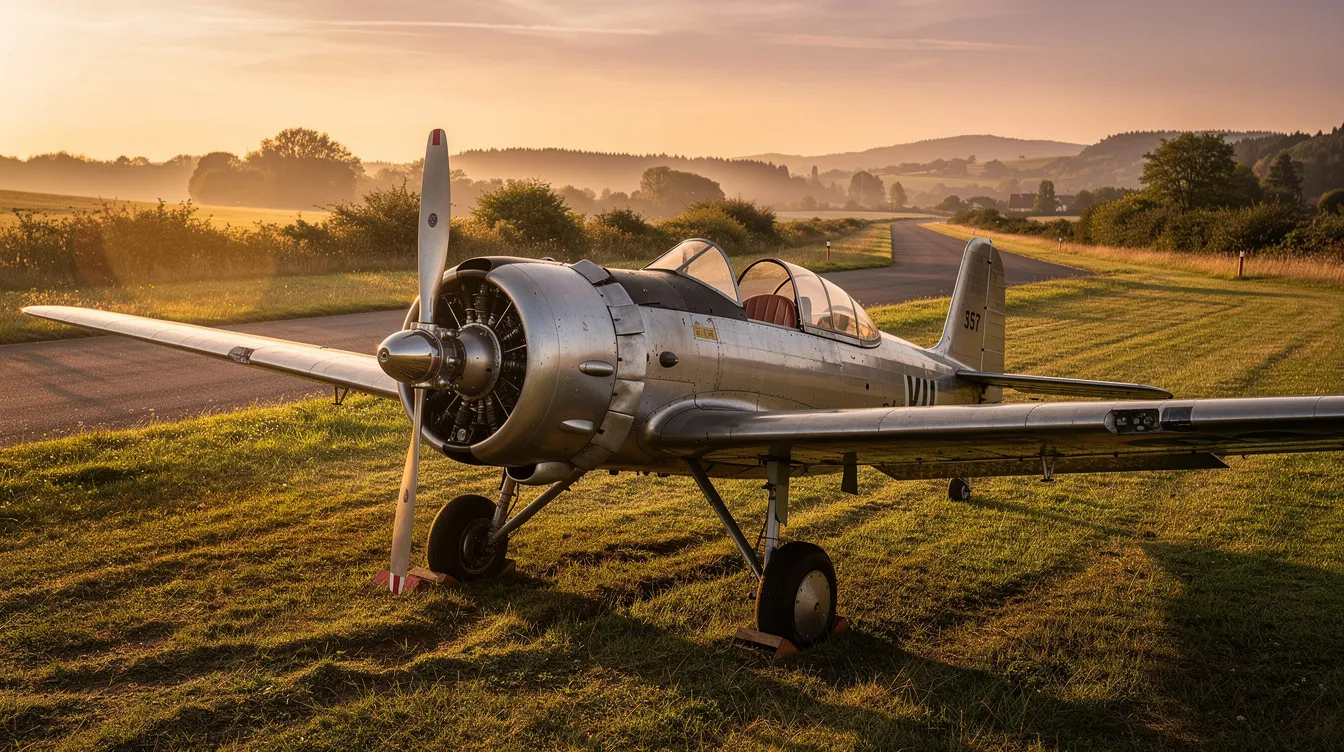
For many pilots, a certified airplane under $50,000 is where real ownership begins. These aren't fantasy purchases-they're practical, flyable machines that deliver scheduling freedom, direct field-to-field access, and the satisfaction of building hours on your own terms.
Why "Planes Under 50K" Matter in Today's Aviation Market
Aircraft options under $50,000 are typically older two-seat trainers or early four-seat models, where acquisition cost stays low enough for individual pilots, small businesses, and flight school operators to enter aviation without massive capital. Their price reflects age, simple systems, and often dated avionics, but they still deliver certified flight and usable performance.
Owning a cheap aircraft in this bracket starts to compete with frequent airline or charter travel for short regional missions of 250–500 nautical miles. You gain full schedule control, access to smaller GA airports, and eliminate gate-check logistics.
While BlackJet specializes in Jet Card access and private jet charter, many of our members started with economical piston aircraft, including some of the cheapest planes in the $20,000–$50,000 range-before graduating to jet-level performance.
This article delivers a direct answer to "What are the best planes for sale under 50k in 2026?" then moves into total ownership cost, storage decisions, mission matching, safety, and how a Jet Card complements piston ownership.
Quick Answer: The Best Planes for Sale Under 50K in 2026
In early to mid-2025, flyable certified aircraft under $50,000 remain available across the U.S. used-aircraft markets. The most affordable airplanes cluster around classic two-seaters and a handful of older four-seat models. Here are the models that routinely appear below or near the $50K cap:
ERCO Ercoupe 415: The ERCO Ercoupe is often priced under $20,000, with cleaner examples reaching $30,000. Spin-resistant, tricycle gear, two seats.
Aeronca Champion (7AC/7DC/7EC): The Aeronca Champion is frequently priced under $25,000 for airworthy examples; clean specimens reach ~$35,000. Classic taildragger.
Cessna 140/120: Cessna 140 models can be found for under $30,000 on the lower end, up to ~$40,000 for well-kept examples with solid engines.
Cessna 150/152: Widely available from ~$28,000 to $45,000. Older models like Cessna 150 and Piper Cherokee are popular in this budget for good reason: parts are everywhere.
Taylorcraft BC-12D: The Taylorcraft BC-12D can be purchased for around $20,000, sometimes up to $30,000 for clean, well-maintained small aircraft.
Luscombe 8A: The Luscombe 8A is available for under $25,000 in many cases; top examples approach $35,000.
Stinson 108: Four seats, $30,000–$45,000 for "club" condition. One of the cheapest practical four-seat options.
Early Piper PA-28-140 Cherokee: Entry-level four seats in the $38,000–$50,000 band, common in flight school fleets.
Older Beechcraft Musketeer: Rare below $50K but occasionally surfaces with lower-power engines and older airframes.
Prices reflect U.S. used-aircraft listings and owner reports as of 2024–2025. Condition, avionics, and engine time can move any plane above or below the $50K threshold. For buyers who eventually need jet-level range and speed, an economical piston aircraft can serve as a bridge to future private jet access via BlackJet's Jet Card programs.
Not Just Purchase Price - Understanding Total Ownership Under 50K
A $40,000 purchase can quietly become a $70,000 decision over three to five years once fuel, maintenance, insurance, and storage are factored in. Aircraft ownership demands budgeting well beyond the sale price. You should budget for annual inspections and maintenance from day one when purchasing an aircraft.
Annual Operating Costs
Annual operational costs for small aircraft average $8,000 to $12,000 for recreational use of 50–75 hours per year. This covers fuel, oil, insurance, tie-down or hangar, basic maintenance, and the mandatory annual inspection.
Fuel Costs
Storage Costs
Annual Inspections
Annual inspections typically cost between $750 and $2,000 for basic singles, but can climb if the shop finds corrosion, AD compliance issues, or worn components.
Maintenance Costs
Maintenance costs can range from 10% to 45% of yearly expenses, depending on the aircraft's age, condition, and flight hours.
Avionics Upgrades
Here's the counterintuitive truth: a well-equipped $45,000 aircraft with recent engine work and updated avionics can cost substantially less over five years than a rough $25,000 "project" airplane that drains money on fabric, corrosion repair, and panel upgrades.
For trips beyond what a small piston can cover, distance, speed, comfort, and occasional private jet use via a Jet Card removes all fixed maintenance and depreciation burdens. You pay only for flight hours, and understanding jet card pricing, costs, and benefits makes it a natural complement rather than a competitor to affordable airplanes.
Two Seats or Four Seats? Matching Cheap Aircraft to Your Mission
The first strategic decision for any buyer under $50K: Do you need two seats or four seats? The answer shapes your operating costs, purchase options, and long-term satisfaction, and mirrors questions faced by anyone comparing the cheapest private aircraft options across categories.
Two-Seat Trainers and Taildraggers
Two-seat trainers and taildraggers (Cessna 150/152, ERCO Ercoupe, Aeronca Champion, Taylorcraft BC-12D, Luscombe 8A):
Two-seaters offer lower fuel consumption and simplicity, burning just 4–7 GPH with simple systems and fewer maintenance headaches
Ideal for solo personal flying, initial training, stick-and-rudder skill building, and weekend flights under 100–200 nm
Typical two-seaters in this price range have a range of roughly 300 to 400 nautical miles, sufficient for a meaningful cross-country VFR trips.
Lower insurance premiums and cheaper parts keep the budget manageable
Four-Seat Vintage Singles
Four-seat vintage singles (Stinson 108, early Piper PA-28-140 Cherokee, older Beechcraft Musketeer) can be a stepping stone toward more capable aircraft, much like evaluating the best features of a 5 million dollar private jet helps frame what larger-cabin capability really delivers.
Better for carrying two adults plus kids or luggage, light business hops, or cross-country legs of 250–400 nm
Higher fuel burn (~9–10 GPH) and more complex structural maintenance
A Stinson 108 in club condition at $32,000–$40,000 can carry four seats and luggage, making it one of the best value airplanes for families on a budget
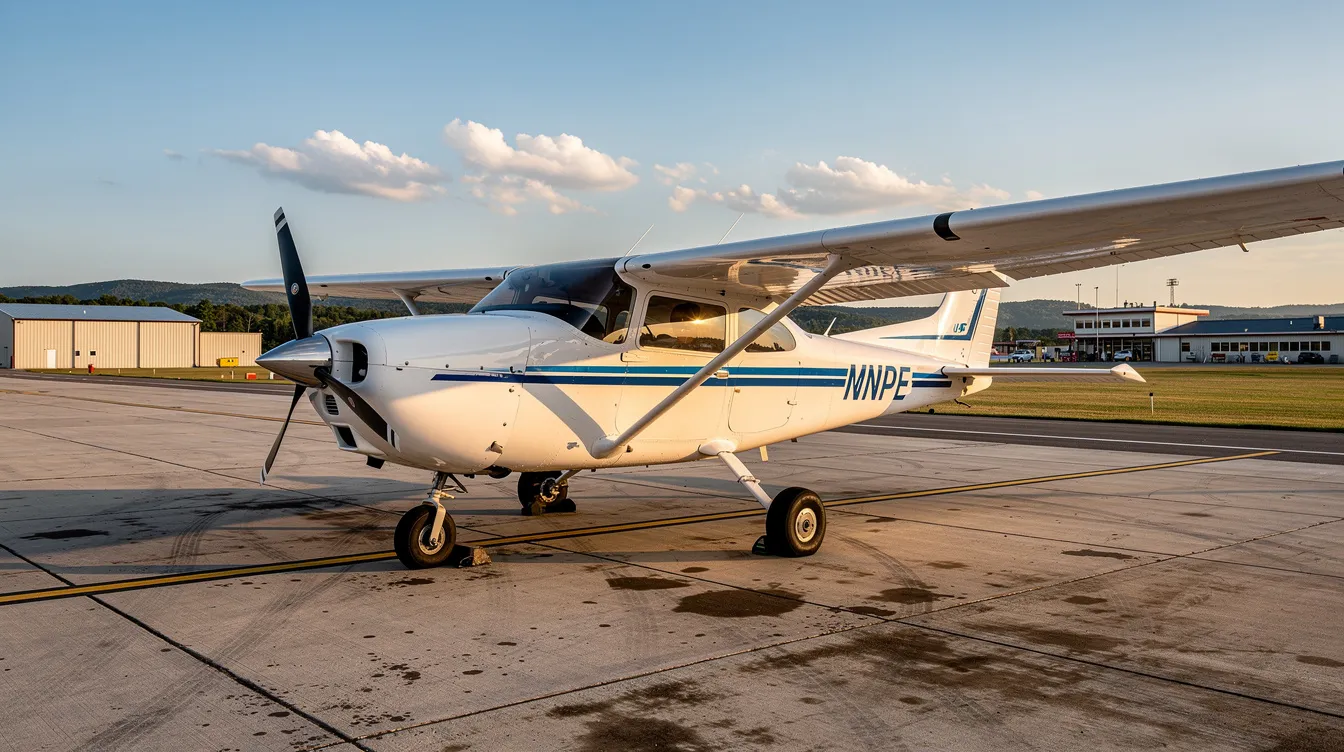
Many flight schools still rely on the Cessna 150/152 as a first trainer and older Cherokees for primary students; these remain the cheapest planes to operate per hour in fleet environments.
Top Cheap Aircraft Models Under 50K (With 2025 Price Ranges)
Below are the models that pilots routinely find for sale under $50K, profiled by role, price, and ideal buyer.
Aircraft Model | Price Range | Seats | Notable Features | Ideal Buyer |
|---|
ERCO Ercoupe 415 | $18,000–$30,000 | 2 | Spin-resistant, rudderless design, low weight, easy to fly | Beginner pilots, budget flyers |
Aeronca Champion (7AC/7DC/7EC) | $20,000–$35,000 | 2 | Classic taildragger, excellent trainer for tailwheel ops | Vintage enthusiasts, trainers |
Cessna 140/120 | $25,000–$40,000 | 2 | Metal fuselage, fabric wings, good short-field performance | Heritage collectors, pleasure flying |
Cessna 150/152 | $28,000–$45,000 | 2 | Widely available, low fuel burn, huge parts supply | Flight schools, student pilots |
Taylorcraft BC-12D | $18,000–$30,000 | 2 | Very low fuel burn, vintage charm | VFR enthusiasts, stick time seekers |
Luscombe 8A | $22,000–$35,000 | 2 | Lightweight, responsive controls, sliding canopy | Skilled pilots, vintage lovers |
Stinson 108 | $30,000–$45,000 | 4 | Four seats, good for family, burns ~9-10 GPH | Families, light business use |
Early Piper PA-28-140 Cherokee | $38,000–$50,000 | 4 | Low-wing, tricycle gear is common in flight schools | Flight schools, private owners |
Older Beechcraft Musketeer | Rare under $50,000 | 4 | Reliable handling, budget-conscious buyers | Experienced pilots seeking 4 seats |
Storage, Tie Downs, and Protecting a Sub-50K Aircraft
Storage choice directly impacts total ownership cost and long-term airframe condition, especially for vintage fabric and metal aircraft.
Outdoor Tie Down
Hangar Storage
Hangar or shared hangar storage runs $300–$600+/month but protects paint, fabric, avionics, and interior from UV, moisture, and hail, critical for older, cheaper aircraft like the Aeronca Champion or Stinson 108.
Storage Accessories and Best Practices
A very cheap airplane stored outdoors in harsh climates (coastal salt air, freeze-thaw cycles, high humidity) may need more frequent fabric work, corrosion treatment, and cosmetic repairs. These costs erode the savings of a low purchase price.
Over a five-year ownership period, the cumulative cost difference between hangar and tie-down storage can equal 20–40% of a sub-$50K aircraft's purchase price.
Recommended accessories for tie-down aircraft: control locks, gust locks, quality covers, regular post-storm inspections, periodic waxing, and anti-corrosion treatments. For fabric airplanes, inspect fabric tension, stitching, and UV damage regularly.
Financing, Partnerships, and Flight School Use of Planes Under 50K
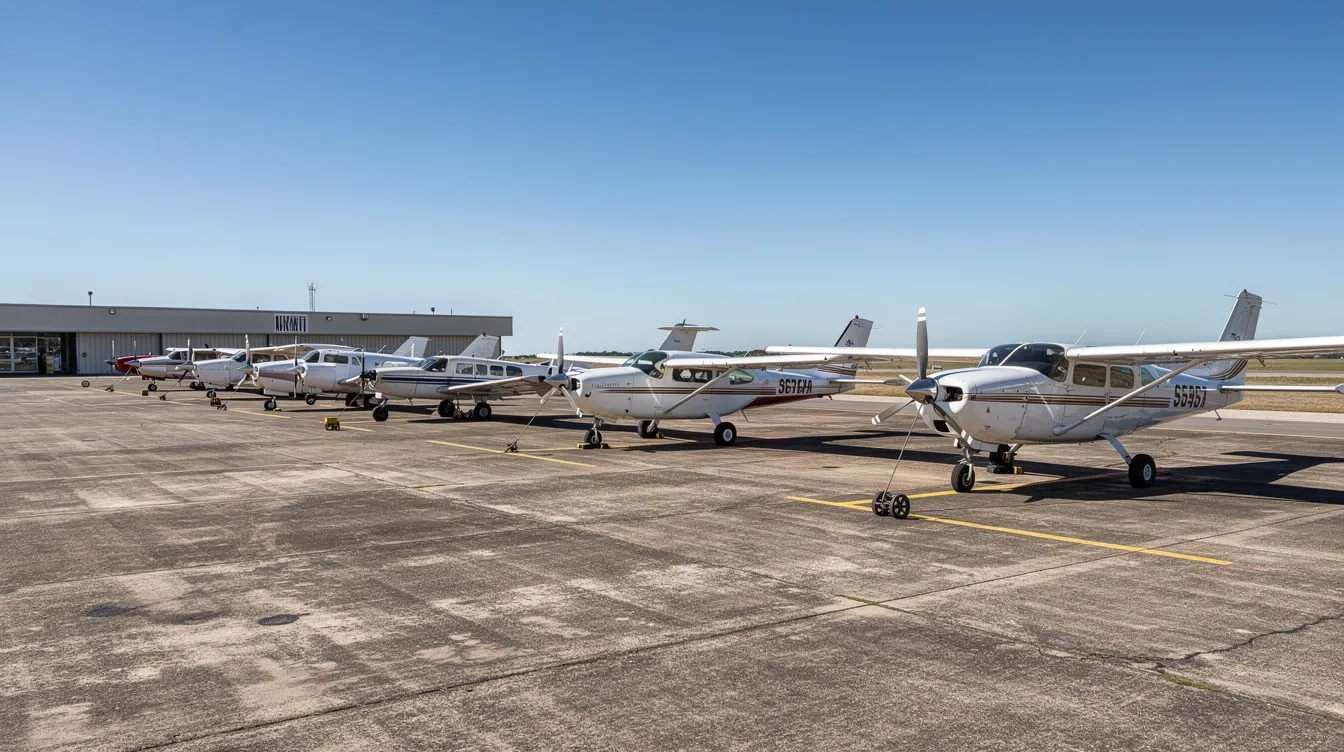
Few individual buyers pay cash outright for a plane. Most rely on a mix of aviation loans, co-ownership, or flying club membership to afford entry-level aircraft.
Aviation Loans
Aviation loans: Typical terms run 5–15 years. Lenders prefer aircraft with solid pre-buy inspections, complete logbooks, and reasonable hull value. Well-kept,t affordable airplanes are easier to finance than neglected projects with incomplete records, and an essential guide to financing an airplane can help you structure the right loan for your mission and budget.
Co-Ownership
Co-ownership: Two or three pilots sharing a Cessna 150 or Piper Cherokee can split insurance, tie-down fees, and annuals. Agreements define usage schedules, cost shares, and responsibility for wear items. This can cut fixed costs by 50–65% per person, similar in spirit to how you can buy just a seat on a private jet through shared models instead of chartering the entire aircraft.
Flying Clubs
Flight School Economics
Flight school economics: Schools deliberately seek the cheapest planes with proven safety records to maintain competitive hourly rental pricing. The Cessna 150/152 and PA-28-140 dominate because pilots know them, mechanics know them, and parts are ubiquitous—paralleling the broader market for top affordable private planes for budding aviators and echoing how training-oriented buyers later compare NetJets jet card costs and structures when stepping into turbine access.
For owners who eventually outgrow their piston aircraft-needing speed, range, or space for multi-city business days, BlackJet's Jet Card programs provide the natural next step without the capital burden of turbine ownership.
Safety, Inspections, and Buying Vintage Cheap Aircraft Wisely
The cheapest planes are often the oldest. Safety depends on maintenance quality and history, not price tag. A thorough pre-purchase inspection is essential to verify damage history, and a reputable mechanic should perform a pre-buy inspection to avoid costly surprises.
Pre-Purchase Inspection
Red Flags and Engine Overhauls
Red flags to watch: undocumented repairs or damage history, corrosion in wing spars and carry-throughs, out-of-date fabric, ancient avionics lacking ADS-B Out, and overdue engine overhauls. Many planes in this range will have high-time engines close to Time Between Overhaul, which is why any search for the cheapest private aircraft and budget-friendly options must balance sticker price with long-term maintenance realities.
Piston engines have a recommended Time Between Overhaul typically between 1,500 and 2,000 hours. Engine overhauls can exceed the purchase price of a $50,000 aircraft-a Continental O-200-A overhaul commonly runs $12,000–$22,000, depending on shop and parts.
Airworthiness Directives and Maintenance
Older aircraft often require compliance with FAA Airworthiness Directives, adding cost and complexity. Verify all AD and SB compliance before you purchase.
Basic owner-permitted maintenance (oil changes, cleaning spark plugs, cosmetic interior work) can save money, but certified annual inspections, structural repairs, and logbook entries must be handled by licensed mechanics.
BlackJet's emphasis on safety certification and operator vetting on the jet side reflects the same rigorous culture that smart piston owners should apply-even in the cheapest segment of aviation, whether they eventually charter a small private plane for specific missions or continue flying their own piston aircraft.
From Cheap Aircraft to Private Jet Access: How BlackJet Fits In
Many owners of planes under $50K eventually face missions their cheap aircraft cannot cover: long-range flights, tight schedules, adverse weather, or carrying more passengers with security and comfort, at which point exploring affordable private aircraft and entry-level jet options, the cheapest private jet choices for budget-conscious travelers, or even premium private jets for sale in the UK market,t becomes increasingly relevant.
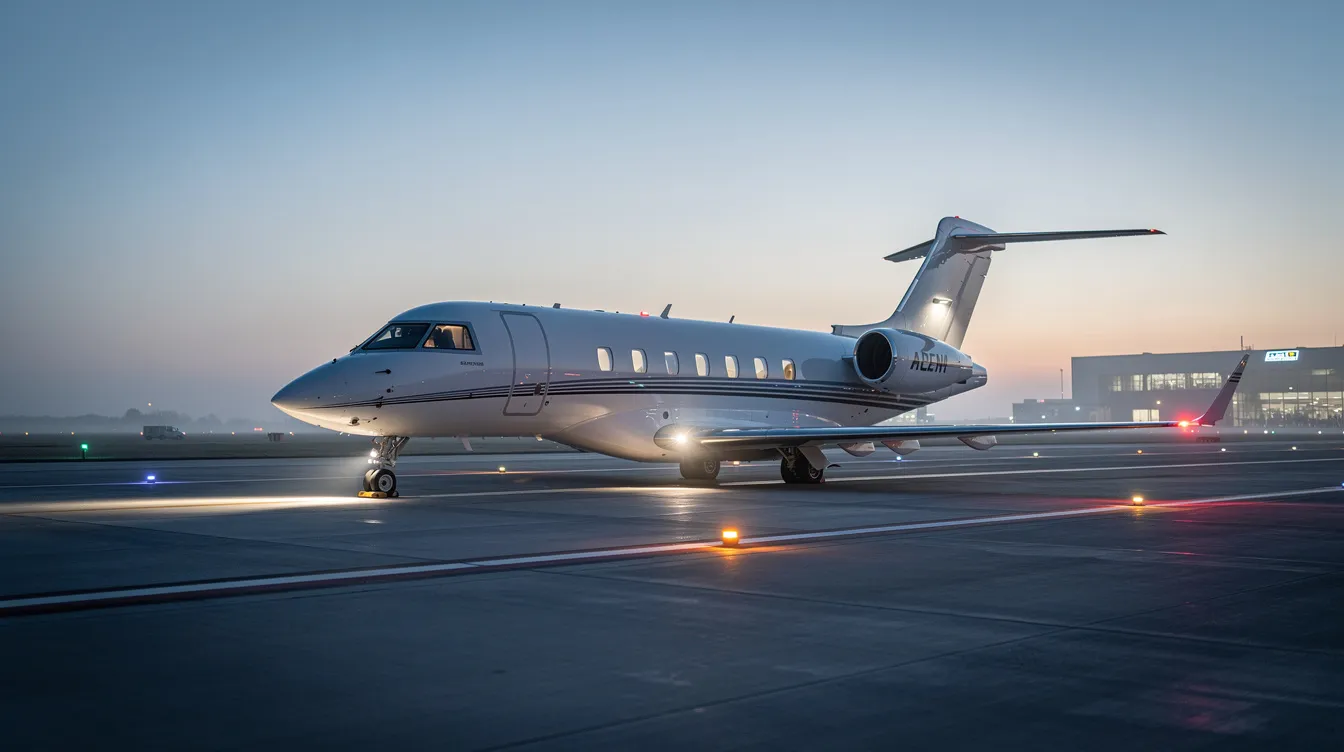
BlackJet offers Jet Card programs in 25- and 50-hour blocks, providing on-demand access to light, midsize, super-midsize, and large-cabin jets. This complements rather than replaces a cheap piston airplane, and options like the BlackJet 25+ Hour Jet Card are specifically designed to pair well with entry-level ownership, much as comparisons with Flexjet jet card pricing and options help frame the broader market.
Concrete scenario: A pilot who owns a Cessna 150 based in Texas handles local and regional flights personally. When a business meeting demands a New York itinerary or an international trip, a Jet Card from BlackJet’s premium private jet card programs delivers the speed, comfort, and reliability that no $40,000 piston can match. Every BlackJet flight is carbon-neutral as standard, with proprietary safety certification and 24/7 digital booking, a stark contrast to the slower logistics of piston trip planning.
The economics are clear: owning a small, cheap aircraft covers your local missions at minimal cost, while a Jet Card avoids the upfront capital, depreciation, and maintenance of turbine ownership. You fly jets only when the mission demands it and maintain your money where it matters, especially when you compare the best jet cards for frequent flyers and their costs across providers and evaluate alternatives like leasing a private jet for added flexibility.
Explore premium jet access with BlackJet as the next chapter in your aviation journey.
FAQ: Planes for Sale Under 50K in 2025
Can I really find a safe, airworthy plane under $30,000 in 2025?
Yes. The ERCO Ercoupe often sells for under $20,000, the Aeronca Champion is typically available for under $25,000, and the Luscombe 8A is often listed for under $25,000—exactly the kind of models highlighted among top affordable private planes for new pilots. Taylorcraft BC-12Ds and older Cessna 150s also appear in this range. Safety depends entirely on maintenance history and condition, not the price tag.
How much does it cost per hour to fly a small, cheap aircraft?
All-in operating costs for basic two-seat trainers typically run $80–$150 per hour in 2025, depending on fuel price, maintenance reserves, and annual usage. Variable cost (fuel, oil) may be $30–$50/hour; fixed costs spread across more hours improve economics—figures that compare interestingly with the charter cost of a small private plane when you only need occasional trips.
Are four seats realistic under 50K?
Yes. The Stinson 108, early PA-28-140 Cherokee, and some Beechcraft Musketeers fall under or near $50,000. Useful load constraints mean full fuel plus four adults plus luggage often approaches max gross weight, so plan accordingly.
Are tie downs safe for long-term storage?
In mild, dry climates with proper covers, gust locks, and regular inspections, tie downs can maintain aircraft condition adequately. In harsh climates (hail, humidity, salt air), outdoor storage accelerates deterioration and can cost more in repairs than a hangar would have.
Is it cheaper to learn in my own plane or at a flight school?
Owning an older Cessna 150 can lower per-hour direct costs once you fly 50–100+ hours per year. Below that threshold, renting from a flight school or flying club often costs less when you factor in insurance, storage, and compliance obligations, so it pays to compare those numbers with scenarios outlined in our cheapest new plane and aspiring-pilot guide.
If I only fly long-distance a few times per year, is private jet access better than owning a cheap aircraft?
For occasional long trips where speed, instrument capability, and comfort matter, Jet Card access via BlackJet is typically more efficient. Ownership makes sense when local missions dominate. The smartest approach for many pilots: own a piston for recreational and regional flights, and use a Jet Card for everything beyond—an approach that aligns with broader insights from our private jet price list and access model overview, and scales all the way up to selecting the best private jet for 20 passengers or even large private jets for 50 passengers when group needs expand.
Conclusion: Smart Ownership Starts with the Right Plane and Scales with Jet Card Access
Purchasing a plane for under $50,000 offers an accessible entry point into aircraft ownership, combining affordability with practical utility for regional and recreational flying. These classic two- and four-seat models provide reliable, enjoyable flying experiences while demanding careful attention to maintenance, storage, and operating costs.
However, as missions grow more complex—requiring longer range, faster speeds, and enhanced comfort—the combination of piston ownership and premium private jet access through BlackJet’s Jet Card programs becomes a powerful strategy. This approach balances cost-efficiency with the ultimate convenience, safety, and sustainability that discerning travelers expect.
By thoughtfully matching your aircraft choice to your flying needs and supplementing with on-demand jet access, you can elevate your aviation lifestyle without compromising financial prudence or travel flexibility. Explore how BlackJet can seamlessly complement your ownership journey and unlock new horizons in private aviation.


 Sign up with google
 Sign up with Apple