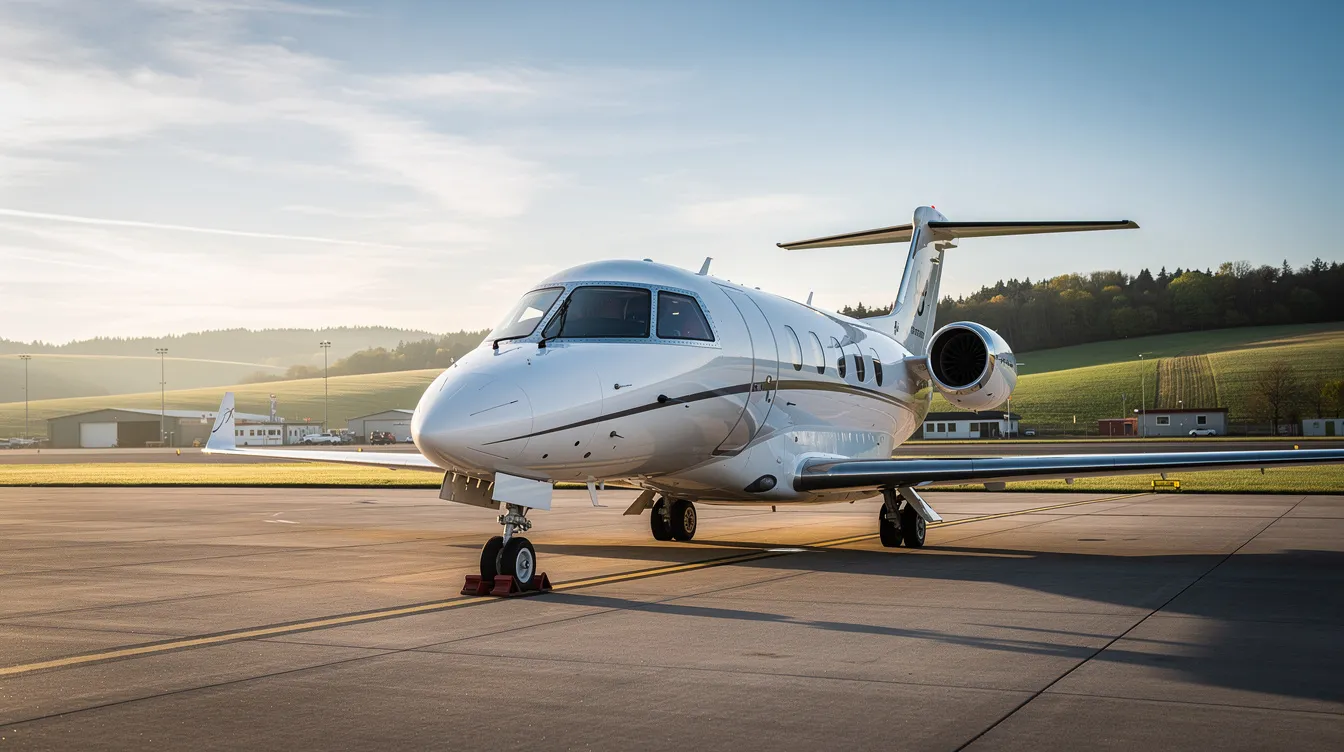
This guide explores the world of personal aircraft, from owner-flown pistons to modern jet card programs. Whether you're a prospective owner, frequent business traveler, or simply curious about private aviation, this article explains what personal aircraft are, how they are accessed, and why they matter in today's travel landscape.
Why Personal Aircraft Access Is a Strategic Advantage
Consider the typical commercial aviation experience: arrive two hours early, clear TSA, navigate a hub airport, absorb the inevitable delay, and repeat on the other end. On a route like New York to Boston or Los Angeles to Scottsdale, that ritual can consume an entire working day. Personal aviation eliminates most of it, saving two to three hours per trip-time that compounds into weeks over a year for frequent travelers.
Today, "personal aircraft" means far more than a single-engine piston sitting in a private hangar. It encompasses everything from owner-flown light aircraft to on-demand access to jets and turboprops through services like BlackJet's Jet Card programs. Private aircraft provide privacy and comfort to passengers while unlocking airports that commercial airlines simply do not serve.
Picture this: an executive based in Westchester needs to attend a same-day meeting at Washington Dulles. On the airlines, that mission involves a drive to JFK or LaGuardia, two flights with a possible connection, ground transport at the other end, and roughly ten hours door-to-door. Via personal aviation-whether in an owner-flown high-performance single or a light jet booked through a Jet Card-the same trip shrinks to about four hours, round trip included. Owning personal aircraft allows for scheduling flexibility and access to more destinations, but you no longer need to own an airplane to enjoy those advantages. Prepaid jet time, digital booking, and guaranteed availability have made personal aviation a strategic tool for anyone who values time over convention.
What Is a Personal Aircraft? Definitions and Use Cases
A personal aircraft is a small fixed-wing airplane or very light jet optimized for individual or small-group travel rather than scheduled airline service. Personal aircraft typically seat one to six passengers, though some light jet configurations extend to seven or eight. They range from basic two-seat trainers to pressurized turboprops and single-engine jets designed for cross-country business missions.
Weekend leisure and second-home access. A family flying a four-seat piston from Chicago to northern Michigan on a Friday afternoon, skipping six hours of highway traffic.
Regional business hops. Executives connecting cities 200–500 nm apart for meetings that last a few hours, returning the same day.
Flight training. Students and career-track pilots building hours in forgiving trainers before pilots transition to more complex types.
Adventure and recreation. Quick golf weekends where space for golf clubs and light luggage matters, or backcountry flying into remote airstrips.
Regulatory context. In the United States, private owners fly under FAA Part 91, which governs non-commercial operations. Charter and jet card flights operate under FAA Part 135 with professional crews, standardized safety oversight, and stricter operational requirements. Pilot certifications and insurance influence what can be flown legally under each framework.
Capacity tiers. Two-seat trainers and light sport aircraft; four-seat family pistons like the Cessna 172 or Piper Archer; five- to six-seat high performance singles and turboprops; and four- to eight-seat light jets that can be owner-flown or accessed through charter and Jet Cards. Travelers can access private jets without needing a pilot license-simply by booking a chartered flight with a professional crew, and broader overviews of the best small private aircraft for every need illustrate how pistons, turboprops, and light jets serve different mission types.
Core Classes of Personal and Light Aircraft
Personal aircraft span a wide performance spectrum. At one end sit simple single-engine piston trainers; at the other, sophisticated light jets and personal jets like the Vision Jet. Understanding these classes helps match aircraft to mission profile.
Single-engine piston trainers (Cessna 172 Skyhawk, Piper Archer LX). Single-engine piston trainers cruise at 90–130 KTAS. Ideal for training, local flights, and regional hops under 400 nm. Single-engine piston aircraft are common and affordable private planes, with used examples available well under six figures.
High-performance singles (Cirrus SR22T, Beechcraft G36 Bonanza, Diamond DA50 RG). Cruising speed in the 170–210+ KTAS range, IFR-capable, equipped with modern avionics and glass cockpits. Built for 600–1,200 nm missions with efficient performance and pressurized comfort in select models.
Utility and backcountry aircraft (Cessna 206 Turbo Stationair HD, CubCrafters CarbonCub SS). Prioritize payload, short-field landing capability, and access to rough strips over speed. These are the workhorses for adventure-minded pilots.
Turboprops and light jets (Pilatus PC-12 NGX, TBM 960, Embraer Phenom 300, Cessna Citation CJ3+). Turboprop aircraft bridge the gap between piston aircraft and jets, offering cabin-class comfort at lower operating costs. Multi-engine piston aircraft provide redundancy and higher performance for those who want an added safety margin. Very light jets are certified for single-pilot operation, making them accessible to qualified owner-pilots. For non-pilots, these types are most commonly accessed via charter or jet card programs.
Top Entry-Level Personal Aircraft Models for New Pilots
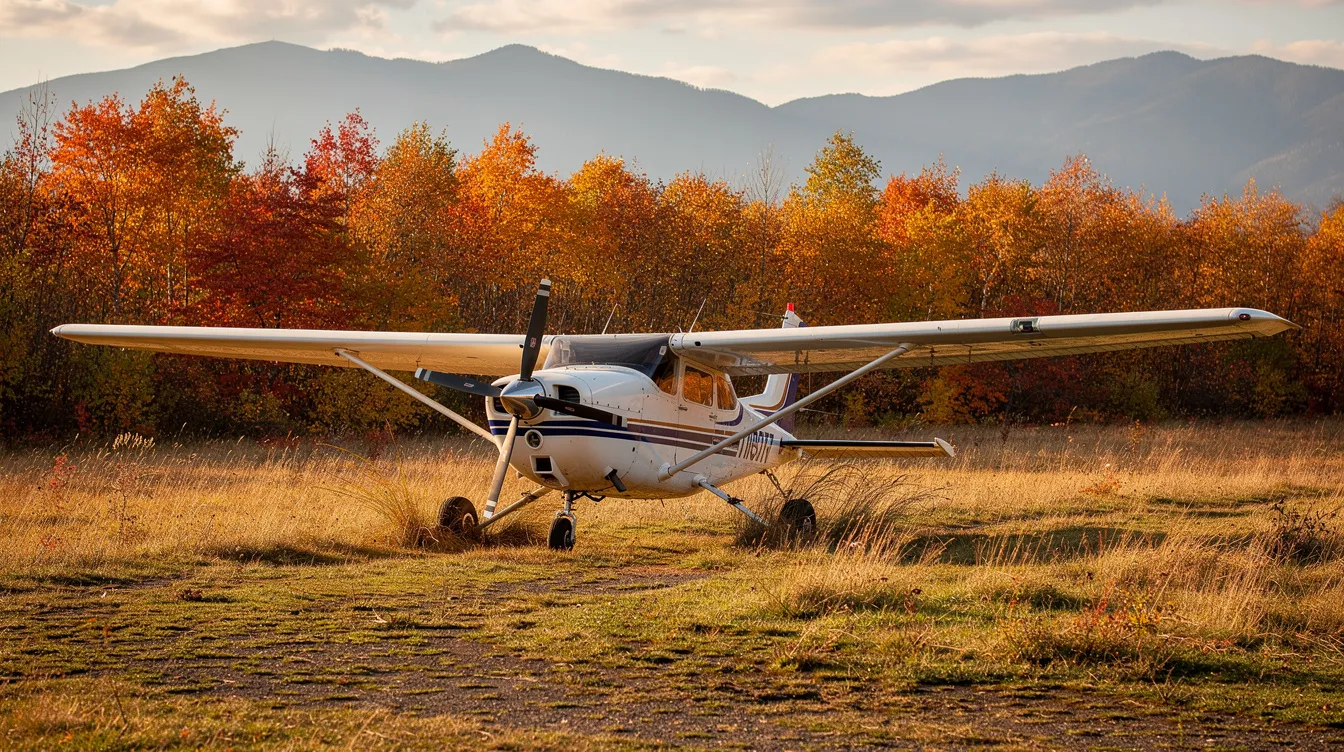
New pilots typically begin their flying experience in forgiving, stable flight platforms that reward good habits and tolerate small mistakes. Here are four models that dominate the entry-level personal aviation landscape.
Cessna 172 Skyhawk. Four seats, approximately 124 KTAS cruise, 500–640 nm range. In production since 1956, the Skyhawk has the world's largest training and support ecosystem. Certified aircraft are built under strict standards providing predictable maintenance, and the 172 exemplifies that principle.
Piper Archer LX. Four seats, roughly 128 KTAS cruise, approximately 522 nm range. Modern Garmin glass cockpit options give the Archer a more intuitive flying experience for students and early owners alike. A strong choice for pilots who want a capable personal use aircraft with room to grow.
Diamond DA40 NG. Composite airframe, four seats, powered by a Jet A fuel diesel engine for lower fuel burn and broader fuel availability. Cruising speed of 145–150 KTAS with approximately 940 nm maximum range. The DA40 has earned a strong safety reputation in the general aviation community, with stable flight characteristics and excellent visibility.
Representative light sport aircraft (ICON A5, Texas Aircraft Colt). Two seats, simplified licensing requirements, slower cruise but lower operating costs. Light sport aircraft are built under lighter regulatory standards for recreation and are limited to 1,320 lbs maximum takeoff weight. Excellent for pure recreational flying and weekend fun, though payload and range limit their utility for business missions.
High-Performance Personal Aircraft for Business and Cross-Country Travel
Entrepreneurs and professionals who regularly fly 600–1,000 nm missions gravitate toward faster, better-equipped personal aircraft that combine range, speed, and passenger seat comfort for long-distance travel. These planes blur the line between personal-use machines and executive transport.
Cirrus SR22T. Turbocharged single-engine, four- to five-seat, 180–213 KTAS cruise, approximately 1,000–1,200 nm range. High-performance pistons like Cirrus SR22T cruise at 180–213 KTAS. The aircraft includes advanced Garmin avionics and, critically, the Cirrus Airframe Parachute System-a whole-airframe parachute system that has redefined safety expectations in the Cirrus Aircraft lineup. The SR22T is the perfect aircraft for owner-pilots who want both speed and an additional layer of protection.
Diamond DA50 RG. The Diamond DA50 RG received FAA certification in 2024, becoming the newest entrant in the five-seat, retractable-gear class. Its Jet A diesel engine emphasizes fuel efficiency, and the cabin features premium materials suited to family or executive use. Its unmistakable presence on the ramp reflects a new generation of personal aircraft design.
Piper M350 "Malibu Mirage." The only pressurized piston in its class, with six seats, approximately 200 KTAS cruise, and up to 1,400 nm max range. The Piper M350 offers a pressurized cabin for enhanced comfort at altitude, delivering near-turboprop capability at piston operating costs. A compelling option for pilots who need reliable long-leg performance.
Beechcraft G36 Bonanza. Six seats, approximately 174 KTAS cruise, with a production history and reputation that make it a premium, versatile choice for both business and family missions. The Bonanza remains a benchmark for reliability and build quality in the piston world.
Utility, Backcountry, and Adventure Personal Aircraft
Not every mission is about speed. For pilots whose priority is cargo capacity, access to remote strips, and the ability to operate where paved runways don't exist, utility and backcountry aircraft deliver capabilities that no jet can match. Unlike helicopters or newer aircraft with vertical takeoff capability, these fixed-wing models give up point-to-point flexibility for better range and efficiency.
Cessna 206 Turbo Stationair HD. Often called the "SUV of the skies," this six-seat workhorse cruises at 150–161 KTAS with a range of 703 nautical miles. Utility aircraft like the Cessna 206 can carry over 1,400 lbs of useful load, making it ideal for hauling gear to remote cabins, fishing lodges, or short strips deep in mountain terrain.
CubCrafters CarbonCub SS. Two seats, approximately 110 KTAS cruise, exceptional STOL performance. Purpose-built for bush flying, gravel bars, and true off-airport adventures. Its precise control at low speeds gives pilots confidence on strips that would challenge most other models.
Amphibious personal aircraft (ICON A5). Two seats, capable of water and runway operations. Amphibious aircraft can take off and land on both water and runways, offering a lifestyle-oriented flying experience with high fun factor, even if speed and payload are limited.
Chartering capability aircraft. Many travelers who want backcountry access without piloting themselves charter rugged turboprops like the Pilatus PC-12 NGX. With its short-field ability, pressurized cabin, and generous cargo hold, the PC-12 delivers adventure-ready performance with enhanced comfort and professional crews.
From Personal Aircraft to Personal Jet: Cirrus Vision Jet and Light Jets
The definition of "personal aircraft" now extends into the jet world. Very light jets like the Cirrus Vision Jet and entry-level light jets from Cessna and Embraer have made jet-speed travel available to owner-pilots and jet card passengers alike. For many in the aviation industry, these aircraft represent the next chapter of personal aviation.
Cirrus Vision Jet. A single-engine personal jet seating typically five adults plus two smaller passenger seats, cruising at approximately 300 KTAS with about 1,200 nm range. It carries the same whole-airframe parachute system as the SR-series piston models, and its simplified flight deck is designed to reduce pilot workload for pilots transitioning from high-performance pistons. The pressurized cabin and modern avionics make it a genuine cross-country machine.
Light jet class (Citation CJ series, Embraer Phenom 100/300). Cruising speed of 400–450 KTAS, four to eight passengers, 1,000–2,000 nm range. These jets offer a real-time picture of weather, terrain, and traffic through advanced cockpit systems. Overviews of the top private jets in the world highlight how this class combines luxury interiors with serious business capability. Production models in this class deliver the speed and cabin environment needed for serious business travel.
Access vs. ownership. For most high-net-worth individuals, regular access to a light jet comes not through aircraft ownership but through private jet charter or Jet Card programs. For frequent travelers, comparisons of the best jet cards for regular flyers clarify where these programs shine. The economics are straightforward: unless you fly well over 200 hours per year, ownership rarely pencils out. Jet cards and charter put light jet capability at your fingertips without the complexity, whether through broad-based providers, established competitors explained in guides to NetJets jet card cost and structure, or programs like Flexjet's jet card options and pricing that focus on specific fleets.
Key Factors When Choosing a Personal Aircraft or Access Model
Mission comes first. The distance you fly, the passengers you carry, how often you travel, and your budget collectively determine whether the right answer is a two-seat trainer, a turboprop, or a jet card in your pocket.
Passenger capacity. Two-seat light sport aircraft work for solo adventures, while dedicated reviews of top 16-seat private jet options showcase how large-cabin jets serve board-level or extended-family trips. Four-seat pistons handle family trips. Five- to six-seat high-performance singles and turboprops accommodate business partners, and four- to eight-seat light jets fit clients, families with skis, or colleagues plus golf clubs. For very large groups, guides to the best private jet for 20 passengers, private jets for up to 50 passengers, or resources on charter planes for around 100 passengers and their costs illustrate how capacity needs reshape aircraft selection. Personal aircraft typically seat one to six people in most owner-flown categories, and comprehensive guides to choosing the best personal plane for your aviation needs can help align specific models with your mission profile.
Speed and range. Trainers at 90–120 KTAS turn a 600 nm trip into a full day. High-performance singles at 180+ KTAS cut it in half. Light jets at 400+ KTAS make coast-to-coast feasible in a single leg, and focused guides to small private jets for luxury travel explain how VLJs and light jets balance speed, comfort, and cost. The difference in cruising speed directly translates to productive hours recovered.
Runway and airport access. Evaluating your home airport characteristics can affect aircraft suitability-runway length, surface type, and elevation all matter. Backcountry aircraft and turboprops access short or unpaved strips. Light jets need longer paved runways but still reach thousands more airports than airlines operate from, and comparing different private jet sizes and categories clarifies which classes can use which airports. The ability to land close to your destination is a core advantage of personal aviation.
Safety features. Modern personal aircraft often feature advanced avionics and safety systems, including synthetic vision, terrain awareness, envelope protection, and datalink weather, and independent analyses of how safe private jets really are underscore how these technologies translate into real-world risk reduction. The parachute system pioneered by Cirrus Aircraft adds another dimension. For chartered flights, professional crew standards and audited operators provide institutional-grade safety.
Total cost of access. Aircraft ownership carries acquisition price, depreciation, maintenance, hangar fees, insurance, and regulatory overhead, while small-aircraft charter—outlined in detail in guides to how much it costs to charter a small plane—shifts many of these burdens back to the operator. Charter charges per trip. Jet cards offer a middle path: prepaid, predictable hourly rates without the burdens of ownership, and detailed breakdowns of 100-hour jet card cost and structure show how pricing scales for very frequent flyers. For occasional users, analyses of whether chartering a private jet is worth it clarify when per-trip charter delivers the best value relative to scheduled airlines and card programs. A broader private jet price list and access model overview helps frame these differences. Each model suits a different profile.
Aircraft Ownership vs Charter vs Jet Cards
Deciding how to participate in personal aviation is as consequential as choosing which aircraft to fly in. Three primary access models exist, each with distinct trade-offs in control, cost, and convenience.
Full aircraft ownership. Maximum control and availability-your plane, your schedule. But buying a personal aircraft requires evaluation of total financial commitments: capital outlay, depreciation, crew (for jets), maintenance scheduling, and regulatory compliance. Total cost of ownership includes insurance, maintenance, and inspections, and a full accounting of private jet pilot, crew, and operating costs often surprises first-time buyers. Annual inspections are part of maintaining airworthy conditions for aircraft. Real costs of ownership include hangar fees, maintenance, and fuel. Experimental aircraft can have variable build quality and stricter insurance hurdles. Conducting a thorough pre-purchase inspection is crucial for used aircraft, and curated marketplaces for a premium private jet for sale can streamline due diligence. Annual flight guidelines suggest ownership is economically justified if flying 200 or more hours per year.
Ad-hoc charter. Pay per trip with no long-term commitment, useful for occasional flights. Pricing and availability vary depending on demand, season, and routing. Platforms like Jettly connect travelers to over 20,000 aircraft globally, and instant pricing and online booking differentiate Jettly from traditional brokers. Jettly offers both private jet membership plans and on-demand models, and users can filter aircraft by passenger capacity and range. Chartering through such platforms avoids long-term ownership obligations. For more context on shared flights, empty legs, and semi-private carriers, you can explore how to buy a seat on a private jet. Charter operators must comply with FAA Part 135 regulations, and understanding the top private jet companies and their models can help you benchmark safety, fleet quality, and service culture across providers.
Jet Card models. Jet cards offer prepaid access to private jets, typically in 25-hour jet card blocks or 50-hour jet card programs. Jet cards eliminate fixed ownership costs for users while providing guaranteed availability and access to multiple cabin classes. Comprehensive resources on Jet Card membership pricing and cost structure can help clarify these trade-offs. Membership in BlackJet's premium private jet card programs provides flexibility for frequent travelers who fly between 25 and 75 hours annually-the sweet spot where cards deliver the best value relative to both charter and ownership, though ultra-frequent fliers may also evaluate unlimited private jet flight memberships for a different economic model.
The access model you choose should reflect how often you fly, not how much you admire airplanes.
How BlackJet Elevates the Personal Flying Experience
BlackJet serves as a premier private aviation partner for travelers who want the benefits of personal aircraft-speed, privacy, flexibility-without the burdens of ownership. The service is built around tangible capability, not aspiration alone.
Jet Card programs. BlackJet offers 25-hour and 50-hour blocks with Pay-As-You-Fly and Fully Funded options. Hourly rates include fuel surcharges and federal excise tax. Hours never expire-an uncommon feature in the industry-and rates on 50-hour cards are locked for 12 months, giving corporate travel planners and individuals genuine budget stability. The dedicated BlackJet 25+ Hour Jet Card details these fixed-rate options across mid, super-mid, and large cabin jets.
Technology and support. Jet card users can book flights 24/7 through digital tools, including BlackJet's mobile app and web platform. Real-time support is available 24/7 through digital booking tools, and travelers can contact BlackJet for booking changes, upgrades, or help selecting the right aircraft option.
Safety. BlackJet's proprietary BlackJet Certified vetting process audits operators, aircraft, pilots, insurance, and maintenance before a single flight is authorized. Charter operators must adhere to FAA Part 135 safety regulations, and BlackJet's standards often exceed them. Pre-flight safety reports are available to cardholders for full transparency.
Flexibility for personal use. A weekend getaway from Teterboro to Miami. A last-minute hop from Dallas Love Field to Aspen with golf clubs and winter gear in the cargo hold. An international trip where BlackJet coordinates the right cabin class and routing. Four aircraft categories-light, midsize, super-midsize, and large cabin-ensure each mission profile gets the right plane, not an oversized or undersized one, mirroring broader breakdowns of types of private jets for every traveler.
Safety, Technology, and the Cirrus Airframe Parachute System
Modern safety technology is not an afterthought in personal aviation-it is arguably the primary reason the sector has grown. Advances in airframe design, avionics, and operational standards have fundamentally changed the risk calculus for both owner-pilots and passengers.
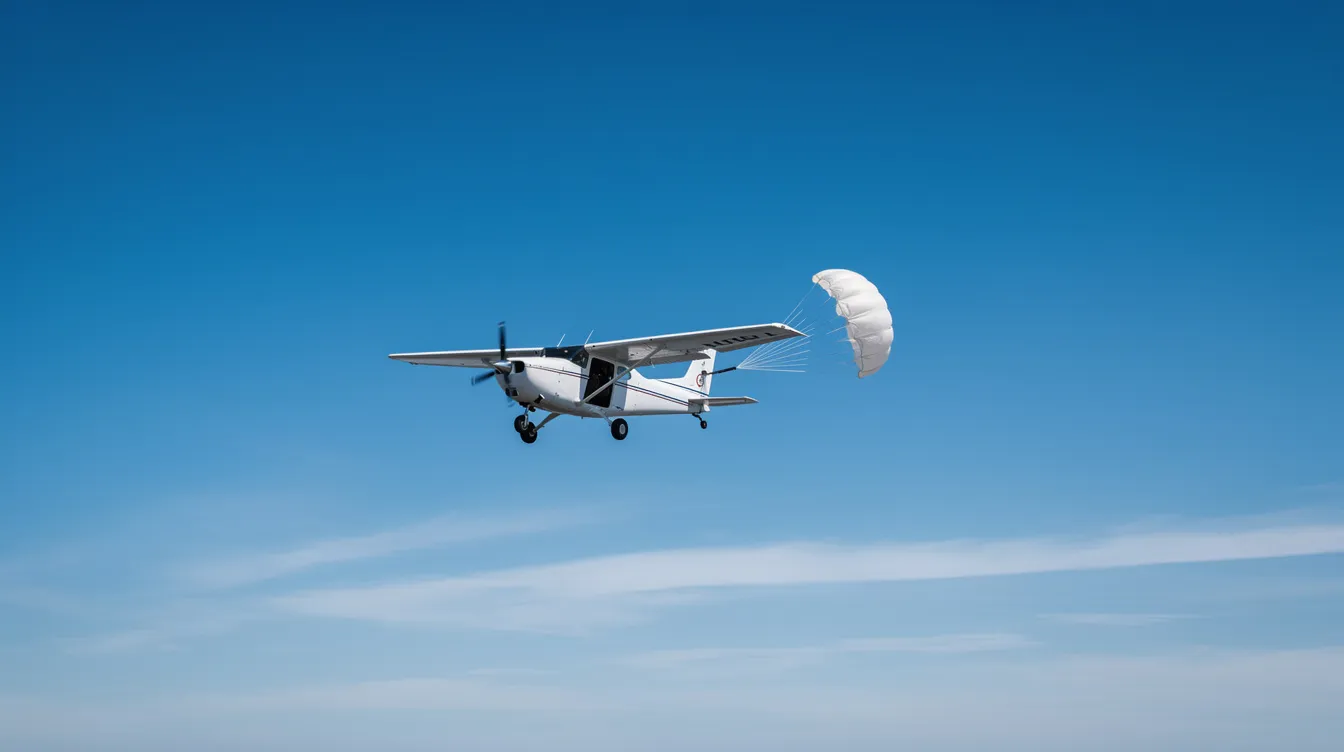
Cirrus Airframe Parachute System (CAPS). Standard on all Cirrus Aircraft SR-series piston models and the Vision Jet, CAPS is a ballistic rocket-fired parachute that deploys in emergencies such as mid-air structural failure or loss of control. Over 100 successful deployments have been documented, with some occurring at indicated airspeeds between 168 and 190 knots. The system provides an additional layer of protection that no other general aviation manufacturer currently offers as standard equipment.
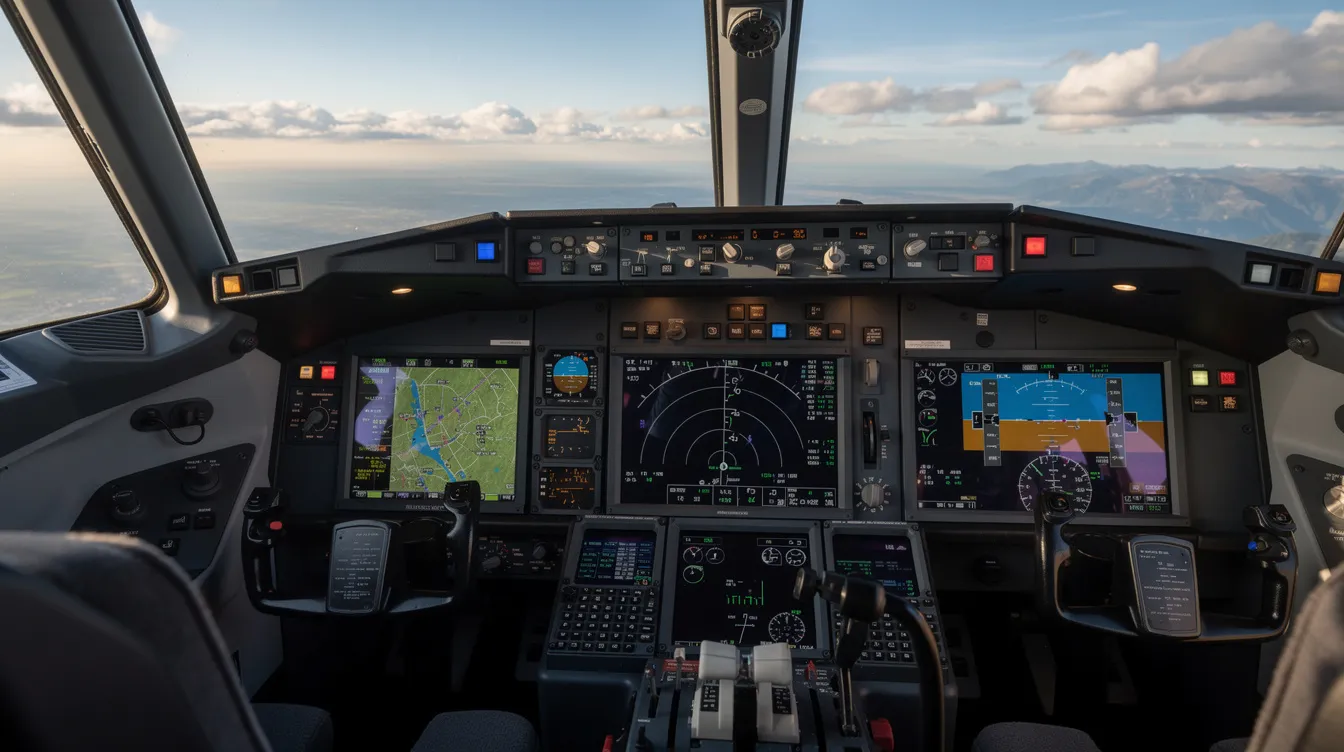
Cockpit technology. Glass cockpits powered by Garmin G1000 and G3000 suites give pilots a real-time picture of terrain, traffic, and weather. Synthetic vision overlays terrain on the primary flight display, making instrument approaches and night operations far safer. Datalink weather, ADS-B traffic awareness, and envelope protection reduce pilot workload and create a more intuitive flying experience. Modern avionics enhance safety with terrain awareness systems across virtually every new-production personal aircraft.
Professional crew standards. When flying via BlackJet, travelers benefit from crews trained in advanced avionics, standardized procedures, and rigorous recurrent simulator training. Charter operators undergo third-party safety audits for compliance, ensuring maintenance tracking, duty-time limits for pilots, and operational standards that align with or exceed commercial aviation benchmarks.
Sustainability and the Future of Personal Aviation
Environmental scrutiny of the aviation industry is increasing, and personal aviation is no exception. The sector's response is multifaceted-and more advanced than many observers realize.
Efficiency gains. Composite airframes from manufacturers like Diamond reduce weight and drag. Jet A fuel diesel engines cut fuel burn while broadening fuel availability. New aircraft designs focus on reducing fuel burn per mile, and modern turboprops improve fuel efficiency per passenger-mile compared to older piston and jet platforms.
Sustainable aviation fuel (SAF). SAF reduces carbon emissions significantly-up to approximately 80% on a lifecycle basis depending on feedstock and production pathway. Adoption among private aviation operators is growing, though supply and cost remain constraints for smaller fleets. Regional markets, such as private jet charters in Karachi or private jet charter services in Lahore, illustrate how local infrastructure and route demand shape SAF availability.
BlackJet's carbon-neutral flights. BlackJet includes emissions neutrality for every Jet Card flight at no additional cost. The program offsets 300% of each flight's impact, covering not only CO₂ but also non-CO₂ effects such as water vapor, aerosols, and nitrous oxide. This is a materially more ambitious standard than programs that address carbon alone.
Operational efficiencies. Optimized routing increases efficiency in private aviation by reducing unnecessary mileage. Direct access to smaller airports eliminates the circuitous connections that airline travel demands. Higher load factors contribute to lower carbon footprints-a Jet Card flight carrying four passengers on a light jet is more efficient per person than a near-empty airliner segment on a regional route.
Sample Missions: Matching Aircraft and Access to Real-World Trips
Concrete scenarios connect aircraft specifications with practical decisions. Here is how different missions align with different aircraft and access models.
350 nm weekend trip: Chicago to Traverse City. A Cessna 172 or Piper Archer LX handles this comfortably in about two to two and a half hours, with room for two passengers, weekend bags, and golf clubs. For a larger group or tighter schedule, a chartered turboprop cuts the time and adds payload. The air is calm, the mission is short, and a piston aircraft delivers excellent value.
700–800 nm business trip: Dallas to Atlanta. Choices widen here. A Cirrus SR22T makes the trip nonstop at 200 KTAS in roughly four hours-comfortable for an owner-pilot traveling with one or two colleagues. For tighter schedules and in-flight productivity, a light jet via a BlackJet Jet Card covers the same distance at 400+ KTAS, cutting travel time nearly in half and arriving with the ability to step directly into a meeting.
Remote leisure mission: Boise to an Idaho backcountry lodge. A personal Cessna 206 Turbo Stationair HD or CarbonCub SS can reach short strips that jets cannot. For those who prefer not to operate into challenging strips themselves, chartering a Pilatus PC-12 delivers comfort, payload, and professional crew for the same adventure with less personal risk.
Cross-country executive itinerary: New York to Aspen, or West Coast to East Coast. A super-midsize jet booked through BlackJet covers the route in comfort, with a standing cabin, Wi-Fi, and room to work or rest. The traveler arrives at an FBO minutes from the final destination, bypassing hub airports entirely. Time saved, stable flight conditions at altitude, and the ability to arrive rested make this the model for high-stakes travel.
Costs, Practicalities, and Alternatives to Sole Ownership
Personal aircraft can be transformative. They can also be expensive. Addressing cost and practicality candidly is essential for anyone evaluating this world.
Cost drivers for light aircraft ownership. Purchase price ranges from roughly $25,000–$35,000 for older trainers (Cessna 150/152 or vintage Cherokees) to several hundred thousand for high-performance singles and into the millions for turboprops and jets. Beyond acquisition: insurance, hangar or tie-down fees, annual inspections, engine overhaul reserves, and fuel with AvGas running approximately $6–$7 per gallon as a baseline.
Reducing ownership costs. Some pilots offset expenses through flying clubs, fractional partnerships, or leaseback arrangements. Others look at the cheapest private jet and other affordable options or explore budget-friendly private aircraft and access models to balance acquisition and operating expenses. These approaches trade maximum flexibility for shared scheduling constraints and, in the case of partnerships, shared responsibility for maintenance and compliance.
Simplicity of on-demand access. Charter and Jet Cards strip away the complexity: one hourly rate, no maintenance management, no depreciation risk, and no need to qualify for financing; clear breakdowns of private jet charter pricing structures make it easier to compare these options side by side. Understanding jet card cost per hour makes it easier to compare this simplicity against other access models, just as clear benchmarks for how much it costs to rent a private jet help calibrate expectations for occasional charter. For travelers flying under 75 hours per year, the math overwhelmingly favors access over ownership.
Hybrid approaches. Many high-net-worth individuals combine two aircraft access strategies: an owner-flown light aircraft for weekend flying and BlackJet Jet Card access for longer, time-critical, or weather-sensitive missions where professional crew, jet speed, and guaranteed availability matter most. A solid grasp of jet card pricing structures and benefits helps optimize this mix.
FAQ: Personal Aircraft, Personal Aviation, and Private Jet Access
Common questions deserve direct answers.
Do I need a pilot license to enjoy personal aircraft? No. Owner-flying requires a private pilot certificate (and often an instrument rating for higher-performance aircraft and serious cross-country work), but you can experience personal aviation as a passenger on any chartered or Jet Card flight. BlackJet Jet Cards place you in a professionally crewed aircraft with no licensing requirement on your part. FAA certification applies to the aircraft and crew, not the passenger.
How do I choose between a single-engine aircraft and a light jet for my trip? Distance, passenger count, time sensitivity, and baggage drive the answer. For trips under 400 nm with two to three passengers and flexible timing, a high-performance single-engine aircraft delivers excellent value. For missions over 600 nm, more than four passengers, tight schedules, or heavy baggage-skis, business equipment, golf clubs-a light jet is the practical choice. A Jet Card gives you access to both ends of this spectrum.
Is flying in a personal aircraft safe for regular business travel? Yes, when proper standards are observed. Modern personal aircraft feature glass cockpits, terrain awareness, synthetic vision, and in some cases whole-airframe parachute systems. For chartered flights, operators are audited under FAA Part 135 and must meet recurrent training, maintenance, and insurance standards. BlackJet's proprietary certification process adds additional scrutiny.
What is the simplest way to try personal aviation before buying an aircraft? Start with a discovery flight in a local trainer-a one-hour flight with an instructor that costs under $250 at most flight schools. Then book a short charter or Jet Card flight to experience the cabin, the airport access, and the time savings firsthand. This approach lets you evaluate the personal aviation world from two angles-the cockpit and the cabin-before making any commitment.
Conclusion: Choosing the Right Personal Aircraft Path With BlackJet
The best personal aircraft or access model depends on your mission, your frequency, and your appetite for operational responsibility versus convenience. There is no single answer-only the one that fits your life.
Personal aviation spans from owner-flown Cessna 172s and rugged backcountry planes to modern personal jets and sophisticated light jets accessed through refined Jet Card programs. The common thread is control over your time, your schedule, and your experience in the air.
BlackJet provides a way to enjoy jet-level personal aviation-carbon-neutral, safety-certified, and technology-enabled-without the complexity, capital, or commitment of ownership.
Explore BlackJet's Jet Card programs to discover how seamless, strategic personal aviation can reshape your business and leisure travel. Elevate your travel-effortlessly. With BlackJet, private flight is accessible on your terms, with rigorous safety, carbon-neutral performance, and unmatched flexibility built into every hour.
Join BlackJet's Jet Card program for seamless, premium private travel →


 Sign up with google
 Sign up with Apple