The Magellan Jets hourly rate is an important benchmark for executives and frequent private flyers comparing the cost of private aviation. This guide explains how Magellan Jets' hourly rates are structured, what they typically include and exclude, and how they compare with BlackJet Jet Cards so you can assess the real cost of each option.
Private jet access isn't a splurge-it's a time arbitrage play. For executives who fly corridors like New York–Miami, Boston–Palm Beach, or Los Angeles–Dallas multiple times per year, a nonstop light jet can eliminate three to four hours of hub transfers, security queues, and connection delays at airports like JFK, LAX, and Heathrow. Understanding a provider's hourly rate structure is therefore a strategic decision, not a casual price check: it helps frequent flyers budget accurately, plan routes, and compare the value and flexibility of different private aviation programs.
Strategic Value of Private Jet Hourly Rates in 2026
The Magellan Jets hourly rate has become one of the benchmarks in today's private aviation market-offering locked-in fixed hourly rates, no blackout dates, and predictable budgeting across cabin categories. But it is not the only model worth evaluating. BlackJet Jet Card programs represent a modern, asset-light alternative that pushes further on transparency, sustainability, and accessible cabin-class pricing for business travelers and private clients who demand more than a standard charter experience. The question isn't simply "what does an hour cost?"-it's what that hour includes, how long the rate stays locked, and whether your flight hours work as hard as you do.
How Magellan Jets Structures Its Jet Card Hourly Rates
Magellan Jets jet card programs are built around prepaid blocks of flight hours-typically a 25-hour minimum, 50-hour, or 100-hour commitment-with fixed hourly rates segmented by cabin categories: light, midsize, super midsize, and heavy jets. A jet card provides prepaid access to private flight hours, and hourly pricing encompasses fuel, catering, and crew costs under Jet Card terms. Estimated hourly rates vary significantly by aircraft type and size, and larger jets carry higher operational expenses. Here's how rates break down by cabin class:
Light jet hourly rate: approximately $6,200
Midsize jet hourly rate: approximately $8,100
Super-midsize jet hourly rate: approximately $9,800
Heavy jet hourly rate: approximately $13,200
These rates include fuel surcharge and federal excise tax. Aircraft size and category significantly affect hourly baseline costs. A Magellan Jets jet card at the 25-hour tier typically locks rates for 12 months; a 50-hour commitment extends that to 18 months; and 100-hour cards can hold rates for up to 24 months. Most programs enforce a 1-hour daily minimum on light midsize super categories, with higher minimums on super midsize and heavy categories. For new users, a 25-hour jet card structure often balances commitment level with flexibility. Magellan's asset-light model sources aircraft from a preferred network of audited Part 135 operators rather than an owned fleet, which keeps capital costs low and allows more competitive rate-locked terms.
Magellan Jets Hourly Rate vs On-Demand Charter Pricing
On-demand charter pricing works differently: you receive a per-trip quote based on a base hourly rate by aircraft category, plus variable extras. Positioning fees may apply when aircraft must relocate for passenger pickup. De-icing charges, overnight crew costs, repositioning fees, and Federal Excise Tax are frequently added on top. Pricing adjusts based on market demand and seasonal travel peaks, and on-demand charter pricing depends on aircraft availability and specific routes.
In contrast, Magellan jet cards offer jet card flights at fixed hourly rates with no peak day surcharges-even during peak travel periods. Major holidays and peak travel periods can increase demand charter pricing significantly; think Christmas–New Year's, Super Bowl weekend, or Presidents' Day in Aspen. A Magellan Jets jet card locks the same rate whether you fly on a Tuesday in March or peak days in December.
Consider a client flying 18–20 hours per year from Chicago to Teterboro and occasionally to Florida. At that volume, per-trip demand charter may still appear cheaper on individual legs. But once you factor in repositioning, minimum daily charges, and seasonal markups, a 25-hour Magellan Jets jet card-or a BlackJet 25-hour Jet Card-starts delivering a lower effective jet card cost per hour across the full year.
Category Jet Card vs Premium / Specific Aircraft Jet Card (Magellan vs BlackJet)
A category jet card lets clients choose among multiple aircraft within a cabin class at a single category hourly rate. A premium jet card ties you to a specific aircraft type-say a Phenom 300, Challenger 350, or Gulfstream G450-for a higher hourly rate but a consistent cabin experience every flight. Magellan Jets uses both a category jet card and premium jet card structure, each with different call-out windows, minimums, and pricing, similar to the frameworks outlined in guides to the best jet cards for frequent flyers.
Aircraft categories include light, midsize, super-midsize, and large cabin jets. Light jets are suitable for short regional hops. Midsize jets include models like the Citation XLS+ and Hawker 800XP. Super-midsize jets offer coast-to-coast range and spacious cabins. Heavy jets accommodate larger groups on international flights.
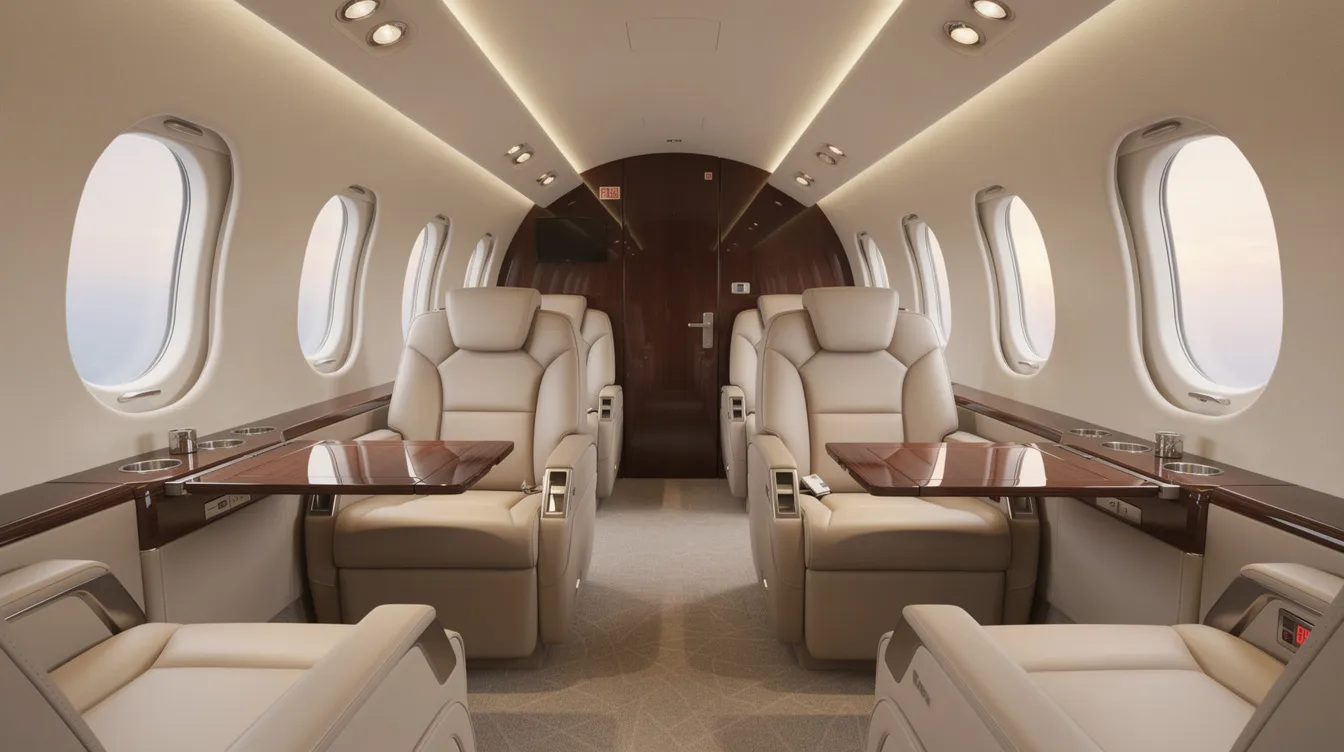
BlackJet builds its own category jet card options across light, midsize, super-midsize, and large cabin sizes-giving members flexible cabin access without committing to a single tail number. Flexible Jet Cards allow clients to interchange aircraft types based on needs. The premium jet card includes standard catering and de-icing services, while category cards price slightly lower and maximize asset-light flexibility. For most flyers doing 25–75 hours annually, a category card paired with strong service standards delivers the most cost-efficient blend of predictability and choice within premium private jet card programs.
What Magellan Jets Hourly Rates Actually Include (and Don't)
The published hourly rate does not reflect the final total cost due to additional fees, and understanding the broader private jet price list context helps decode what is and isn’t included. A typical Magellan Jets jet card hourly rate bundles the following:
Costs that may sit outside the base rate include de-icing in winter, overnight crew fees for extended trips, international handling, bespoke catering, and taxi time charges at certain airports. Common additional expenses include overnight crew fees and de-icing services. Domestic flights are subject to a 7.5% Federal Excise Tax, which Magellan typically folds into the all-in rate for jet card holders.
For a concrete example: a midsize mid jet flight from New York to Miami runs roughly 3.5 block hours. At $8,100 per hour, that's approximately $28,350-before any de-icing or overnight crew add-ons in winter, which could add $1,000–$3,000. Always request a clear, itemized quote from any provider-Magellan or BlackJet-to compare apples to apples rather than only headline hourly rates when evaluating how much it really costs to rent a private jet.
When a Jet Card Beats Magellan's Own On-Demand Charter Hourly Rates
Around 25 flight hours per year is the common inflection point where jet card programs provide fixed hourly rates and additional benefits that consistently beat per-trip demand charter pricing, especially once you understand when chartering a private jet is worth it versus sticking with commercial options.
Map a realistic annual pattern: a client flying New York–Palm Beach four times (roughly 20 flight hours round trip), Boston–Chicago twice (roughly 6 hours), and Los Angeles–Sun Valley once (roughly 4 hours). That's approximately 30 hours. A Magellan Jets 25-hour category card-or a comparable BlackJet Jet Card-locks in a fixed hourly rate across every mission, with no peak-day surcharges and no blackout dates, including high-demand holiday windows.
Jet card hours never expire and are refundable, removing the pressure to fly just to burn down a balance. Business travelers and CFOs appreciate this: annual travel spend becomes a fixed line item, not a volatile estimate.
Decision rules to consider:
Magellan Jets Advantage Routes, Short-Leg Waivers & Effective Hourly Rate
Magellan Jets offers advantage routes-preferred pricing on high-demand corridors like Boston–Palm Beach, Dallas–Washington D.C., and Los Angeles–New York-that can reduce the effective hourly rate by roughly 7% for frequent users of those lanes. These route-specific discounts are available at 50-hour and 100-hour commitment levels.
Short-leg waivers remove or reduce the daily minimum on shorter flights (e.g., Boston–Nantucket, Los Angeles–Las Vegas to popular destinations), preventing the minimum from inflating cost on regional missions.
At 50 hours, Magellan typically grants four short-leg waivers; at 100 hours, up to eight.t
These benefits meaningfully improve the blended cost per flight hour for clients who mix short regional hops with longer legs
BlackJet similarly structures value around members' most-flown routes, tailoring preferred pricing or bespoke solutions for high-frequency city pairs. Serious private flyers should look beyond list hourly rates and evaluate how route-specific advantages and accurate tools like a private jet flight time calculator affect their true jet card cost per hour.
Safety, Sustainability & the Asset-Light Model Behind Hourly Rates
Magellan Jets is an asset-light operator sourcing from a Magellan Jets preferred network of vetted Part 135 operators. Key safety markers include Wyvern Wingman broker certification criteria; Magellan Jets requires operators to have at least ARGUS Gold certification; and captains averaging approximately 9,700 flight hours. Preferred network operators carry $100M–$300M in liability insurance (100m 300m in liability coverage), and Magellan Jets has a proactive Safety Management System in place-reflected in a 90% trip perfection score based on client feedback. The Air Charter Safety Foundation standards are a baseline these operators meet.
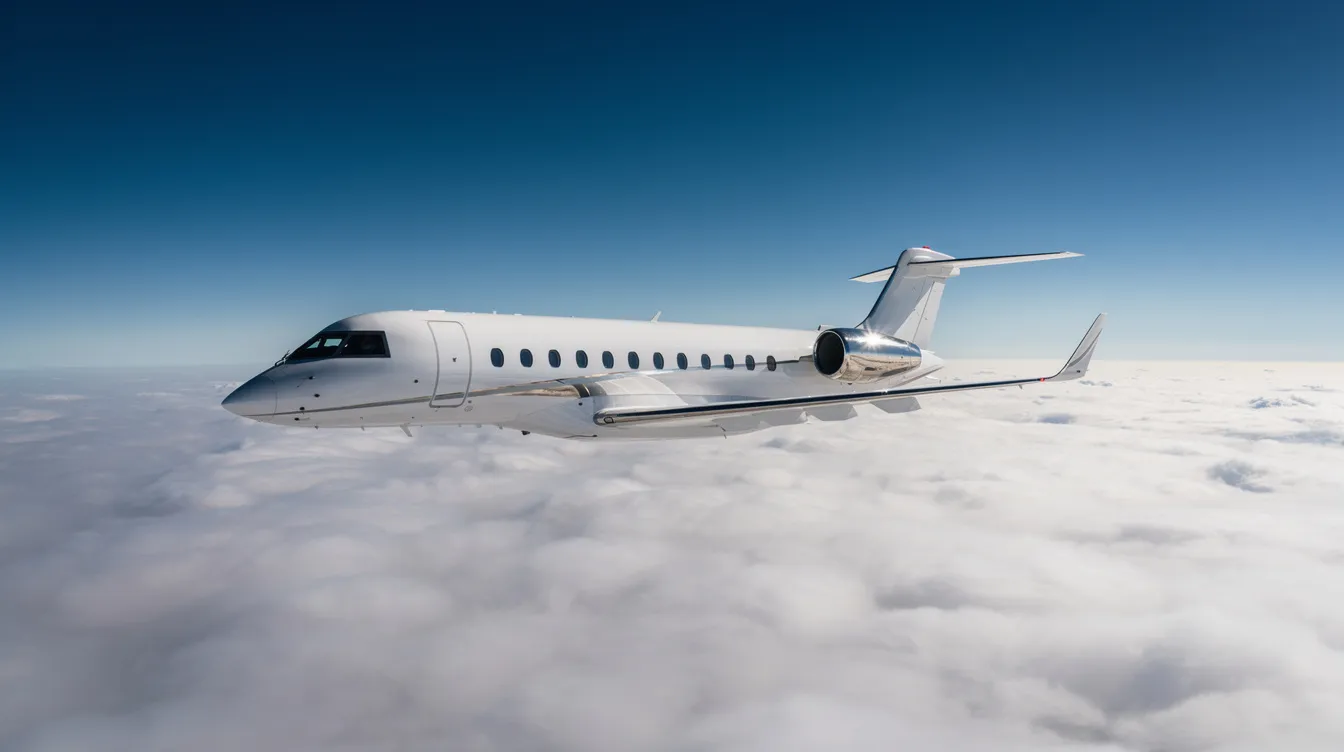
Magellan offers optional carbon offsetting add-ons, typically billed separately. BlackJet takes a different approach: since 2021, BlackJet flights are carbon neutral, with carbon offsets at zero cost to clients. Sustainable aviation practices include carbon offsetting for emissions, and BlackJet embeds this into every Jet Card program through its proprietary certification process called BlackJet Certified. A private aviation advisor should weigh hourly rate against these non-price pillars-safety certification, sustainability, and operational resilience-rather than chasing the lowest advertised number.
Magellan Jets Hourly Rate vs BlackJet Jet Card: Which Model Fits You?
A simple decision framework: occasional flyers under ~25 hours annually likely favor on-demand charter. Between 25–75 hours, a flexible category jet card-from Magellan or BlackJet-delivers guaranteed access, rate stability, and budgeting clarity. Above 75 hours, compare jet cards with fractional ownership, privately owned aircraft shares, or supplemental lift solutions that provide access to multiple aircraft and cabin sizes.
Magellan Jets shines with fixed hourly rates, no peak surcharges, advantage routes, and strong safety credentials across its preferred network and fleet of operators. BlackJet positions itself as a premium, tech-enabled jet card provider with fixed hourly rates, carbon-neutral flights, 24/7 digital booking (app image–driven experience), and tailored category jet card options across light, mid, super mid, and heavy categories, all under a transparent jet card pricing framework.
Map your own travel pattern-primary routes, passenger count, cabin preferences, expected annual flight hours-then compare providers side by side. The revisit consent button is always available: your travel needs evolve, and your program should too.
Elevate your travel-effortlessly. Explore BlackJet 25+ Hour Jet Card options for a personalized analysis that shows how your effective hourly rate, route coverage, and sustainability commitments compare to Magellan Jets and other providers. Discover how refined, carbon-neutral private travel becomes your new standard.
FAQ: Magellan Jets Hourly Rate & Jet Card Alternatives
What is the minimum number of hours to start with a Magellan Jets Jet Card? A jet card typically requires a minimum purchase of 25 hours. This is the smallest block Magellan offers under standard terms. BlackJet similarly structures entry at 25 hours, making both programs accessible for executives who fly regularly but don't need fractional ownership.
Do Magellan Jets jet card hours expire? Jet card hours never expire and are refundable under most Magellan programs. The rate lock applies for the contract term (12–24 months), but the value of unused flight hours is preserved. BlackJet mirrors this: hours never expire, removing pressure to fly before an arbitrary deadline.
Are there really no blackout dates or peak surcharges with Magellan? Correct. Magellan Jets jet cards carry no blackout dates and no peak-day surcharges- your rate-locked price applies 365 days per year, including holiday windows and peak travel periods. This feature is standard across both Magellan and BlackJet card programs.
How do Magellan Jets hourly rates compare with BlackJet's jet card pricing? Magellan's light jet rates start around $6,200–$7,800 per hour depending on commitment level. BlackJet's light cabin rates can start lower, with all-in pricing that includes fuel surcharge, FET, and carbon-neutral flights at no extra cost. For heavier cabin classes, rates converge more closely. The right comparison depends on your aircraft sales needs, route mix, and how you value sustainability inclusion, especially when stacking them against alternatives like NetJets jet card cost.
When should I consider fractional ownership instead of a jet card? Fractional ownership typically makes sense above 100 flight hours per year, when owning a share of a specific aircraft type yields better control over cabin consistency and scheduling. However, fractional ownership brings higher fixed costs-purchase price, management fees, depreciation-and less flexibility to fly across multiple aircraft classes compared with options like 10 million dollar private jet ownership or more budget-friendly private aircraft and cheapest private jet options. For 25–75 hours annually, a jet card from BlackJet or Magellan generally offers a superior balance of hourly rate predictability and operational freedom.
Conclusion: Compare More Than the Magellan Jets Hourly Rate
The Magellan Jets hourly rate offers a useful starting point, but the best choice depends on the full cost, aircraft category, booking flexibility, safety standards, and sustainability commitments behind each flight. A jet card can make sense for travelers who fly regularly and value prepaid access and predictable rates; on-demand charter may better suit occasional trips, while fractional ownership is a different consideration for those flying substantially more.
Compare the terms that shape your actual travel: what the rate includes, whether hours expire, how operators are certified, and how easily you can select the right cabin for each mission. For example, an executive flying New York–Miami for business may prioritize reliable scheduling and a midsize cabin, while a family traveling internationally may need the range and space of a large-cabin private jet. BlackJet’s carbon-neutral private flights and flexible Jet Card access offer another option to consider alongside Magellan Jets.
Ready to see how your routes, hours, and cabin preferences translate into real savings? Connect with a BlackJet private aviation advisor for a complimentary, side-by-side hourly rate comparison tailored to your travel profile.


 Sign up with google
 Sign up with Apple