Whether you are weighing the ICON A5 against other airplanes in the light sport aircraft category or comparing it to the flexibility of a Jet Card, understanding the full price picture is essential. This guide breaks down acquisition costs, ownership economics, and strategic alternatives for discerning private flyers.
ICON A5 price at a glance
Key Pricing Details
The 2024 Icon A5 has a base price of $409,000 for a standard S-LSA configuration in the United States—a significant climb from the estimated base price of $189,000 that Icon Aircraft originally advertised to early reservation holders. Used ICON A5 models generally list between $220,000 and $370,000, depending on model year, hours, and configuration.
Here are the key reference numbers:
New base MSRP (2024): approximately $409,000 before options and taxes
Typical optioned price: $430,000–$450,000+ with Garmin G3X display, premium paint, and upgraded interiors
Used market (2018–2023 models): $220,000–$370,000, with median asking prices near $280,000
Deposit to reserve delivery: typically 20–25% down, with the balance due at closing or per agreed milestones
Factory delivery, shipping, and taxes can add high costs to the purchase price, so budget beyond the headline figure
For many BlackJet members, the interesting comparison is how the capital required for an ICON A5 stacks up against stepping into light jet access via a Jet Card through BlackJet’s premium private jet card programs. We explore that strategic trade-off below.
Overview of Icon Aircraft and the ICON A5 light sport aircraft
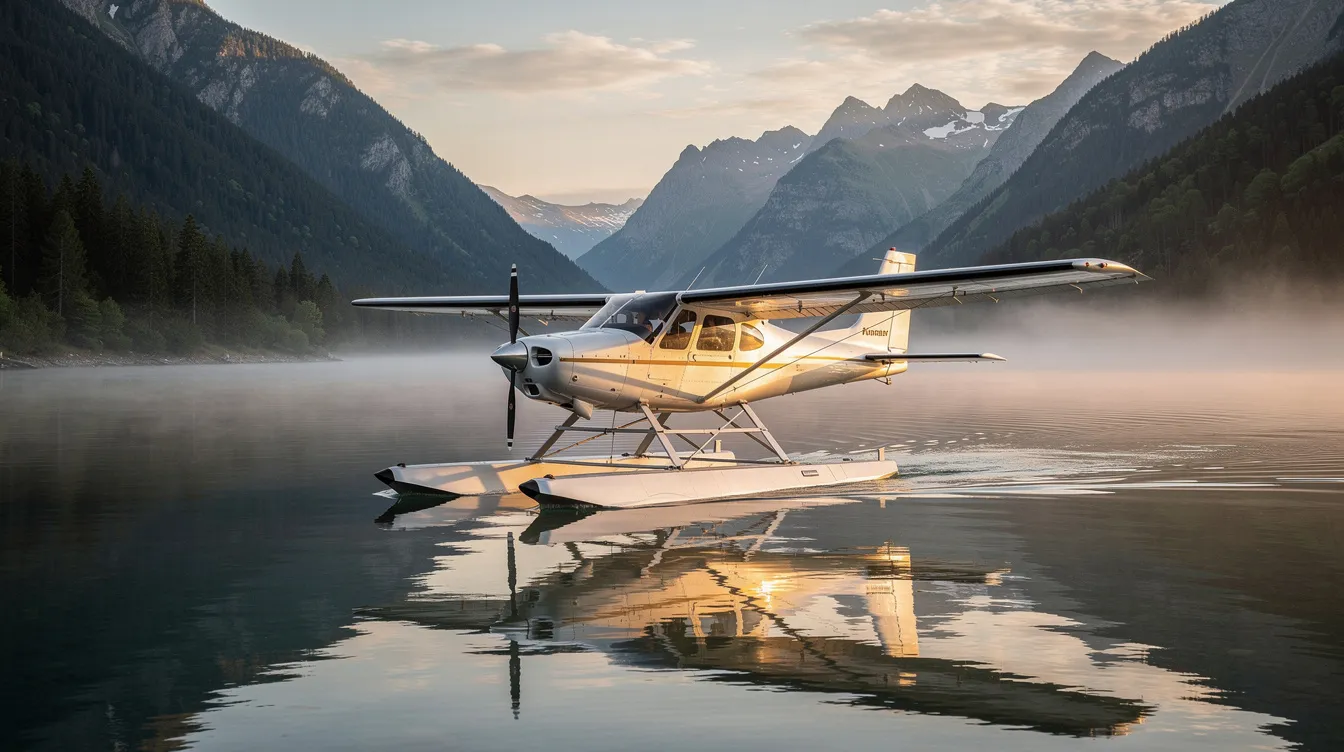
Icon Aircraft is a California-based manufacturer whose company mission centers on making personal flying accessible-a development in the world of recreational aviation. The ICON A5 is their flagship production aircraft: a two-seat amphibious plane with a carbon fiber airframe that seats two people side by side with an interior cockpit width of 46 inches.
Core design elements include:
Amphibious operations: retracted main landing gear integrated into sponson floats allows seamless transitions between water and runway
Propulsion: a 100 hp Rotax 912 iS engine driving a pusher propeller, fuel-efficient and powered by either 91-octane auto gas or 100LL AvGas
Storage flexibility: wings folded aft against the fuselage enable storage in a standard hangar or transport on a trailer for ground transport to a launch ramp
Safety systems: the Icon spin-resistant airframe, an angle of attack indicator prominently placed in the cockpit as an AOA/ACT safety cue, and a whole-airframe Ballistic Recovery Systems parachute-standard on U.S.-registered aircraft as part of Icon's exemption from the normal 1,430 lb LSA weight limit
The FAA granted this weight increase to accommodate many different design elements, including the parachute and reinforced structure, raising the max takeoff weight to 1,680 pounds. That exemption directly improves useful load and real-world practicality, making the aircraft more capable than earlier production windows of the A5 allowed.
ICON A5 pricing history and current MSRP
Pricing has evolved from initial low targets to higher current values as certification, production scale, and feature sets expanded. Aircraft pricing is also influenced by market volatility and corporate restructuring, both of which Icon has navigated over the past decade.
Key price milestones:
Late 2000s/early 2010s: early sales targets around $189,000 + CPI-W escalation for initial reservation holders
2023 Limited Edition models: announced starting near $394,000
2024 standard S-LSA: base price of approximately $409,000
The base price includes the standard engine, ballistic parachute, basic avionics suite, and standard paint. Options for the Icon A5 include a Garmin G3X display, integrated autopilot, premium paint, and adventure accessories. Custom paint options can raise an aircraft's base purchase price due to additional customization fees, and modern glass avionics and upgraded displays can increase an aircraft's resale value. Certification types—S-LSA versus type-certified—also affect pricing due to different regulatory compliance burdens.
Buyers should plan for a realistic fly-away number noticeably higher than $409,000 once options, taxes, and delivery details are finalized.
Performance, useful load, and how they relate to price
Performance Specifications
Cost must be evaluated against what the plane actually delivers. Here are the numbers that matter:
Speed: the A5 can reach speeds up to 90 knots in cruise and a maximum speed of 95 KCAS (109 mph)
Range: 427 nautical miles with a 45-minute reserve under ideal conditions, with a fuel burn around 5 gallons per hour
Takeoff: short takeoff and landing capability on both land and water, optimized for recreational flying rather than cross-country transportation
Altitude: service ceiling suitable for low-altitude scenic flight, consistent with the LSA category
The A5's gross weight increased by 60 pounds to 1,680 pounds following a weight increase announced by Icon, bringing useful load to approximately 490 lb. Earlier aircraft had roughly 430 lb, though many can be retrofitted with the upgraded 4-blade propeller and structural changes.
In practice, two adults at 170–190 lb each plus full fuel (about 120 lb) can quickly approach the passenger and cargo limit. Buyers who need to carry more load or fly longer range missions may find that a recreational airplane with higher gross weight-or a Jet Card for serious travel — informed by a solid understanding of the broader private jet price list and ownership costs, better fits the mission.

Ownership costs beyond the sticker price
Estimated Annual Ownership Costs
Buyers should consider insurance, hangar storage, and operating costs beyond the initial purchase price. Over a 5-year horizon, these recurring expenses can rival the acquisition cost itself.
Estimated annual fixed costs:
Category | Estimated Annual Cost |
|---|
Insurance (hull + liability) | ~$11,800 |
Hangar or storage | ~$6,000 |
100-hour / annual inspection | ~$5,600 |
Avionics subscriptions | ~$450 |
Detailing and washing | ~$1,200 |
Variable costs run approximately $113/hour, covering fuel, oil, and hourly reserves. For owners flying 100 hours per year, total annual operating cost is estimated at $35,000–$40,000+ on top of the aircraft itself—numbers that invite comparison with jet card cost per hour for equivalent mission profiles.
Icon-specific contractual obligations add another layer: the agreement historically mandated factory airframe overhauls every 2,000 hours or ten years, and included a limit of 6,000 hours or thirty years of airframe life. While those terms have evolved, owners should review the current form carefully.
Financing is available with 20–25% down over 10–15 years at roughly 5% interest. But the opportunity cost matters: tying up $400,000+ in a sport aircraft means that capital isn't allocated toward flexible air travel via a 25-hour Jet Card such as the BlackJet 25+ Hour Jet Card program or other investment.
How the ICON A5 compares with other light sport aircraft and private jet access
Comparison Summary
The ICON A5 is positioned as an experiential, lifestyle aircraft—not a utility transport. Many BlackJet clients treat it as a complement to, not a replacement for, private jets.
Versus other LSAs: several light sport aircraft for sale offer higher useful load and faster cruise for similar or lower prices, and many overlap with the cheapest private aircraft options for budget-conscious owners, but few deliver amphibious capability, spin-resistant design, or the same level of fun at the control stick.
Mission comparison: frequent flyers evaluating ICON A5 ownership alongside jet card membership pricing and structures should frame the mission first, then match the access model.
ICON A5: weekend adventure flights from a lakeside location, short scenic hops, personal pilot experience
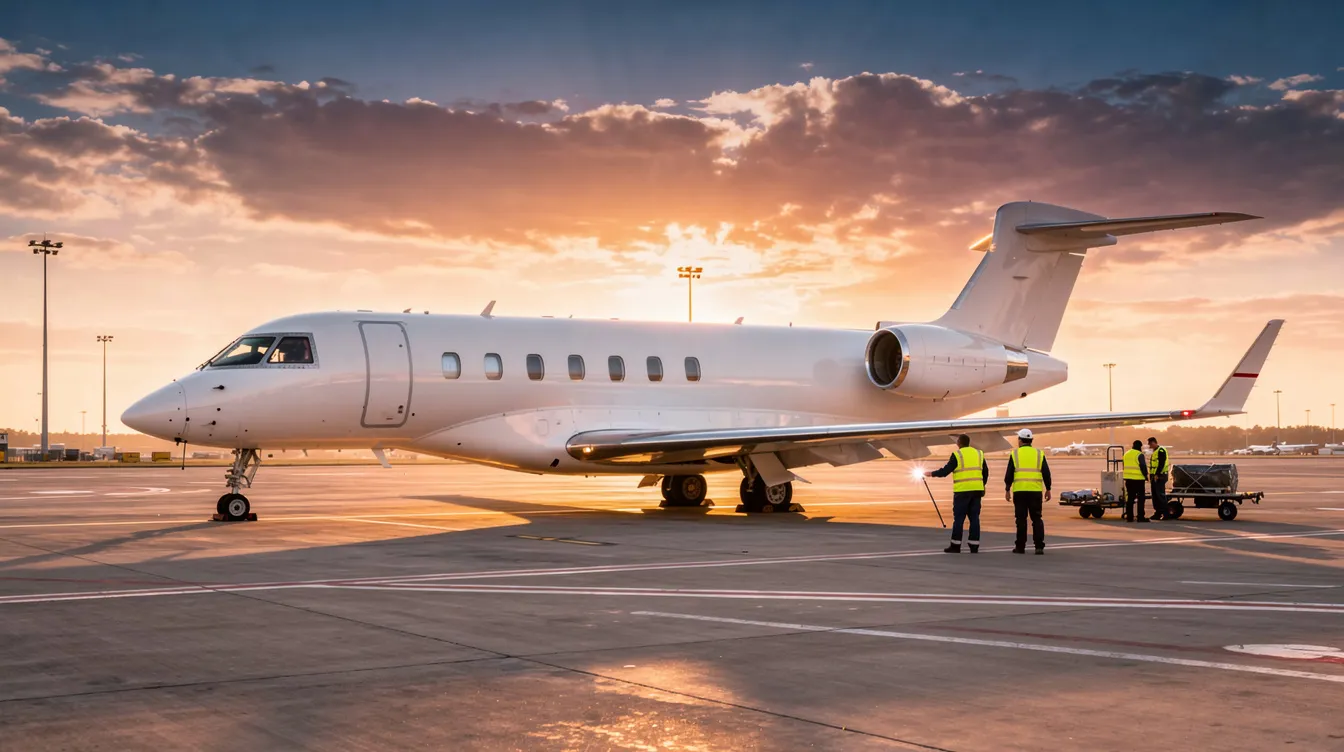
BlackJet Jet Card: business trips like New York–Miami, family vacations with multiple passengers and luggage, time-sensitive crew-managed itineraries across any altitude or weather condition, benefiting from predictable jet card pricing structures and benefits
Economics: the A5's hourly operating cost is low relative to turbine aircraft, but total cost per hour (including fixed expenses) can reach $200–$300+ depending on usage. For many clients, that approaches light jet card rates—without the speed, cabin, or range—so comparing against the best jet cards for frequent flyers becomes part of the decision.
The strategic play is combining both: an A5 for recreation, a Jet Card for everything that demands efficiency and global reach, particularly when you structure usage to maximize jet card tax deductions alongside other aviation investments.
Safety, training, and regulatory considerations that affect value
Safety is central to the ICON A5's value proposition—and subject to real-world test through years of operational history. The ICON angle of attack indicator, manageable stall recovery characteristics, and spin-resistant airframe reflect many different design elements focused on keeping pilots safe in the air.
A whole-airframe parachute system acts as an ultimate safety backup. However, the aircraft was designed primarily for visual, good-weather flying at speeds around 90 knots, without de-icing or IFR avionics.
Training and contractual history: the purchaser's agreement was made public in April 2016 and drew significant community comments. The agreement required pilot training and maintenance, and owners had to agree to be "supportive" of the company. The original contract was admitted as a mistake by Icon and has since been replaced with revised terms. Prospective buyers should still review the current agreement with aviation counsel before they sign.
There have been accidents involving the A5, underscoring the importance of respecting water operations and manufacturer-recommended profiles. For critical family or business missions, BlackJet partners only with operators meeting rigorous safety standards with ATP-rated crew and dual-pilot operations, comparable to the leading private jet companies known for luxury and safety.
ICON A5 purchasing process, contracts, and delivery timelines
All new ICON A5 sales go directly through the manufacturer-no dealer network. The typical process:
Reserve a delivery slot with a deposit (typically 20–25% of the purchase price)
Review the Aircraft Purchase Agreement, usually received within a week, covering configuration, pricing, and contractual obligations
Finalize options—avionics, paint, interior-and sign the agreement to enter the production queue
Arrange financing if needed, and plan for delivery several months to over a year out depending on backlog
Key factors affecting pricing of used aircraft include avionics upgrades, custom finishes, and maintenance history. Maintenance history significantly impacts the valuation of used aircraft, so pre-purchase inspections and full logbook verification are essential, as is choosing the right airplane financing strategy to balance cash flow and long-term ownership goals. A certified pre-owned A5 from Icon with ~144 hours was recently listed around $280,000, a price point that invites comparison with premium private jets for sale in markets like the UK for buyers considering larger, longer-range aircraft.
For buyers outside the U.S., export certification, local taxes, and import duties will further affect the final price.
FAQs about ICON Aircraft A5 Price and Ownership
What is the base price of the 2024 Icon A5?
The base price for the 2024 Icon A5 in a standard S-LSA configuration is approximately $409,000 before options, taxes, and delivery fees.
How much do used ICON A5 aircraft typically cost?
Used ICON A5 models from 2018 to 2023 generally list between $220,000 and $370,000, depending on factors like hours flown, condition, and configuration.
What are the main factors that affect the ICON A5's price?
Pricing is influenced by avionics upgrades (such as the Garmin G3X display), custom paint and interior finishes, certification type, maintenance history, and additional options like the ballistic parachute system.
Are there ongoing ownership costs beyond the purchase price?
Yes, annual fixed costs including insurance, hangar storage, inspections, and maintenance can total approximately $25,000 or more, with variable costs like fuel and oil adding around $113 per flight hour.
How does the ICON A5 compare cost-wise to private jet access via Jet Cards?
While the A5 has lower hourly operating costs compared to turbine aircraft, total costs including fixed expenses can approach $200–$300+ per hour, which is comparable to some light jet card hourly rates. Jet Cards offer more speed, range, and professional crew services.
What safety features are included with the ICON A5?
The A5 includes a spin-resistant airframe, an angle of attack indicator for stall awareness, and a whole-airframe ballistic recovery parachute system, which is mandatory on U.S.-registered aircraft.
What should buyers consider about the purchaser's agreement?
The original purchaser's agreement included pilot training requirements, factory overhauls, and operational limits. It was revised after community feedback, but prospective buyers should review the current contract carefully with aviation counsel.
Can the ICON A5 be used for serious cross-country travel?
The A5 is designed primarily for recreational, low-altitude scenic flights with a range of approximately 427 nautical miles. For longer or business travel, private jet access via Jet Cards may be more suitable.
How long does delivery take after reserving an ICON A5?
Delivery timelines vary based on production backlog but typically range from several months to over a year after placing a deposit and completing the purchase agreement.
Are financing options available for purchasing an ICON A5?
Yes, financing is commonly available with 20–25% down payments over 10–15 years at interest rates around 5%, but buyers should consider the opportunity cost of capital compared to flexible jet access alternatives.
Is an ICON A5 the right investment for you?
Best Suited For
Best suited for ICON A5 ownership: frequent flyers who would otherwise commit to a 100-hour jet card program but also value hands-on, low-altitude flying may see the A5 as a complementary asset rather than a replacement.
Owners with a house on a lake, island, or coastal property where amphibious flying is a regular activity
Pilot enthusiasts who find genuine fun in hands-on flying and value the development of personal aviation skills
Individuals who already have reliable long-range travel covered through airline status or a Jet Card, perhaps via a 50-hour jet card solution that matches their annual mission profile
Better Served By
Better served by a Jet Card:
Executives who need multi-city routes in a single day without delays and are comparing ICON ownership with NetJets-style jet card programs for guaranteed availability
Families planning long-haul vacations with multiple passengers and baggage, or even larger groups exploring private jets for up to 50 passengers for major events
Travelers who prioritize professionally flown, carbon-neutral operations over personal piloting and who may instead focus on investing in a $5 million private jet or comparable charter solutions
The Hybrid Strategy
The hybrid strategy: keep an ICON A5 at a lakeside property for weekend adventures while relying on a BlackJet Jet Card for work travel and international holidays. This approach lets the A5 handle low-speed leisure while the Jet Card delivers high-value time savings and global reach—an explanation of smart capital allocation that resonates with the team of advisors around any serious private aviation portfolio, particularly when compared with other access models like buying a seat on a private jet or focusing on the cheapest private jet options for entry-level ownership.
Discover how BlackJet can reshape your travel. Whether you fly an ICON A5 on weekends or simply want seamless, safe, and carbon-neutral private jet access, explore premium Jet Card options at BlackJet.com.


 Sign up with google
 Sign up with Apple