Light sport aircraft for sale from reputable brands offer an easy entry point into personal aviation. Private jet access is not simply a luxury; for serious travelers, it is a strategic advantage. Yet for clear-weather regional trips, training, and weekend adventures, LSAs provide an affordable and accessible way to experience the freedom of flight.
This guide is for pilots, travelers, and aviation enthusiasts interested in affordable, accessible personal aviation. We cover what LSAs are, how to evaluate and purchase them, cost considerations, and how they fit alongside private jet access for a complete flight strategy.
BlackJet members often pair Jet Card access and other premium private jet programs for business-critical flights with a personal aircraft for local fun, drawing on their understanding of different types of private jets for every traveler to match each mission with the right equipment.
Why Light Sport Aircraft Matter for Serious Pilots and Travelers
For routes under 800 nm, light sport aircraft can save time by using quiet FBOs, small airparks, and runways closer to the destination. A New York–Nantucket or Dallas–Santa Fe weekend can avoid commercial security lines and hub congestion. Many pilots fly an LSA for local recreation because these aircraft are designed to make flying easy and accessible for a wide range of pilots, then choose BlackJet for long-haul, poor-weather, or international aviation where crewed turbine aircraft are the right tool.
What Is a Light Sport Aircraft (LSA)?
In the U.S., the FAA defines light sport aircraft around specific criteria: 1,320 lbs max gross weight for land aircraft, 1,430 lbs for seaplanes, two seats, single engine, fixed gear in most cases, and a maximum stall speed of 45 knots, ensuring smooth take-offs and landings and better control.
Light sport is a regulatory category; sport aircraft is broader and may include experimental, ultralight, and overseas types. LSAs are manufactured to specific regulations focused on gross weight, cruise speed, and occupants. They are designed for simplicity, lower fuel use, easier training, and affordable purchase compared with other aircraft.
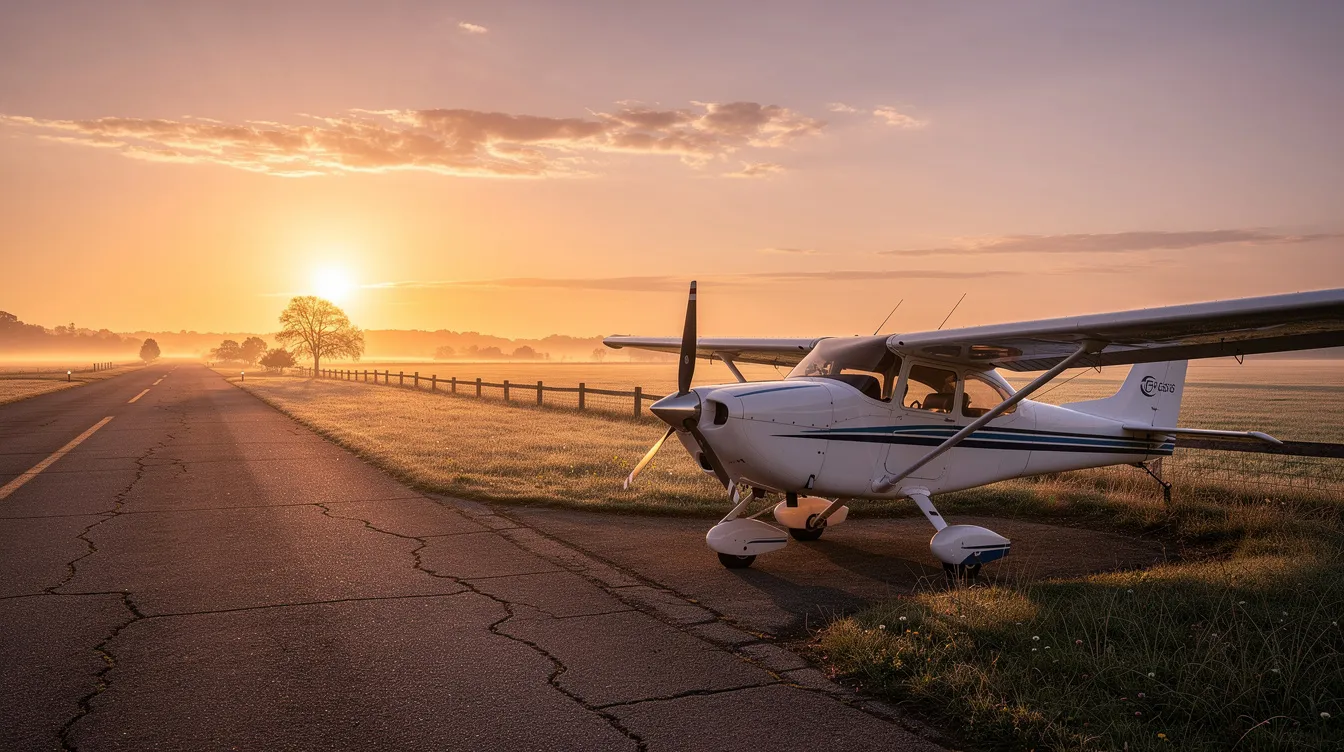
Key Characteristics of Modern Light Sport Aircraft
Modern LSAs blend technology, performance, and low operating cost.
Most use a single-engine configuration and lightweight airframe, improving the strength-to-weight ratio and making each airplane agile in flight.
They are typically equipped with fixed landing gear, reducing complexity and cost, although some models may offer retractable gear options.
Useful load is restricted to maintain maneuverability and operational efficiency, but many LSAs can still carry a lot of gear or baggage, making them versatile for different missions.
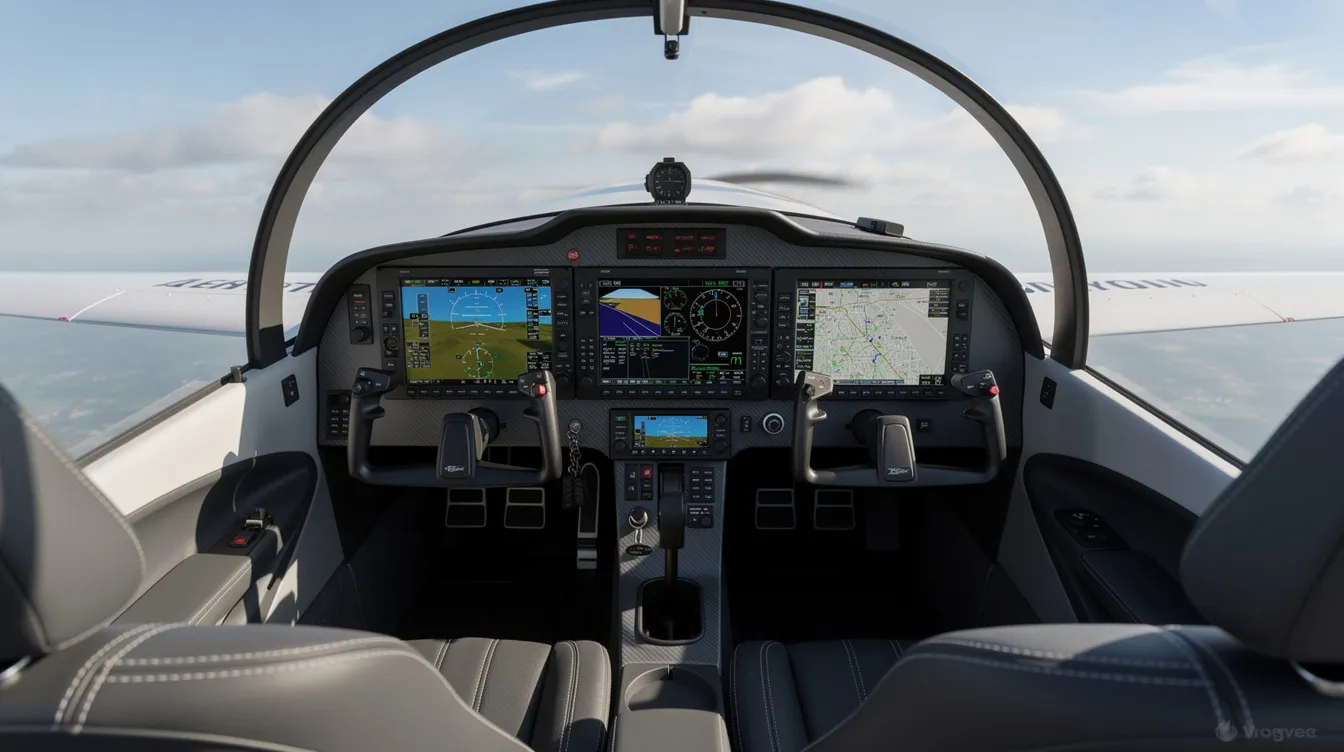
Expect Garmin G3X Touch or Dynon SkyView, Rotax or Jabiru engine choices, 3–6 gph fuel burn, 95–140 knot cruise, and 400–700 nm range.
A low-wing model favors sleek touring; high-wing designs improve visibility, short-field work, and backcountry access.
S-LSA vs E-LSA: Understanding the Two Main Types
Light sport aircraft generally fall into three distinct regulatory paths: Special LSA (S-LSA), Experimental LSA (E-LSA), and Amateur-Built (AB-LSA), and they are central to many cheap light aircraft options for budget-friendly flying.
S-LSAs are factory-built, manufactured to specific FAA standards, designed for sport and recreational flying, and typically accommodating a maximum of two passengers.
E-LSAs allow greater customization and modifications by the owner while still adhering to general light sport specifications.
Amateur-Built LSAs (AB-LSAs) are traditional homebuilt kits where the fabricator builds at least 51% of the aircraft.
Light Sport Aircraft for Sale in 2024–2026: Market Snapshot
A search for light sport aircraft for sale in 2024–2026 reveals a broad world: older trainers, low-time tourers, amphibious aircraft, and very low-time factory demos. Listings often specify where the aircraft are located, such as city, state, or country, helping buyers find options in their preferred region. Prices range from around $24,900 to over $683,450, depending on model and specifications, echoing broader trends in the cheapest new plane and other affordable options for aspiring pilots. Pricing reflects model, specifications, fuel efficiency, passenger capacity, avionics, TT, and support.
Buyers filter by year, total time, Rotax 912/914 or Jabiru 3300 engine, low wing vs high wing, amphibious vs land, and whether the plane is s lsa, e lsa, or experimental, similar to the criteria used when comparing the best cheap light aircraft for budget-conscious flying.
Representative Light Sport Aircraft Listings and Use Cases
2014 Super Petrel LS: amphibious light sport aircraft from the Super Petrel brand, about 270 tt, Rotax 914 UL, modern avionics, ideal for waterfront properties, sun weekends, and island-hopping.
2018 Super Petrel LS: around 2,100 tt, brand-new engine, Dynon glass, often priced in the high €100,000s; attractive when logs are complete, and damage history is clean.
2011 Jabiru J230: six-cylinder Jabiru brand, roughly 600 tt, GRT-style display, sometimes seen near auction windows in mid-May 2026; a cross-country touring option with useful baggage.
2018 Aerospool WT-9 Dynamic: low-wing European ultralight from the Aerospool brand, sub-1,000 tt, VAT-free price near €150,000, suited to an owner with a European residence.
Carbon Cub, Savage Classic, or Zenith 750 STOL: backcountry sport machines from respected brands, with Alaskan bushwheels, advanced shock suspension, leading-edge slats on some builds, and thrilling short-field performance.
Where to Find Light Sport Aircraft for Sale
Light sport aircraft can be purchased through dedicated aviation classified websites, major aircraft brokerages, or directly from manufacturers. Common channels include Controller.com, Trade-A-Plane, owner forums, local dealers, and manufacturer pre-owned programs. Factory support and parts availability are key considerations because airframe components generally must come from the original manufacturer.
Iconic Light Sport and Ultralight Models to Consider
Certain aircraft repeatedly appear on serious buyer shortlists because they are built for a clear mission: water, touring, training, or rough-strip adventure. Buyers often consider the brand reputation when selecting iconic light sport and ultralight models, as a trusted brand can signal quality, innovation, and reliability, just as it does when choosing among top affordable private planes for budding aviators. Use the following categories as a starting point, not a full buyer’s guide.
Amphibious Light Sport: Super Petrel and Peers
The Super Petrel LS and XP variants operate from paved runways and water, making them ideal near coastal homes, lakes, and resorts. Typical Rotax 912/914 power, strong manufacturer support, and proven 2014–2019 listings make them compelling, but water operations demand corrosion checks and disciplined maintenance. Many amphibious LSAs also incorporate safety features such as retractable gear and reinforced canopies to protect both the aircraft and pilots during water operations and adverse weather conditions.
Low Wing Touring LSAs
Bristell, WT-9 Dynamic, Tecnam, and Pipistrel models appeal to pilots familiar with business jets: tidy sightlines, speed, leather interiors, autopilot options, glass panels, and sometimes ballistic parachutes, overlapping with many models in the best small private aircraft for varied travel needs. A BlackJet member might fly intercontinental by Jet Card, then keep a low-wing LSA at a secondary home for local flight.
Backcountry and STOL Sport Aircraft
Carbon Cub-type, Savage Classic, and Zenith STOL aircraft trade raw speed for lift, control, and short-strip access. Inspect landing gear, prop condition, wing leading edges, and whether the airplane was maintained after rough-surface use. These aircraft are valued for their ability to carry a lot of gear, making them ideal for camping and extended backcountry adventures.
Cost of Ownership: Beyond the Purchase Price
Light sport aircraft are generally more affordable and easier to purchase and operate compared to traditional aircraft, making them accessible for recreational flying. Still, money goes beyond sale price: hangar, insurance, annual inspection, training, avionics, fuel, and compliance, all of which parallel the trade-offs discussed in budget-friendly private aircraft and access options. BlackJet’s Jet Card offers predictable access for longer trips, and buyers should understand jet card cost per hour and value drivers; an LSA is best viewed as passion-driven ownership.
Operating Costs and Performance Trade-offs
An LSA may burn 3–6 gph, far less than a jet, but speed, weather capability, cabin space, and load are limited, so some travelers also evaluate 50-hour jet card cost and value for longer, weather-proof missions. A 300 nm hop may be satisfying in a sport plane; the same trip through BlackJet is faster, quieter, professionally crewed, and more productive, similar to the efficiency gains highlighted in discussions of the cheapest private jet options for value-focused travelers. Rotax TBO, propeller work, and glass upgrades can increase the real investment.
Comparative Overview of Light Sport Aircraft vs. Private Jets
Feature | Light Sport Aircraft (LSA) | Private Jet (BlackJet Jet Card) |
|---|
Maximum Range | 400–700 nautical miles | 1,500+ nautical miles |
Cruise Speed | 95–140 knots | 400–600+ knots |
Passenger Capacity | Typically 2 seats | 4–20+ passengers |
Operating Costs | Low (fuel 3–6 gph, simple maintenance) | High (fuel, crew, maintenance, fees) |
Pilot Requirement | Sport pilot certificate | Professional crew |
Accessibility | Small airports, backcountry strips | Major and regional airports |
Weather Capability | Limited (daytime VFR mostly) | All-weather, IFR capable |
Booking Flexibility | Owner-operated, scheduling dependent | 24/7 digital booking, real-time support |
Sustainability | Varies, often no carbon offset | Carbon-neutral flights standard with BlackJet |
Safety, Certification, and Training in Light Sport Aviation
Safety is non-negotiable. Many light sport aircraft are equipped with features designed to protect pilots, such as ballistic parachutes and reinforced structures, while travelers who prefer professionally crewed operations may opt for small private jets for flexible luxury travel. In LSA flying, it means certification discipline, weather judgment, maintenance, and recurrent training. BlackJet applies the same safety-forward mindset through vetted operators, rigorous certification expectations, real-time support, and carbon-neutral flights, echoing the safety and performance benchmarks outlined in the best small private aircraft guide.
Pilot Licensing and Light Sport Training
To operate a light sport aircraft, a pilot must obtain a sport pilot certificate, which is less stringent than a private pilot certificate but still requires training in landing, emergency procedures, and aircraft performance. Training includes aviation authority requirements, so pilots are equipped to operate safely, whether they ultimately step into an LSA or graduate to the cheapest single-engine plane options that offer more seats and utility. Pilots transitioning from other types of aircraft may need additional training for LSA handling, tailwheel, amphibious, or STOL procedures, especially if they are moving from the cheapest plane and other affordable starter aircraft into higher-performance sport models.
Aircraft Certification, Inspections, and Maintenance Standards
S-LSA certification follows ASTM-style consensus standards and aviation authority oversight. Annual condition inspections apply; 100-hour inspections may apply for instruction or rental. The FAA’s MOSAIC (Modernization of Special Airworthiness Certification) rules expand LSA boundaries by increasing weight limits and allowing faster stall and cruise speeds; see AOPA’s MOSAIC overview.
How Light Sport Ownership Complements BlackJet Private Jet Access
Many BlackJet members are both travelers and pilots. They use 25+ Hour Jet Card programs for predictable private jet access for business, weather reliability, and reach, while using an LSA for family training, local exploration, and the pure sport side of flying.
This portfolio approach lets members choose the right aircraft for each mission, rather than forcing one airplane to do everything.
Sample Use Cases for BlackJet Members
A New York executive uses a 50-hour Jet Card from HPN to OPF monthly, then keeps a 2024 Bristell near Florida for Keys exploration, having first compared jet card pricing structures and benefits to align costs with expected usage.
A Geneva family uses BlackJet for London and Dubai, referencing NetJets jet card costs and alternatives as a benchmark, while a Super Petrel on the coast handles lakes and island leisure.
A Denver founder uses BlackJet for board meetings and a Carbon Cub-type e lsa for mountain strips, skiing, and hiking, blending premium access with strategies to fly private cheap with smart booking tactics.
How to Evaluate and Purchase a Light Sport Aircraft
The evaluation and purchase process for Light Sport Aircraft (LSA) is designed to be easy and straightforward for buyers. Start with mission-fit: touring, amphibious fun, training, or backcountry access. Then shortlist types, compare details, verify the serial number and registration, review support, choose a broker if helpful, and negotiate from data rather than emotion, just as you would when exploring private jets for sale under 10 million as affordable luxury options or other 10 million dollar private jet possibilities.
Due Diligence Checklist for LSA Buyers
Verify tt on airframe and engine, time since overhaul, avionics age, and complete logs, much as you would when assessing a 5-million-dollar jet's features and upkeep.
Pre-buy inspections by an independent mechanic are crucial before purchasing an aircraft, focusing on engine logbooks and structural corrosion, much like the diligence recommended when reviewing private jet leasing costs, terms, and providers.
Confirm damage history, corrosion, composite condition, and parts availability, mirroring the diligence recommended when comparing 2 million dollar private jet options in the pre-owned market.
Check insurance early, especially for amphibious, tailwheel, or experimental aircraft, and place those numbers alongside the ranges outlined in a typical private jet price list and cost guide.
Budget for ADS-B, transponder, parachute, or glass upgrades if not already equipped, and factor them alongside the ongoing expenses discussed in guides to the cheapest new plane and other starter aircraft choices and broader rundowns of the best, cheapest planes for every budget.
At Oshkosh or a Jan demo event, compare specifications before making a dream purchase.
FAQ: Light Sport Aircraft and BlackJet
What is the difference between light sport and ultralight aircraft?
Ultralights are lighter and more restricted; LSAs are registered aircraft with training, certification, and operating rules.
Can I fly an LSA with a sport pilot certificate only?
Yes, within sport pilot limits, usually daytime VFR with one passenger, depending on airspace and endorsements, while travelers in markets like India can instead consider private jet pricing in rupees for fully crewed options.
How does owning an LSA compare with using a private jet card?
An LSA offers hands-on fun; a BlackJet Jet Card offers private jet access, speed, comfort, digital booking, and carbon-neutral flights, with pricing structures similar to those outlined in comprehensive jet card cost guides and provider-specific analyses like Flexjet jet card cost breakdowns.
What are e LSA and s LSA?
S-LSA is turnkey factory-built; E-LSA gives the owner more customization and maintenance flexibility.
Are Super Petrel and other amphibious LSAs suitable for beginners?
They can be, but water operations add complexity, so specialized training is essential.
Why does factory support matter?
Without strong manufacturer support, parts, manuals, and service guidance can become difficult, protecting neither value nor safety.
Elevate Your Flight Strategy with BlackJet
Light sport aircraft for sale open a more intimate, tactile side of aviation: a ready plane, a clear morning, and the freedom to explore your country from a lower altitude.
BlackJet provides the complementary advantage: 25-hour and 50-hour Jet Card programs, 24/7 digital booking, real-time support, multiple cabin classes, rigorous operator standards, and carbon-neutral private flight.
Explore BlackJet’s Jet Card options or speak with our aviation advisors to design a strategy that includes both refined private jet access and, where it fits, personal light sport ownership.
Conclusion: Integrating Light Sport Aircraft into Your Aviation Lifestyle
Light sport aircraft represent more than just an affordable way to fly; they embody a strategic extension of personal and business aviation. For the discerning pilot and traveler, owning an LSA offers unparalleled freedom for local exploration, training, and recreation, complementing the efficiency and global reach of private jet access. By combining the tactile joy of flying a light sport aircraft with the seamless, safety-focused experience of BlackJet’s Jet Card programs, including leading jet card options for frequent flyers, shared or per-seat solutions described in guides to buying a seat on a private jet, and larger-aircraft strategies ranging from the largest private jets for sale to the best long range private jets and group-focused picks like the best private jet for 20 passengers or 50 passengers, you create a versatile aviation portfolio tailored to every mission. Regional considerations—from premium UK-based private jets for sale to bespoke charter solutions in Karachi—and aspirational perspectives such as top 10 private jets worldwide ensure that your strategy scales with your lifestyle. Whether it’s a weekend adventure on a backcountry strip or a critical business trip across continents—perhaps using a 12 seater private jet for mid-size groups, a 15 passenger private jet for larger parties, innovative private plane rideshare options, or regional services such as private jet charters in Lahore—this integrated approach elevates your travel—effortlessly and intelligently. Discover how light sport aircraft and BlackJet together can redefine your journey in the skies.


 Sign up with google
 Sign up with Apple


