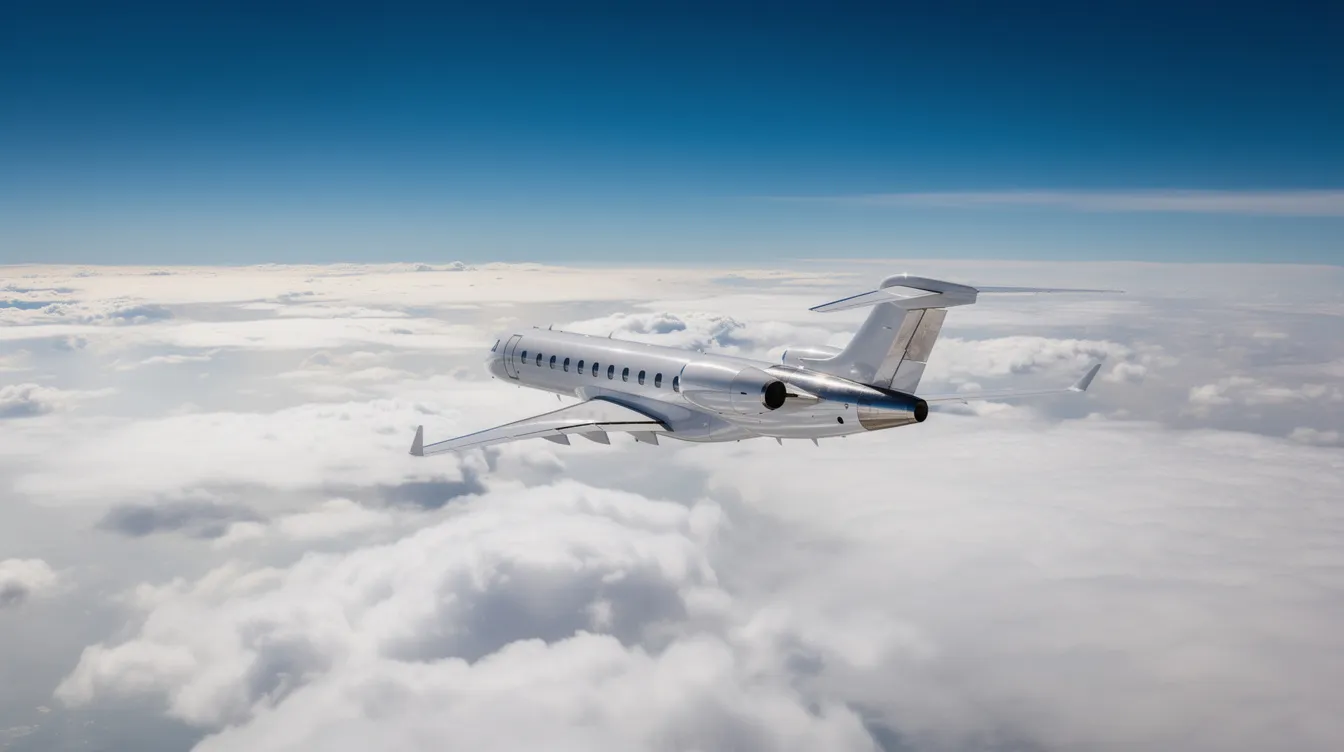
Speed in private aviation is more than a specification on a brochure. For executives managing back-to-back meetings across time zones and high-net-worth travelers who measure value in hours recovered, private jet speed is a strategic lever and one piece of the broader private jet price and options landscape. Here is exactly how fast these aircraft fly, how they compare to commercial flights, and why the total travel experience feels dramatically faster than the numbers alone suggest.
Quick Answer: How Fast Is a Private Jet in MPH?
Most private jets cruise between 400 and 600 mph - roughly 500 to 700 km h - with top-tier models approaching 700 mph under optimal conditions. Aircraft speed is typically measured in miles per hour, though aviation professionals use knots and Mach numbers in daily operations. Private jets often operate at speeds between Mach 0.78 and 0.93, placing them in a similar raw cruise speed range as commercial airliners.
The difference that matters, however, is total journey time. A commercial flight and a private charter flight may cover the same distance at comparable airspeeds, yet the private option consistently delivers passengers to their final destination faster - often by hours.
Three speed terms are worth knowing at a high level: indicated airspeed is what the cockpit instruments display, true airspeed reflects actual speed through the air corrected for altitude and temperature, and ground speed is how fast the aircraft moves over the Earth's surface. Ground speed is what determines your actual flight time from A to B.
BlackJet clients typically experience cruise speeds around 480–560 mph depending on whether they are flying a light jet on a regional hop or a large cabin aircraft on a transcontinental leg, reflecting how different types of private jets are optimized for specific missions.
Private Jet Speed Basics: Knots, MPH, and KM/H
Aviation traditionally measures speed in knots, but most travelers think in mph and km h. The conversion is straightforward: one knot equals approximately 1.15 mph and 1.852 km h. So when a flight plan shows 450 knots true airspeed, that translates to roughly 518 mph or 833 km h.
Mach number measures speed relative to the local speed of sound - a critical reference at high altitude where air density changes. A jet cruising at Mach 0.85 at 43,000 feet is traveling at 85% of the speed of sound at that altitude.
The distinction between airspeed and ground speed matters because wind changes everything. A 480-mph jet with a strong tailwind can post a ground speed well over 550 mph, while a headwind can reduce it below 430 mph. When BlackJet quotes typical cruise speed ranges, they refer to true airspeed, converted to mph and km h for clarity.
Average Cruising Speed of a Private Jet
Cruising speed - the average cruising speed maintained at cruise altitude - is the sustained, efficient speed an aircraft holds after climbing to its assigned flight level. It is not the maximum speed or top speed the airframe can achieve.
Most private jets cruise between roughly 420 and 520 knots (about 480–600 mph or 772–965 km h), depending on aircraft class and loading, and they typically fly higher than airlines, with private jet cruising altitudes often reaching 45,000–51,000 feet.
Private jets can fly at higher altitudes than commercial aircraft - sometimes up to 45,000–51,000 feet - where altitude reduces drag, allowing faster speeds at those higher elevations and smoother air above most commercial traffic.
Some private jets can reach speeds up to 980 km h under high-speed cruise profiles, though sustained operations typically favor a slightly conservative setting for fuel efficiency.
BlackJet matches Jet Card members with aircraft whose cruise speed aligns with mission needs: shorter hops use efficient light jets, while transcontinental or transatlantic flights call for faster super midsize jets or large cabin aircraft.
How Fast Different Types of Private Jets Fly
Private jet speed varies significantly across aircraft categories. Here are the concrete ranges by aircraft type, listed in typical cruise performance:
Very light and light jets (e.g., Phenom 100, Cessna Citation CJ3+, Citation XLS+): Very light and light jets cruise at approximately 400 to 520 mph (643–837 km h). These smaller private jets are generally faster relative to their size and ideal for 1–3 hour regional routes.
Midsize and super midsize jets (e.g., Cessna Citation Latitude, Challenger 350): Midsize and super midsize jets cruise at approximately 495 to 560 mph (797–901 km h), making them the workhorses for coast-to-coast and intra-European missions.
Large and ultra-long-range jets (e.g., Gulfstream G650ER, Bombardier Global 7500): These aircraft cruise at approximately 550 to 610 mph (885–982 km h), delivering the higher speeds needed for nonstop intercontinental travel and supporting configurations like private jets for 50 passengers on select VIP airliner platforms.
At the end, several models push the performance envelope. The Cessna Citation X+ can fly at Mach 0.935. The Gulfstream G700 has a maximum speed of Mach 0.925, and the Gulfstream G650ER also reaches Mach 0.925. The Bombardier Global 7500 can cruise at Mach 0.925, while the Bombardier Global 8000 reaches Mach 0.94. The Dassault Falcon 7X and 8X have a maximum speed of Mach 0.9 - still comfortably above most commercial jets.
Some high-performance private jets can cruise faster than commercial airliners, and BlackJet Jet Card members can compare aircraft types based on speed, range, and passenger comfort to match each trip, just as they might compare NetJets jet card costs when evaluating different access models.
Private Jets vs Commercial Airliners: Which Is Actually Faster?
On paper, the difference is modest. A commercial passenger jet typically cruises between 500 and 580 mph (850 to 900 km h), while private jets cover a similar range of 480–600 mph. Commercial jets typically cruise at Mach 0.74 to 0.85. Raw airspeeds for commercial and private jets are similar, but private jets can have slight advantages at higher altitudes with less drag.
Entry-level and smaller private aircraft can be slightly slower than commercial airliners in pure cruise speed. But private jets fly faster in the metric that matters: door-to-door time.
Consider New York to Miami:
Commercial travel: roughly a 3-hour block time plus 2–3 hours on the ground between arriving at the airport, clearing long lines at security, boarding, taxiing, and collecting baggage.
Flying private via BlackJet: approximately 2.5 hours in the air, about 30 minutes of ground time. Private jet boarding can take as little as 15 to 30 minutes. Private jet passengers typically skip long security lines and boarding queues.
Private jet travelers save an average of 127 minutes per flight. Private jets access over 5,000 U.S. airports compared to roughly 500 for commercial airlines, which helps travelers save time through easier airport access and fewer ground delays, and they can often depart from smaller airports closer to your final destination through premium services like BlackJet private jet travel. The difference in total travel time often favors private jets due to routing and airport access - not raw airspeed alone.
How Speed Translates Into Real Flight Time When Flying Private
A 30–50 mph difference in jet cruising speed matters more on longer routes, but overall trip economics still depend on aircraft choice, routing, and whether you prioritize premium cabins or the cheapest private aircraft options:
400-mile trip (e.g., Los Angeles to Las Vegas): the difference between 480 mph and 550 mph amounts to under 10 minutes in flight time. Ground time and direct routes dominate the time savings.
3,000-mile transcontinental (e.g., New York to Los Angeles): that same speed gap can save 30–45 minutes. For transatlantic flights, the savings compound further.
Direct flights eliminate hub-and-spoke detours. Private jets can utilize smaller regional airports, enhancing travel flexibility and letting you land closer to your actual destination - cutting ground transportation time significantly, especially when you pair efficient routing with affordable private jet options.
Weather conditions like tailwinds can significantly increase an aircraft's ground speed. Jet streams can significantly boost or reduce a private jet's ground speed without any change in airspeed. A westbound headwind might add 30 minutes; an eastbound tailwind can shave even more off the clock.
BlackJet's operations team uses real-time weather and routing tools to optimize each leg, factoring in winds and air traffic to shave meaningful minutes without compromising safety.
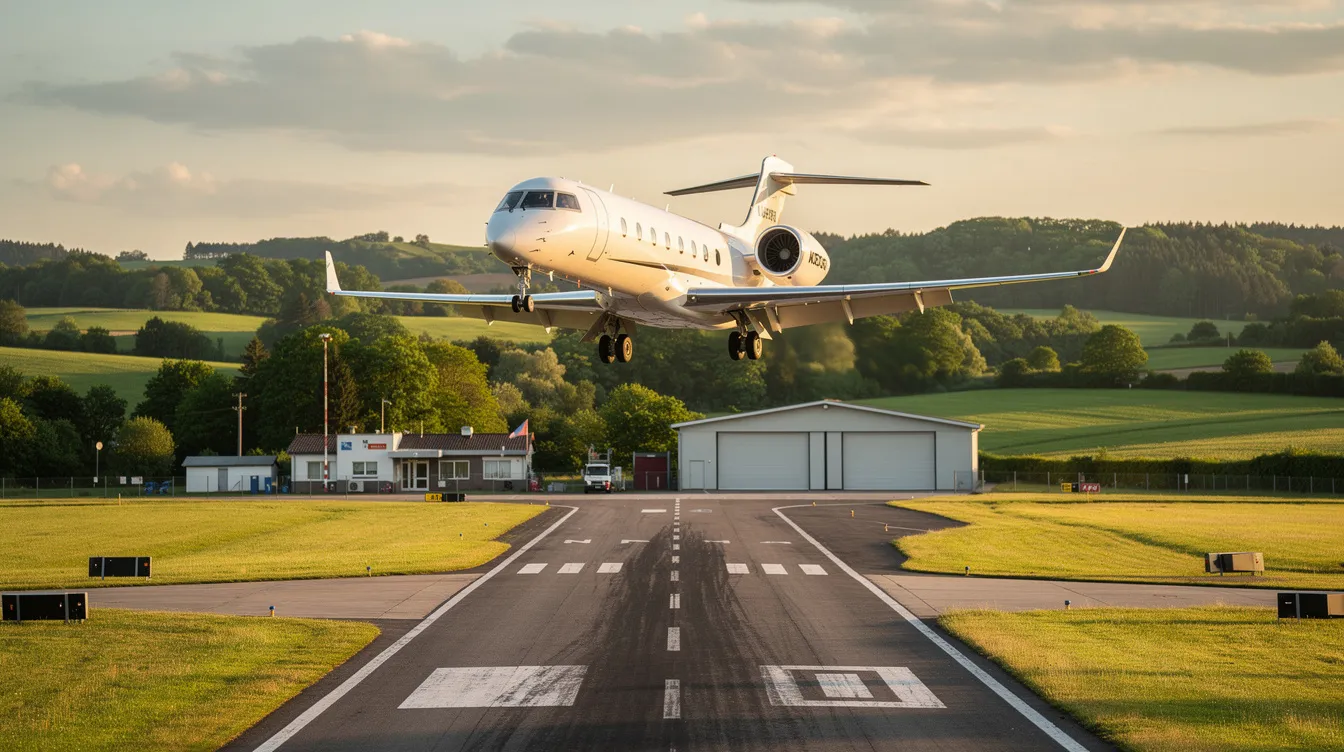
Prestige With Purpose: Why Private Jet Speed Is a Strategic Advantage
For business travelers managing complex multi-city schedules, private jet travel converts wasted transit hours into productive time. Speed is not vanity - it is leverage.
A BlackJet Jet Card member can fly from London to Munich and then on to Zurich in a single day, enabled by efficient cruise speeds, minimal ground time, and direct access to smaller airports near city centers.
Frequent flyers who switch from commercial to private can recover over 100 hours per year on similar itineraries - time redirected to deals, family, or rest.
Private jets save overall travel time through operational advantages that compound across every leg: no connections, no layovers, no waiting, and the ability to align flight plans with your preferred jet card cost per hour budget.
Large cabin aircraft combine speed with quiet cabins and onboard connectivity, turning in-flight hours into focused working sessions. For larger groups, the best 16-seat private jets balance generous cabin space with the speed and range needed for complex itineraries. The right aircraft for each mission means efficient travel without compromise.
Safety, Comfort, and Efficiency: Why Private Jets Don't Always Fly at Maximum Speed
A Bombardier Global 7500's maximum operating speed nears 610 mph, but operators rarely push to that ceiling in day-to-day service. The reason is straightforward: flying slightly below maximum cruise reduces fuel consumption, engine wear, and cabin noise while still delivering excellent flight times.
Optimal cruise speed can vary depending on the route, passenger count, and runway or performance constraints for a given leg.
Engine power at high-speed profiles generates more heat and stress; a conservative margin preserves engine life and lowers maintenance costs.
Most passengers find the "sweet spot" cruise speed - fast, quiet, efficient - to be more comfortable and productive than pressing against the aircraft's performance limits.
BlackJet's safety-first philosophy means every flight prioritizes certified maintenance standards, experienced crews, and conservative operational margins. Speed is a tool, not a goal unto itself. Safety protocols ensure that passenger comfort and structural integrity always come before shaving a few minutes off schedule.
Speed by Cabin Class: Light Jets vs Large Cabin Aircraft
BlackJet's Jet Card programs span multiple cabin classes, each with distinct speed profiles and mission strengths, and follow flexible jet card pricing structures designed to keep costs predictable:
Light jets (e.g., Cessna Citation CJ3+, Citation XLS+):
Cruise around 430–470 mph (692–756 km h).
Ideal for 1–3 hour regional routes; quick climbs and access to shorter runways at smaller airports translate into real time savings when you need to reach speeds efficiently on short legs.
Accommodate fewer passengers but deliver nimble, cost-effective travel.
Midsize and super midsize jets (e.g., Cessna Citation Latitude, Challenger 350):
Large cabin aircraft (e.g., Gulfstream G650ER, G500, Bombardier Global 6500):
Cruise speeds often reach 560–600 mph (901–965 km h), with non-stop range for intercontinental missions.
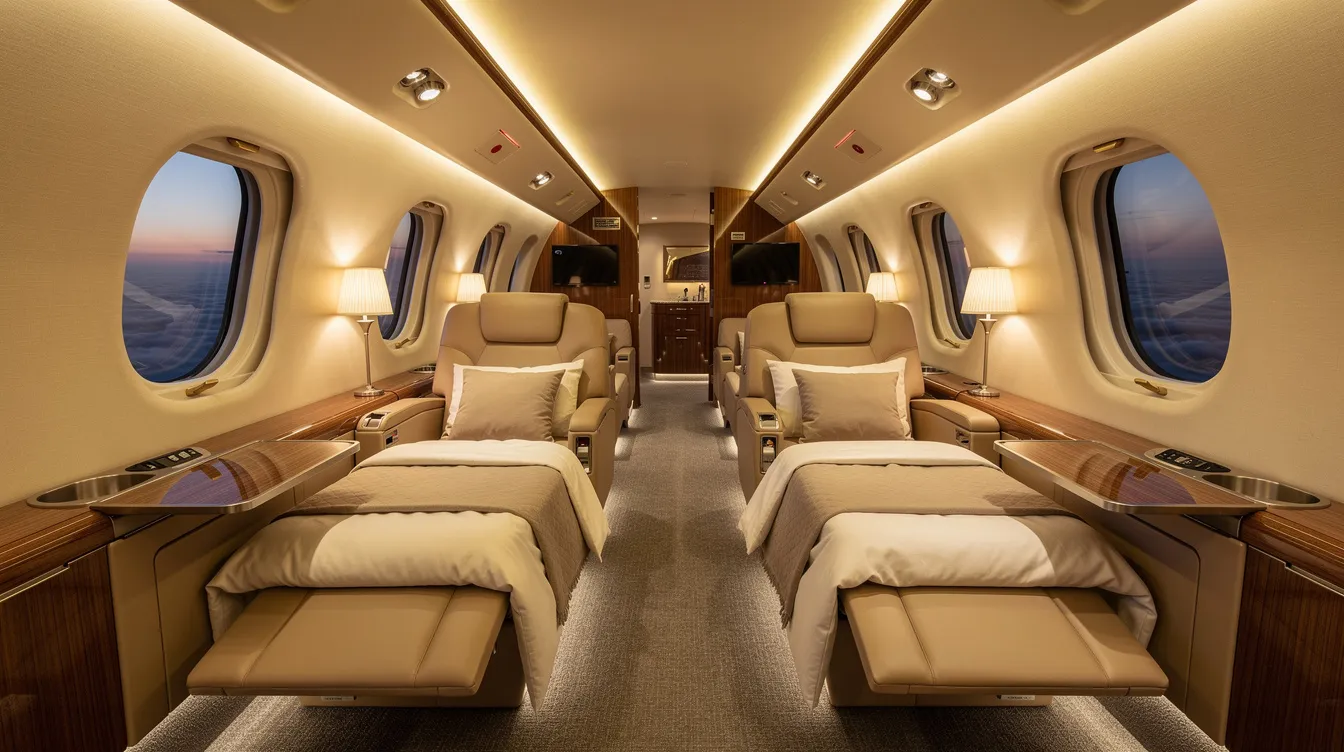
These jets combine speed with full standing cabins, lie-flat seating, and dedicated work and dining areas - private aviation at its most complete, especially when you need the best private jet for 20 passengers or other large-group configurations.
The trade-off is clear: a nimble light jet reaches higher speeds relative to its mission profile and operates from airports that larger aircraft cannot, while a long-range large cabin jet covers vast distances at similar speeds without refueling. BlackJet helps you choose the right aircraft for each trip, while your flying pattern determines whether a 25-, 50-, or 50-hour jet card cost structure makes sense for your needs. Explore the differences in our guide to aircraft classes explained.
BlackJet Jet Cards: Turning Raw Jet Speed Into Real-World Time Savings
A BlackJet Jet Card - available in 25-hour and 50-hour increments through the BlackJet 25+ Hour Jet Card - provides prepaid access to multiple aircraft categories with fixed hourly rates, guaranteed availability, and 24/7 digital booking. Private jets often allow direct flights to less accessible airports, and BlackJet's platform leverages this advantage on every booking.
BlackJet uses aircraft performance data, including average cruising speed and range, combined with your itinerary and an understanding of private jet sizes to recommend the optimal jet type. Real-time flight support, a mobile booking platform, and live flight tracking factor in winds, direct routing, and airport proximity to minimize door-to-door travel time.
All BlackJet flights are carbon-neutral by default. Through carbon offset initiatives and investments in sustainable aviation fuel, speed and environmental responsibility coexist - at no extra cost to the member, whether you're considering a standard Jet Card or evaluating a 100 hour jet card cost for very frequent flying.
Elevate your schedule by converting hours in transit into minutes in the air - explore BlackJet's Jet Card programs, compare the best jet cards for frequent flyers, and align your travel speed with your ambitions.
FAQ: How Fast Is Flying Private, Really?
What is the average cruising speed of a private jet in mph? Most private jets cruise between 480 and 600 mph, with the actual speed varying depending on aircraft type, altitude, and payload. Private jets typically cruise at 500 to 700 km h.
Are private jets faster than commercial airliners? In raw cruise speed, commercial and private jets post similar speeds - commercial airliners cruise at 850 to 900 km h, while private jets range from 500 to 700 km h at the lower end to 980 km h at the top. But private jets are consistently faster door-to-door because they access over 5,000 airports, use direct routes, and eliminate the hours lost to commercial airport procedures. Most commercial aircraft fly from only about 500 airports, and they generally cruise lower than the typical private jet flight levels.
How fast does a Cessna Citation jet fly? The Cessna Citation family spans a wide range. Light models like the CJ3+ cruise around 430–470 mph, while the Citation X+ - one of the fastest civilian aircraft ever built - reaches Mach 0.935.
Why does my ground speed sometimes show over 700 mph? Jet streams and strong tailwinds can dramatically boost ground speed without exceeding safe airspeed limits. Your aircraft's ground speed reflects true airspeed plus wind, so a 550-mph jet with a 150-knot tailwind can legitimately show 700+ mph over the ground.
Can private jets break the sound barrier? No current production business jet crosses the sound barrier. Most private jets fly at Mach 0.78–0.93, well below Mach 1.0. Aircraft like the Bombardier Global 8000 push close to Mach 0.94 but remain subsonic, prioritizing passenger comfort, fuel efficiency, and structural safety over supersonic flight.
Conclusion: The Strategic Value of Private Jet Speed
Private jet speed, measured in miles per hour or Mach numbers, is impressive but only part of the story. While private jets cruise at speeds comparable to commercial airliners, often between 400 and 600 mph, the true advantage lies in how this speed integrates with the entire travel experience. With the ability to fly at higher altitudes, access thousands more airports, and avoid the delays and inefficiencies of commercial hubs, private jet travel transforms raw speed into meaningful time savings.
For executives and discerning travelers, this means more than just faster flights—it means turning travel time into productive, restful, or quality moments. BlackJet’s Jet Card programs leverage these advantages with flexible access to aircraft tailored to mission needs, real-time flight optimization, and a commitment to safety and sustainability.
Ultimately, private jet speed is a strategic asset that elevates private travel beyond luxury to a tool for efficiency and convenience. Whether for regional hops or global journeys, the combination of speed, flexibility, and premium service ensures that your next flight is not just fast, but effortlessly aligned with your lifestyle and ambitions.
Elevate your travel—explore BlackJet’s Jet Card offerings and discover how private aviation can redefine what it means to fly fast and fly smart.


 Sign up with google
 Sign up with Apple