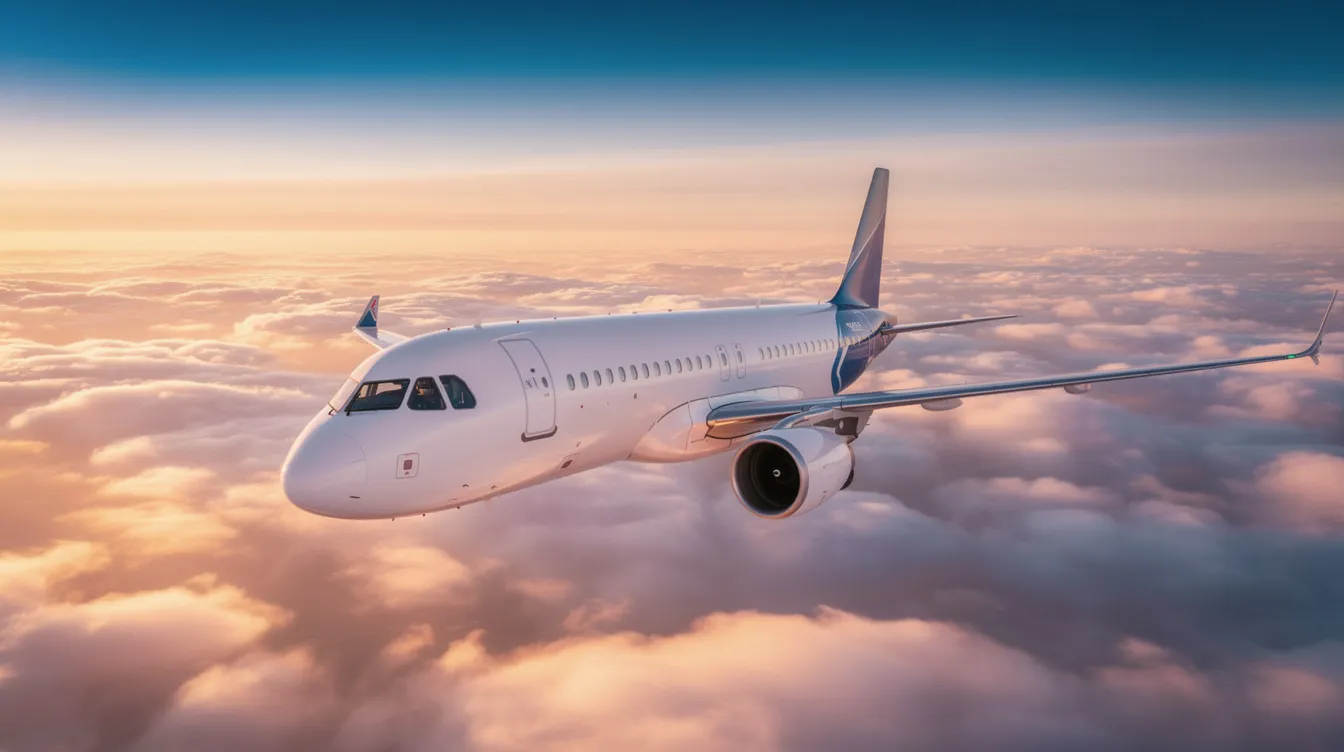
The Boeing 737 MAX reshaped commercial aviation-and then tested the industry's commitment to safety in ways few airplane programs ever have. For travelers who value control over their journey, understanding what happened with this aircraft reveals why the gap between commercial and private flying continues to widen.
Overview of the Boeing 737 MAX Program
The Boeing 737 MAX is a fourth-generation narrow-body airliner family designed to compete with the Airbus A320neo on short- and medium-haul routes around the world. Boeing introduced the program in 2011, and the Boeing 737 MAX-8 first flew in January 2016 before entering commercial service in May 2017 with Malindo Air. The aircraft delivers a 14% to 20% reduction in fuel use and CO₂ emissions compared to older models like the 737 Next Generation.
While BlackJet clients typically fly private, the 737 MAX story illuminates how safety oversight, flexibility, and passenger experience differ between high-density commercial operations and tailored private aviation through BlackJet's premium jet card services.
The Federal Aviation Administration grounded the entire MAX fleet in March 2019 after two fatal crashes killed 346 people
The FAA lifted the grounding in November 2020 following extensive software, hardware, and training changes.
Boeing's order book for the MAX family now exceeds 7,200 aircraft, with over 2,360 delivered.d
The company manufactures the plane near Seattle, Washington, with fuselage sections supplied by Spirit AeroSystems
New planes in the MAX family offer a range capability exceeding 3,500 nautical miles for certain configurations, enabling routes previously reserved for widebodies. ies
Design, Performance, and Variants of the Boeing 737 MAX
The MAX family includes variants such as the 737 MAX 7, 737 MAX 8, 737 MAX 9, and 737 MAX 10-each designed for a different capacity and mission profile. Boeing is still awaiting certification for the MAX 7 and MAX 10 models, with the MAX 7 recently certified in August 2026.
Engine and Aerodynamics
The Boeing 737 MAX is powered by CFM International LEAP-1B turbofan engines—larger and more efficient engines that cut fuel burn significantly.
The Boeing 737 MAX has a significantly smaller noise footprint than the preceding 737-800, reducing it by roughly half.
The Boeing 737 MAX-8 has different wingtips than its predecessors: Advanced Technology split-tip winglets improve aerodynamics and reduce drag.
Cabin and Cockpit Enhancements
The MAX-8 has a range of 3,350 nautical miles and seats 160–180 passengers in typical two-class layouts.
The MAX features Boeing Sky Interior enhancements for improved passenger comfort.
Larger cockpit displays and integrated technology provide improved pilot situational awareness.
Airline Orders and Deliveries
The MAX 8-200 model offers enhanced economic benefits for carriers like Ryanair and Allegiant, maximizing seat count on leisure routes—a stark contrast to the privacy and space of light, midsize, and super-midsize cabins and the best small private aircraft options for tailored missions available through private aviation.
Allegiant ordered 50 Boeing 737 MAX aircraft with options for 80 more, and the airline expects around a dozen Boeing 737 MAX deliveries this year as it phases out older A319s.
From Grounding to Recertification: Safety, MCAS, and the Federal Aviation Administration (FAA)
MCAS and Safety Concerns
The Maneuvering Characteristics Augmentation System was a central safety concern for the MAX. Originally designed to counteract the airplane's nose-up tendency caused by the position of its new engines, MCAS relied on a single angle-of-attack sensor—a vulnerability that led to disaster.
Lion Air Flight 610 crashed in Indonesia in October 2018. Erroneous sensor data triggered MCAS, repeatedly pushing the nose down while pilots struggled to regain control. The Ethiopian crash of Flight 302 in Ethiopia five months later followed a nearly identical sequence. Combined, 346 people were killed. Investigators placed blame squarely on the interaction between faulty sensor data and MCAS logic, compounded by inadequate pilot training. Published reports from the FAA and international bodies offered damning comments about Boeing rushing the certification process.
Regulatory Response and Updates
Regulators worldwide responded by declaring a grounding in March 2019—the FAA, EASA, Transport Canada, and China each independently halted max flights
MCAS was redesigned to prevent activation based on erroneous data from a single angle-of-attack sensor, now requiring input from two independent sensors
Mandatory pilot training was revised to include MCAS and specific emergency procedures, with required simulator sessions
The design updates for the Boeing 737 MAX focused on improving safety and redundancy in critical systems
Regulatory reviews mandated significant updates to flight control software and systems before the MAX was cleared for service.
Ongoing Oversight
The FAA and other regulatory bodies increased oversight of Boeing manufacturing processes following the MAX incidents. Boeing urged airlines to inspect all 737 MAX aircraft, and Boeing must propose inspection requirements for MAX aircraft to the FAA.
The pandemic further delayed return-to-service timelines by weeks, with the FAA finally lifting the order in November 2020
The FAA grounded Boeing 737 MAX 9 planes after a blowout incident in January 2024, revealing problems with fuselage panel fasteners—a reminder that ongoing vigilance remains essential
This regulatory regime contrasts sharply with private aviation safety standards. BlackJet works exclusively with operators holding top-tier accreditations like ARG/US Platinum and Wyvern Wingman ratings, where lower aircraft utilization and dedicated maintenance crews reduce systemic risk.
Airline Operations: Who Flies the 737 MAX and on What Routes?
Airlines operating the 737 MAX include:
Alaska Airlines and United Airlines are the only U.S. carriers operating the 737 MAX 9, whereas large private groups might instead charter the best private jet for 20 passengers to retain full control over schedule and onboard experience.
Alaska Airlines grounded its fleet of 65 Boeing MAX 9 jets for safety checks after the January 2024 door-plug incident, cancelling roughly 160 flights—about 20% of scheduled trips. United Airlines suspended service on about 45 MAX 9s for inspections, cancelling over 100 flights (AP News)
Airlines deploy the 737 MAX on routes like Los Angeles–Seattle, New York–Chicago, and intra-European sectors, where its range and efficiency make it a workhorse, while international travelers in regions like South Asia might instead rely on private jet charters in Karachi for similar route flexibility, and large corporate or VIP groups on similar stage lengths may select the best private jet for 50 passengers to fly on their own terms.
Aviation enthusiasts consider the MAX 8 one of the most "requested" modern narrow-bodies for its quieter cabin and modern cockpit, even as private travelers gravitate toward the top 10 best private jets worldwide for ultimate comfort and performance.e
For an executive who needs to fly New York to Dallas on short notice, commercial disruptions tied to fleet-wide inspections can feel unpredictable. A private plane charter bypasses that uncertainty entirely—departing after a board meeting and arriving in time for a same-evening dinner, especially when supported by a BlackJet 25+ Hour Jet Card for guaranteed access. Passenger Experience: 737 MAX vs. Private Jet Travel
Commercial Cabin Experience
A 737 MAX 8-200 in high-density configuration seats over 200 passengers in a single-aisle cabin with 30-inch seat pitch. Boarding happens through crowded terminals on a fixed schedule that makes no accommodation for your day. The way private aviation works is fundamentally different, especially when you buy a seat on a private jet via shared or semi-private models.
Private Jet Advantages
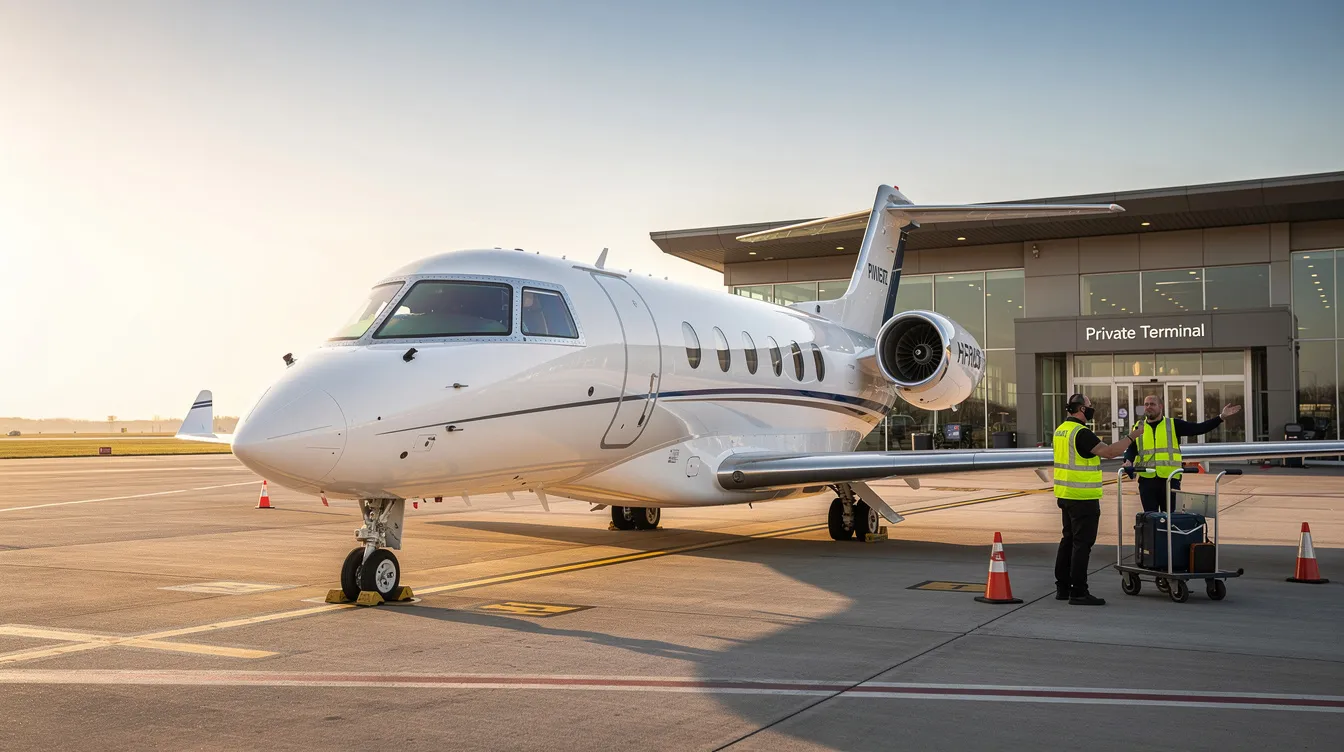
Private jet passengers bypass TSA, use private terminals, and depart on their own schedule—often saving two to three hours per trip compared to commercial.
BlackJet's Jet Card model offers prepaid hours across multiple cabin categories with 24/7 digital booking, delivering certainty that no airline frequent-flyer tier can match, especially for those weighing the 50-hour jet card cost and benefits against ad-hoc charter, which is particularly compelling for travelers evaluating 100-hour jet card cost and value, and aligns closely with broader jet card cost and membership pricing structures.
Consider the San Francisco–Seattle corridor: a commercial flight on a 737 MAX involves arriving 90 minutes early, possible delays if the airline's fleet faces inspection action, and a shared cabin. A BlackJet-arranged flight departs from a private FBO in under 15 minutes start to finish, making 25-hour jet card programs for occasional travelers an attractive bridge between commercial and full-time private flying.
Sustainability and Carbon Offsets
Frequently Asked Questions About the Boeing 737 MAX and Private Jet Travel
What safety improvements have been made to the Boeing 737 MAX?
The Boeing 737 MAX underwent extensive redesigns after two fatal crashes, including a revamped Maneuvering Characteristics Augmentation System (MCAS) that now uses data from two sensors instead of one. Pilot training was enhanced with mandatory simulator sessions, and flight control software was updated to improve redundancy and safety. Regulatory bodies like the FAA increased oversight of Boeing's manufacturing processes.
How does the Boeing 737 MAX compare to private jets in terms of passenger experience?
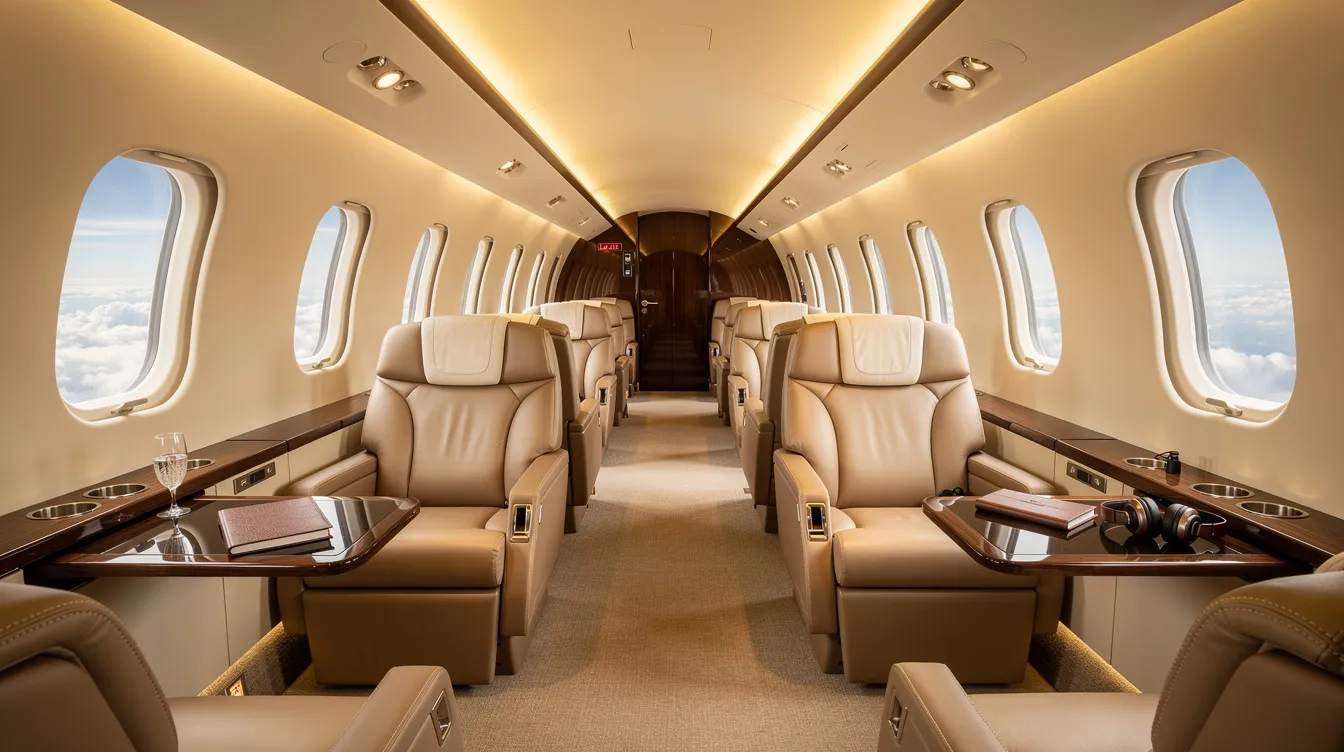
While the 737 MAX serves commercial routes with high passenger density, private jets offer a vastly different experience with privacy, flexible scheduling, and access to private terminals. BlackJet’s Jet Card programs provide prepaid private jet hours, bypassing commercial airport hassles and offering tailored service and comfort.
What routes are typically served by the Boeing 737 MAX?
The 737 MAX operates short- to medium-haul routes globally, including busy corridors like Los Angeles to Seattle or New York to Chicago. Its range capability of over 3,350 nautical miles allows airlines to serve routes previously reserved for larger aircraft.
What are the environmental benefits of the Boeing 737 MAX?
The 737 MAX delivers a 14% to 20% reduction in fuel consumption and CO₂ emissions compared to older 737 models, thanks to more efficient engines and aerodynamic improvements like split-tip winglets. However, private aviation providers like BlackJet offset carbon emissions to ensure carbon-neutral flights.
How does BlackJet ensure safety for private jet travelers?
BlackJet partners exclusively with operators holding top-tier safety accreditations such as ARG/US Platinum and Wyvern Wingman. Lower aircraft utilization and dedicated maintenance crews further reduce risk, providing a safety standard that often exceeds commercial aviation.
What is a Jet Card and how does it work?
A Jet Card is a prepaid membership offering guaranteed access to private jets across various cabin types. BlackJet’s Jet Card programs include 24/7 digital booking, real-time flight support, and flexible scheduling, making private jet travel seamless and reliable for frequent travelers.
How can I compare jet card programs effectively?
When evaluating jet card options, consider factors like hourly rates, cabin categories, availability guarantees, safety certifications, and included services. BlackJet’s transparent pricing and comprehensive programs help travelers make informed decisions aligned with their travel needs.
Are there any ongoing inspections or groundings affecting the 737 MAX?
Yes, the FAA grounded certain 737 MAX 9 aircraft in early 2024 due to a fuselage panel fastener issue. Airlines like Alaska and United temporarily grounded or suspended flights for inspections. These actions underscore the importance of continuous regulatory oversight.
Can private jet travel be sustainable?
Absolutely. Providers like BlackJet ensure every flight is carbon-neutral by investing in certified carbon offset programs. This approach allows travelers to enjoy luxury and convenience without compromising environmental responsibility.
What advantages does private jet travel offer over commercial flights on aircraft like the 737 MAX?
Private jet travel offers unmatched flexibility, privacy, and time savings. Passengers avoid long security lines, crowded terminals, and fixed schedules. With BlackJet’s Jet Card, travelers access a wide range of aircraft types and cabin sizes, tailored to their specific mission and preferences.
Future Outlook: The 737 MAX, Commercial Aviation, and High-End Travel Choices
Despite what happened during its troubled introduction, the 737 MAX will remain a core airplane of global short-haul travel for decades. Allegiant's MAX 8-200 fleet entering service in 2024 and beyond, along with December deliveries ramping across carriers, confirms sustained demand for this aircraft.
Ongoing scrutiny from the Federal Aviation Administration and international regulators in Canada, China, and beyond will continue shaping airline fleet planning and maintenance practices.
Some high-net-worth travelers still choose premium cabins on the MAX for certain routes, while others increasingly move to private jet solutions for control, security, and productivity, frequently reviewing top private jet companies for luxury travel before choosing a long-term partner, often benchmarking NetJets jet card cost and benefits when assessing their options, comparing offerings like Flexjet jet card cost and program structure with other market options, often gravitating toward the best jet cards for frequent flyers to lock in availability and pricing after comparing the private jet price list, costs, and access models.
BlackJet's Jet Card programs complement commercial flying: clients might use 737 MAX flights for high-density leisure trips but rely on private access for critical business journeys or multi-city schedules, especially once they understand how jet card pricing structures work across providers.
As the air force of commercial narrow-bodies grows and regulators tighten standards further, the value proposition of private aviation only sharpens for those who refuse to compromise.
Elevate your travel-effortlessly. With BlackJet, private flight isn't reserved for a few. Explore our Jet Card programs and discover how refined, meaningful travel becomes your new standard-with safety, sustainability, and flexibility built in from the start.


 Sign up with google
 Sign up with Apple