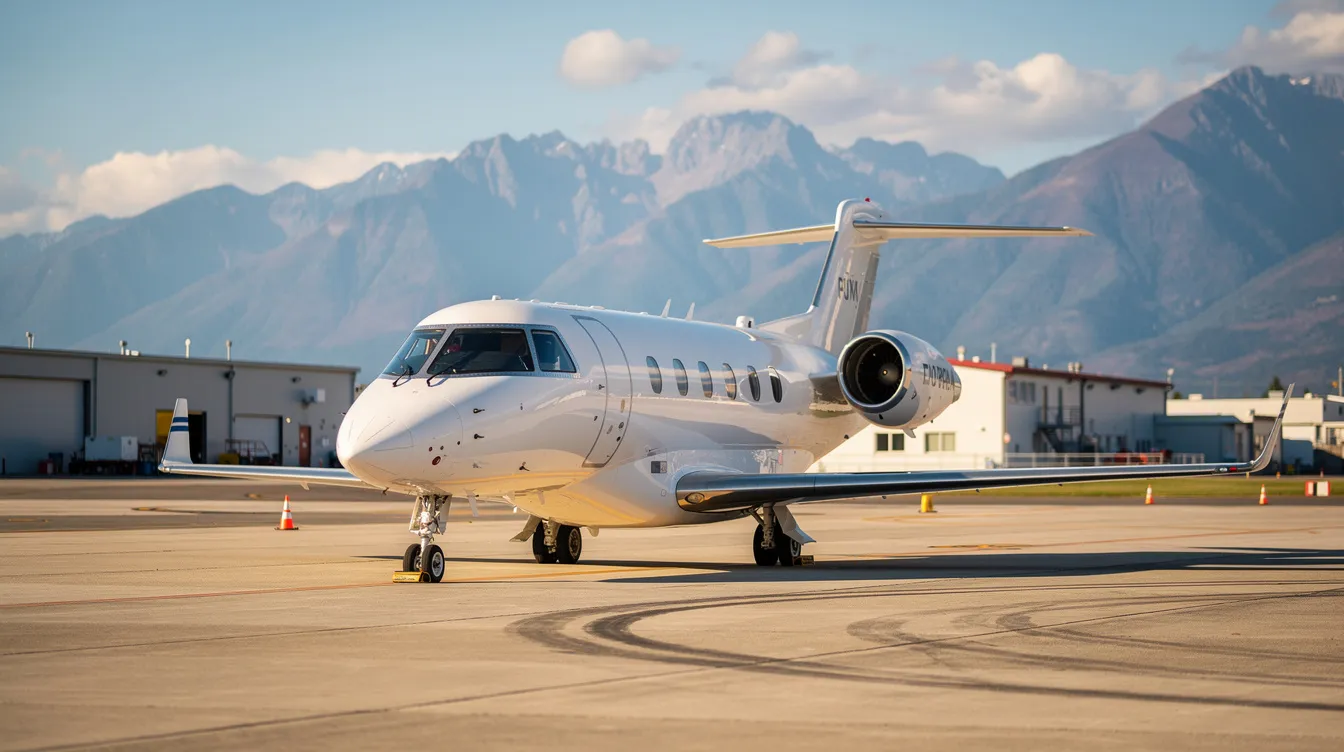
Small aircraft have reshaped how pilots train, families travel, and executives move between cities, especially as top affordable private planes and entry-level jets make private aviation more accessible. This guide ranks the best small aircraft across every mission profile, from two-seat trainers to light jets that cover 1,500 nautical miles nonstop, and explains how to access them through ownership, charter, or Jet Card programs, complementing a broader guide to the best aircraft of 2026 across all categories.
Key Takeaways: Best Small Aircraft For Pilots And Passengers
A commercial itinerary from New York to Nantucket involves two flights, a layover, and roughly five hours door-to-door. A light jet covers the same distance in under 90 minutes, departing from a private terminal with no security line. That gap in time, flexibility, and airport access is why both owner pilots and charter travelers are paying close attention to which small airplanes deliver the most value in 2026.
Here are the standout performers by role:
Cessna 172 Skyhawk (flight training): 120 KTAS cruising speed, ~640 nm range, 44,000+ units built, the global standard for beginner pilots.
Diamond DA40 (efficient trainer/personal aircraft): 154 KTAS max cruise, ~934 nm maximum range, Jet-A diesel option burning ~5.1 gph.
Cirrus SR22T (high-performance single-engine piston): 183 KTAS cruise, 1,000-1,100 nm range, CAPS parachute, FIKI-capable.
Pilatus PC-12 NGX (executive turboprop): ~290 KTAS, 1,803 nm range with four passengers, short-field capability under 2,500 ft.
Cirrus Vision Jet G2+ (most accessible personal jet aircraft): ~300 KTAS, Safe Return autoland, whole-airframe parachute.
HondaJet Elite II (light jet for business routes): ~422 KTAS, 1,547 nm NBAA IFR range, FAA certified November 2022.
Fuel efficiency and advanced safety features define the 2026 landscape. Jet-A diesel engines, the Cirrus airframe parachute system, autoland technology, and glass cockpits running Garmin G1000 NXi or G3000 suites are now baseline expectations, not luxuries. Most light jets and many turboprops listed here are accessible through BlackJet Jet Card programs or on-demand charter, with carbon-neutral flights included at no extra cost, reflecting the broader range of premium private jet card programs and services BlackJet offers.
What Makes A "Best" Small Aircraft In 2026?
"Small aircraft" spans a wide range: from two-seat light sport aircraft used for recreational flying to eight-seat light jets carrying executives across time zones. Common customer profiles include high-net-worth individuals and business travelers who value flexibility, privacy, safety, and luxury. For both groups, the right aircraft depends on the mission.
Core evaluation criteria include cruising speed, fuel efficiency, range, runway performance, passenger capacity, cabin comfort, avionics sophistication, safety systems, reliability, and operating costs. But priorities diverge. Owner pilots weigh flying experience, pilot training pathways, and low operating costs. BlackJet members focus on door-to-door time, pressurized comfort, quiet cabins, connectivity, and safety certifications behind the operator.
Many modern aircraft now carry advanced avionics suites that deliver airline-grade situational awareness. Synthetic vision, datalink weather, traffic advisory systems, and envelope-protection autopilots appear in cockpits of aircraft costing a fraction of a turboprop. These modern avionics close the gap between a small plane and an airliner in terms of cockpit capability.
"Best" is always mission-specific. A Diamond DA40 is ideal for fuel-efficient training flights, while a Cirrus Vision Jet or HondaJet Elite II is the appropriate aircraft for executive day trips spanning 800+ nautical miles.
Main Classes Of Small Aircraft: From Trainers To Light Jets
Small airplanes include piston aircraft, turboprops, VLJs, and light jets. Each class serves a distinct range of missions. Here is how they break down.
Trainer and light aircraft occupy the foundation of general aviation. Two- to four-seat single-engine planes like the Cessna 172 Skyhawk and Diamond DA40 cruise at 120-155 KTAS with ranges of 500-900 nm. Flight schools worldwide rely on these for initial instrument flight training and hour-building. Piston aircraft typically cruise at 120-180 knots with ranges of 500-1,000 nautical miles.
High-performance pistons like the Cirrus SR22T, Piper M350, and Diamond DA50 RG push speeds to 180-213 KTAS. Some offer pressurized cabins. They bridge the gap between basic GA and turboprop performance, requiring more skill and higher insurance minimums.
Turboprops like the Pilatus PC-12 NGX and Daher TBM 960 cruise at 260-300 knots and can handle short runways under 3,000 ft. Ranges of 1,500-1,800 nm make them favorites for regional missions arranged through BlackJet.
Very light jets offer 4-6 seats and cruise at 300-400 knots. The Cirrus Vision Jet leads this class with CAPS and autoland.
Light jets like the HondaJet Elite II and Embraer Phenom 100EV cruise at 400-450 knots and typically seat 6-8 passengers. These form the backbone of many charter fleets and Jet Card programs for short-haul executive missions.
Best Small Aircraft For Flight Training And Early Ownership
The training aircraft a new pilot learns on shapes cockpit scan discipline, safety habits, and confidence for decades. Choosing between different aircraft at this stage matters more than most realize.
Cessna 172 Skyhawk. With over 44,000 units delivered by 2026, the Skyhawk dominates global flight schools. It cruises at approximately 120 KTAS with a range of about 640 nm on reserves. Its high-wing design provides excellent downward visibility, and its forgiving flight characteristics make it the default choice for new pilots worldwide.
Diamond DA40. The composite airframe, 150-155 KTAS cruising speed, and outstanding safety record set it apart. The DA40 NG variant burns Jet-A diesel at ~5.1 gph through its Austro Engine AE300 with FADEC control, cutting fuel costs and improving sustainability. Modern, safety-focused flight schools increasingly adopt it.
Piper Cherokee / Archer. Piper Aircraft's low-wing trainers offer a moderate 120-130 KTAS cruise and stable handling. They expose students to different wing configurations during flight training, a useful contrast to high-wing Cessnas. The Piper Cherokee remains a staple at hundreds of schools.
Cirrus SR20. This advanced trainer doubles as a personal aircraft. Its CAPS parachute (the airframe parachute system CAPS), full glass cockpit, and ~150-155 KTAS cruise make it popular in university Part 141 programs preparing students toward a commercial pilot certificate.
For new pilots building hours, renting through a flying club or school is typically more cost-effective than purchasing a first light aircraft outright until annual hours exceed 150-200.
High-Performance Single-Engine Pistons: Speed, Range, And Safety
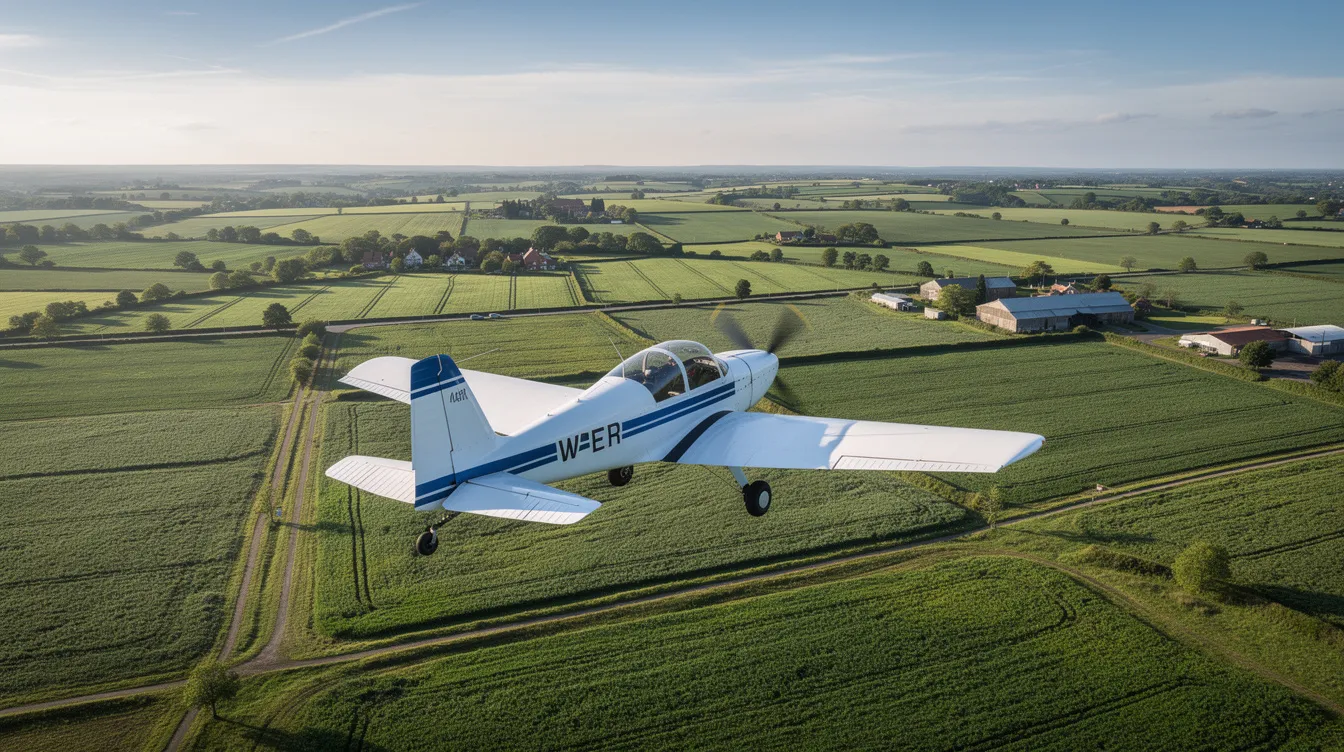
High-performance single-engine piston aircraft bridge the gap between basic GA flying and turboprop/light jet performance. They attract owner-pilots who want efficient performance without stepping into turbine operating costs.
Cirrus SR22T. The turbocharged 315 hp Continental TSIO-550 delivers a cruising speed of 183 KTAS, with 195+ KTAS achievable at higher altitudes. Range runs 1,000-1,100 nm with reserves. FIKI capability, the Cirrus airframe parachute system, and Garmin Perspective+ avionics make the SR22T the benchmark for high-performance personal aircraft in 2026. Cirrus Aircraft has delivered more SR-series aircraft than any other manufacturer in the piston single category for over two decades.
Piper M350. A pressurized cabin, six seats, ~213 KTAS cruise, and ~1,000 nm range give it a "mini light jet" feel for owner pilots wanting higher altitudes without turboprop costs.
Diamond DA50 RG. FAA-certified in 2024, this five-seat, retractable-gear, single-engine aircraft burns Jet-A diesel, consuming far less fuel per hour than avgas competitors. Its maximum range exceeds 1,000 nautical miles, and ~180 KTAS cruise places it alongside the SR22T in performance while offering a distinct eco advantage through its composite airframe and efficient engine.
Mooney Ovation Ultra / Acclaim Ultra. Cruising speeds of 197-230+ KTAS and famed fuel efficiency made Mooney a speed-focused icon. With production paused, these are primarily used-market finds.
Owners of these aircraft often supplement their flying with Jet Card access to turboprops or light jets for longer multi-city business and leisure travel, comparing options using a comprehensive guide to jet card costs and membership pricing.
Best Small Aircraft For Families And Personal Travel
Small aircraft serve as "family cars of the sky" for weekend homes, school runs, and multi-stop vacations. The priorities shift: payload, cabin width, rear-seat comfort, and door size matter more than top speed.
Cessna 182 Skylane. ~140-145 KTAS cruising speed, ~900 nm range, and strong useful load make it a favorite four-seat family hauler since the 1950s. High-wing stability and simple systems keep pilot workload low.
Beechcraft Bonanza G36 / A36. Six-seat club seating, ~170-176 KTAS cruising speed, 800-900 nm range, and premium interiors define this versatile aircraft. Textron Aviation announced the end of Bonanza production in 2025, turning late-model G36s into collectible family aircraft.
Piper Cherokee Six / Saratoga (PA-32 series). Six seats, large rear double doors, ~1,400 lb useful load, and 140-160 KTAS speeds make this ideal for a family plus luggage or pets.
Cirrus SR22 (normally aspirated). CAPS parachute, a roomy interior, and 180+ KTAS performance without the complexity of turbocharging make it a popular family machine and personal aircraft for weekend flying.
For longer holidays or weather-sensitive schedules, many families compare these pistons against booking a turboprop or light jet through BlackJet, where professional crews and pressurized cabins reduce stress on multi-hour legs.
Fuel-Efficient And Eco-Aligned Light Aircraft
Fuel efficiency is now a primary evaluation criterion, not an afterthought. Eco-conscious pilots and travelers increasingly select aircraft by cost per nautical mile and emissions profile.
Diamond DA40 NG. Its Jet-A diesel engine burns ~5.1 gph at 60% power while delivering 150-155 KTAS. Range reaches 900-940 nm. The engine is compatible with sustainable aviation fuel blends, and the DA40's safety record ranks among the best in general aviation. It serves both as a fuel-efficient trainer and a capable personal tourer.
Diamond DA50 RG. Its Jet-A engine and carbon-composite airframe position it as an eco-aligned alternative to high-performance avgas pistons like the SR22T.
Other efficient designs include ultra-low-fuel-burn light sport aircraft like the Flight Design CTLS and the Texas Aircraft Colt, which prioritize economy over speed for recreational flying and touring.
For those who charter turboprops and light jets rather than own pistons, BlackJet offsets emissions to ensure every Jet Card and charter flight is carbon-neutral, aligning sustainable practices with the cheapest private jet and other affordable private aviation options. Evaluating both fuel capacity/burn rate and access to sustainable aviation fuel matters when choosing the right aircraft or charter provider.
Small Turboprops: When "Small Aircraft" Feels Like A Private Airliner
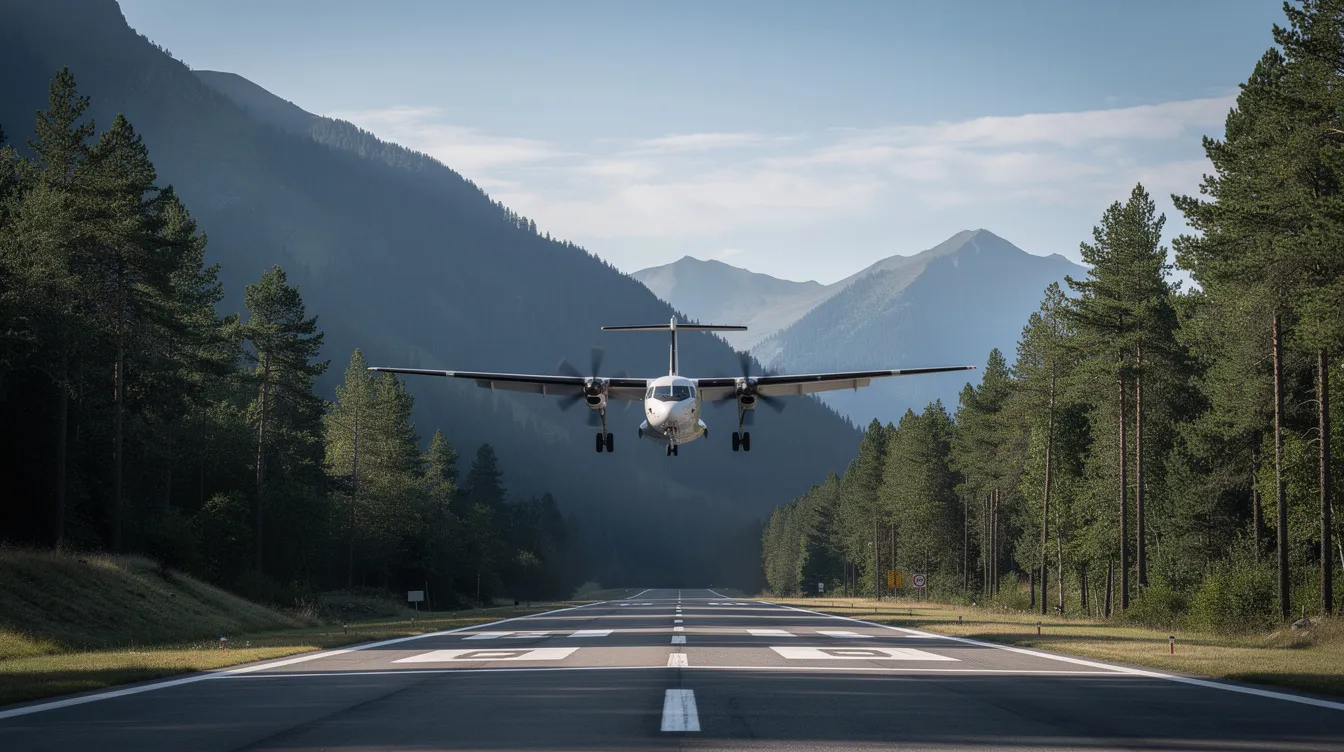
Single-engine turboprops deliver near-jet performance with exceptional runway flexibility and the lowest fuel burn per passenger-mile in the turbine category. Turboprops cruise at 260-300 knots and can handle short runways that jet aircraft cannot reach.
Pilatus PC-12 NGX. The Pratt & Whitney PT6E-67XP engine with FADEC powers this aircraft to ~290 KTAS. With four passengers and NBAA IFR reserves, range reaches 1,803 nm. The cabin holds 6-8 passengers in 330 cu ft of space. Takeoff over a 50 ft obstacle requires ~2,485 ft, opening access to thousands of short strips. Executives use it for nonstop missions like Dallas-Cancún or Geneva-Athens. Turboprops deliver the lowest fuel burn per passenger-mile in their speed class.
Daher TBM 960. Up to ~330 KTAS makes it one of the fastest single engine aircraft in production. ~1,700 nm range, G3000 avionics, and HomeSafe autoland attract owner pilots stepping up from Cirrus SR22T.
Cessna 208 Caravan and Cessna 206 Turbo Stationair HD. These utility aircraft serve cargo, lodge access, and remote-strip operations. The Turbo Stationair HD has a range of 703 nautical miles and handles unpaved surfaces.
Many BlackJet members choose PC-12 and TBM class aircraft for short, multi-stop regional days: short-field access, lower hourly cost than jets, and cabin comfort that supports productive work. These turboprops can also use SAF at select FBOs, enhancing their sustainability credentials.
Very Light Jets And Light Jets: The Fastest "Small Aircraft" You Can Charter
For HNW and corporate travelers focused on speed and time-sensitive itineraries, very light jets and light jets trade the runway flexibility of turboprops for higher cruising speed and pressurized cabin comfort at altitude.
Cirrus Vision Jet. The Williams FJ33 engine pushes this single-engine jet to ~300 KTAS with ~1,200 nm range. It seats up to 7, carries a whole-airframe parachute (CAPS), and includes Safe Return autoland. It occupies a unique spot as the most accessible personal jet for step-up Cirrus owners beginning their aviation journey into jet aircraft.
HondaJet Elite II. Twin HF120 engines, over-the-wing mount for reduced cabin noise, and ~422 KTAS cruising speed define this modern aircraft. Light jets cruise at 400-450 knots and typically seat 6-8 passengers. Its 1,547 nm NBAA IFR range covers routes like New York-Chicago or London-Geneva with ease. The service ceiling of 43,000 ft enables efficient performance above weather. The HondaJet Elite II typically cruises at 400-450 KTAS.
Citation M2 Gen2 and Phenom 100EV. ~400-404 KTAS speeds, 1,200-1,550 nm range, 4-7 seats. Most light jets in this class appear frequently in charter fleets for short-haul executive missions.
Cabin amenities across this class include enclosed lavatories, Wi-Fi, club seating, ample baggage for skis or golf clubs, and low cabin altitudes improving comfort on longer legs.
These light jets form the core of BlackJet's Jet Card offerings, providing guaranteed access within 12-24 hours and carbon-neutral flights for frequent travelers.
How To Choose The Best Small Aircraft For Your Mission
Consider three travelers: an executive flying New York-Boston twice weekly, a family flying Denver-Santa Fe monthly, and a new pilot building hours at a local airport. Each needs a completely different aircraft.
Start with the typical mission profile: average leg length (300 nm vs 1,200 nm), passenger count, and runway constraints matter more than record cruising speed. A flight plan built around real routes beats spec-sheet comparisons every time. Compare available aircraft offers by mission fit, comfort, and safety rather than headline specs alone.
Practical range by class: piston (500-1,000 nm), turboprop (1,500-1,800 nm), light jet (1,300-1,700 nm). Payload, headwinds, and reserves reduce real-world numbers by 10-20%.
Comfort shapes whether a trip is productive or exhausting. Cabin height, noise levels, pressurization, Wi-Fi availability, and seating width all affect focus and rest on business flights. A pressurized cabin at FL430 in a HondaJet Elite II delivers a different flying experience than an unpressurized piston at 8,000 ft.
Charter pricing varies based on date, route, and aircraft availability, just as jet card cost per hour and its key drivers vary by aircraft category and provider. In broad terms: piston charter costs range from $800 to $2,000 per hour, turboprop charter costs range from $2,000 to $4,000 per hour, and light jet charter costs range from $4,000 to $7,000 per hour, which aligns with what you’ll see in a comprehensive guide to 100-hour Jet Card costs. Travelers often pair this with an overview of private jet price lists, costs, and access options for context. For more detail, see BlackJet's charter pricing guide.
Non-pilots should focus less on aircraft ownership specs and more on choosing the right category through a Jet Card or charter to match their travel pattern, while also understanding the broader costs of private aviation such as what a private jet pilot costs and related operating expenses.
Access Models: Ownership, Charter, And Jet Cards With BlackJet
The access model matters as much as the aircraft type for cost-effectiveness and flexibility, especially for travelers exploring the cheapest private aircraft and budget-friendly access options.
Ownership suits pilots flying 200-300+ hours per year. Capital costs range from low seven figures for modern pistons to multi-million for turboprops and light jets. Ongoing expenses include hangar, crew, maintenance, insurance, and recurrent training.
On-demand charter works well under ~75 hours per year. Charter flights eliminate hangar fees and maintenance scheduling. Pricing is flexible but variable, with limited guarantees on peak days, and can be compared against the structures outlined in a comprehensive guide to leasing a private jet.
Jet Cards provide prepaid access to private jets. Programs typically offer 25 to 50 hours of flight time with fixed all-inclusive hourly rates, eliminating the need for aircraft ownership commitments, with many travelers starting by evaluating a complete guide to 25-hour Jet Card features and costs. Jet card users can access over 20,000 aircraft worldwide, and products like the BlackJet 25+ Hour Jet Card extend that access into mid, super-mid, and large cabin categories. Frequent private jet travelers appreciate the convenience of prepaid flight time and often review a complete guide to jet card pricing, costs, and benefits before choosing a program. Private aviation allows for 24/7 digital booking and real-time support through platforms like BlackJet's booking system.
A BlackJet Jet Card member might book a HondaJet Elite II for a Los Angeles-Las Vegas dash on Monday and a PC-12 NGX for a multi-stop Texas tour on Thursday, accessing multiple aircraft types through a single program.
Private aviation markets are competitive, with companies like Wheels Up and NetJets jet card programs and their costs offering alternatives. BlackJet's vetted network and safety certifications remove the complexity of managing pilot training, maintenance, and insurance that individual owners face.
Safety, Technology, And Certification In Modern Small Aircraft
For serious travelers and pilots, advanced safety systems and avionics matter more than cruising speed figures alone.
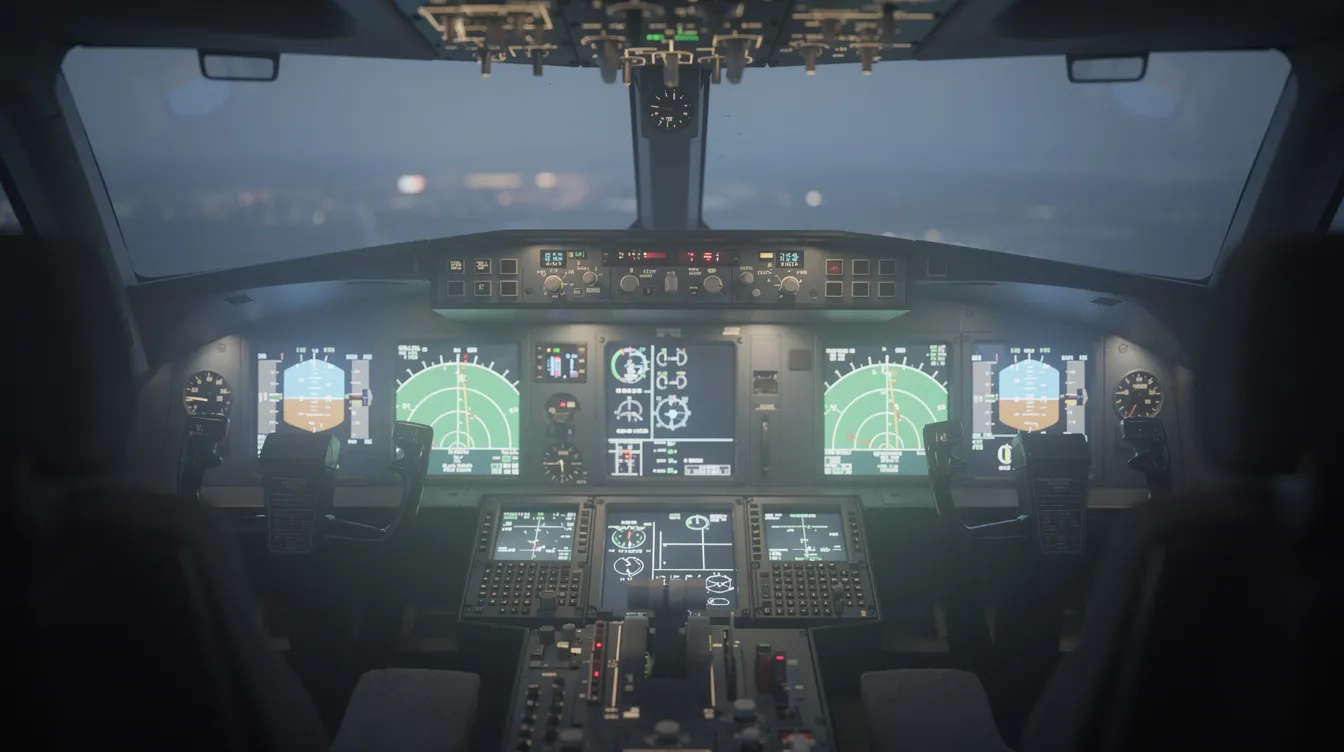
Whole-airframe parachutes have saved over 100 lives in emergencies. The Cirrus airframe parachute system has a 95% survival rate in activations. Modern small aircraft feature synthetic vision systems for enhanced safety, overlaying terrain and obstacles on cockpit displays. Autoland systems can land aircraft during pilot incapacitation; both the Cirrus Vision Jet (Safe Return) and TBM 960 (HomeSafe) carry this technology.
Garmin G1000 NXi avionics improve aircraft functionality and usability by unifying navigation, engine monitoring, traffic, and weather on integrated displays. The G3000 suite in aircraft like the HondaJet Elite II and TBM 960 adds touchscreen control and autothrottle.
For charter and Jet Card clients, regulatory frameworks matter. Part 135 (US) and EASA OPS standards govern commercial operations. Independent audits from ARGUS, Wyvern, and IS-BAO verify operator quality. Jet cards include safety certifications for operators as a standard feature.
BlackJet partners only with operators meeting strict certification thresholds, monitoring crew currency and prioritizing conservative go/no-go decisions over schedule pressure. Training aircraft used in flight schools, like the Cessna 172, Diamond DA40, and Piper Archer, are typically inspected more frequently than privately owned aircraft, reinforcing their safety reputation for pilot training.
Sustainability And Fuel Efficiency In Small Aircraft Operations
Environmental concerns in private aviation are driving real changes in aircraft design and operator policies. Sustainable aviation fuel reduces carbon emissions by up to 80% on a lifecycle basis compared to conventional jet fuel. Modern aircraft are designed to be compatible with SAF blends.
Efficient designs and diesel/Jet-A piston engines like those in the Diamond DA40 NG and Diamond DA50 RG cut fuel burn per nautical mile compared with legacy avgas designs. Turboprops like the PC-12 NGX and TBM 960 lead in fuel efficiency per passenger-mile, often outperforming small jets on short to mid-range routes.
Growing SAF availability at major FBO networks used by BlackJet and other operators makes the fuel accessible for turboprops and jets on an increasing number of routes. Carbon offset programs are standard in private aviation. Private jets can offer carbon-neutral flights through carbon offset programs. Jet card flights are often carbon-neutral as standard.
BlackJet ensures all flights are carbon-neutral through verified offsets, at no additional cost to members. Learn more about BlackJet's sustainability commitment. When defining "best" in terms of long-term impact, consider both aircraft design (fuel burn, engine type) and operator policies (SAF availability, offsetting programs).
Sample Trip Scenarios: Matching The Best Small Aircraft To Real Missions
300 nm regional business dash (Paris-Zurich). An owner-pilot in a Cirrus SR22T covers this in about 1h 40m at 183 KTAS, dealing with weather delays and airport positioning. A BlackJet Jet Card member books a Phenom 100EV or HondaJet Elite II and covers the same route in under an hour at FL400, arriving rested with time for a morning meeting. Small airplanes compared on this route show a 30-45 minute time difference, but the comfort gap is larger.
600 nm executive day trip (New York-Chicago). A PC-12 NGX or Citation M2 Gen2 enables same-day out-and-back meetings, departing Teterboro at 7 AM and returning by 8 PM. Commercial flights on this route require overnight stays when factoring in airline schedules and ground transport at O'Hare.
1,200 nm leisure trip (Los Angeles-Austin). A TBM 960 at 330 KTAS covers this nonstop in about 3h 40m. A HondaJet Elite II at 422 KTAS does it in under 3 hours. Travelers choosing between operational efficiency and fuel economy have real options at this range.
Remote leisure mission (Idaho backcountry). The Cessna 206 Turbo Stationair HD, with its 703-nautical-mile range and rugged landing gear, accesses strips that jet aircraft cannot reach. A PC-12 NGX handles slightly longer strips with more passenger capacity and pressurized comfort.
BlackJet advisors recommend the right aircraft class for each mission, balancing speed, fuel efficiency, cost, and experience.
FAQ: Best Small Aircraft, Flight Training, And Private Jet Access
Here are the questions pilots and travelers ask most often when evaluating modern small aircraft and private aviation access.
What is the best small airplane for flight training? The Cessna 172 Skyhawk remains the global standard for beginner pilots due to its forgiving flight characteristics and enormous support network. The Diamond DA40 offers a composite airframe, better fuel efficiency, and modern avionics (G1000 NXi) that prepare students for modern cockpits. The Piper Archer adds low-wing handling experience. All three serve flight schools worldwide.
Which small aircraft are most fuel efficient? The Diamond DA40 NG burns ~5.1 gph on Jet-A diesel. The Diamond DA50 RG extends that efficiency to a five-seat platform. Among turboprops, the PC-12 NGX delivers the lowest fuel burn per seat-mile in its speed class. Jet-A diesel engines and turboprops outperform avgas pistons on cost per mile.
How comfortable are small aircraft compared to airline business class? Aircraft like the HondaJet Elite II and Cirrus Vision Jet offer enclosed lavatories, club seating, low cabin altitudes (equivalent to ~5,000 ft or less), and noise levels comparable to premium cars. Pressurized comfort at FL430 in most light jets exceeds regional airline first class.
Can small jets cross the Atlantic? Most very light jets and light jets lack the range for nonstop transatlantic crossings. For those routes, BlackJet recommends midsize or large-cabin jets with 3,000+ nm range.
How quickly can I access a light jet through a Jet Card? BlackJet provides guaranteed aircraft category access within 12-24 hours, with same-day options available for urgent trips through 24/7 digital booking and real-time support.
Do I need to be a pilot to benefit from the best small aircraft? No. BlackJet provides professional crews and safety-vetted operators so members focus solely on schedule and destination, not ratings or logbooks. The aircraft stack available through a Jet Card covers multiple aircraft types, from turboprops to light jets, without any piloting requirement.
Conclusion: Elevating Your Travel With The Best Small Aircraft And BlackJet
There is no single "best small aircraft." Clear leaders emerge by mission: Cessna 172 and Diamond DA40 for flight training, Cirrus SR22T and Diamond DA50 RG for personal high-performance flying, and PC-12 NGX, Cirrus Vision Jet, and HondaJet Elite II for premium charter and Jet Card travel, as explored in a comprehensive guide to the best small private aircraft for every need. Each occupies a distinct position in the aircraft stack.
Modern small aircraft transform regional travel. Two-day commercial itineraries become efficient one-day loops. Thousands of airports closed to commercial flights open up. Training, families, business, and recreation each find a purpose-built aircraft with enhanced safety features, advanced systems, and operational efficiency that would have been unrecognizable a decade ago.
BlackJet provides premier Jet Card and charter access to vetted turboprops and light jets, with safety certification, technology-forward operations, and carbon-neutral flights as standard. Explore BlackJet Jet Card membership or speak with an advisor about matching your travel pattern to the aircraft classes that fit your schedule.


 Sign up with google
 Sign up with Apple