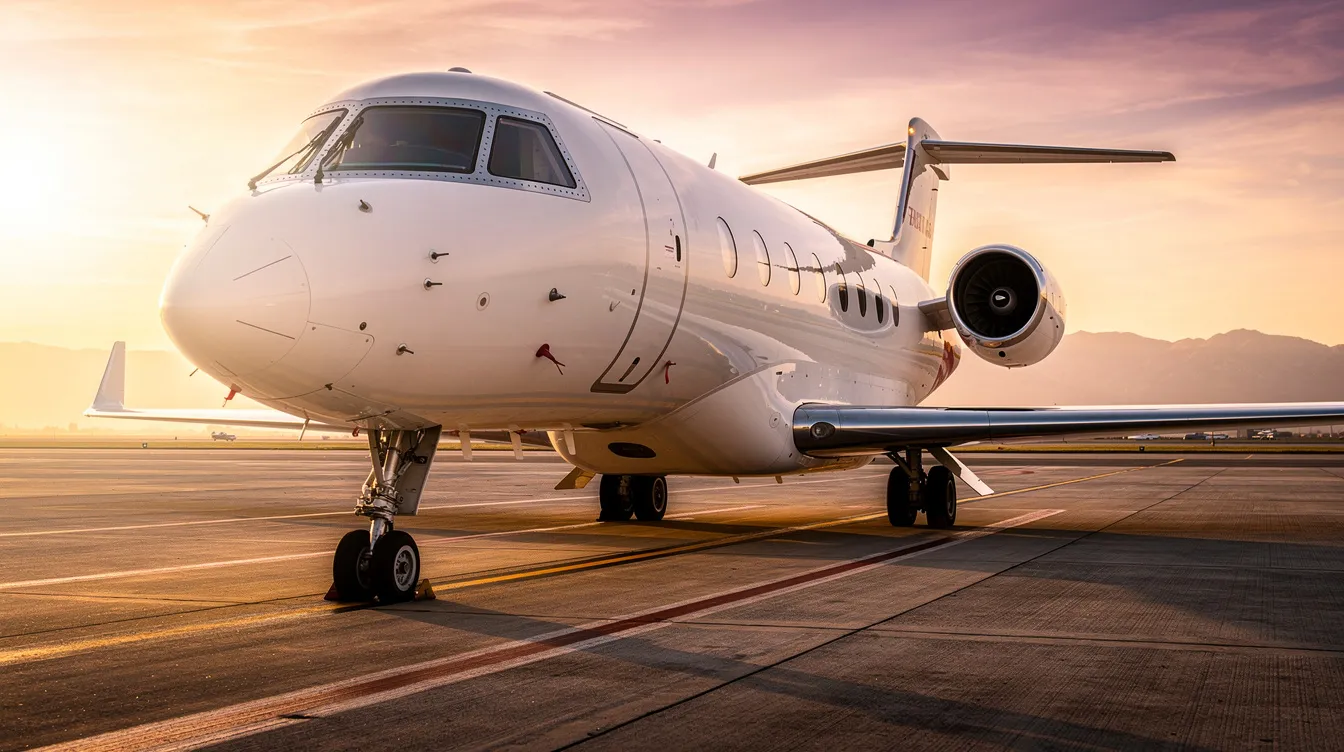
Choosing the best plane for executive travel is no longer a matter of prestige alone. In 2026, the decision involves a strategic calculus of range, cabin technology, airport access, fuel efficiency, and mission alignment. Whether you fly coast-to-coast weekly or cross oceans monthly, the aircraft you select directly shapes your productivity, well-being, and competitive edge.
This guide profiles the seven top private jets and turboprops for executive travel this year, compares their strengths side by side, and explains how to match the right aircraft to your specific needs within the context of the best aircraft innovations of 2026.
Why Private Aviation Represents Strategic Advantage
Private aviation exists in a different universe than commercial air travel. Even business class and first class on leading airlines like Singapore Airlines, British Airways, Air France, or Korean Air cannot replicate the door-to-door efficiency that private jets deliver. According to a study cited by the European Business Aviation Association, over 800,000 business flights produced aggregated time savings equivalent to 539 years compared to commercial alternatives—factoring in wait times, connections, and ground transfers.
In practical terms, executives save two to four hours per journey when flying privately versus commercial aviation. A survey of private equity and hedge fund leaders in Asia found that 94% believe private aviation saves them two to three hours per flight, while 87% report productivity gains of 25–50% compared to time flying on commercial aircraft.
Consider what even the most lauded commercial airplanes offer by contrast. The Airbus A380—the largest passenger aircraft in service and sometimes called the queen of the skies—features onboard bars and shower cabins, yet passengers still face two-hour check-ins and middle seats in economy class. The Boeing 747, the first widebody passenger aircraft and the original jumbo jet, expanded a legacy the Boeing 707 had already helped establish within Boeing's commercial arm, introducing first-class lounges on its upper deck, but even frequent flyer status cannot eliminate TSA queues or schedule delays. Commercial aviation is characterized by competition between Airbus and Boeing to improve the passenger experience, yet low cost carriers continue to squeeze passengers into tighter seats. Private aviation reduces airport congestion and enhances travel safety by removing those friction points entirely.
The advantages compound beyond time savings. Privacy allows executives to hold board-level discussions mid-flight without concern. Scheduling flexibility means your last flight of the day departs when you're ready, not when the airline decides. And access to over 5,000 airports in the United States alone—versus roughly 500 served by airlines—puts you closer to your actual destination. For the frequent flyer who values every hour, private aviation is not a luxury line item. It is a strategic tool.
How We Chose the Best Private Jets
Identifying the best plane for executive travel requires evaluating aircraft across multiple dimensions. The performance of aircraft is highly influenced by mission profiles, so we weighted criteria that matter most to real-world executive operations.
Range and speed. How far can the aircraft fly nonstop, and at what cruise speed? For ultra-long-range private jets designed for nonstop global routing and passenger comfort, even a few hundred nautical miles of additional range unlocks critical city pairs like New York–Hong Kong or Los Angeles–Sydney.
Cabin comfort and altitude. Modern private aviation is driven by demands for global range and reduced cabin altitudes. Lower cabin altitude means the cabin air feels closer to ground level, which helps reduce jet lag and protects the human body during long-haul flights. Cabin noise and noise levels also matter—an incredibly quiet cabin lets you sleep, work, or hold a meeting without strain.
Safety and certification. Private jets often undergo rigorous safety certifications beyond standard regulatory requirements. Aircraft using advanced avionics and safety systems are key in general aviation, and we prioritized models with enhanced vision, redundant flight controls, and proven track records that reflect what you’d expect when asking Are private jets safe.
Fuel efficiency and sustainability. Modern composite construction in aircraft enhances passenger comfort and fuel efficiency. Aircraft built with carbon-composite materials offer better fuel efficiency and passenger comfort—a principle proven in commercial aviation, where the Boeing 787 Dreamliner improves cabin conditions and fuel efficiency, and the Airbus A350 reduces fuel consumption significantly. Modern aircraft aim to minimize environmental impact and emissions, and airlines are focusing on next-generation aircraft to reduce emissions. Even Airbus A320 family aircraft are designed for better fuel efficiency, while the Airbus A321XLR enables single-aisle jets to operate profitable transatlantic routes. These same engineering principles apply to private jets, where newer airframes burn measurably less fuel per nautical mile and underpin BlackJet’s premium private jet services.
Technology and connectivity. From Starlink satellite internet to 42-inch 4K OLED smart windows, cabin technology has become a differentiator. The Boeing 787 Dreamliner has larger dimmable windows for comfort; the Airbus A350 is known for its spacious cabin and quiet engines with larger windows and higher humidity levels; even the Airbus A220 has a 2-3 seating configuration (and a 3-2 seating layout variant) for more comfort. In private aviation, connectivity and cabin management systems set the standard even higher. Modern aircraft like the Boeing 787 have advanced cabin safety features that private manufacturers have adopted and refined.
Versatility. Aircraft category selection affects factors such as performance metrics and technological features. The aviation industry balances aerodynamics, fuel efficiency, cabin comfort, and tactical dominance across every segment. We assessed each jet's ability to operate across different mission types, from short-haul flights to intercontinental overnights, including how small private aircraft options complement larger-cabin jets. The Boeing 777 is known for its long-range capabilities and fuel efficiency in the commercial world; in private aviation, that same principle of matching airframe to mission drives every smart decision.
Top 7 Private Jets for Executive Travel
These seven aircraft represent the best options across the full spectrum of executive travel needs in 2026. Each one excels in a different mission profile, and effective aircraft should optimize for the mission's typical flight distance and cabin requirements, whether you’re considering large-cabin flagships or small private jets for luxury travel.
1. Gulfstream G700
The Gulfstream G700 is the pinnacle of ultra-long-range private aviation—an engineering marvel that redefines what a cabin in the skies can be.
Why It Stands Out: The G700 holds the longest cabin in business aviation at nearly 57 feet of finished interior length, paired with a range that makes virtually any nonstop route possible. It is one plane that genuinely competes with widebody passenger aircraft in cabin volume while remaining a purpose-built business jet.
Best For: Ultra-high-net-worth individuals and C-suite executives requiring intercontinental travel with maximum comfort—think New York to Tokyo, London to Singapore, or São Paulo to Dubai without stopping — a profile that overlaps with billionaire private jet trends in 2026.
Key Strengths:
The Gulfstream G700 has a range of 7,750 nautical miles at Mach 0.85, with a maximum operating speed of Mach 0.935
Seats up to 19 passenger;, sleeps up to 13
Cabin altitude of just 2,840 feet at 41,000 feet cruise—among the lowest in aviation, which helps dramatically reduce jet lag
Twenty panoramic oval windows flood the spacious cabin with natural light
Rolls-Royce Pearl 700 engines deliver up to 33% fuel burn reduction over predecessors
Symmetry Flight Deck with active sidesticks and predictive landing performance
Possible Limitations: Operating costs are the highest in the category. Takeoff distance of approximately 5,995 feet means this aircraft requires well-equipped airports with long runways, limiting access to smaller fields.
2. Bombardier Global 7500
The Bombardier Global 7500 delivers industry-leading range with a cabin designed for living, not just traveling.
Why It Stands Out: With four distinct living spaces—Club Suite, Conference Suite, Entertainment Zone, and a Private Suite with a permanent bed—it is the closest thing to a flying residence. The Bombardier Global 7500 has a range exceeding 7,500 nautical miles, and the Bombardier Global 8000, its sibling, is the world's fastest business jet—squarely in the territory of 20 million-dollar private jet features.
Best For: Extended international missions where passengers need to sleep, hold meetings, and arrive refreshed after 14+ hours in the air, similar to other long-range private jets for sale targeting global missions.
Key Strengths:
7,700 nautical mile range at high-speed cruise up to Mach 0.925
Four-zone cabin with Nuage seating (a game changer in ergonomic comfort)
Cabin altitude of approximately 4,500 feet—still better than most other aircraft
A quiet cabin with advanced soundproofing for long-distance travel
A favorite aircraft among executives who mix business and family travel
Possible Limitations: Very high acquisition and operating costs. Fuel consumption on shorter routes makes it inefficient for medium-haul routes or regional hops.
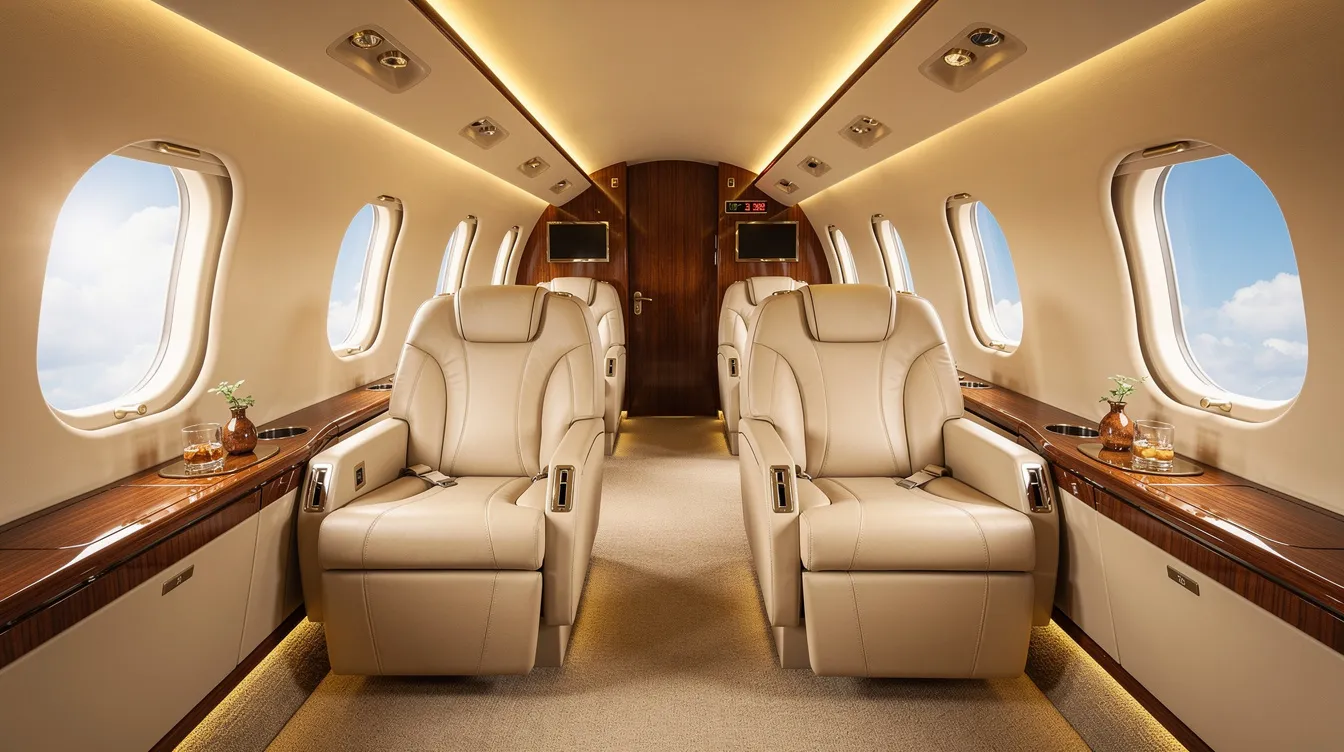
3. Dassault Falcon 8X
The Falcon 8X represents European engineering excellence—a long-range trijet built for operational flexibility that larger jets simply cannot match, while still competing with private jets for sale under 10 million in terms of mission capability for many buyers.
Why It Stands Out: The 8X can fly 6,450 nautical miles nonstop while landing on runways as short as 2,220 feet. It handles steep approaches (up to 6°) that allow access to challenging airports like London City—a capability that makes it a truly comfortable plane for executives who need to reach destinations other aircraft cannot.
Best For: Executives who frequently access airports with short or steep runways while still requiring intercontinental reach.
Key Strengths:
6,450 nautical mile range with eight passengers at Mach 0.80
Landing approach speed of just 107 knots
Three-zone cabin with wider seats and refined French interior design
Superior fuel efficiency-2% improvement over predecessor 7X
Certified ceiling of 51,000 feet
Possible Limitations: The cabin is smaller than the G700 or Global 7500, with fewer zones for privacy. The four engines—actually three engines in this case, a trijet configuration—add maintenance complexity compared to two engines on most competitors.
4. Citation Longitude
The Cessna Citation Longitude is the super-midsize jet that proves you don't need an ultra-long-range platform to fly with substance.
Why It Stands Out: It strikes a perfect balance of range, comfort, and operational economics. For transcontinental U.S. travel and shorter international legs, it delivers a comfortable flying experience at a fraction of the cost of larger passenger airplanes and illustrates many of the best features of a 5 million jet.
Best For: Frequent business travelers on domestic and near-international routes who prioritize cost efficiency without sacrificing cabin quality.
Key Strengths:
3,500 nautical mile range at approximately 483 KTAS
Flat-floor cabin with 6-foot stand-up height and space for up to 12 occupants
Head-up display (HUD) and enhanced flight vision system (EFVS)
Lower operating costs compared to ultra-long-range jets
Proven reliability since FAA type certification in 2019
Possible Limitations: Cannot operate nonstop on true intercontinental routes. The galley and sleeping facilities are limited compared to larger jets, making overnight missions less comfortable.
5. Embraer Praetor 600
The Embraer Praetor 600E—refreshed in early 2026—is the super-midsize aircraft to fly if technology and cabin wellness are your priorities, especially when compared with other best small private aircraft for shorter missions.
Why It Stands Out: Best-in-class cabin altitude of 5,800 feet at 45,000 feet cruise, Starlink low-earth-orbit connectivity, and a 42-inch 4K OLED "Smart Window" that can livestream exterior views or serve as a video conference screen. Light and super-midsize jets balance runway flexibility with intercontinental capability, and the Praetor 600E exemplifies that balance. The Embraer Phenom 300E is the world's best-selling light jet in its broader lineup, and that same DNA for innovation flows into the Praetor family.
Best For: Tech-forward executives who want a digitally connected, wellness-oriented cabin without stepping up to ultra-long-range costs.
Key Strengths:
4,018 nautical mile range with four passengers (London–New York nonstop capable)
5,800-foot cabin altitude—lower than many larger jets
Starlink satellite internet for high-speed, low-latency connectivity anywhere
Whisper-quiet cabin with flat floor and six-foot headroom
All-new seating and advanced cabin management system in the 2026 "E" variant
Possible Limitations: Newer platform with a more limited long-term service history. Cabin volume is moderate—fewer zones for privacy than the ultra-long-range jets.
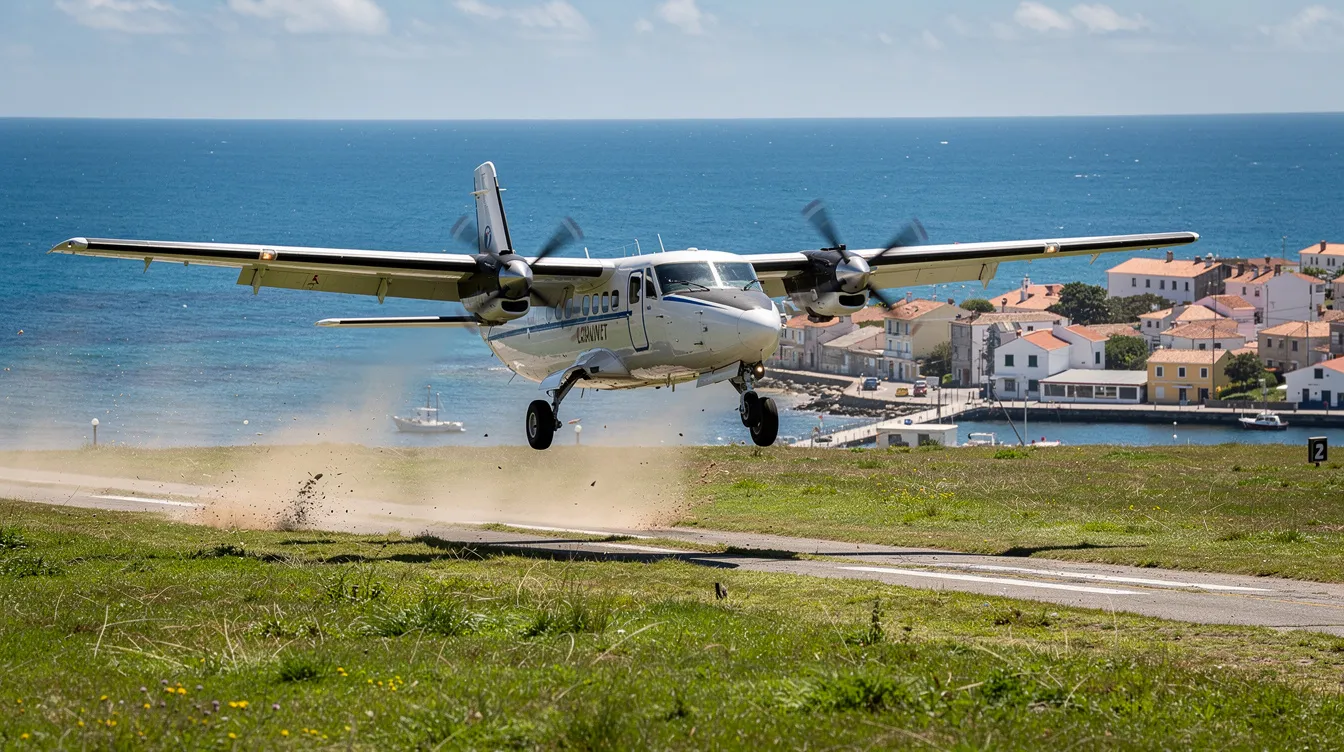
6. King Air 360
The Beechcraft King Air 360 is the premier turboprop for regional executive travel, and it remains the aircraft of choice when jets are simply overkill, particularly for travelers who might otherwise buy a seat on a private jet for similar routes.
Why It Stands Out: Short-field capabilities make certain aircraft better suited for rural access purposes, and the King Air 360 is the definition of that principle. With a takeoff distance of just 3,300 feet, it reaches airstrips that no jet can touch.
Best For: Regional business travel to smaller planes-only airports, island destinations, or cost-conscious operations where fuel efficiency matters more than speed.
Key Strengths:
Range of approximately 1,806 nautical miles
Cruise speed of 312 KTAS with maximum altitude of 35,000 feet
Up to 11 occupants in a comfortable pressurized cabin
CoolView windows reduce solar heating
Lowest operating costs among aircraft in this guide
Possible Limitations: Slower than jets by a significant margin. Range is limited for long-haul or international travel. Cabin noise is higher than jet-powered alternatives, and there are no multiple living zones or sleeping suites.
7. TBM 960
The Daher TBM 960 is the fastest single-engine turboprop in the world—an efficient machine for the executive or sport pilot who values precision and economy and is evaluating small private jets and turboprops for regional missions.
Why It Stands Out: At 330 knots true airspeed, it outruns every other single-engine turboprop in the skies. The Cirrus SF50 Vision Jet is notable for its single-engine design and features a "Safe Return" emergency autoland system in a different segment, but the TBM 960 delivers longer range and faster cruise for the pilot or small team that needs to cover ground efficiently.
Best For: Solo executives or small teams (up to five passengers) requiring efficient regional travel with access to shorter runways.
Key Strengths:
330 KTAS high-speed cruise; 1,730 nautical mile range
Takeoff over a 50-foot obstacle in just 2,535 feet; landing in 2,430 feet
Sophisticated autopilot and advanced avionics
Cabin volume of 123 cubic feet—compact but functional for smaller planes
Outstanding fuel efficiency per hour among all aircraft in this guide
Possible Limitations: Limited to six occupants (pilot plus five). Single-engine configuration raises concerns for some travelers. Cabin space is minimal with no sleeping or conference zones. This is a smaller plane built for transit, not for living aboard.
Quick Comparison of Elite Commercial Aircraft
Here's how each aircraft fits into the broader landscape of executive travel:
Aircraft | Range (NM) | Passengers | Best Mission | Operating Cost |
|---|
Gulfstream G700 | 7,750 | Up to 19 | Ultra-long-range intercontinental | Very high |
Global 7500 | 7,700 | Up to 19 | Extended international with bedroom | Very high |
Falcon 8X | 6,450 | Up to 16 | Challenging airports + long range | High |
Citation Longitude | 3,500 | Up to 12 | Transcontinental business travel | Moderate |
Praetor 600E | 4,018 | Up to 12 | Tech-focused super-midsize | Moderate |
King Air 360 | 1,806 | Up to 11 | Cost-efficient regional transport | Low |
TBM 960 | 1,730 | Up to 6 | Solo/small team regional travel | Lowest |
As honorable mentions, aircraft like the Embraer Phenom 300E (the world's best-selling light jet, worth noting twice for its market dominance) and the emerging Bombardier Global 8000 deserve attention, and both feature prominently among the best aircraft of 2026. Multi-role fighters are critical for contemporary air combat due to their sensor capabilities—and while the F-35 Lightning II is ranked as a premier multirole fighter due to its stealth and networking capabilities, where electronic warfare and sensor fusion are key components of modern military air power, the engineering discipline behind those platforms also informs civilian avionics and composite airframe design. The first passenger jet changed air travel forever, and milestones like the Boeing 707 helped define Boeing's commercial arm while expanding global connectivity; each generation of aircraft since has pushed boundaries in similar ways.
How to Choose the Right Aircraft for Your Needs
Aircraft selection should consider mission profile, passenger count, and budget, whether you plan to charter, use a Jet Card, or compare private jets for sale under 10 million as entry points to ownership. Here's how to think through each dimension.
Choose Based on Mission Profile
Your typical routes dictate your aircraft category. If your travel pattern includes repeated flights over 7,000 nautical miles—Asia to North America, Europe to Australia—only the G700 or Global 7500 deliver reliably. If you operate primarily on medium-haul routes between business hubs (New York–London, Miami–São Paulo), the Praetor 600E or Falcon 8X offers excellent range without the overhead of a wide-body aircraft-class platform.
For domestic U.S. coast-to-coast or U.S.–Caribbean routes, the Citation Longitude is the sweet spot. And for regional hops under 1,500 nautical miles—especially into remote airports—the King Air 360 or TBM 960 deliver superior access and fuel efficiency.
Choose Based on Passenger Comfort and Requirements
How many people fly with you, and what do they need in the cabin? Ultra-long-range jets offer four to five zones with two seats or more per zone, permanent bedrooms, full galleys, and forward/aft lavatories. A flight attendant can serve multi-course meals in these larger cabins. For long-distance overnight missions, this level of space is essential.
If your typical load is four to six people on daytime flights, a super-midsize jet with a spacious cabin, flat floor, and larger windows provides more than adequate comfort. For one to three passengers on regional legs, turboprops eliminate unnecessary cost while still providing a comfortable flying experience above the weather, while larger groups may need to evaluate top 16-seat private jet options for team travel.
Choose Based on Long Haul Operational Priorities
Operating costs vary dramatically across categories. An ultra-long-range jet may cost $10,000–$15,000 per flight hour in total operating expense, while a King Air 360 operates at a fraction of that. Airport accessibility matters too—if your destinations include smaller regional airports, the shorter takeoff distances of turboprops and super-midsize jets open doors that larger jets cannot enter, which becomes critical when weighing 20 million dollar private jet ownership against more flexible access models.
Mobile booking platforms enable 24/7 access to private jets, and users can book private jets via mobile applications that streamline the entire process. Mobile platforms streamline the booking process for private aviation, and mobile booking tools enhance flexibility for travelers who need to adjust plans on short notice, whether you buy a seat on a private jet or reserve an entire aircraft. Through BlackJet's Jet Card programs, you access the right aircraft category for each mission without the capital burden of ownership—one card, multiple aircraft types, every route optimized.

Which Aircraft Is Best for Your Executive Travel
The answer depends entirely on your mission:
Choose the Gulfstream G700 if you require maximum range and luxury for intercontinental missions, demand the lowest cabin altitude to arrive refreshed, and your first flight of the day may be a 14-hour crossing.
Choose the Global 7500 if you need a permanent bedroom suite and four living zones for extended international travel where arriving rested is non-negotiable.
Choose the Falcon 8X if your routes include challenging airports with short runways, yet you still need 6,000+ nautical miles of reach.
Choose the Citation Longitude if you prioritize transcontinental capability with operational efficiency and want to operate into more airports than the ultra-long-range jets can access.
Choose the Praetor 600E if connectivity, cabin wellness technology, and the best cabin altitude in the super-midsize category matter most to you.
Choose the King Air 360 if your focus is regional travel with exceptional airport access and the lowest operating costs on shorter legs.
Choose the TBM 960 if you're a solo executive or small team that values speed and efficiency above all on regional routes.
BlackJet's Jet Card programs provide access to optimal aircraft across all these categories without ownership commitment, and understanding Jet Card pricing structures or comparing a 25-hour Jet Card to other options helps quantify that value. Rather than locking into one plane, you select the right aircraft for each trip—matching the mission, not the ego.
Final Thoughts
The best plane for executive travel in 2026 is not a single aircraft. It is the right aircraft for each specific mission, matched to your route, your passengers, and your operational priorities. The era of one-size-fits-all private aviation is over.
BlackJet provides strategic access to entire fleet categories through Jet Card programs designed for executives who fly with purpose, and resources on the best Jet Cards for frequent flyers or detailed Jet Card cost guides can clarify which structure fits your flying pattern. Every BlackJet flight includes carbon-neutral certification at no extra cost, safety standards that exceed industry benchmarks through proprietary certification protocols, and real-time flight support available 24/7 for travelers. Real-time support enhances the booking experience for private flights, and private aviation services offer real-time support during flights to manage changes and issues promptly. Real-time support is also available through mobile booking platforms, whether you’re comparing Flexjet Jet Card costs or evaluating NetJets Jet Card pricing, ensuring you're never without assistance regardless of time zone or situation.
Whether your next journey is a three-hour domestic hop or a thirteen-hour transoceanic crossing, the aircraft should work for you, not the other way around, whether that means a light jet for a solo trip or private jets for 30 passengers and even 50-passenger private jet charters for major corporate movements.
Discover how BlackJet can reshape your executive travel. Explore our Jet Card programs and gain access to the world's finest aircraft, on your terms.


 Sign up with google
 Sign up with Apple