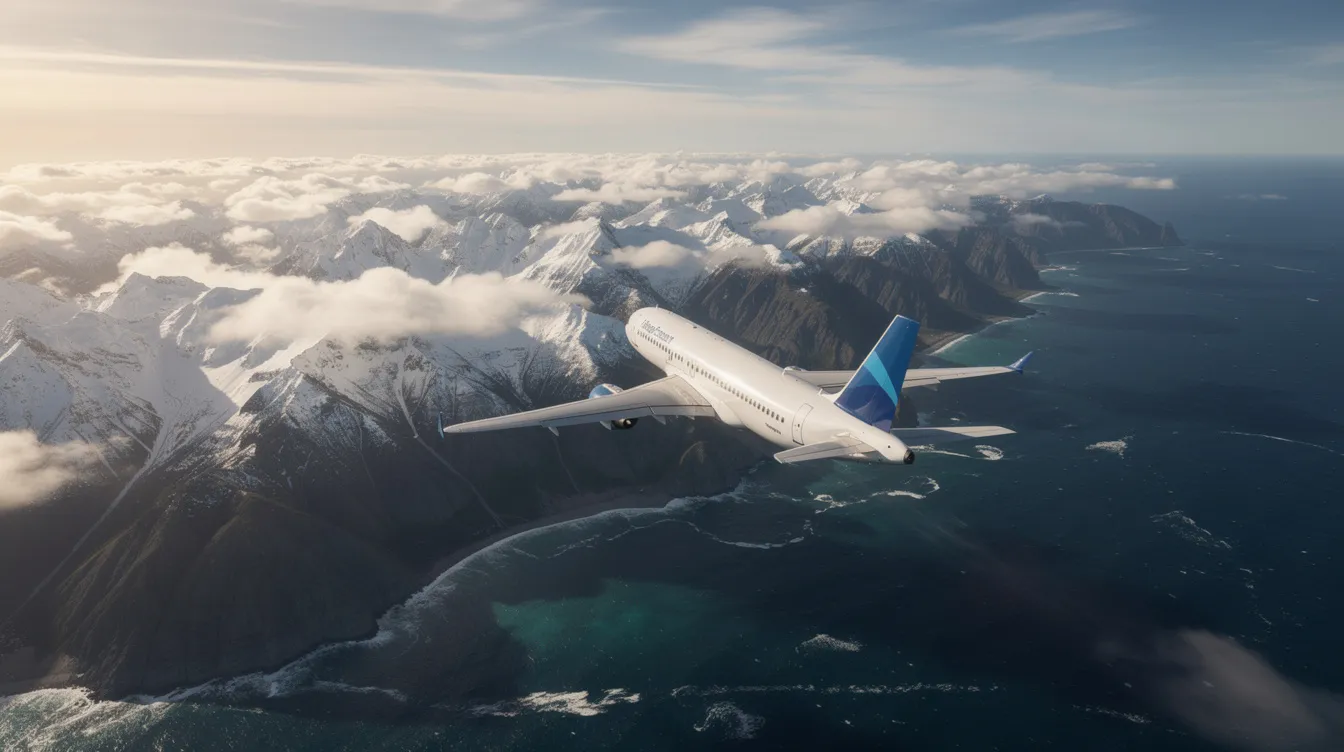
Alaska Airlines has been ferrying passengers across some of North America's most dramatic landscapes for more than nine decades. With over 1,400 daily flights, a fleet spanning narrow-body workhorses to wide-body long-haulers, and a freshly expanded Pacific network, the carrier plays an outsized role in how millions of travelers move between the West Coast, Alaska, Hawaii, and beyond. Yet for high-net-worth travelers and busy executives, commercial aviation—even at its best—comes with fixed schedules, crowded terminals, and a shared cabin environment that no amount of legroom can fully resolve.
This article is intended for high-net-worth travelers, business executives, and discerning flyers comparing Alaska Airlines with private jet options. Choosing the right travel solution can save time, increase productivity, and enhance comfort for demanding itineraries.
This article offers a thorough look at Alaska Airlines: its network, fleet, cabin products, loyalty perks, and strategic direction. It also examines where private aviation through BlackJet fills the gaps that even a great airline cannot close—privacy, on-demand routing, and time savings that compound across a year of travel.
Overview: Why Alaska Airlines Matters for High-End Travelers
Alaska Airlines is the fifth largest airline in North America. Founded in 1932 and now operating more than 140 destinations across the continental U.S., Alaska, Canada, Mexico, and growing intercontinental markets, it commands a strong presence on corridors that affluent travelers fly routinely—Seattle to Honolulu, San Francisco to Anchorage, and dozens of routes in between. The airline is a member of the oneworld Alliance, a global airline partnership, giving its frequent flyers access to global partners and lounge networks that extend well beyond its own hubs.
In December 2023, Alaska Air Group announced a landmark $1.9 billion cash acquisition of Hawaiian Airlines, a deal that also absorbs roughly $900 million in debt and grants Alaska wide-body aircraft and Asia-Pacific routes it never had before. That merger, combined with steady investment in premium seating and onboard service, signals that Alaska is positioning itself as a premium-capable carrier—not just a regional player.
Still, even Alaska's best first class tickets cannot replicate the door-to-aircraft efficiency of a private terminal, the ability to depart on your own timeline, or the confidentiality of a cabin occupied only by your party. The sections ahead contrast Alaska's main cabin, premium class, and first class offerings with the jet card and private charter model that BlackJet provides, helping you decide where each fits in your travel strategy.
Alaska Airlines at a Glance: Network, Fleet, and Alliance
Hub Airports
Fleet Overview
Fleet size: Approximately 345 aircraft total
Mainline aircraft: Primarily Boeing 737 variants for domestic and short-haul service; wide-bodies for transpacific routes
Daily operations: Over 1,400 daily flights, with most flights concentrated on West Coast corridors and Alaska-specific routes
Alliance Membership
Alliance: Oneworld membership since 2021, with codeshare agreements with American Airlines, British Airways, Qantas, and others
Alaska's diverse fleet, including Boeing 737s and Boeing 787-9 Dreamliners, allows it to serve everything from 45-minute hops between Seattle and Portland to 10-hour transpacific crossings. The airline alliance membership unlocks status reciprocity, through-ticketing, and baggage interline across dozens of carriers worldwide.
From Bush Planes to Oneworld: A Condensed History of Alaska Airlines
McGee Airways, a precursor to Alaska Airlines, was established in 1932, shuttling passengers and cargo between Anchorage and Bristol Bay in single-engine bush planes. The carrier adopted its current name on May 2, 1944, as wartime demand expanded its route map and fleet. By 1949, Alaska Airlines operated five Bell 47B helicopters for utility and charter work—an early sign of the operational versatility that would define the brand. The airline was also the first airline to operate DC-3s on skis, a feat that underscored its willingness to innovate in harsh environments.
Post-war growth came fast. DC-3 and C-46 aircraft gave way to DC-6 "Golden Nugget" service, then Boeing 727s and the MD-80 family. In 1985, Alaska Airlines became the launch customer for the MD-83, cementing its reputation as an early adopter. Alaska Air Group was formed in the 1980s to oversee the mainline carrier and its regional subsidiaries, setting the stage for decades of disciplined expansion.
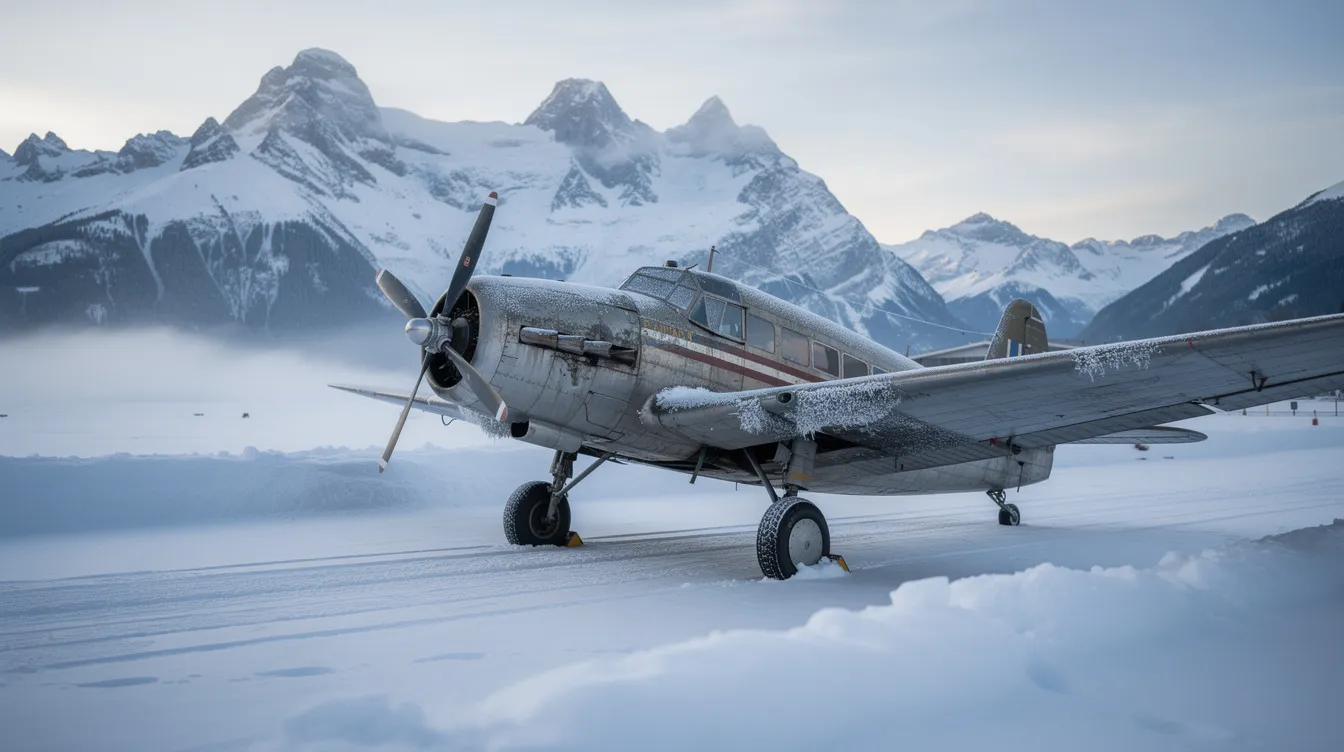
Technology was always central to Alaska's identity. The airline pioneered internet ticketing, self-service kiosks, heads-up displays in cockpit research programs, and GPS-based approaches with Enhanced Ground Proximity Warning Systems (EGPWS) to navigate Alaska's challenging weather. These were meaningful advances—but they were all about making scheduled commercial service more reliable, not about giving travelers control over their own departure times.
A major inflection came in 2016 when Alaska Airlines acquired Virgin America for $2.6 billion, absorbing the Silicon Valley–branded carrier's San Jose, San Francisco, and Los Angeles routes and its loyal tech-industry customer base. The 2021 Oneworld entry and the 2023 Hawaiian merger continued the trajectory. Today, more than 90 years after its bush-plane origins, Alaska serves as a gateway carrier for millions—yet the most time-sensitive travelers among those millions are now also considering private jet solutions for their highest-stakes trips.
Alaska Airlines Cabin Experience
Alaska structures its onboard experience across two classes on most narrowbody aircraft—and three distinct cabin tiers across its broader fleet: main cabin, premium class, and first class. Each delivers progressively more space, service, and comfort, making Alaska competitive among U.S. carriers in the domestic premium segment.
For many travelers, Alaska's first class is more than adequate. But for those who need to hold confidential calls, travel with a team, or reach airports not served by scheduled carriers, even the widest recliner seat still sits inside a shared cabin on a fixed schedule. The sections below detail what each tier includes—and where private aviation fills the gaps.
Main Cabin
Main cabin is Alaska's standard economy product, available on all routes. Main cabin passengers receive a complimentary non-alcoholic beverage and a small snack on most North America flights, with additional food and alcohol available for purchase. On longer routes, pre-order meal options are available for an added fee.
What to expect in main cabin:
Seat pitch: Approximately 31–32 inches on mainline 737s
Power: All main cabin seats have USB and power outlets
Carry-on: One personal item and one carry-on bag included with most fare types
Fare tiers:
Boarding: Assigned boarding groups; overhead bin access on a first-come basis
Main Cabin is functional for short hops and budget-conscious trips. But for the executive connecting through a congested airport on the way to a meeting, even a reliable economy seat still involves TSA security lines, boarding queues, and the unpredictability of a full plane. With private aviation, passengers bypass all of it—walking from car to aircraft in minutes, not hours.
Premium Class
Premium class is Alaska's enhanced economy tier, positioned at the front of the main cabin on most Boeing 737 aircraft. It offers four inches of extra legroom compared to standard economy, bringing seat pitch to approximately 35 inches. Premium class offers complimentary alcoholic beverages on most flights over approximately 350 miles, alongside the same complimentary snacks served in the main cabin.
Premium class highlights:
All seats in premium class have USB and power outlets
Priority boarding ahead of main cabin passengers
Preferred cabin location near the front of the plane for faster deplaning
Can be booked directly, purchased as an upgrade, or accessed via elite-status upgrades through Alaska's loyalty program
For business travelers, premium class is a meaningful step up from standard economy. The comfortable seating, early boarding, and complimentary drinks make mid-range routes between cities like Seattle and Las Vegas or San Francisco and Salt Lake City noticeably more pleasant. But premium class still involves fixed schedules, crowded terminals, and the same security process as every other commercial passenger—areas where private aviation through BlackJet offers a fundamentally different experience.
First Class
First class is Alaska's top commercial cabin on domestic and medium-haul routes, featuring wider recliner-style seats with up to 41 inches of seat pitch. On the airline's growing roster of long-haul wide-body flights, first class expands to lie-flat suites with direct aisle access—a significant upgrade for transpacific travelers.
First class key amenities:
Two free checked bags per passenger
Complimentary meals and priority boarding on all qualifying flights
Premium wine and cocktail selections, with curated wines often reflecting West Coast vineyards
Priority check-in, dedicated boarding lane, and priority baggage handling
Enhanced meal service with pillows and blankets on longer routes such as Seattle to Honolulu
Consider a Seattle to Honolulu first class itinerary. The experience is polished: lounge access at SEA, a dedicated boarding lane, a warm meal with wine at altitude, and landing in Hawaii feeling relatively refreshed. Now imagine the same route via a BlackJet charter: departure from a private FBO terminal, no security line, no boarding queue, a cabin configured for your party alone, catering selected to your preferences, and arrival timed to your schedule rather than the airline's. The commercial version is good. The private version is built around you.
Atmos Rewards members earn 75% more miles in first class, making it an efficient way to accumulate status while traveling in comfort. For many high-net-worth travelers, first class tickets on Alaska remain the default for routine trips—with private jet access reserved for the flights where time and privacy are non-negotiable.
Onboard Wi-Fi and Inflight Entertainment
Alaska Airlines offers complimentary onboard Wi-Fi on equipped aircraft, with free messaging available on most flights. Full Wi-Fi access—browsing, streaming, email—is available for approximately $8 per flight on mainline aircraft. The airline has been rolling out Starlink-based connectivity on newer planes, with broader deployment expected through 2026 and 2027.
Entertainment is delivered through a streaming model: passengers use their own devices to access over 800 free movies and TV episodes via the Alaska app. Seatback screens are available on some wide-body aircraft (787s, A330s), but on most narrowbodies, it's bring-your-own-device. Premium class and first class passengers benefit from the same platform but generally enjoy more comfortable work conditions—wider tray tables, better lighting, and more accessible power outlets.
For travelers who need to work productively on a long flight, the commercial cabin still presents challenges: shared armrests, ambient noise, limited screen privacy. Private jet cabins, by contrast, function as flying offices—quiet, secure, and configured for small teams. Whether it's a confidential board presentation or a focused deep-work session, the difference between a shared commercial cabin and a private aircraft isn't incremental; it's categorical.
Checked Bags, Fees, and the 20-Minute Bag Guarantee
Alaska Airlines allows one personal item and one carry-on bag for all passengers across all fare types (with some Saver restrictions on overhead bin use). Checked bag fees apply for most fare classes, though first-class passengers can check two bags for free. Bag fees may be waived for certain Alaska Airlines credit card holders and elite-status members.
Baggage highlights:
Standard checked bag fees vary by route and fare class
First class includes two free checked bags
Active-duty military members receive fee waivers
Checked bags do not count towards the allowance for wine—a nod to Alaska's popular wine-shipping partnerships
Alaska Airlines offers a 20-minute baggage guarantee: if your checked bag is not on the carousel within 20 minutes of gate arrival, you can claim a $25 future flight voucher or 2,500 bonus Mileage Plan miles. To claim, you must visit the baggage service office within two hours of landing. Exclusions apply for some international flights and certain Alaskan remote routes.
With private aviation through BlackJet, the baggage experience is different entirely. Luggage is loaded and unloaded directly beside the aircraft—often by the same crew members who greet you at the plane. There is no carousel, no claim ticket, and no 20-minute timer. Your bags arrive when you do.
Lounges and Ground Experience with Alaska Airlines
Alaska Airlines operates lounges at several key hubs, including Anchorage, Seattle, Portland, San Francisco, and Los Angeles, along with The Plumeria Lounge in Honolulu. Core amenities include quiet seating, dedicated workspaces, complimentary snacks and beverages, espresso bars, and often local craft beers and wines reflecting the Pacific Northwest.
Lounge access is available to:
Alaska Lounge and Lounge+ members
Long-haul first class ticket holders on qualifying flights
Oneworld Sapphire and Emerald status members
Day-pass purchasers
These lounges help mitigate the noise and congestion of major terminals, offering a civilized place to work or unwind before boarding. But they don't eliminate security lines, gate changes, or the reality of sharing the airport with thousands of other scheduled passengers. During peak travel periods, even lounge seating can be difficult to find.
BlackJet users typically access FBO lounges—private terminals with car-to-aircraft transfers, discrete entrances, and minimal security friction. At many airports, the entire ground experience takes less than ten minutes from car door to aircraft door, making the concept of "lounge access" almost irrelevant. You simply don't spend enough time on the ground to need one.
Alaska's Frequent Flyer Program and Unique Perks
Alaska Airlines' frequent flyer program, Atmos Rewards, is a mileage-based loyalty system widely regarded as one of the more generous in U.S. aviation. Atmos Rewards has no membership fee and allows one-way redemption, making it flexible for both casual and frequent flyers. Accumulated miles in Atmos Rewards do not expire, removing the pressure to fly just to maintain a balance.
Program highlights:
Atmos Rewards offers elite tiers for frequent travelers, with benefits escalating from complimentary upgrades to lounge access and bonus mile multipliers
Members can earn free wine tastings with their boarding pass at select West Coast wineries and tasting rooms
"Wine Flies Free" style promotions let customers check wine purchased at partner wineries at no additional checked bag cost
Partner earning and redemption across Oneworld carriers expands the program's reach globally
These perks resonate with West Coast leisure travelers and wine enthusiasts. For a weekend in Napa or a visit to a Washington wine region, showing your boarding pass for a complimentary tasting is a thoughtful touch that builds genuine loyalty.
With BlackJet, loyalty manifests differently. Rather than miles and tier upgrades, jet card holders receive guaranteed access to aircraft categories, consistent hourly rates, and personalized trip support from a dedicated team. The jet card model rewards commitment with predictability and priority—not points.
Flight Pass and Subscription-Style Flying
Alaska's Flight Pass is a subscription-style product that gives travelers fixed monthly payments in exchange for a set number of round trips per year across a defined route network, primarily covering California, Arizona, Nevada, and Utah. Routes like San Francisco to Palm Springs or Seattle to Las Vegas are typical Flight Pass corridors.
Booking rules include advance-purchase windows (often 14+ days), limited same-day flexibility, and restricted availability on peak travel dates. The ideal Flight Pass customer is a price-sensitive but schedule-flexible traveler—someone commuting between West Coast cities who can plan ahead and doesn't mind conforming to the airline's schedule, in contrast to travelers researching the cheapest private aircraft and entry-level options to gain more control without fully committing to commercial timetables.
BlackJet's jet card structure operates on fundamentally different principles, mirroring the predictable pricing and flexibility outlined in this broader guide to understanding jet card cost and membership pricing. Pre-purchased flight hours (25-hour and 50-hour blocks) span multiple aircraft categories and offer on-demand scheduling. There are no advance-purchase windows, no route restrictions, and no blackout dates. For clients whose time is worth more than the spread between a subscription fare and a charter rate, the flexibility is the value.
Hawaiian Airlines Merger: Expanding the Pacific Network
In December 2023, Alaska Air Group announced its planned acquisition of Hawaiian Airlines for approximately $1.9 billion in cash, plus assumption of roughly $900 million in Hawaiian's debt. The strategic rationale is clear: Hawaiian brings wide-body aircraft (A330s, A321neos), established Asia-Pacific routes, and deep inter-island connectivity that Alaska lacked.
Both brands are expected to remain visible. Hawaiian will retain its identity under Alaska Air Group, with plans for Hawaiian to join Oneworld and for frequent flyer programs to integrate over time. For scheduled passengers carried on routes between the mainland and Hawaii, the merger means more schedule options, broader lounge access, and seamless connections. Alaska has also been expanding seasonal service to meet strong demand on leisure corridors, adding new nonstop service to additional Hawaiian and Pacific destinations.
For travelers who primarily fly commercially to Hawaii, the merger is unambiguously positive. But for those who need to hop between neighbor islands on a tight timeline—say, investor meetings on Maui, the Big Island, and Oahu within 48 hours—the scheduled carrier's fixed timetable still creates friction. A BlackJet charter can depart from smaller airports, fly direct to neighbor-island airfields, and let you work or rest in a private cabin between stops.
Partnerships, Codeshares, and Oneworld Membership
Codeshare and interline agreements allow Alaska Airlines customers to book a single ticket covering multiple carriers—checking baggage through to the final destination and earning miles on the entire journey. Alaska's Oneworld membership, secured in 2021, is the backbone of this connectivity.
Key Oneworld partners include:
American Airlines (domestic and international codeshares)
British Airways (transatlantic connections)
Qantas (Pacific and Australian routes)
Japan Airlines, Cathay Pacific, and others
Alliance status tiers—Sapphire and Emerald—translate into lounge access, priority boarding, and enhanced baggage allowances across all partner airlines. For a traveler flying Alaska from Seattle to London via American, the experience is relatively seamless: one ticket, one baggage check, and status benefits at every touchpoint.
BlackJet takes a different approach to network building. Rather than airline alliances, BlackJet leverages a vetted network of private operators, each evaluated through proprietary safety certification and third-party audits (ARGUS/Wyvern). The focus isn't on codeshares—it's on ensuring that every aircraft in the network meets consistent safety and service standards.
Onboard Service: Food, Beverages, and Specialty Programs
Alaska curates its onboard food and beverage program with a Pacific Northwest accent. West Coast wineries, local breweries, and regionally sourced ingredients feature prominently, especially in first class. The airline offers complimentary food in first class on medium and long-haul flights, with seasonal menus that rotate to reflect local harvests and culinary trends.
Main Cabin Service
Complimentary: Non-alcoholic beverage, snack
Available for Purchase: Meals, beer, wine, cocktails
Premium Class Service
Complimentary: Non-alcoholic beverage, snack, beer/wine/cocktails
Available for Purchase: Pre-order meals on longer flights
First Class Service
Complimentary: Full meals (medium/long-haul), premium drinks, wine
Available for Purchase: N/A—all included
On longer routes, first class flight attendants deliver multi-course meals with wine pairings, while premium class passengers enjoy a lighter but still curated selection. The airline has also reduced food waste by introducing pre-order meal systems, cutting excess by approximately 61% compared to 2019.
With private jet catering through BlackJet, the menu is yours to design. From simple healthy snacks to chef-prepared multi-course meals, every element can be customized in advance based on passenger preferences, dietary requirements, and even the occasion. It's the difference between choosing from a menu and writing one.
Safety Record, Technology, and Operational Standards
Alaska Airlines, like all major U.S. carriers, operates under stringent FAA regulation with layers of safety oversight: recurrent pilot training, maintenance programs, operational audits, and fleet-wide technology standards. The flight crew undergoes continuous training in advanced systems, and the airline's early adoption of cockpit technologies—GPS approaches, EGPWS, and heads-up display research—set a standard for operational competence in challenging environments like Alaska's mountain corridors and coastal fog.
The airline's crew members are trained to operate in some of the most demanding conditions in commercial aviation, from Alaskan winter storms to crowded West Coast airspace. Routes to remote destinations like King Salmon and Prudhoe Bay require specialized operational procedures that few other U.S. carriers maintain.
For private aviation, safety standards are equally rigorous—but the certification framework differs. BlackJet evaluates every operator in its network through third-party safety audits and proprietary certification standards, ensuring that the aircraft, pilots, and maintenance programs meet or exceed commercial benchmarks, aligning with the broader realities outlined in this overview of how safe private jets really are. For travelers considering private aviation for the first time, this vetting process is the foundation of trust.
Comparing Alaska Airlines to Private Jet Travel with BlackJet
Consider this scenario: an executive based in Seattle needs to visit Anchorage for a client meeting, then continue to a remote Alaskan community for a site inspection, and return home within 36 hours. On Alaska Airlines, the trip involves two scheduled legs (likely a nonstop flight to Anchorage, then a regional connection on an E175 or turboprop), rigid departure times, TSA security at each airport, and the possibility of being delayed by weather or mechanical issues. If the connection is tight, a missed flight could derail the entire trip.
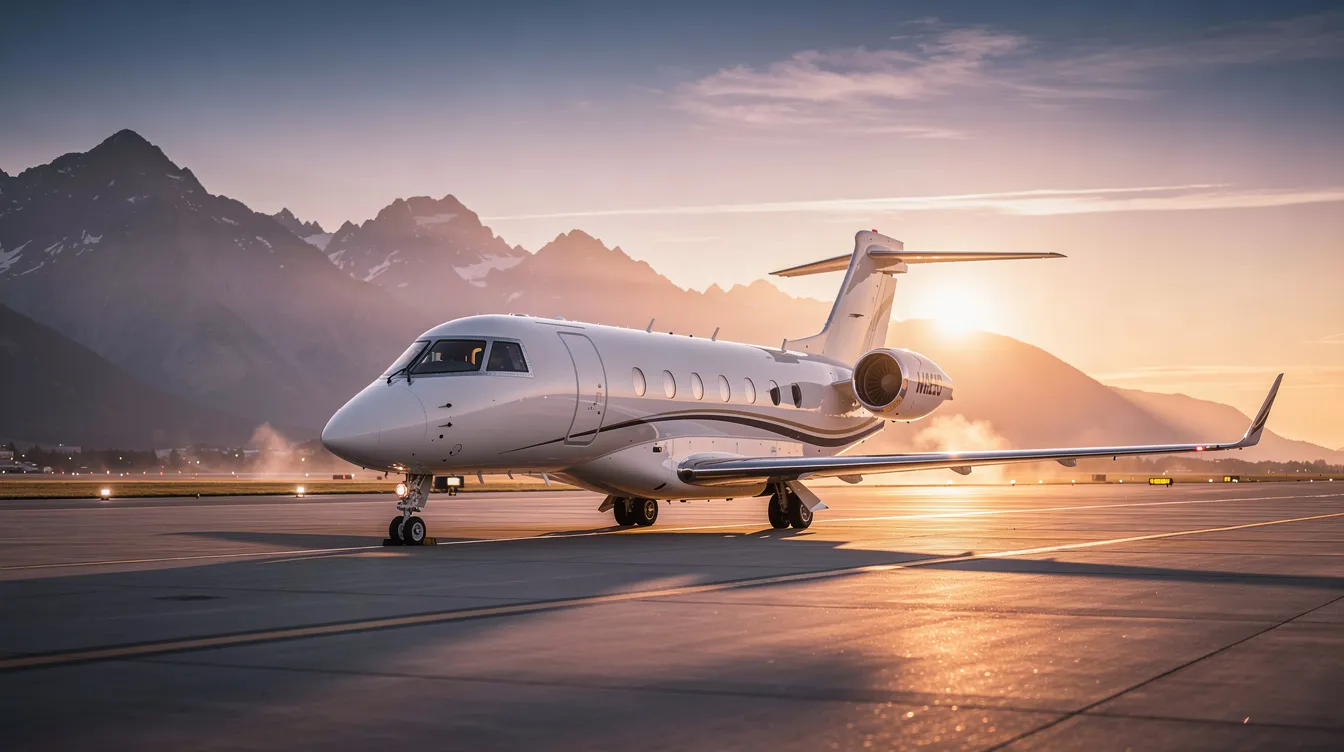
On a BlackJet itinerary, the same trip might use a light jet departing from a private FBO terminal at Seattle at a time chosen by the traveler. The aircraft flies direct to Anchorage, waits on the ramp while the meeting concludes, then repositions to a smaller airstrip inaccessible to scheduled carriers. The executive works in a quiet cabin between stops, holds a confidential call without seatmates, and lands back in Seattle that evening—on schedule, on terms.
The core trade-offs:
Factor | Alaska Airlines | BlackJet Private |
|---|
Cost per seat | Lower (fraction of private) | Higher (hourly rates) |
Schedule | Fixed timetable | On-demand |
Privacy | Shared cabin | Private cabin |
Airport experience | Main terminal, TSA | FBO, car-to-aircraft |
Route flexibility | Published routes only | Any airport with suitable runway |
Productivity | Limited by cabin environment | Full office capability |
Many BlackJet clients still fly Alaska Airlines for routine trips—earning miles, enjoying lounge access, and taking advantage of competitive fares. But for mission-critical or high-privacy flights, private aviation isn't an indulgence; it's infrastructure.
BlackJet Jet Cards vs. Commercial First Class and Premium Cabins
BlackJet's Jet Card programs allow clients to prepay for flight hours across aircraft categories—light, midsize, super-midsize, and large-cabin jets—at fixed hourly rates with guaranteed access, with the flagship BlackJet 25+ Hour Jet Card tailored to frequent travelers who need predictable, premium lift. A 25-hour light jet card, for example, provides approximately $5,000–$8,000 per hour of flight time, with pricing that includes Federal Excise Tax, fuel surcharges, and carbon neutrality. A 50-hour card offers better per-hour economics for frequent flyers.
Compared to Alaska first class or premium class, the differences extend far beyond seat width:
Privacy: A BlackJet cabin is occupied only by your party. No seatmates, no overhead announcements.
Pets: Bring your dog in the cabin—no carrier required, no weight limits.
Confidentiality: Hold sensitive conversations without concern for neighboring passengers.
Scheduling: Depart when you're ready, not when the airline's timetable permits.
Example scenario: A Silicon Valley founder needs to travel from San Francisco to Kona for investor meetings. On Alaska, the trip involves arriving at SFO two hours before departure, clearing security, boarding with 180+ other passengers, and landing on Hawaiian's schedule—perhaps with a connection in Honolulu. On a BlackJet charter, the founder departs from a San Jose or SFO-area FBO, flies direct to Kona on a midsize jet, works uninterrupted for the entire flight, and arrives on a timeline built around the meeting agenda—not the other way around.
While a first class ticket on Alaska might cost $600–$1,200 for that route, the executive whose time is valued at $1,000+ per hour may find that the 3–4 hours saved by flying private pays for itself. For a deeper look at how jet card pricing compares to charter and fractional models, the math often favors prepaid hours for travelers logging 20+ private flight hours annually—and for the heaviest users, a dedicated analysis of the 100-hour jet card cost helps clarify when scaling up block hours becomes most economical.
Aircraft Categories and Cabin Classes in Private Aviation
Private aviation is not one-size-fits-all. BlackJet's aircraft categories span the full spectrum of mission requirements, and understanding how each segment fits into the overall private jet pricing and options landscape is key to picking the right tool for each trip:
Very Light / Turboprops: 4–6 passengers, range under ~1,200 nautical miles. Ideal for short regional hops—Seattle to Boise, or inter-island flights in Hawaii—and often feature prominently in evaluations of the best small private aircraft for flexible travel.
Light Jets: 6–7 passengers, ~1,500 nm range. A strong fit for West Coast corridors like San Diego to San Francisco or Seattle to Las Vegas, and a mainstay within many small private jets luxury travel options aimed at balancing comfort and cost.
Midsize Jets: 7–8 passengers, up to ~2,500 nm. Suitable for transcontinental routes or longer West Coast segments like LAX to Anchorage, while slightly larger large-cabin aircraft become the best private jet for 15 passengers on higher-capacity missions.
Super-Midsize Jets: 8–9 seats, ~3,000–3,500 nm range. Often used for coast-to-coast flights or near-international routes, sitting in the middle of the broader private jet price list and cost spectrum that spans everything from very light jets to VIP airliners.
Large-Cabin / Heavy Jets: 10–14+ seats, intercontinental range. Full service, conference-table layouts, sleeping accommodations, and configurations that overlap with many of the top 16-seat private jet options used by executive teams and extended families.
To understand these options alongside commercial alternatives, a comprehensive guide to private jet types can help match your typical passenger count, luggage needs (ski equipment, surfboards, oversized cases), and route profile to the right category, while a companion overview of private jet sizes and ideal use cases refines the choice even further. BlackJet's real-time support team assists clients in selecting aircraft aligned with each trip's specific demands.
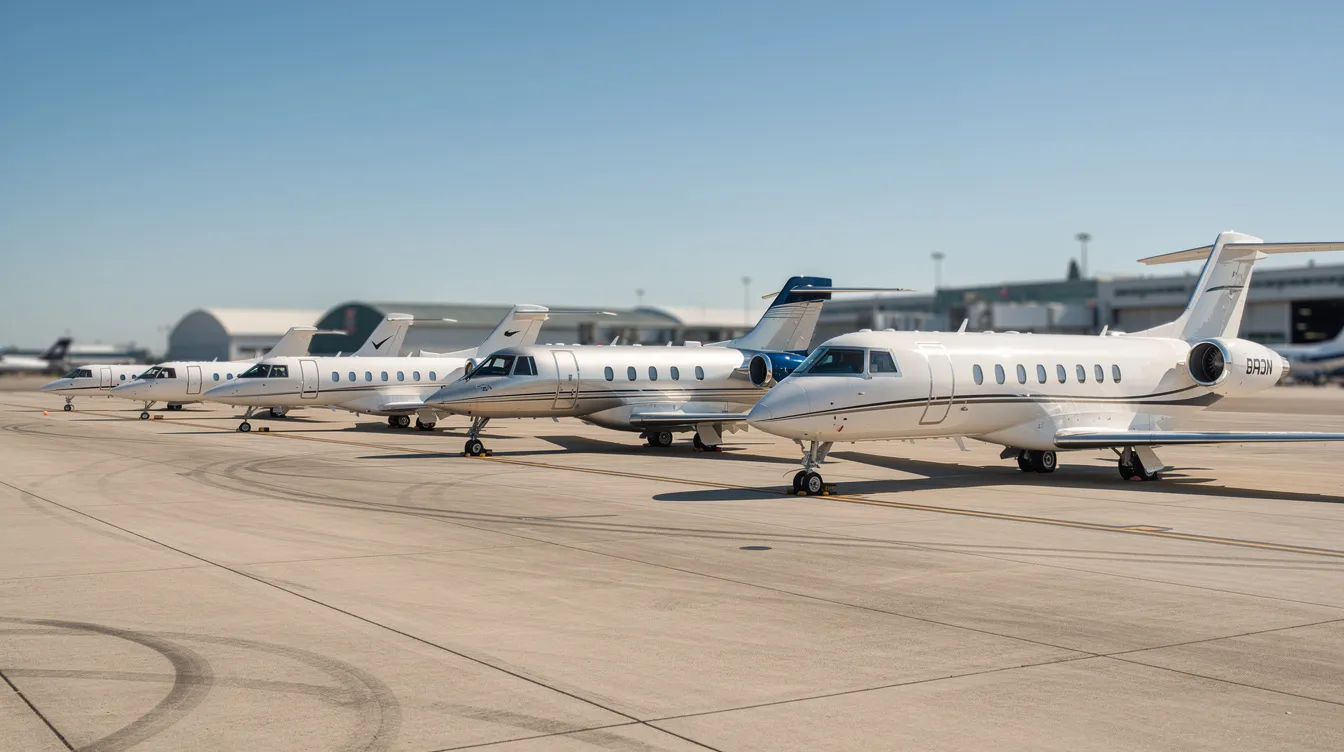
Conceptually, Alaska's main cabin is shared space optimized for volume. Premium class adds legroom and priority. First class adds service and width. A private cabin changes the equation entirely—the space is yours, the layout is flexible, and the schedule conforms to you rather than the reverse, whether you're chartering a super-midsize jet for a small team or a private jet for 20 passengers for a broader group.
Sustainability: Commercial Efficiency vs. Carbon-Neutral Private Flights
Alaska Airlines has committed to net-zero carbon emissions by 2040, an ambitious target anchored by fleet modernization, operational efficiency, and sustainable aviation fuel (SAF). The airline has eliminated major single-use plastic items onboard, increased inflight recycling from 41% to 63% between 2022 and 2023, and launched a guest-facing SAF credit program that allows customers to offset 5%, 10%, or 20% of their flight emissions at the time of booking.
Commercial jets generally produce lower emissions per seat mile than private aircraft, primarily because high load factors distribute the fuel burn across 150+ passengers. That's a fact worth acknowledging. But it's also incomplete: many private flights serve routes, schedules, or airports that commercial carriers simply don't cover. And when private aviation is paired with rigorous carbon-offset strategies, the net environmental impact can be managed responsibly.
BlackJet positions every flight as carbon-neutral, handling the complexity of high-quality offsets and carbon removal on behalf of clients, even on smaller aircraft highlighted among the cheapest private jet options for travelers. The cost is built into the hourly rate—there's no separate checkbox, no add-on fee. For discerning travelers who take sustainability seriously, the ability to combine efficient commercial flying on Alaska with carbon-neutral private flights when schedule demands require it represents a mature, portfolio-based approach to responsible travel.
Technology and Booking: Apps, Websites, and Real-Time Support
Alaska Airlines has built a capable digital ecosystem. The mobile app and website support full booking, seat selection, check-in, boarding passes, same-day changes, and loyalty program management. Upgrades to first or premium can be purchased up to 50 minutes before departure. As the Hawaiian integration progresses, booking systems are being unified for travel booked from April 2026 onward.
These tools streamline the commercial travel process—but they don't change its fundamental constraints. You can check in on your phone, but you still have to clear security. You can select your seat digitally, but you can't move your departure time.
BlackJet's digital platform operates on different assumptions. On-demand quoting across multiple aircraft types, digital contract signatures, and 24/7 human support for complex itineraries are standard. The platform handles multi-leg routing, ground transportation coordination, and custom catering—all behind a single interface.
For high-net-worth travelers, the real advantage isn't the app. It's integrated trip management: a team that orchestrates every element of the journey so that the traveler's only job is to show up and fly.
When to Choose Alaska Airlines—and When to Choose BlackJet
Not every trip warrants a private jet. And not every trip should be squeezed into a commercial schedule. The most sophisticated travelers maintain both tools and deploy each strategically.
Choose Alaska Airlines when:
You're traveling solo on leisure routes with flexible timing
Budget is a primary consideration and schedule alignment is easy
You want to earn Atmos Rewards miles and maintain elite status
The route offers nonstop service on a convenient timetable
A seasonal service route to a vacation destination fits your calendar
Choose BlackJet when:
You're on a tight timeline with multi-city stops (e.g., San Antonio to Kansas City to New Orleans in 24 hours)
Privacy or confidentiality is essential
You need to reach airports not served by scheduled carriers
A team or family wants to travel together in a private cabin
The trip is mission-critical, and delays would be costly
Consider a family holiday to Maui. Alaska main cabin or premium class is perfectly suited: competitive fares, comfortable seating, complimentary drinks, and a solid onboard experience for the price. The airline offers seasonal routes and expanding seasonal service to Hawaiian destinations to meet strong demand during peak travel windows. First class tickets add free checked bags and better meals—well worth the upgrade for a long flight.
Now consider a board meeting roadshow: three cities in 24 hours, presentation materials that can't be discussed in a shared cabin, and a schedule where a single delayed connection could cost a deal. This is where a jet card or charter saves not just time, but opportunity.
Many travelers who maintain Alaska elite status still turn to BlackJet for a handful of critical trips each year. That hybrid approach—commercial for the routine, private for the essential—often delivers the best return on both money and time.
Take a moment to evaluate your last year of Alaska Airlines travel. How many trips were delayed? How many hours did you spend in terminals? How many connections were tighter than they should have been? If even two or three of those trips would have been transformed by private aviation, the economics may already work in your favor.
How to Get Started with BlackJet While Still Flying Alaska
You don't need to abandon your airline loyalty to upgrade your travel strategy. Here's a straightforward path:
Review your recent Alaska itineraries. Identify the trips where delays, connections, or terminal time cost you the most—in hours, in stress, or in missed opportunities.
Flag the mission-critical segments. These are the flights where privacy matters, where timing is non-negotiable, or where the destination isn't well served by scheduled carriers. Think of trips where you needed to be in a remote location, or where your entire stay at the destination was shorter than the time you spent getting there.
Speak with BlackJet about a 25-hour or 50-hour Jet Card aligned to those missions. Match your most frequent routes and passenger counts to the right aircraft category, and get transparent, all-in pricing with no hidden surcharges.
Keep your Alaska elite status. Continue flying commercial first class, premium class, or main cabin for routine travel. Earn miles, use lounges, take advantage of the airline's fares and network. There's no conflict—only complementary tools in a well-designed travel portfolio.
BlackJet's operator vetting meets or exceeds commercial standards through third-party audits and proprietary certification. Every flight is carbon-neutral at no extra cost. Real-time trip support means that if plans change—and they will—your team adapts the itinerary in real time, not after a formal response from a social care team or a rebooking queue.
Alaska Airlines is a great airline. It has earned its place as the fifth largest airline in North America through nine decades of innovation, expansion, and service. With an average rating of 2.6 from 7,432 reviews, most customers are generally dissatisfied with certain aspects of the experience—but that's a reality shared across commercial aviation, not a flaw unique to Alaska. The constraints of commercial flying are structural, not the result of any single carrier's shortcomings.
The question isn't whether Alaska Airlines is good enough. It's whether good enough is good enough for every trip you take.
Discover how upgrading a handful of your Alaska first class or premium class flights to BlackJet could transform not just your schedule, but your entire approach to travel. Explore BlackJet's Jet Card programs and see what your next trip could look like when it's built around you.


 Sign up with google
 Sign up with Apple