Why "the best fighter jet" question matters in 2026
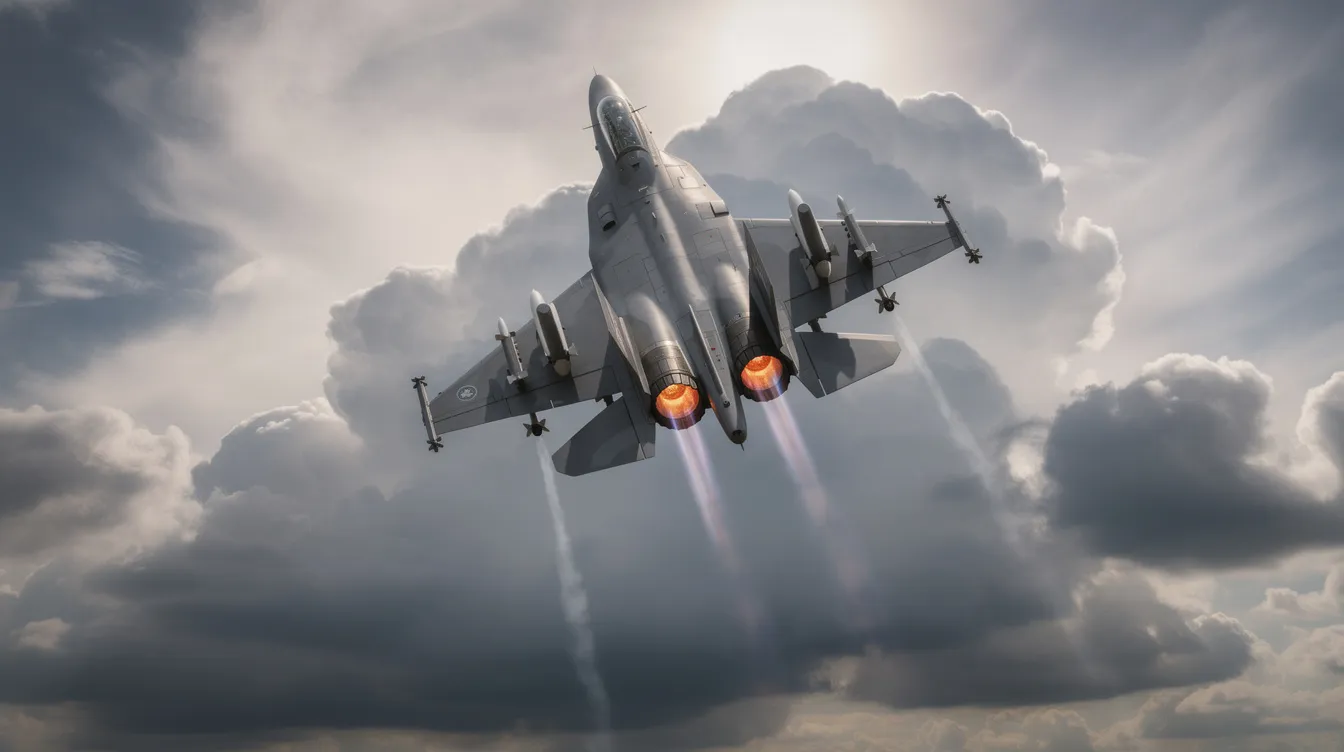
Few questions in defense and aviation spark as much debate as identifying the world's best fighter jet. In 2026, the direct answer to the search for the world's best jet fighter plane is the F-35 Lightning II as the best overall fighter, while the F-22 Raptor remains the purest air superiority fighter ever built. The standard is no longer just speed or payload; it is stealth, advanced sensor fusion, networked warfare capability, and the logistical staying power to be where it matters, when it matters.
More than 1,335 F-35s have been delivered worldwide, compared to roughly 250 J-20s and only a handful of Su-57s in Russian service. That disparity in scale tells its own story. What follows is a ranking of the leading fighter jets in 2026, the criteria behind that ranking, close looks at aircraft such as the F-35 and F-22, and a practical look at the technologies now defining modern air power.
For defense and aviation enthusiasts, military professionals, and private travelers who want a sharper view of how elite aviation is judged, the parallels are striking. The priorities that determine which military aircraft dominates - safety margins, performance under pressure, availability on demand, and connected systems - also shape premium private flying and the appeal of models like BlackJet's premium private jet programs and Jet Card approach. An executive saving six to ten hours per transatlantic trip on a private jet is making the same calculation as an air force commander selecting the right platform for a mission: flying higher and more direct in a private jet saves time, avoids turbulence, and underscores that time, reliability, and strategic advantage matter more than raw specs on paper.
This article is intended for defense and aviation enthusiasts, military professionals, and private travelers interested in the latest advancements in fighter jet technology and their impact on modern air power.
How we define the "best fighter jet" (criteria & methodology)
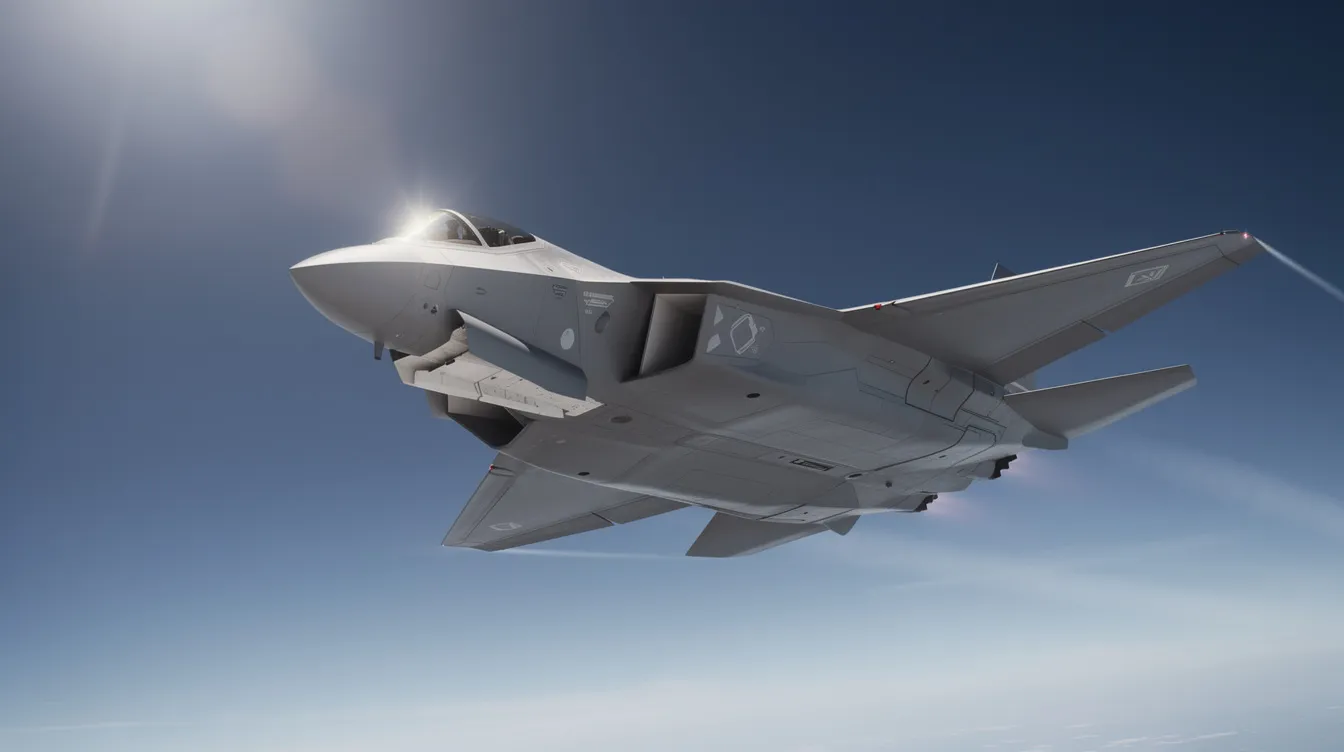
No single jet dominates every metric of air combat. A stealth fighter optimized for deep strike may lack the exceptional agility needed in a close-range dogfight. A heavy weapons payload platform may sacrifice low observability. "Best" depends entirely on the mission and the metrics you prioritize.
For this article, we evaluated front-line operational jets across these criteria:
Stealth and low observability – radar cross section, infrared signature, shaping, and coatings (Stealth is characterized by minimized signatures to reduce detection risk. Low observability design minimizes radar cross-section for stealth operations.)
Air superiority performance – top speed, supercruise, maneuverability, climb rate, air-to-air combat effectiveness (Supercruise allows sustained supersonic flight without fuel-heavy afterburners.)
Sensor fusion and information dominance – AESA radars, distributed aperture systems, electronic warfare suites (Sensor fusion integrates data from various systems into a cohesive picture for pilots.)
Weapons payload – internal weapons bays for stealth, external hardpoints for heavier loads
Combat radius and range – how far the aircraft can project power without tanker support
Reliability, maintainability, and readiness – mission capable rates, maintenance burden
Cost and exportability – flyaway price, lifecycle cost, availability to allied forces
Fleet size and deployment – how many are built, how many nations operate them
Multirole flexibility – the ability for an aircraft to efficiently perform multiple mission types (Multirole flexibility allows aircraft to efficiently perform multiple mission types.)
For benchmarks: the fF-22 Raptorsupercruises at roughly Mach 1.5–1.8, while the F-35 manages around Mach 1.2–1.3. The fF-15EX Eagle II carries nearly 30,000 lb of weapons compared to lighter stealth platforms. Radar cross-section figures remain classified for most fifth-generation fighter designs, but relative comparisons are well established.
Glossary of Key Concepts:
Stealth and low observability: Stealth is characterized by minimized signatures to reduce detection risk. Low observability design minimizes radar cross-section for stealth operations.
Sensor fusion: Sensor fusion integrates data from various systems into a cohesive picture for pilots.
Multirole flexibility: Multirole flexibility allows aircraft to efficiently perform multiple mission types.
Supercruise: Supercruise allows sustained supersonic flight without fuel-heavy afterburners.
Fifth-generation fighter: Fifth-generation fighters rely on low observability and advanced sensor fusion capabilities, prioritizing stealth and sensor fusion capabilities.
Sixth-generation fighter: Emerging sixth-generation fighter jets emphasize AI collaboration and improved stealth.
Our cutoff: only operational, front-line jets count. Sixth-generation fighters like the U.S. NGAD program and European FCAS remain experimental aircraft or prototypes and are excluded.
Quick verdict: What is the best fighter jet in the world right now?
The Lockheed Martin F-35Lightning II is the best overall fighter jet in the world in 2026. Its combination of advanced stealth, mature sensor and networked warfare capability, true multirole fighter flexibility across air-to-air strike, electronic warfare, and ISR missions, and massive global deployment across more than twenty nations makes it the most consequential military aircraft of this generation.
That said, the F-22 Raptor remains the best pure air superiority fighter. In a head-to-head air-to-air combat engagement, its supercruise, thrust vectoring, and extremely low observability give it advantages even the F-35 cannot match. But the Raptor's limited numbers, high cost, and zero export availability constrain its overall impact.
Here is our top-five ranking of the jets in the world for 2026:
F-35 Lightning II - best overall multirole platform
F-22 Raptor - apex air superiority fighter
Chengdu J-20 Mighty Dragon - China's long-range stealth interceptor, growing rapidly
Su-57 Felon - Russia's stealth-capable multirole jet, but limited by production
Dassault Rafale / Eurofighter Typhoon - the finest 4.5-generation fighters, combat-proven and widely exported
The key takeaway: in 2026, the best fighter jet is defined less by maximum speed and more by stealth technology, advanced sensor fusion, and the ability to operate as a node in a networked battlespace.
Best air superiority fighter: F‑22 Raptor
The F-22 Raptor entered service with the United States Air FForce in2005, and two decades later it remains unmatched as a pure air superiority fighter. Its twin Pratt & Whitney F119 afterburning turbofan engines with two-dimensional thrust-vectoring nozzles deliver exceptional agility that no other operational fighter can replicate in close quarters.
The numbers speak for themselves. The Raptor reaches a top speed of approximately Mach 2.25 and sustains supercruise between Mach 1.5 and 1.8 without afterburner. Its radar cross section is often described as roughly marble-sized - vanishingly small for an aircraft of its dimensions. In training exercises, the F-22 has historically posted air-to-air kill ratios exceeding 100:1 against fourth-generation fighter opponents.
Its mission is singular: dominate the skies on the first day of a conflict. The Raptor clears contested airspace so that other modern jets - strike fighters, tankers, ISR platforms - can operate freely. It is the tip of the spear in any uU.S. Air Force air combat doctrine.
The limitations are real, however. Only approximately 184 F-22s remain in U.S. inventory. Production ended in 2012 after roughly 195 were built. Export is banned by federal law. Maintenance is complex and expensive, and the aircraft is expected to begin retiring in the 2030s as next-generation replacements arrive.
Best overall multirole and "best fighter jet" title: F‑35 Lightning II
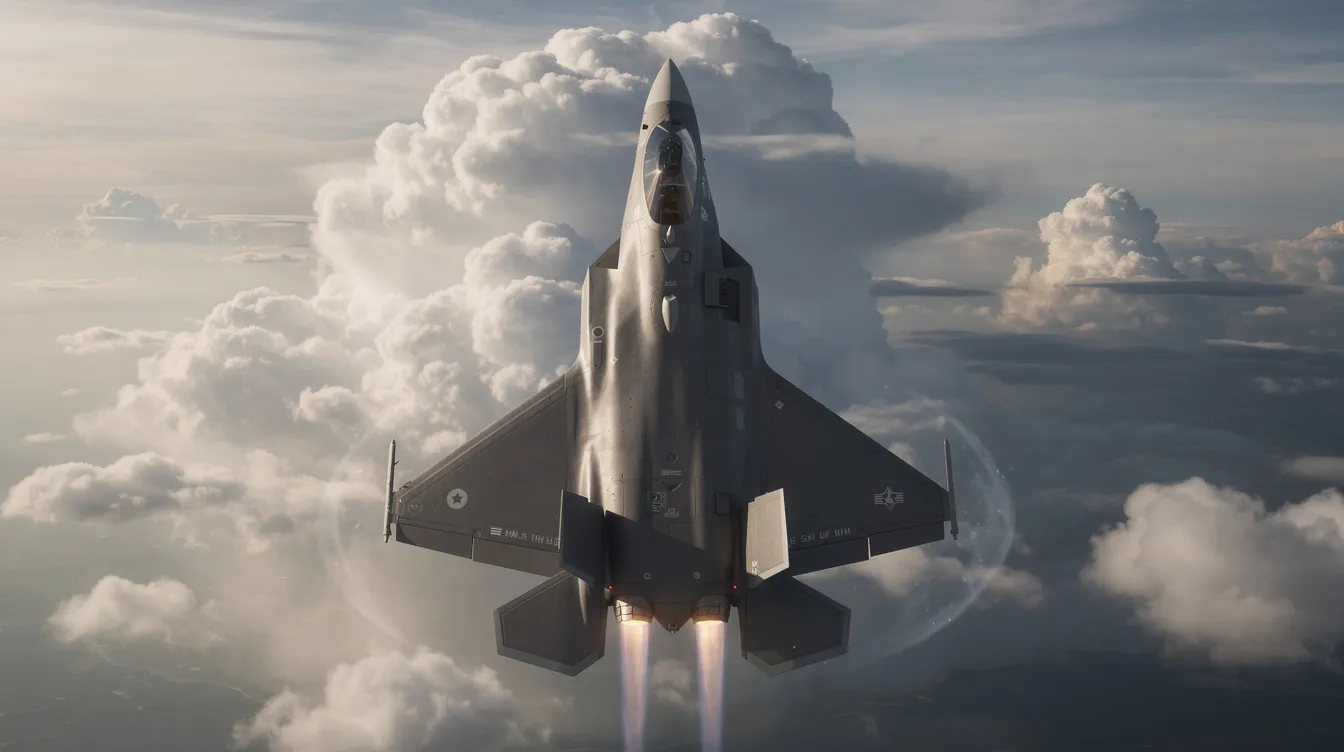
The f 35 Lightning II is the world's best overall fighter jet program in 2026. Born from the Joint Strike Fighter program of the 1990s, it was designed from the outset as a stealth aircraft that could perform virtually every tactical mission an air force requires.
The fleet data underscores its dominance: over 1,335 aircraft delivered, more than one million flight hours logged, over 20,000 pilots trained, and over 20,000 maintainers supporting the global fleet. No rival stealth fighter comes close to those numbers.
Key specifications for the F-35A variant include a combat radius of roughly 1,240 km, a maximum speed of approximately Mach 1.6, and a radar cross section often compared to the size of a golf ball. Internal weapons bays preserve stealth for penetration missions, while external hardpoints enable a heavier weapons payload when low observability is less critical - a configuration sometimes called "Beast Mode."
What makes the F-35 the best fighter jet overall is its range of missions. It performs air-to-ground strike missions, air superiority sweeps, electronic warfare, intelligence gathering, and deep strike penetration. It operates with the United States Navy, United States Marine Corps, Israeli Air Force, British forces, and more than a dozen other allied air forces.
Compared to the F-22, the F-35 sacrifices some raw dogfighting performance and supercruise speed. But it wins decisively on versatility, production volume, exportability, and the breadth of weapons systems it integrates - making it the aircraft more nations depend on to define their air power.
Inside the F‑35: stealth, sensor fusion, and networked air combat
The F-35's advanced stealth goes beyond just shaping and radar-absorbing coatings. It is engineered for all-aspect low observability - frontal, lateral, and rear - giving it a significant advantage over non-stealth modern aircraft like the f 16 fighting falcon or F/A-18 Super Hornet, which present far larger radar cross-section signatures. Even with an upgraded sensor suite is where the F-35 truly separates itself. The AN/APG-81 AESA radar provides long-range detection and electronic attack modes. The Distributed Aperture System delivers 360-degree infrared coverage, detecting incoming long-range missiles and hostile aircraft simultaneously. The AN/ASQ-239 electronic warfare suite rounds out what are among the most capable electronic warfare suites ever fitted to a tactical fighter. Together, these systems feed into a fused tactical picture - a single display that tells the pilot everything, reducing workload and accelerating decisions.
Networked warfare is the F-35's force multiplier. Through secure data links like MADL and Link 16, each F-35 acts as an airborne command node, passing targeting data to fourth-generation fighter wingmen, drones, and surface forces. This is advanced sensor fusion in practice: the aircraft does not just fight - it commands.
Consider a realistic scenario drawn from the same technological trends shaping the best aircraft of 2026 across military, commercial, and private aviation: a four-ship F-35 formation penetrates a near-peer adversary's integrated air defense network. Two jets split for strike missions against ground targets while two maintain air superiority cover overhead. All four share real-time targeting data, engage threats before the enemy detects them, and coordinate with allied forces hundreds of kilometers away. The adversary never sees them. That is the definition of information dominance over speed.
F‑35 variants: A, B, and C for different air forces
The F-35 program produces three distinct variants, each tailored to a specific operational environment. Understanding the differences reveals why this single platform serves so many different air force and naval requirements.
The F-35A is the conventional takeoff and landing variant, designed for standard runway operations. It carries the highest internal fuel load of the three, supports 9g maneuvers, and includes a drag-chute option for nations operating in icy or short-runway environments. The F-35A is the backbone variant for the united states air force and the majoriUnited States Air Forceons. It handles air-to-air, air-to-ground, and ground-air-to-air competence - the definition of a true multirole fighter in mass production.
The F-35B is the short takeoff and vertical landing variant, built around a shaft-driven lift fan system and a swiveling rear exhaust nozzle. This configuration sacrifices some internal fuel capacity but enables operations from amphibious assault ships, small carriers, and austere forward bases with minimal runway infrastructure. The United States Marine Corps, Royal Navy, and United States Marine Corps operators. For expeditionary operations - island chains, crisis response, forward deployment - the F-35B provides stealth fighter capability where no other fifth-generation fighter can reach.
The fifth-generation carrier variant, optimized for the united states navy's supercarrier fleeUnited States Navy'sr wings for improved low-speed handling, foldable wingtips for hangar storage, and reinforced landing gear and tailhook for arrested landings and catapult launches from aircraft carriers. The F-35C gives carrier strike groups an aircraft that carries advanced stealth into contested maritime environments, complementing the F/A-18 Super Hornet in fleet air defense, deep strike, and anti-ship missile delivery roles.
Key anti-ship missiley Dragon, Su‑57 Felon, Rafale & Eurofighter Typhoon
No discussion of the best fighter jet is complete without examining the most credible competitors to the F-35 and F-22 combination. Chengdu J-20 Mighty Dragon is China's Chengdu J-20 MMighty Dragonfighter, a canard-delta fifth-generation design for long-range interception and area-denial missions. Powered initially by WS-10B engines with the more powerful WS-15 under development, the J-20 Mighty Dragon carries long-range J-20 Mighty DragonL-15 in internal bays. Approximately 195 J-20s were in PLAAF service by mid-2024, with estimates suggesting roughly 250 by 2026. Its claimed combat radius of around 2,000 km would give it reach across the Western Pacific. However, many performance figures come from state sources without independent verification, and full all-aspect stealth remains less transparent compared to American designs.
The Su-57 Felon is Russia's answer to the fSu-57 Felontion challenge. It features 3D thrust vectoring for exceptional close-in maneuverability, a claimed maximum speed of around Mach 2.0, and both internal and external weapons stations. On paper, the Su-57 is a formidable multirole stealth fighter. In practice, the russian air force has taken delivery of only approximately 25 to 30 operational units as of early 2026, with stealth quality and engine maturity (the next-generation Izdeliye-30 powerplant is still in development) remaining open questions. Limited production and logistical constraints keep the Su-57 from competing at scale.
The Dassault Rafale stands as the finest omnirole fighter outside the stealth generation. Operated by the French Air Force, French Navy, Indian AFrench Air Force, Egypt, and Qatar, the Rafale features the SPECTRA electronic warfare suite, Meteor beyond-visual-range missile integration, and a nuclear deterrence role for France. With a combat radius of approximately 1,850 km in strike configurations and supercruise capability around Mach 1.4 in clean loadouts, the Rafale is combat-proven across multiple theaters from the 2000s onward. It lacks full stealth shaping, but its advanced avionics and weapons integration keep it among the most advanced fighters in active service.
The Eurofighter Typhoon is Europe's primary multirole platform, while in the civilian realm similar large-scale missions are handled by private jets for up to 50 passengers with VIP configurations. Capable of Mach 2.0 and supercruise, the Typhoon integrates Meteor missiles, advanced radar, and new aircraft upgrades through its Tranche 5 program - including enhanced electronic warfare capability and drone control options designed to keep it operationally relevant into the 2040s. Multiple NATO nations and export customers rely on it as their front-line air superiority fighter.
Other top contenders: F‑15EX, F‑16 Fighting Falcon, Gripen & Super Hornet
Several outstanding 4th and 4.5-generation advanced fighters remain vital to air forces worldwide despite lacking full stealth.
The F-15EX Eagle II is a modern evolution of F-15EX Eagle II aviation heritage - a heavy, twin-engine platform with an enormous weapons payload of nearly 30,000 lb. With a top speed around Mach 2.5, the F-15EX serves as a missile truck, carrying large air-to-air and air-to-ground ordnance loads in support of stealth jets like the F-35 that may be capacity-limited in internal carriage. The US Air Force fields the Eagle II specifUS Air Forcemplement, not replace, its fifth-generation fighter fleet.
The f 16 fighting falcon may be the most important fighter jet in aviation history. With over 4,600 built and in service in more than 25 air forces, the Fighting Falcon defined what a lightweight, fly-by-wire-controlled multirole jet could be. The latest Block 70/72 F-16V variant adds AESA radar, improved weapons systems, and structural life extensions, keeping this fourth-generation fighter relevant for decades of flight.
The Saab JAS 39E Gripen is the cost-effective choice for smaller air forces - agile, designed for dispersed operations from short or rough airstrips, and equipped with competitive electronic warfare and sensor packages, much like how value-focused travelers look to the cheapest private aircraft and budget-friendly private flying options to maximize capability per dollar. Its low lifecycle cost and operational flexibility make it a smart strategic investment.
The Boeing F/A-18E/F Super Hornet is the United States Navy workhorse, optimized for United States Navy missions with significant weapons payload, modern sensors, and consistent upgrades, while civilians seeking access to high-performance aviation typically explore ways to buy a seat on a private jet or shared charter instead of owning a fighter-like platform. While not a stealth aircraft, the Super Hornet handles fleet air defense, ground attack missions, and maritime strike with proven reliability.
Fastest, most advanced, and most expensive fighter jets
Headline superlatives - fastest fighter jet, most advanced, most expensive fighter jet - often mislead. The aircraft that wins one category rarely wins them all, and none of these labels automatically means "best in modern war."
The historic MiG-25 Foxbat could exceed Mach 3, making it one of the fastest military aircraft ever fielded. But its extreme speed came at the cost of maneuverability, radar sophistication, and any pretense of stealth technology. Today's front-line fighters rarely exceed Mach 2.0–2.5 because the operational environment demands low observability over raw velocity.
The F-22 Raptor is still widely regarded as the single most advanced air-to-air platform technically - its air-to-air stealth, supercruise, thrust vectoring, and highly classified advanced avionics put it in a class of its own. Yet the F-35 wins overall because it does more things for more operators.
The F-35 program is one of the most expensive fighter jet undertakings in history. While recent-lot F-35A flyaway costs sit around $80–100 million per unit, total lifecycle costs through the 2070s stretch into the trillions of dollars. The tension between capability and cost remains the central challenge of modern air power.
Fastest: MiG-25 historically; F-15 and F-22 among active jets
Most advanced: F-22 for air to air; F-35 for multirole
Most expensive: F-35 program lifecycle
Best overall: F-35 Lightning II
How modern fighter jet tech shapes private and business aviation
Innovations from air force fighter jet programs have shaped civilian aircraft for decades. Composite materials pioneered for stealth-era airframes now reduce weight and extend range in business jets from Gulfstream, Bombardier, and Dassault Falcon. Fly-by-wire controls - standard on every fighter - are now the norm across high-end private aviation, delivering smoother handling and multiple layers of flight safety redundancy.
Military-grade avionics and safety system architectures inform civilian certification standards. The same sensor fusion concepts that give an F-35 pilot a single tactical picture are being adapted into cockpit displays that help business jet crews manage weather, traffic, and system health in real time. Predictive maintenance - using data from every flight to anticipate component failures before they occur - traces its lineage directly to the sustainment programs of advanced fighters.
The parallel is clear: the same priorities that make a fighter jet the best - reliability, safety margins, and performance under demanding conditions - drive decisions for corporate flight departments and individuals seeking the highest standard of private travel, including how they evaluate the top private jet companies offering fractional ownership, Jet Cards, and charter.
From the cockpit to the cabin: what elite air power means for BlackJet members
Where an air superiority fighter dominates contested airspace, a well-managed private jet network dominates something equally valuable to executives and high-net-worth travelers: time, flexibility, and reliability. BlackJet operates on the same foundational principles that define the world's most advanced fighters - rigorous safety, performance optimization, and mission success on every flight.
BlackJet's aircraft partners operate under strict safety and certification standards that mirror the inspection rigor applied to front-line fighter fleets. Every operator is vetted, every crew is qualified, and every aircraft meets or exceeds industry benchmarks.
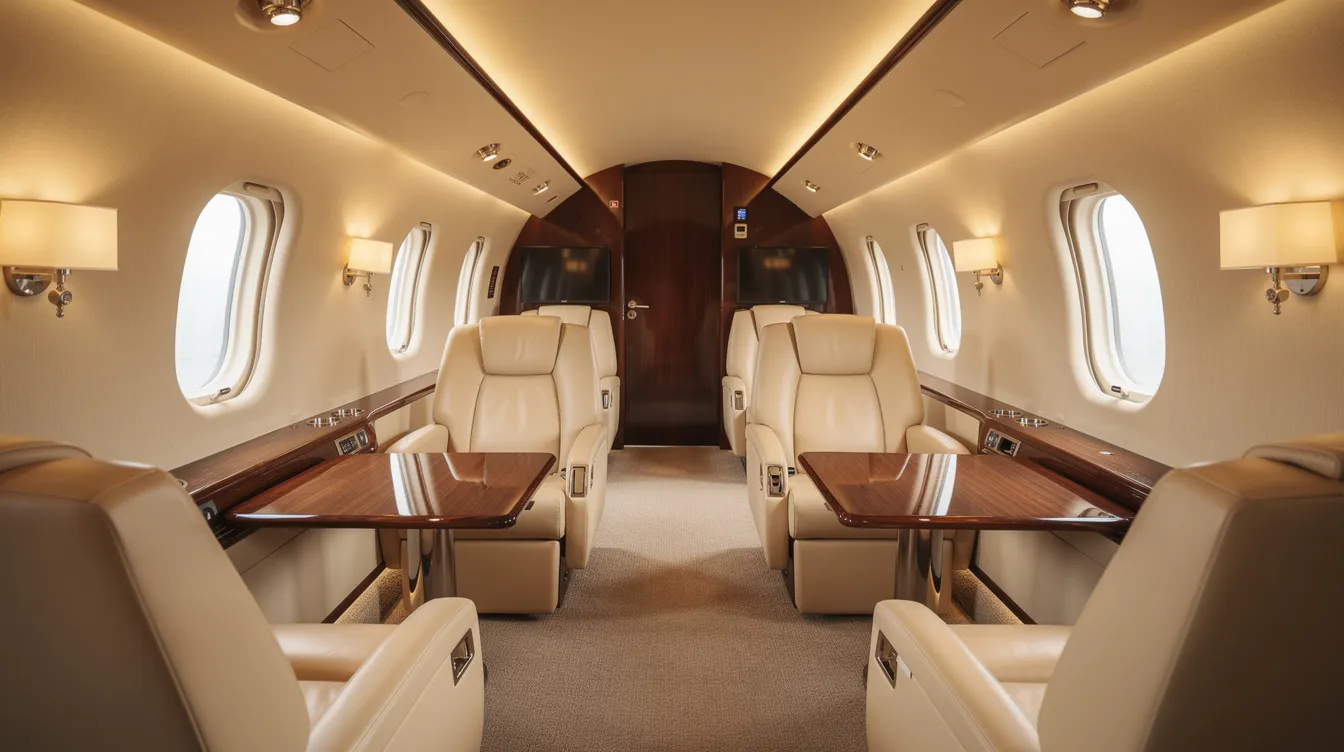
Unlike the cramped single-seat cockpit of a stealth fighter, BlackJet's programs offer spacious cabins, quiet environments, and tailored service - the strategic advantage for closing deals at altitude, maintaining productivity during multi-city roadshows, or arriving refreshed for high-stakes family occasions, especially when leveraging top 16-seat private jet options for group travel. It is air superiority redefined for the world beyond the military.
Why a Jet Card is the "smart weapons system" of private flying
In military terms, smart weapons hit the right target at the right time with minimal waste, just as a well-structured membership built on clear, predictable Jet Card pricing and benefits aims private flying at the right trips with minimal financial waste. A Jet Card from BlackJet works on the same principle: prepaid hours - available in 25-hour or 50-hour increments - that guarantee aircraft access across multiple cabin types, matching the right aircraft to each mission just as an air force assigns the right new aircraft to each operational requirement.
A Jet Card transforms unpredictable charter into a predictable, strategic asset, and understanding Jet Card cost per hour and what drives pricing is essential to aligning that asset with real-world travel budgets. Fixed or transparent pricing, guaranteed availability windows, and rapid-response scheduling function like having an elite squadron on standby.
Consider the scenarios: a CEO needs to fly from New York to London on forty-eight hours' notice for a deal closing. A fund manager requires a multi-city European roadshow across four countries in three days. A family plans a ski week in the Alps and needs seamless connections from a regional airport commercial carriers do not serve. In each case, BlackJet's digital booking tools and 24/7 operations team function like a mission planning cell - optimizing route, aircraft type, and timing around the traveler's objectives, not an airline's schedule.
The result is time saved, meetings made, and commercial disruptions avoided - the same operational efficiency that separates the most advanced fighters from the rest of the fleet.
Safety, sustainability, and technology: BlackJet's answer to modern aviation priorities
Modern air force priorities - survivability, redundancy, and electronic protection - have direct analogs in private aviation. BlackJet's focus on audited operators, rigorous pilot standards, and safety protocols reflects the same philosophy that keeps a stealth fighter mission-ready: no shortcuts, no compromises.
Sustainability is equally non-negotiable. BlackJet is committed to carbon-neutral flights by default through verified offsets - at no additional cost to the traveler. Where possible, partnerships with operators using sustainable aviation fuel further reduce the environmental footprint of each journey.
On the technology front, BlackJet's mobile booking platform, real-time flight monitoring, and proactive support for diversions and weather events are inspired by the data-driven operations of modern fighter squadrons. If a storm cell threatens a routing, the operations team reroutes proactively while maintaining the schedule. If passenger count changes last-minute, an aircraft upgrade or swap is arranged seamlessly. These are the details that define elite aviation - military or private.
FAQ: fighter jets, private jets, and choosing the right kind of air superiority
Is the F-22 Raptor better than the F-35 Lightning II?
In pure air-to-air combat, yes. The F-22's supercruise, thrust vectoring, and smaller cross-section give it dominance in dogfights and beyond-visual-range engagements. But the F-35 is superior as an overall platform because it handles strike missions, electronic warfare, ISR, and air superiority in a single airframe - and it is available to allied forces worldwide, while the F-22 is restricted to U.S. use only.
Why don't sixth-generation fighters count yet?
Programs like the U.S. NGAD (recently designated F-47) and the European FCAS/Tempest remain in development. No sixth-generation fighters are operational or in front-line service, so including them would compare proven capability against paper specifications. We rank only what flies and fights today.
How important is speed vs. stealth and sensors today?
Speed matters, but it is no longer the decisive factor. An air force photo from any modern exercise shows that aircraft operating with advanced stealth and sensor fusion consistently defeat faster but more visible opponents. Detection avoidance and information dominance win modern engagements.
Can civilians fly in fighter jets like the F-35?
Not in operational military aircraft. However, certain countries offer civilian rides in older trainer or decommissioned fighter types. For those who want the thrill of high-performance aviation without the G-forces, elite private jet travel offers speed, altitude, and exclusivity in far greater comfort, and some ultimately explore purchasing premium private jets in key markets like the UK for maximum flexibility.
How does a Jet Card differ from on-demand private jet charter?
A Jet Card provides prepaid hours with guaranteed access, fixed pricing, and priority availability - essentially a membership. On-demand charter is transactional: you request, get a quote, and hope an aircraft is available. The Jet Card model removes uncertainty, much like how a standing air force maintains readiness rather than scrambling to find an aircraft only when a threat appears.
How does BlackJet ensure flight safety?
BlackJet partners exclusively with operators meeting stringent third-party safety audits, including ARG/US and Wyvern standards. Pilot qualifications, aircraft maintenance records, and operational procedures are continuously monitored - a deep strike against complacency in aviation safety.
What does carbon-neutral private flying actually mean?
It means that for every flight, BlackJet calculates the carbon emissions produced and invests in verified offset projects - reforestation, renewable energy, or carbon capture - that neutralize that footprint. The traveler receives documentation of the offset, ensuring transparency and accountability.
Conclusion: the world's best fighter jet - and the smartest way to fly privately
The F-35 Lightning II is the best fighter jet overall in 2026 - not because it is the fastest or the most maneuverable, but because it combines advanced stealth, sensor fusion, networked warfare, and unprecedented global deployment into a single platform that reshapes how nations project air power. The F-22 Raptor reigns unchallenged in the pure air superiority role, while the J-20 Mighty Dragon, Su-57 Felon, Dassault Rafale, and Eurofighter Typhoon each excel in specific niches defined by their operators' strategic needs.
The lesson from modern air combat is clear: information dominance, stealth, and the ability to operate seamlessly within a network matter more than raw speed alone. The same principle applies to how discerning travelers win in business and life. It is not about flying the fastest or spending the most - it is about access, reliability, and having the right capability ready when you need it.
That is precisely what BlackJet's Jet Card and charter solutions deliver. Explore how BlackJet can reshape your travel - discover Jet Card options, speak with an advisor, and elevate every journey from a logistical task to a strategic advantage. Learn more about private jet safety standards that ensure every flight meets the highest benchmarks.


 Sign up with google
 Sign up with Apple