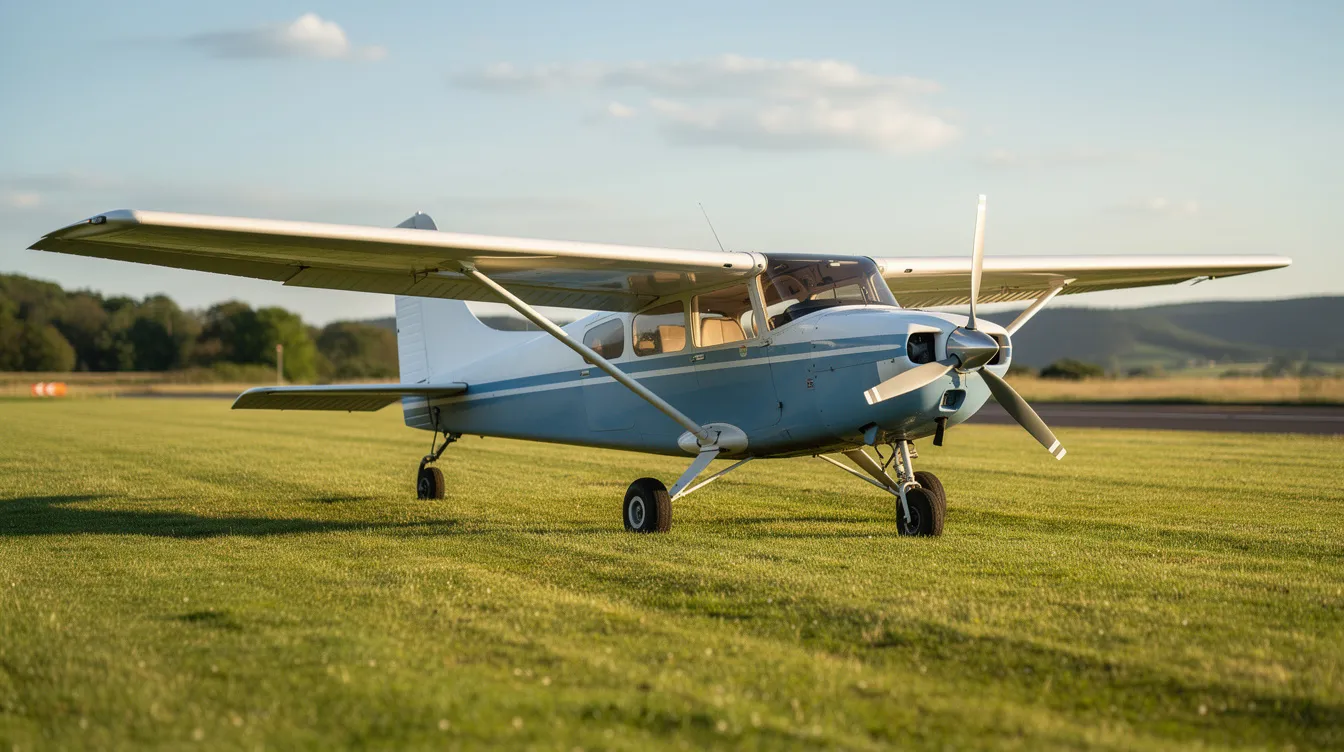
The world of personal aviation extends far beyond business jets and commercial cabins. Two-seat ultralight aircraft are light fixed-wing airplanes with two seats, low empty weight, and modest fuel capacity, built for recreational flying, flight training, and short scenic trips with a simple, low-speed flying experience. For a growing number of ultralight enthusiasts, recreational pilots, and even private jet travelers who want a more flexible way to fly, they represent the purest form of flight - low and slow, close to the sky, with minimal complexity and maximum joy.
At BlackJet, our focus is on jet card programs and private jet charter for discerning travelers. But we know our members: many are pilots themselves, drawn to sport flying and flight training on weekends while relying on jet access for business. A two-seater ultralight handles the 100-mile scenic hop; a jet card handles the New York–to–London leg. They solve different problems, and together they form a practical aviation mix: affordable and enjoyable for short regional flights, training, and leisure, while private jets cover speed, range, and schedule-critical travel.
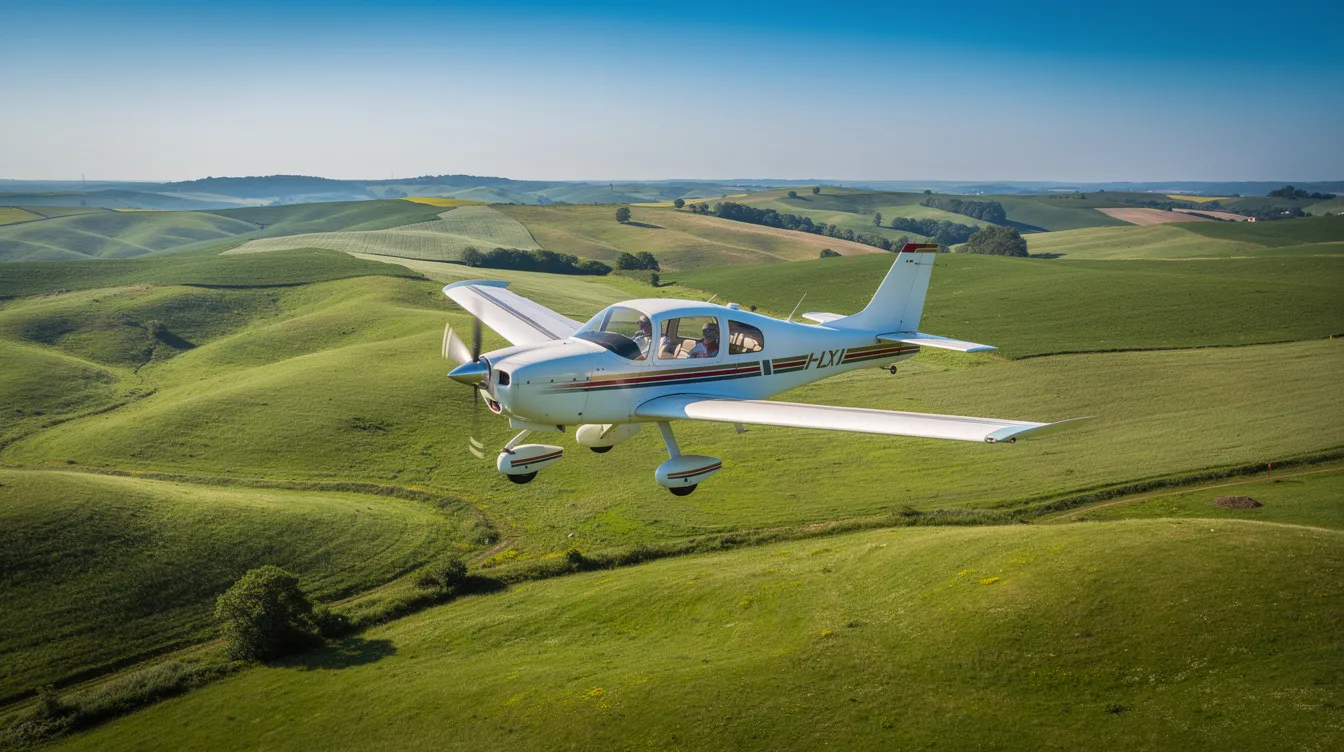
This guide explains how two-seat ultralight aircraft fit into that mix, from regulations and design features to performance, popular models, cabin layouts, safety, training, ownership versus renting, kit versus factory-built options, newer technology, sustainability, and a clear framework for deciding whether one belongs in your aviation life.
Regulatory Basics: Ultralight vs Light Sport vs General Aviation
Regulations for ultralight aircraft can vary significantly by country, and understanding the distinctions is essential before you buy or fly. In the United States, the FAA defines "ultralight vehicles" under Part 103 with strict limits: a true ultralight must weigh under 254 pounds empty, ultralights have a maximum speed limit of 63 mph (55 knots), and fuel capacity is capped at 5 US gallons. Ultralights do not require a pilot license under FAA Part 103 - no registration, no airworthiness certificate.
Here is the critical point: two-seat ultralights generally do not qualify as basic Part 103 ultralights. Light sport aircraft can have two seats, unlike ultralights, but they operate under a different framework. Light sport aircraft can weigh up to 1,320 pounds MTOW, and they require at least a sport pilot certificate, formal registration, and an airworthiness certificate.
In Europe, microlight or ULM rules allow two-seat designs with max takeoff weights of 450–600 kg depending on country and whether a ballistic parachute is installed. The FAA's MOSAIC rule, effective in phases through mid-2026, is expanding what sport pilots may fly - potentially up to four seats for new LSA-certificated designs.
Category | Seats | Empty Weight / MTOW | Max Speed | Pilot License | | Fuel Limit |
|---|
FAA Part 103 Ultralight | 1 (single seat) | ≤ 254 lb empty | 63 mph | None required | ≤ 5 US gal | |
U.S. Light Sport Aircraft | ≤ 2 | MTOW ≤ 1,320 lb | ~120 knots | Sport Pilot certificate | No fixed cap | |
European Microlight / ULM | ≤ 2 | MTOW ~450–600 kg | Varies by country | ULM license | Varies | |
GA (e.g., Cessna 172) | 4 | MTOW ~2,550 lb | ~140 knots | Private Pilot certificate | ~50 US gal | |
These regulatory categories also influence insurance premiums, training requirements, and resale value - all factors that matter when deciding how to enter the two-seat ultralight market.
Key Design Features of Two Seat Ultralight Aircraft
What distinguishes a two-seat ultralight from a traditional general aviation airplane like a Cessna is deliberate simplicity. Designers strip weight from every system - the airframe, wings, landing gear, and engine installation - to maximize useful load within tight MTOW limits.
A typical two-seat ultralight is heavier than single-seat ultralights, often weighing 400–750 lbs empty. Two-seat ultralights are often constructed from aluminum tubing, composite materials, or fabric-covered wings, and the choice of materials directly impacts drag, durability, and maintenance cost. European two-seat ULMs typically show empty weights of 260–350 kg, while American-market LSAs range from 600 to 800 lb depending on engine and avionics.
Seating layouts favor side-by-side configuration for training and leisure, with tandem designs reserved for sport or aerobatic models. Wing choices matter: high-wing designs offer better ground visibility and easier handling on unpaved strips, while low-wing builds reduce drag and improve roll rate. Most designs use fixed tricycle landing gear, though taildragger variants appeal to pilots who enjoy classic stick-and-rudder technique.
Two-stroke or four-stroke piston engines commonly power two-seat ultralight aircraft. The Rotax 912 and 914 series (80–100 hp) dominate the market, delivering cruise performance with fuel burns of 4–6 gallons per hour. Control surfaces - ailerons, flaps, elevator, and rudder - are cable-actuated in most designs, with the tail surfaces sized to maintain authority at low speed. The nose wheel or tailwheel completes the ground handling picture.
Performance Metrics: Empty Weight, Fuel Capacity, Range, and Speed
When comparing two-seat ultralight aircraft, performance boils down to four linked variables: empty weight, fuel capacity, useful load, and cruise speed. A lighter empty weight means more room for pilot, passenger, baggage, and fuel - but structural integrity and regulatory MTOW caps set hard limits.
Two-seat ultralight aircraft typically have low operating speeds suitable for recreational flying. Cruise speeds for two-seat ultralights range from 55 mph to over 100 mph, with high-performance LSA models reaching 120–130 knots. Stall speeds commonly fall between 30 and 45 knots with flaps deployed, ensuring manageable approach speeds even in gusty wind conditions.
Many two-seat LSAs and microlights carry 60–100 liters (roughly 16–26 US gallons) of fuel in wing- or fuselage-mounted fuel tank configurations. A practical calculation illustrates range: a 70-liter fuel capacity at 15 L/hr burn yields about 4 hours of endurance plus reserve, translating to roughly 350–400 nm range at 95 knots. That is more than enough for a weekend cross-country or a scenic tour at altitude.
Climb rates typically fall between 700 and 1,200 feet per minute, depending on weight and power. Takeoff ground roll is often under 500 feet, and landing rolls are similarly short - a major advantage for pilots operating from smaller airfields. The Orličan M-8 Eagle, for example, cruises at approximately 123 knots with a stall speed of 37 knots, representing the high end of what a modern two-seat ultralight can deliver.
Popular Two Seat Ultralight and Light Sport Aircraft Models
The two-seat ultralight and light sport aircraft market spans factory-built LSAs, European microlights, and experimental aircraft sold in kit form. The diversity of models across the industry means there is a plane for virtually every mission - from basic flight training to high-performance cross-country cruising.
Virus SW 100 - A Slovenian high-wing composite design with a wingspan of 10.7 m, known for efficiency and glide performance. Popular among pilots who prioritize range and low fuel burn.
C42 B (Ikarus/Comco) - The C42B is commonly used in flight schools across Europe, valued for docile handling, robust construction, and low operating cost. An ideal first airplane for ultralight pilots entering the world of sport aviation.
CT Super (Flight Design) - A sleek, low-wing composite LSA with a length of 6.2 m, offering strong cruise speed and a modern cockpit with glass-panel avionics.
Risen (Roko Aero) - The Risen features a ballistic parachute for safety as standard equipment, appealing to pilots who prioritize risk mitigation.
Quicksilver - A legacy name in the ultralight world, offering open-cockpit and enclosed designs that remain popular among recreational flyers drawn to minimalism.
Murphy Aircraft Mfg. produces designs like the Murphy Rebel and Maverick - utility-oriented bush planes that, in lighter configurations, overlap with LSA and microlight categories, especially for amphibious or STOL use. IbisAircraft offers STOL-capable two-seat designs such as the GS-700 Magic, fitting microlight rules in several jurisdictions. Fly Synthesis, an Italian composite manufacturer, builds aircraft like the Texan that are prominent in the European sport aviation market.
For reference, the Mustang II - an experimental aircraft - can travel 1,000 miles at over 210 mph, illustrating the high performance end of the homebuilt spectrum.
Cabin Experience: Side-by-Side vs Single-Seat and Tandem Layouts
A two-seat ultralight aircraft typically features side-by-side or tandem seating, and the choice significantly affects the flight experience. Seating configurations in two-seat ultralights include side-by-side and tandem designs, each serving different priorities.
Side-by-side layouts dominate training and leisure aircraft. They allow a flight instructor and student to share instrument scan, communicate naturally, and coordinate stick and throttle inputs. Cabin widths in quality LSAs reach 100–110 cm (39–43 inches) - comparable to a Cessna 152 cockpit. The passenger experience feels more social and less intimidating for first-time fliers.
Tandem configurations reduce frontal area and drag, benefiting aerodynamic efficiency. The front pilot enjoys unobstructed forward visibility, making tandem popular for sport and aerobatic models. However, communication between front and rear seat requires intercom, and the experience is more isolated.
Single-seat ultralight aircraft under Part 103 remain relevant for cost-sensitive hobbyists focused on pure recreational flying - no certificate, no registration, no fuss. But they cannot carry a passenger or be used for formal training.
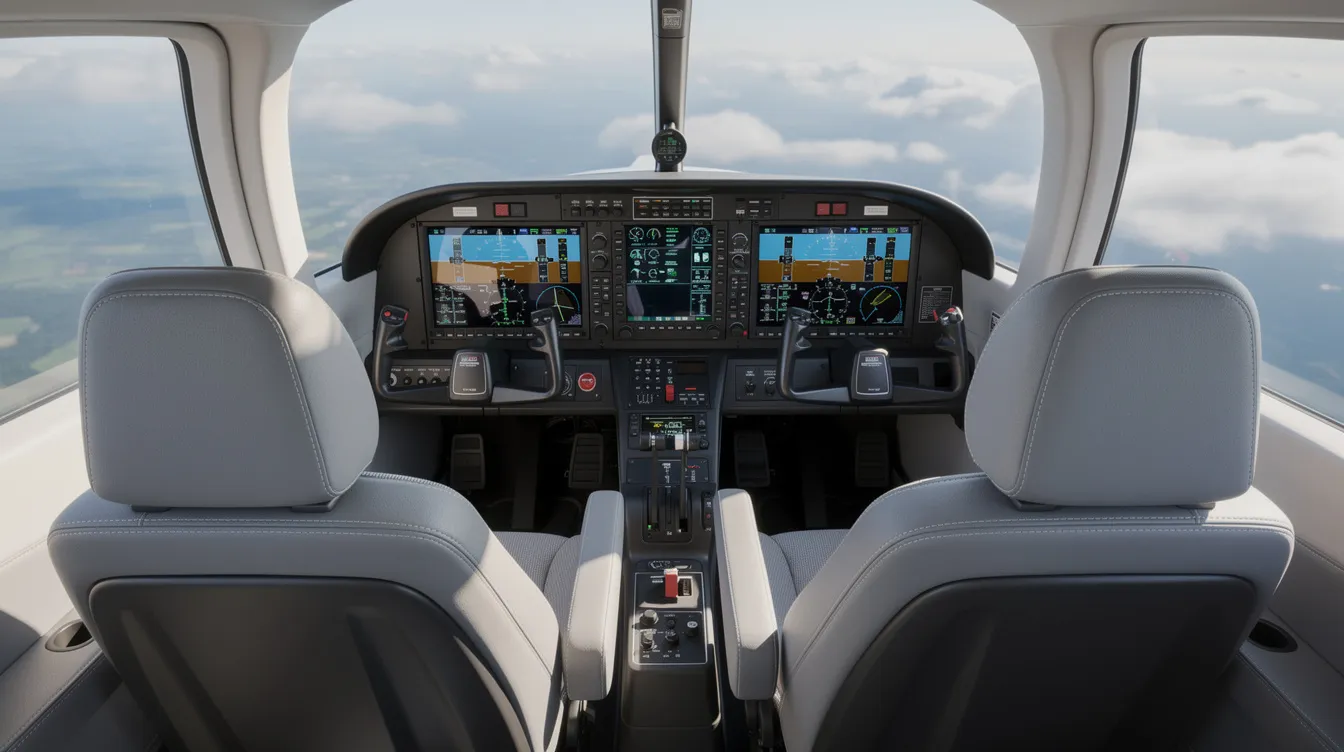
Modern cockpit panels increasingly feature glass avionics (Dynon SkyView, Garmin G3X) alongside backup analog instruments, cabin heating, adjustable seats, and panoramic canopies that open the sky above and around occupants.
Safety, Parachutes, and Training Considerations
While ultralight aircraft are simpler than jets, rigorous safety discipline is non-negotiable - an area where BlackJet's own certification standards offer a useful frame of reference. The same commitment to checklists, maintenance transparency, and pilot proficiency that defines professional jet operations should extend to personal sport flying.
Common safety equipment in two-seat ultralights includes a ballistic parachute (whole-airframe recovery system), energy-absorbing seats, four- or five-point harnesses, and avionics equipped with ADS-B, synthetic vision, and terrain awareness. These add weight but dramatically improve survivability in emergencies.
Accident patterns in ultralights and LSAs commonly involve stall/spin events near the ground, weather-related upsets, and fuel mismanagement. NTSB data consistently points to pilot error as the primary factor. The lesson: consistent training matters more than any single piece of equipment.
A recommended training progression begins in certified trainers - a Cessna 152 or an approved light sport trainer - building foundational skills under a qualified flight instructor. Pilots then transition to their specific ultralight model with type-familiar instruction, practicing steep turns, crosswind landings, stall recovery, and operations at max gross weight.
Ongoing proficiency requires recurrent training, upset-recovery practice, and regular maintenance checks. Annual inspections should focus on control surfaces, fuel system integrity, engine mounts, and airframe condition - the same transparency and rigor that drives safety in private jet travel.
Owning vs Renting: Cost, Time, and Strategic Use of Ultralights
For pilots who already use a BlackJet 50-hour jet card informed by a detailed understanding of the 50-hour jet card cost for business, the question of ultralight ownership comes down to lifestyle math. Ultralight aircraft can cost between $2,850 and $269,000, with the average ultralight aircraft costing around $18,000, putting them in the same affordability conversation as many of the best cheap light aircraft options on the market. Ultralight aircraft prices vary based on new, used, or kit builds - a used two-seat LSA might run $40,000–$80,000, while a new factory-built model with glass avionics can exceed $150,000.
Recurring costs include, and should be weighed against the broader landscape of the cheapest private aircraft:
Hangar or tie-down: $200–$600/month
Insurance: $500–$2,000/year
Fuel: $20–$40/hour (4–6 gal/hr at $5–$7/gal)
Maintenance: $15–$30/hour prorated
Renting from a flight school or club runs approximately $100–$200/hour wet, with currency checks and minimum-hour requirements adding time and cost.
Consider a sample persona: a technology founder who flies BlackJet between San Francisco and Seattle for board meetings, but owns a two-seat ultralight near a mountain retreat. The jet card handles the 700-mile business leg, comparable to missions flown by the best small private aircraft; the ultralight covers weekend 100-nm hops to backcountry strips with friends. Neither tool replaces the other - they serve fundamentally different missions.
Decision criteria should include estimated annual flight hours, proximity to ultralight-friendly airfields, appetite for DIY maintenance, and whether you want customization (kit) or turnkey simplicity (factory built), just as choosing a private jet membership starts with understanding overall jet card cost structure and usage patterns.
Kit-Built vs Factory-Built Two Seat Ultralight Aircraft
The distinction between experimental amateur-built kits and factory-built light sport aircraft shapes cost, timeline, and regulatory standing, much like how different programs and fleet choices shape jet card cost per hour in the private jet world. DIY ultralight aircraft kits are more affordable than buying new - often 30–50% less in upfront price - but they demand serious time investment.
A typical kit from manufacturers like Murphy Aircraft Mfg. or ibis aircraft arrives with pre-drilled parts, plans, and hardware in kit form. Realistic build times for a first-time builder run 800–1,500 hours, requiring dedicated workshop space, composite and metalwork skills, and meticulous build logs to satisfy inspectors and earn an airworthiness certificate.
Kit-built advantages: lower purchase price, deep familiarity with every component of the airframe, freedom to choose avionics and interior, and the satisfaction of building something you fly.
Kit-built drawbacks: multi-year timelines, variable resale value, more complex insurance underwriting, and dependency on parts sourcing.
Factory-built models offer standardized quality, validated performance data, warranty support, and complete packages that are easier to finance and insure. For a buyer who values turnkey efficiency, the price premium is often justified.
A real-world scenario: a pilot spends two years building a two-seat kit in the garage while using BlackJet for essential business travel. The kit project becomes a weekend pursuit - meditative, technical, and deeply personal - while the jet card ensures no professional trip is missed.
Where Two Seat Ultralights Fit Alongside Private Jets and Commercial Flights
For affluent travelers and ultralight pilots alike, the question is not which mode to choose - it is when to use each, whether that means booking entire aircraft or simply buying a seat on a private jet when it fits the mission. Two-seat ultralights serve missions up to 200–400 nm under VFR conditions: sightseeing, land at a grass strip for lunch, practice stick-and-rudder skills close to the ground. A BlackJet jet card covers 500–3,000+ nm business trips with IFR capability, multiple passengers, baggage, and schedule reliability that weather-dependent ultralights simply cannot match.
Premium commercial cabins (business or first class) fill a third niche - high-traffic routes where schedule alignment works and per-seat cost matters, and in many of those cases a well-structured private jet charter can be competitive, as detailed in analyses of whether chartering a private jet is worth it.
Speed, payload, and weather capability define the boundaries. Jets fly above weather at altitude; ultralights operate beneath it. Jets carry six to fourteen passengers with luggage; ultralights carry one passenger and minimal baggage. Neither is a substitute for the other.
On sustainability, two-seat ultralights are inherently fuel-efficient, burning a fraction of what even a light jet consumes per hour. BlackJet complements this with carbon-neutral flight programs through offsets and efficient fleet matching, aligning responsible operations with many of the cheapest private jet options now entering the market - ensuring that both ends of the aviation spectrum are managed responsibly.
Both domains demand serious safety cultures: professional crews under Part 135 oversight for jets, and disciplined self-regulation, recurrent training, and rigorous maintenance for personal ultralight operations; for frequent flyers, choosing among the best jet cards also means vetting providers on safety standards, not just price.
Technology and Sustainability in the Two Seat Ultralight Segment
Advances in materials, avionics, and propulsion are reshaping the two-seat ultralight segment in the same way digital booking tools and fleet technology have transformed private jet access.
Modern glass cockpits - Dynon SkyView HDX, Garmin G3X - now appear routinely in aircraft that weigh under 1,000 pounds. Integrated GPS, traffic awareness, and synthetic vision reduce pilot workload and improve safety margins. Connected avionics also enable flight logging and engine health monitoring, improving maintenance scheduling and potentially lowering insurance premiums.
On propulsion, hybrid-electric and fully electric two-seat ultralight prototypes are progressing in Europe and North America. The Elektra Two Solar, for instance, has a max take-off weight of 600 kg and represents early steps toward solar-assisted electric flight training platforms. No production electric two-seater is yet in widespread use, but the industry trajectory is clear.
Sustainability metrics favor ultralights strongly: fuel burn of 4–6 gallons per hour versus hundreds for jets, and the ability of many Rotax-equipped models to run on unleaded mogas rather than leaded avgas. When paired with BlackJet's carbon-neutral positioning for longer legs or even innovative models like unlimited private jet flights, the complete picture is one of thoughtful efficiency across all mission types.
Choosing the Right Two-Seat Ultralight: A Step-by-Step Decision Framework
For pilots ready to enter the two-seat ultralight world - including those who already travel privately with BlackJet - a structured approach prevents costly missteps.
1. Define your mission. Training, touring, STOL operations, aerobatics, or mixed use? Each drives different demands in wing design, engine power, and airframe strength.
2. Determine regulatory category. Will you operate under LSA rules, experimental amateur-built, or European microlight certification? Your pilot license path and insurance options follow from this choice.
3. Set your budget. Factor in purchase price (new, used, or kit), plus annual operating costs - hangar, insurance, fuel, and maintenance. Expect $8,000–$15,000 per year in fixed costs for a typical LSA beyond the purchase itself, and compare that commitment to the predictable spend outlined in comprehensive jet card pricing guides for your longer-range travel.
4. Kit or factory built? If you have workshop space, tools, and patience, a kit delivers savings and satisfaction, similar to how a smaller 25-hour jet card can be a lower-commitment way to explore private jet access. If you want to fly within weeks of purchase, go factory-built.
5. Shortlist manufacturers and fly demos. Reputable brands include ibis aircraft, Fly Synthesis, Murphy Aircraft Mfg, Bristell, Tecnam, and others across the world; in parallel, frequent travelers should shortlist providers and compare options like a 100-hour jet card when planning their jet strategy. Arrange demo flights and inspect build quality, parts availability, and dealer support in your region.
6. Evaluate technical fit. Confirm that your home airfield's runway length, available fuel types, and hangar dimensions accommodate your chosen model. Calculate typical payload with two adults and a complete fuel load.
Finally, consider how your ultralight integrates with your broader travel strategy. Use it for local flights, weekend adventures, and the pure joy of low-altitude flying, while structuring your business use of jet cards to maximize potential jet card tax deductions. For cross-country business trips, family holidays, and time-critical itineraries, let BlackJet handle the complexity, whether that means right-sizing a light jet for a small group or arranging the best private jet for 50 passengers for large events.
Discover how BlackJet's jet card programs can complement your aviation lifestyle - seamless jet access for the journeys that demand it, whether you need an efficient light jet or the best private jet for 20 passengers for group travel, and freedom in the air for everything else.


 Sign up with google
 Sign up with Apple