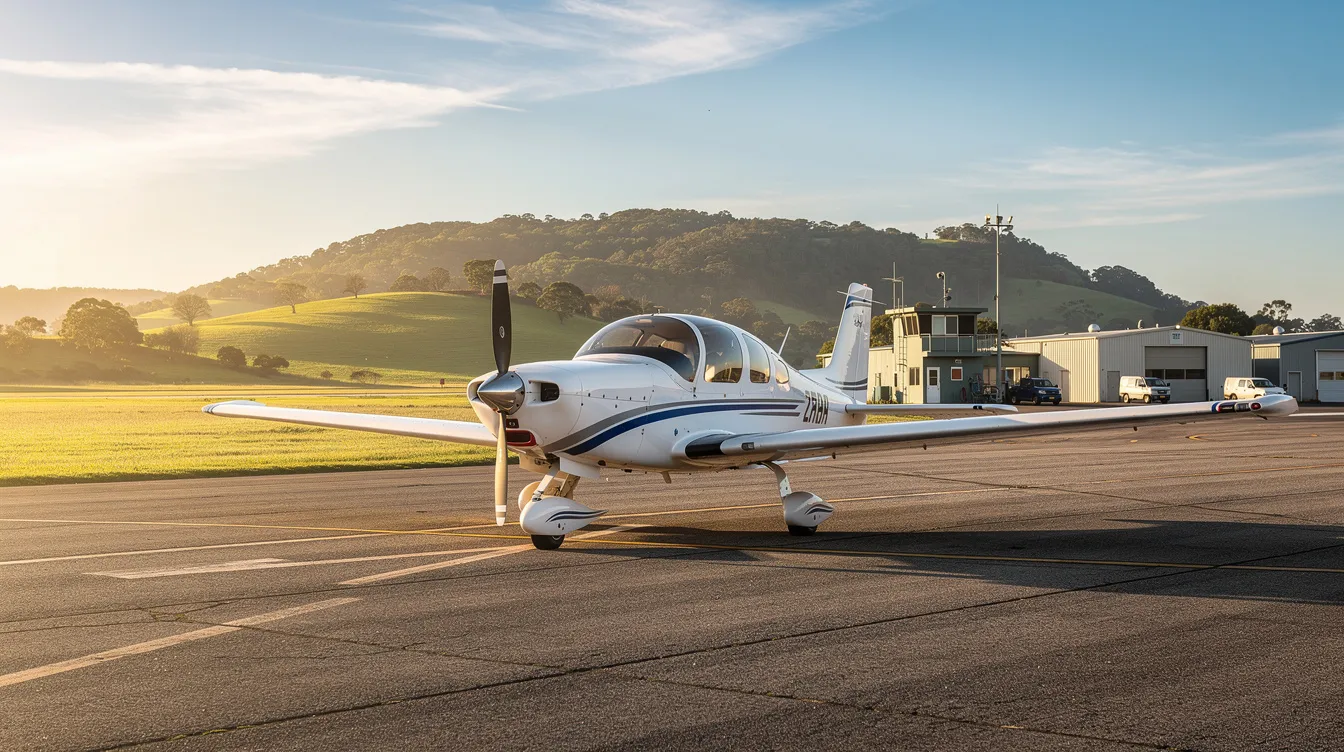
Whether you fly for business efficiency or personal freedom, single-engine aircraft remain the backbone of general aviation in 2026. This guide cuts through the noise to help you compare the most relevant single-engine planes for sale right now, with real pricing, performance data, and strategic insight.
Find Your Ideal Single-Engine Aircraft Fast
Single-engine planes for sale continue to dominate the general aviation market for good reason. They deliver superior cost efficiency, simpler maintenance, and access to thousands of smaller airfields where turboprops and jets simply cannot operate. Single-engine planes often have lower acquisition and fuel costs than multi-engine alternatives, making them the practical choice for people who fly frequently on regional routes.
This guide covers today's most compelling models - the Diamond DA50 RG, Cirrus SR22T G6, Piper M350, and Cessna T206H Turbo Stationair HD - with real 2025–2026 pricing and specifications. The single-engine aircraft market includes a remarkable variety of speed, utility, and mission profiles, from economical piston trainers to high-performance turboprops, so your search should be shaped by how you actually fly.
While BlackJet focuses on jet cards and private jet access, many of its members also own or co-own a single-engine piston aircraft for regional hops, training, or weekend flying. A DA50 RG or SR22T handles 300–800 nm missions beautifully, while a BlackJet Jet Card covers cross-continent or transatlantic legs where speed, altitude, and weather performance matter most. This "portfolio of lift" approach is how discerning pilots maximize both efficiency and reach.
What Is a Single Engine Piston Aircraft – And Who Is It For?
A single-engine piston aircraft is powered by a single reciprocating engine burning AvGas or Jet-A1 fuel. Most seat two to six passengers, cruise between 130 and 200+ KTAS, and deliver ranges of 500 to 1,000 nautical miles depending on load and altitude. Single-engine aircraft typically feature lower operating costs than twin-engine models, which is why they remain the entry point - and often the endgame - for owner-pilots who value simplicity and reliability. Single-engine turboprops bridge the gap between piston aircraft and jets, but at significantly higher acquisition and operating costs.
The buyer profiles are as varied as the aircraft category itself. An entrepreneur commuting between Zurich and Milan might choose a Cirrus SR22T for its 213 KTAS cruise and parachute safety system. An owner-pilot flying family weekends across Europe could opt for a Diamond DA50 RG, prizing its five-seat comfort, retractable gear, and Jet-A1 fuel efficiency. An investor visiting ranch properties or remote sites might rely on a Cessna 206 for its payload versatility and rough-strip capability. And a hobby pilot stepping up from a Cessna 172S or Piper PA-28-180 is typically ready for glass cockpit avionics, higher performance, and modern safety features. Weight and balance calculations become essential as these pilots transition to higher-performance aircraft with greater useful loads.
Many BlackJet members treat their single engine as a personal runabout - fast, flexible, and cost-effective for short legs - while relying on a jet card for longer, time-critical missions that demand jet-class speed, comfort, and weather capability.
Standout Single Engine Planes for Sale in 2025–2026
Here is an at-a-glance tour of the models that appear most frequently in current listings and deserve serious consideration.
Aircraft model | Price information in this guide | Cruise speed | Range | Seating |
|---|
Diamond DA50 RG | US$1,100,000–$1,379,000 for 2023–2025 listings | Roughly 181 KTAS | Approximately 750 nm | Five seats |
Cirrus SR22T G6 | Approximately $895,000 for well-equipped used examples; 2026 models start around $1,069,900 | Up to 213 KTAS | Not specified in this guide | Not specified in this guide |
Piper M350 | New 2025 examples around US$2,058,000 fully equipped; used models from $760,000 | Not specified in this guide | 1,300+ nm | Not specified in this guide |
Cessna T206H Turbo Stationair HD | Median asking price around US$947,000 for newer HD models | Not specified in this guide | Not specified in this guide | Six seats |
Cessna TTx | Not specified in this guide | Not specified in this guide | Not specified in this guide | Not specified in this guide |
Diamond DA50 RG
The Diamond DA50 RG entered the U.S. market in 2024 after receiving FAA certification, so most listings are late-model, low-time examples still under warranty. Powered by a Continental CD-300 Jet-A1 turbocharged FADEC engine, it cruises at roughly 181 KTAS with a range of approximately 750 nm. Listings for 2023–2025 models typically fall between US$1,100,000 and $1,379,000. It is a beautiful aircraft that appeals to business pilots who prioritize modern Garmin G1000 NXi avionics, retractable gear, and diesel-fuel economy.
Cirrus SR22T G6
The Cirrus SR22T G6 is renowned for its exceptional safety features, including the Cirrus Airframe Parachute System (CAPS) and a TKS Anti-Ice system for flight into known icing conditions. The Cirrus SR22T G6 has a price of approximately $895,000 for well-equipped used examples, while new 2026 SR22T models start around $1,069,900. Max cruise reaches 213 KTAS with a service ceiling of 25,000 ft. The Cirrus SR22T is known for its speed and safety features in equal measure.
Piper M350
The Piper M350 remains the only pressurized piston single in production - considered by many as the closest a piston aircraft comes to light-jet comfort. New 2025 examples list around US$2,058,000 fully equipped, with used models ranging from $760,000 upward. Its pressurized cabin, 1,300+ nm range, and roughly 22 gph fuel burn make it the choice for pilots who need altitude performance over mountainous terrain.
Cessna T206H Turbo Stationair HD
The Cessna T206H Turbo Stationair HD is called the "SUV of the skies" for good reason. This six-seat, high-wing utility aircraft handles payload like no competitor in its class, with useful loads exceeding 1,440 lbs in HD configuration. Fixed landing gear simplifies systems and reduces insurance costs compared to retractable gear. Median asking price for newer HD models sits around US$947,000. The 1972 Cessna U206F is known for its rugged performance and remains a respected name in the used market.
Cessna TTx
The Cessna TTx, acquired by Cessna in 2007, represents another high-performance option in the brand's broader single-engine lineup.
How to Read a Single Engine Listing Like a Professional Buyer
Listings for single-engine planes for sale are dense with abbreviations and technical shorthand. Knowing how to decode them separates informed buyers from impulse purchases.
Year and Model Generation
Year and model generation matter enormously. A Cirrus SR22 G2 and a G6 are fundamentally different aircraft in avionics, safety systems, and resale value. Similarly, the T206H split between legacy and HD variants around 2017 brought G1000 NXi avionics and higher gross weights to the newer models.
Total Time and Engine Hours
Avionics Suites
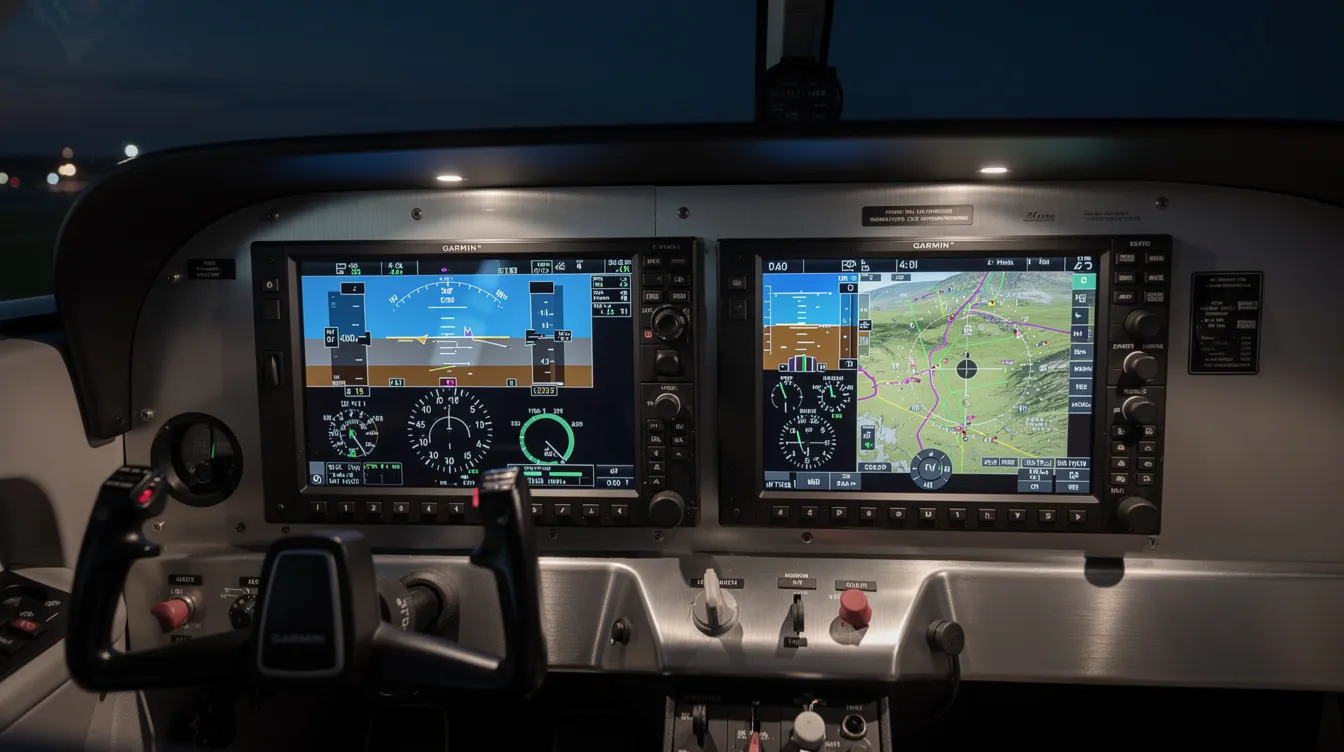
Avionics suites drive both safety and price. Modern glass cockpit avionics reduce pilot workload and improve navigation, and aircraft equipped with Garmin G1000 NXi or Perspective Touch+ panel configurations hold far stronger resale value than legacy steam-gauge aircraft. Avionics should comply with current FAA requirements for operational use, including ADS-B In/Out.
Safety Equipment
Safety equipment - CAPS parachute repack status on Cirrus models, FIKI/TKS ice protection, modern autopilots - should be verified against service records. Annual inspections are required for aircraft safety compliance, and phrases like "fresh annual Oct 2026" or "spinner-to-tail warranty through Aug 2028" signal disciplined ownership. Always inquire about damage history, as even minor incidents can change residual value.
Tax and VAT Flags
New vs Used Single Engine: Pricing, Depreciation, and Value
New Aircraft Pricing
In 2026, brand-new high-end singles like the DA50 RG, SR22T G6 GTS, and Piper M350 range from roughly US$1,050,000 to over $2,000,000 depending on options.
Used Aircraft Pricing
Mid-life aircraft from the 2010s - Cirrus SR22 G3 or G5, Cessna Skylanes, Mooney M20J models - trade between approximately $250,000 and $600,000. Older but well-maintained classics from the 1960s–1970s can be found below $200,000, though the price swings dramatically based on engine overhaul status, avionics upgrades, and corrosion history.
Depreciation Factors
Depreciation on single-engine piston aircraft follows a slower curve than light jets after the first decade. The critical inflection points are engine hours relative to TBO, avionics generation, and documented maintenance. Aircraft with complete logbooks, modern glass cockpits, and known-ice certification command substantial premiums - HD-variant Stationairs, for example, sell for roughly $400,000 more on median than similar pre-HD models. Pre-purchase inspections should be performed by independent specialists before any transaction closes. Budget-conscious pilots who find six- and seven-figure price tags out of reach should also explore the cheapest single-engine plane options for entry-level ownership to understand realistic pathways into aircraft ownership.
Budget Considerations
The purchase price is only the starting line for aircraft ownership. Budget annually for hangar fees, inspections, fuel, and engine overhauls. Total operating costs for single-engine aircraft depend on fuel burn, insurance, and maintenance - the SR22T G6 runs approximately US$277 per hour at 200 hours per year. By contrast, a BlackJet Jet Card eliminates ownership risk, offering predictable hourly rates and access to certified business jets for high-stakes travel, and travelers can benchmark programs effectively by understanding jet card cost per hour across providers and aircraft types.
Safety, Technology, and Sustainability in Modern Single-Engine Flying
Today's leading single-engine piston aircraft integrate safety and technology features once reserved for business jets, and even pilots shopping at the lower end of the market can find the cheapest private aircraft options for cost-effective flying that still benefit from many of these advances. Emergency equipment and safety features are increasingly important in aircraft design, and the current generation delivers on that expectation.
Integrated avionics suites - Garmin G1000 NXi, GFC-700 autopilots, synthetic vision, and autoland systems like Cirrus Safe Return - enhance situational awareness and IFR capability. Modern avionics enhance safety and situational awareness in aircraft, making single-engine IFR flying more accessible and more reliable than at any point in aviation history. Airframe safety systems such as the Cirrus CAPS parachute, FIKI/TKS ice protection on the DA50 RG and SR22T, and upgraded harnesses materially reduce risk. Aircraft must undergo regular maintenance to meet safety standards, and modern engine monitoring through FADEC and digital CHT/EGT systems allows proactive, data-driven maintenance.
Sustainability is gaining ground. Sustainable aviation aims to reduce carbon emissions significantly, and fuel-efficient aircraft designs like the DA50 RG - burning as little as 8 gph at max-range cruise on Jet-A1 - represent meaningful progress. Carbon-neutral flights are increasingly offered in private aviation, and private aviation companies are adopting carbon offset practices. BlackJet ensures every journey through its programs is carbon neutral, and many members extend similar offset practices to their personal single-engine flying hours.
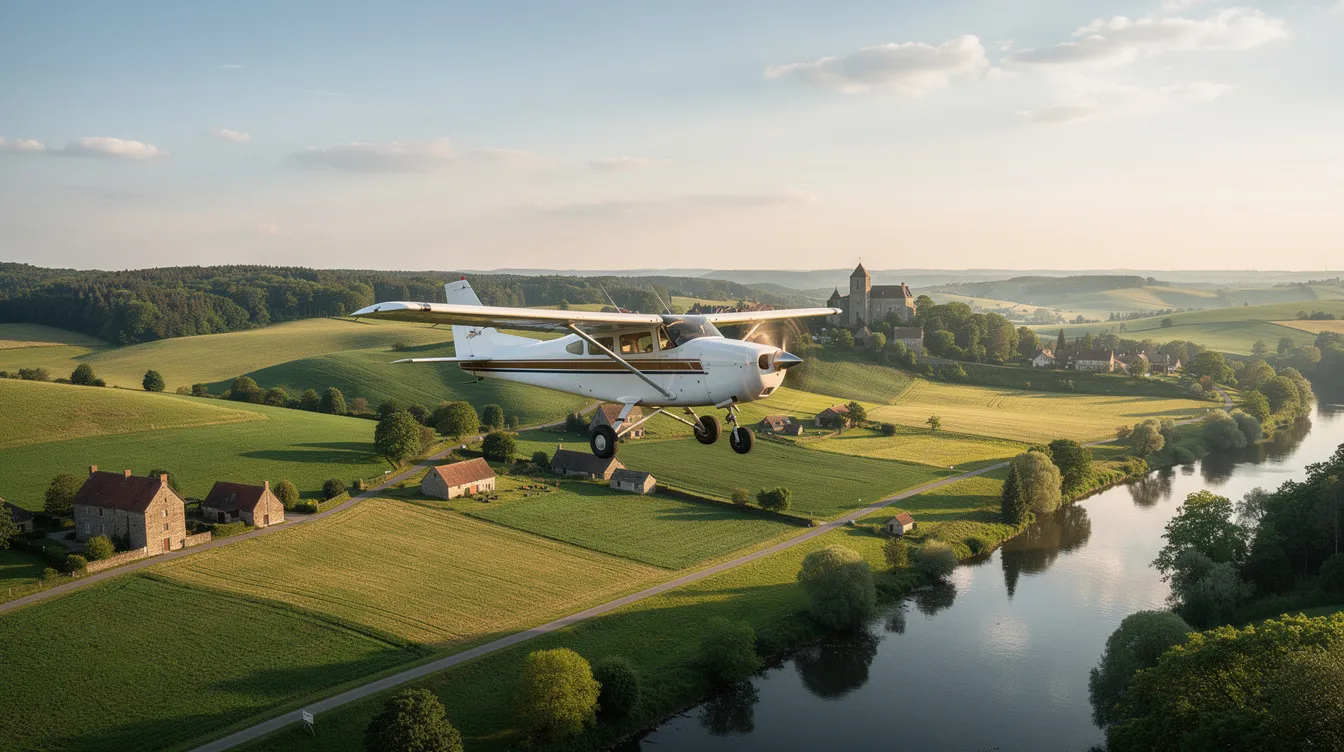
Consider a BlackJet private jet card member leveraging premium private jet services based in Northern Europe who uses a Cirrus SR22T for weekend hops between Guernsey and mainland Europe - 200 to 400 nm legs flown IFR with FIKI protection and modern avionics. For longer business missions like Frankfurt to Dubai, the member books via BlackJet, and both the jet segment and the piston flights are offset under a unified carbon-neutral policy.
Integrating a Single Engine Aircraft with Jet Card Travel
Sophisticated travelers build a "portfolio of lift": owning a single-engine aircraft for 200–400 nm missions while using a jet card for routes where a piston simply cannot match the performance required. Jet cards provide prepaid access to private jets, with programs typically offering 25-hour or 50-hour options such as the BlackJet 25+ Hour Jet Card for flexible mid- and large-cabin access. These include 24/7 digital booking tools, real-time support, access to multiple cabin types, and safety certification for every flight.
Consider an executive based in Dallas who uses a Cessna 182P to reach ranch properties and regional meetings across Texas, then books a BlackJet super-mid jet for New York or London runs. Or a European family with a Diamond DA50 RG based near Frankfurt, flying weekends across Germany, Switzerland, and Italy, while relying on BlackJet for time-sensitive business trips to Dubai. In both cases, the single engine handles what it does best - regional connectivity at a fraction of charter cost - while the jet card delivers when distance, weather, or schedule demand it. Understanding jet card pricing structures and typical fees helps owners model total travel costs accurately.
While BlackJet does not broker single-engine piston aircraft, its aviation specialists advise members on structuring their overall travel strategy: realistic utilization estimates, when charter or jet card is more sensible than flying a single-engine at night IFR or over oceanic legs, and the training and safety standards to insist on when operating personally flown aircraft. Many members start by reviewing comprehensive jet card cost guides that break down membership pricing and value before committing capital.
Frequently Asked Questions About Single Engine Planes for Sale
What should I check before buying a single-engine aircraft?
Review the aircraft’s complete logbooks, total airframe time, engine hours, damage history, avionics, and maintenance status. Confirm that required inspections are current, then arrange an independent pre-purchase inspection with a specialist familiar with the model. The asking price is only the starting point: account for insurance, fuel, hangar fees, routine maintenance, and future engine overhauls.
Are single-engine planes less expensive to own than multi-engine aircraft?
They often have lower acquisition and fuel costs than multi-engine alternatives, and their simpler systems can reduce some maintenance expenses. Actual operating costs vary by aircraft, utilization, insurance, fuel burn, and maintenance condition, so compare total annual ownership costs rather than purchase prices alone.
Which single-engine aircraft is best for business travel?
The right aircraft depends on route length, passenger and baggage loads, runway access, and pilot experience. The Cirrus SR22T G6 suits buyers prioritizing speed, modern avionics, and safety features; the Diamond DA50 RG offers Jet-A1 efficiency and five-seat comfort; and the Piper M350 adds a pressurized cabin for higher-altitude travel. Verify performance figures against the specific aircraft’s approved documentation and configuration.
How do I assess safety when buying a used single-engine plane?
Check maintenance records, annual inspection status, airworthiness directives, engine condition, and the operation of installed safety equipment. Confirm that avionics meet applicable FAA requirements and that systems such as CAPS or TKS are maintained according to manufacturer guidance. A qualified mechanic and type-experienced instructor can help assess the aircraft and your readiness to operate it safely.
Should I buy an aircraft or use a jet card for longer trips?
Ownership can make sense for frequent regional flying when the aircraft matches your mission, and you are prepared for its ongoing costs and responsibilities. A jet card provides prepaid access to private jets without owning one and can be a better fit for longer, time-sensitive, or weather-demanding trips. Some frequent travelers use a single-engine aircraft for short regional routes and a jet card for longer journeys.
How to Proceed: From Shortlist to First Flight
Define your mission profile first - typical distances, passenger count, runway surfaces, and environmental conditions. Then build a shortlist. If you value Jet-A1 efficiency and modern design, the DA50 RG earns serious attention. If speed and parachute safety drive your decision, the SR22T G6 is hard to beat. For payload and rough-strip versatility, the T206H HD stands alone in its category. Arrange pre-buy inspections and demo flights through reputable brokers, and involve a type-experienced instructor, maintenance shop, and aviation attorney early - especially when crossing borders to buy in Europe or import to the U.S.
For travelers whose missions extend beyond what anysingle-enginee piston aircraft can comfortably cover, BlackJet's Jet Card programs provide seamless, carbon-neutral access to a curated fleet of business jets, and frequent flyers can compare the best jet cards for regular private travelers to align membership benefits with their mission profiles. Explore how a BlackJet Jet Card can complement your aircraft ownership and give you jet-class range, speed, and service on demand.
The smartest pilots in 2026 do not choose between owning an aircraft and accessing private jets - they combine both, and some even evaluate whether a 100-hour jet card cost structure makes more sense than incremental aircraft upgrades. A single engine for the missions that change your week, and a jet card for the missions that change your year, whether that means a traditional program or a 50-hour jet card focused on predictable regional travel costs. That is how you maximize time, safety, and comfort without compromise. Sophisticated users will also study overall private jet price lists and access models, compare entry-level and cheapest private jet options for occasional trips, and evaluate NetJets jet card costs alongside other providers when building a long-term strategy. For some, specialized programs like Flexjet jet card solutions built around specific fleets or even assessing the top 10 private jets in the world become part of that due diligence, especially when large group missions that require private jets for up to 50 passengers enter the picture. Prospective full owners might weigh the features and economics of a $5 million private jet against stepping into a $20 million intercontinental business jet, while others simply prefer to buy a seat on a private jet via shared or semi-private options and keep personal ownership limited to a capable single-engine jet. Finally, business users should coordinate with advisors to maximize jet card tax deductions within current regulations as part of an integrated aviation and tax plan.


 Sign up with google
 Sign up with Apple