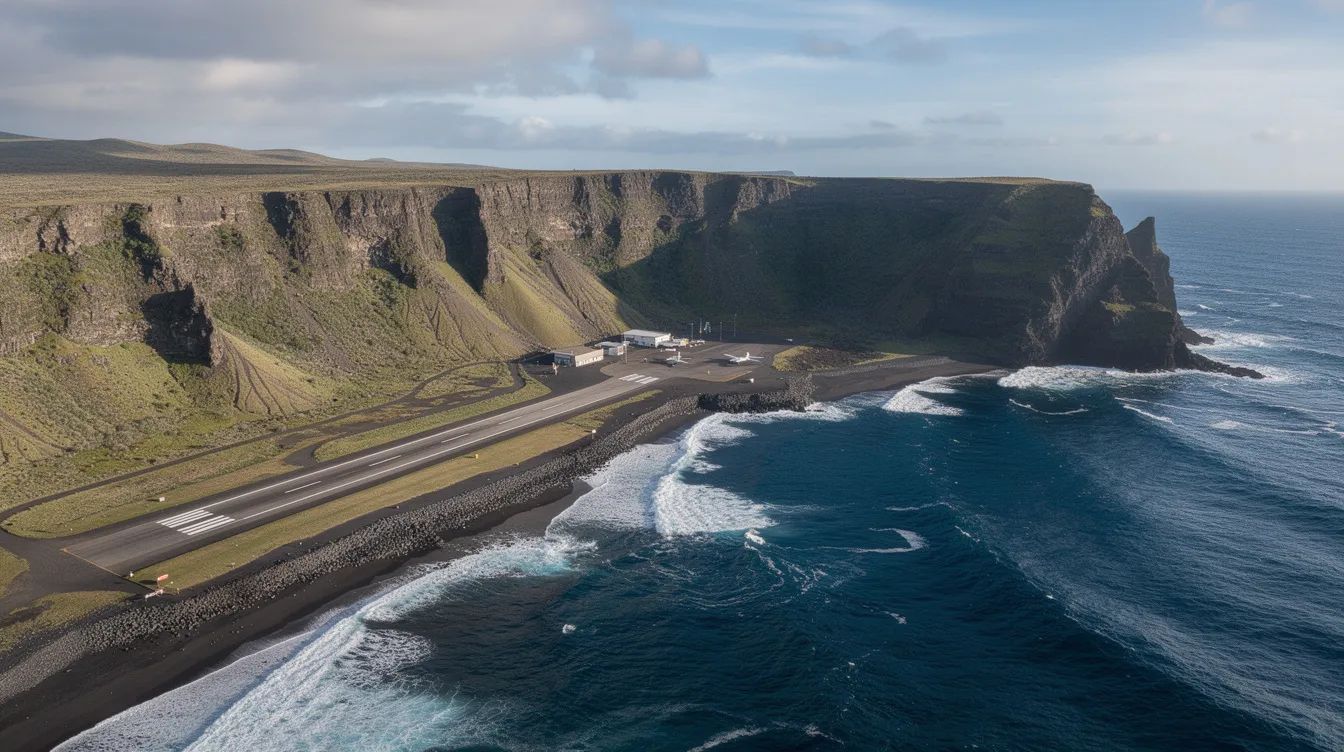
Few runways in California deliver the visceral thrill of final approach into Shelter Cove Airport. Waves crash against basalt cliffs to the north, a black sand beach stretches below, and the King Range rises sharply to the east. This is the Lost Coast, and arriving by private aircraft is the most direct way to reach it.
Overview: Why Shelter Cove Airport Matters for Private Flyers
Shelter Cove Airport sits on the edge of the Pacific Ocean in Humboldt County, Northern California, serving as the aerial gateway to one of the state's most remote and beautiful stretches of shoreline. The field is surrounded by the Shelter Cove Golf Links and a quiet residential community of roughly 800 people, a place defined more by tranquility than by hustle and bustle.
For high-net-worth and business travelers seeking privacy, this is the point. The nearest highway lies 30 to 40 miles away via narrow, winding roads that occasionally test even experienced drivers. A drive that can take well over an hour collapses into a short flight from the Bay Area or other Northern California origins. Guests who flew in by turboprop or light jet step from runway to shore in minutes, bypassing the sort of logistical friction that keeps the Lost Coast region crowd-free.
Shelter Cove Airport 0Q5 is a public, non-towered general aviation field managed by the Shelter Cove Resort Improvement District. It has no commercial service, no customs, and no restrooms beyond basic facilities-yet its proximity to pristine beaches, world-class hiking, and the King Range national conservation area makes it uniquely valuable for private aviation in California.
This article covers practical airport details-runway specs, weather, aircraft suitability-alongside how BlackJet members can use 0Q5 as a launch site for coastal retreats, golf weekends, and nature escapes across multiple days, illustrating how chartering a private jet can be especially worthwhile for accessing remote destinations.
Shelter Cove Airport (0Q5): Key Facts and Field Characteristics
The Cove Airport is located approximately one mile west of the Shelter Cove town center at an elevation of roughly 70 feet MSL. The field features a single asphalt runway oriented 12/30, and the surrounding environment is unlike any other airport in California.
Key runway and facility details:
Feature | Details |
|---|
Runway length | Approximately 3,407 feet |
Runway width | 60 feet |
Surface | Asphalt, rated fair condition |
Displaced thresholds | ~112 feet on Runway 12, ~500 feet on Runway 30 |
Aircraft tie-down spaces | 21 designated spaces across north and south aprons |
Control tower | None |
Fuel and maintenance | Not available on site |
Elevation | Approximately 70 feet MSL |
Communication frequency | CTAF on 122.9 MHz |
Nearest weather station | AWOS, ~12 nautical miles east |
The airport is surrounded by the Shelter Cove Golf Links and residential housing, giving it the feel of a neighborhood field rather than a regional hub. Despite sparse services, the location is a strong draw-walk from the apron, and you reach the ocean shore, local inns, and dining within minutes. Communications use CTAF on 122.9 MHz, and the nearest AWOS weather station sits roughly 12 nautical miles east.
Flying Into Shelter Cove: Weather, Terrain, and Pilot Considerations
Shelter Cove Airport is isolated, and the weather can be unpredictable. The Pacific marine layer regularly pushes inland, producing fog and low ceilings that reduce visibility to near zero, occasionally within minutes. Pilots must keep a sharp eye on conditions and be prepared for rapid deterioration, especially during morning hours. Because 0Q5 has no published instrument approach procedures, all arrivals are VFR, making timing and weather monitoring essential.
Crosswinds present another challenge. Gusty winds of 15 knots are common along the coast, and the runway orientation relative to prevailing onshore winds can produce demanding landing conditions. Downdrafts can occur during takeoff as aircraft climb out over bluffs and ocean terrain. The runway also has a hump in the middle that obstructs visibility during takeoff roll, requiring pilots to remain alert through rotation. There are nearby unimproved dirt roads for emergency landings, but the terrain inland rises steeply toward the King Range, limiting options.
BlackJet-chartered flights into this field use experienced crews comfortable with short coastal runways and non-towered procedures, supported by premium private jet membership services that emphasize comfort, safety, and sustainability. The 24/7 flight support team monitors NOTAMs, winds, and fog forecasts in real time. If weather conditions deteriorate, members receive proactive recommendations to divert or reschedule-safety is never compromised for convenience.
Local Area Guide: Shelter Cove and the King Range National Conservation Area
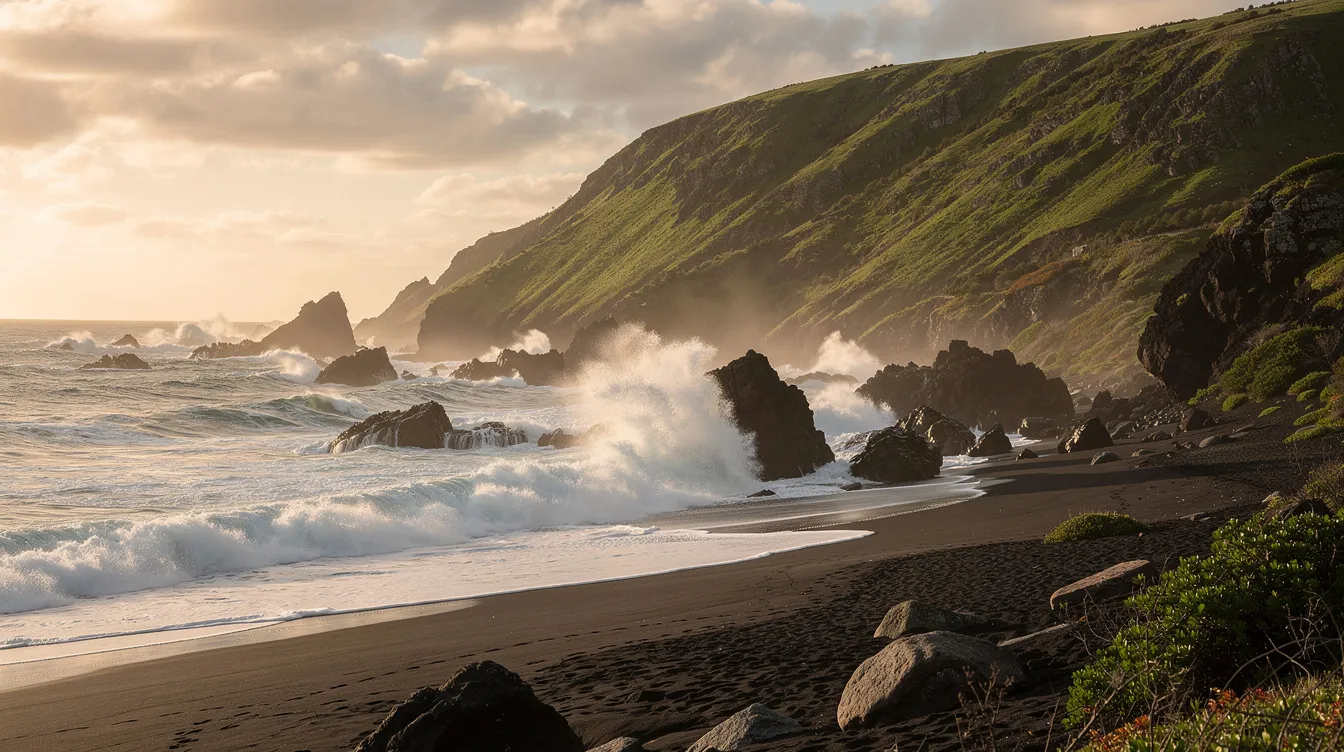
Shelter Cove is known for its beautiful scenery-a nice understatement for a place where redwood-cloaked mountains meet the Pacific Ocean with almost no human intervention in between. A black sand beach sits north of the runway, and the immediate area offers scenic views and a marina that serves as the community's connection to the sea.
The surrounding area includes local amenities such as cafes and fishing charters, along with a few seasonal restaurants serving meals sourced from local waters. Dining options are limited but genuine. The proximity to black sand beaches and local parks enhances the shelter cove airport's appeal beyond aviation; guests can relax on the shore, enjoy a round of golf at the nine-hole links course, or simply stay and absorb the coastal quiet.
Top activities for visitors:
Hiking segments of the Lost Coast Trail and King Range bluff paths
Grey whale watching in spring and fall, when migration routes pass close to shore
Tide pooling along rocky shoreline formations
Beachcombing, kayaking, and camping in designated backcountry areas
Golf at the Shelter Cove Golf Links, which borders the runway
For those who value a journey measured in experiences rather than amenities, this area delivers. With luck and good timing, you might spot whales from the beach before your return flight, especially if you’ve arranged a small private plane charter tailored to shorter coastal hops.
Aircraft Suitability and Operations for Shelter Cove (0Q5)
Use at Shelter Cove Airport is restricted to aircraft with a maximum gross weight of 12,500 lbs or less. Combined with the ~3,400-foot runway and VFR-only operations, this shapes which planes can safely operate here.
Aircraft category suitability:
Turboprops: optimal choice-strong short-field performance, slower approach speeds, forgiving in gusty air, and often among the most affordable private jet options for regional trips
Light jets: feasible with reduced payload and favorable winds; ready for the strip, but requires careful fuel and weight planning
Mid-size and large-cabin jets: generally impractical due to runway length and weight restrictions; best staged at alternates
When Shelter Cove is not viable, BlackJet arranges convenient access through alternate airports-Murray Field near Eureka, Arcata-Eureka (KACV), or Santa Rosa (STS)-with onward ground or helicopter transfer to complete the journey south along the coast, often leveraging budget-conscious private aircraft solutions that still prioritize safety and comfort.
BlackJet Jet Card Access: Using Private Aviation to Reach Shelter Cove
BlackJet's Jet Card programs offer 25-hour and 50-hour options with fixed hourly rates and hours that never expire, following a predictable jet card pricing structure that clarifies membership costs and value. For a remote destination like Shelter Cove, this model eliminates the cost uncertainty of ad-hoc charter while guaranteeing access to aircraft matched for short-field coastal operations.
Consider a San Francisco-based executive who books a three-day retreat for four guests. Using their Jet Card, they reserve a turboprop departure from Oakland timed for mid-morning, after the marine fog typically lifts. If coastal visibility at 0Q5 drops below safe criteria, BlackJet's team shifts the arrival window or reroutes to a nearby field, all at the same locked-in rate. No surprises, no scrambling.
Compared with full jet ownership or on-demand charter, the Jet Card provides predictability and integrated support without the overhead of hangar fees, crew salaries, or last-minute pricing surges, aligning well with travelers who have reviewed comprehensive private jet price lists and access models.
Safety, Sustainability, and Technology in Remote-Destination Flying
Flying into a remote field like 0Q5 demands elevated rigor. BlackJet enforces Part 135 certification for all U.S. operators, audits maintenance practices, and requires demonstrated pilot experience in coastal and short-field environments, standards that also govern large-group charter flights for up to 100 passengers. For a site with no instrument approaches and limited on-field services, crew selection is the difference between a safe arrival and unnecessary risk.
On sustainability, BlackJet offsets all CO₂ emissions and claims a 300% offset to cover non-CO₂ impacts like water vapor and aerosols. Flying into the fragile Lost Coast region, this commitment matters. Digital tools-weather data integration, live itineraries, and instant notifications-help determine whether Shelter Cove is operational on a given day or whether an alternate should be activated, while also helping travelers compare cost-effective private aircraft choices for similar missions.
Planning Your Trip: Practical Tips for Visiting Shelter Cove by Private Jet
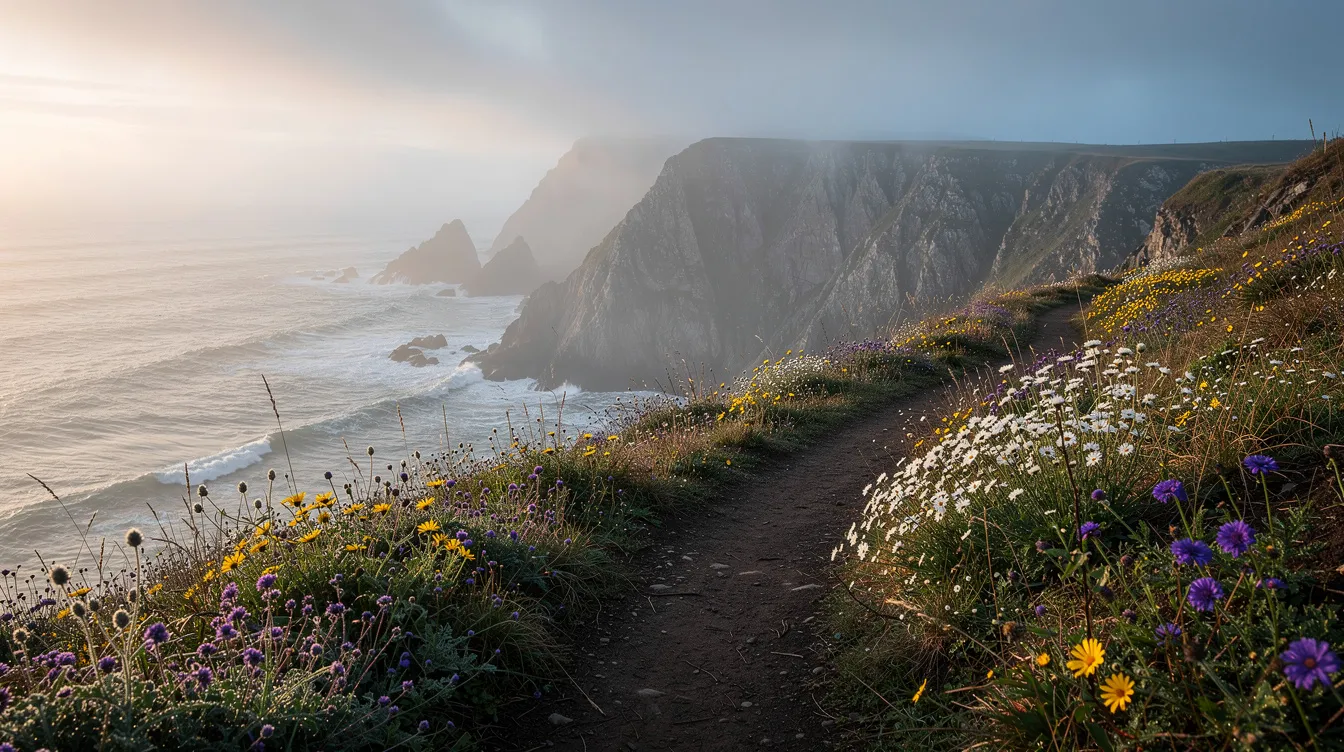
The best days to visit shelter cove fall between late May and early October, when fog lifts earlier, daylight runs long, and local services operate at full capacity. Even in summer, expect cool mornings and winds that pick up by afternoon.
Planning checklist for Jet Card members, especially those evaluating the best jet card programs for frequent flyers:
Shelter Cove rewards those who arrive prepared. The hustle of urban life fades the moment your aircraft touches the field, replaced by ocean sound and salt air. With the right aviation partner and a clear view of jet card pricing structures and benefits, this remote stretch of California coastline doesn't have to remain a bucket-list aspiration-it becomes a recurring horizon of quiet renewal.
Discover how BlackJet Jet Card access can reshape the way you reach Northern California's most pristine shore, whether you’re exploring shared and semi-private seat options on private jets, planning jet card strategies that maximize potential tax deductions, comparing NetJets jet card pricing and alternatives, or evaluating large-group private jet solutions for up to 50 passengers.
Frequently Asked Questions About Shelter Cove Airport
Q1: What types of aircraft can operate at Shelter Cove Airport?\
Use at Shelter Cove Airport is limited to aircraft with a maximum gross weight of 12,500 lbs or less. Turboprops and light jets with short-field capability are ideal, while mid-size and larger jets are generally impractical due to runway length and weight restrictions. Learn more about aircraft suitability for Shelter Cove.
Q2: How challenging is the weather at Shelter Cove Airport for pilots?\
The airport experiences unpredictable weather, including fog, gusty 15-knot winds, and downdrafts during takeoff. Pilots must be prepared for rapidly changing conditions and rely on visual flight rules (VFR), as there are no instrument approaches. For detailed pilot considerations, see our section on weather and terrain challenges at Shelter Cove.
Q3: Are there any services available at the airport?\
Shelter Cove Airport has no control tower, no fuel or maintenance services, and limited facilities. It is a quiet, neighborhood-style field with 21 tie-down spaces, so planning ahead is essential. Explore more about Shelter Cove Airport facilities and operations.
Q4: What activities can visitors enjoy near Shelter Cove Airport?\
Visitors can explore black sand beaches, hike the Lost Coast Trail, watch migrating grey whales, golf at the nearby Shelter Cove Golf Links, and enjoy local dining and fishing charters. Discover local attractions in our Shelter Cove area guide.
Q5: How does BlackJet support safe access to Shelter Cove?**\
BlackJet provides experienced crews trained for short-field coastal operations, real-time weather monitoring, and flexible scheduling to ensure safety and convenience. All flights are carbon-neutral, aligning with sustainability goals. Learn more about BlackJet’s safety and sustainability commitments.
Conclusion: Unlocking Unique Access to California’s Lost Coast
Shelter Cove Airport offers a unique gateway to one of California’s most secluded and stunning coastal regions. For discerning travelers and business executives, private jet access through BlackJet’s Jet Card programs transforms what might be a long, winding drive into an effortless, time-saving journey. The airport’s distinct environment—with its black sand beaches, rugged terrain, and variable weather—demands expertise, careful planning, and premium support, all of which BlackJet delivers seamlessly.
By integrating safety, sustainability, and advanced technology, BlackJet ensures every trip to Shelter Cove is not just a flight but an elevated experience. Whether for a weekend golf retreat, a nature escape, or a strategic business visit, private aviation opens this unique destination’s door with unmatched convenience and style. Discover how BlackJet can make Shelter Cove and the Lost Coast your next premier private jet destination.


 Sign up with google
 Sign up with Apple