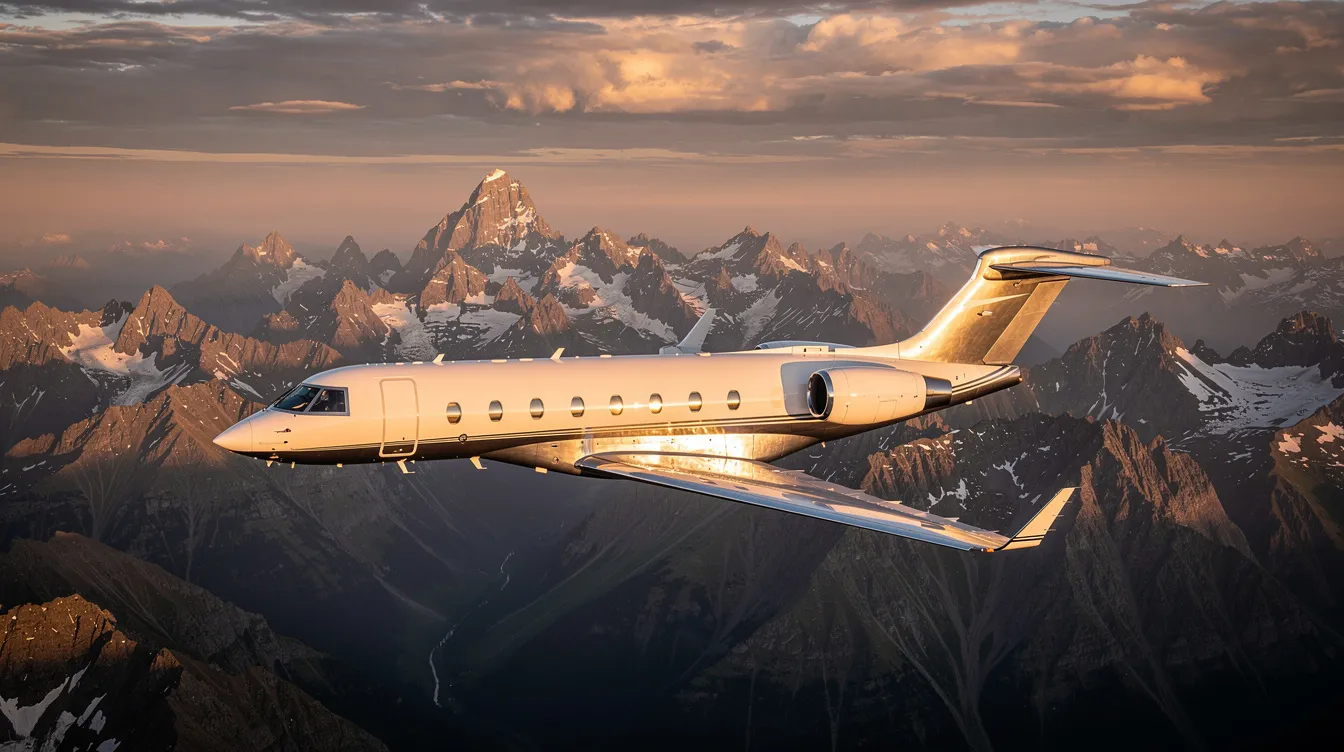
The search for private jets for sale under 10 million is rarely about finding the cheapest plane. It is about identifying the right balance of performance, cabin comfort, and capital efficiency for how you actually travel. This guide breaks down the specific aircraft, price ranges, and access models that matter in 2025–2026, and explains when ownership makes sense versus when a smarter path exists.
Why Sub‑$10 Million Private Jets Are a Strategic Advantage
Access to business jets under 10 million is fundamentally a time-and-control decision. Consider an executive based in New York who needs face-to-face meetings in Dallas and Miami on the same day. Commercial first class offers a morning departure to Dallas with connections, ground transfers, and a likely overnight stay before continuing to Miami the next day-one productive meeting per day at best. A light jet repositioned at Teterboro completes NYC–Dallas–Miami–return in a single day, enabling three meetings instead of one.
That kind of scheduling leverage is what makes private aviation a strategic asset, not merely a luxury purchase. Private jets can have ranges from 1,400 to over 3,000 nautical miles, covering virtually every executive and family travel profile domestically and across much of Europe and the Middle East.
In the 2024–2026 private jet market, 10 million typically buys a top-tier new light jet or a high-quality pre-owned super-midsize aircraft. Acquisition costs for private jets are often under $10 million in 2026 across a surprising breadth of categories, from very light jets to cabin-class aircraft seating 6 to 10 passengers with modern avionics.
But deploying that capital isn't the only path. BlackJet offers Jet Card programs and curated charter access to the same aircraft profiles-Phenom 300Es, HondaJets, Challengers-without tying up 10 million in a depreciating asset. This article covers the specific models, price ranges, and use cases, then walks through the ownership-versus-access decision with real numbers.
What 10 Million Buys in Today's Private Jet Market
The 2025–2026 price bands for private planes break down clearly. Very light jets run approximately $2–5 million new. New light jets occupy the $5–9.5 million range. Super midsize jets, when purchased pre-owned, begin entering the sub-$10 million window with acquisition prices ranging from $7 to $12 million depending on age and condition.
Private jets under $10 million include light jets and super-midsize models. Here is how the categories compare:
Category | New Price Range | Typical Seats | Range (NM) | Cruise Speed |
|---|
Very Light Jets | $2M–$5M | 4–6 | 1,000–1,500 | 300–420 kt |
Light Jets | $5M–$9.5M | 6–8 | 1,500–2,100 | 400–465 kt |
Super-Midsize (pre-owned) | $7M–$12M | 8–10 | 3,000–3,600 | 450–490 kt |
While ultra-long-range jets like flagship Gulfstreams and large Dassault Falcon models remain well above this bracket, sub-$10M luxury aircraft cover the vast majority of executive, corporate, and family travel missions.
Best New Private Jets for Sale Under 10 Million
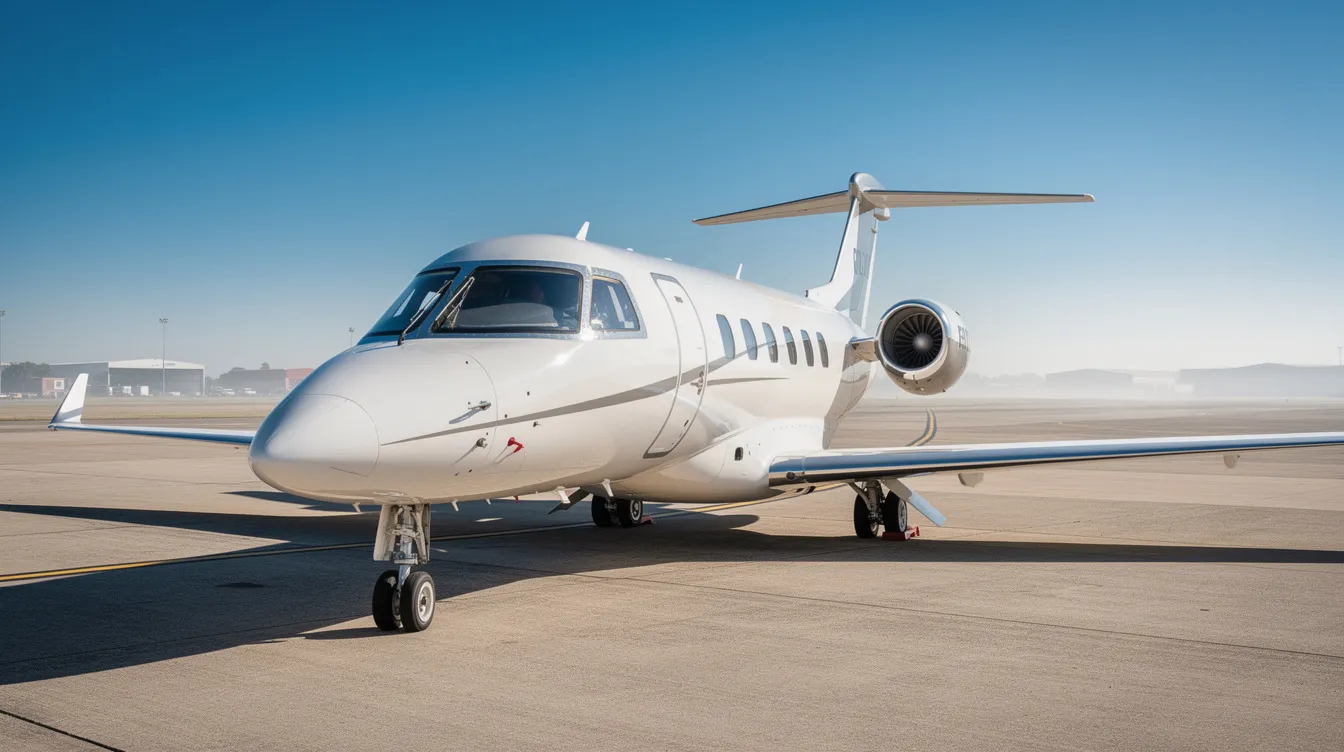
This section highlights concrete 2024–2026 models that buyers actually find new or nearly new under 10 million, with a focus on popular light jets and versatile designs. Each mini-profile covers the price range, range, cruise speed, seats, and ideal missions-substance over marketing fluff, complementing broader guides to top private jets for sale under 10 million.
Prices are approximate, reflecting typical 2024–2026 list prices and recent transaction data. These are also examples of the kind of jets for sale that BlackJet clients frequently request via jet cards and on-demand charter.
Cirrus Vision Jet (G2+)
Price Range: New G2+ builds in 2025–2026 start around $3.5 million; pre-owned G2+ examples trade in the $2.9–3.3 million band.
Seats: 5–7
Range: ~1,275 nautical miles
Cruise Speed: ~311 knots
Service Ceiling: 31,000 feet
Key Features: Whole-aircraft parachute (CAPS), Safe Return autoland, Garmin avionics suite
Ideal missions include regional hops like Los Angeles–Aspen or Paris–Mallorca for small groups, with emphasis on low operating costs and single-pilot operation capability.
HondaJet Elite / HondaJet Elite II
Price Range: HondaJet Elite II is priced around $6.5 to $7 million new; earlier HondaJet Elite examples trade pre-owned in the $4–6 million price range.
Seats: 4–5 passengers plus a belted lavatory seat
Range: 1,547 NM
Cruise Speed: ~422 knots
Cabin Volume: ~290 cubic feet (largest in very light jets category)
Avionics: Garmin G3000 suite, Emergency Autoland
Ideal trip profiles: Boston–Miami or London–Athens nonstop for executives or couples.
Cessna Citation M2 and Citation CJ3+
Citation M2 Price: $5–6 million new
Seats: 6
Range: ~1,500 NM
Single-pilot certification
Citation CJ3+ Price: $8.5–9 million new (market range $6.5–$8.5 million)
Seats: 6–8
Range: Just over 2,000 NM
Cruise Speed: 415–420 knots
Avionics: Garmin G3000, Prodigy Touch
Missions like Chicago–San Francisco with a small deal team, or Geneva–Dubai with one fuel stop, illustrate why CJ3+-class aircraft are among the most requested by BlackJet clients.
Embraer Phenom 100EV and Phenom 300E
Embraer Phenom 100EV
Embraer Phenom 300E
A specific aircraft like this handles New York–Nassau or London–Moscow nonstop. Many BlackJet Jet Card flights use aircraft in the Phenom 300E class for exactly these mission profiles.
Pilatus PC‑24: The "Off-Road" Jet
Price: $9.2–10.7 million new
Seats: Up to 10–11
Range: ~2,000 NM
Cruise Speed: ~440 knots
Key Features: Large cargo door, short/unpaved runway capability, access to 21,000+ airports
Use cases include flying directly into remote ski resorts or island airstrips. While BlackJet clients rarely need unpaved runways, PC-24s in the preferred network expand options for remote-event and adventure itineraries with wi fi connectivity and full passenger count flexibility.
Pre‑Owned Private Jets Under 10 Million: Stepping Up in Size
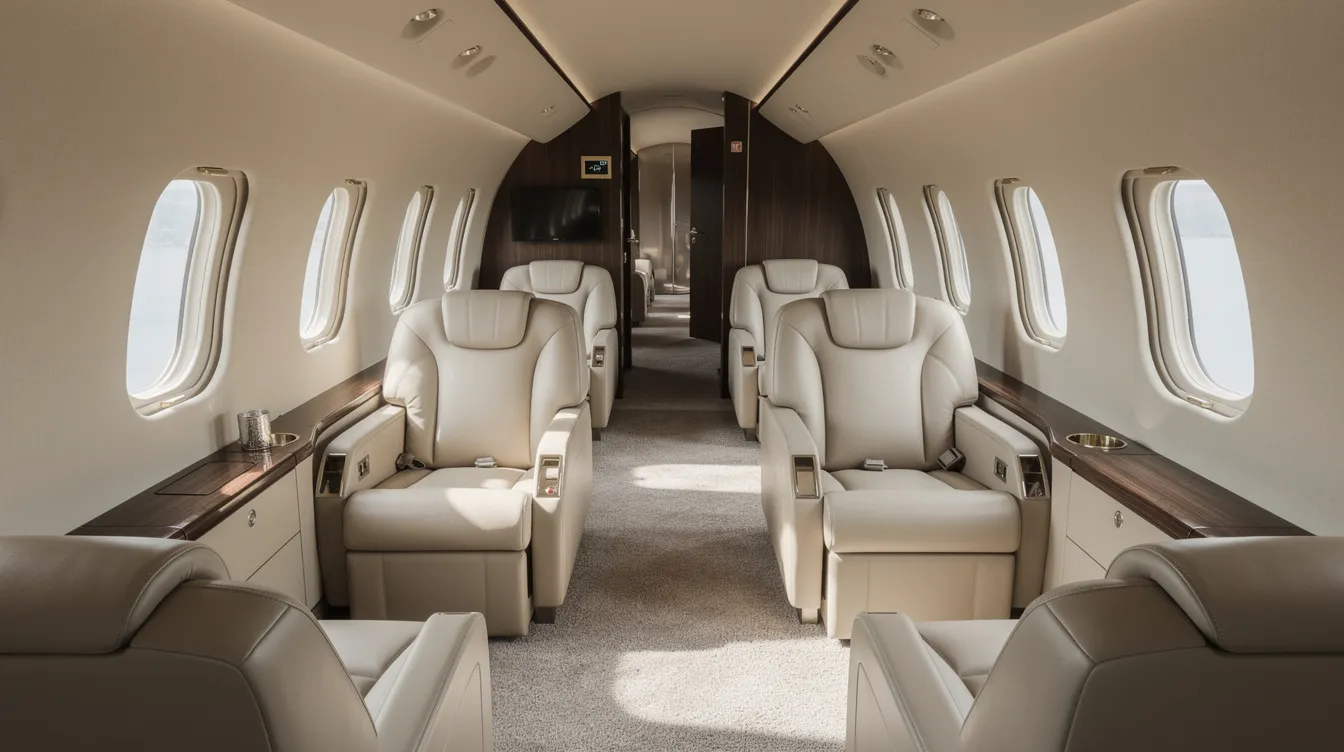
The pre owned market lets buyers access larger, long range private aircraft under 10 million-at the cost of higher operational costs and maintenance complexity. Pre-owned aircraft typically require higher maintenance and fuel costs, and buyers must budget accordingly. Buying new or late-model pre-owned jets allows for better performance, more modern systems, and stronger resale values.
In 2024–2026, late-model super midsize jets trade in the $8–12 million range, with earlier serial numbers dipping below 10 million. Pre-purchase inspections, maintenance tracking, and engine program coverage are non-negotiable at this level. Platforms like Globalair.com provide listings for available private jets across these categories, while curated overviews of the largest private jets for sale give context on how super-midsize options compare to true large-cabin aircraft. Even if you don't intend to buy, understanding this segment helps you judge the value of Jet Card or charter rates on Challenger, Gulfstream, or Falcon flights.
Challenger 300 / Challenger 350
Price: Older Challenger 300s often trade $8–10 million; early Challenger 350s typically run higher but occasionally approach 10 million.
Seats: 8–10
Range: 3,200–3,400 NM (Challenger 300 series)
Cruise Speed: Over 450 knots
Cabin: Flat-floor, full galley, enclosed lavatory
Missions like Los Angeles–New York or London–Riyadh with a full executive team, including space to work and dine, are standard. BlackJet often sources Challenger-class aircraft for Jet Card clients needing non-stop coast-to-coast performance.
Gulfstream G280 and Comparable Gulfstreams
Price: Early 2010s G280 examples can occasionally appear in the $9–13 million band, with sub-$10 million deals driven by higher hours or older avionics baselines.
Seats: 8–10
Range: Exceeds 4,100 NM
Cabin: Separate galley, enclosed lavatory, long range cruise capability
Missions like New York–London or Singapore–Tokyo illustrate when a super-midsize Gulfstream makes strategic sense for global business. For many BlackJet members, accessing a G280 via jet cards or curated charter is more capital-efficient than purchasing a private jet outright.
Dassault Falcon 2000LX and Similar Large-Cabin Options
Price: Sometimes appears around the $10–12 million mark pre-owned, with occasional motivated sales under 10 million.
Seats: 8–10
Range: ~4,000 NM
Cabin: Large stand-up cabin, French engineering, short-field performance
These luxury aircraft attract corporations needing regular intercontinental trips without the cost of ultra long range jets. However, thorough record reviews, engine programs, and cabin refurbishment planning are essential when evaluating older large-cabin jets that have been flying for over a decade. BlackJet provides access to Falcon-class cabins on-demand, letting clients experience this tier and compare it to private jets for 20 passengers through on-demand charter or Jet Cards before considering acquisition.
Light Jets vs Midsize vs Super-Midsize Under 10 Million
Aircraft category matters more than brand name when matching a 10 million budget to real travel needs. Operating costs for private jets typically range from $2,000 to $4,000 per flight hour, depending on class, so understanding the trade-offs across light jets, midsize jets, and super midsize jets is essential before choosing a specific aircraft or access model.
Comparison Table: Light Jets vs Midsize vs Super-Midsize
Category | Seating | Range (NM) | Hourly Cost | Typical Missions |
|---|
Light Jets | 4–8 | 1,000–2,100 | $2,000–$2,800 | Regional, 2–3 hour flights |
Midsize Jets | 6–8 | 2,000–2,500 | $2,700–$3,500 | 3–5 hour flights, more baggage |
Super-Midsize | 8–10 | 3,000–3,600 | $3,800–$5,000 | Coast-to-coast, intercontinental |
Light Jets (~1,000–2,100 NM Range)
4–8 passengers
Cruise around 350–460 knots
Hourly operating cost: $2,000 to $2,800
Club seating, compact galley or refreshment center, enclosed lavatory on most models
Access to over 5,000 airports in the U.S.
Many BlackJet Jet Card hours are flown on light jets because they offer the best value for frequent regional business travelers.
Midsize Jets (~2,000–2,500 NM Range)
6–8 passengers
Hourly operating cost: $2,700–$3,500
More comfortable work, sleep, and catering for 3–5-hour segments
More baggage capacity, custom paint options, enhanced cabin amenities
BlackJet may recommend midsize over light jets when clients regularly fly with 6–8 passengers or need more baggage capacity.
Super‑Midsize Jets (~3,000–3,600 NM Range)
Up to 8 passengers
Range: 3,000 to 3,600 nautical miles
Cruise speeds: often exceed 450 knots
Hourly operating cost: $3,800–$5,000
Sample itineraries like Los Angeles–Honolulu or London–Dubai become strategically compelling at this range.
Buying a 10 Million Jet vs Jet Cards and Fractional Ownership
The core question: deploy capital into a private aircraft, or purchase flexible access via jet cards, charter, or fractional ownership? This section anchors pros and cons with rough cost numbers for typical usage levels-50, 150, and 300 annual flight hours, echoing the broader considerations in a comprehensive private jet price list and options overview.
BlackJet sits at the intersection as a Jet Card and on-demand access specialist, offering a path between airline private jet travel and outright ownership, with premium private jet cards and Jet Card programs designed for different usage profiles. Fractional ownership is another option but can lock users into specific fleets and contracts with long notice periods.
Full Ownership of a Sub‑10M Jet
Key benefits of owning a jet include total control over schedule, bespoke interiors, branding opportunities, and potential tax treatment advantages such as accelerated depreciation for US-based business use under current 2025–2026 rules. Many of these ownership dynamics first become apparent when evaluating 5 million dollar jet features and costs, then scale up as budgets approach 10 million.
Typical fixed annual costs for a light or midsize jet include:
Crew salaries: $150,000–$350,000
Hangar fees: $100,000+ (location dependent)
Insurance: $10,000–$30,000 for a $10M aircraft
Training & management: $80,000–$150,000
Hangar fees can exceed $100,000 annually depending on location, and insurance costs for a $10 million aircraft range from $10,000 to $30,000 yearly. Annual ownership costs for private jets often range from $500,000 to over $1 million when combining fixed costs with variable costs like fuel, maintenance reserves, and landing fees. Annual operating costs typically run 10–15% of aircraft value, which is why many buyers also explore the cheapest private aircraft and budget-friendly options before committing.
Capital risk is real: depreciation over a decade and potential difficulty timing exit in volatile secondary markets. Ownership is ideal for over 200–300 annual flight hours with highly predictable costs and utilization patterns.
Jet Card Access with BlackJet
Jet cards are prepaid access to private jets by the hour, typically in 25–50-hour increments. Jet Cards offer guaranteed availability on 24–48 hours' notice, with fixed hourly rates and predictable costs, and a dedicated 50 hour Jet Card cost guide can help benchmark program value against ownership.
BlackJet's model includes 25-hour and 50-hour Jet Card programs across cabin classes, 24/7 digital booking, real-time support, and carbon-neutral flights at no extra cost. A client flying 75–150 hours annually on a mix of light jets and super-midsize jets via Jet Cards avoids the $500K–$1M annual fixed cost overhead of ownership while accessing precisely the right aircraft size per trip-a light jet for intra-California flights, a super-midsize for New York–London.
BlackJet only uses operators with top third-party safety ratings like ARGUS Platinum and MSP Gold certifications, bridging the safety expectations normally associated with corporate flight departments. Learn more about how Jet Cards compare to other access models.
Fractional Ownership and On‑Demand Charter
Fractional ownership means purchasing a share (e.g., 1/16 or 1/8) of a specific aircraft type with guaranteed annual hours and monthly management fees. Benefits include predictable access and fleet consistency. Constraints include blackout dates, repositioning charges, and multi-year contracts. Fractional ownership provides access without full ownership costs, but flexibility is limited compared to Jet Card models, as highlighted when comparing NetJets Jet Card costs and structures to other access options.
On-demand charter suits travelers logging fewer than 50 hours annually as a pay-per-trip model. Detailed breakdowns of how much it costs to rent a private jet help frame these decisions against long-term commitments. BlackJet combines Jet Card and curated charter options, allowing clients to flex up or down in commitment without multi-year fractional contracts. Many high-net-worth individuals test their utilization patterns with BlackJet Jet Cards before considering any form of ownership or fractional stake.
Safety, Certification, and Sustainability for 10 Million‑Class Jets
At the $5–10 million acquisition level, buyers and serious users expect airline-grade safety and credible environmental practices. This is not optional-it is a baseline requirement for anyone considering either the purchase price of a private aircraft or a Jet Card membership. BlackJet's network and jet cards are structured around these standards as non-negotiables.
Regulation and Third‑Party Safety Audits
In the US, FAA Part 91 governs owner-operated flights with fewer regulatory requirements, while Part 135 applies to charter operations with greater oversight on crew qualifications, maintenance, and inspection intervals. Europe follows equivalent EASA frameworks.
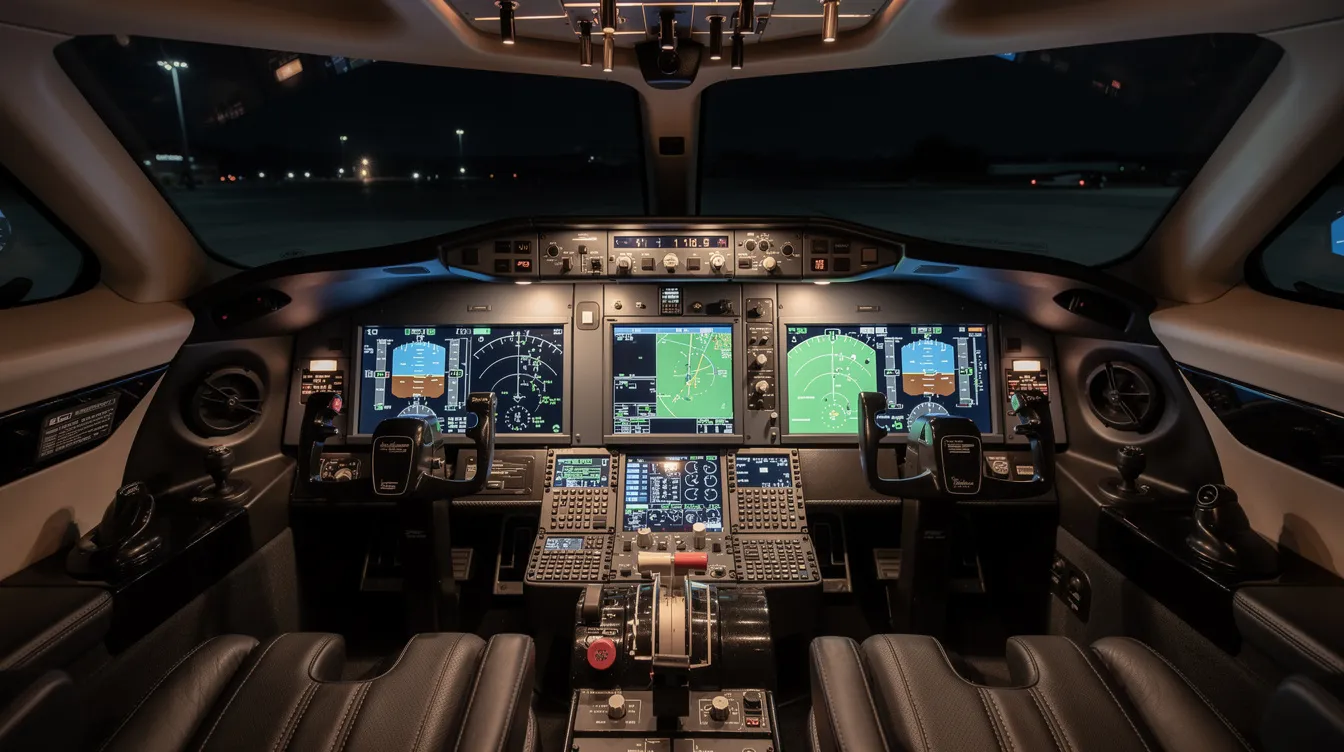
Third-party safety standards such as ARGUS Platinum, Wyvern Wingman, and IS-BAO have become essential benchmarks. Many popular jets under 10 million-the Phenom 300E, cessna citation CJ3+, hondajet elite-incorporate advanced avionics with synthetic vision and envelope protection that reduces pilot workload. BlackJet only partners with operators meeting or exceeding these benchmarks, and Jet Card clients can request safety documentation for each flight.
Sustainability and Carbon‑Neutral Private Jet Travel
Modern light jets and other jets under 10 million often feature winglets, composite materials, and engine technologies that cut fuel burn versus older fleets. Sustainable Aviation Fuel (SAF) is increasingly available at key hubs, with emissions reductions of up to approximately 80% over the fuel life cycle when fully adopted.
Carbon offset programs verified by reputable third parties ensure measurable impact rather than vague green claims. BlackJet makes every flight carbon-neutral by default through high-quality verified offsets, at no extra cost to Jet Card members. Sustainability-conscious travelers should evaluate both aircraft age and operator policies when assessing jets for sale or access models.
How to Choose the Right Under‑10M Jet (or Access Model)
Don't start with a favorite brand name. Start with a clear mission profile and capital strategy. The factors that matter: range, passenger count, annual flight hours, runway access, safety expectations, and sustainability priorities. Outcomes may point to a specific aircraft like the perfect aircraft for your routes-or to a flexible Jet Card strategy instead of ownership.
Define Mission, Usage, and Capital Priorities
List your 10–20 most common routes with distances, passenger counts, and frequency. For example: weekly New York–Palm Beach, monthly LA–Aspen, quarterly London–Geneva. Then decide whether you value liquidity and investment returns on 10 million more than owning a physical asset, or whether a region-specific purchase such as a UK private jet for sale aligns better with your base of operations.
Review the last 12–24 months of travel, including airline first-class trips you would have preferred to take privately. Set clear thresholds for non-negotiables: minimum runway lengths, cabin height, wi fi requirements, and safety ratings. Schedule a consultative call with BlackJet to map these inputs into either an ownership short list or a tailored Jet Card plus charter mix.
When Jet Cards and Charter Beat Ownership
Jet cards and curated charters are superior when schedules vary, travel peaks seasonally, annual hours fall under roughly 150, or mixed mission profiles require different aircraft sizes. Private jets access over 5,000 U.S. airports through charter networks-the same access footprint as ownership.
Consider a five-year comparison: owning a $7–8 million light jet at 150 hours annually costs roughly $5–6 million in total operating expenses plus depreciation, versus a BlackJet 25+ Hour Jet Card at 50 hours annually plus ad hoc charter for overflow at approximately $2–3 million total over the same period-with zero capital at risk and no crew HR issues, hangar negotiations, or unexpected maintenance grounding the only plane you own.
Access models allow rapid adaptation as routes, family needs, or business footprints change year to year. Many BlackJet clients keep capital deployed in their core businesses while using Jet Cards to enjoy the same aircraft categories they might otherwise buy.
Frequently Asked Questions About Private Jets Under $10 Million
What types of private jets can I buy for under $10 million?
You can purchase new light jets like the Embraer Phenom 300E, Cessna Citation CJ3+, and HondaJet Elite II, or pre-owned super-midsize jets such as the Bombardier Challenger 350 and Gulfstream G280, or even explore the largest private jets for sale if you routinely travel with larger teams. These aircraft vary in range, seating capacity, and cabin amenities but all offer excellent value within the $10 million budget and sit alongside many models commonly featured among the top private jets in the world.
How do operating costs compare between light jets and super-midsize jets?
Light jets typically operate at $2,000 to $2,800 per flight hour, while super-midsize jets cost between $3,800 and $5,000 per hour. Operating costs include fuel, maintenance, crew salaries, and hangar fees, so selecting the right class depends on your typical mission profile and passenger count.
Is ownership the best option for someone flying under 150 hours annually?
For travelers flying fewer than 150 hours annually, Jet Card programs or on-demand charter often provide more cost-effective and flexible access to private jets without the fixed costs and responsibilities of ownership.
Can I access jets like the Cessna Citation CJ3 or Embraer Phenom 300 on a Jet Card?
Yes. BlackJet’s Jet Card programs offer access to popular models including the Citation CJ3 and Phenom 300, combining safety-vetted operators, carbon-neutral flights, and seamless booking without the capital outlay of ownership.
How important are safety certifications when choosing a private jet operator?
Safety certifications such as ARGUS Platinum, Wyvern Wingman, and IS-BAO are critical benchmarks that ensure operators meet or exceed commercial aviation safety standards. Choosing operators with these certifications guarantees higher levels of pilot training, maintenance, and operational oversight.
What sustainability options are available with private jets under $10 million?
Modern jets feature fuel-efficient designs and can utilize Sustainable Aviation Fuel (SAF) to reduce carbon emissions. Additionally, BlackJet offsets all flights through verified carbon offset programs at no extra cost, enabling carbon-neutral private travel.
How long does it typically take to complete a private jet purchase under $10 million?
A straightforward pre-owned jet purchase usually takes 45 to 90 days, including pre-purchase inspections, financing, and registration. New aircraft orders may require 12to monthshsh,s depending on the manufacturer's backlog and customization.
Can I charter out my private jet to offset ownership costs?
Many owners place their jets on Part 135 certificates to generate charter revenue when not in use. This can offset 30–50% of annual operating costs but requires compliance with commercial regulations and acceptance of increased utilization, and some ultimately pivot to the cheapest private jet and entry-level options or pure charter when utilization drops.
Conclusion: Making the Most of Your $10 Million Private Jet Investment
Choosing a private jet under $10 million is about more than just price—it’s a strategic decision that balances mission requirements, operational costs, safety, and sustainability. Whether you opt for a new light jet, a versatile super-midsize pre-owned aircraft, or flexible access through BlackJet’s Jet Card programs, this investment unlocks unparalleled convenience, productivity, and luxury travel experiences.
For travelers flying fewer than 150 hours annually or with varying route demands, Jet Cards and curated charter provide premium access without ownership’s fixed costs and complexities. Meanwhile, full ownership suits those with higher utilization and a desire for total control and customization.
By prioritizing certified safety standards, embracing sustainable aviation practices, and aligning your choice with your unique travel patterns, you ensure your private aviation experience delivers maximum value. Explore BlackJet’s exclusive Jet Card offerings or consult with our experts to discover how private jets under $10 million can elevate your travel strategy with confidence and ease.


 Sign up with google
 Sign up with Apple